Missions
Human and robotic spaceflight news from Cosmic Herald — launches, the Moon and Mars, mission milestones, and the spacecraft exploring the solar system.
-
Missions
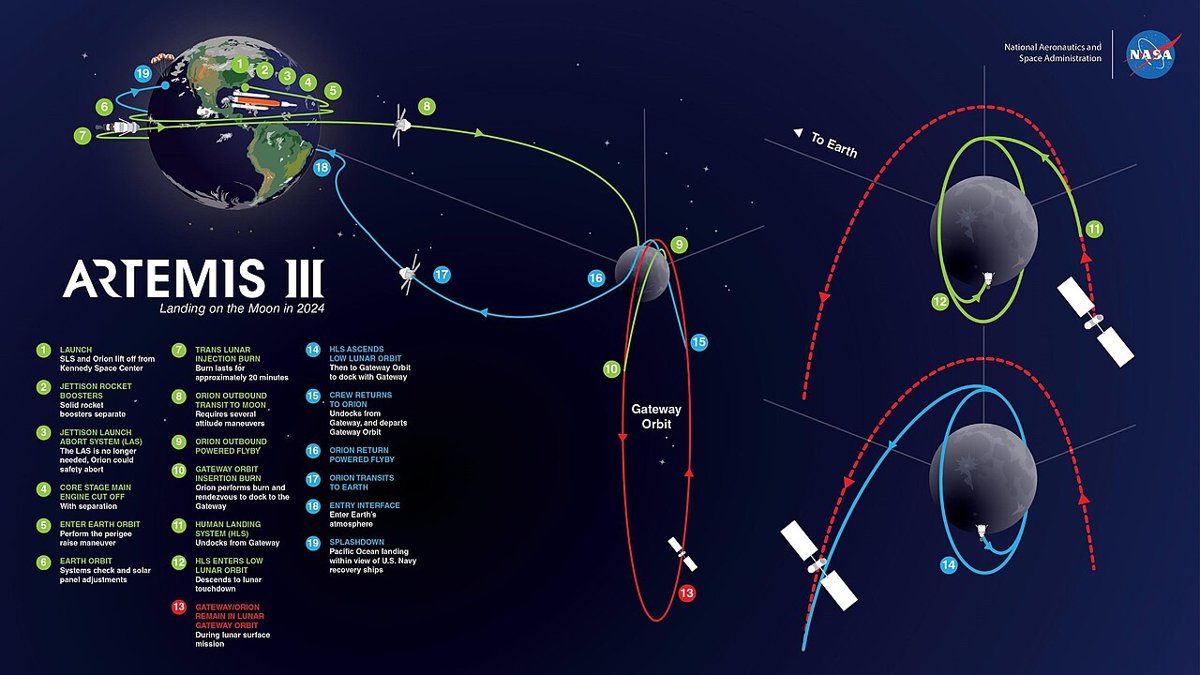
Artemis III's Moon Rocket Gets Four Shuttle-Flown Engines Bolted to Its Base
Technicians at Kennedy Space Center have finished installing all four RS-25 engines on the SLS core stage for Artemis III — hardware that flew shuttle missions carrying John Glenn and other astronauts decades ago.
-
Missions
ESA's Juice Swings Back Past Earth for a Second Gravity Boost Toward Jupiter
Juice, ESA's Jupiter Icy Moons Explorer, makes its second Earth flyby this month — one more gravity assist in a chain that will finally deliver the spacecraft to Jupiter in 2031, eight years after launch.
-
Missions
Parker Solar Probe Turns Its Camera on the Sun's Uncharted North Pole
NASA's Parker Solar Probe completed its 29th close pass of the Sun on Sept. 4, again matching its speed and distance records while training its imager on the solar north pole — and it will keep flying through at least 2029.
-
Missions
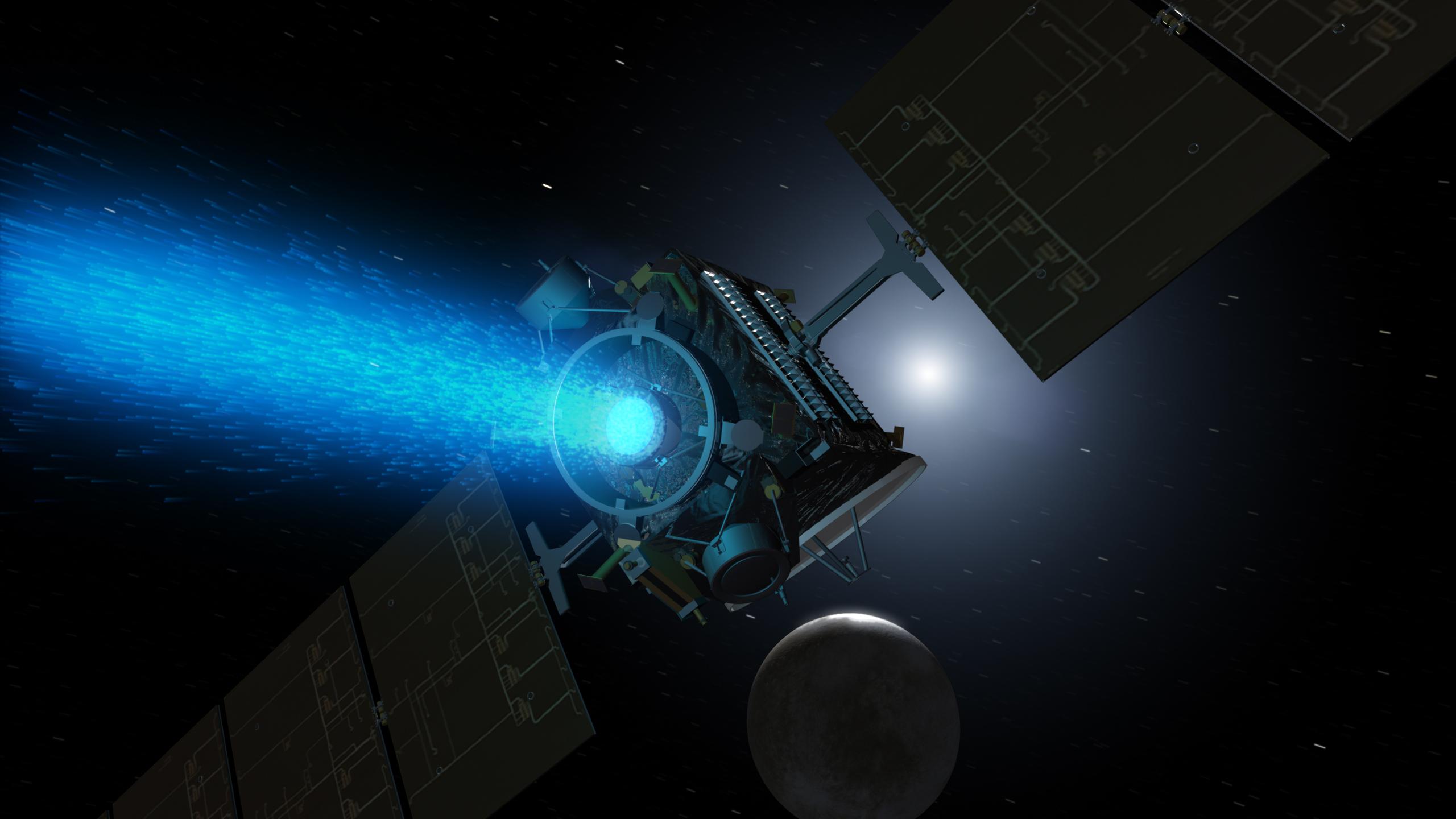
Jupiter, Saturn, and a Low-Thrust Engine: A New Path to Meet Halley's Comet Before Its 2061 Return
A new trajectory study argues a low-thrust spacecraft using double planetary flybys could rendezvous with — not just fly past — Halley's Comet before its 2061 return, but only if work starts now.
-
Missions
Artemis II's Commander and Pilot Step Into NASA's Emeritus Program
Five months after their lunar flyby splashdown, Artemis II's Reid Wiseman and Victor Glover become the first astronauts named to NASA's emeritus program, trading flight status for mentorship roles.
-
Missions
BepiColombo Sheds Its Ferry and Begins the Final Descent to Mercury
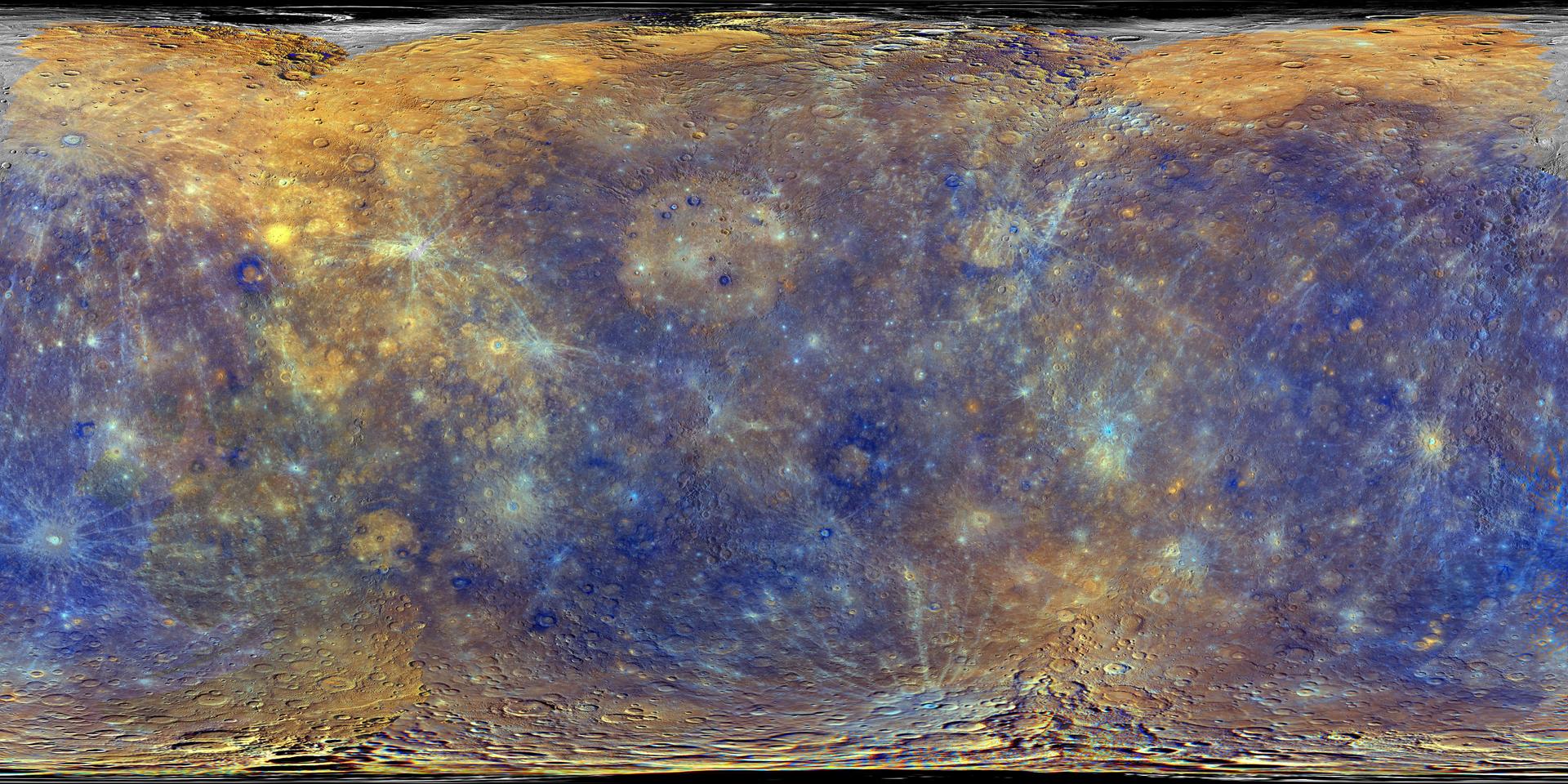
After an eight-year, 9.9-billion-kilometer journey and nine planetary flybys, BepiColombo jettisoned its transfer module on Sept. 3, 2026, starting the final approach to a Nov. 21 Mercury orbit insertion.
-
Missions
Russia Preps Progress 96 Cargo Run to the ISS as Outgoing Freighter Departs
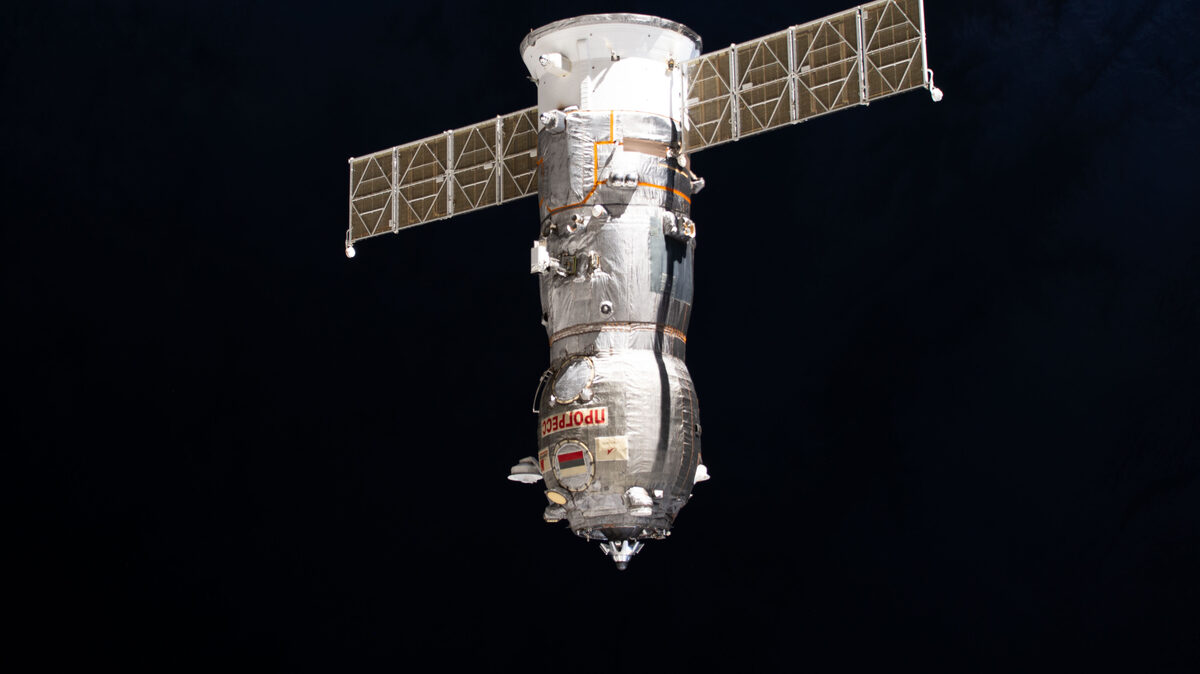
NASA and Roscosmos are set to launch the unpiloted Progress 96 freighter to the ISS on Sept 9, days after its predecessor undocked to clear the port for the routine three-ton delivery.
-
Missions
ISRO's GSLV-F17 Lofts EOS-05, Ending an Eight-Month Launch Drought
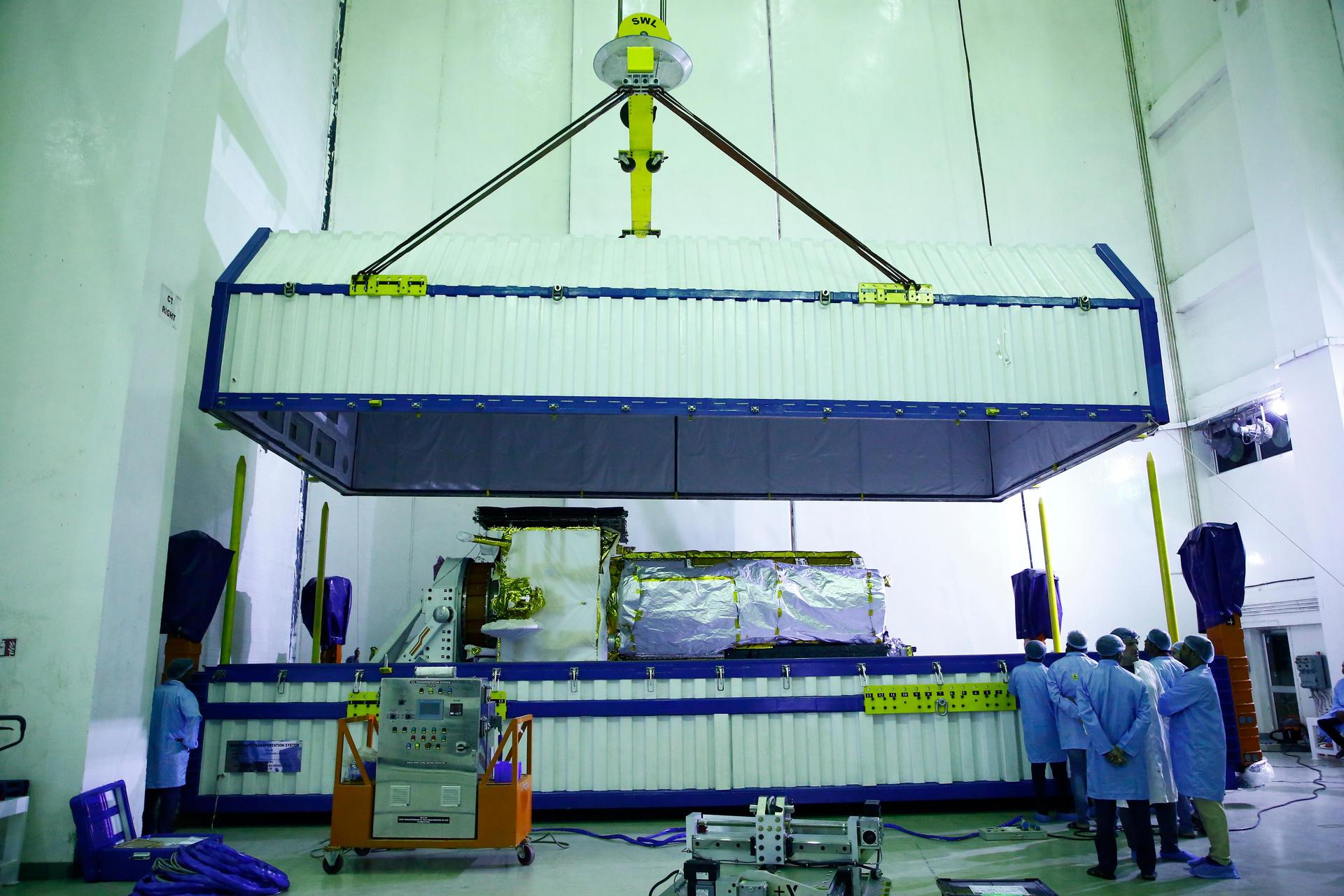
ISRO's GSLV-F17 successfully placed the EOS-05 Earth observation satellite into orbit, marking the agency's first launch since January and restarting its 2026 cadence.
-
Missions
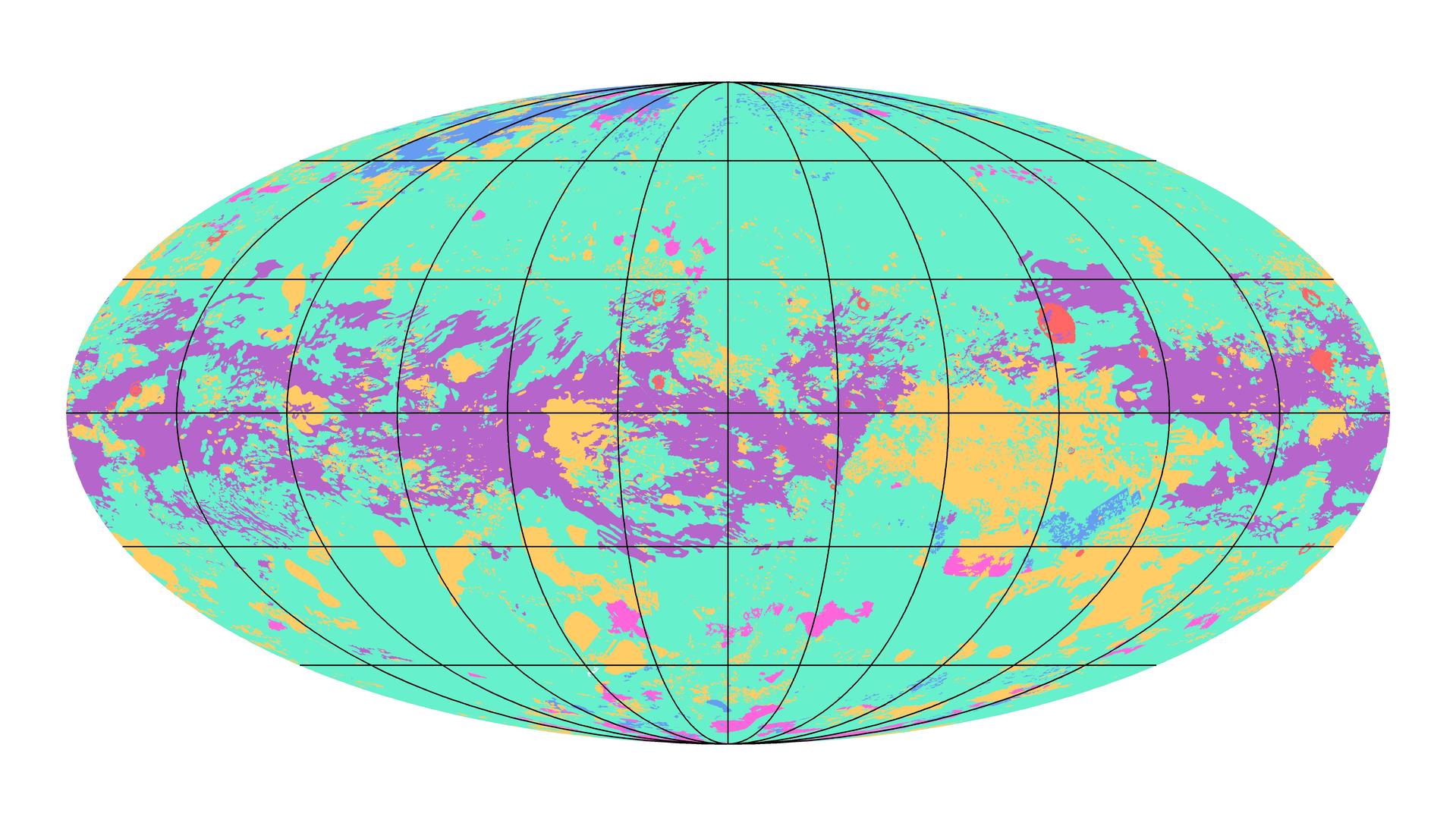
Dragonfly Gets Its Nervous System, and Its Titan Landing Zone Finally Gets a Name
NASA's nuclear rotorcraft just got 17,315 feet of wiring installed at Johns Hopkins APL, and its 500-mile dune-field landing zone on Titan now has an official name: Ahmakiq Undae.
-
Missions
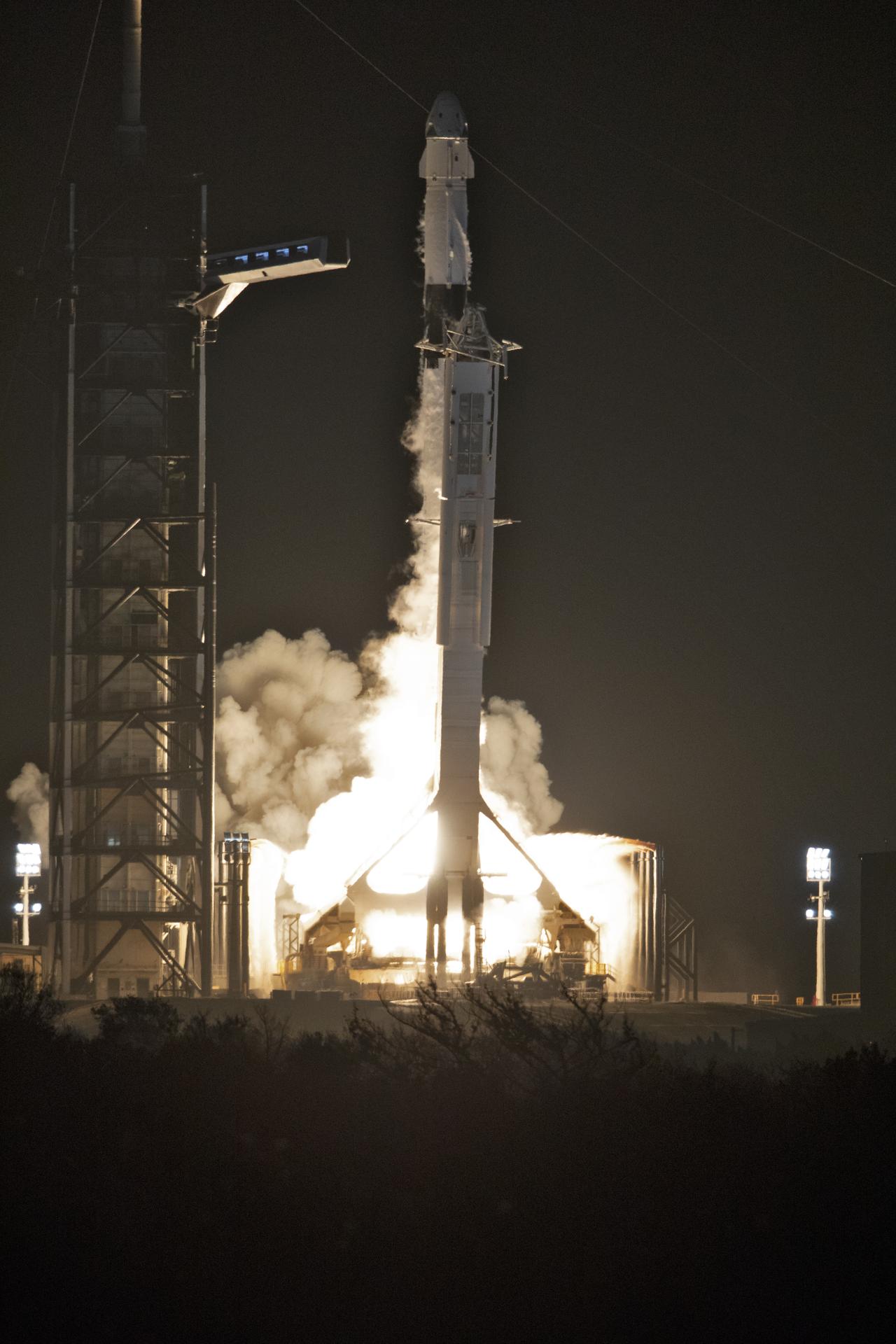
NASA, SpaceX Push Back Crew-13 Launch After Oxidizer Leak Found on Dragon
A propulsion-system oxidizer leak found during routine prelaunch processing has pushed Crew-13's ISS launch off its Sept. 12 target, with no new date set as NASA and SpaceX run tests and review data.
-
Missions
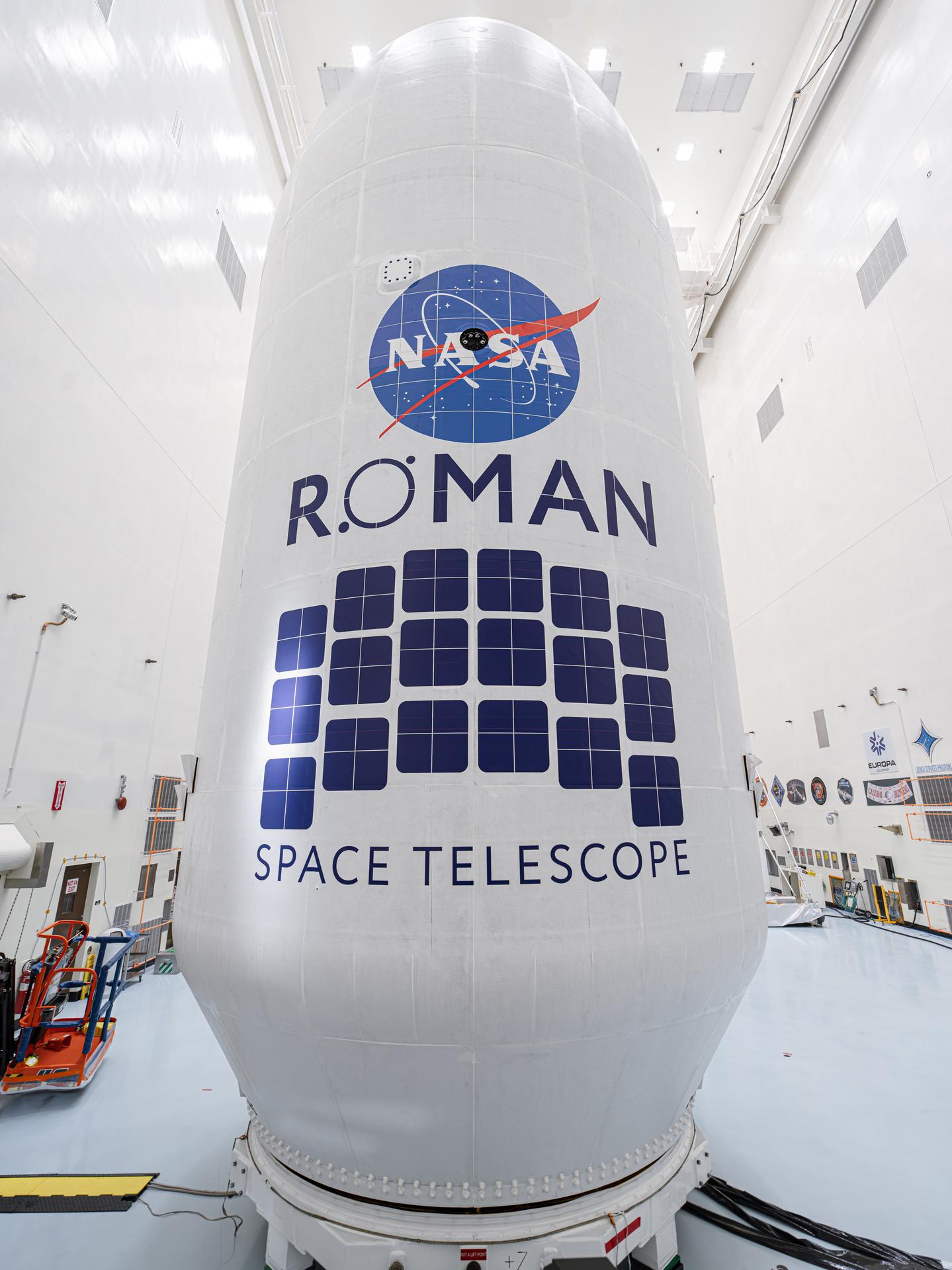
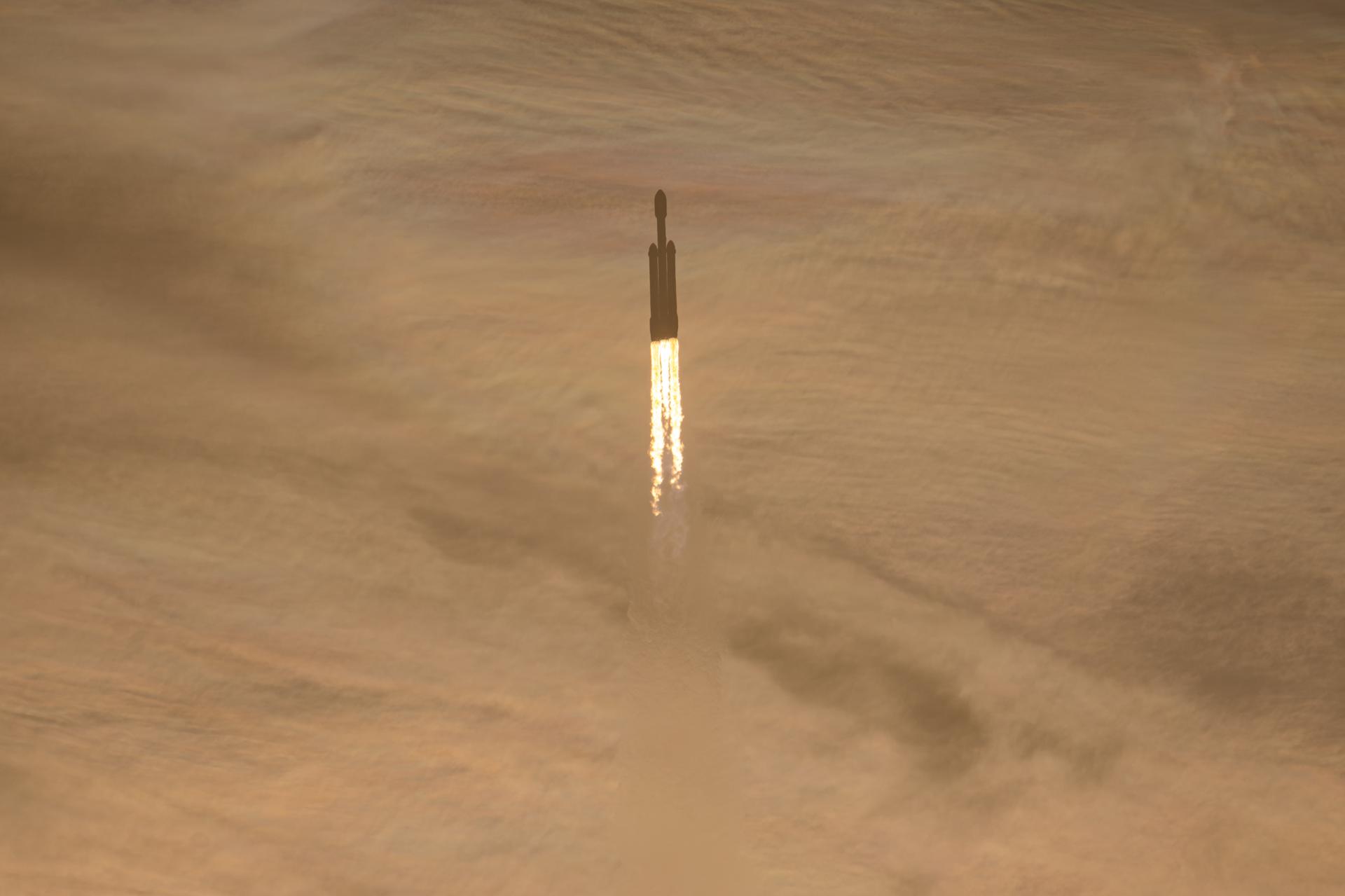
Roman Space Telescope Launches Toward L2, Kicking Off a Dark-Universe Survey 1,000 Times Faster Than Hubble
NASA's Nancy Grace Roman Space Telescope launched on a Falcon Heavy Aug. 30, 2026, beginning a three-month cruise to L2 where its 300-megapixel camera will survey the sky 1,000x faster than Hubble in search of dark matter, dark energy, and exoplanets.
-
Missions
The Pentagon Called It Its Most Spectacular Failure. NASA Just Launched the Wreckage Toward the Edge of the Universe — Under the Name of a Woman Astronomy Once Said Didn't Belong
A telescope built in secret to spy on adversaries, abandoned as a half-billion-dollar Cold War-style failure, launched August 30 to hunt dark energy — carrying the name of a woman denied a seat in the field it was denied a role in.