Missions
Human and robotic spaceflight news from Cosmic Herald — launches, the Moon and Mars, mission milestones, and the spacecraft exploring the solar system.
-
Missions
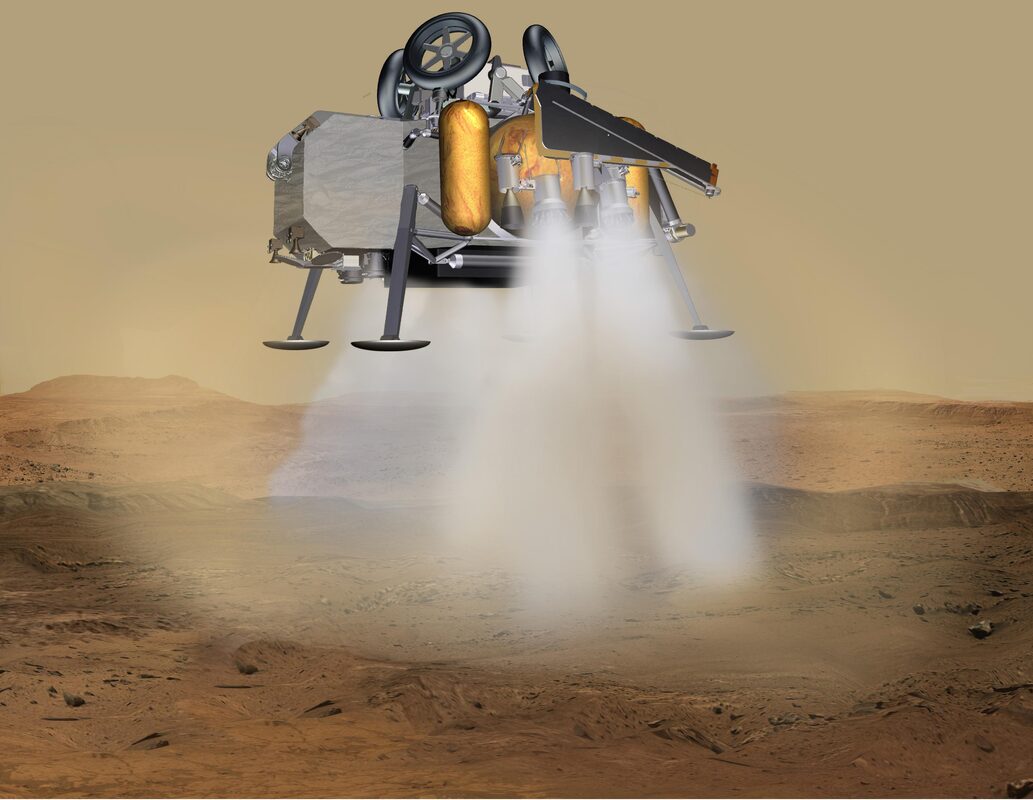
China Narrows Tianwen-3 Mars Sample-Return Landing Zone to Eight Candidates in Hunt for Ancient Life
China's Tianwen-3 team has cut its Mars landing-site shortlist to eight candidates rich in ancient standing-water evidence, with three finalists due by the end of 2026 ahead of a roughly 2028 launch aimed at returning samples by 2031.
-
Missions
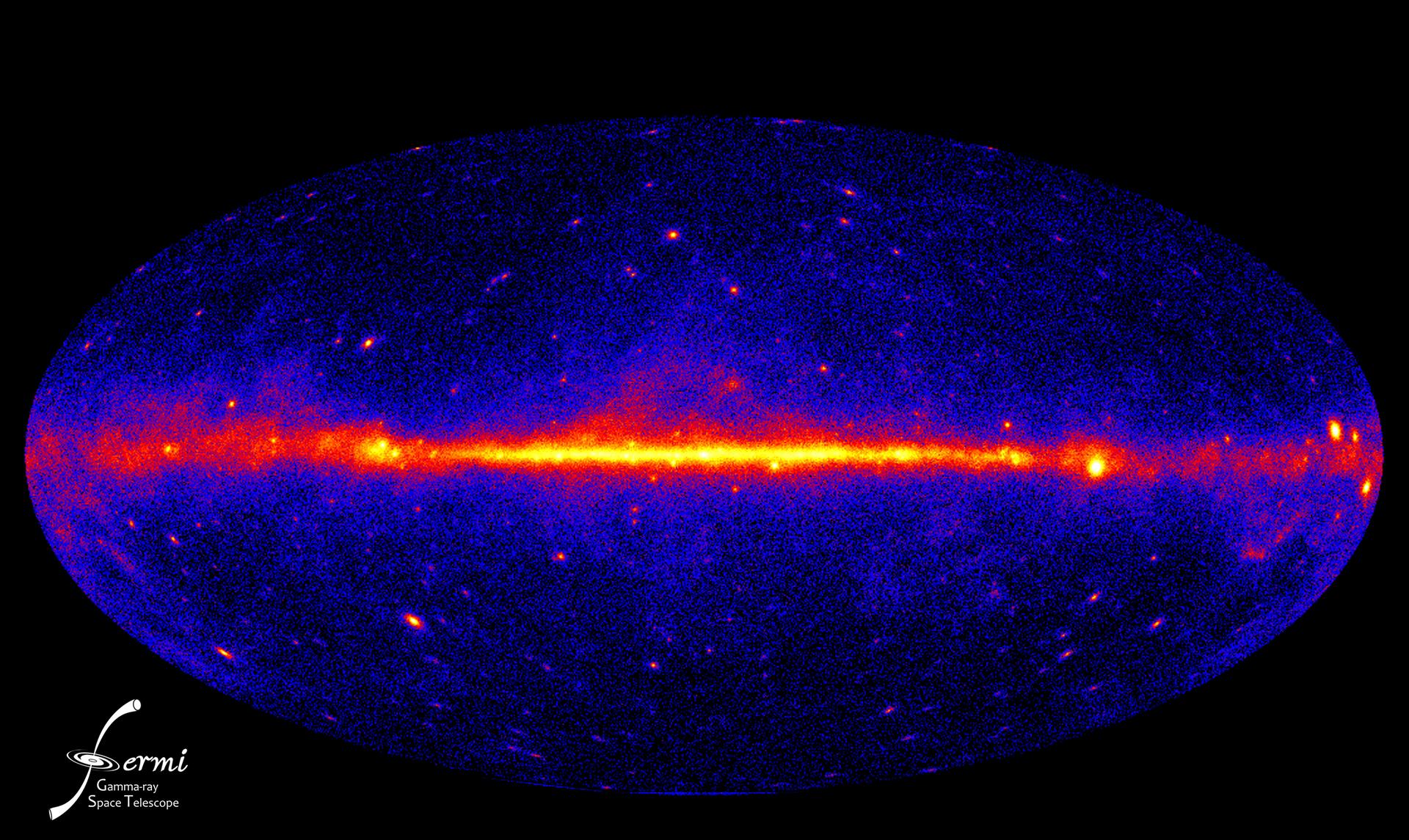
COSI Comes Together: NASA's Gamma-Ray Telescope Chasing the Galaxy's Antimatter Mystery Heads Toward a 2027 Launch
NASA has posted an image of engineers lifting COSI's detector assembly, a milestone for the gamma-ray Small Explorer built to trace the Milky Way's 511 keV antimatter glow and slated to fly on a Falcon 9 in 2027.
-
Missions
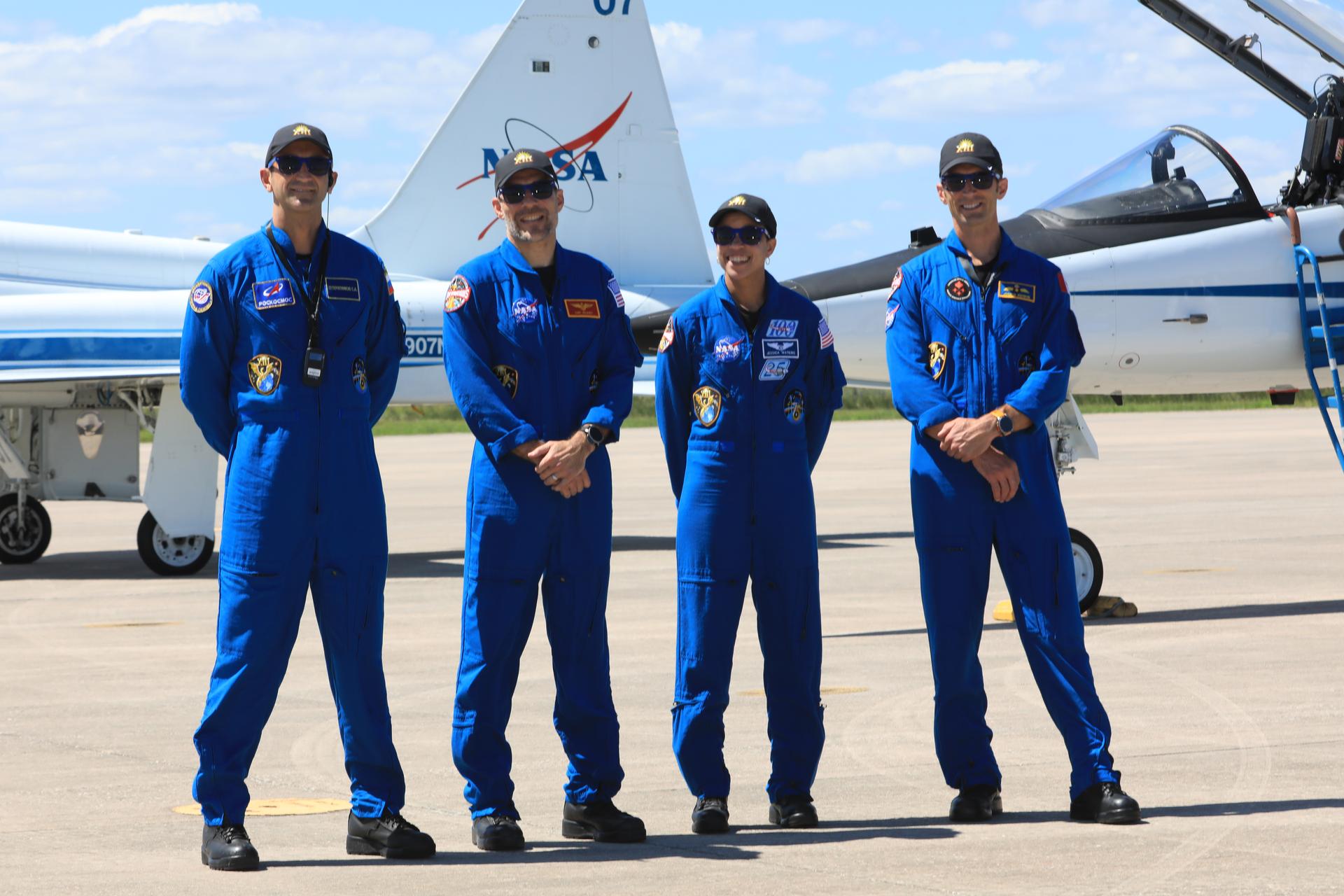
Crew-13 Heads to the Space Station: A Second Flight for Watkins and Three Rookies
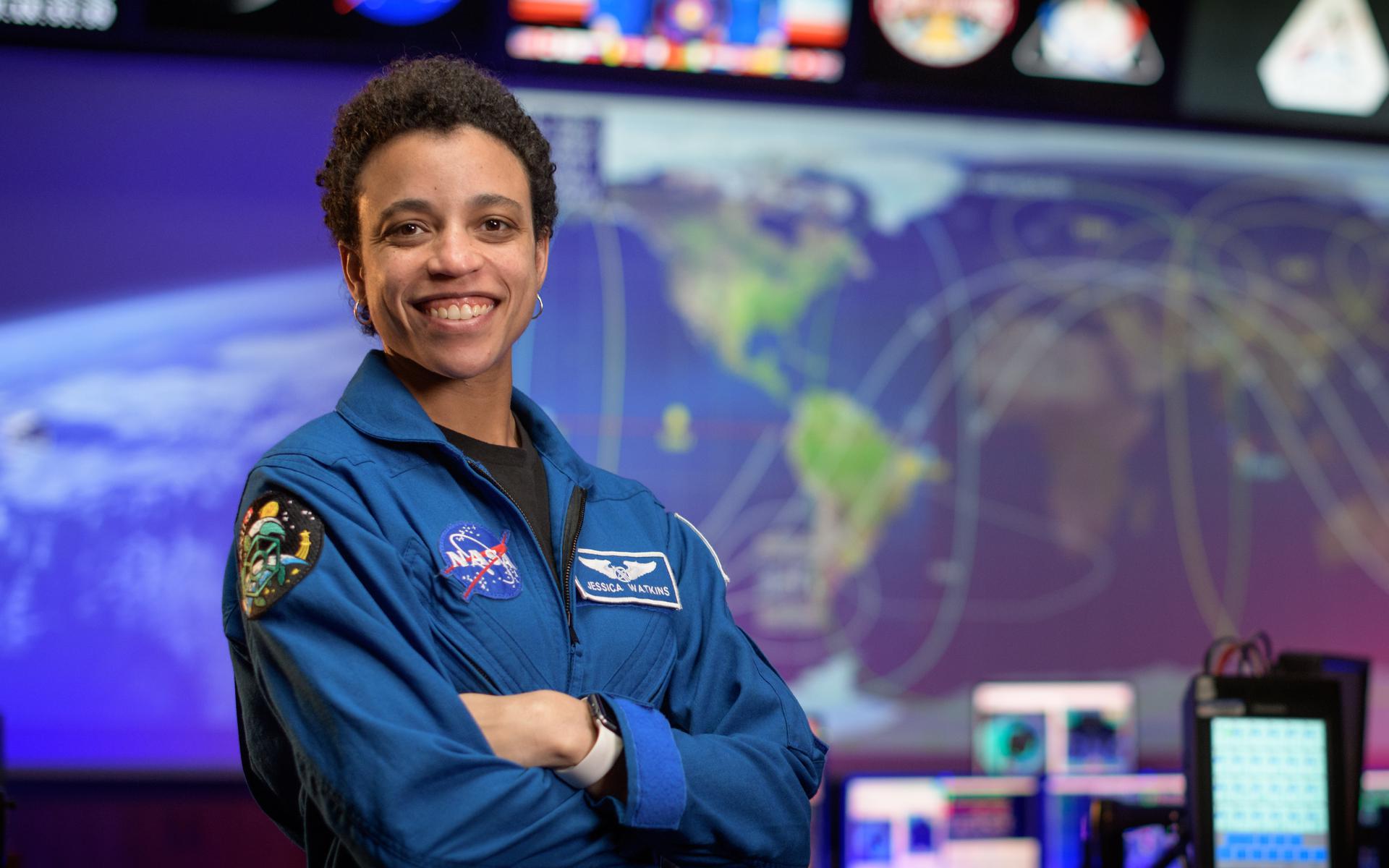
SpaceX Crew-13 launches at 11:10 a.m. EDT Oct. 1 from SLC-40 with Jessica Watkins, Luke Delaney, Joshua Kutryk and Sergey Teteryatnikov for about six months on Expedition 75, after an oxidizer-leak delay from Sept. 12.
-
Missions
Smile Is Cleared for Science, but Its X-Ray Camera Still Has a Stray-Light Problem
The joint ESA-CAS Smile mission was approved for science operations on Sept. 23; its UV imager already films the full auroral oval for 45 hours at a stretch, while the X-ray camera waits for stray light to fade in mid-October.
-
Missions
Juice Skims Earth's Atmosphere Region and Bends Its Path Toward Jupiter
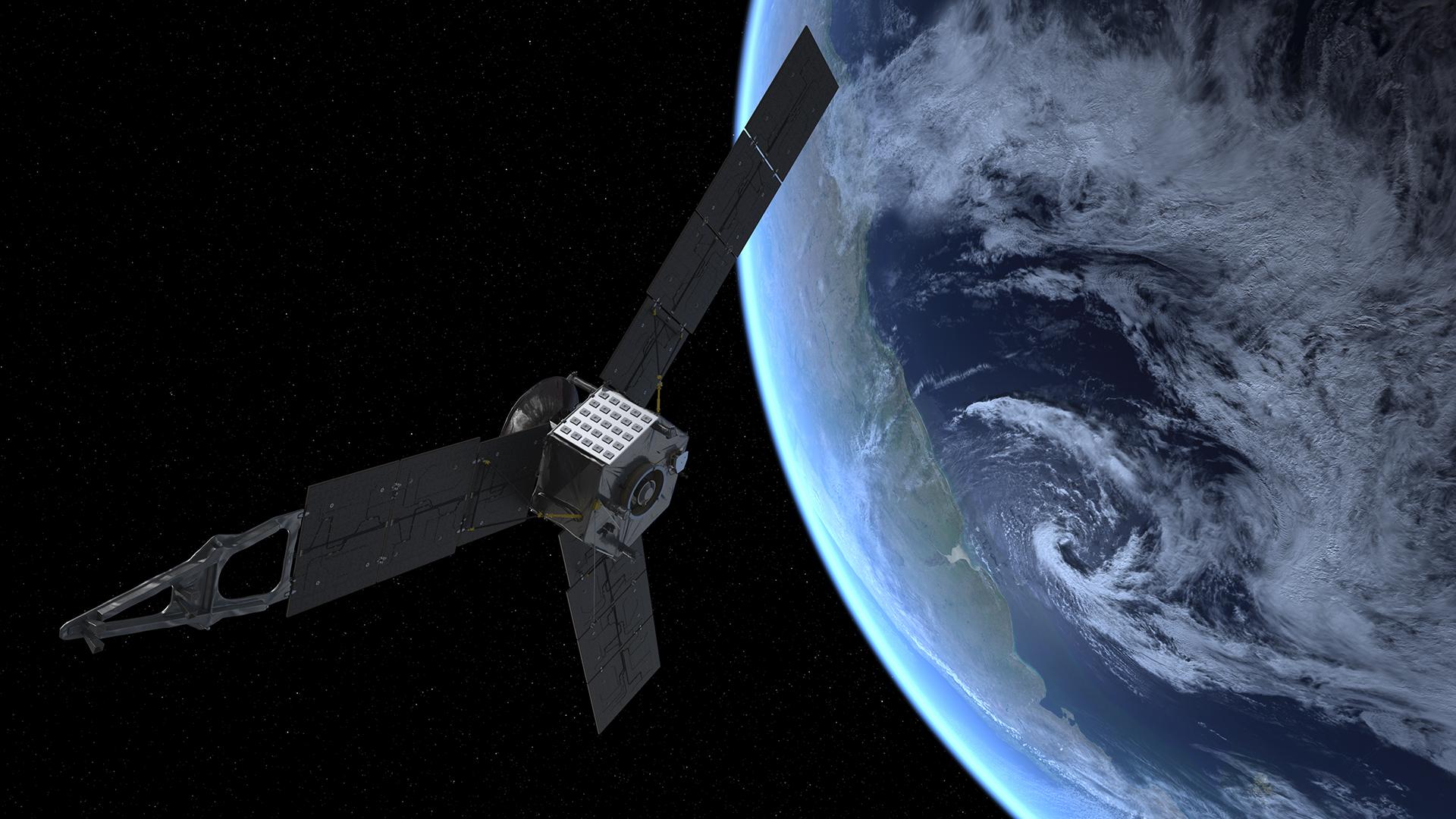
ESA's Juice swept 8,640 km above the Indian Ocean on Sept 28, 2026, turning 20 degrees and gaining 3.5 km/s with almost no propellant, and is now better aimed for its July 2031 arrival at Jupiter.
-
Missions
Ramses Wakes Up: ESA-JAXA Apophis Spacecraft Powers On in Milan
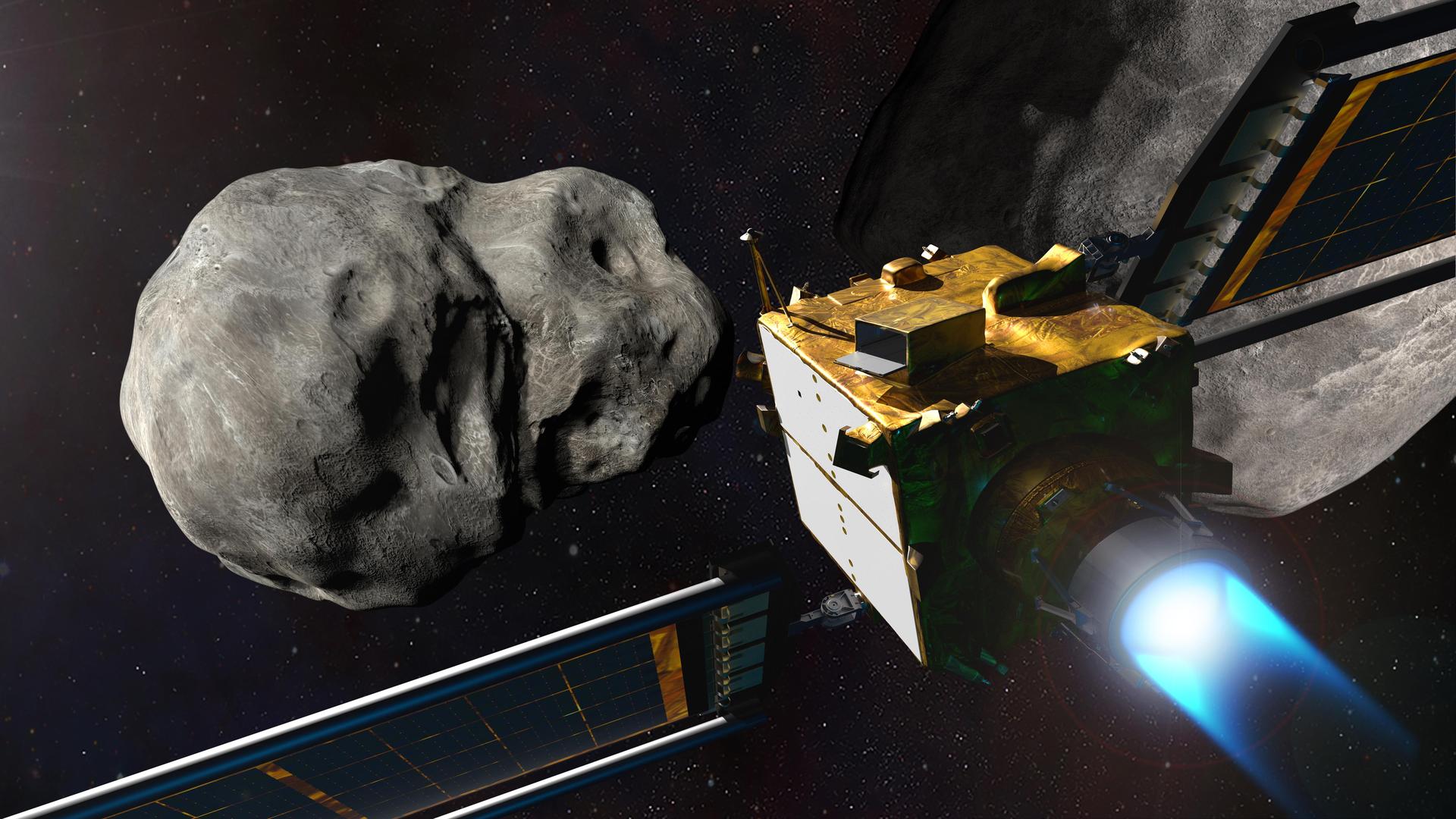
ESA's Ramses spacecraft, built with JAXA, has had its Core Module computer and subsystems switched on for the first time in Milan, a milestone in a compressed schedule to launch by spring 2028 for Apophis' April 13, 2029 flyby.
-
Missions
Crew-13's Jessica Watkins, Luke Delaney and Crewmates Enter Quarantine Ahead of Oct. 1 ISS Launch
NASA and SpaceX have locked in Oct. 1 at 11:10 a.m. EDT for Crew-13's Falcon 9/Dragon launch to the ISS, after an oxidizer-valve leak pushed the flight past its original Sept. 12 target.
-
Missions
Progress 96 Docks at ISS After a Week-Long Delay Nobody Fully Explained
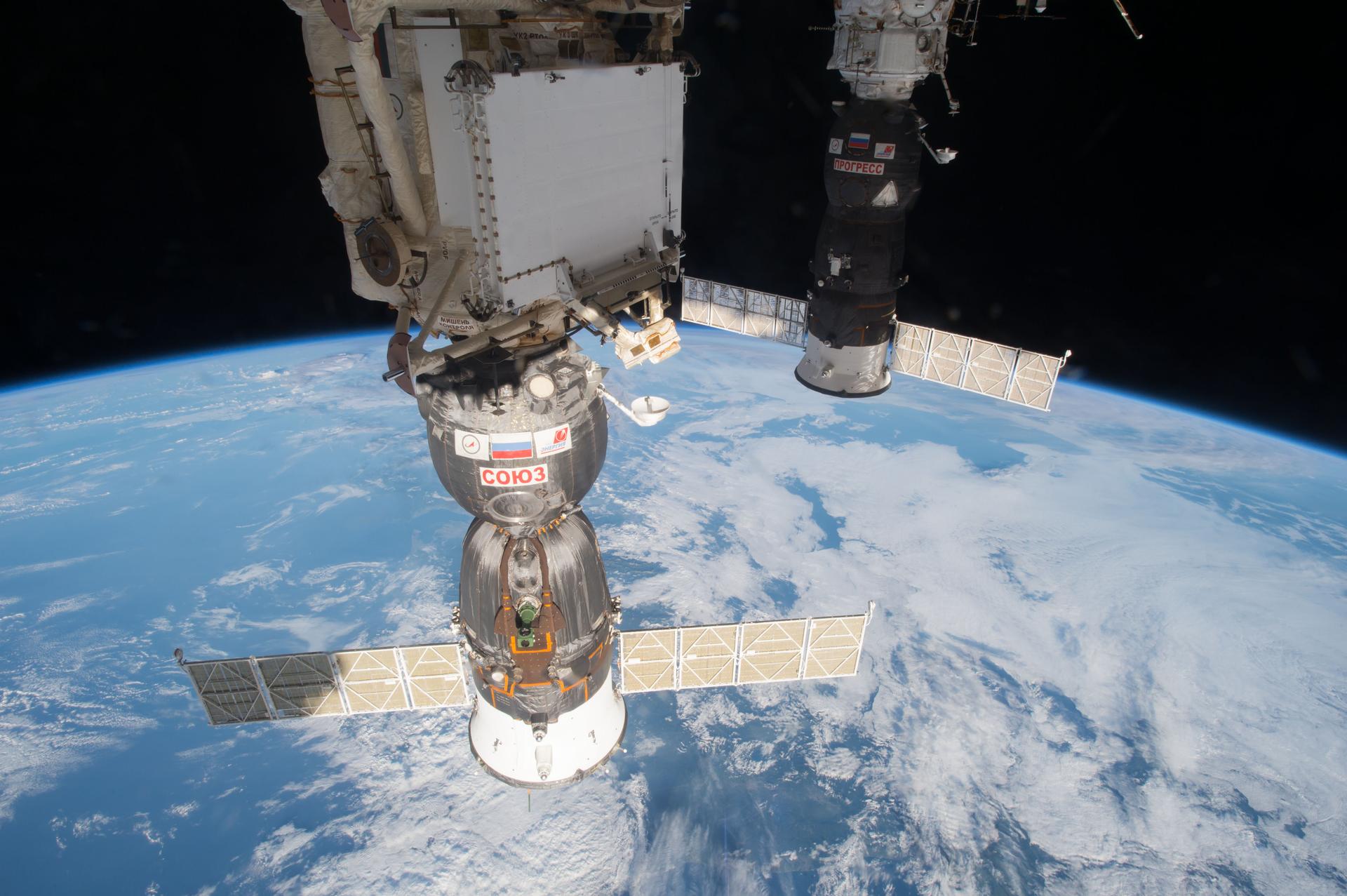
Russia's Progress 96 cargo ship reached the ISS on September 19 after an undisclosed Soyuz third-stage fault forced a hangar rollback and a rare three-day rendezvous.
-
Missions
StarBurst Gets a Ride: NASA Books a Falcon 9 Rideshare for Its Neutron-Star-Merger Detector
NASA has booked SpaceX to fly StarBurst, a roughly 300 kg gamma-ray satellite built to catch the first flash of merging neutron stars, on a Falcon 9 Bandwagon rideshare no earlier than 2028.
-
Missions
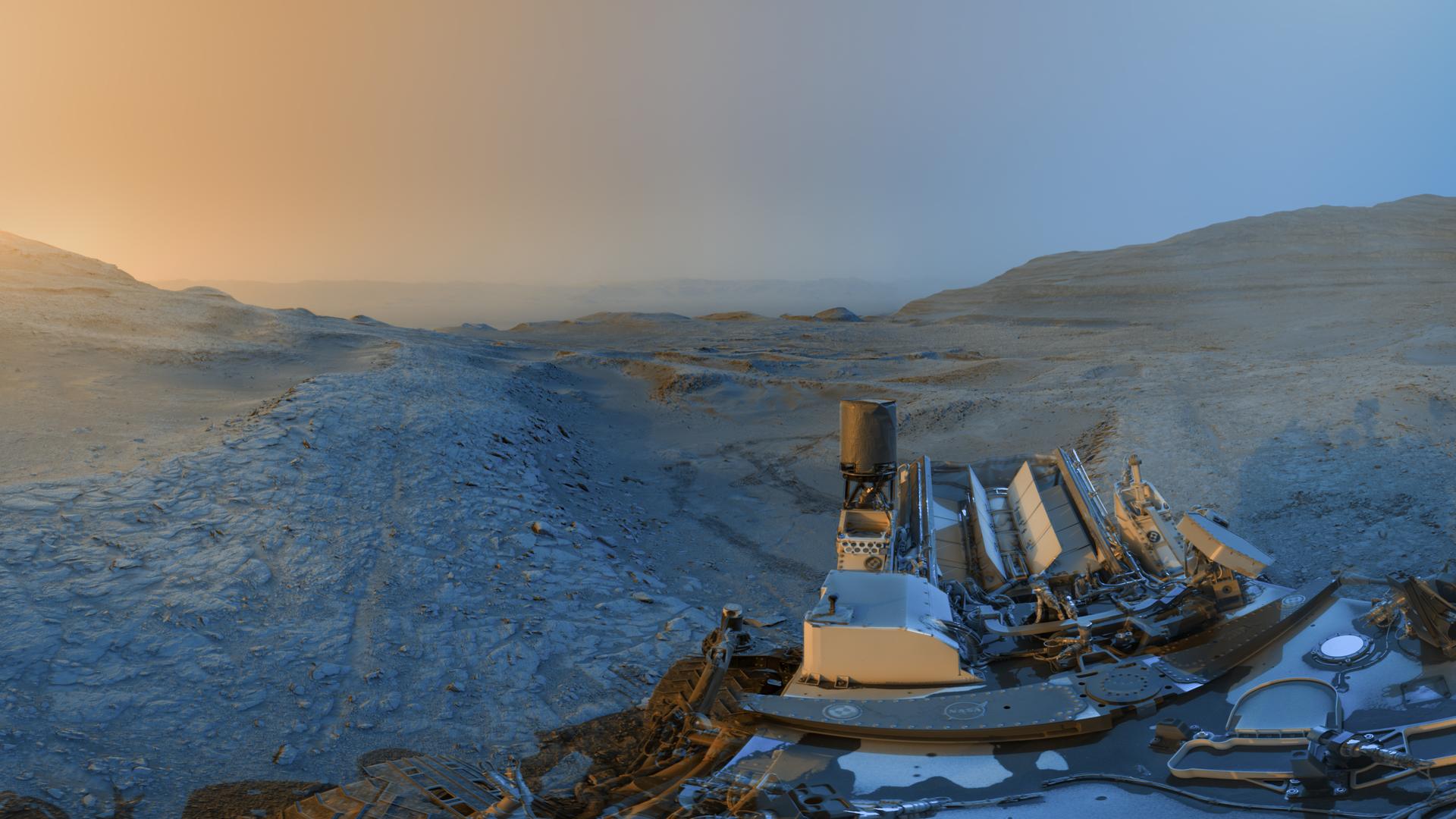
Curiosity Marks 5,000 Sols on Mars With a Two-Tone Postcard
NASA's Curiosity rover hit its 5,000th Martian day on Aug. 30, 2026, and the team marked it with a blue-and-yellow composite panorama shot from a Mount Sharp ridge nicknamed 'Chocolatal.'
-
Missions
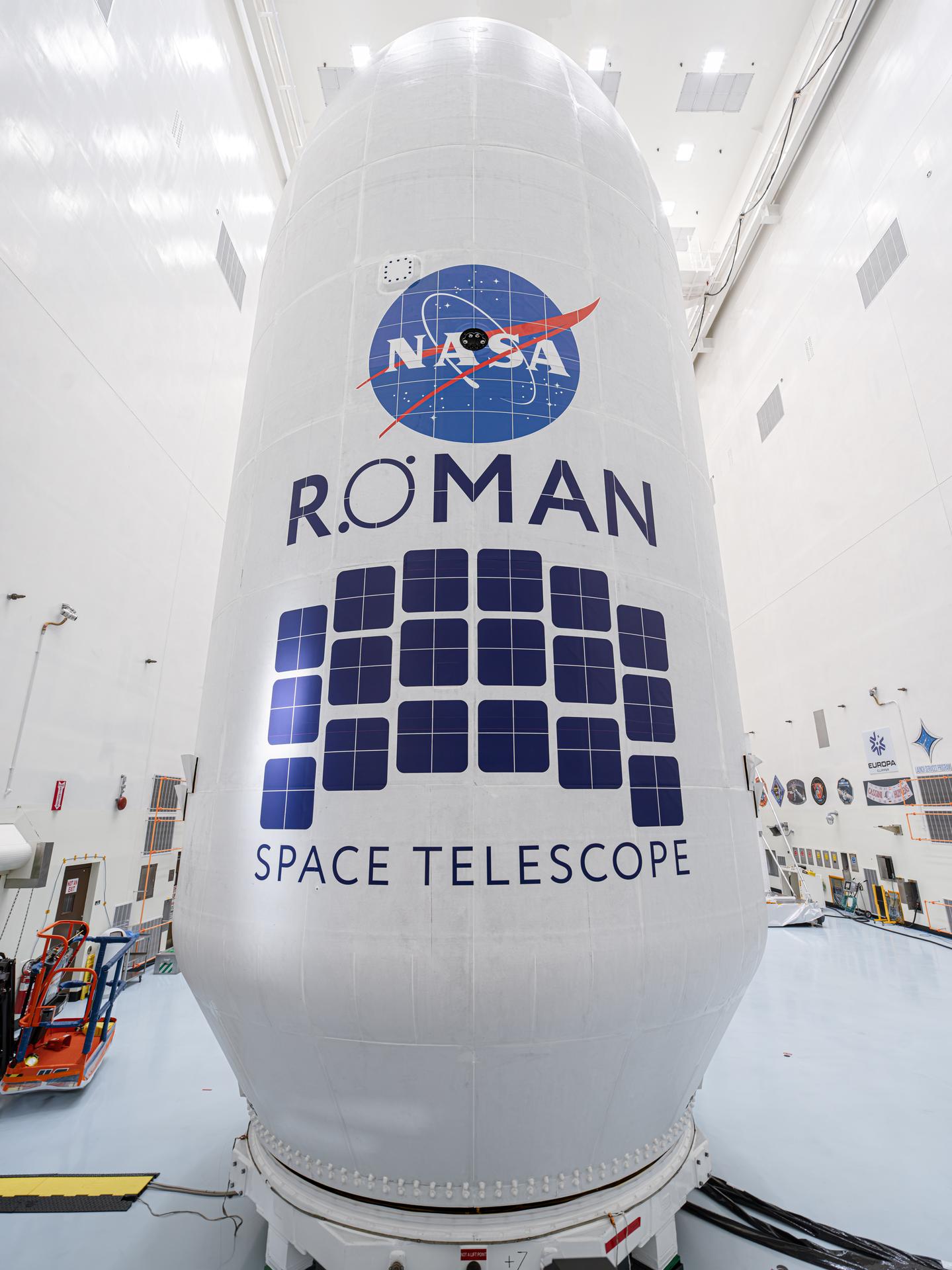
Roman Space Telescope Activates Its 300-Megapixel Eye
NASA has powered on the Roman Space Telescope's 300-megapixel Wide Field Instrument and begun checkout of its planet-hunting Coronagraph, with first science images still roughly a year away.
-
Missions
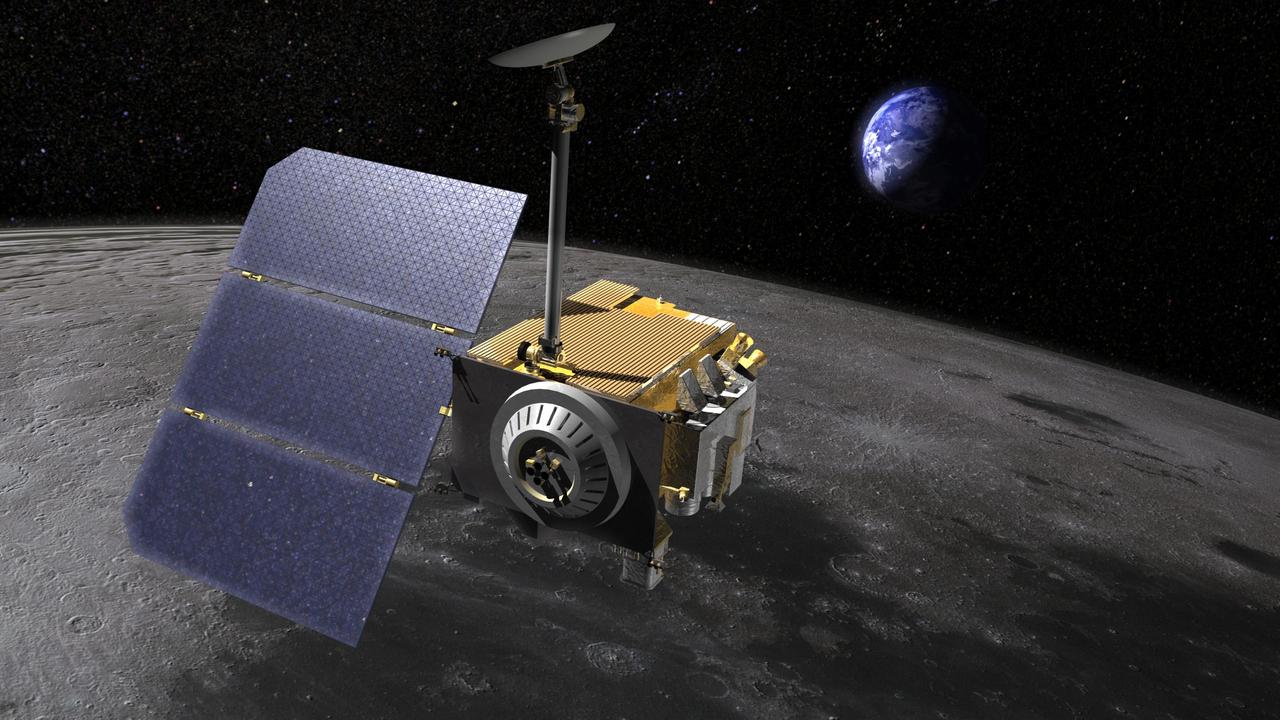
NASA and IBM Open-Source an AI Model Trained on 17 Years of Moon Data
NASA and IBM released a free, open-source AI foundation model trained on roughly 2 million lunar image tiles so scientists can fine-tune it for crater mapping, ice prospecting, and geologic dating ahead of Artemis surface missions.