Missions
Human and robotic spaceflight news from Cosmic Herald — launches, the Moon and Mars, mission milestones, and the spacecraft exploring the solar system.
-
Missions
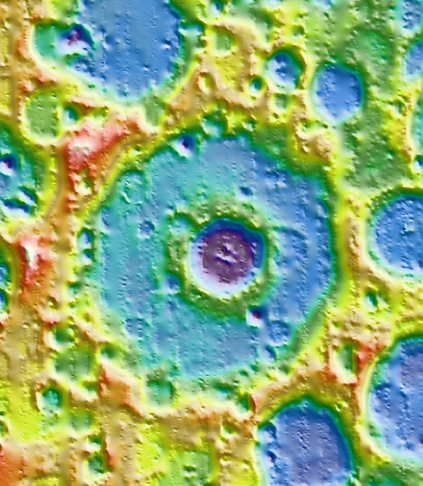
A Dead SpaceX Rocket Stage Just Struck the Moon Near Einstein Crater — and the VLT Watched It Happen
A spent Falcon 9 upper stage from January 2025's Blue Ghost/Hakuto-R launch slammed into the Moon's far side near Einstein crater on August 5, 2026, and ESO's VLT caught sodium and lithium flashing in the debris plume.
-
Missions
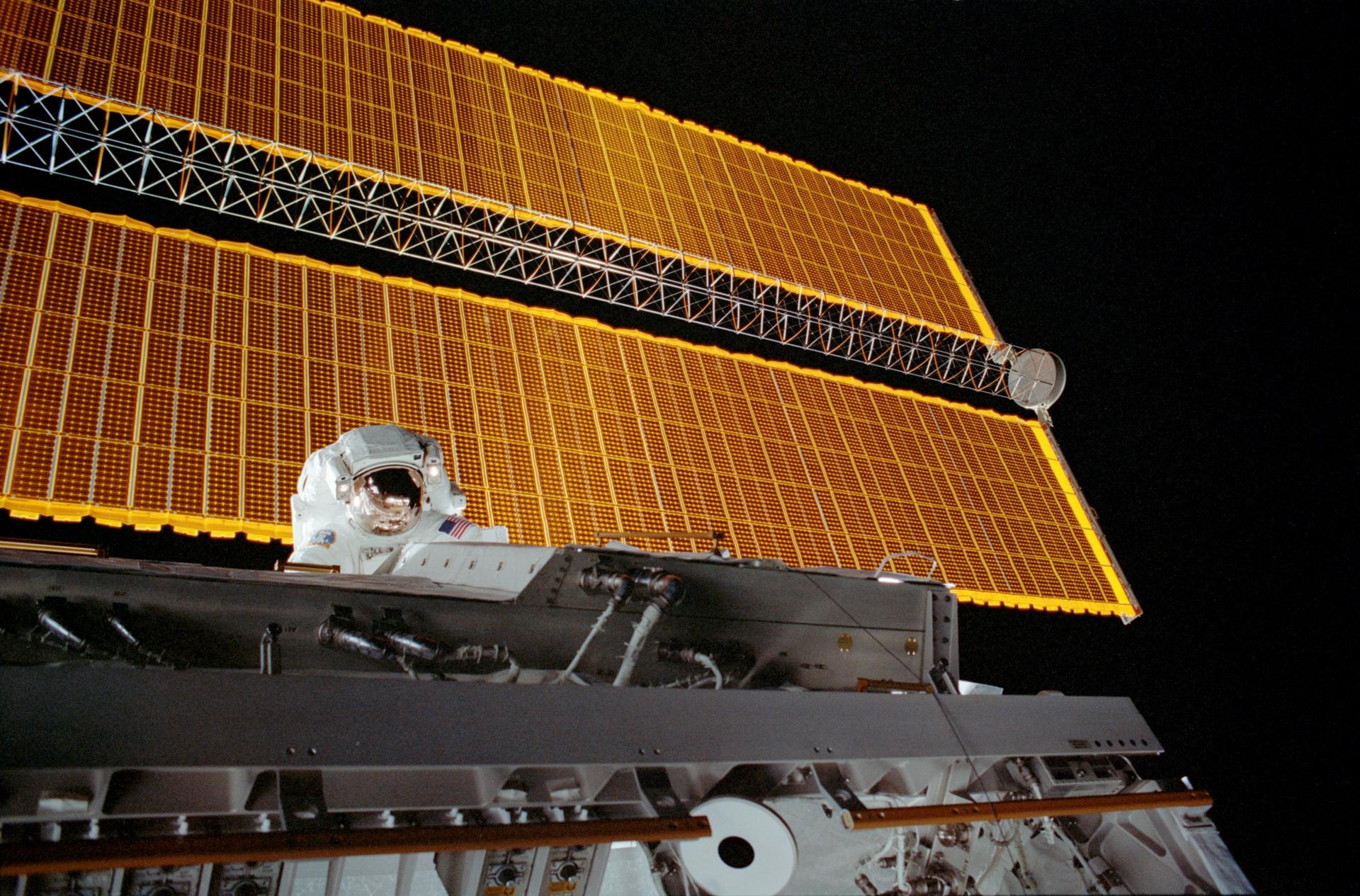
NASA Sets Three August Spacewalks to Rewire ISS Power and Fix Station Comms
NASA previewed a trio of August spacewalks — on the 6th, 13th, and 25th — to rework a station power channel, swap a balky communications antenna, and rig cabling for future upgrades.
-
Missions
NASA Bets $3.2 Million on 18 Wild Ideas, From Sun-Dimming Dust Clouds to Lava-Tube Robots
NASA's NIAC program handed 18 teams up to $175,000 each to spend nine months proving out concepts ranging from a controllable sun-dimming dust cloud to hovering robots for lunar lava tubes.
-
Missions
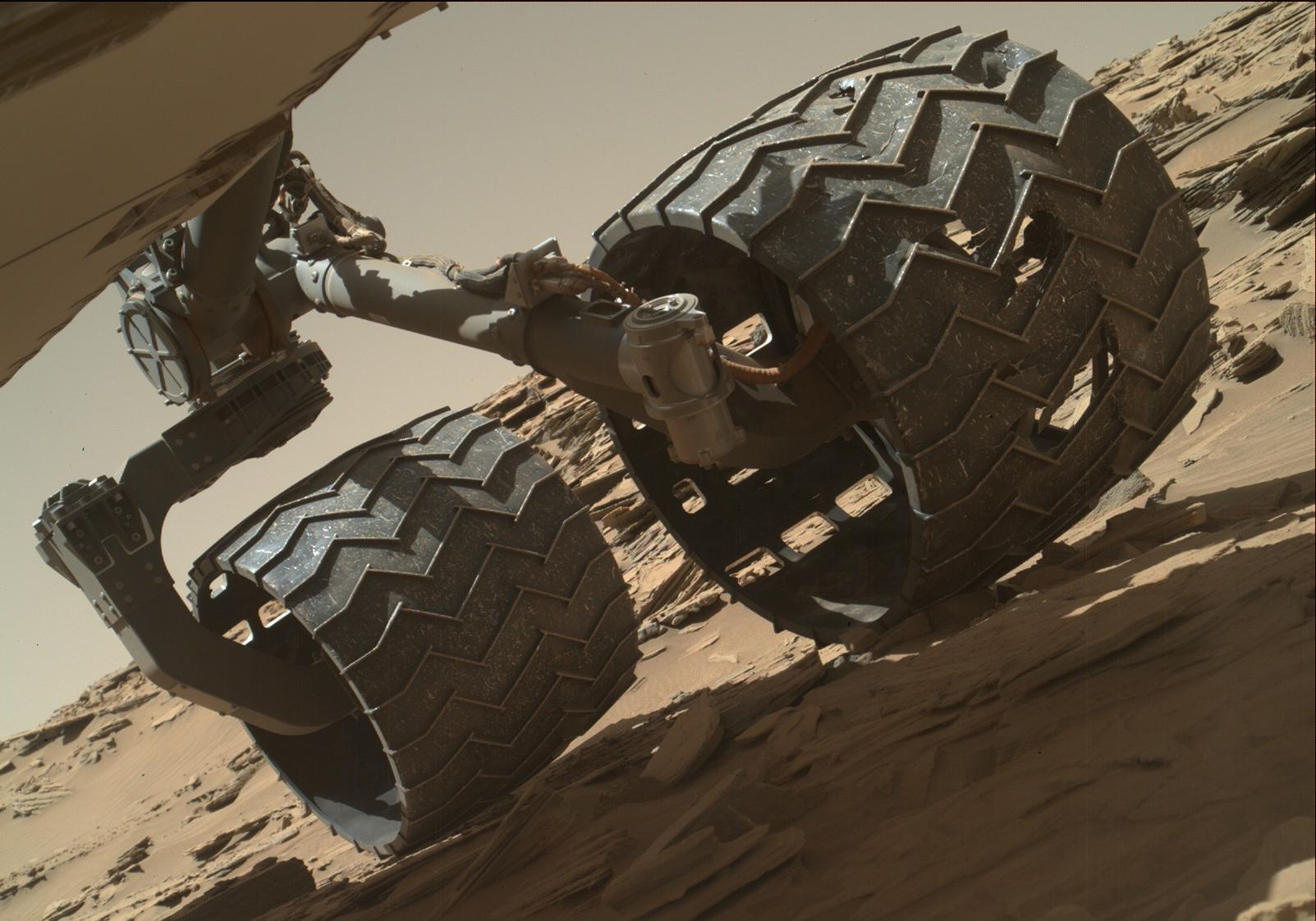
Fourteen Years, Twenty Miles: Curiosity's Wheels Show Their Age in New Close-Up
A new MAHLI close-up from Sol 4963 shows Curiosity's aluminum wheels riddled with cracks and holes after nearly 14 years and 20+ miles of driving across Gale Crater — and NASA says that's still within spec.
-
Missions
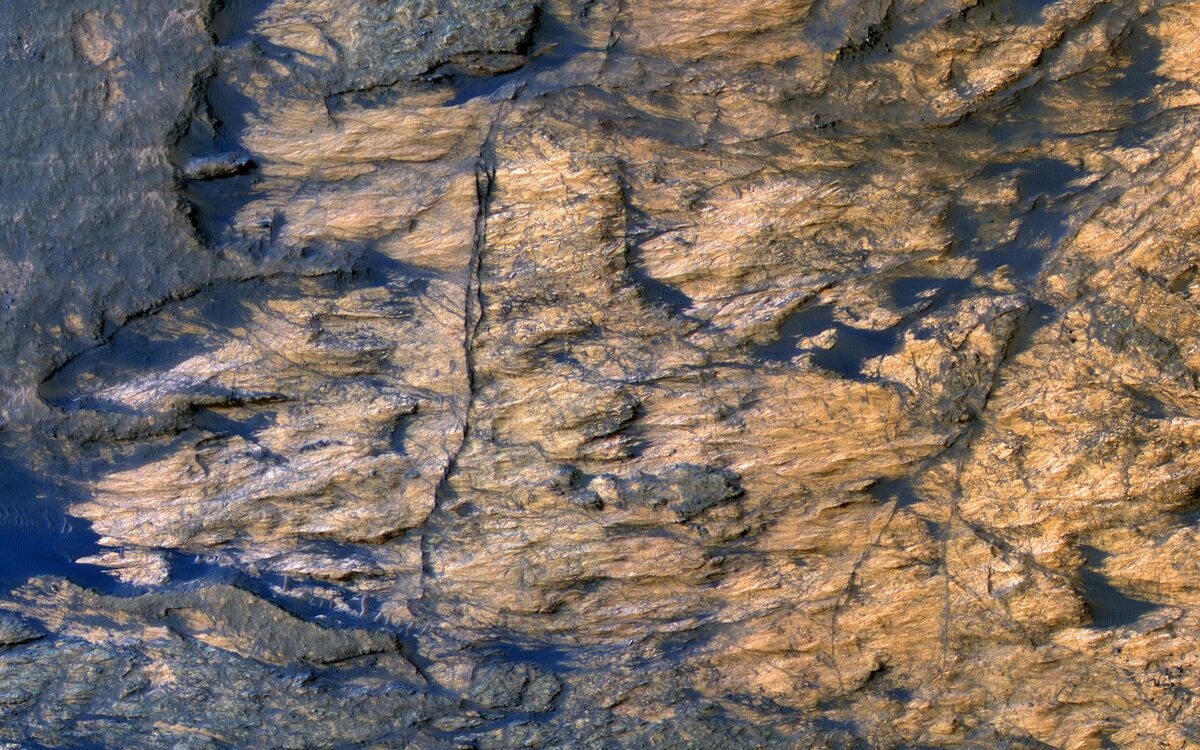
The 'Metallic Waves' of Kaiser Crater Are an Optical Trick — Here's the Geology Underneath
Mars Express imaged a shimmering, metallic-looking dune field on the floor of Kaiser Crater. It's an illusion: bright winter hoarfrost draped over 100-meter dark basaltic dunes, with clays and gullies hinting at a wetter past.
-
Missions
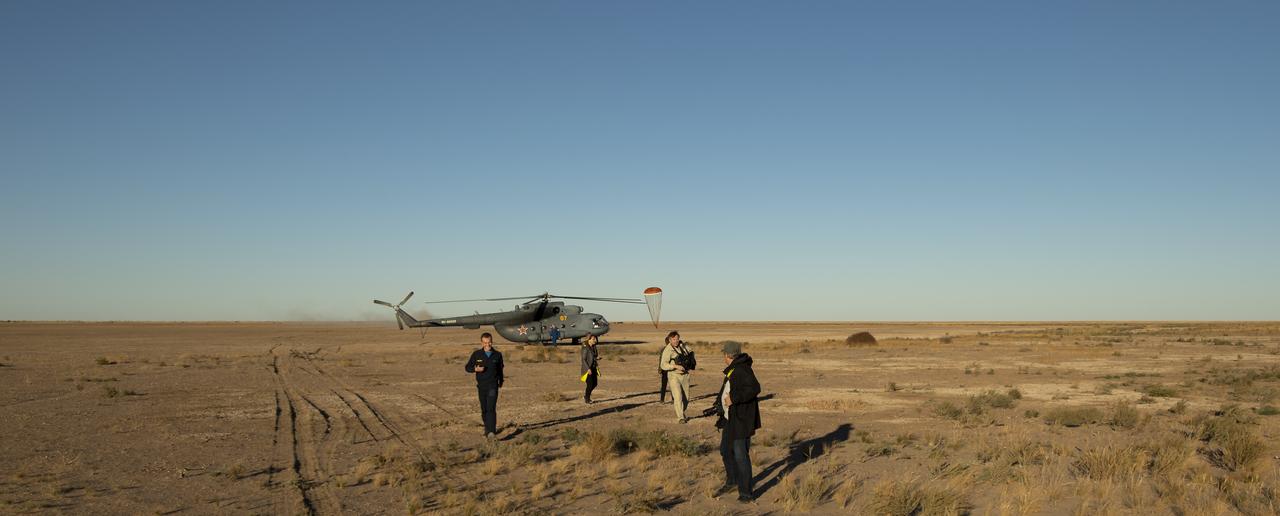
Expedition 74 Trio Rides Soyuz MS-28 Home After 241 Days in Orbit
NASA's Chris Williams and cosmonauts Sergey Kud-Sverchkov and Sergei Mikaev landed on the Kazakh steppe aboard Soyuz MS-28 on July 26, 2026, ending an eight-month mission as Jessica Meir took command of Expedition 75.
-
Missions
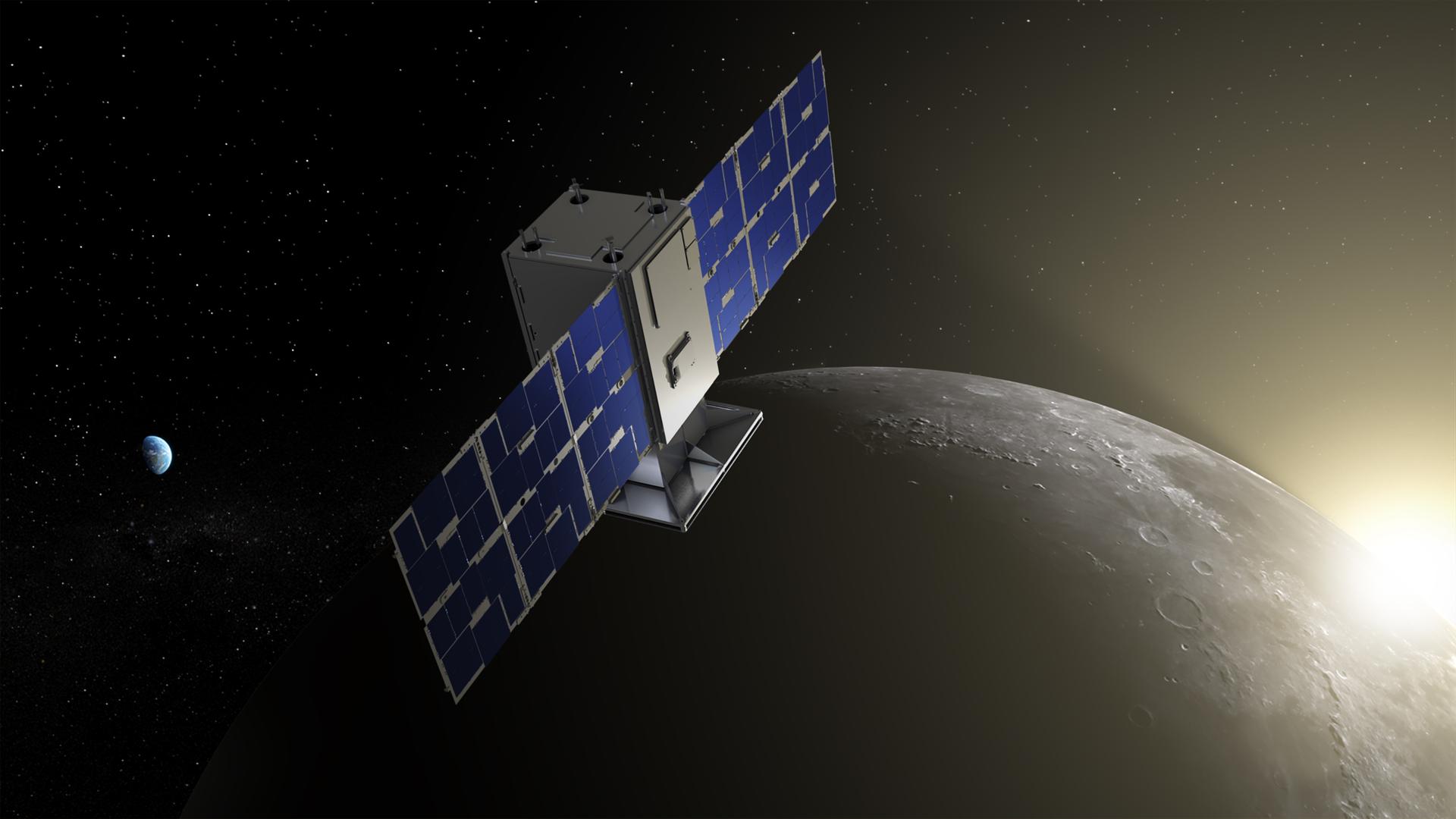
CAPSTONE 02: NASA's Twin Smallsats Will Rehearse the Hardest Trick in Cislunar Space
NASA has announced CAPSTONE 02, a pair of identical ~400 kg spacecraft launching in 2027 into a near-rectilinear halo orbit to practice rendezvous, autonomous navigation and cislunar comms — groundwork for Artemis and a future lunar base.
-
Missions
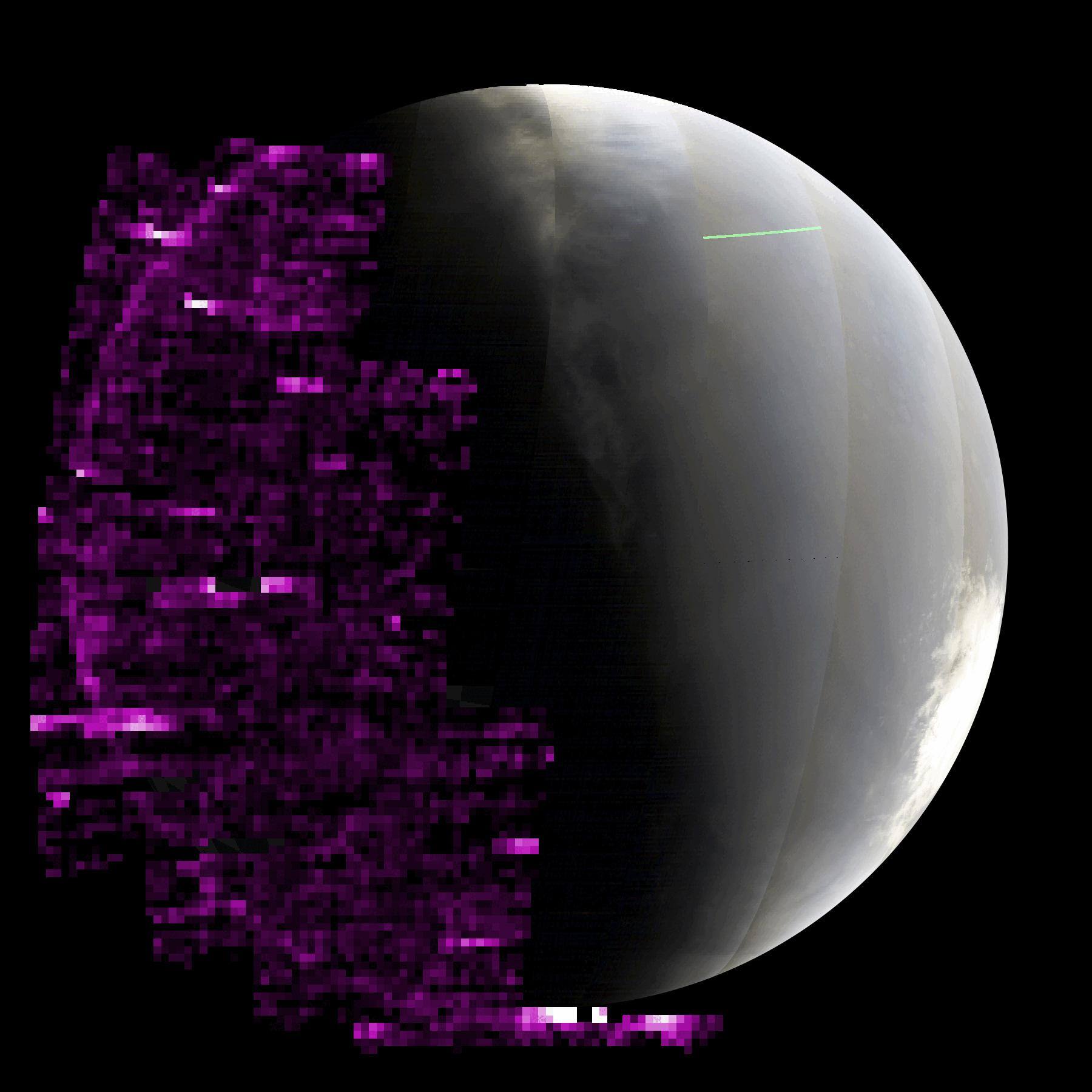
Mars Runs a Pocket-Sized Version of Earth's Aurora Engine, MAVEN Data Shows
MAVEN data show Mars powers its discrete auroras with a miniature Dungey cycle running on 4-billion-year-old crustal magnetism — 42 of 49 events matched reconnection-friendly conditions. The orbiter died in 2025; the archive is still doing first-order science.
-
Missions
Moon Rocks Remember Earth's Shield: Chang'e-6 Far-Side Samples Show Our Magnetosphere Slows the Solar Wind
Noble gases in the ~2 grams of far-side soil Chang'e-6 returned reveal the Moon's near side is struck by solar wind slowed to ~200 km/s after passing through Earth's magnetosphere, while the far side takes the wind at nearly full speed.
-
Missions
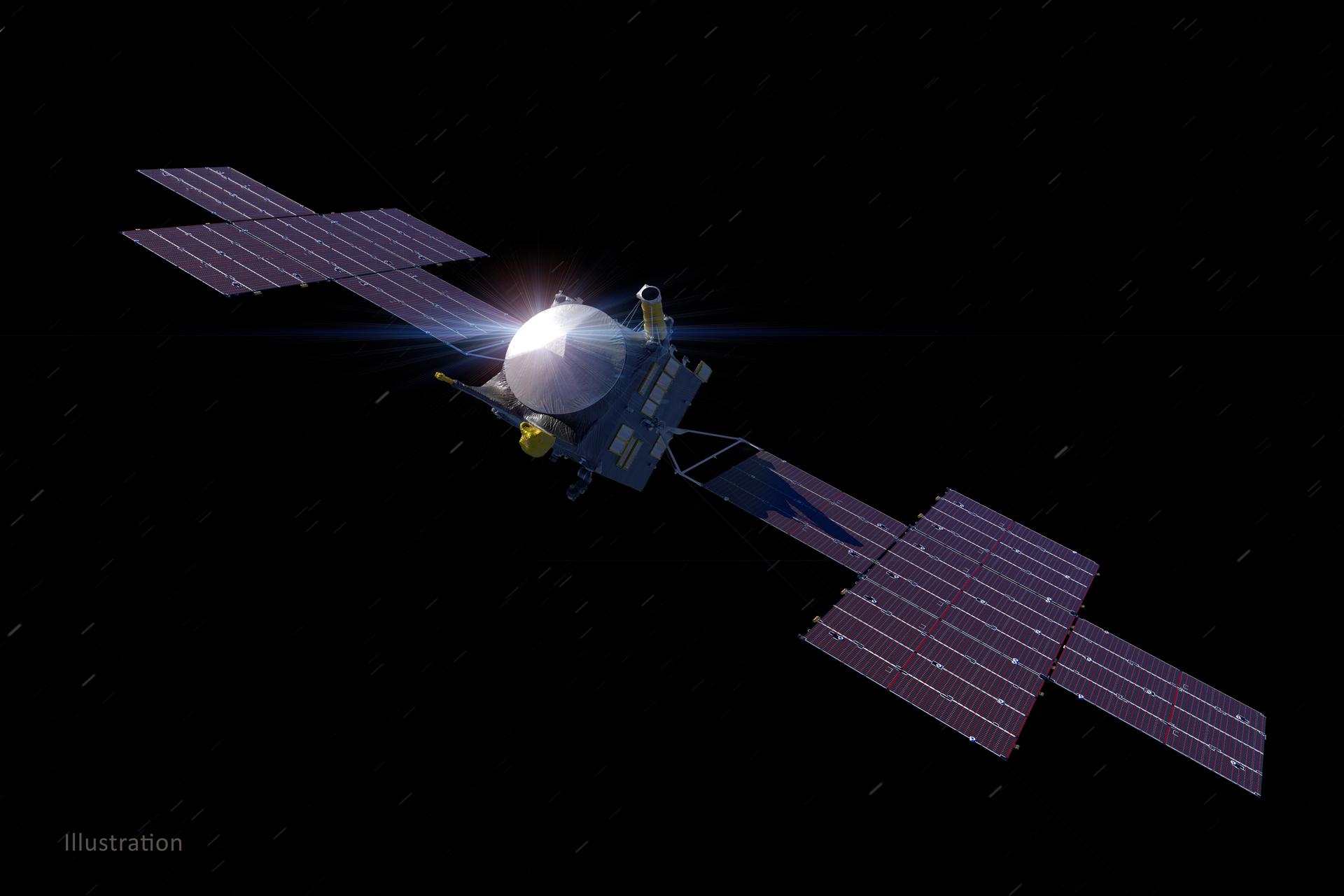
Before the Metal World: Psyche's Mars Flyby Wakes Up Its Instruments
NASA released the science haul and a time-lapse from Psyche's May 15 Mars gravity assist — a free 1,000 mph boost that doubled as a full instrument checkout, including a live test of a Lawrence Livermore-built gamma-ray sensor, three years before the spacecraft reaches its metal asteroid.
-
Missions
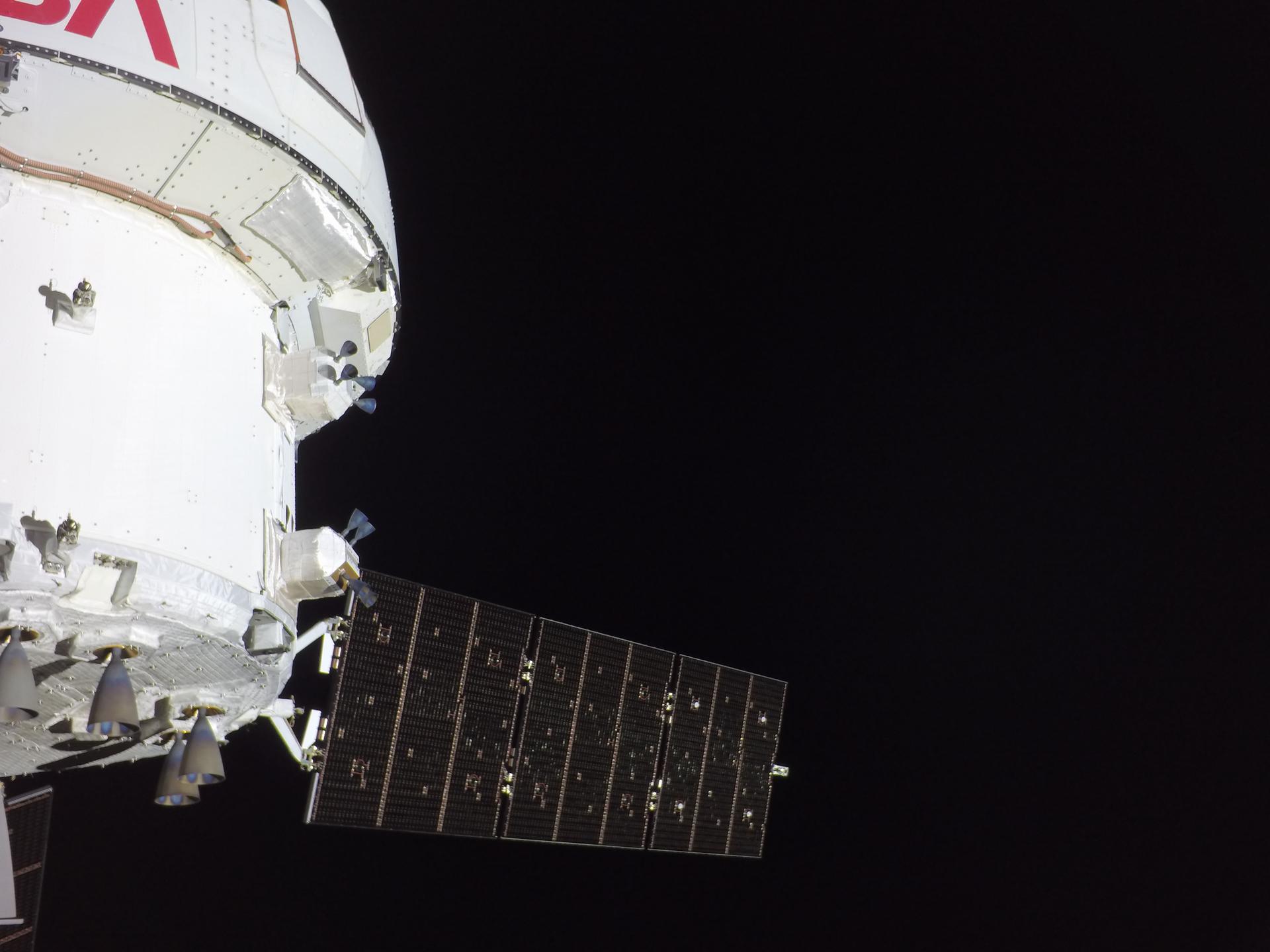
NASA Bolts Starlink Lasers to Orion as Artemis III Becomes a Docking Rehearsal
NASA has tapped SpaceX to mount two Starlink mini laser terminals on Orion for Artemis III, beaming 4K docking-test footage to Houston over infrared light as the mission is reframed into a 2027 low-Earth-orbit rehearsal of crewed lander rendezvous ahead of a 2028 Moon landing.
-
Missions
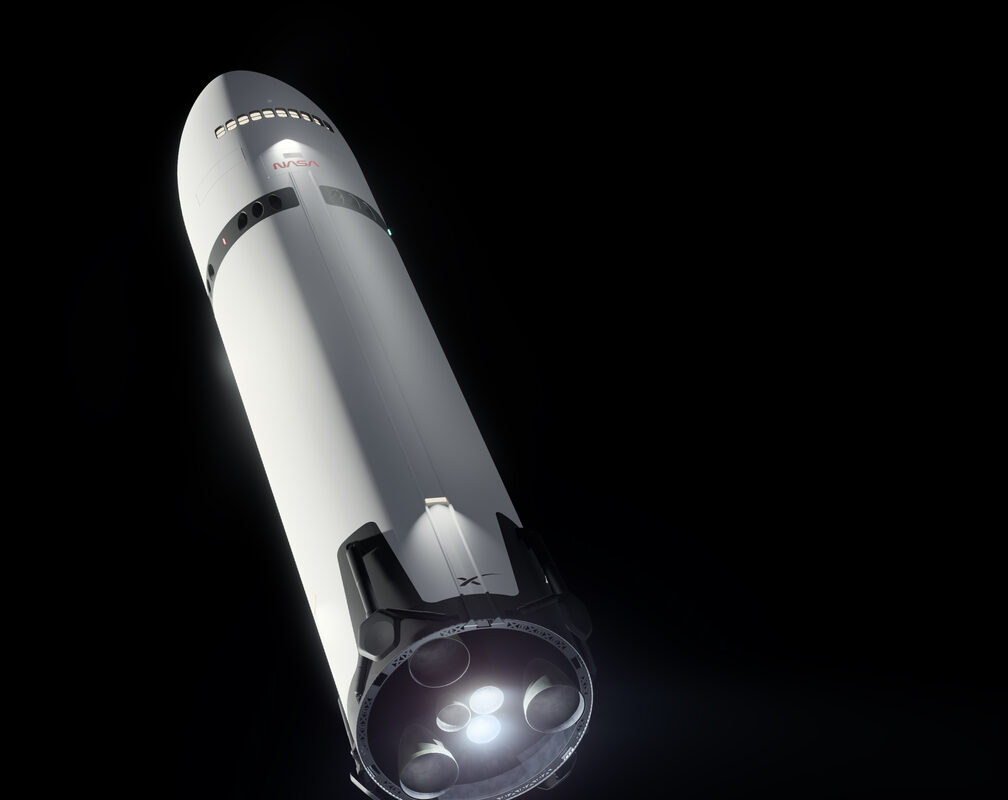
Two Landers, Two Philosophies: Inside the Artemis III Rehearsal's Engineering Split
NASA's July 15 breakdown of the 2027 Artemis III demo reveals how far apart SpaceX and Blue Origin's test articles are: astronauts will open the hatch on Blue Moon Mark 2, but never set foot inside a 171-foot Starship that docks nose-first with a bolted-on docking system and no crew cabin.