Missions
Human and robotic spaceflight news from Cosmic Herald — launches, the Moon and Mars, mission milestones, and the spacecraft exploring the solar system.
-
Missions
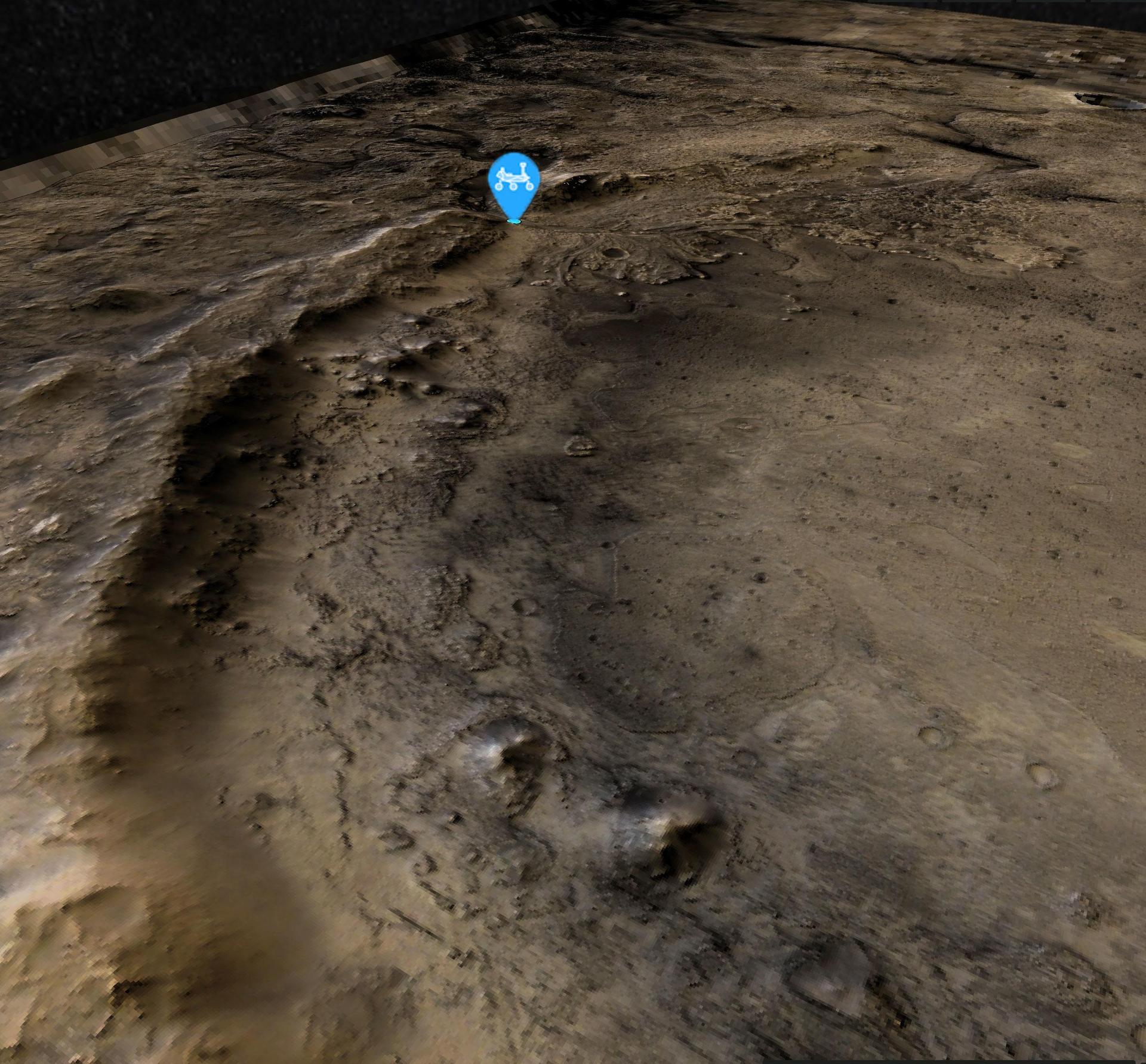
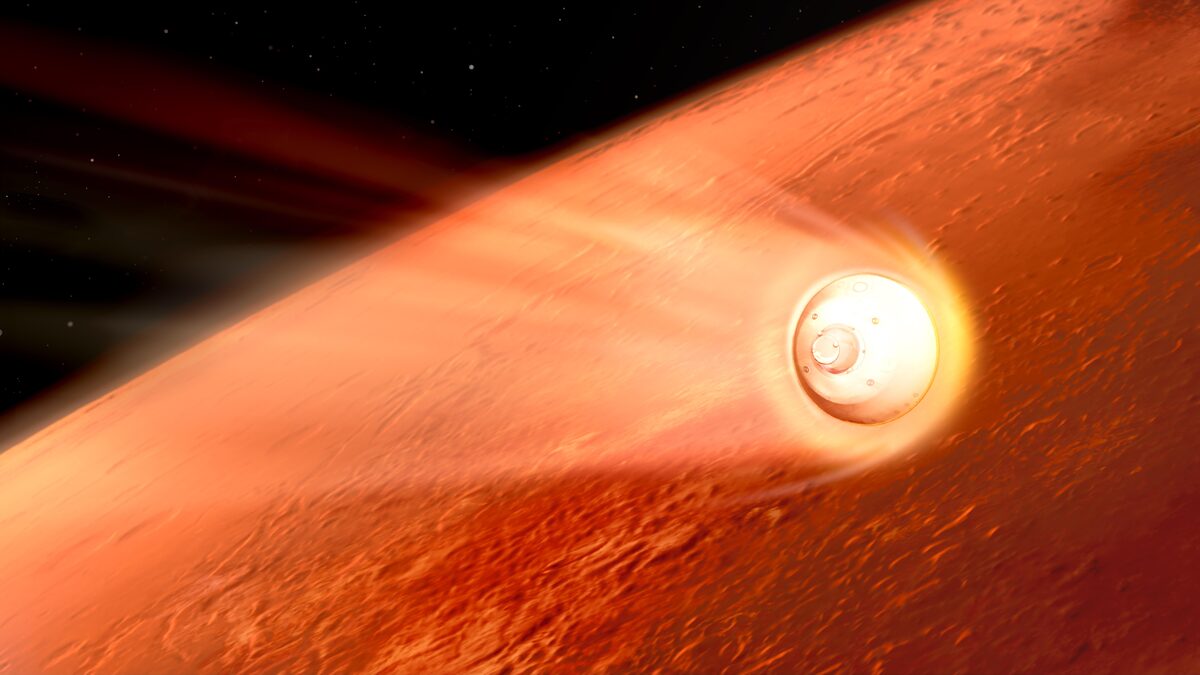
A One-Two Cosmic Punch: Perseverance Finds a 3.9-Billion-Year Impact Record Written Into the Rim of Jezero Crater
Perseverance has found a 245-foot rock stack on Jezero Crater's rim built by repeated ancient impacts more than 3.9 billion years ago — among the oldest terrain any Mars rover has examined.
-
Missions
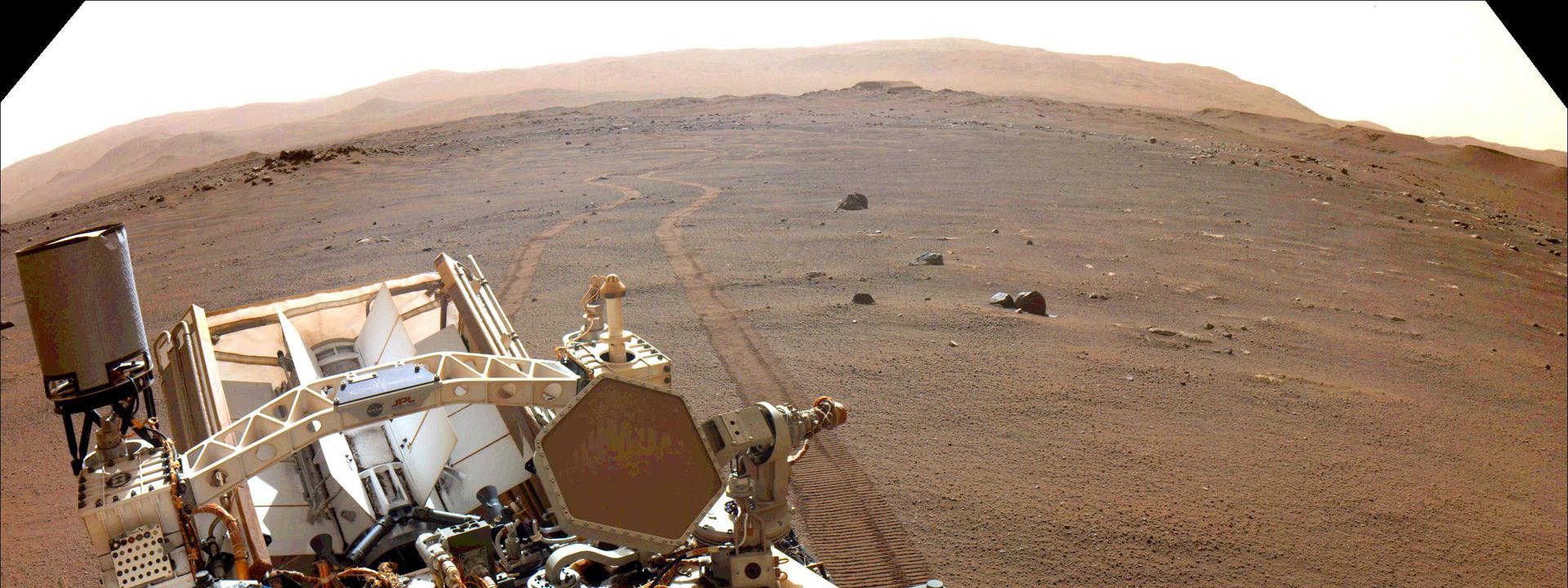
Perseverance Crosses the Marathon Mark on Mars — and Leaves Opportunity's Pace in the Dust
NASA's Perseverance rover has driven a full marathon's worth of distance on Mars, hitting 26.2 miles in five years and four months — a pace nearly three times faster than Opportunity managed.
-
Missions
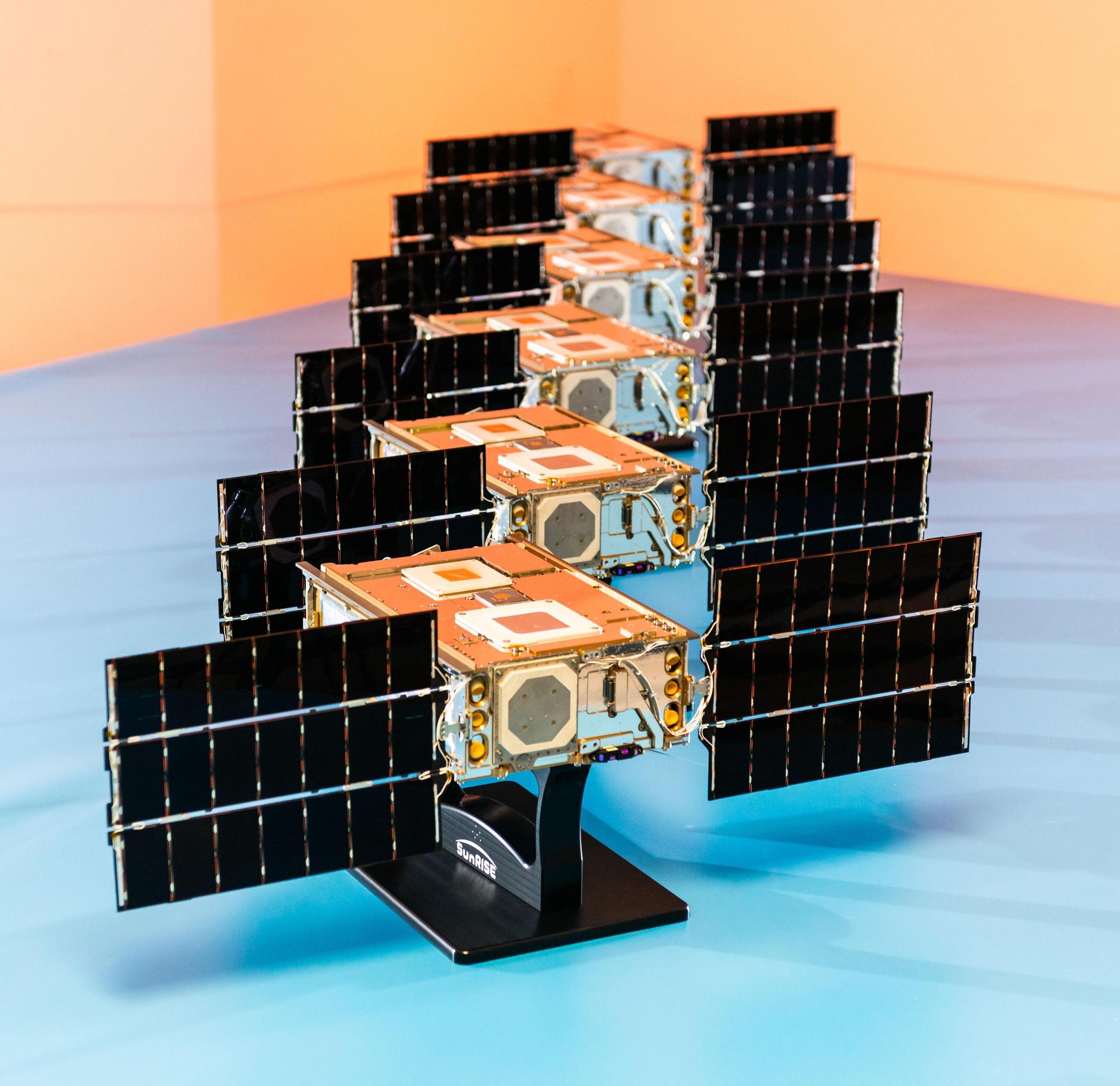
NASA Moves Its Sun-Watching SmallSat Swarm From Vulcan Centaur to Falcon Heavy
NASA has rebooked its six-satellite SunRISE solar radio observatory from a ULA Vulcan Centaur onto a SpaceX Falcon Heavy, a Space Force-sponsored rideshare that will fly the toaster-oven-size CubeSats to just above geosynchronous orbit.
-
Missions
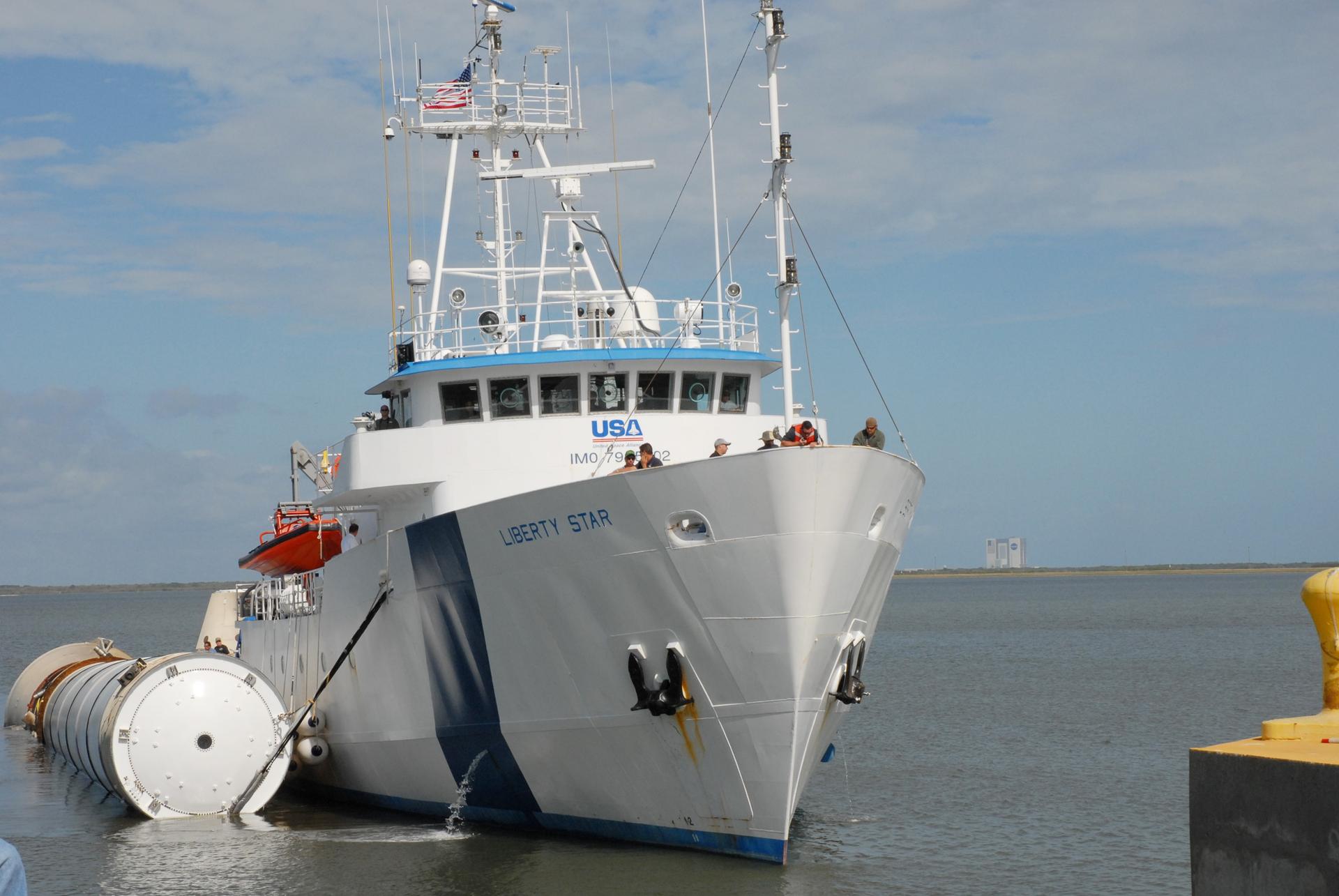
China Nets a Falling Rocket at Sea: Long March 10B Pulls Off the First Successful Net-Capture Booster Recovery
On its maiden flight, China's Long March 10B had its spent first stage snagged mid-fall by a net rig on the recovery ship Linghang Zhe, making China the second nation to recover an orbital booster intact — via a method nobody else has pulled off.
-
Missions
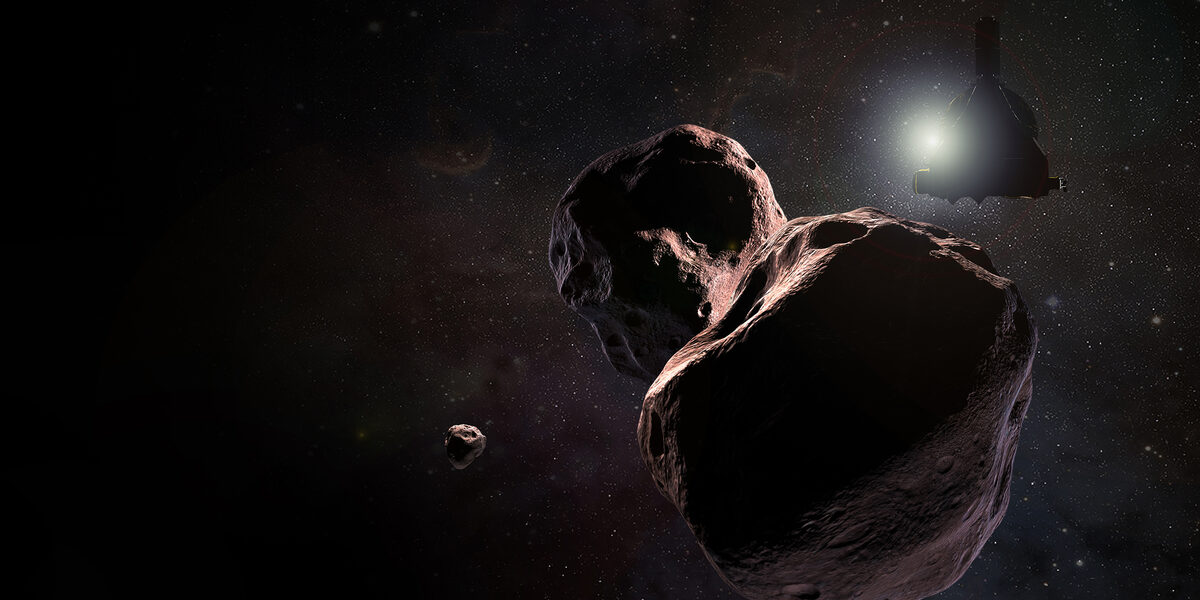
New Horizons Wakes From Its Longest-Ever Hibernation, 5.9 Billion Miles From Earth
NASA's New Horizons spacecraft has woken from a record 321-day hibernation nearly 6 billion miles out, reporting all-green status as it resumes Kuiper Belt science ahead of exiting the solar system's edge by 2028-2029.
-
Missions
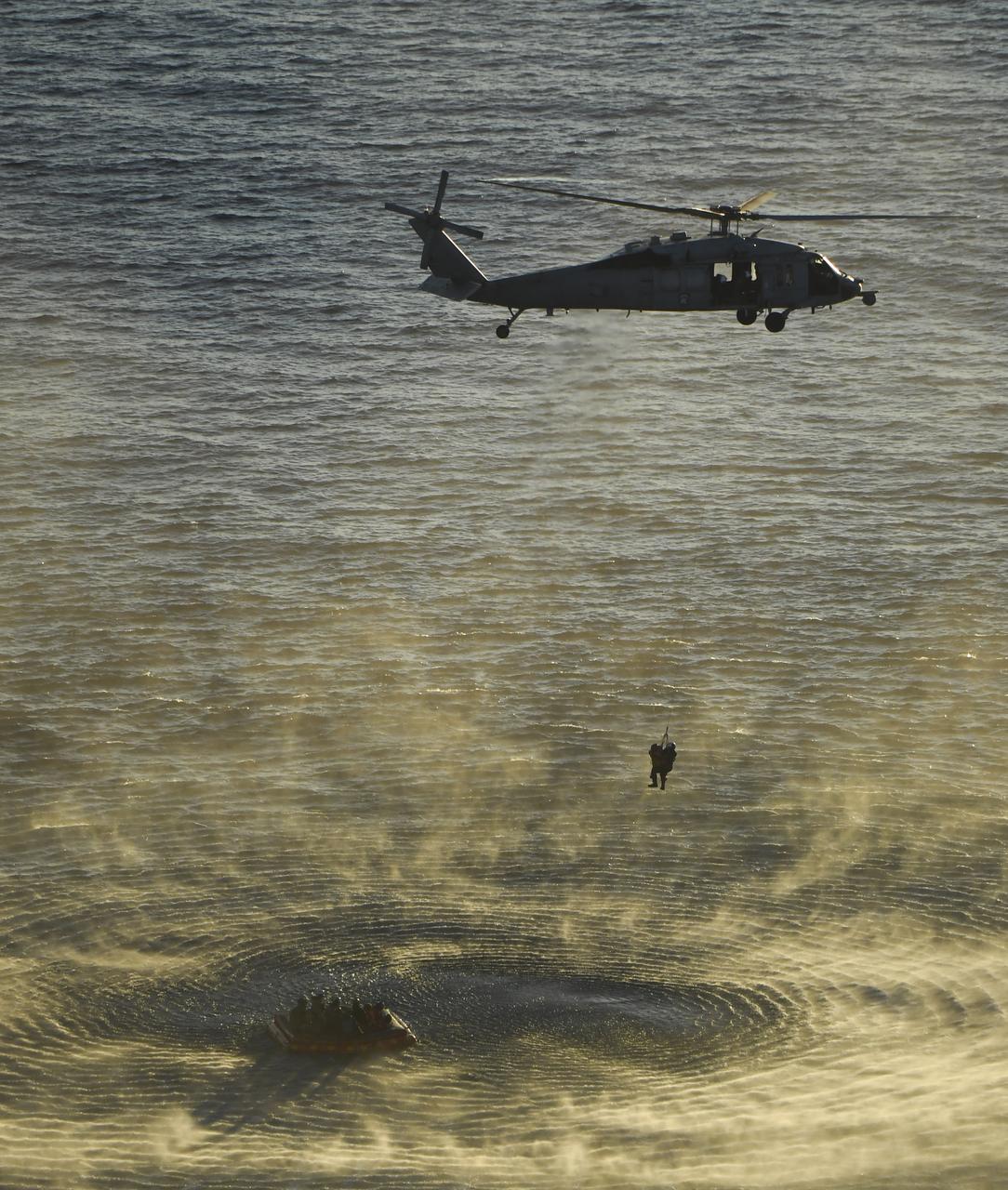
Three Months After Circling the Moon, the Artemis II Crew Comes Home to Kennedy
Reid Wiseman, Victor Glover, Christina Koch, and Jeremy Hansen returned to Kennedy Space Center on July 8 for the first time since their record-breaking lunar flyby, and used the visit to start handing off lessons to the Artemis III crew.
-
Missions
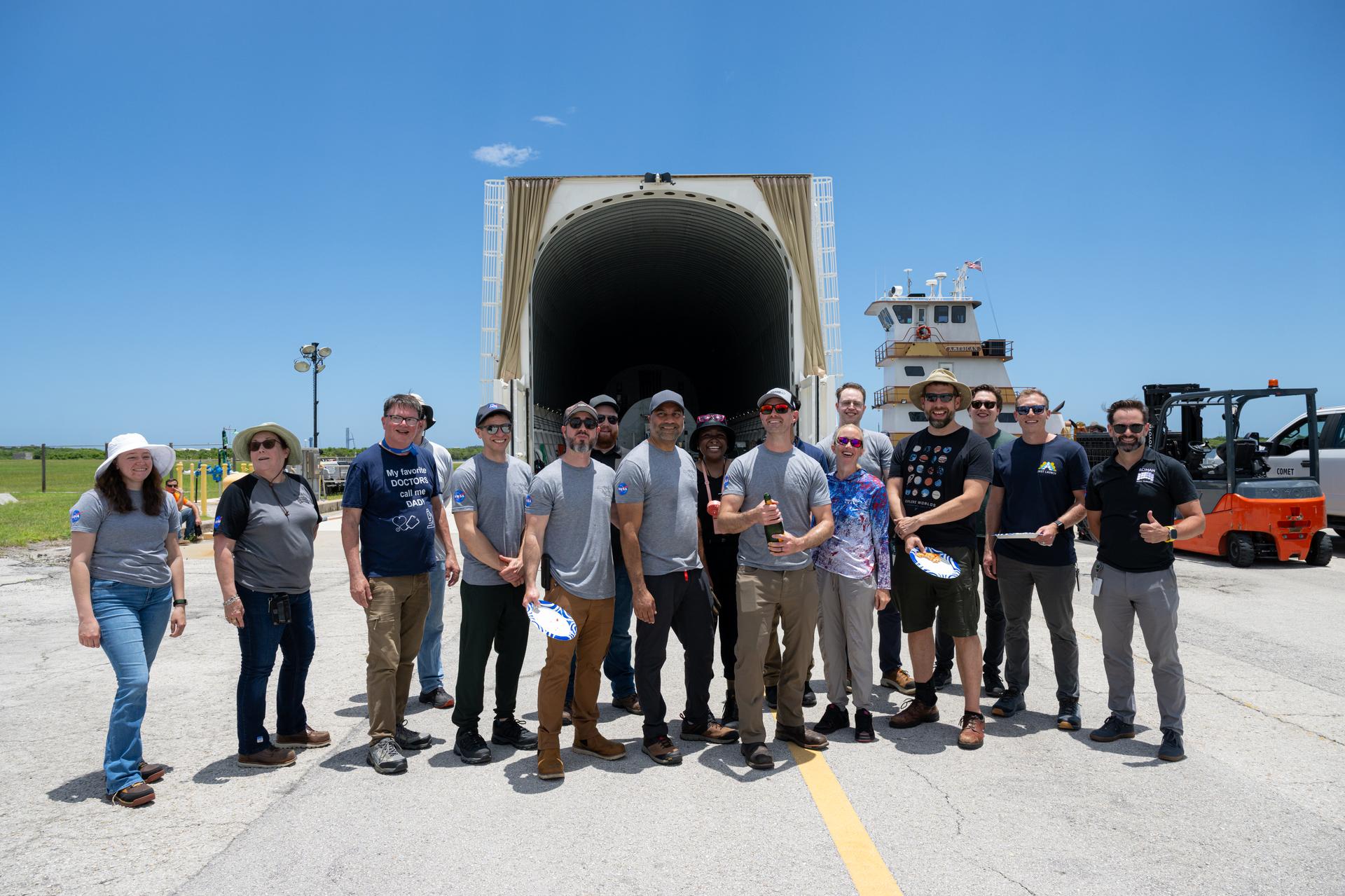
Roman Space Telescope Stands Up at Kennedy as August 30 Launch Nears
Technicians rotated the Nancy Grace Roman Space Telescope to vertical at Kennedy Space Center on June 25, clearing the way for final testing ahead of an August 30 Falcon Heavy launch nine months early.
-
Missions
Firefly Wins $13 Million NASA Contract to Build the Heat Shield for a Helicopter Swarm Bound for Mars
Firefly Aerospace will build the aeroshell for NASA's SkyFall mission, which plans to release three Ingenuity-derived helicopters mid-air over Mars in 2028 without ever landing a platform.
-
Missions
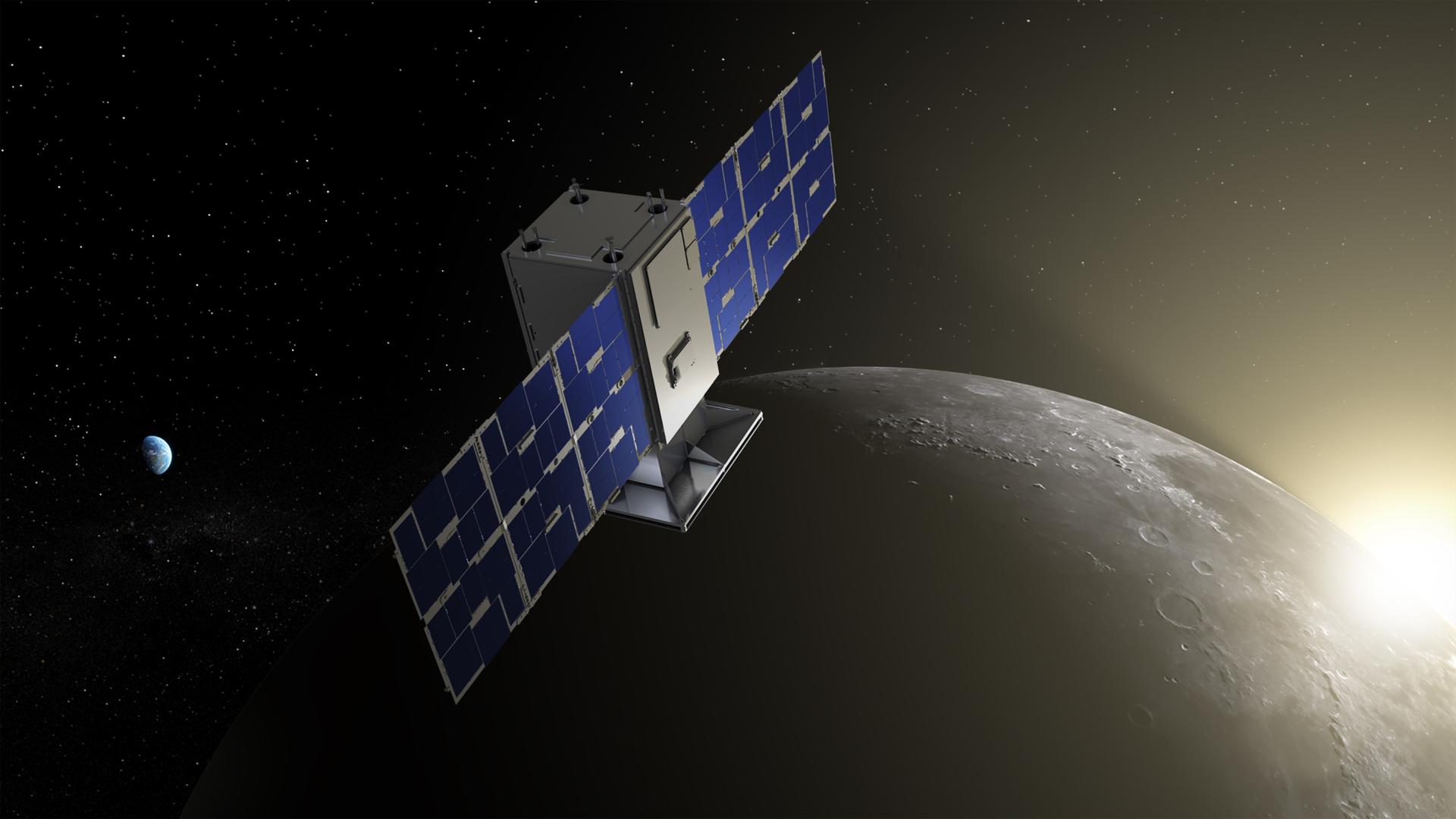
CAPSTONE, the Microwave-Sized Pathfinder, Signs Off After Four Years at the Moon
NASA's CAPSTONE, the first U.S. commercial lunar mission, has wrapped its NASA-sponsored work after nearly four years, having proven a spacecraft can navigate itself near the Moon using nothing but a camera image of the Moon and Earth.
-
Missions
Tianwen-2 Reaches Kamoʻoalewa: China's Sample-Return Probe Begins Its Close Study of Earth's Quasi-Moon
After a 13-month, roughly 1-billion-kilometer chase, China's Tianwen-2 has closed to within 20 km of quasi-moon Kamoʻoalewa, kicking off nine months of study before it attempts to grab a piece of what may be a lunar fragment.
-
Missions
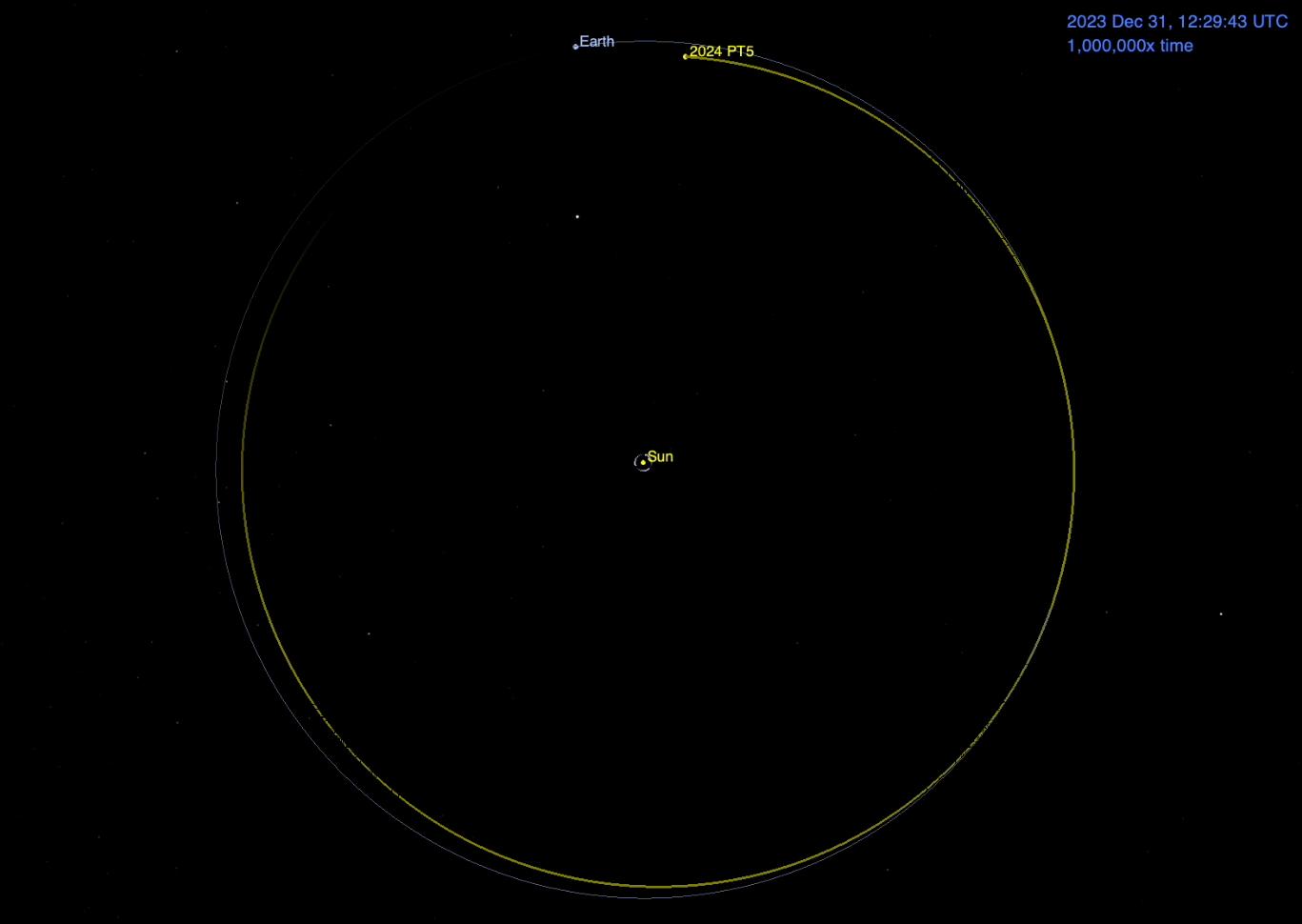
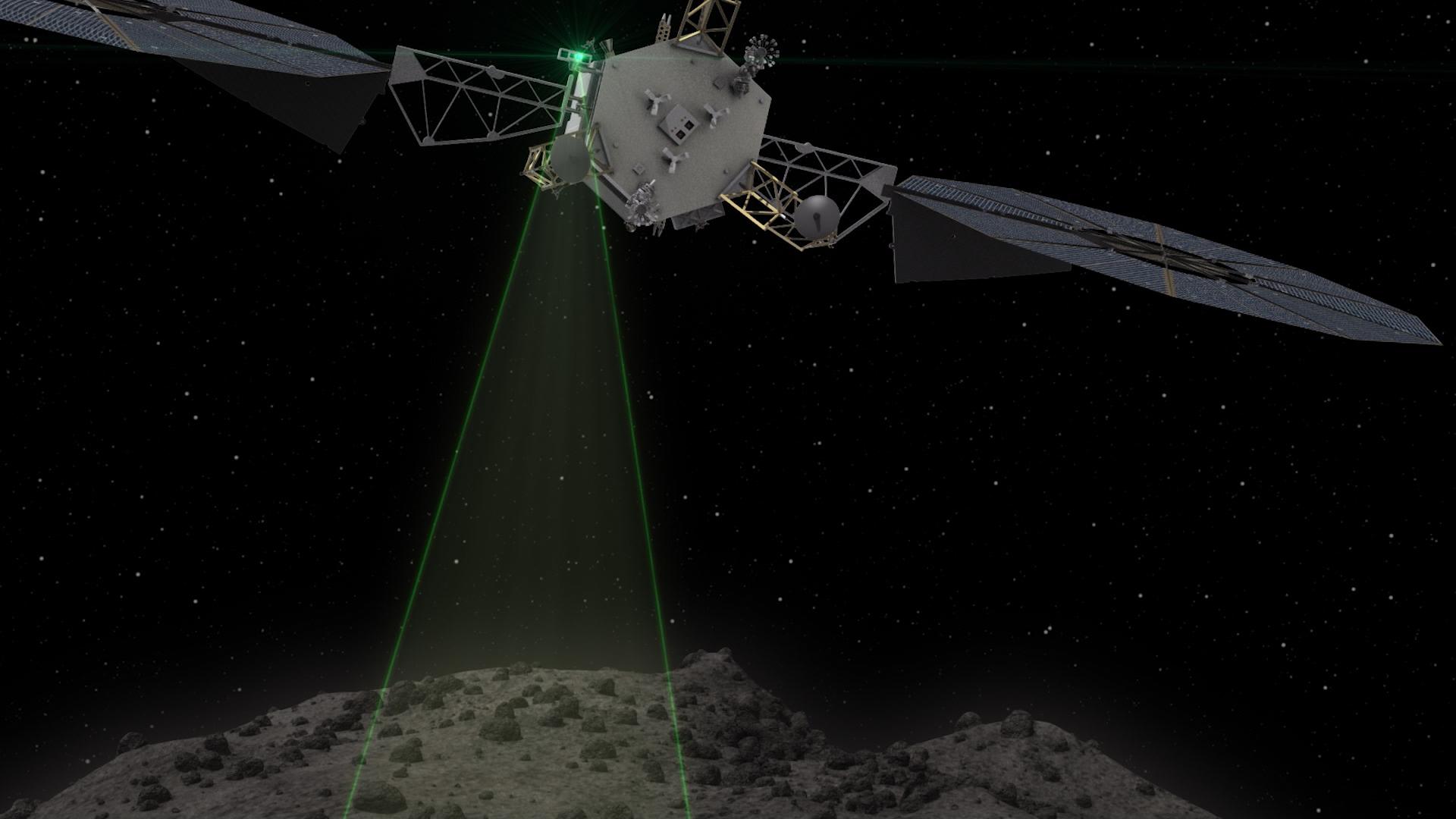
Hayabusa2 Threads the Needle: A 5-Kilometer-Per-Second Flyby of Asteroid Torifune
On July 5, 2026, JAXA's Hayabusa2 extended mission buzzed near-Earth asteroid Torifune from roughly a kilometer away at 5 km/s, testing precision-guidance tech relevant to planetary defense ahead of its 2031 rendezvous with tiny asteroid 1998 KY26.
-
Missions
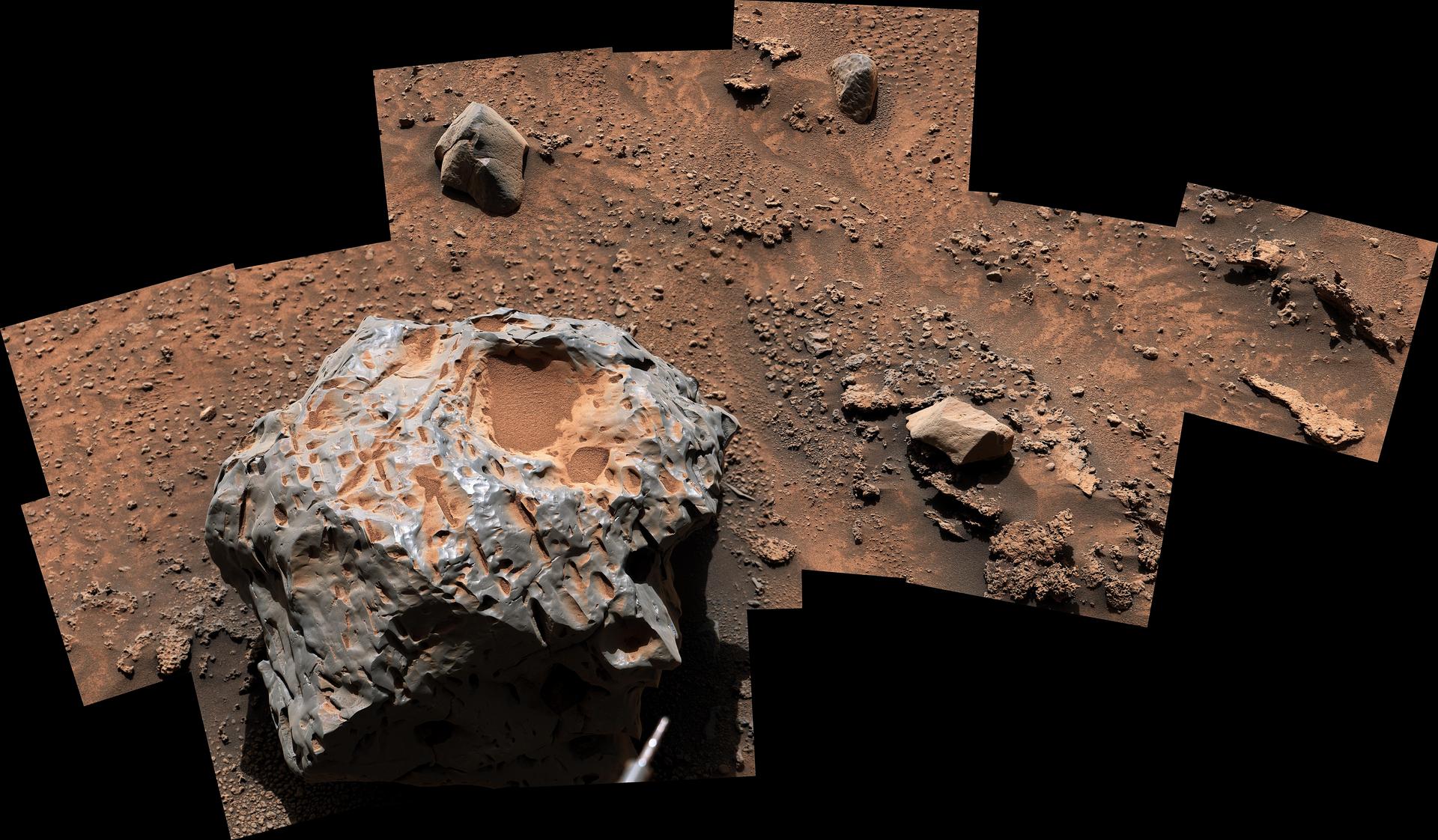
In the Land of the Polygons: Curiosity Hunts Nickel-Rich 'Meteorite' Candidates in a Martian Honeycomb
Curiosity is picking through a honeycomb-textured slice of Gale Crater, probing dark, nickel-bearing rocks that might be meteorites, distant impact debris, or just weird Mars rock.