Commercial
Commercial spaceflight news from Cosmic Herald — SpaceX, Blue Origin, Rocket Lab, private space stations, and the new space economy.
-
Commercial
FAA Closes Starship Flight 12 Mishap Probe, Clears SpaceX for Flight 13
The FAA closed its Flight 12 mishap investigation on July 13, pinning the Super Heavy booster loss on heat effects and bad engine alarm settings, and cleared SpaceX for a Flight 13 attempt as soon as July 16.
-
Commercial
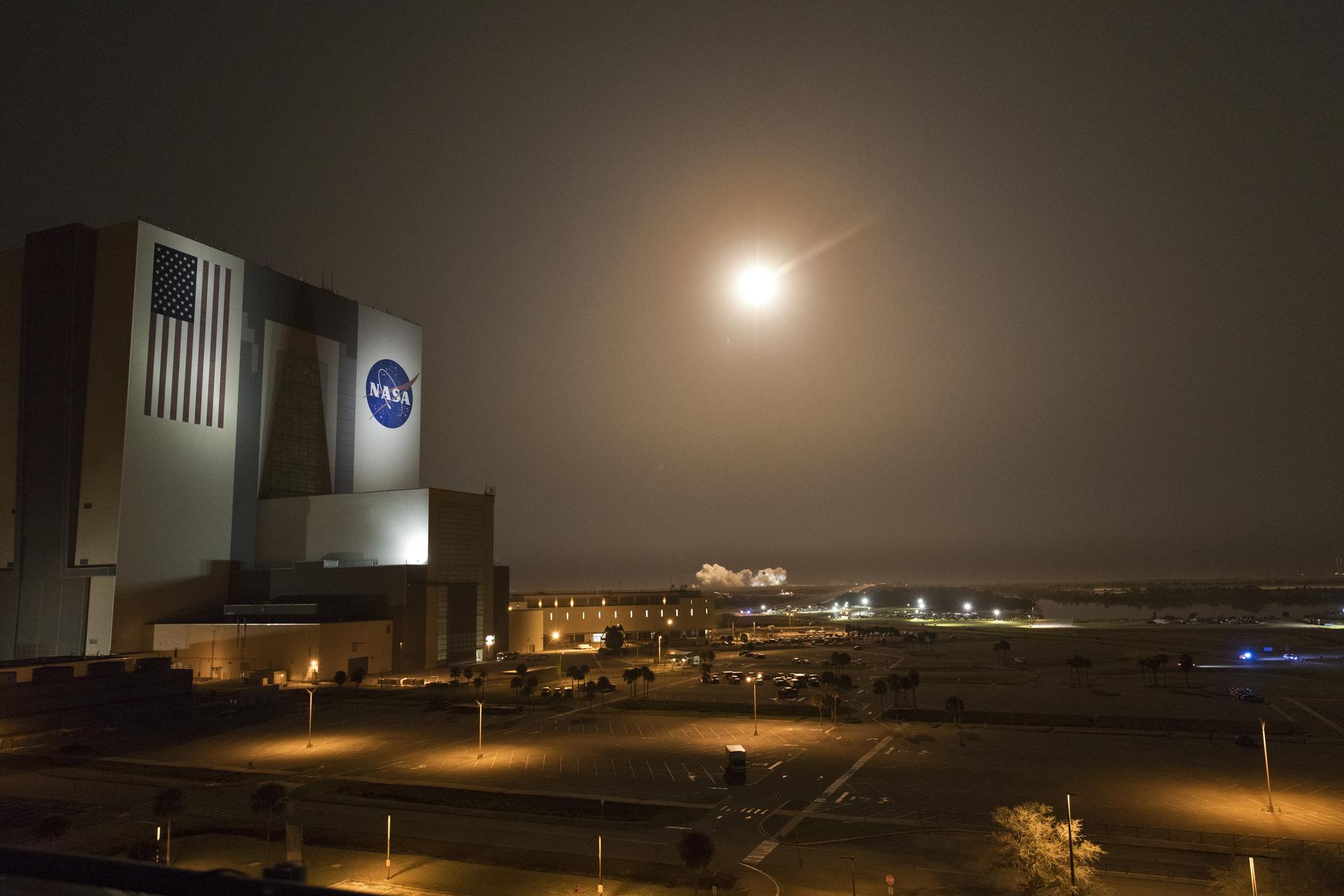
The World's Spaceports: Why Rockets Launch Where They Do
Latitude, launch azimuth, and downrange safety corridors dictate where a rocket can lift off. A tour of Cape Canaveral, Vandenberg, Baikonur, Kourou, Wenchang, and Mahia shows the physics — and the history — behind each choice.
-
Commercial
Vast's Haven-1 in 2026: a 3D-printed space station preparing to host orbital manufacturing
Vast's Haven-1 station is now targeting Q1 2027 after its Haven Demo pathfinder flew 49 test objectives. The single-module outpost carries metal 3D-printed hardware — and its manufacturing network now spans orbital bioprinting, drug crystallization, and pharma production partners.
-
Commercial
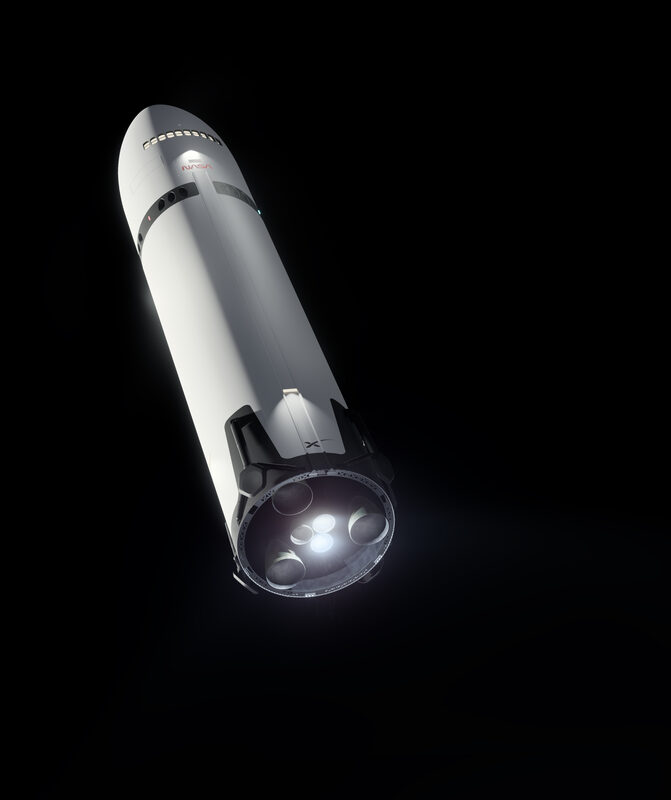
Rocket Launch Vehicles Compared: Payload, Cost, and Reusability in 2026
Falcon 9, Falcon Heavy, Starship, New Glenn, Vulcan Centaur, Neutron, Ariane 6, and six more launch vehicles compared on payload, cost per launch, and reusability, including China's Long March 10B, which on July 10 became just the third rocket in history to catch its own booster.
-
Commercial
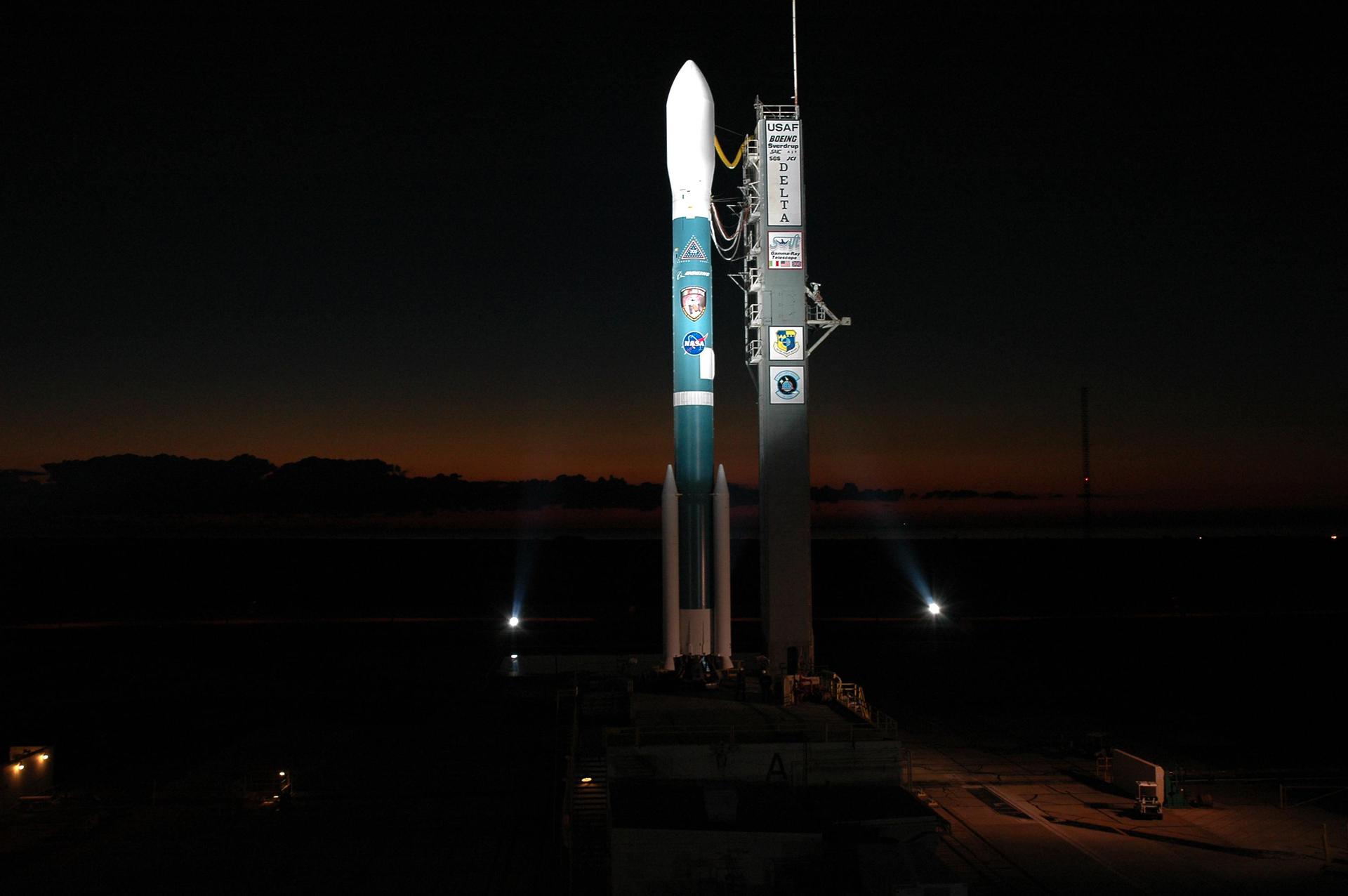
Katalyst's LINK Spacecraft Begins Checkouts Ahead of Historic Rescue Docking With NASA's Swift Observatory
Katalyst's LINK servicer is testing its xenon thrusters in orbit ahead of an unprecedented docking attempt meant to save NASA's decaying Swift Observatory from reentry.
-
Commercial
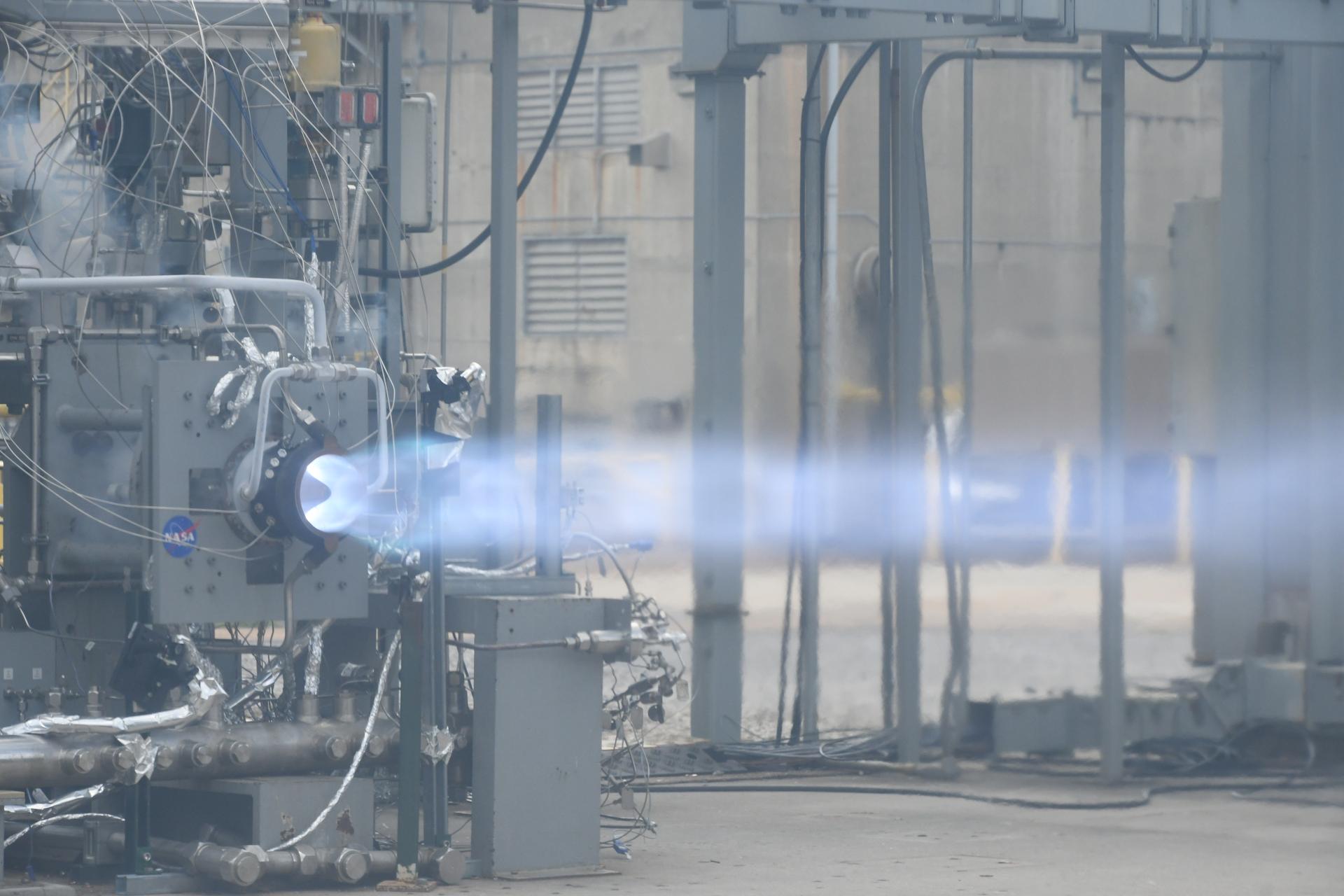
A Rocket Engine With No Moving Turbopumps Just Landed $91 Million
Houston's Venus Aerospace raised a $91 million Series B on July 8, 2026, to scale its rotating detonation rocket engine from prototype toward production, with NASA Marshall already testing the same architecture.
-
Commercial
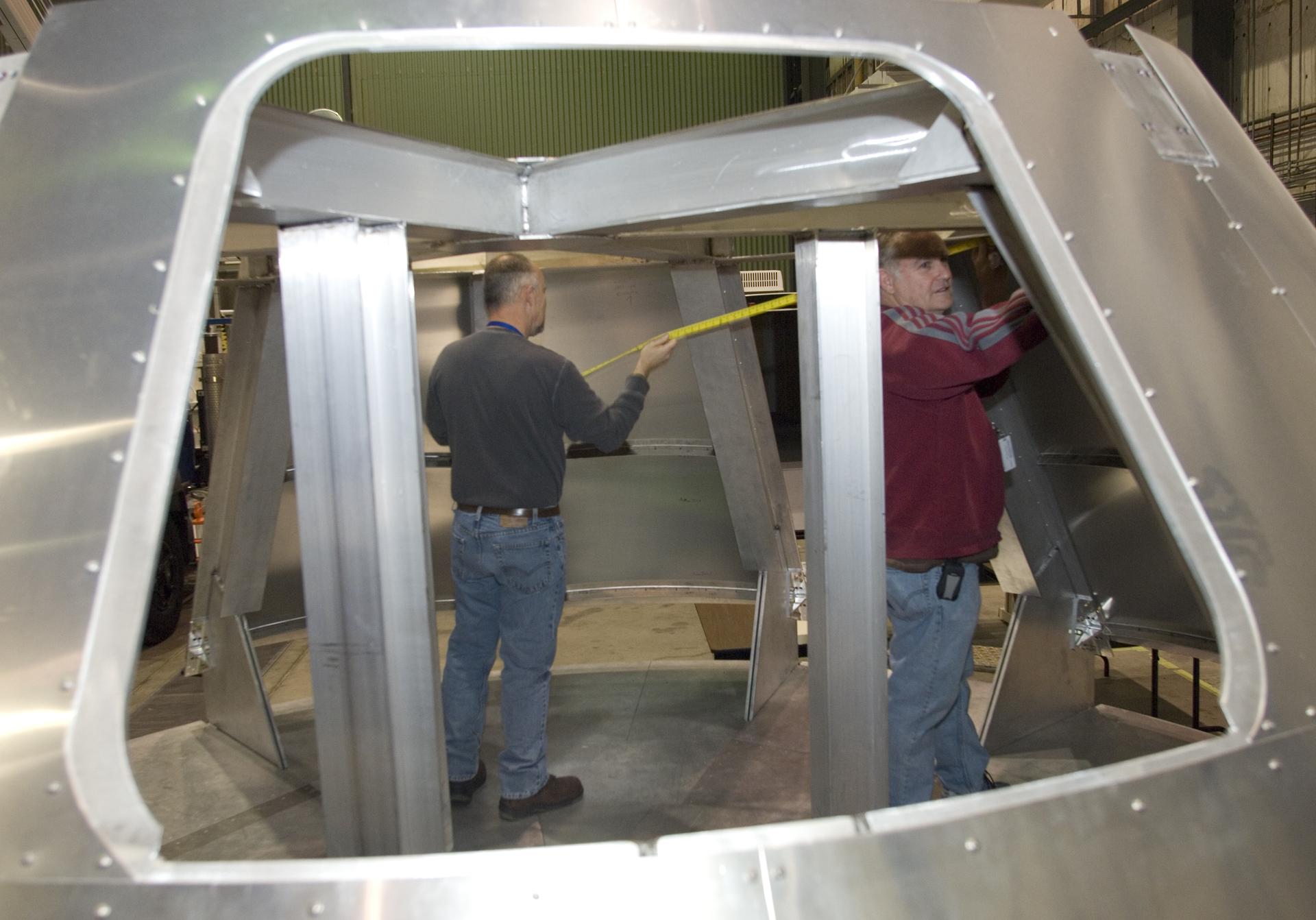
A German Space Capsule Startup Just Planted Its Flag Next to NASA Johnson — With a Full-Scale Nyx Crew Mockup
The Exploration Company opened a Houston lab with a full-scale Nyx Crew mockup and formed TEC Federal to chase U.S. government contracts, backed by ESA's LEO Cargo Return funding.
-
Commercial
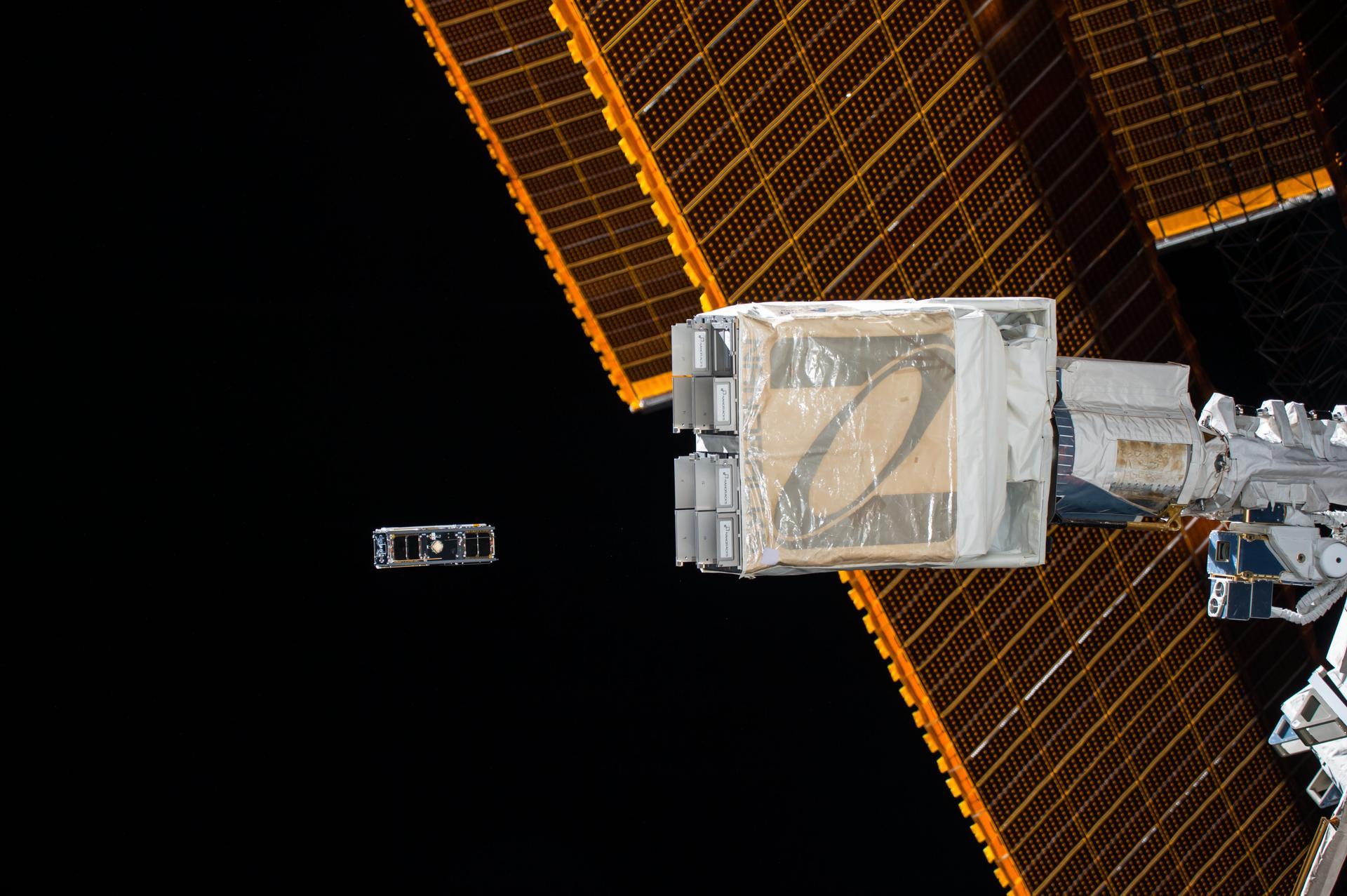
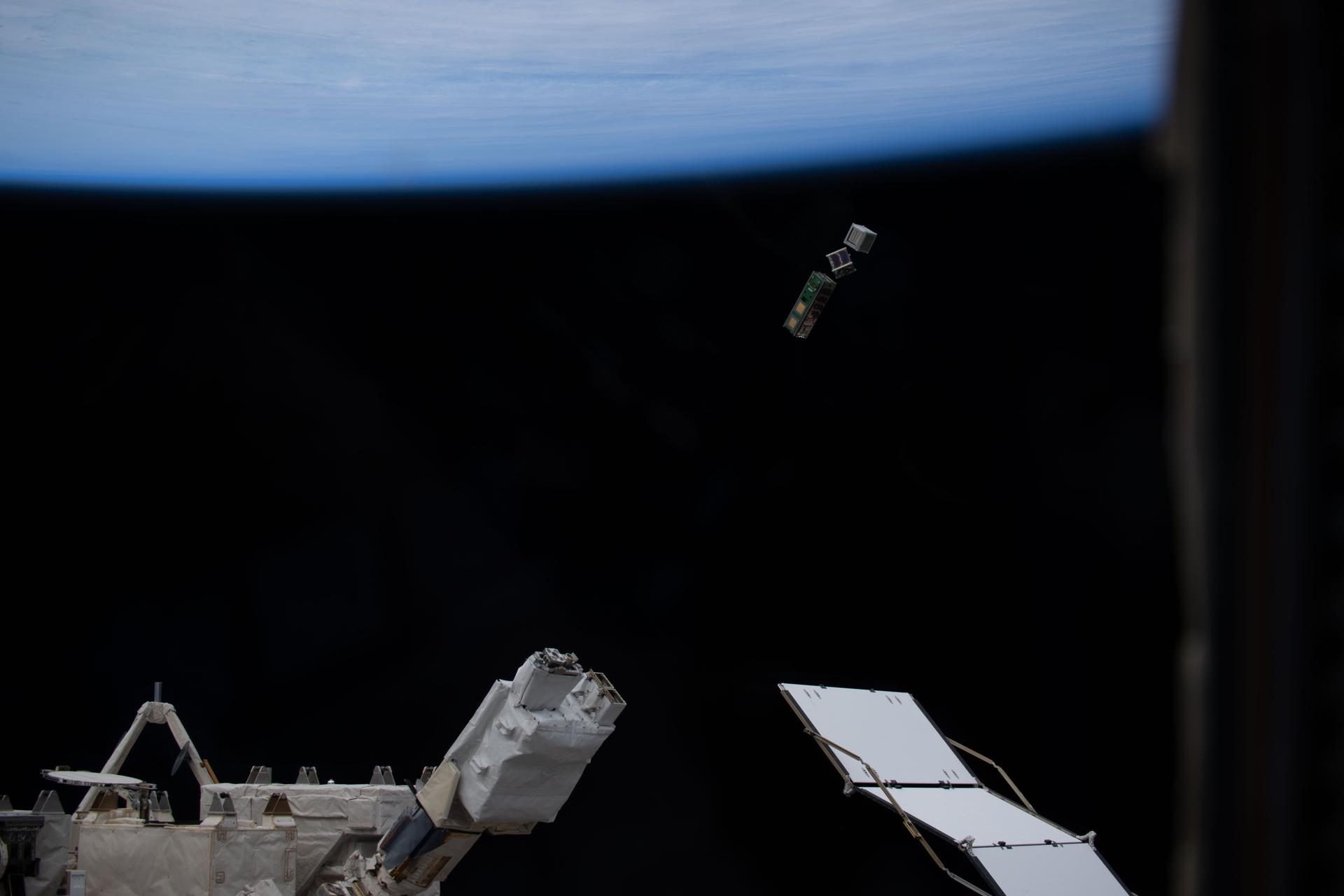
Transporter-17: How Two Student-Built CubeSats Hitched a Ride Among 81 Satellites
SpaceX's Transporter-17 rideshare launched 81 satellites from Vandenberg on July 7, including two NASA-linked CubeSats — GRITSS and MAVERIC — built to sharpen ground-station geodesy and test magnetic navigation.
-
Commercial
ispace Buys a Ride on Starship, Betting on SpaceX to Cut the Cost of Reaching the Moon
Japan's ispace has purchased 500 kg of Starship cargo capacity for $50 million, launching a new shared-ride lunar delivery service alongside its own Ultra lander program.
-
Commercial
The World's First Commercial Nuclear-Powered Satellite Just Reached Orbit
Miami-based City Labs flew its tritium-powered BOHR CubeSat on SpaceX's Transporter-17, becoming the first commercial mission to clear the FAA's NSPM-20 nuclear-launch pathway with Sandia's safety sign-off.
-
Commercial
SpaceX's Transporter-17 Sends 81 Satellites—Including Three Wildfire-Spotting FireSats—Into Orbit
A midnight Falcon 9 launch from Vandenberg deployed 81 satellites for five nations, headlined by three FireSat wildfire detectors, a Navy tech demo, an in-space 3D printer, and the UAE's first navigation satellite.
-
Commercial
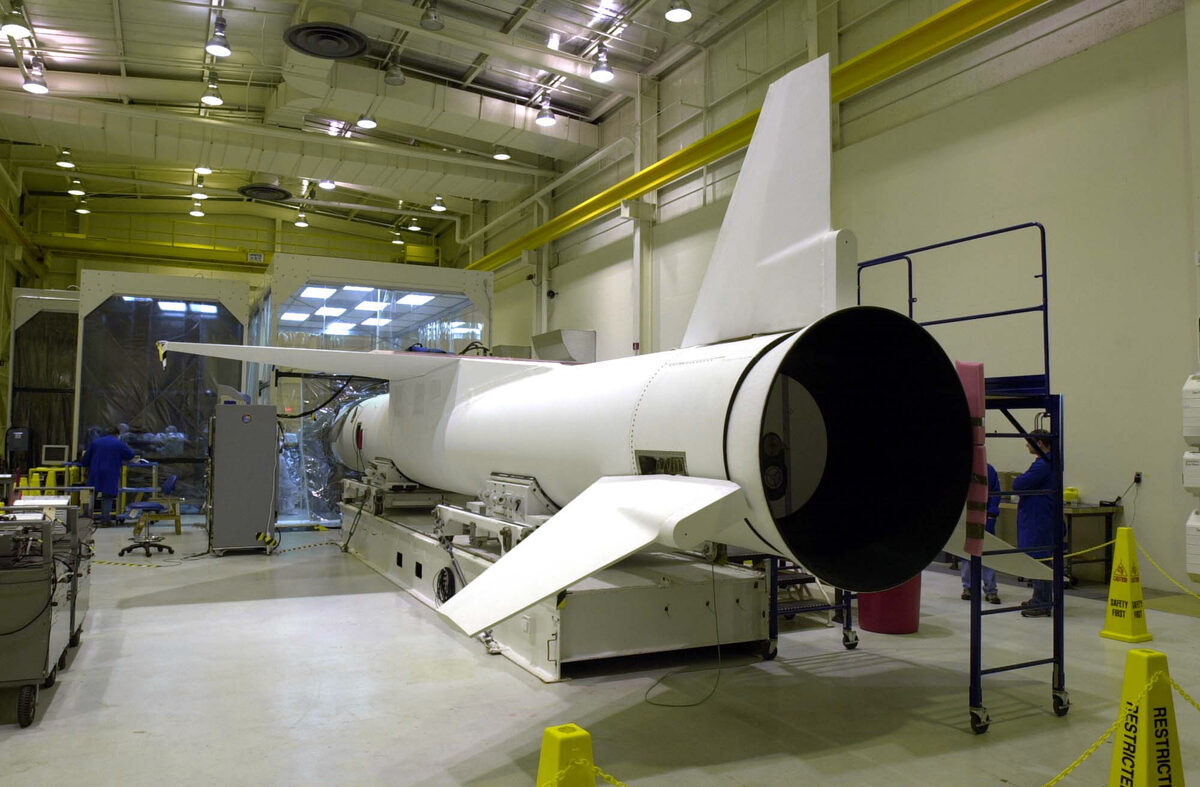
A Rocket That's Flown Since 1990 Just Launched a Rescue Mission for a Dying NASA Telescope
A commercial spacecraft launched on what may be the last-ever Pegasus rocket to grapple NASA's decaying Swift Observatory and shove it into a safer orbit — a servicing job built and flown in just 10 months.