
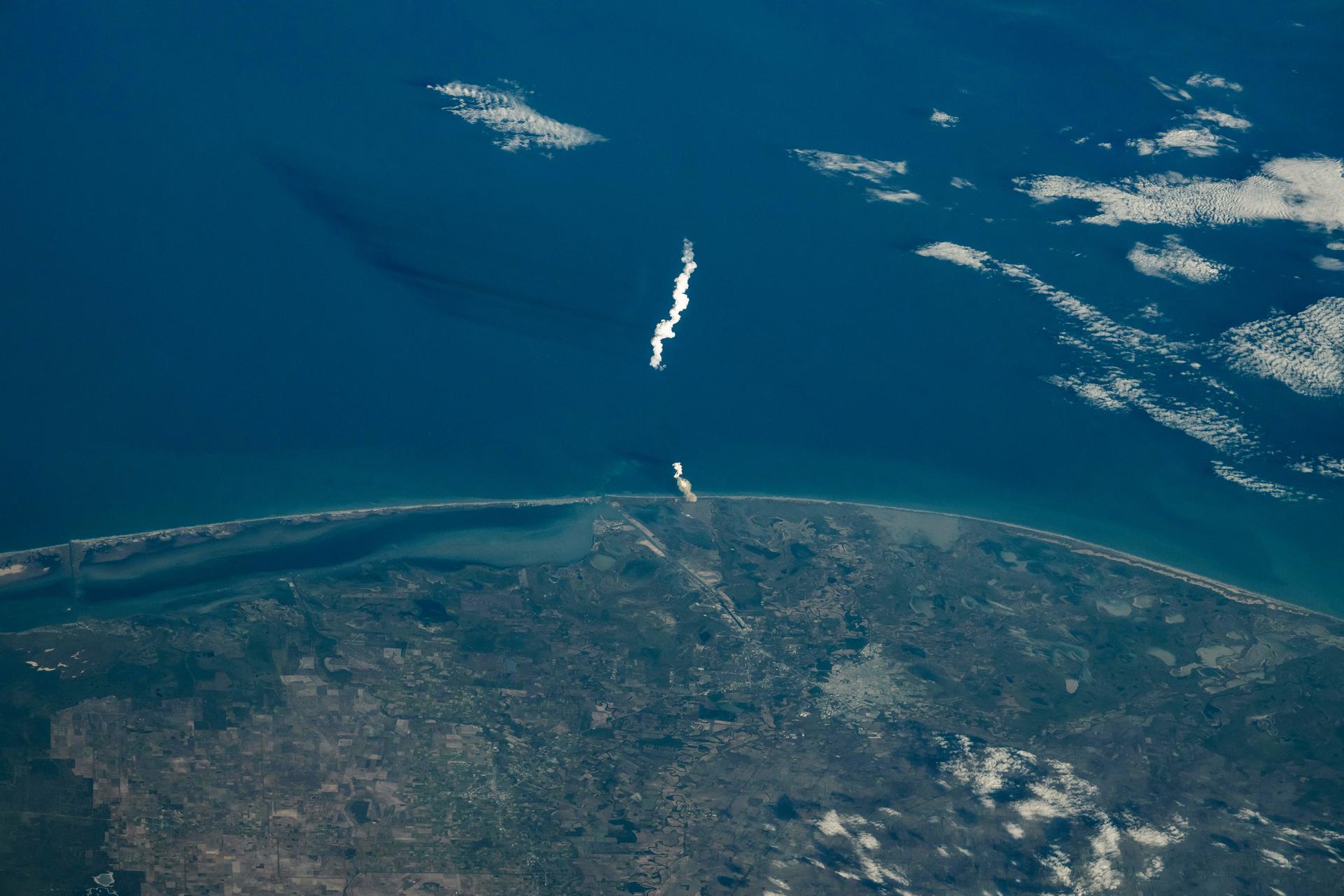
The Federal Aviation Administration on July 13 closed the books on its investigation into the loss of Starship's Super Heavy booster during Flight 12, clearing SpaceX to move forward with its next full-stack test — potentially just three days later.
In a notice posted to its newsroom, the FAA said it had accepted SpaceX's final mishap report, which identified two probable causes for the booster's failure: heat effects on propulsion system components during ascent, and erroneous settings in the vehicle's engine alarm system. The agency confirmed there were no reports of public injury or property damage from the incident, and that SpaceX has since implemented four corrective actions spanning both hardware and software configuration changes.
With the investigation closed, the regulatory gate that had been holding back the next launch is now open. According to CNBC, SpaceX is targeting a Flight 13 launch from Starbase, Texas, in a 90-minute window that opens at 6:45 p.m. ET on Thursday, July 16.
What Actually Went Wrong
The FAA's summary is notably specific for a mishap closure notice, naming two distinct probable causes rather than a single point of failure. The first — heat effects on propulsion system components during ascent — points to thermal loads reaching parts of the booster's propulsion hardware that weren't sufficiently protected or rated for the environment they encountered while climbing through the atmosphere. The second cause, described as "erroneous engine alarm system settings," suggests the booster's onboard monitoring software was misconfigured in a way that affected how it responded to conditions during flight, rather than a purely mechanical failure.
Taken together, the two causes read less like a single dramatic malfunction and more like a chain of small errors: thermal margins that ran thinner than expected during ascent, compounded separately by a monitoring system that wasn't tuned correctly for the flight. The FAA's notice does not spell out exactly how the two causes interacted, but their pairing in the same closure document indicates SpaceX's investigators concluded both contributed to the booster's loss.
The Corrective Actions
SpaceX's four corrective actions, as accepted by the FAA, involve a mix of hardware changes and software configuration updates. The FAA notice does not itemize each action individually, but confirms they address the two identified probable causes. That the fixes touch both hardware and software tracks with the dual-cause finding: physical changes to manage heat exposure on propulsion components, paired with revised alarm logic to ensure the engine monitoring system behaves as intended.
Completing and verifying these four actions was the formal precondition for closing the investigation. Under the FAA's mishap investigation process — the same process referenced in SpaceNews' earlier reporting on why the agency required an investigation in the first place — a Starship vehicle cannot fly again until the agency signs off that the causes have been addressed and public safety risk has been mitigated. That sign-off is exactly what happened on July 13.
Why It Matters
Every Starship mishap investigation has functioned as a hard stop on SpaceX's launch cadence, and Flight 12 was no exception. The FAA's decision to close the case just before a targeted Flight 13 date underscores how tightly the company's test schedule is now coupled to the pace of federal safety reviews rather than purely to hardware readiness on the ground at Starbase.
The findings themselves also matter beyond this single flight. Heat effects on propulsion components and alarm-system misconfiguration are the kind of issues that could recur across future flights if not fully resolved, since Starship's Super Heavy booster architecture is broadly consistent between test vehicles. A clean Flight 13 flight would be the first real evidence that the four corrective actions actually solved the underlying problem rather than just satisfying the paperwork requirement to fly again.
There's also a broader regulatory dimension. The FAA's public accounting of probable cause and required fixes — publishing specifics rather than a bare "cleared to fly" statement — gives outside observers a way to judge whether the next flight's outcome tracks with the stated fixes. If Flight 13 encounters a similar propulsion or alarm-related issue, it will raise immediate questions about whether the corrective actions were sufficient. If it flies cleanly through the phases where Flight 12 ran into trouble, it will be a concrete data point that the investigation process worked as intended.
What to Watch on Flight 13
The targeted window — 6:45 p.m. ET on Thursday, July 16, with roughly 90 minutes of margin — gives SpaceX room to scrub and recycle if needed, as is typical for Starship attempts. The two identified Flight 12 causes correspond to two distinct phases of flight: the heat-effects finding points to the ascent, when the booster's propulsion hardware is exposed to the thermal loads in question, while the engine-alarm-settings finding points to the events after stage separation, when the booster attempts its boostback and return sequence. Both windows will be worth watching closely as Flight 13 unfolds.
Neither the FAA notice nor the available reporting specifies additional detail about Flight 13's planned trajectory or objectives beyond confirming that the mishap closure clears the path for the test to proceed. As with prior flights, the real verdict on whether SpaceX diagnosed and fixed the Flight 12 problem will come from the booster's performance during ascent and its return sequence on launch day itself.
