Commercial
Commercial spaceflight news from Cosmic Herald — SpaceX, Blue Origin, Rocket Lab, private space stations, and the new space economy.
-
Commercial
Starship Flight 13 Deploys First Operational Starlinks, but Booster Splashdown Gets Rough
SpaceX's Starship Flight 13 delivered 20 production Starlink satellites and an in-space Raptor relight, but Super Heavy limped to a hard splashdown on just five of 13 engines.
-
Commercial
Intel Unveils 'Starfire,' Its First Space-Grade System-on-Chip for Government Satellites
Intel Government Technologies is entering the orbital computing market with Starfire, an 18A-process SoC aimed at giving satellites the onboard horsepower for AI-driven image analysis and anomaly detection.
-
Commercial
Starship Flight 13 Nails Its First Intact Splashdown — and Drops 20 Real Starlink Satellites
On Flight 13, SpaceX put an intact Starship in the water for the first time and deployed 20 working Starlink V3 satellites — its first real payloads — even as the Super Heavy booster came down hard after an incomplete landing burn.
-
Commercial
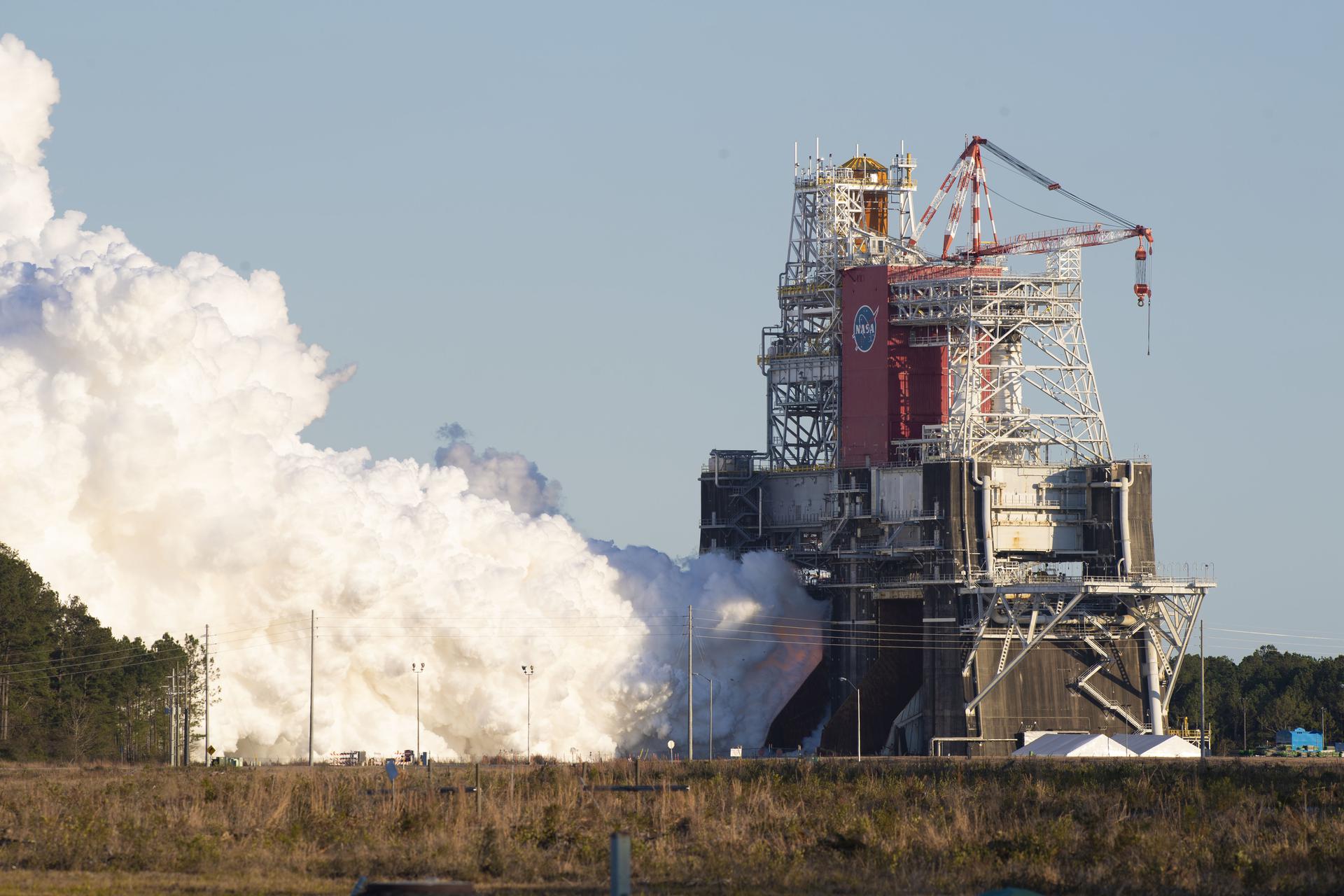
NASA Reopens Stennis' B-2 Stand to Hot-Fire New Glenn's Hydrogen Upper Stage
NASA and Blue Origin have agreed to prep the historic B-2 test stand at Stennis to hot-fire New Glenn's two-engine, LOX/LH2 second stage this fall — a move that ties the rocket's readiness directly to Artemis.
-
Commercial
The Last of the Shuttle Engines: Four RS-25s Arrive at Michoud for Artemis III
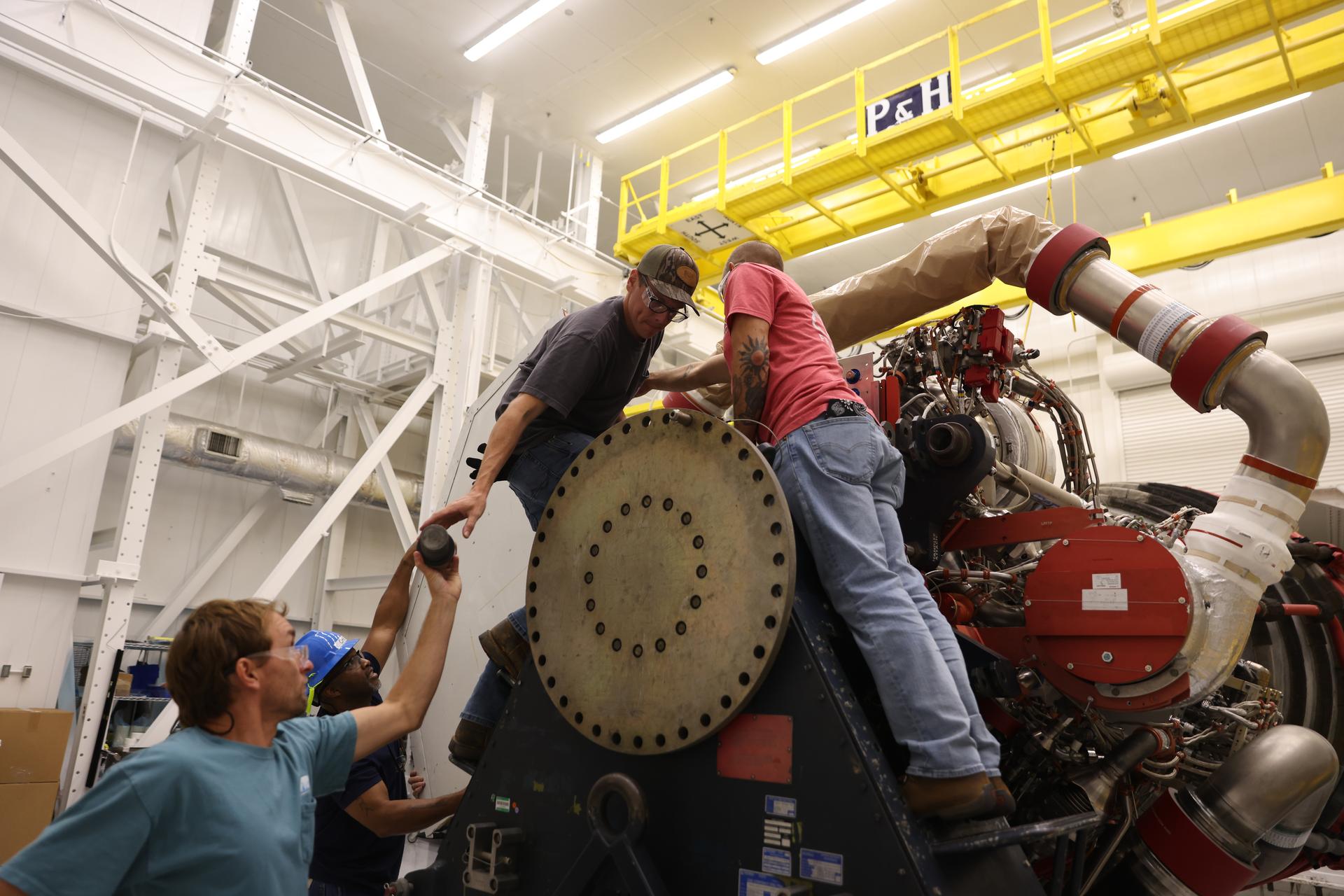
L3Harris delivered four RS-25 engines with 36 shuttle flights between them to NASA's Michoud facility on July 22, 2026 — the final flight of Space Shuttle Main Engine heritage hardware before Artemis V switches to newly built, 3D-printed engines.
-
Commercial
Lightning Hit a Long March 3B 30 Seconds Off the Pad — and the Rocket Kept Flying
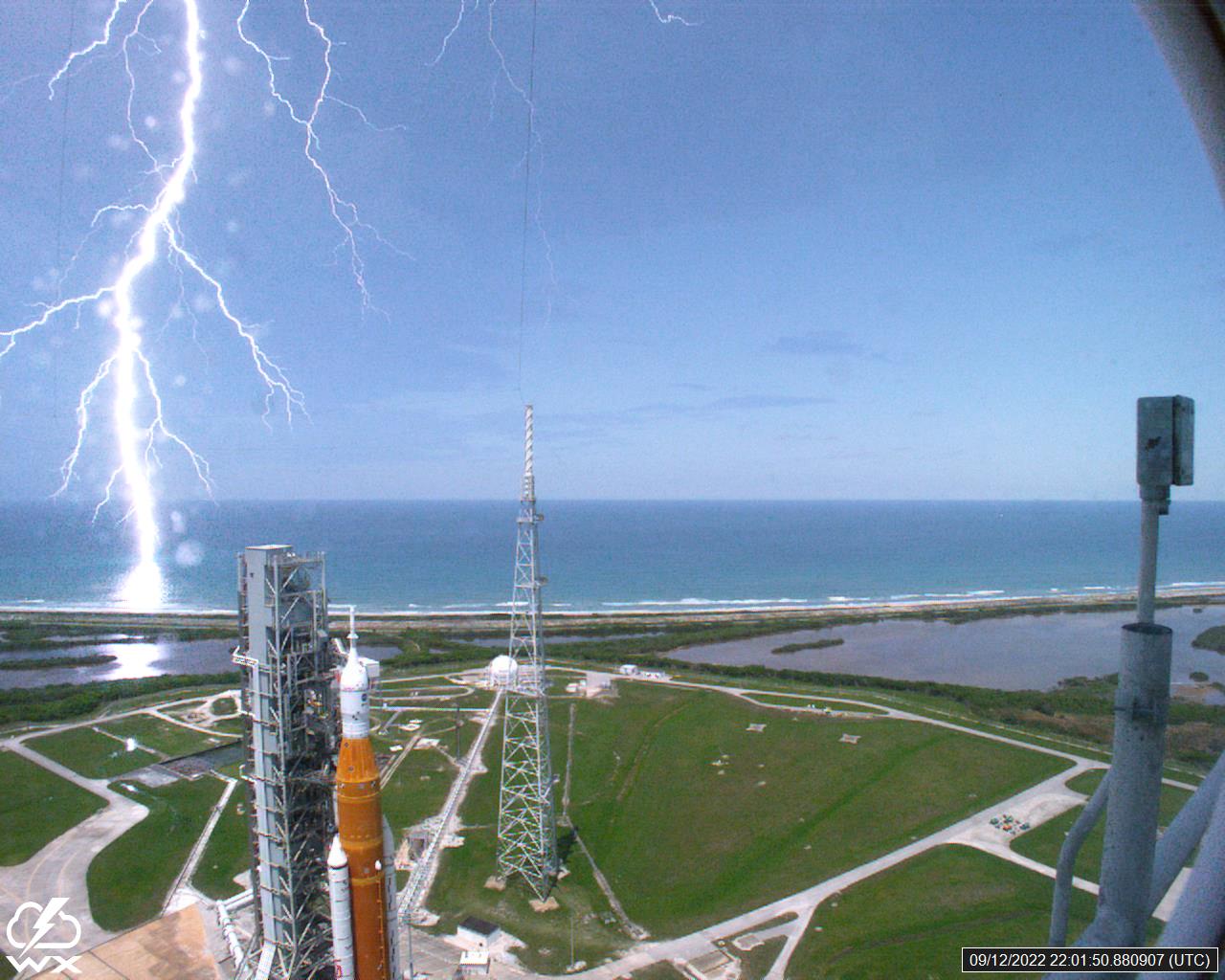
Amateur video caught a lightning bolt hitting a Long March 3B/E about 30 seconds after it left Xichang on July 23. The Tianlian II-06 relay satellite reached orbit anyway — and the footage raises an uncomfortable question about how differently launch ranges treat weather risk.
-
Commercial
America's First In-Orbit Mechanic Is on Its Way to GEO
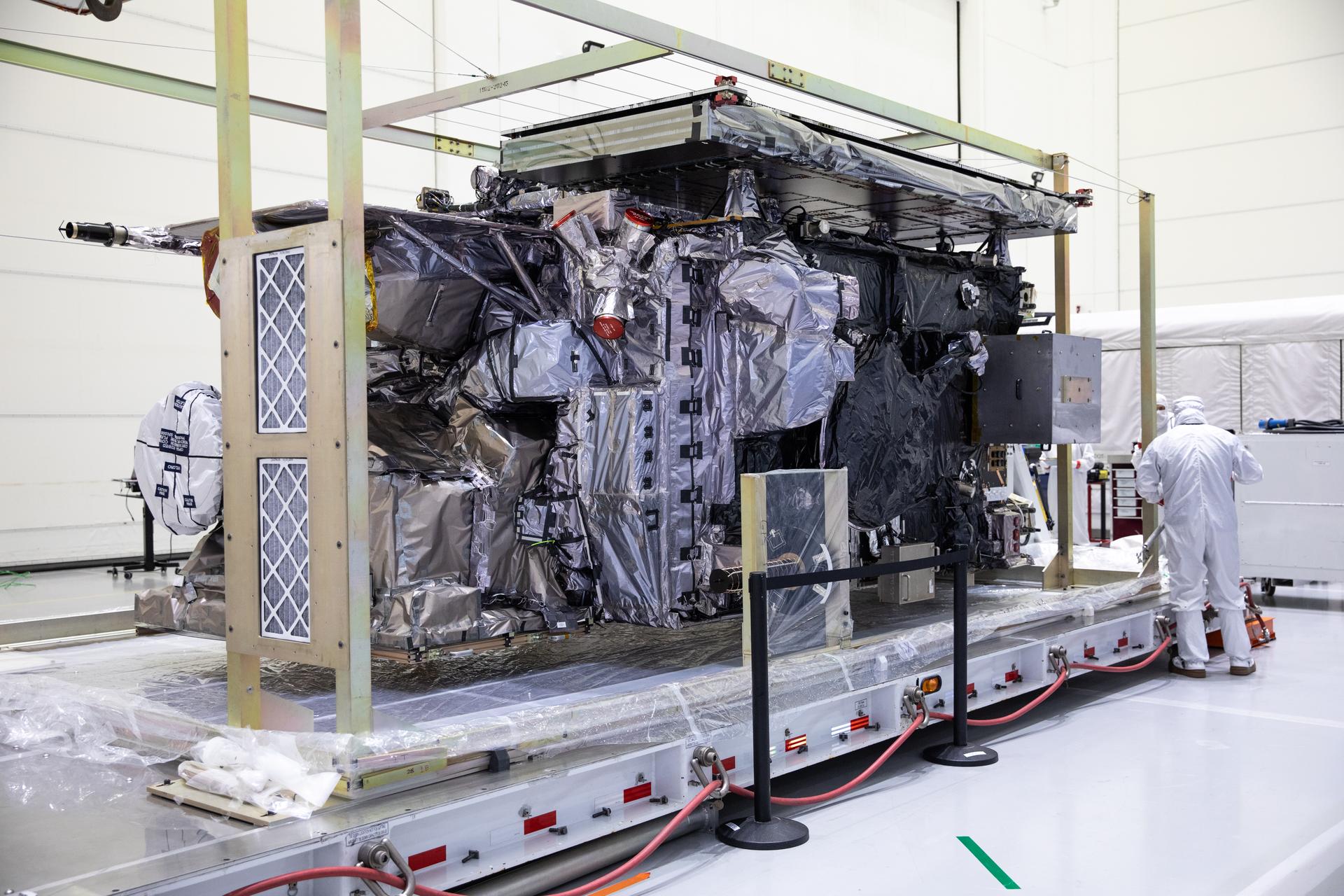
A Falcon 9 launched Northrop Grumman's Mission Robotic Vehicle on 21 July 2026, carrying DARPA/NRL's RSGS robotic arms to geosynchronous orbit to inspect, repair, relocate and life-extend aging satellites.
-
Commercial
America's First Robotic Satellite Mechanic Reaches the Pad
A Falcon 9 is set to launch Northrop Grumman's MRV-1 and three Mission Extension Pods on July 21, carrying DARPA's RSGS payload — the first U.S. multi-mission robot built to inspect, repair, upgrade, relocate and refuel satellites in geosynchronous orbit.
-
Commercial
India Joins the Private-Orbit Club: Skyroot's Vikram-1 Aces Its Debut
On July 18, 2026, Skyroot Aerospace's Vikram-1 reached a ~450 km orbit on its first flight from Sriharikota — the first orbital launch by a private Indian company, making India the third nation where a private firm has reached orbit.
-
Commercial
The 3D-Printed Washing Machine Taking On the Geostationary Giants
SWISSto12 raised $70 million on July 16 to scale HummingSat, a 3D-printed, washing-machine-sized GEO satellite — backed by $500M in contracts, $140M in 2025 revenue, orders from SES and Intelsat, and 73 million euros of ESA member-state money betting on European space sovereignty.
-
Commercial
Washington Weighs a 'Light-Touch' Rulebook for Space Businesses No One Regulates Yet
A House subcommittee grilled the Office of Space Commerce on its plan for a single opt-in "Space Commerce Certification" to fast-track approval of orbital manufacturing, satellite servicing, and lunar ventures that fall outside FAA and FCC authority.
-
Commercial
SpaceX Marks the 600th Flight of a Reused Falcon Booster With a Pre-Dawn Starlink Launch
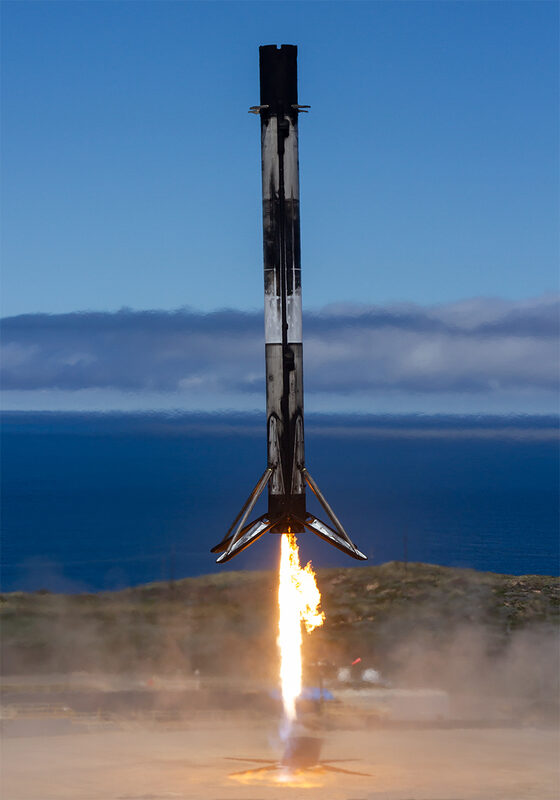
A pre-dawn Falcon 9 launch from Cape Canaveral quietly notched a milestone that says more about SpaceX's operating model than any single mission: the 600th flight of a reused booster.