Commercial
Commercial spaceflight news from Cosmic Herald — SpaceX, Blue Origin, Rocket Lab, private space stations, and the new space economy.
-
Commercial
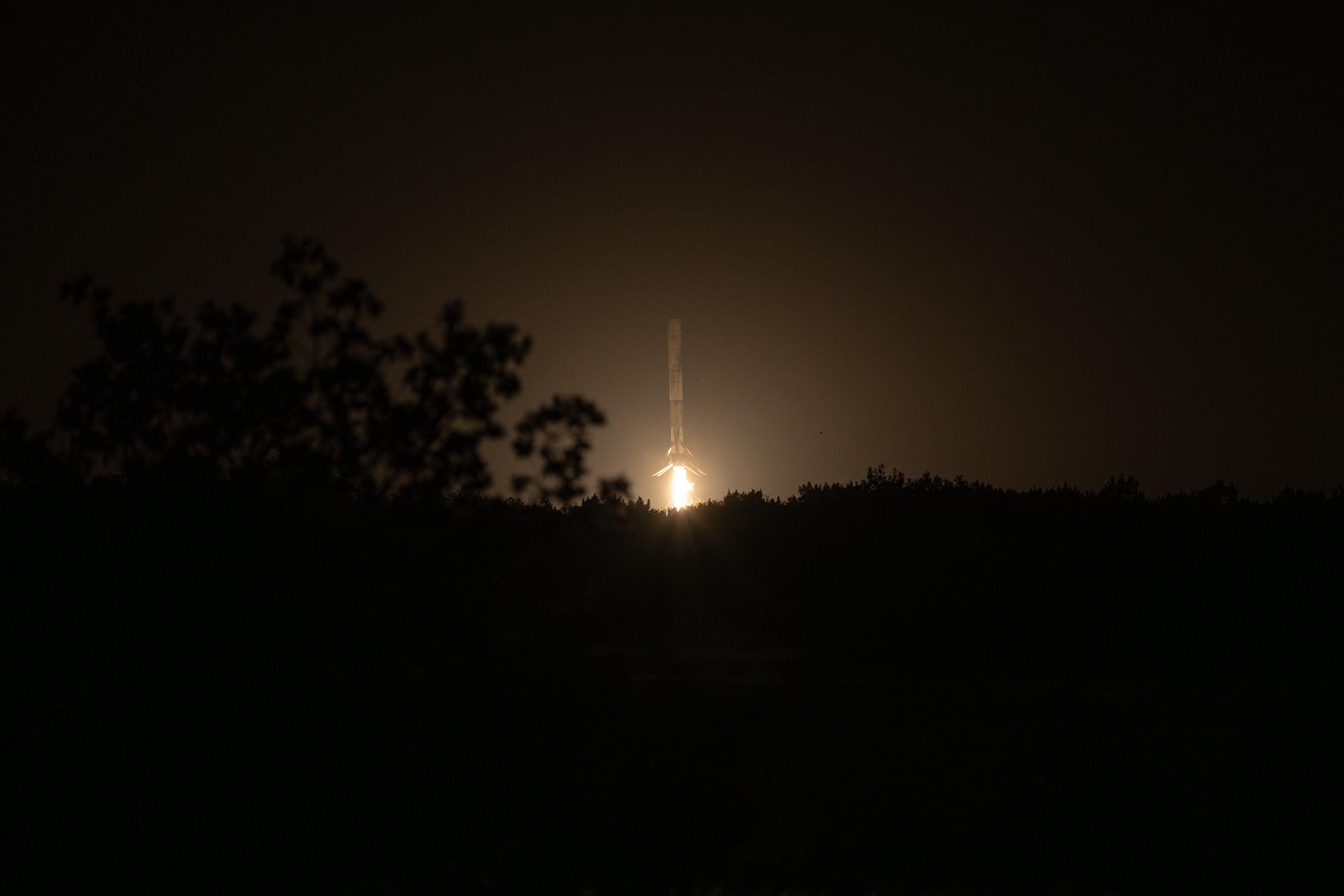
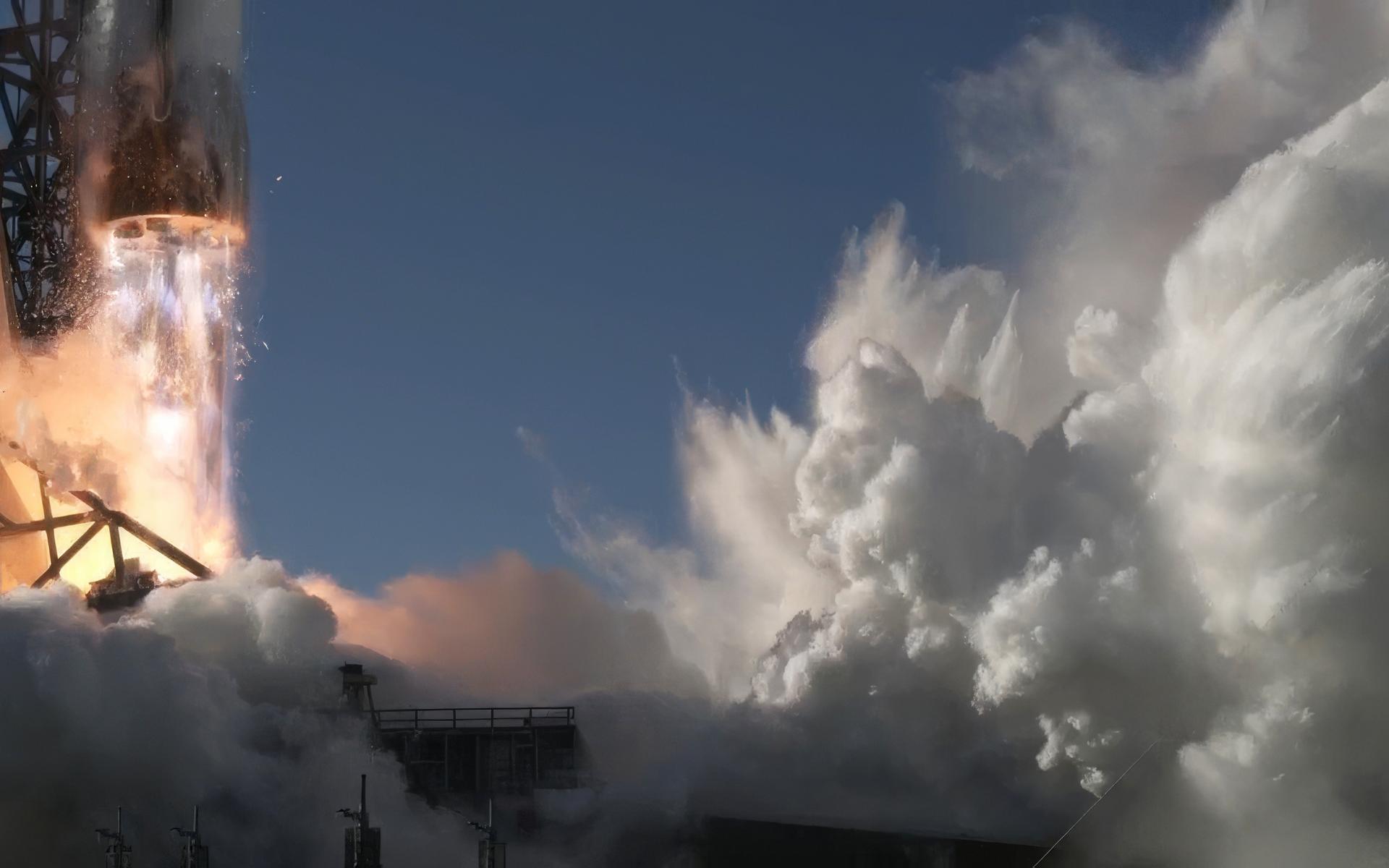
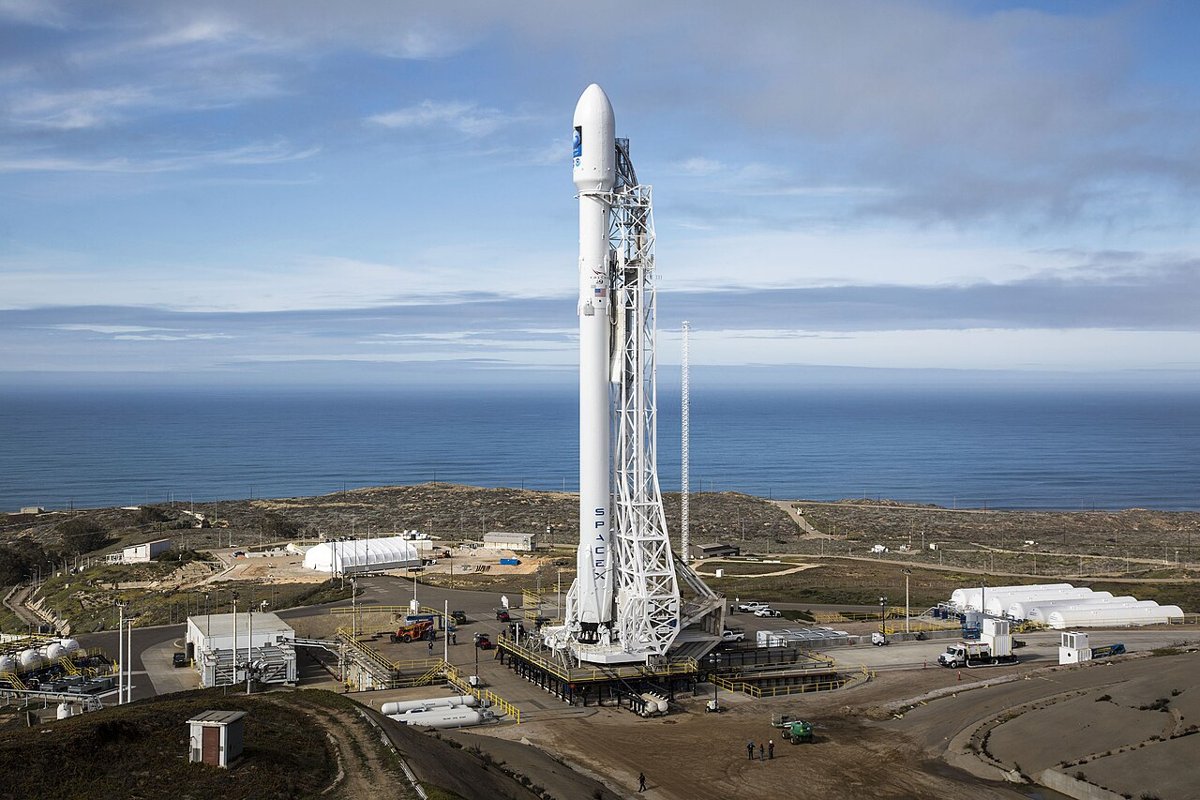
The Ultimate Egg-Drop Challenge: A Startup Rides SpaceX's Falcon 9 Boosters to Test Manufacturing Chips in Space
Besxar Space Industries flew two reusable test pods on a Falcon 9 booster's suborbital round trip on July 5, betting that surviving launch vibration and reentry heat is the first step toward manufacturing semiconductors in orbit.
-
Commercial
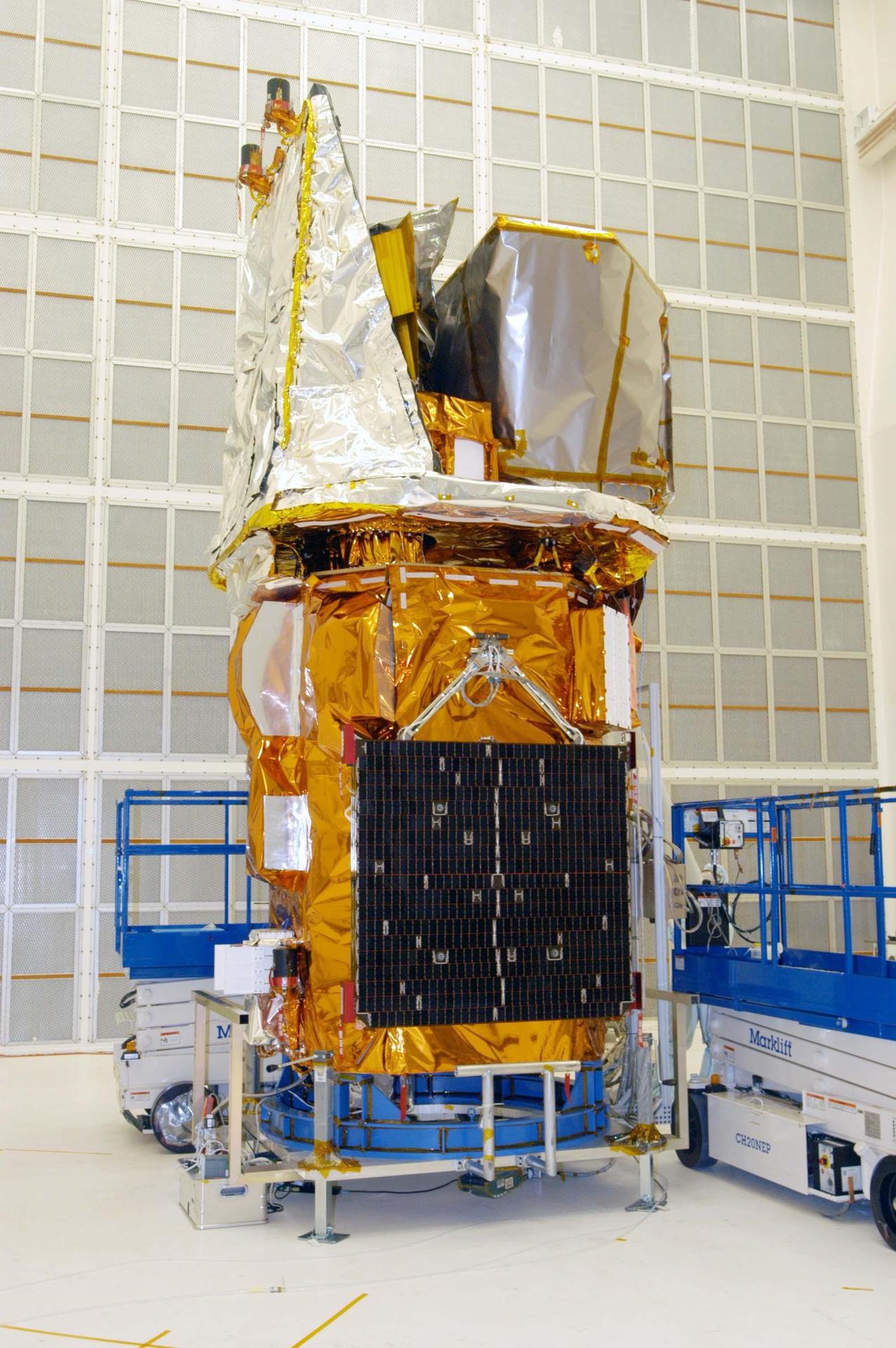
NASA's $30 Million Gambit to Save the Falling Swift Observatory
A commercial spacecraft built in nine months just launched to catch a decaying NASA telescope before it burns up — the first attempt ever to dock with a government satellite never designed for servicing.
-
Commercial
Germany Bets on an Unproven Rocket: Planet and Isar Aerospace Sign All-German Launch Deal
Planet Labs Germany will fly a Pelican imaging satellite on Isar Aerospace's Spectrum rocket within a year — a milestone all-German mission riding on a launcher that has yet to reach orbit.
-
Commercial
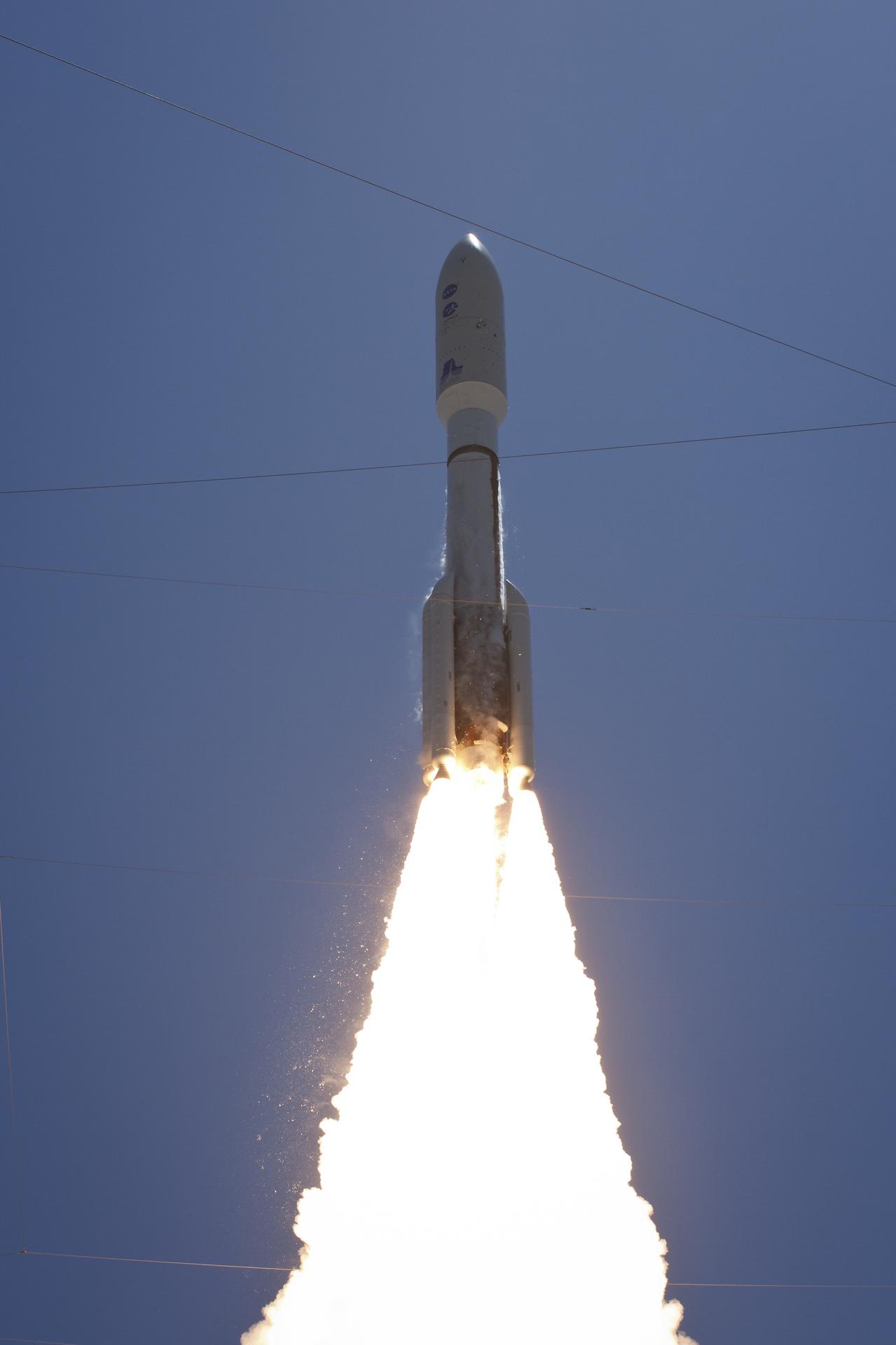
ULA Flies Its Last Atlas V 551 as Amazon Leo Races an FCC Deployment Deadline
United Launch Alliance closed out the Atlas V 551's 20-year career hauling 29 more Amazon Leo satellites to orbit, just weeks before Amazon's FCC deadline to deploy half its broadband constellation.
-
Commercial
Blue Origin Charts a New Path Back to Flight for New Glenn After Pad Explosion
After late-May explosion destroyed a New Glenn being readied to fly NASA's Blue Moon 'Endurance' lander, Blue Origin says it won't rebuild the ruined pad as-is — instead adopting a hybrid horizontal-vertical integration concept at LC-36A and aiming to fly again in 2026.
-
Commercial
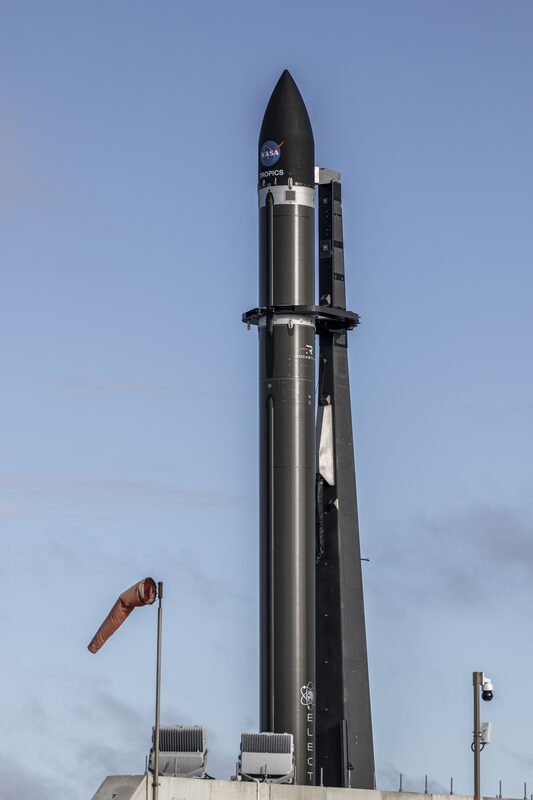
Rocket Lab Buys Iridium for $8 Billion, Trading Rockets for a Working Satellite Network
Rocket Lab will acquire satellite operator Iridium in a cash-and-stock deal valuing it near $8 billion, buying 66 working satellites, rare L-band spectrum, and instant recurring revenue instead of building it all itself.
-
Commercial
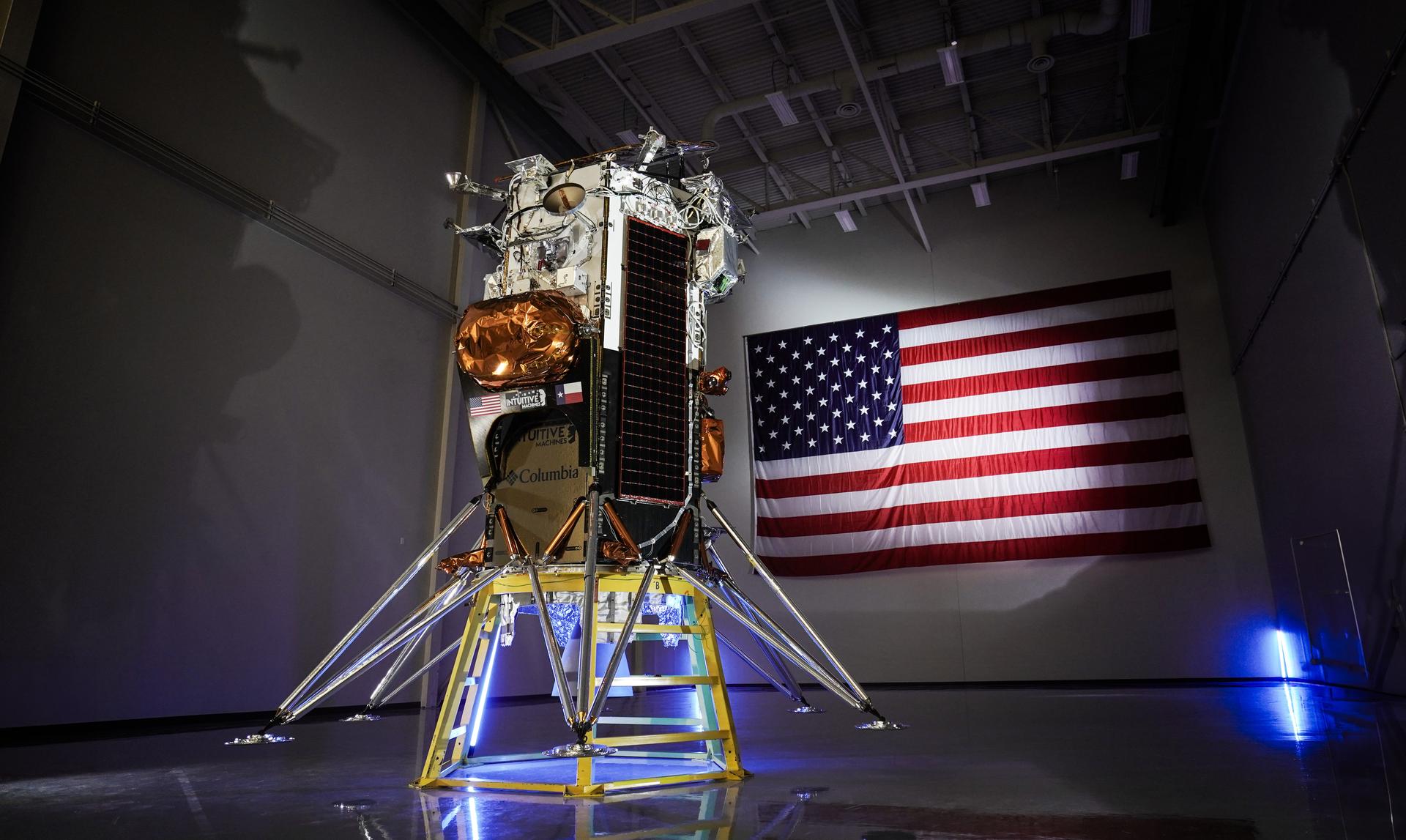
NASA Buys Four More Moon Landings: Astrobotic, Firefly and Intuitive Machines Split ~$590M in CLPS Orders
NASA awarded four CLPS task orders worth roughly $590M to Astrobotic, Firefly and Intuitive Machines to land four robotic missions on the Moon in late 2028, each carrying three payloads including the SCALPSS plume-imaging cameras.
-
Commercial
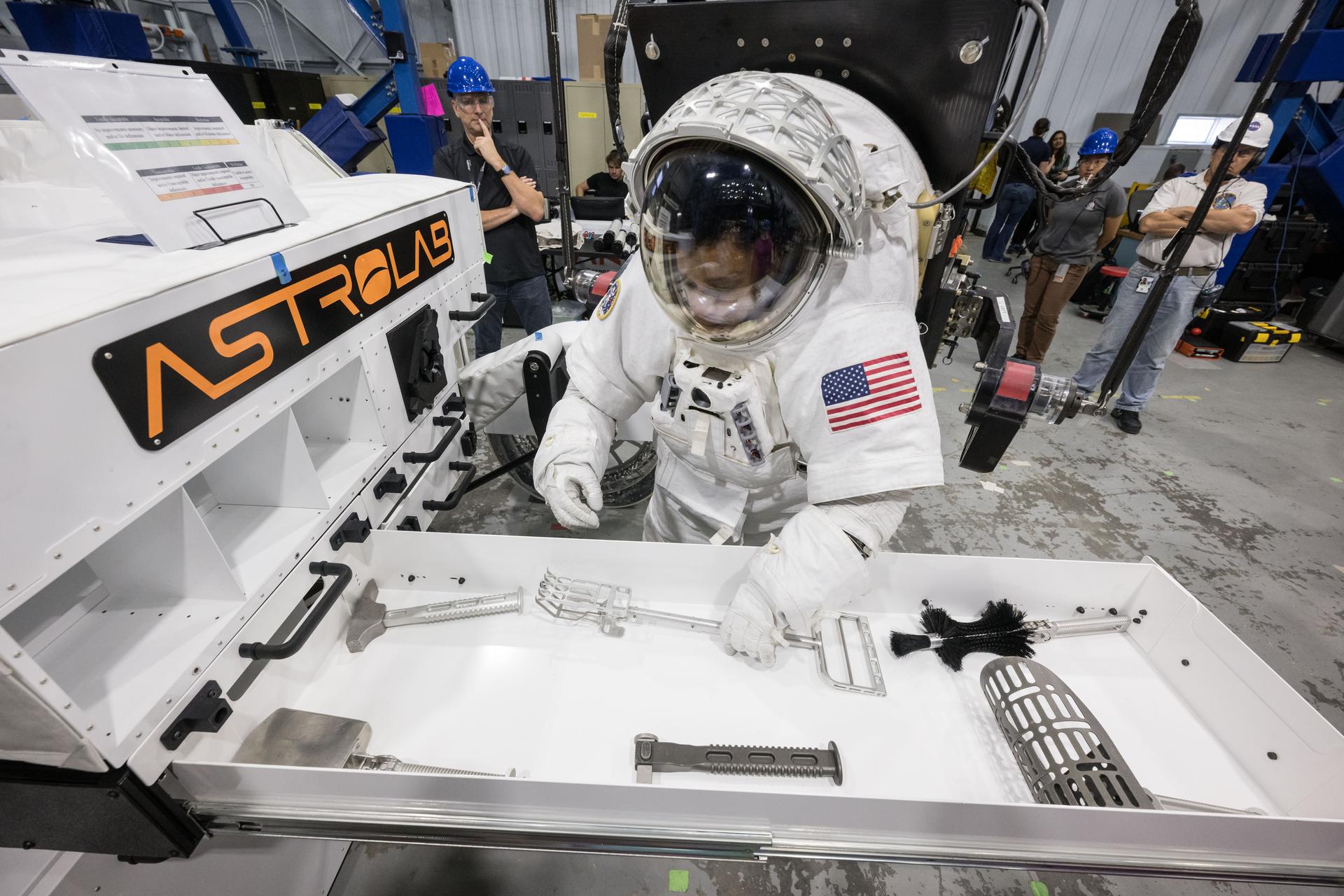
NASA's Moon Base Rovers Get Real: Astrolab and Lunar Outpost Race Toward a 2027 Delivery
NASA wants two commercially built crewed rovers parked near the lunar South Pole by November 2027, ahead of the Artemis 4 landing in early 2028. Here's how Astrolab's CLV-1 and Lunar Outpost's Pegasus aim to survive 150 days of dark at -400°F and still drive 400 km.
-
Commercial
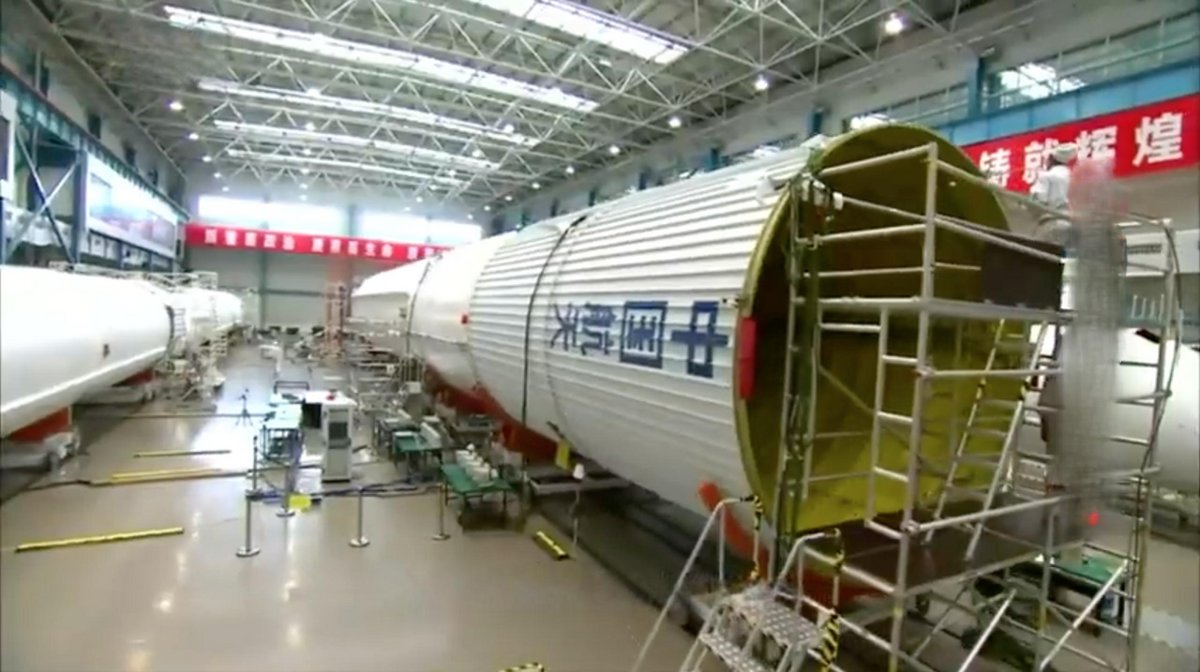
China Schedules Long March 10B Booster Recovery Test in Its Most Direct Challenge to Falcon 9
China has scheduled a Long March 10B launch and booster recovery attempt — Beijing's most ambitious step yet toward domestic reusable launch capability and a structural challenge to SpaceX's Falcon 9.
-
Commercial
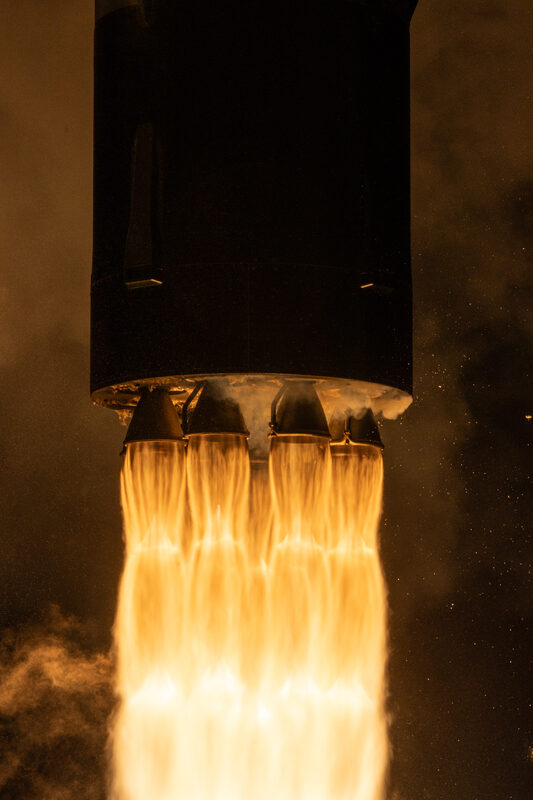
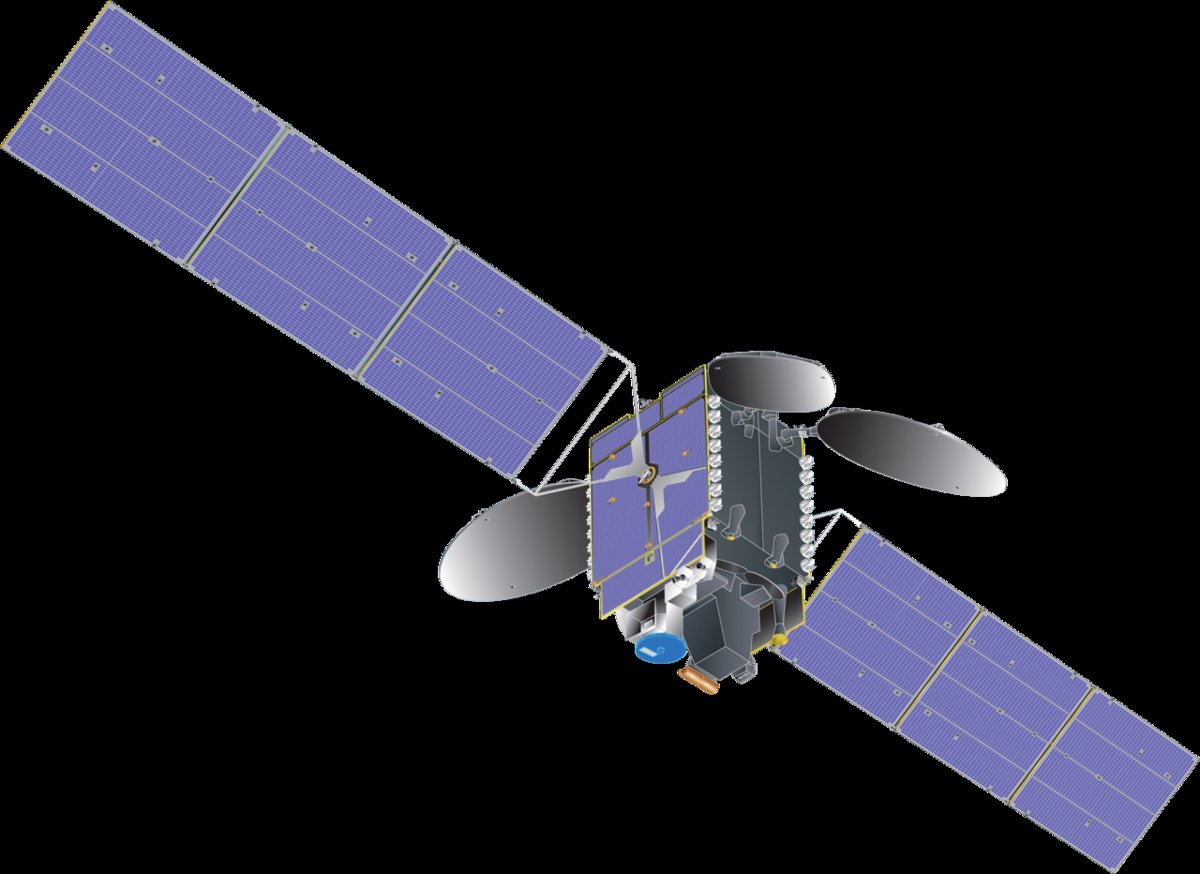
Phones, Meet Space: AST SpaceMobile Lofts Its First Block 2 BlueBirds
A pre-dawn Falcon 9 carried BlueBirds 8, 9 and 10 — AST SpaceMobile's first operational Block 2 satellites, built to beam broadband straight to ordinary 4G and 5G phones — marking the company's pivot from testing toward live direct-to-cell service.
-
Commercial
Rival Satellite Operators Launch Their Own NGSO Trade Group — Without SpaceX
Rival satellite operators just formed their own industry trade group — and they made a point of leaving SpaceX out. The exclusion reveals a structural fault line over spectrum policy and orbital rights.
-
Commercial
A Chinese Spaceplane Just Released an Object Into Orbit — and Commercial Trackers Caught It
Commercial space surveillance firms independently detected a Chinese spaceplane deploying an object in orbit, underscoring the growing clout of private-sector space domain awareness.