Astronomy
Astronomy news from Cosmic Herald — telescopes, exoplanets, black holes, and the discoveries reshaping our picture of the universe.
-
Astronomy
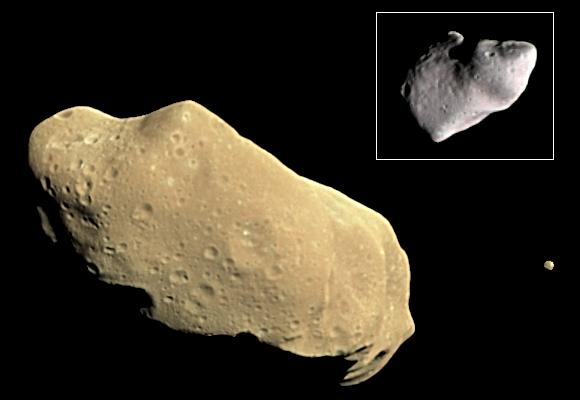
Asteroid (44) Nysa May Be the First Known Three-Lobed 'Trinary' World — And It Has a Moon
New adaptive-optics imaging from the LBT and VLT shows main-belt asteroid (44) Nysa has an unprecedented three-lobed shape and a previously unknown ~1 km moon, possibly making it the first confirmed contact-trinary asteroid.
-
Astronomy
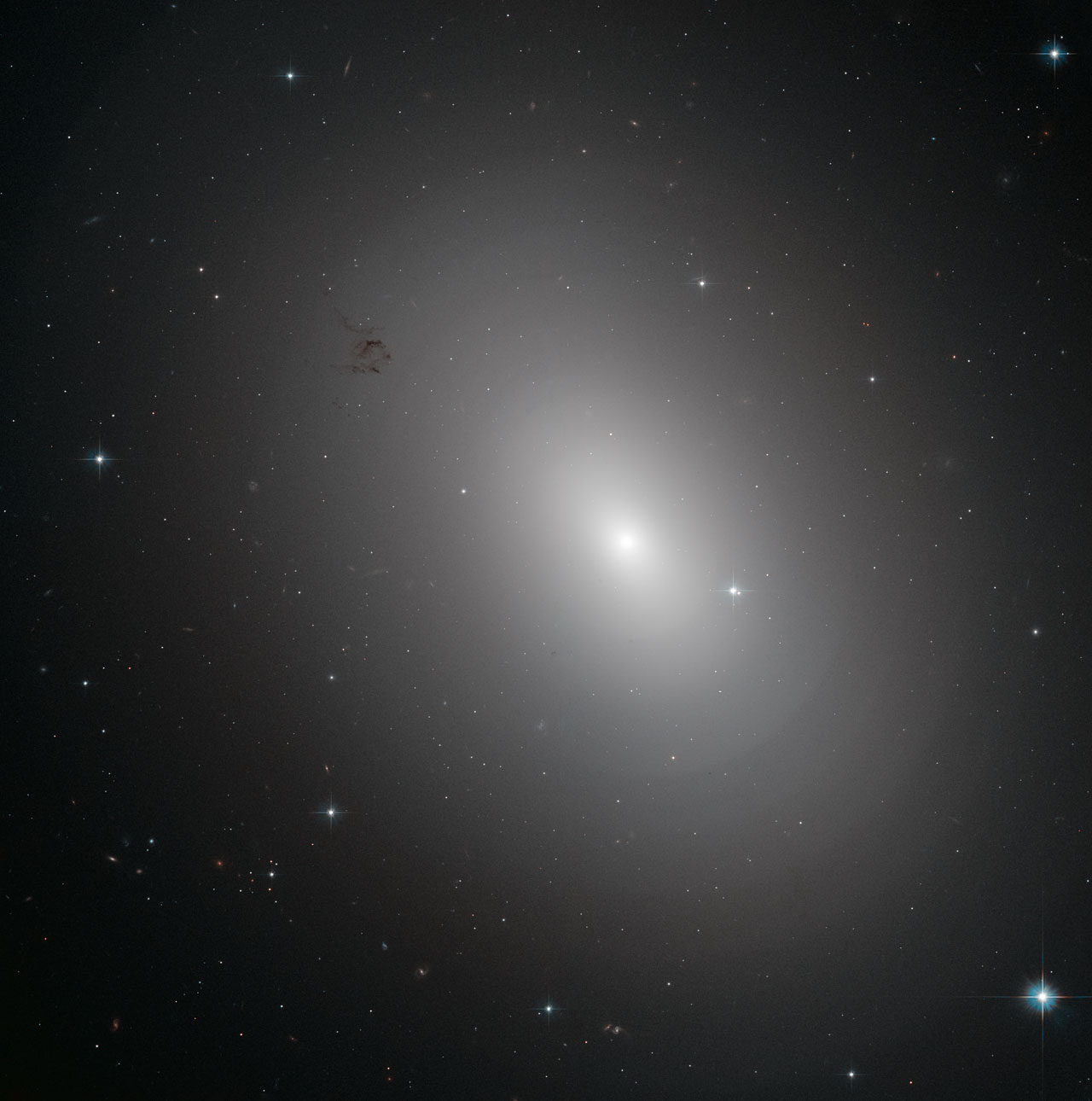
Astronomers Finally Measure the Full Size of the Universe's Largest Known Galaxy
Ultra-deep imaging has pinned down the true edge of IC 1101, confirming it spans 1.7 million light-years and 3.4 trillion solar masses — and it's still growing from a merger 2-3 billion years ago.
-
Astronomy
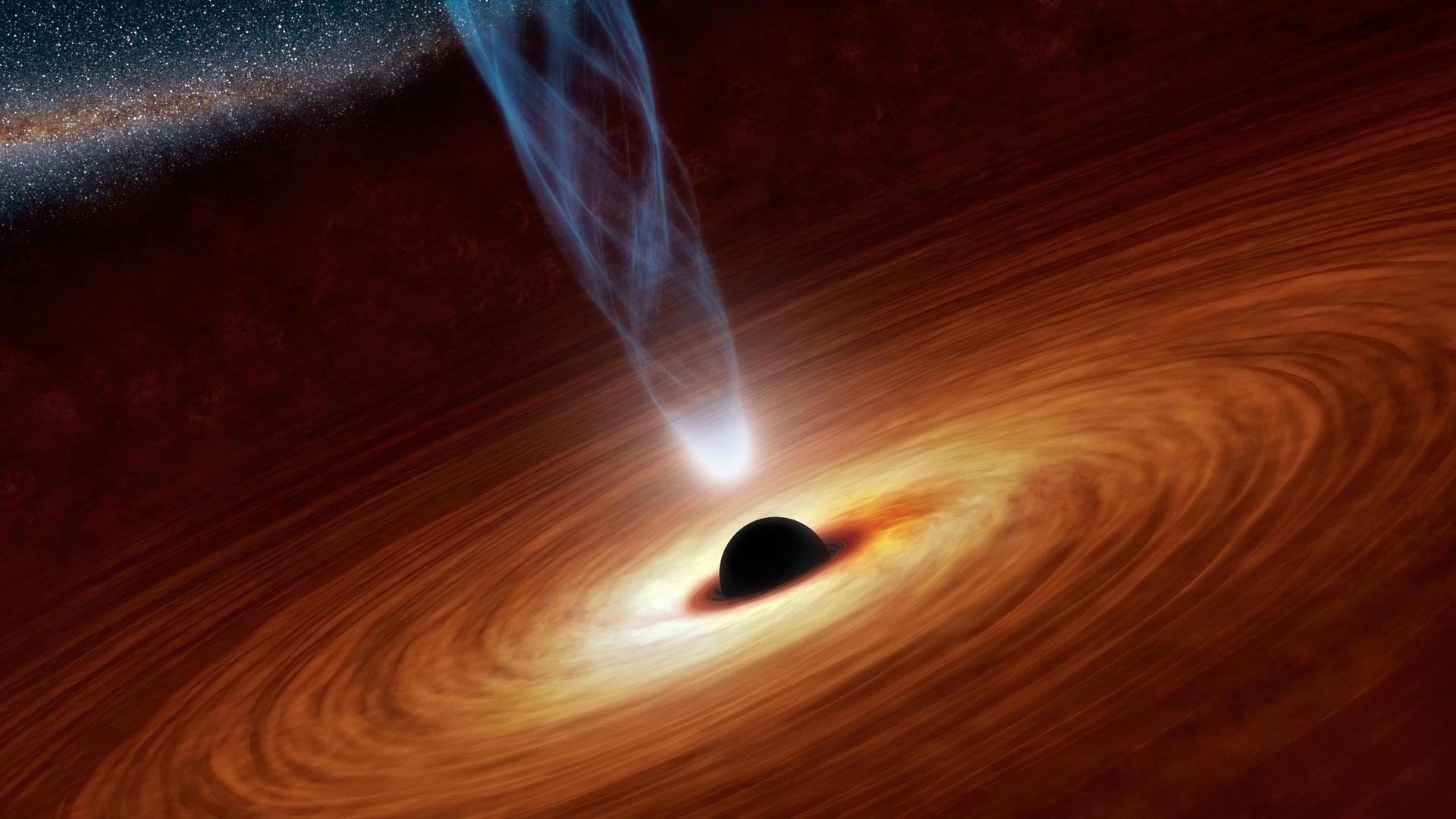
Webb's 'Little Red Dots' Turn Out to Be the Tip of a Supermassive-Black-Hole Iceberg
A nearby spiral nicknamed 'the Saguaro' just gave astronomers the missing piece of the little red dot puzzle: faint, buried X-rays confirming these mysterious JWST objects are ordinary black holes caught in an unusually obscured growth spurt.
-
Astronomy
Hubble Finds Andromeda's Star Formation Has Dropped 80% in 500 Million Years
A new Hubble-based study mapping 200 million stars across Andromeda shows its star-formation rate has fallen 80% in 500 million years, with the steepest drop in just the last 40 million.
-
Astronomy
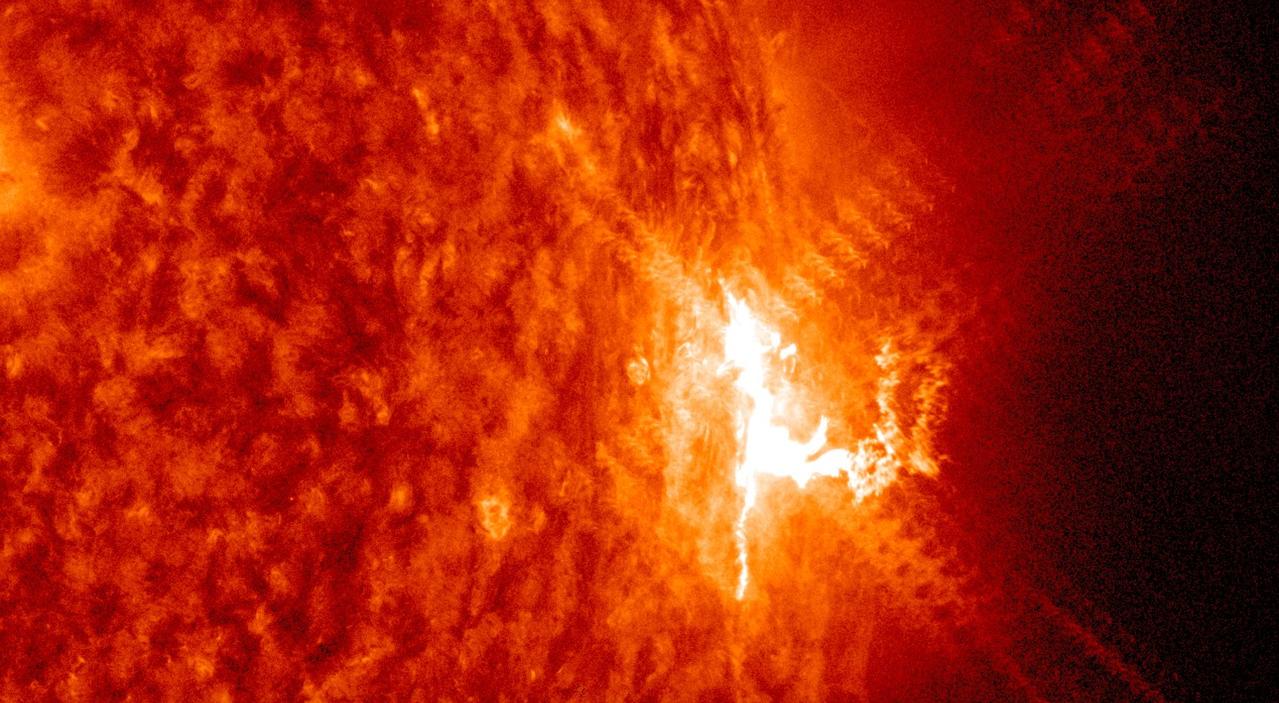
The Sun Fired Two Eruptions at Once, and One Just Missed Us
A central-meridian filament blast and a far-side prominence erupted in near-perfect sync on July 28, while AR4494 kept flaring and a G1 storm carried over from an incoming CME due July 30.
-
Astronomy
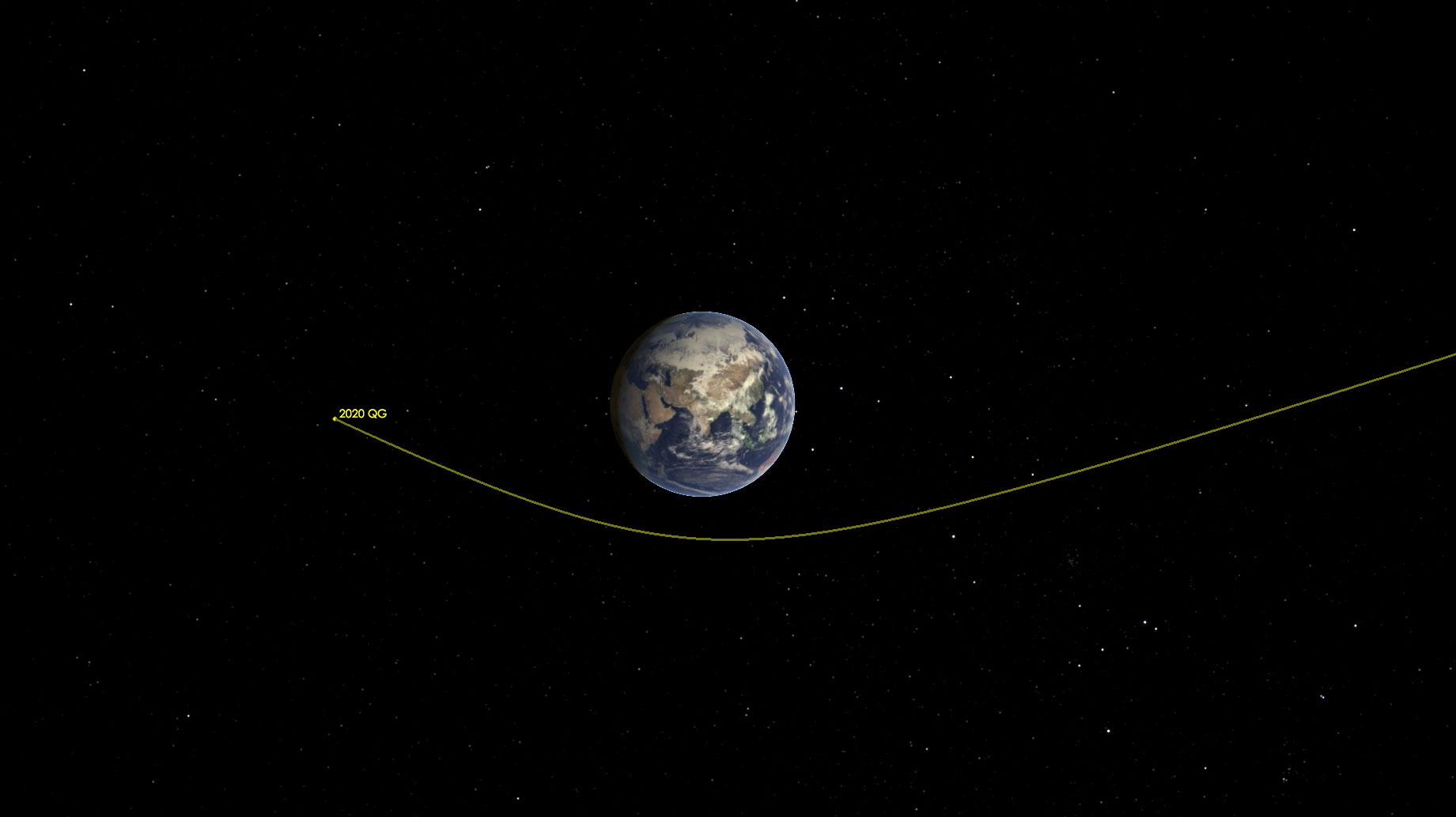
A House-Sized Asteroid Just Passed Closer to Earth Than the Moon
Newly discovered asteroid 2026 OD3 buzzed past Earth at 0.6 lunar distances on July 25, one of three close flybys this week that underscore how many small asteroids go undetected until days before arrival.
-
Astronomy
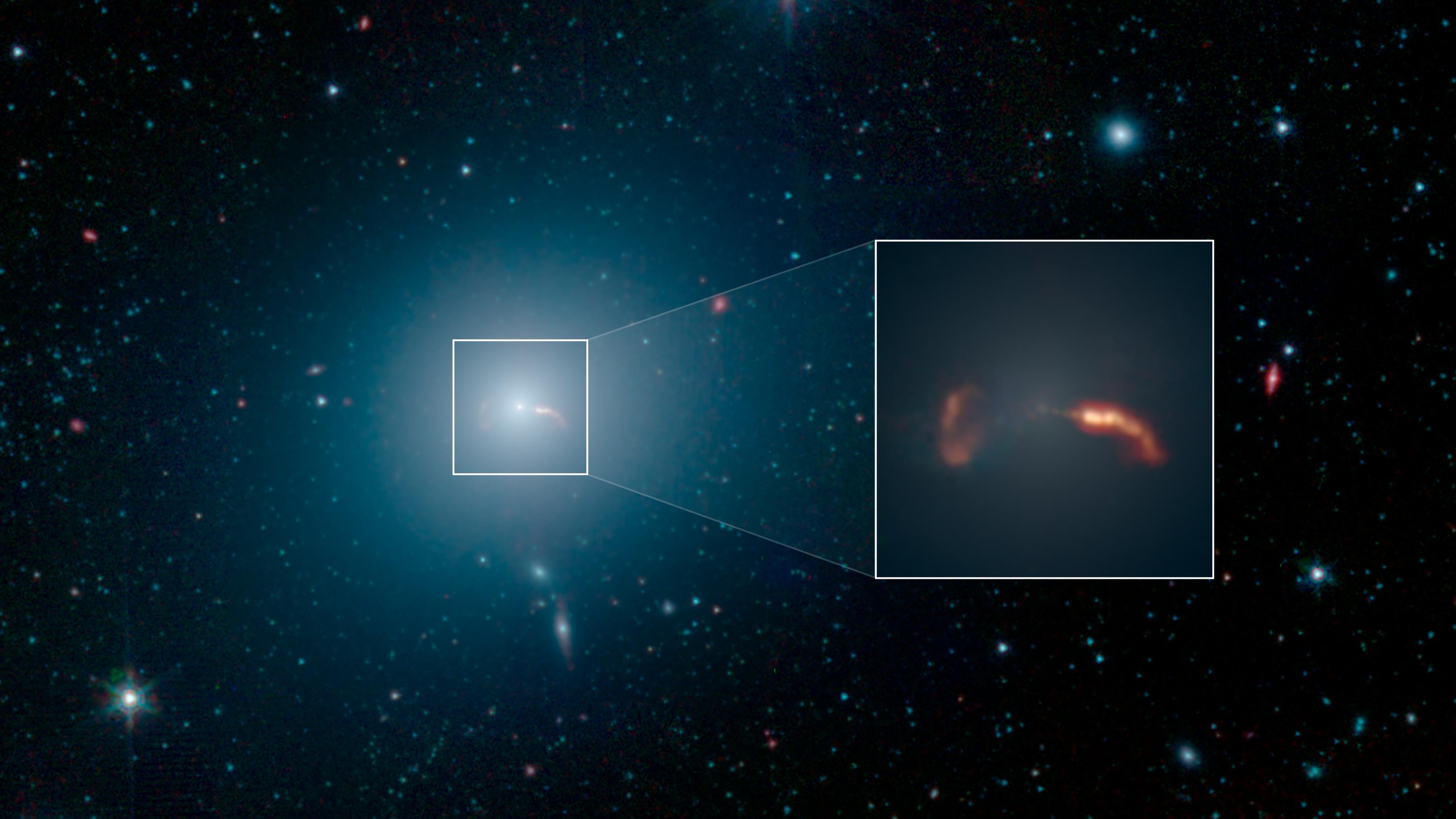
Reading the Plasma Around M87*: The First Resolved, Dual-Frequency Map of the Giant's Shadow
A SHAO-led team used the Event Horizon Telescope and the GMVA to build the first spatially resolved, dual-frequency spectral map of M87*, tying the famous 2019 ring to the physical state of plasma near the event horizon at a ~30-microarcsecond transition.
-
Astronomy
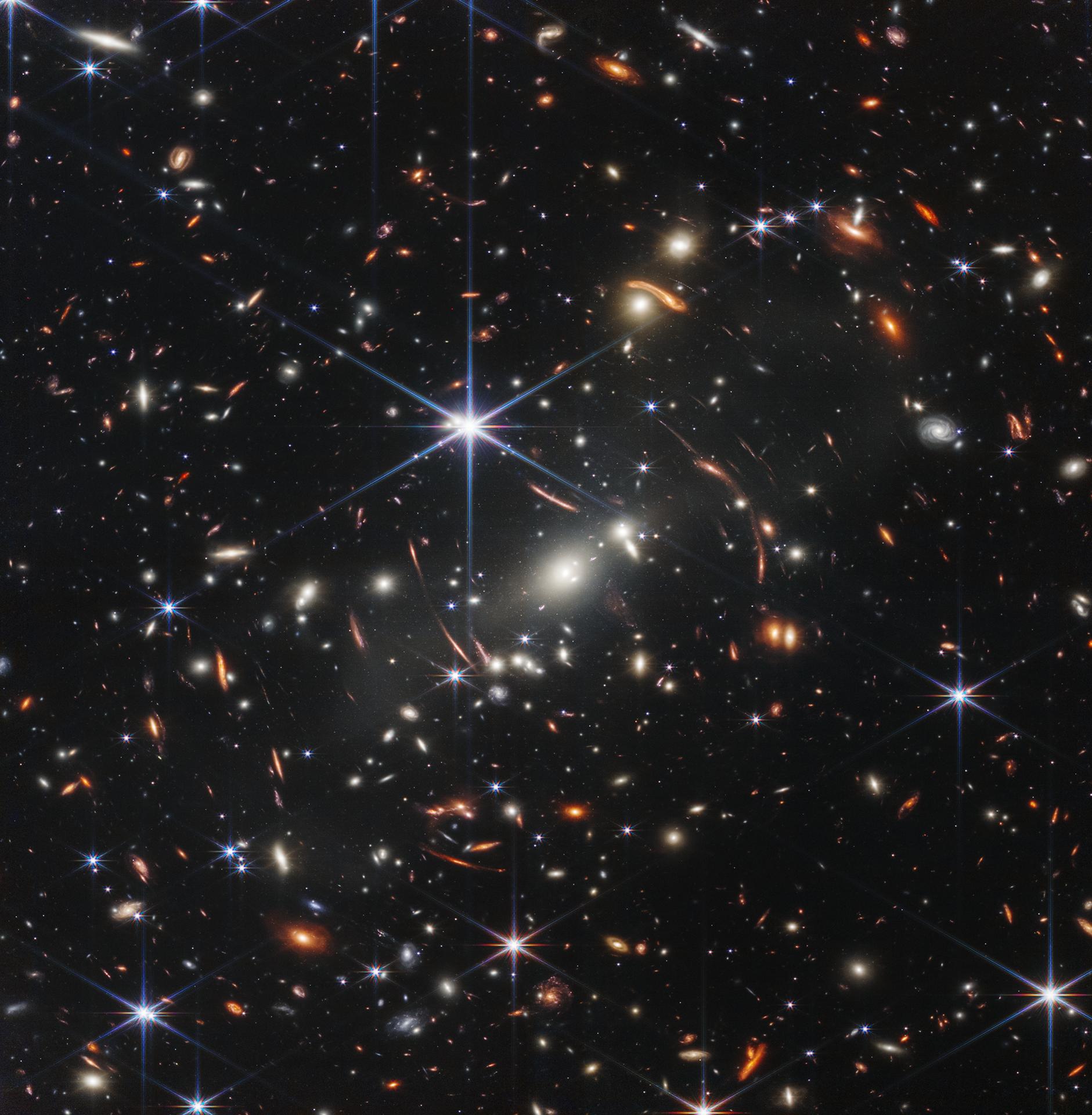
Six Galaxies, One Future Giant: JWST Catches a Massive Galaxy Mid-Assembly
JWST's SAPPHIRES survey has caught a compact proto-group of six galaxies at z=4.97 — 1.2 billion years after the Big Bang — that models say will merge into a single ~100-billion-solar-mass galaxy.
-
Astronomy
Hubble Watches a Nova Fire 'Bullets' Through the Milky Way at 20 Million MPH
Hubble imagery reported July 24, 2026 shows a nova launching dense clumps of ejected material across the galaxy at roughly 20 million mph — and astronomers still can't explain where the projectiles come from.
-
Astronomy
The Lopsided Galaxy: Hubble Catches NGC 4654 Squeezed on One Side, Stripped on the Other
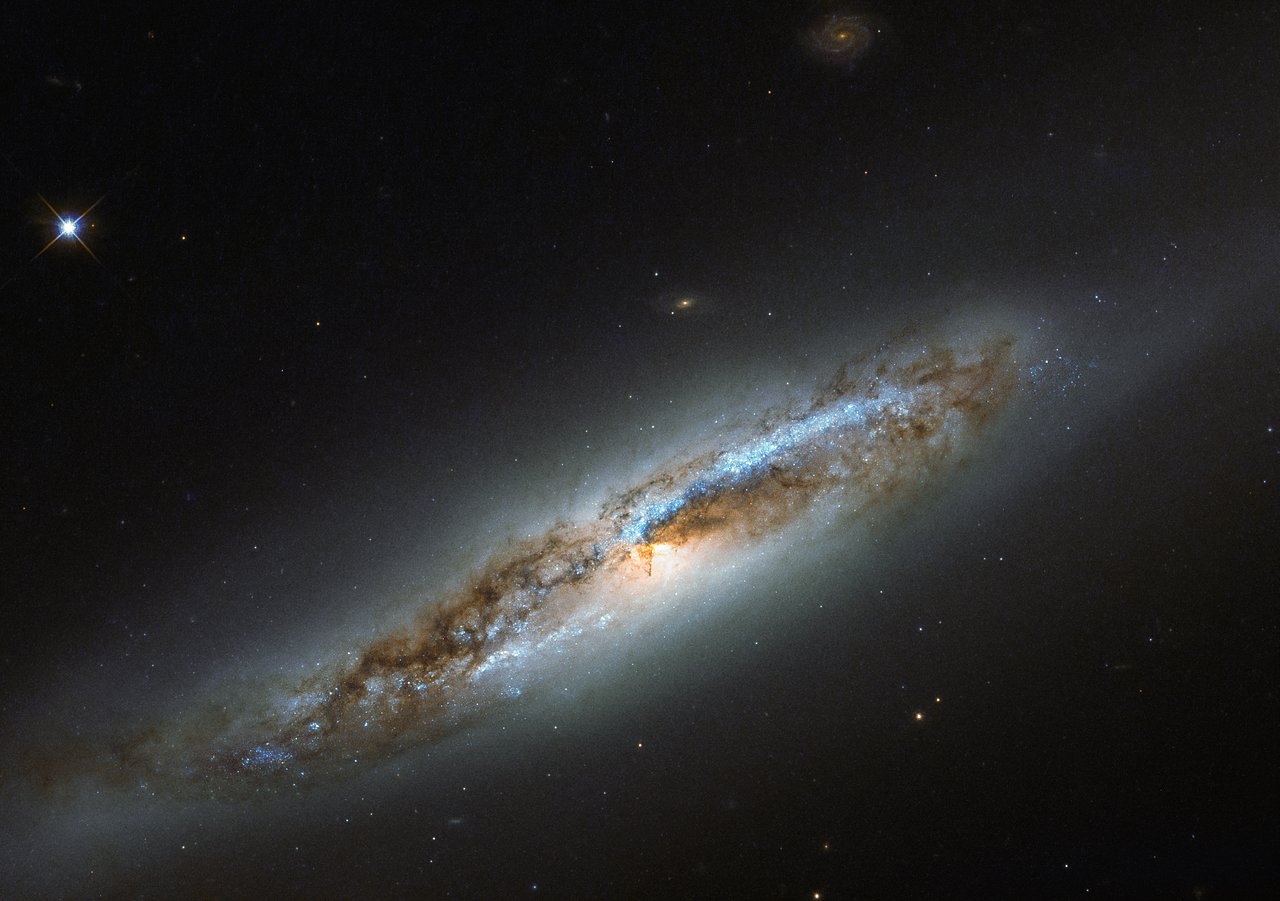
A new Hubble image of NGC 4654, an intermediate spiral 72 million light-years away in the Virgo Cluster, shows a galaxy being compressed along one flank and unravelled along the other — the combined fingerprint of ram-pressure stripping and a tidal encounter with NGC 4639 some 500 million years ago.
-
Astronomy
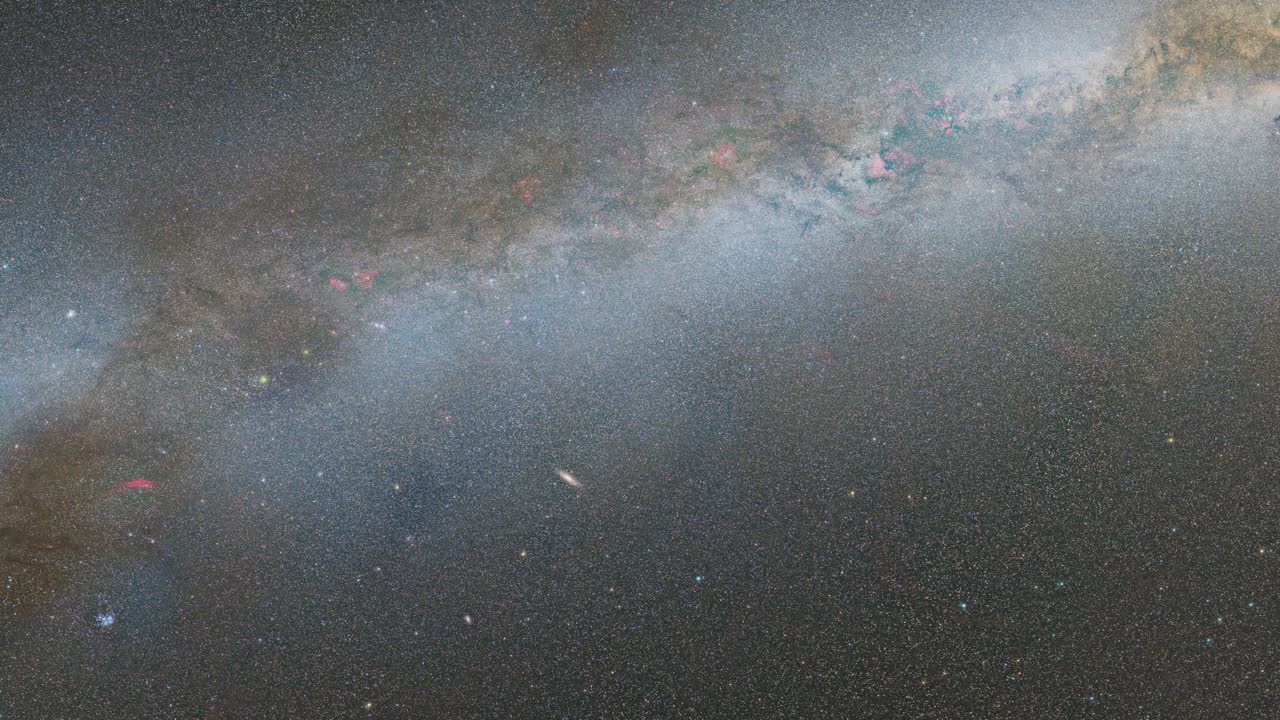
The Milky Way Flipped on Its Side: Simulations Tie Our Galaxy's Slow-Spinning Halo to an Ancient Collision
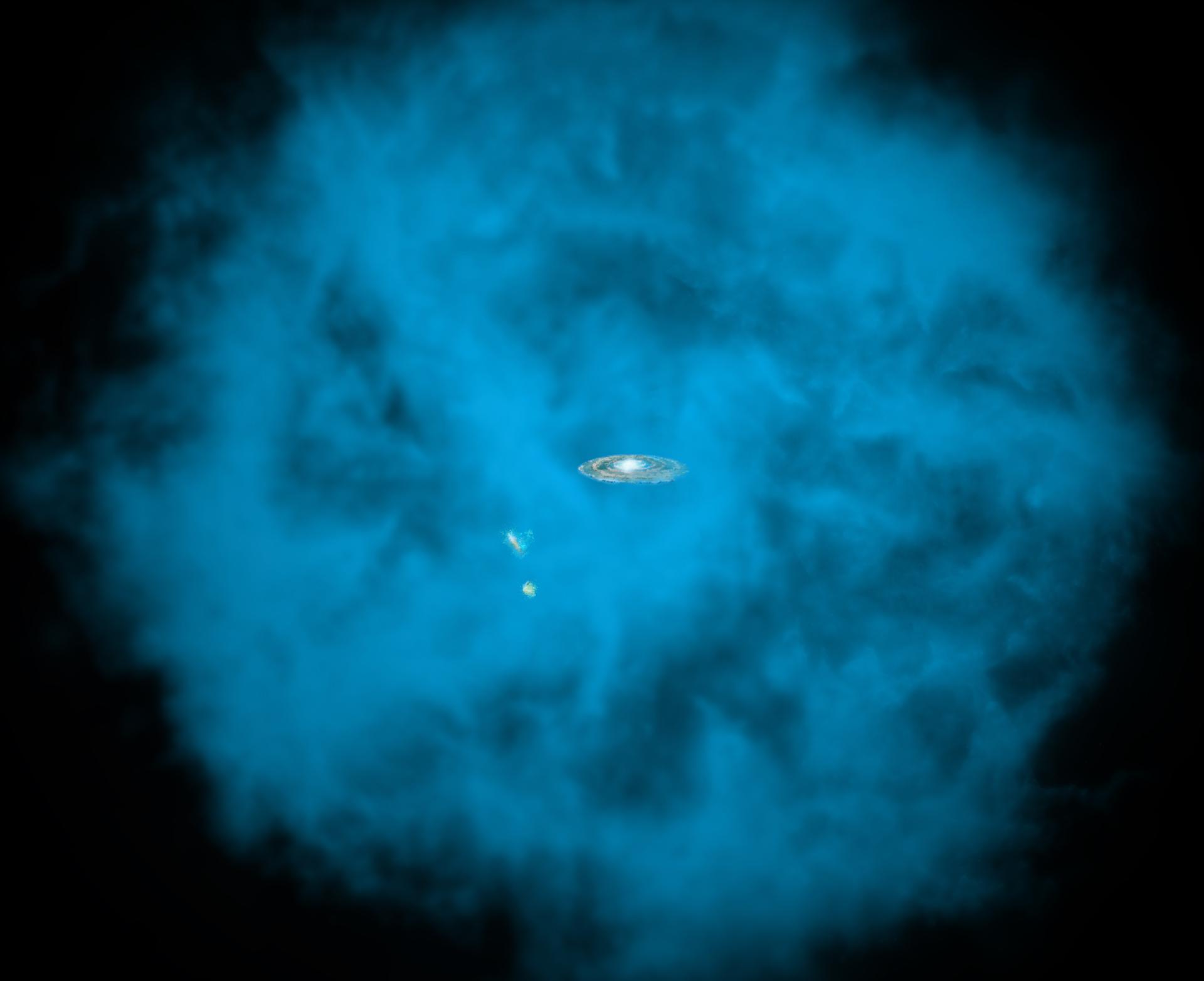
Durham University simulations presented at NAM 2026 suggest the Milky Way's disc reoriented by more than 90 degrees after its head-on collision with Gaia-Sausage-Enceladus, with our galaxy's slowly rotating stellar halo as the tell-tale fingerprint.
-
Astronomy
Van Gogh in the Sky: How the Dark Energy Camera Painted the Nearest Stellar Nursery
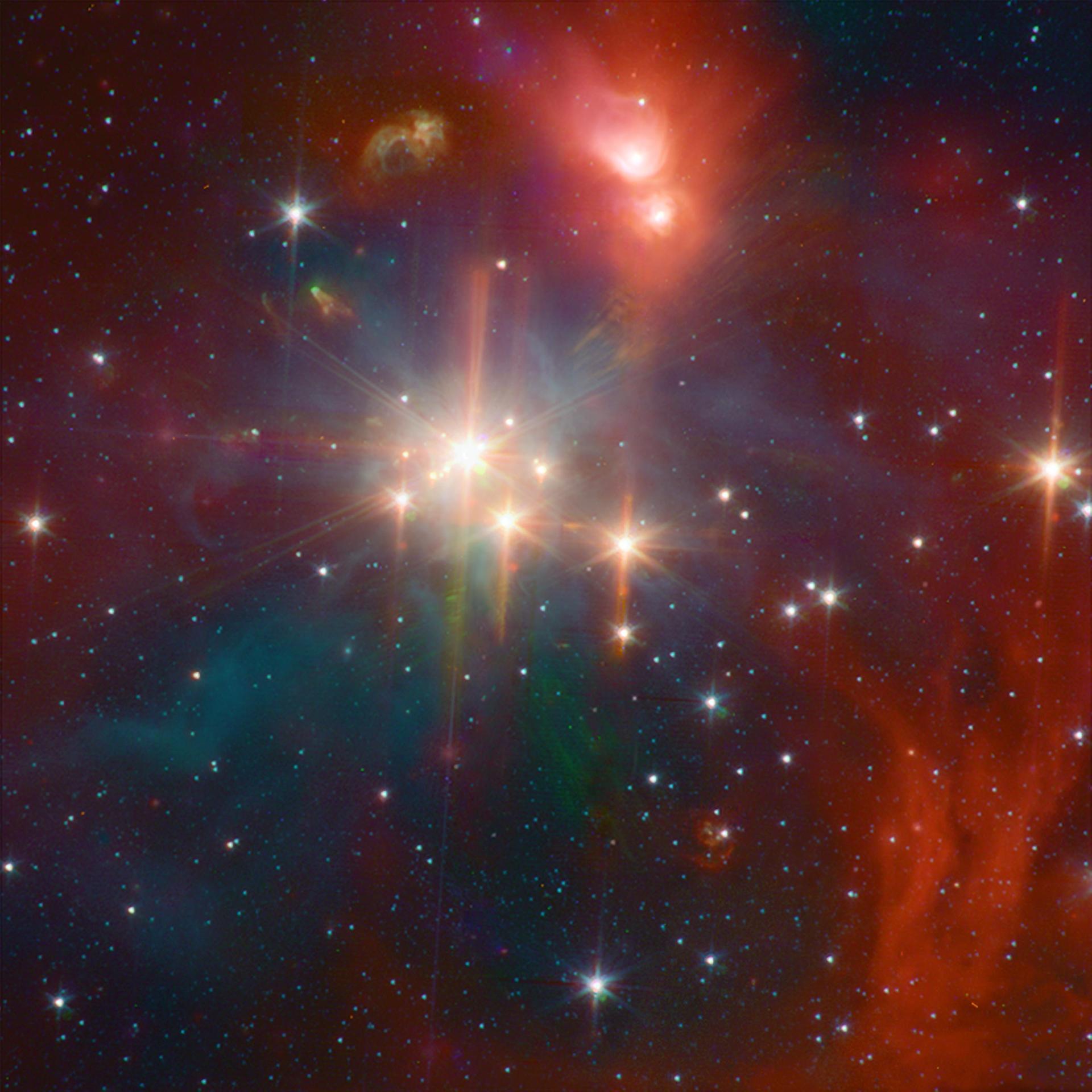
NSF NOIRLab's Dark Energy Camera has captured a 570-megapixel mosaic of the Corona Australis Molecular Cloud, the closest active star-forming region to the Sun, with dust lanes so swirling that astronomers reached for Van Gogh's 'The Starry Night' to describe it.