Astronomy
Astronomy news from Cosmic Herald — telescopes, exoplanets, black holes, and the discoveries reshaping our picture of the universe.
-
Astronomy
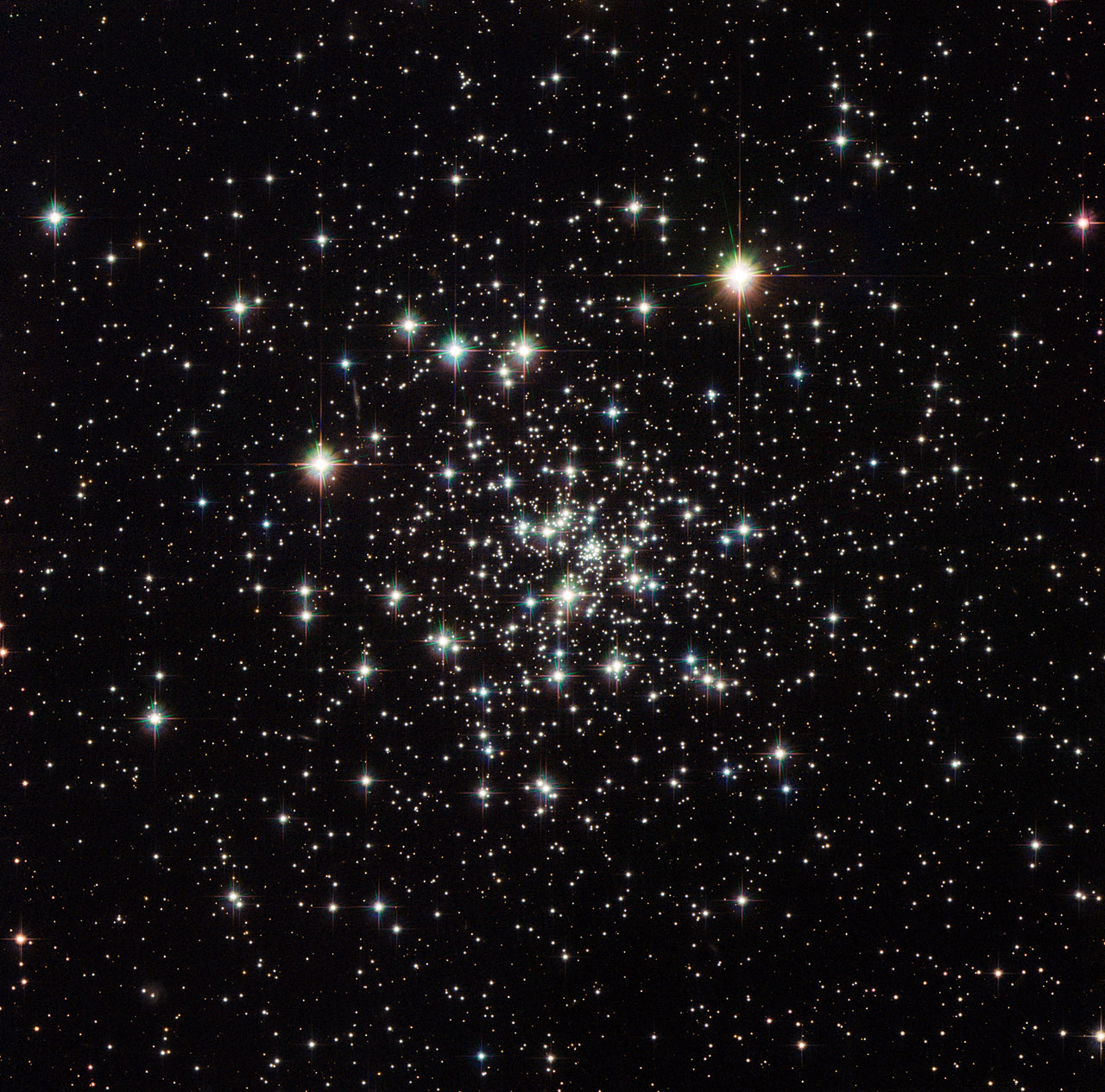
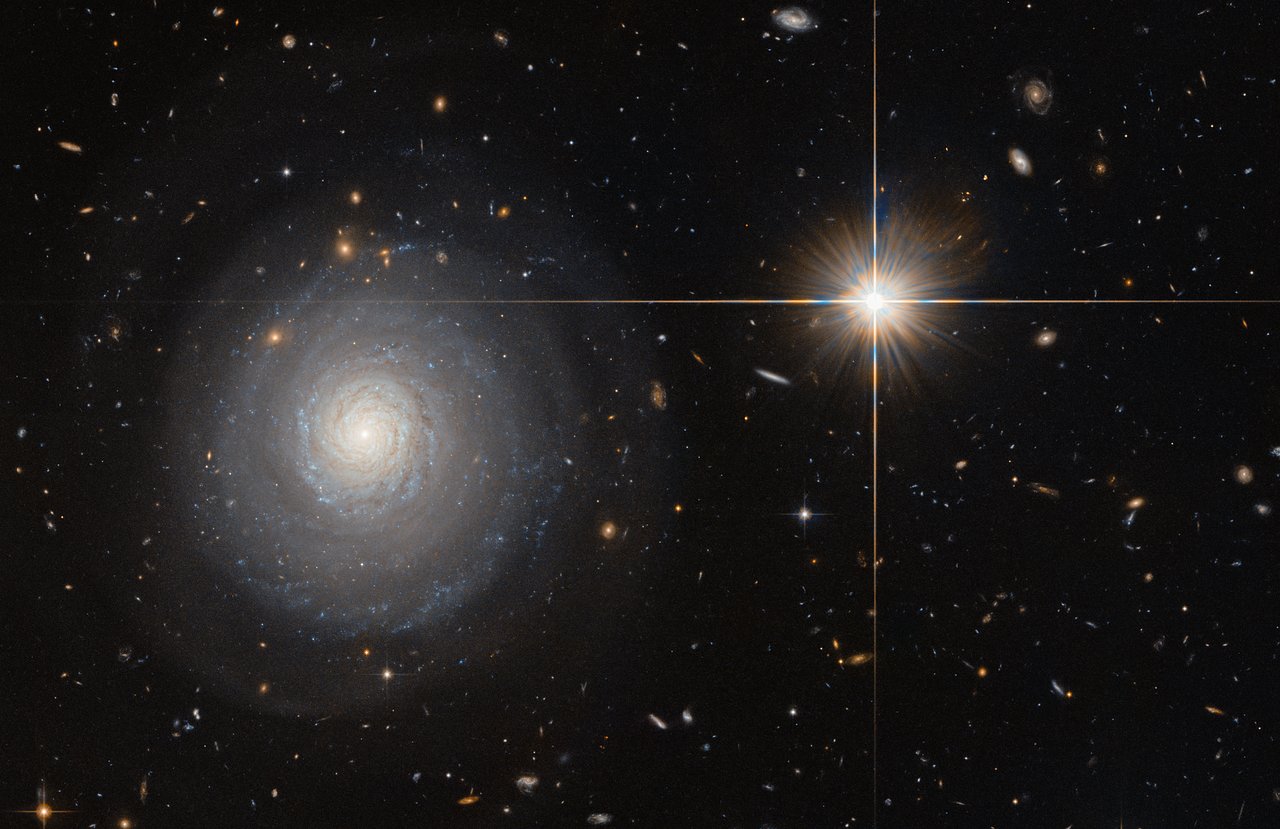
Hubble's 'Chandelier Cluster' Reveals Its Ancient Stars Formed in Two Separate Bursts
Hubble's June 2026 image of NGC 6723, the 'Chandelier Cluster,' shows its 10-billion-year-old stars formed in two closely spaced bursts — the second within 634 million years of the first — undercutting the old idea that globular clusters are single-age populations.
-
Astronomy
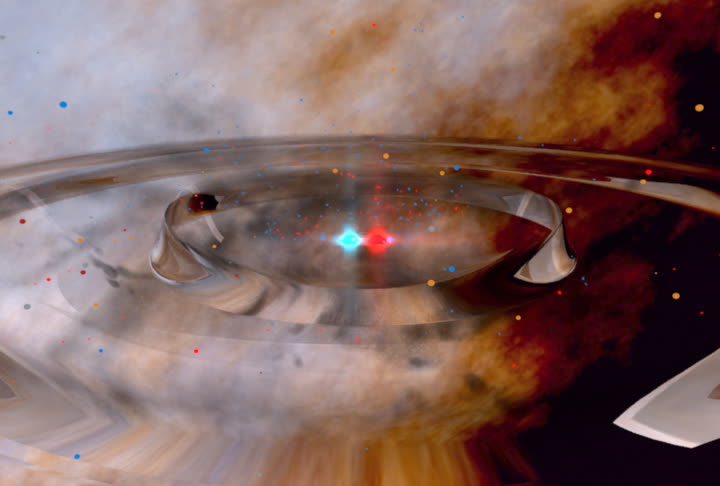
The Loudest Black-Hole Collision Yet Let Astronomers Touch the Event Horizon Itself
GW250114, the loudest black-hole merger ever recorded and ~3x louder than 2015's GW150914, carries the first gravitational-wave signature tied to a remnant's event horizon rather than its light ring — opening a channel to measure frame-dragging and horizon surface gravity.
-
Astronomy
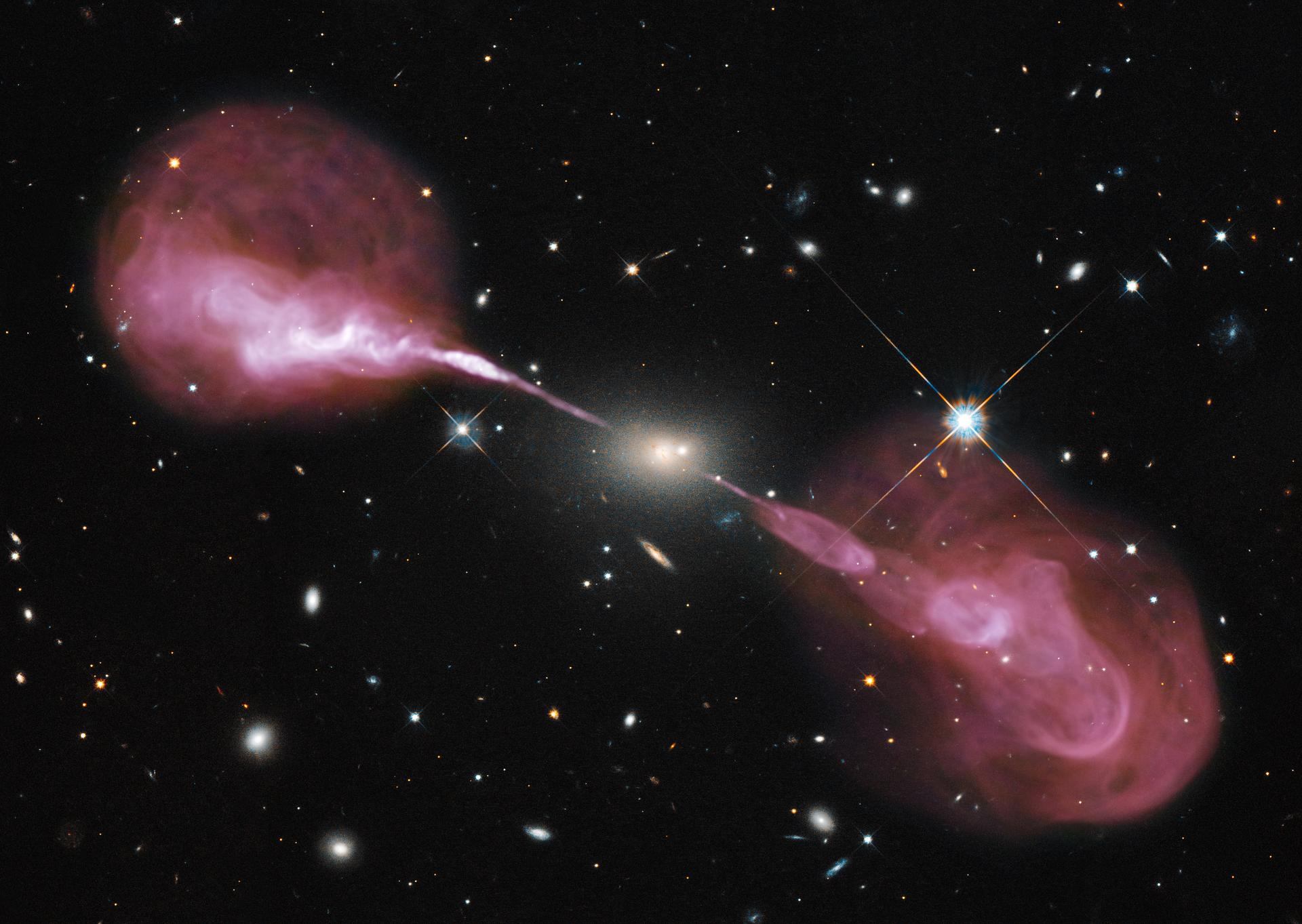
A Galaxy Shaped Like a Bow and Arrow Is Plowing a 1.8-Million-Light-Year Shockwave Through Space
Citizen scientists working with India's RAD@home collaboratory and LOFAR images found RAD-BAARG, a radio galaxy falling supersonically into a cluster and carving a glowing bow shock about 1.8 million light-years across.
-
Astronomy
Euclid's 60-Million-Star Portrait of the Galactic Bulge Lays Groundwork for Roman
Euclid's new visible-light mosaic of the Milky Way's crowded center packs 60 million stars across 22 Moons of sky — and quietly hands NASA's Roman telescope a two-year head start on its planet hunt.
-
Astronomy
A Ghostly Neutrino Leads Astronomers to 'Shadow Blaster,' a Starburst Galaxy 11 Billion Light-Years Away
A 2021 IceCube high-energy neutrino has been traced to JCMT0402-0424, a gravitationally lensed starburst galaxy 11 billion light-years away — the strongest evidence yet that distant dusty star-forming galaxies forge the universe's most elusive particles.
-
Astronomy
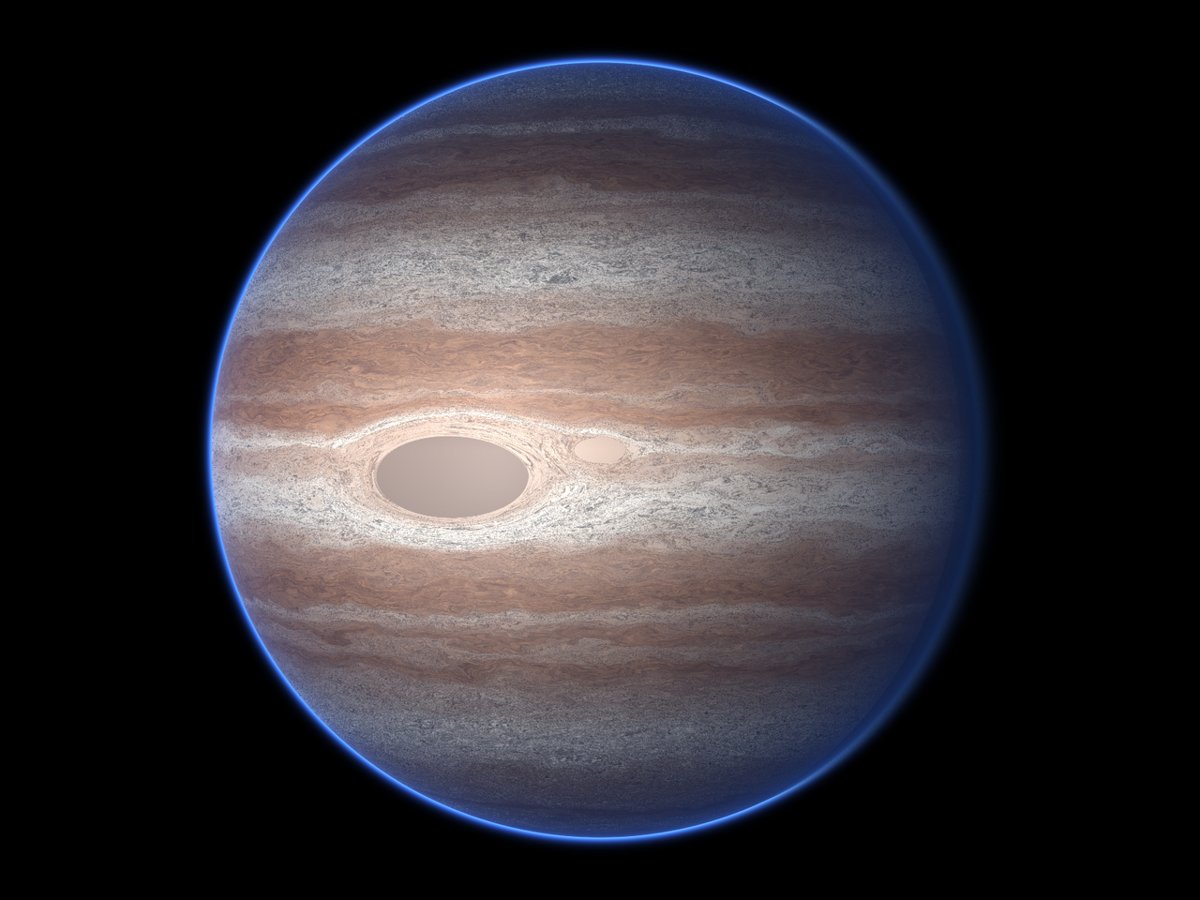
TESS Discovers the Puffiest Planets on Record—and They Challenge Everything We Know About Gas Giants
NASA's TESS mission has catalogued TOI-791 b and c, two gas giants orbiting a Sun-like star 1,113 light-years away so inflated relative to their mass that one has the density of cotton candy—shattering records and straining planet-formation theory.
-
Astronomy
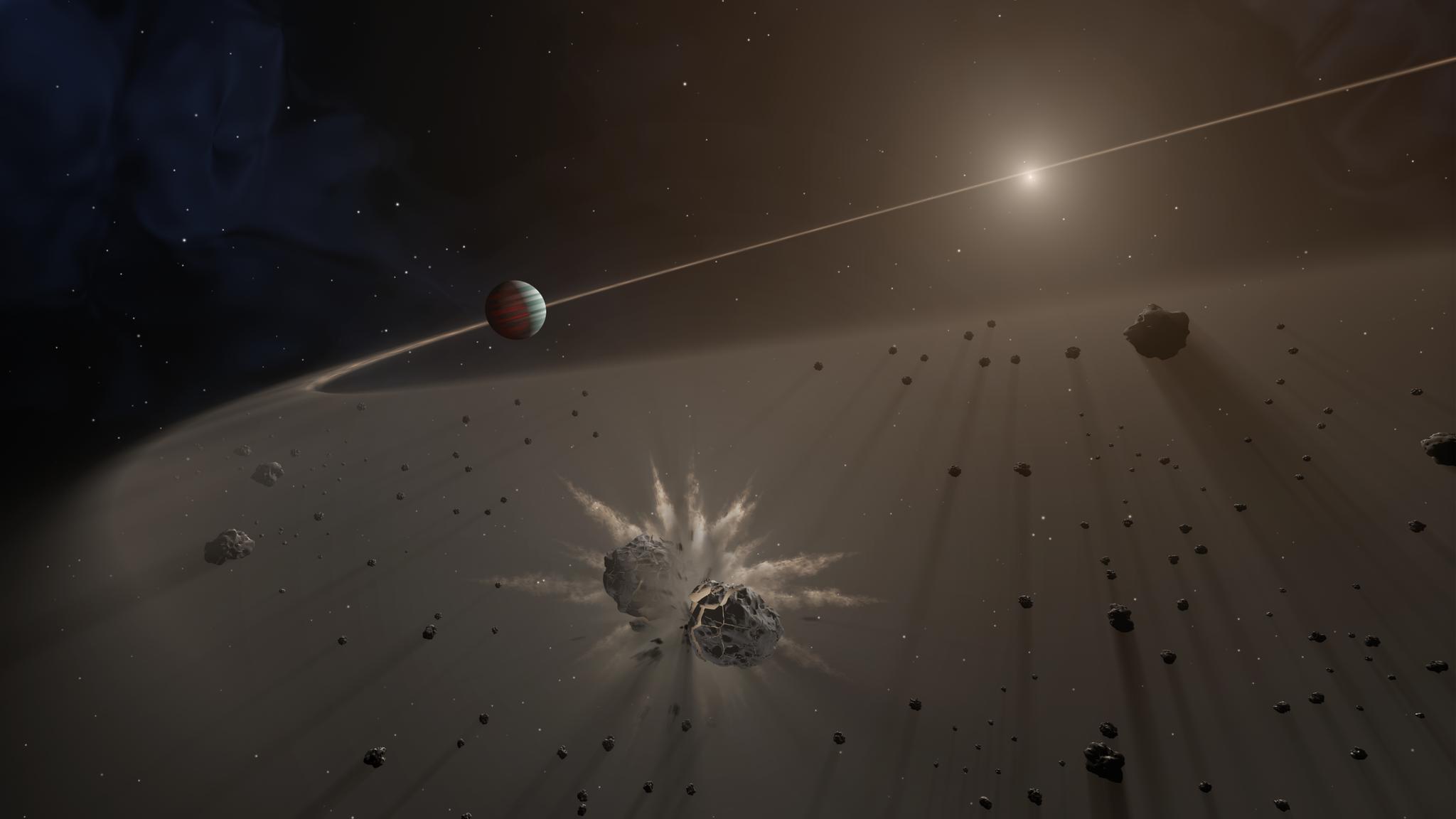
Why Giant Planets Spin Faster Than 'Failed Stars': Keck's Largest Spin Survey Draws the Line
Keck's KPIC instrument measured the rotation of 32 directly imaged worlds and found giant planets spin up to three times faster than heavier brown dwarfs — turning spin into a tool that tells real planets from 'failed stars.'
-
Astronomy
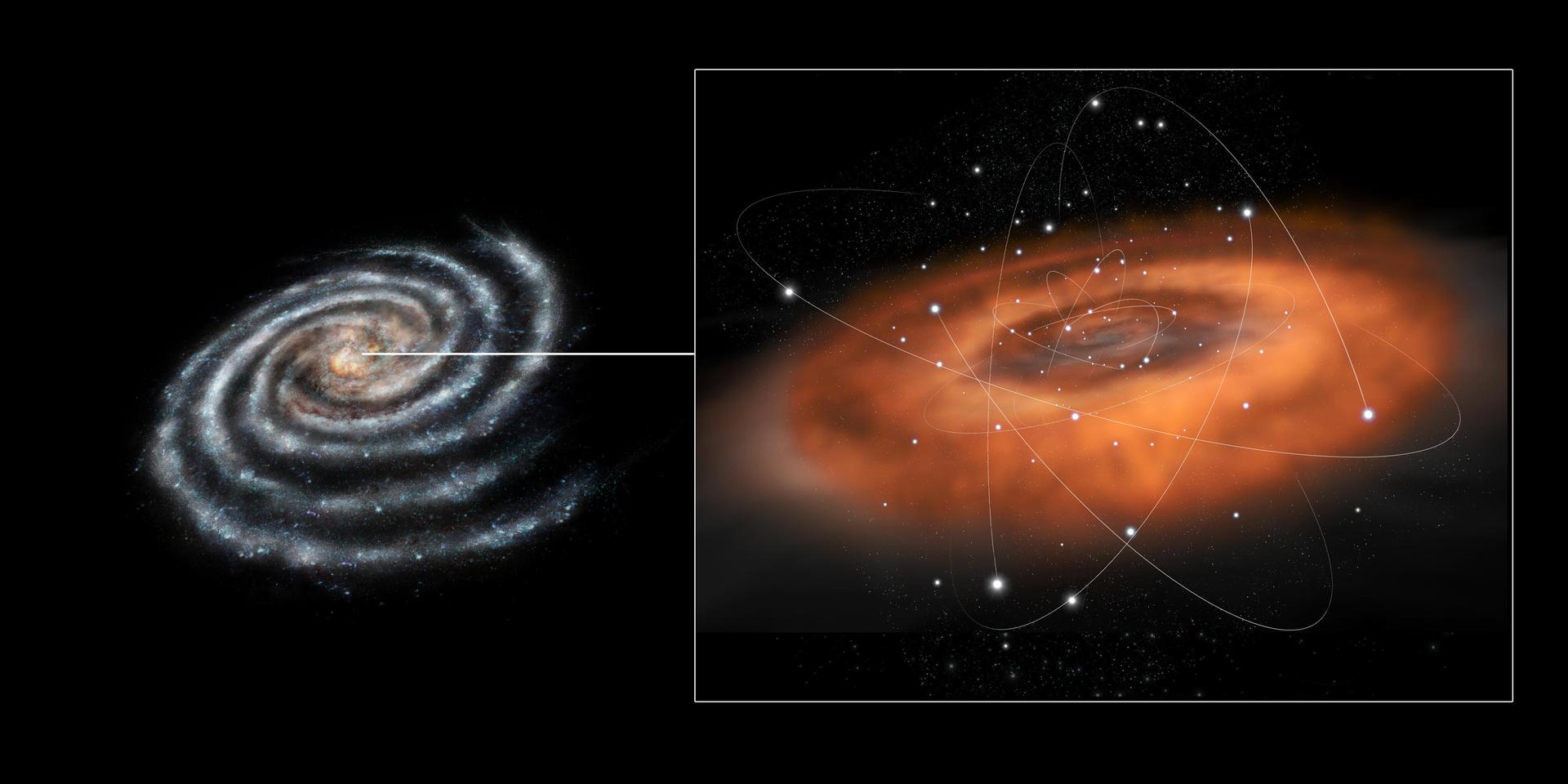
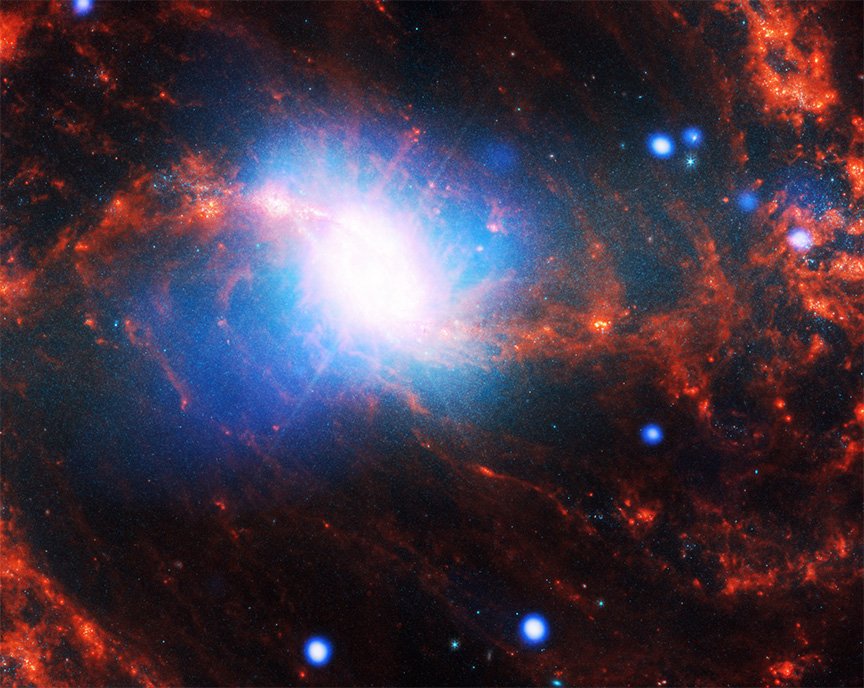
Chandra Spots What May Be a Hidden Supernova Remnant Lurking Near the Galaxy's Heart
A multi-wavelength campaign led by UCLA astronomers has turned up a candidate supernova remnant startlingly close to the Milky Way's central supermassive black hole — one of the nearest ever found to that extreme environment.
-
Astronomy
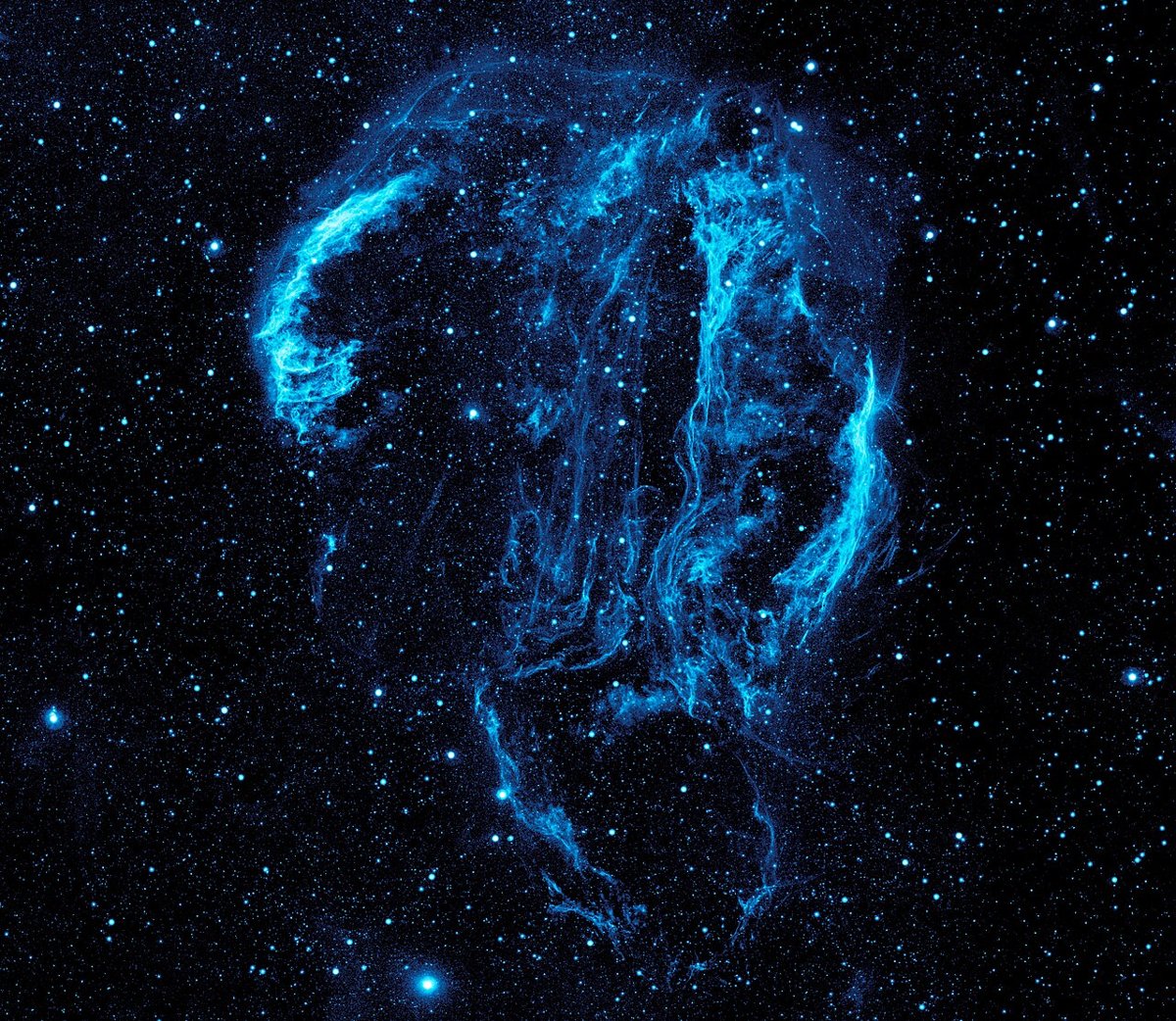
The Jellyfish Has a Sibling: Fermi Telescope Uncovers Evidence of a Rare Double Supernova
Sixteen years of gamma-ray data reveal a faint supernova remnant hiding in the Jellyfish Nebula's glare — and both explosions may trace back to the same doomed binary star system.
-
Astronomy
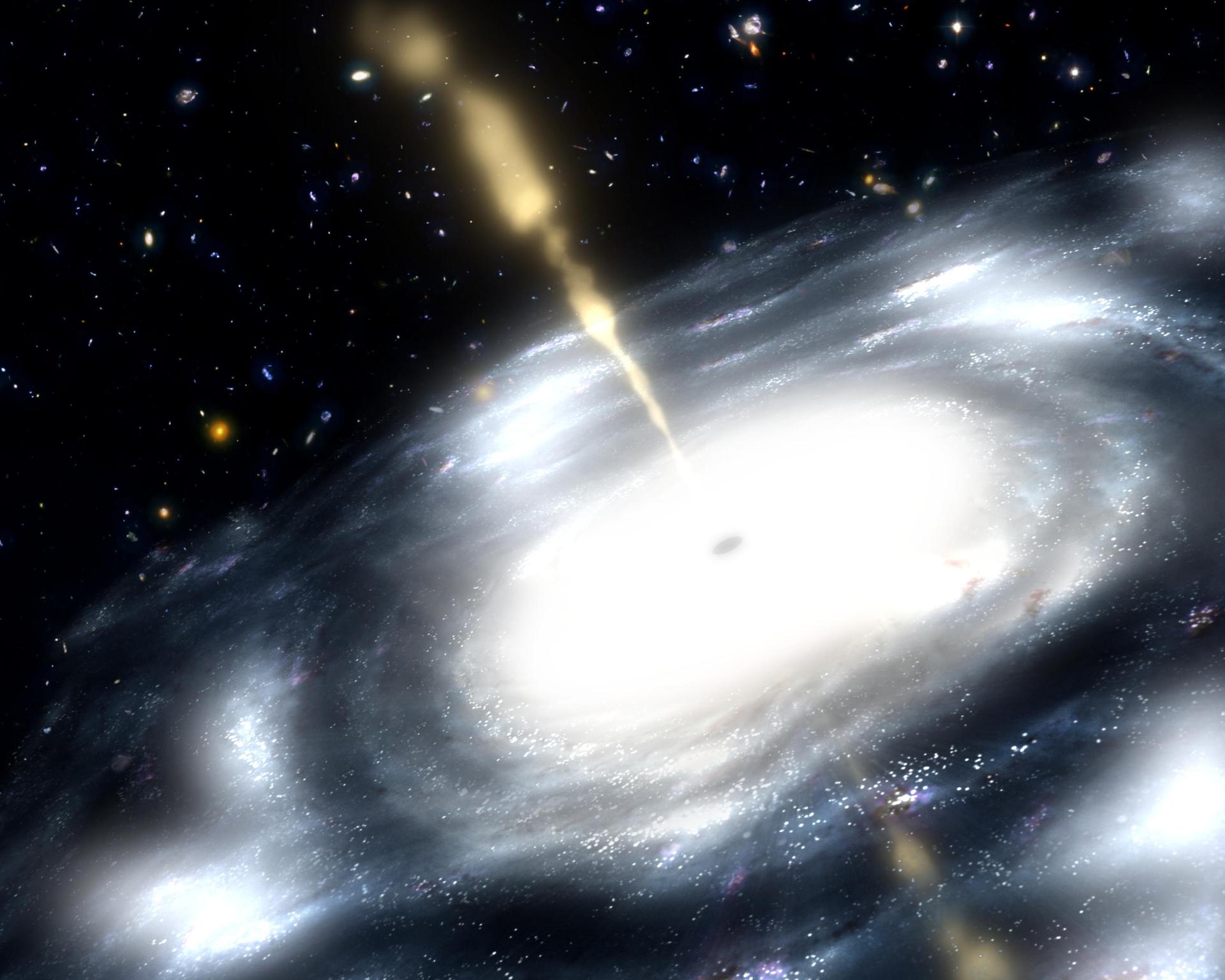
The Case Hardens: JWST's 'Little Red Dots' Are Black Holes Feeding Past the Limit
New June 2026 modeling argues JWST's mysterious little red dots are young supermassive black holes in super-Eddington feeding bursts inside dense gas cocoons — growing to a million suns without breaking early-universe cosmology.
-
Astronomy
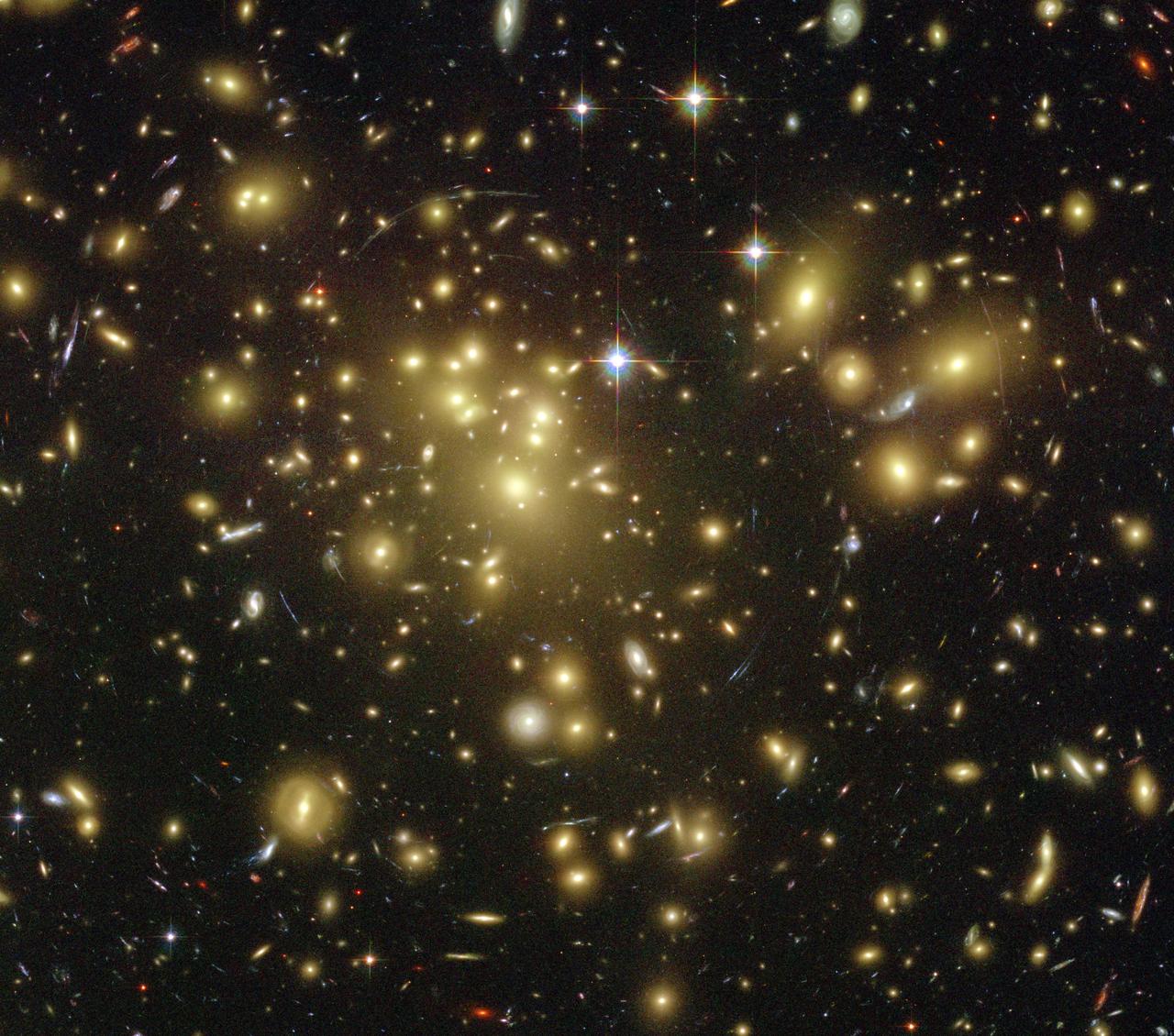
Webb Just Mapped 164,000 Galaxies Across 13.7 Billion Years. This Is the Cosmic Web in Detail.
The COSMOS-Web survey, the largest program ever conducted by Webb, has produced the most detailed map of the universe's large-scale structure ever made — tracing 164,000 galaxies through 13.7 billion years of cosmic history, back to when the universe was one billion years old.
-
Astronomy
JWST Watches an Exoplanet Get Flash-Fried on the Universe's Most Eccentric Orbit
Webb's infrared eye tracked HD 80606 b as it swung past its star, catching a 1,100°F temperature spike and sniffing out methane and CO₂ in its tortured atmosphere.