Astronomy
Astronomy news from Cosmic Herald — telescopes, exoplanets, black holes, and the discoveries reshaping our picture of the universe.
-
Astronomy
The Case of the Sun's Missing Silver Is Closed — the Model Was Wrong, Not the Sun
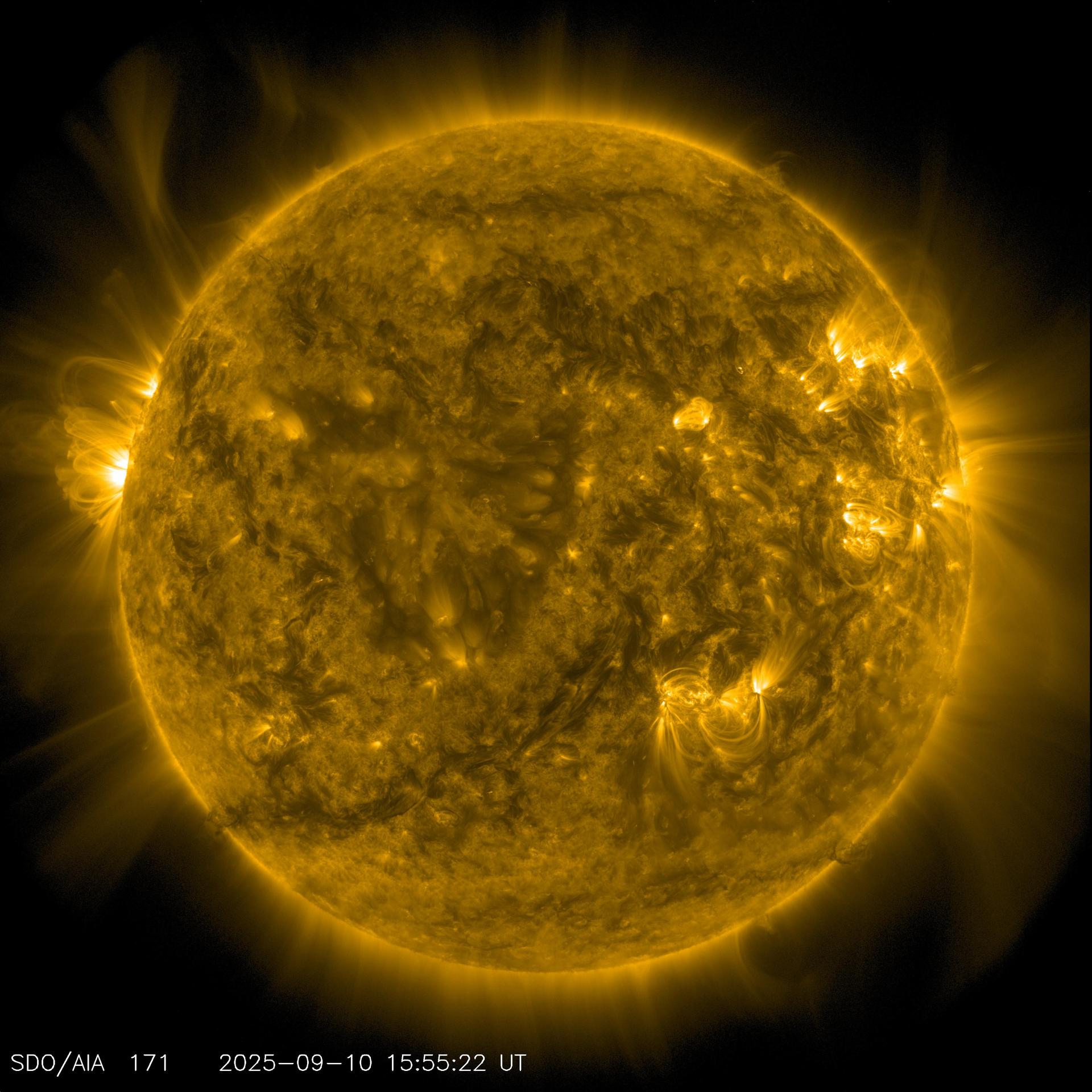
Uppsala researchers found the Sun holds 55% more silver than the reference value — not from new observations, but from a 3D non-LTE model that finally accounts for the photosphere's turbulence, closing a decades-old gap with meteorites from 0.25 dex to 0.06.
-
Astronomy
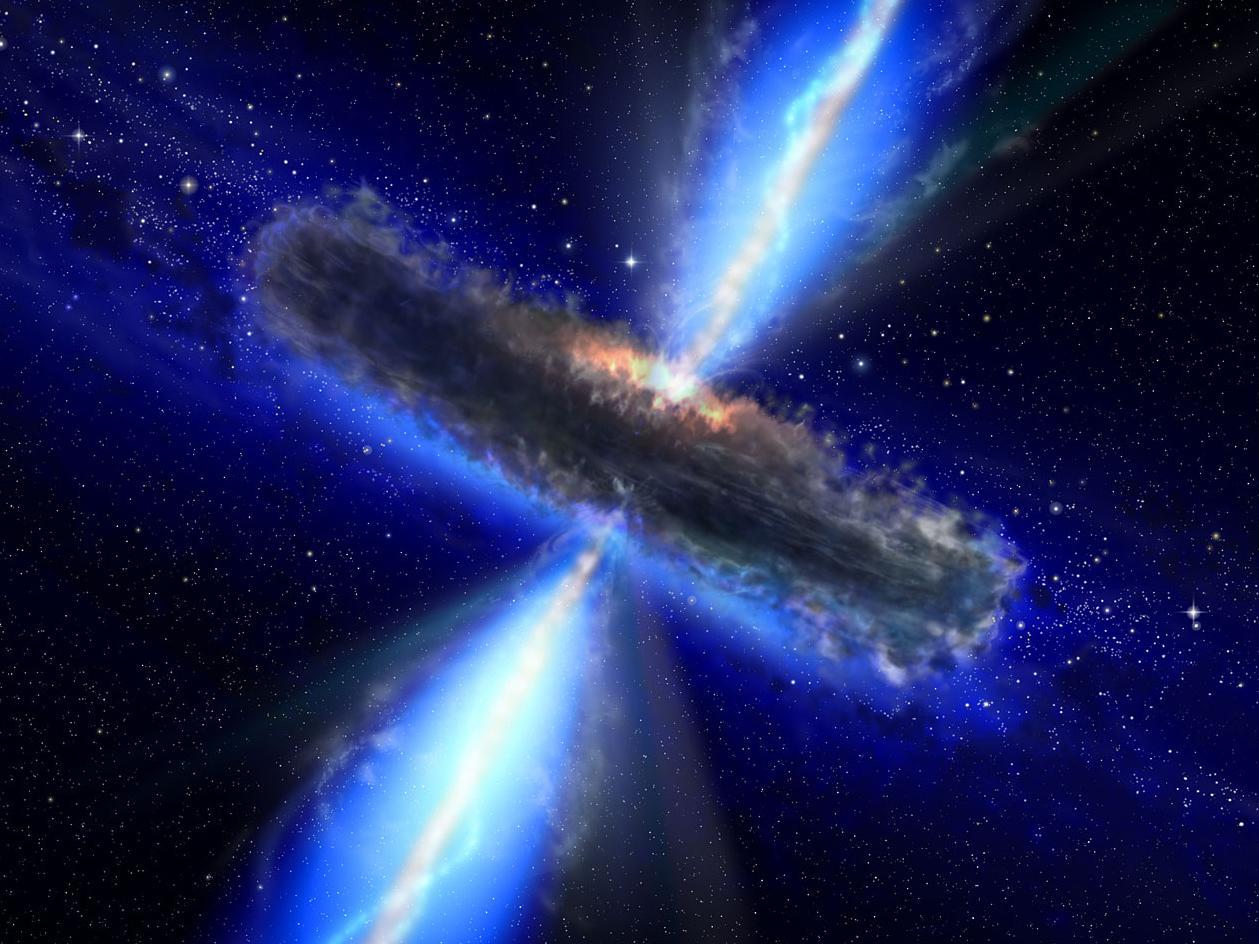
Webb Watches Gas Fall From Cluster Scales Into a Black Hole's 800-Light-Year Feeding Disk
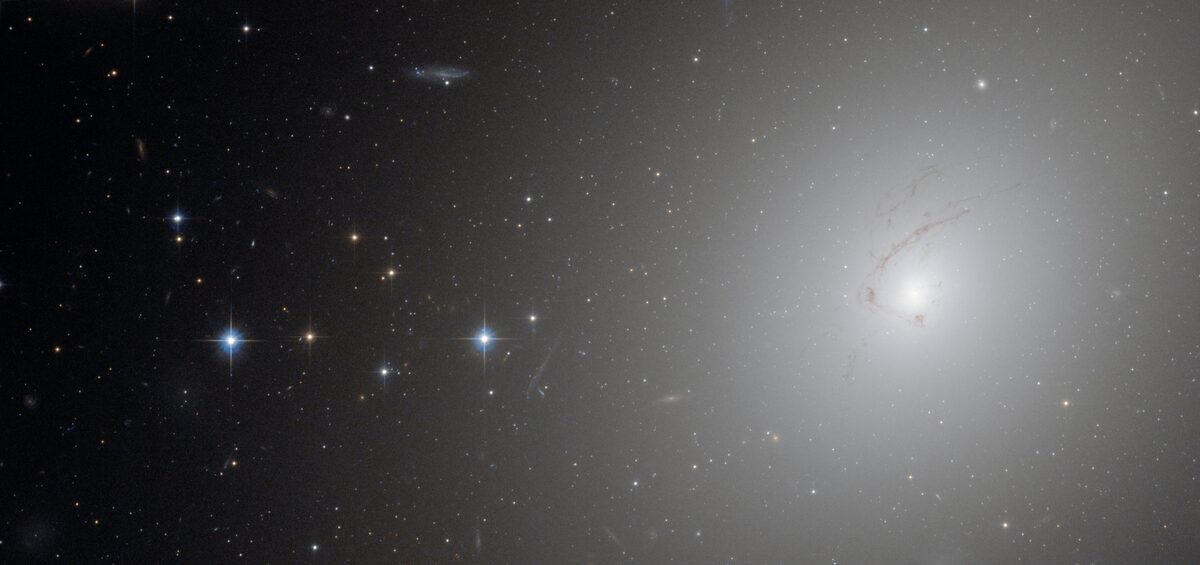
JWST resolved a rotating, multiphase disk about 800 light-years wide feeding the black hole in NGC 4696, and traced a filament funneling gas into it — the clearest look yet at the "missing link" between cluster-scale cooling and accretion.
-
Astronomy
Beta Pictoris d: The Faintest Exoplanet Ever Directly Imaged From Earth
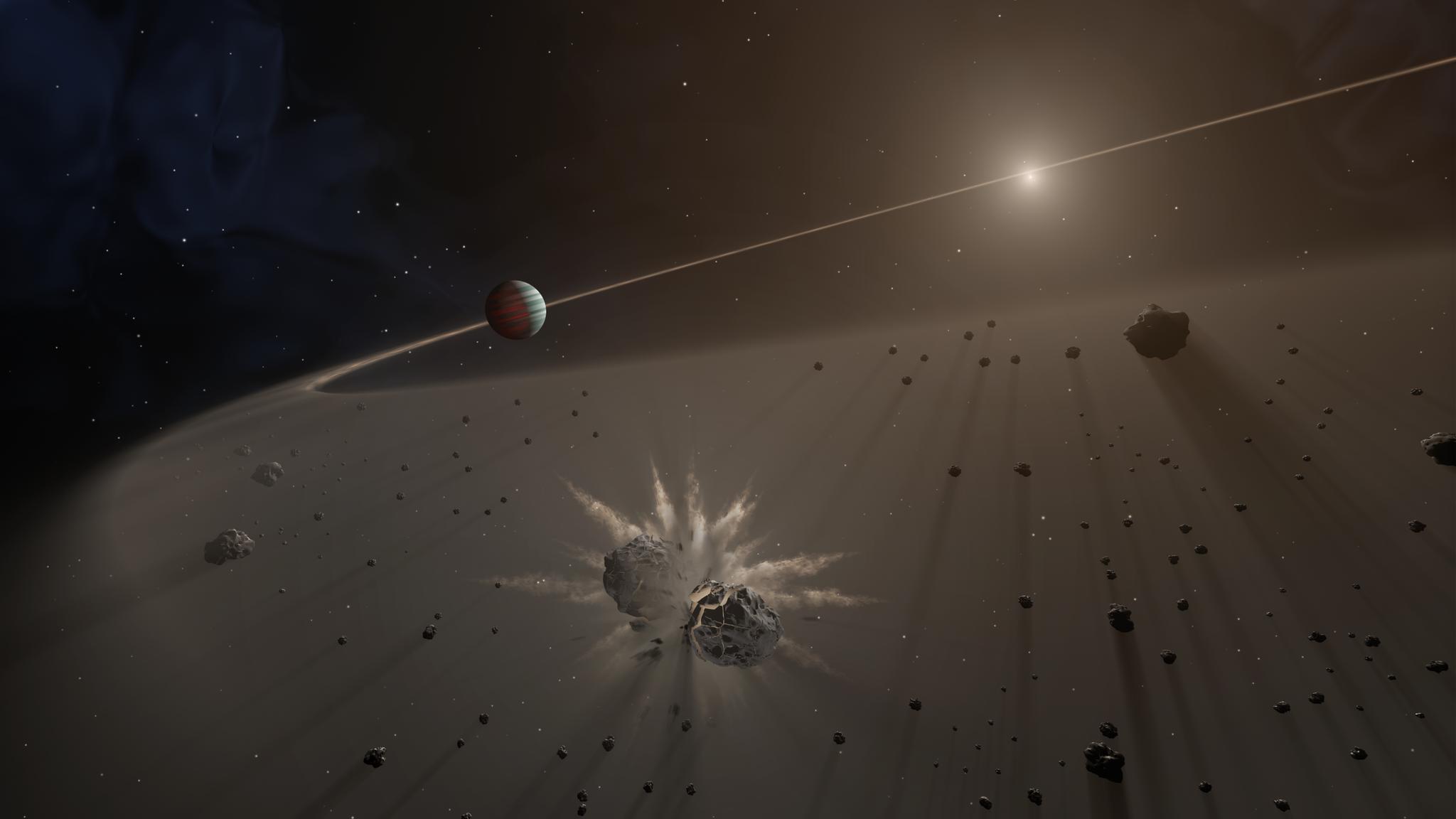
Astronomers pulled a third giant planet, Beta Pictoris d, out of 11 years of VLT data and confirmed it with JWST — at ~2.4 Jupiter masses and 100x fainter than Beta Pic b, it's the faintest planet ever directly imaged from the ground.
-
Astronomy
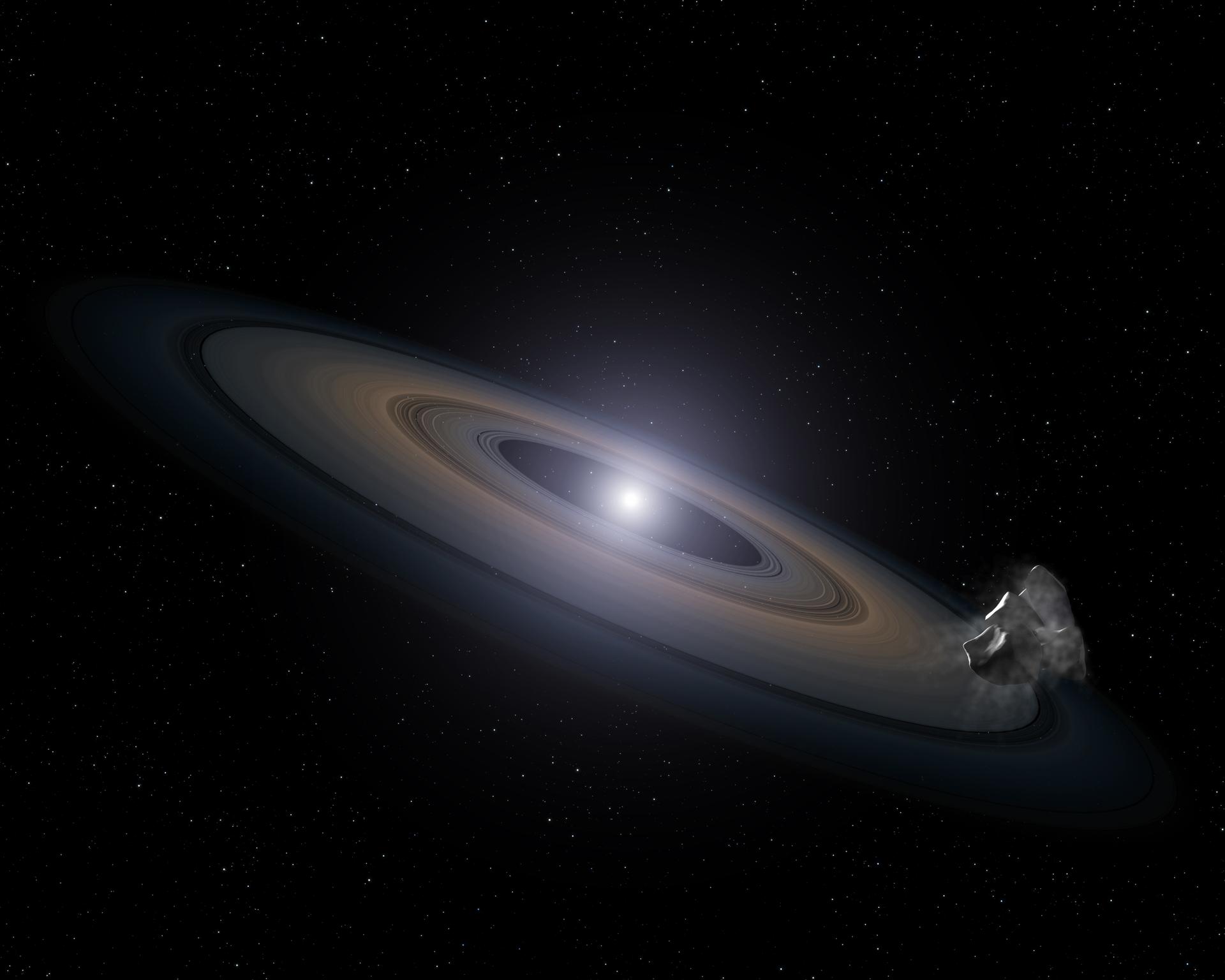
Hunting for Alien Industry in the Ashes of Dead Stars
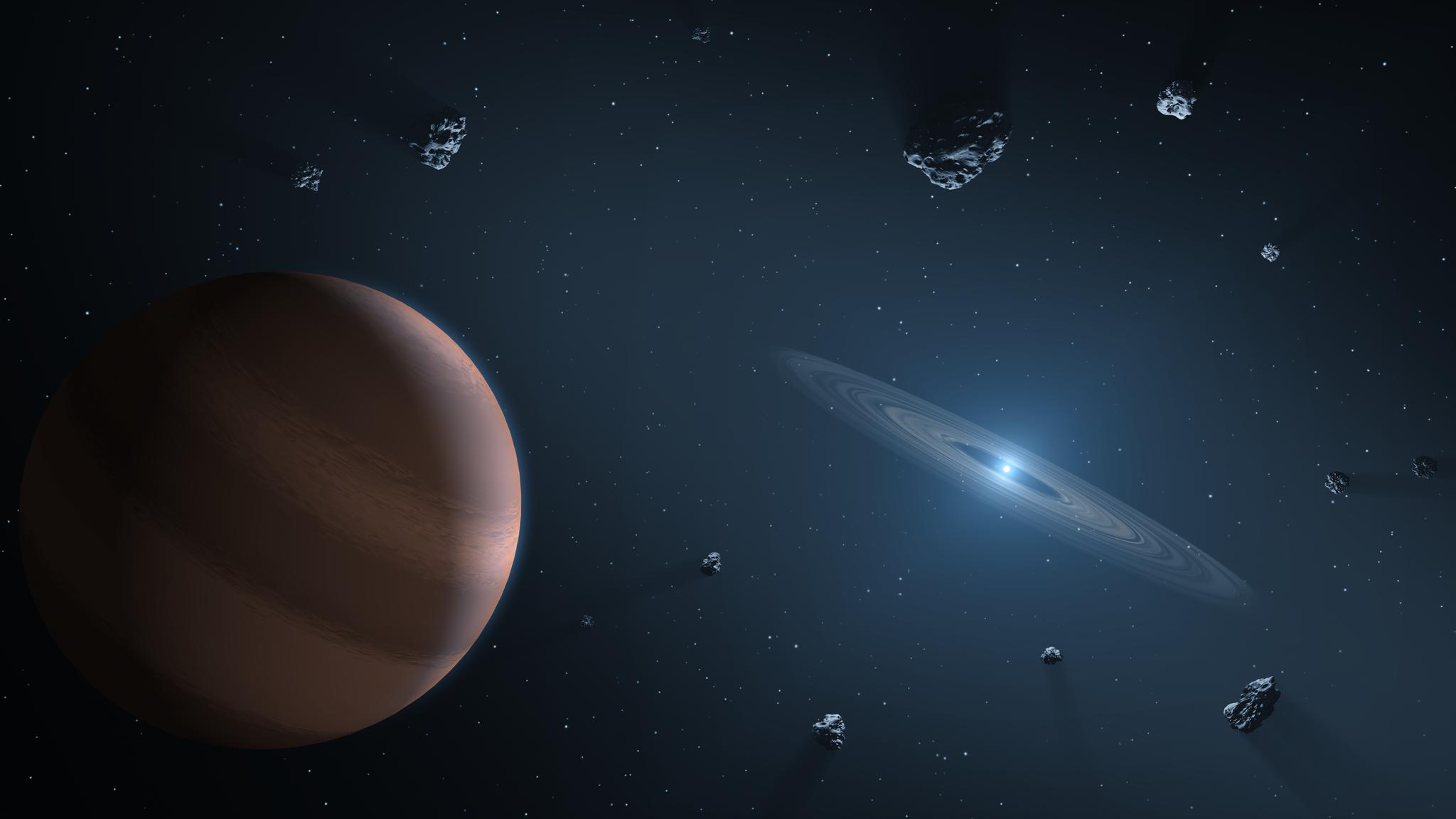
A team led by Beijing Normal University's Bo-Lun Huang tested 697 white dwarf abundance records against 3,493 meteorite analyses, asking whether the debris raining onto dead stars carries the chemical signature of refined metal. It doesn't — but the framework they built to ask is the real result.
-
Astronomy
Hiding in Plain Sight: Hubble Uncovers Four White Dwarfs Lurking Beside Sun-Like Neighbor Stars
Hubble's ultraviolet vision pulled four stellar corpses out of the glare of their brighter red dwarf companions, including one just 25 light-years away that took nearly 30 years to confirm.
-
Astronomy
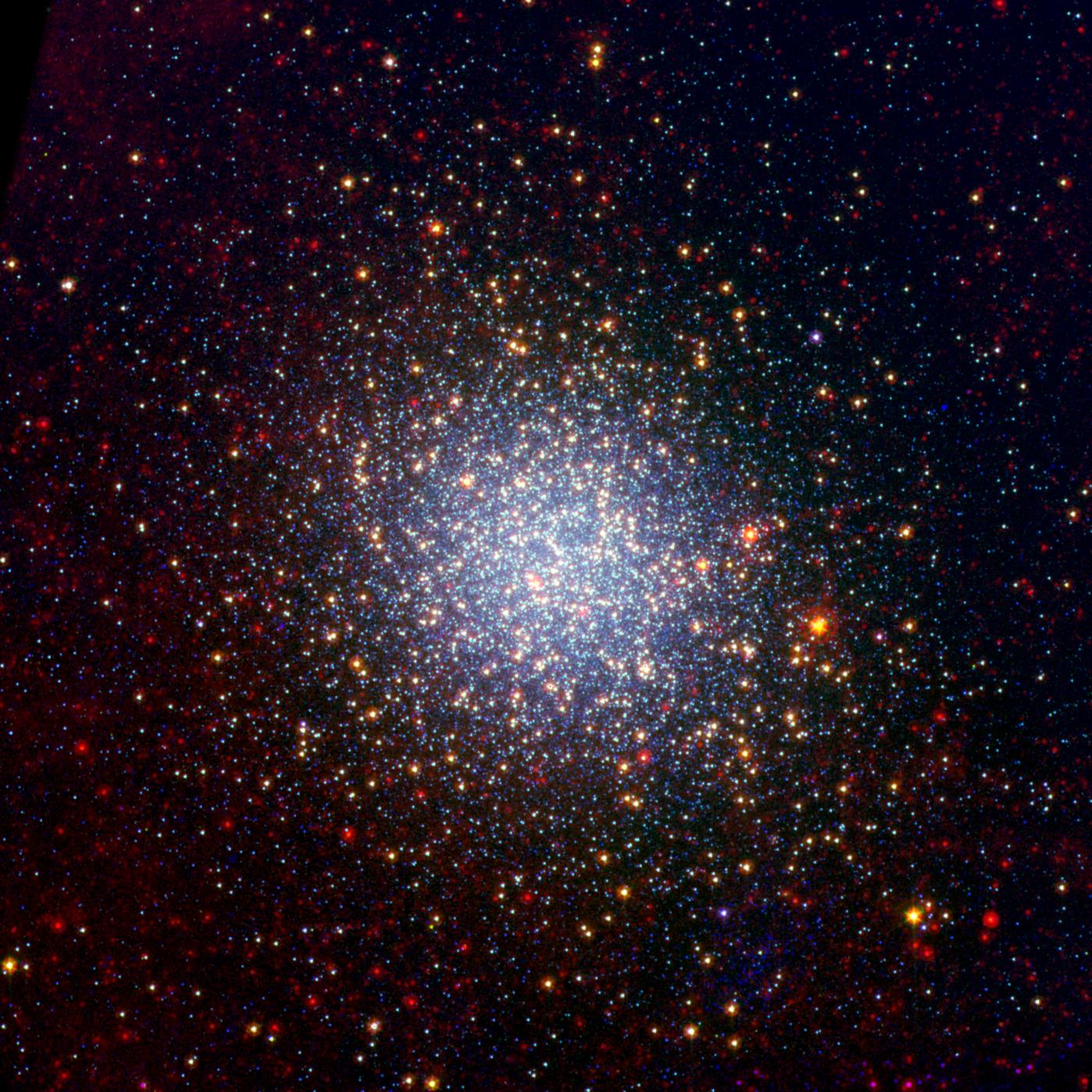
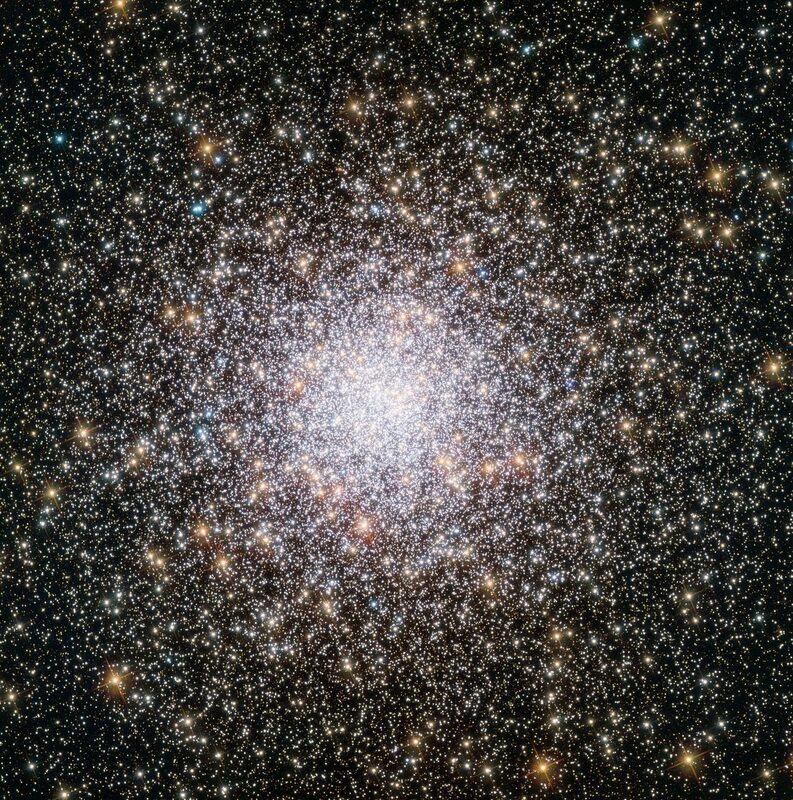
Hubble and Webb Team Up to Find Omega Centauri's First Confirmed Black Hole
Twenty years of Hubble astrometry plus fresh James Webb data caught a 4.46-solar-mass black hole tugging a companion star in a record 94-year orbit inside Omega Centauri.
-
Astronomy
JWST Rules Out Two 'Alien Megastructure' Candidates — They're Just Background Galaxies
JWST spectroscopy shows the infrared glow behind two Project Hephaistos Dyson-sphere candidates comes from unrelated background galaxies, not extraterrestrial engineering.
-
Astronomy
How Astronomers Measure Cosmic Distances: The Distance Ladder
No single method measures the universe. Astronomers climb a ladder — parallax, then pulsing Cepheid stars, then exploding white dwarfs, then redshift — each rung calibrating the next, and a crack near the top is now cosmology's biggest open problem.
-
Astronomy
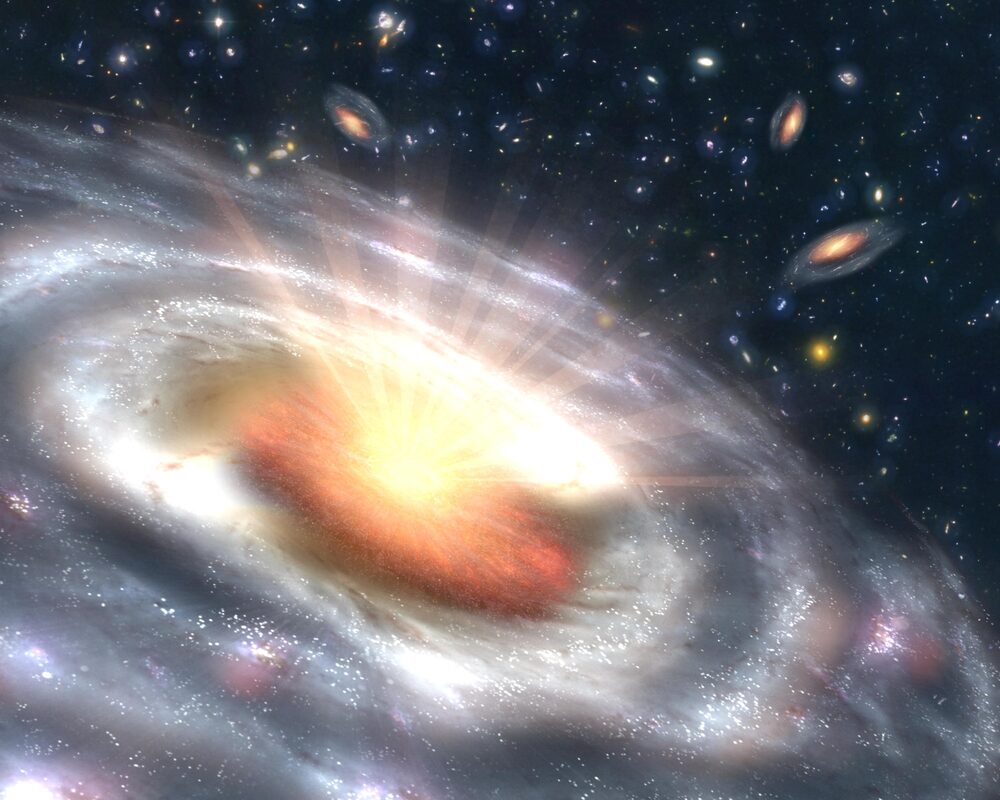
Euclid Doubles the Known Sample of the Universe's Most Ancient Quasars
ESA's Euclid telescope has found 31 new quasars from the cosmic dawn, including two record-breakers at redshifts 7.77 and 7.69, more than doubling the known sample from that era.
-
Astronomy
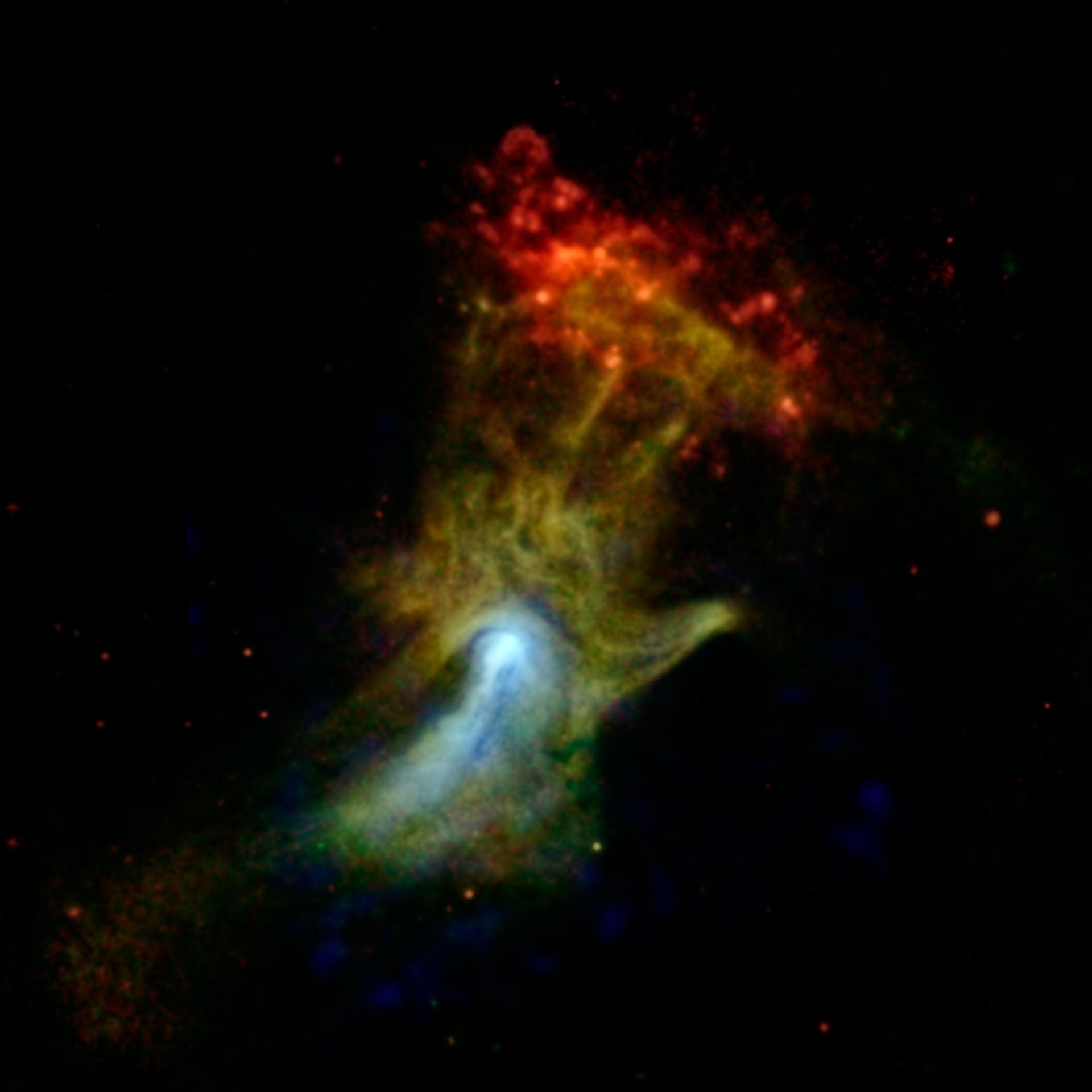
A Whisper of Radio Waves Pins Down the Distance to a Mysterious Gamma-Ray Halo
China's FAST telescope caught a microjansky-faint radio pulse from a gamma-ray pulsar, finally giving astronomers a distance estimate that helps explain the puzzling TeV source it may be powering.
-
Astronomy
Gaia Data Just Killed the 'Universal' Stellar Initial Mass Function
A Gaia-based survey of 110 Milky Way star clusters finds the stellar initial mass function's 'break mass' shifts with cluster age, undermining decades of assuming one universal recipe for how stars of different sizes form.
-
Astronomy
Euclid Space Telescope Uncovers the Universe's Most Ancient Quasars
ESA's Euclid mission has spotted 31 quasars from the universe's first billion years, including two record-holders shining with a trillion Suns' worth of light just 670 million years after the Big Bang.