Astronomy
Astronomy news from Cosmic Herald — telescopes, exoplanets, black holes, and the discoveries reshaping our picture of the universe.
-
Astronomy
Webb Finds the Host of the Most Distant Fast Radio Burst Ever Seen
Webb traced FRB 20240304B to a small, star-forming dwarf galaxy at redshift 2.148, about 3 billion years after the Big Bang. The galaxy is far too young for a neutron-star merger, which points to a young magnetar as the source.
-
Astronomy
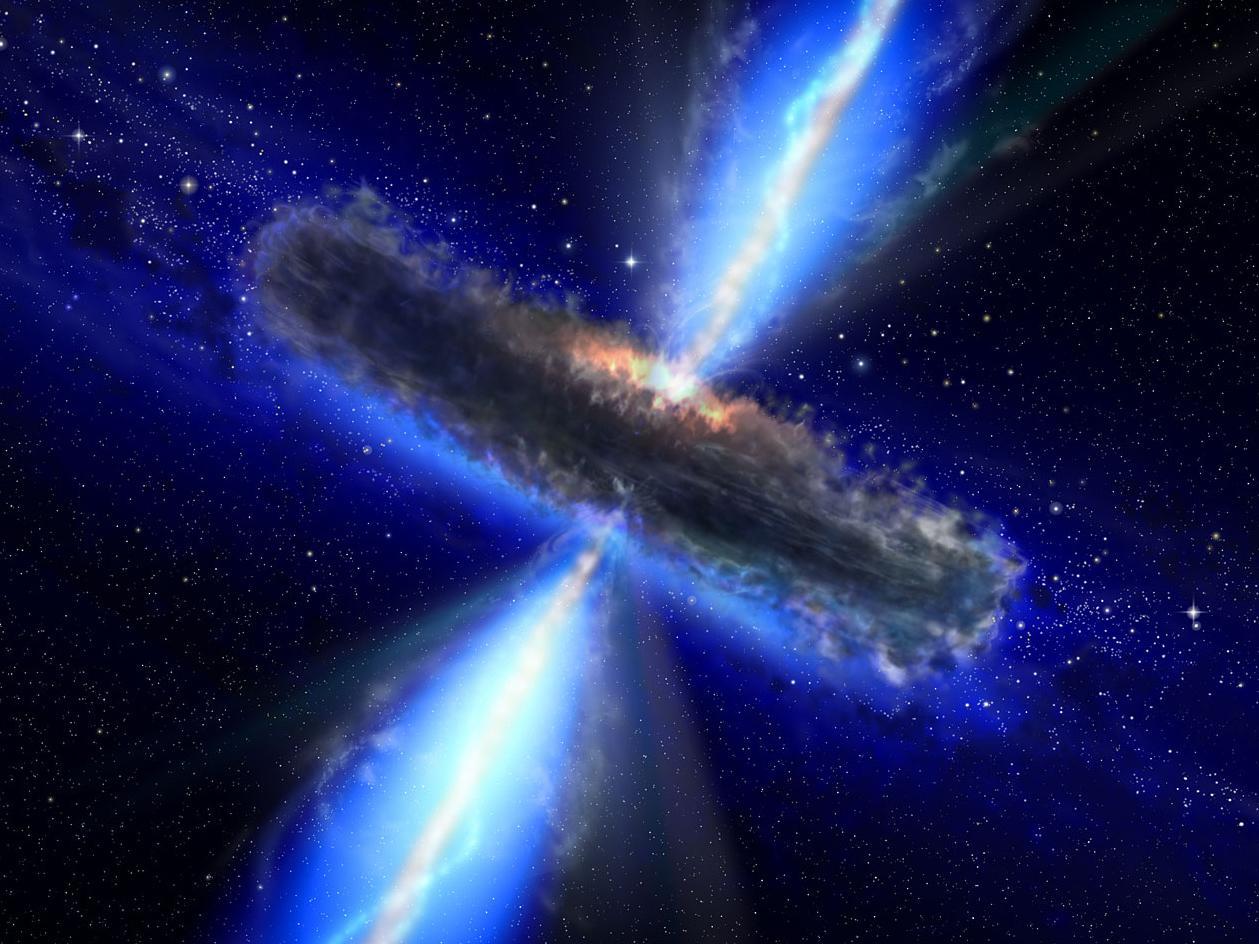
Could Black Holes Have Planets? Simulations Say Millions May Form in AGN Dust Tori
The dusty outer disks around feeding supermassive black holes may build tens of millions of objects from Earth mass to super-Jupiters, and some may keep growing toward the mass of a star, a new Astrophysical Journal study suggests.
-
Astronomy
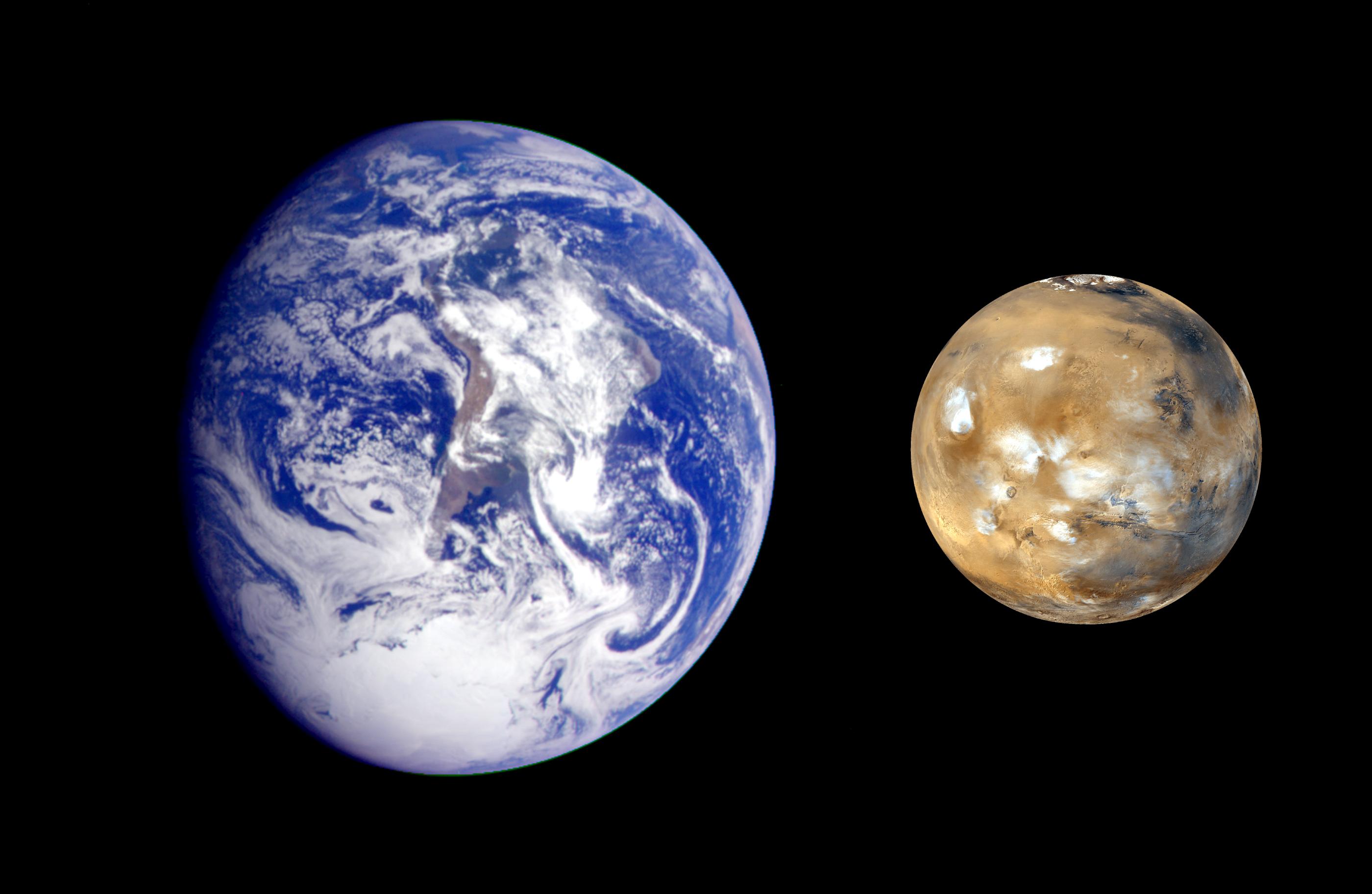
Earth and Mars Were Built Differently: Volatile Elements Point to a Hybrid Accretion Split
A University of Copenhagen-led study in Nature Astronomy uses sodium, zinc and potassium to argue that at least 75% of Earth came from two pebble-fed protoplanets, while roughly three-quarters of Mars was assembled from planetesimals.
-
Astronomy
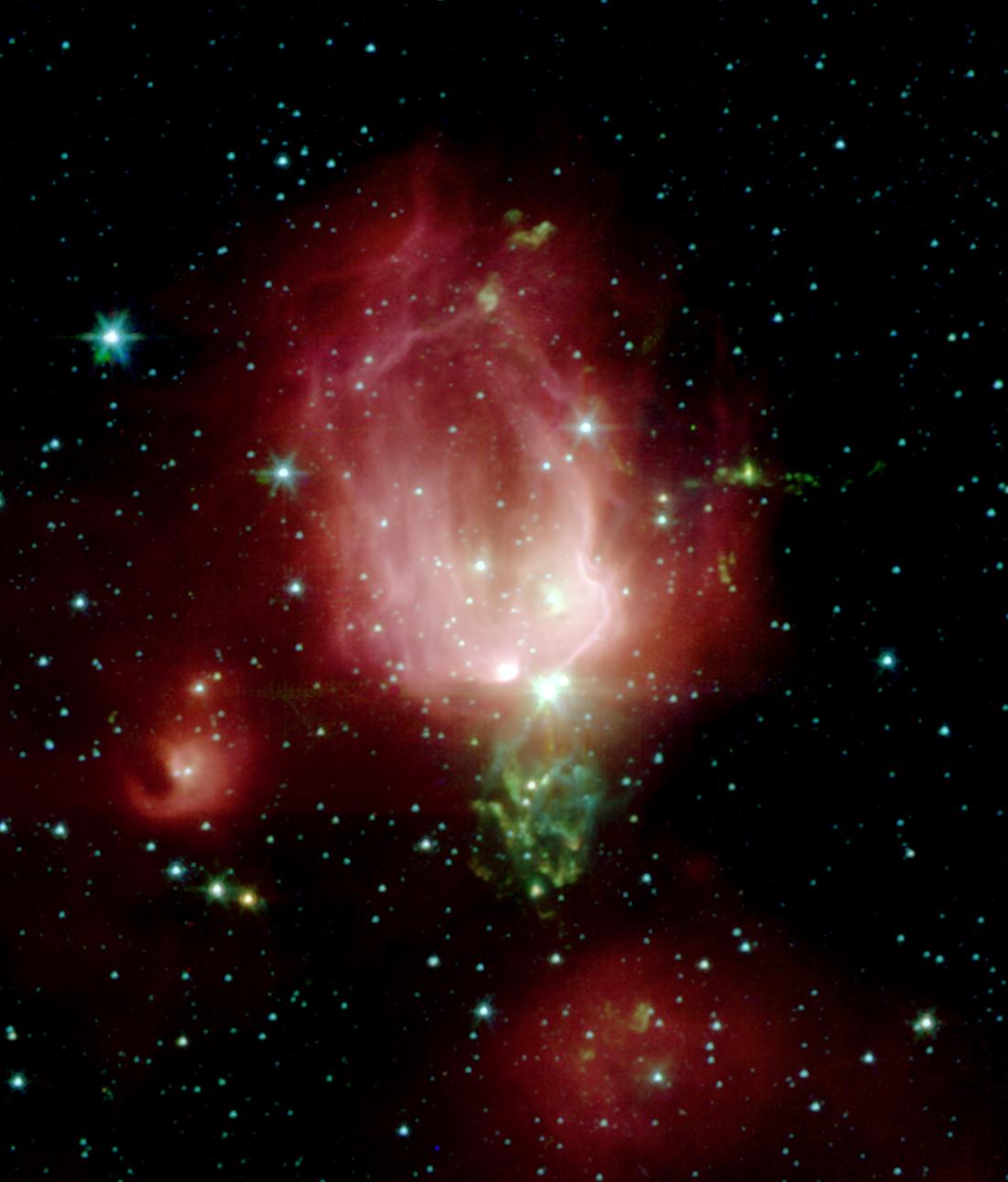
Webb Peers Into NGC 7129, a Dusty Stellar Nursery Full of Jets and Hidden Protostars
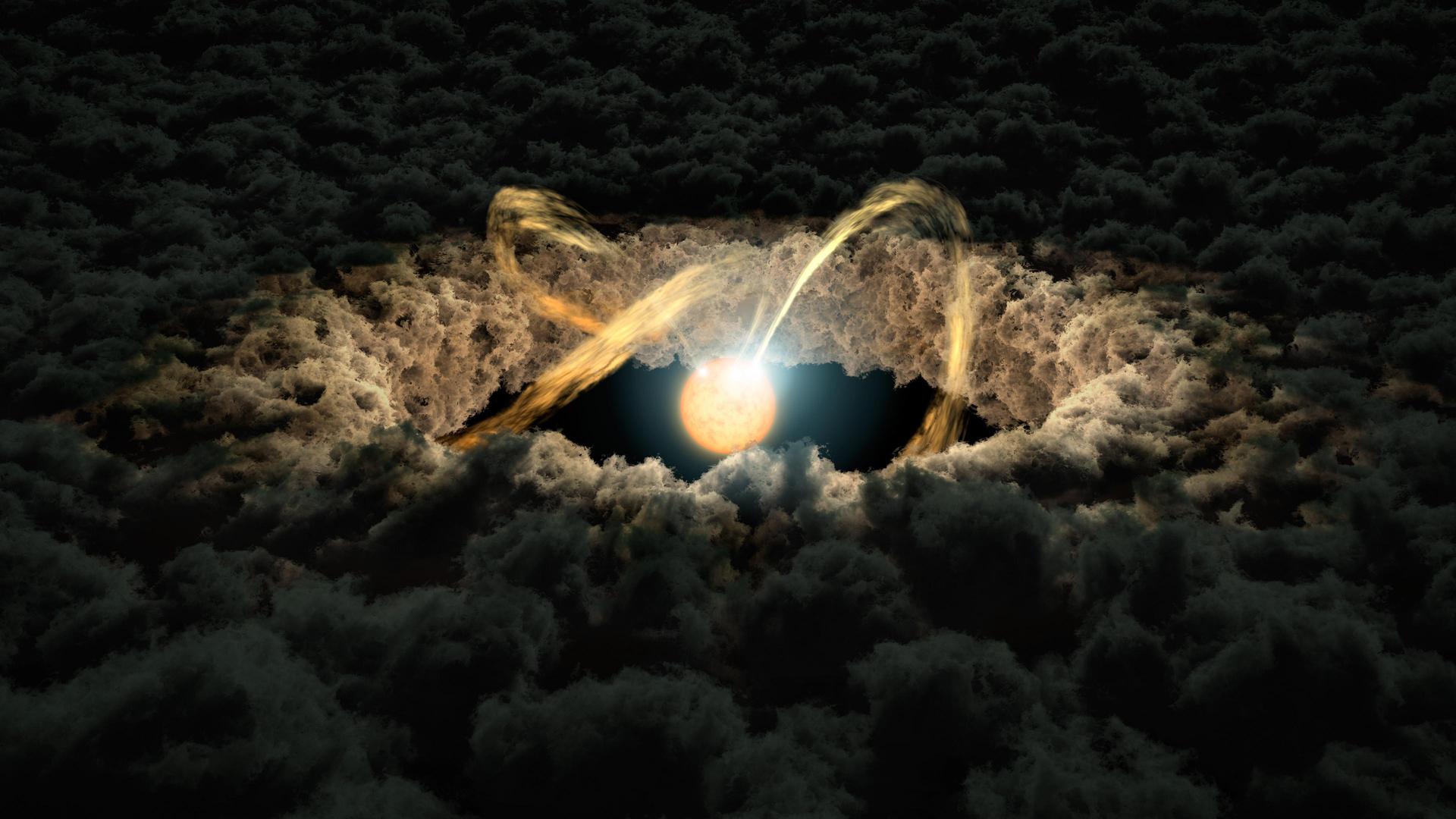
A new Webb image of NGC 7129, about 3,300 light-years away, cuts through the dust to show protostars, shocked gas, bow shocks and a 3.5-light-year cavity carved by the young 5-8 solar-mass star LkH-alpha 234.
-
Astronomy
A 27-Year-Old Hubble Puzzle Points to a Planet Born From a Dying Star
Unexplained lines in 1999 Hubble spectra of white dwarf HS 0209+0832 turn out to be niobium and other heavy elements, evidence for what may be the first planet around a white dwarf that formed from its star's death rather than its birth.
-
Astronomy
Hubble Logs Its 200,000th Orbit While Waiting for a Supernova to Happen Again
Hubble finished its 200,000th orbit on Sept. 19 while watching galaxy cluster MACS J0417, waiting for the lensed supernova Athena to reappear by early March 2027. The timing could help map the cluster's mass and refine the Hubble constant.
-
Astronomy
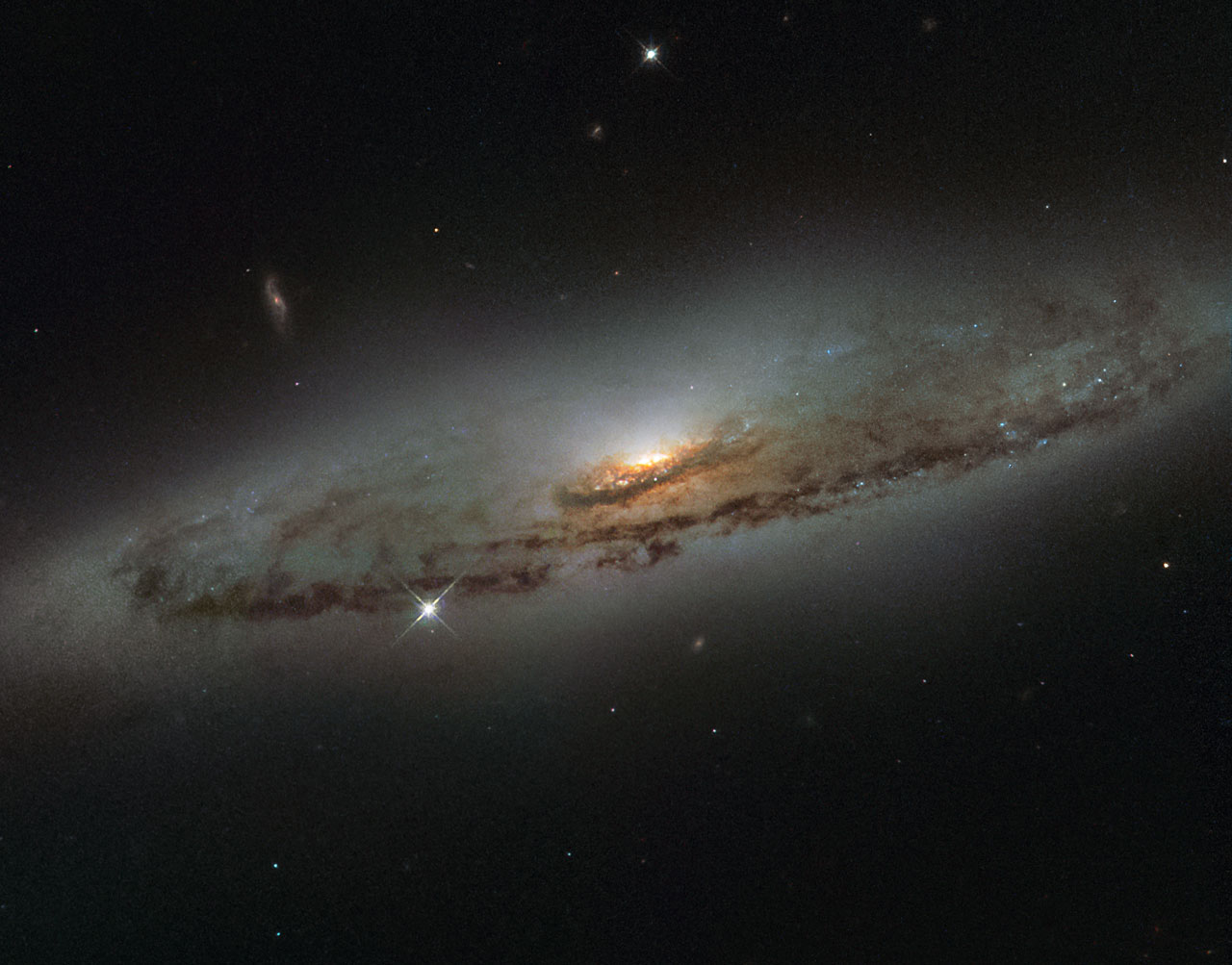
Hubble's Out-of-Sync Galaxy: NGC 4698 and the Bulge That Turned 90 Degrees
A new Hubble image of NGC 4698, a Virgo Cluster spiral about 55 million light-years away, shows a bulge jutting out at a right angle to its disc and a core rotating perpendicular to everything around it.
-
Astronomy
A Sub-Neptune Is Orbiting Its Star Completely Backward — And Nobody Can Explain Why
Astronomers found a sub-Neptune circling a red dwarf 73 light-years away in a retrograde orbit tilted 136 degrees, the first such case around an M dwarf, with no massive companion in sight to explain it.
-
Astronomy
Astronomers Find the Milky Way's First 'Microblazar' — and Its Jet Points at Us
A stellar-mass black hole 12,000 light-years away has been firing a jet at three-quarters light speed almost straight at Earth for decades, hidden behind dust — and it may be one of the galaxy's most powerful particle accelerators.
-
Astronomy
ALMA Catches a Gas Giant Stirring Its Birth Disk
New ALMA data led by Myriam Benisty show a gas swirl right at WISPIT 2b, a roughly 5-Jupiter-mass protoplanet 430 light-years away, tying a gas-motion signature to a directly imaged planet for the first time.
-
Astronomy
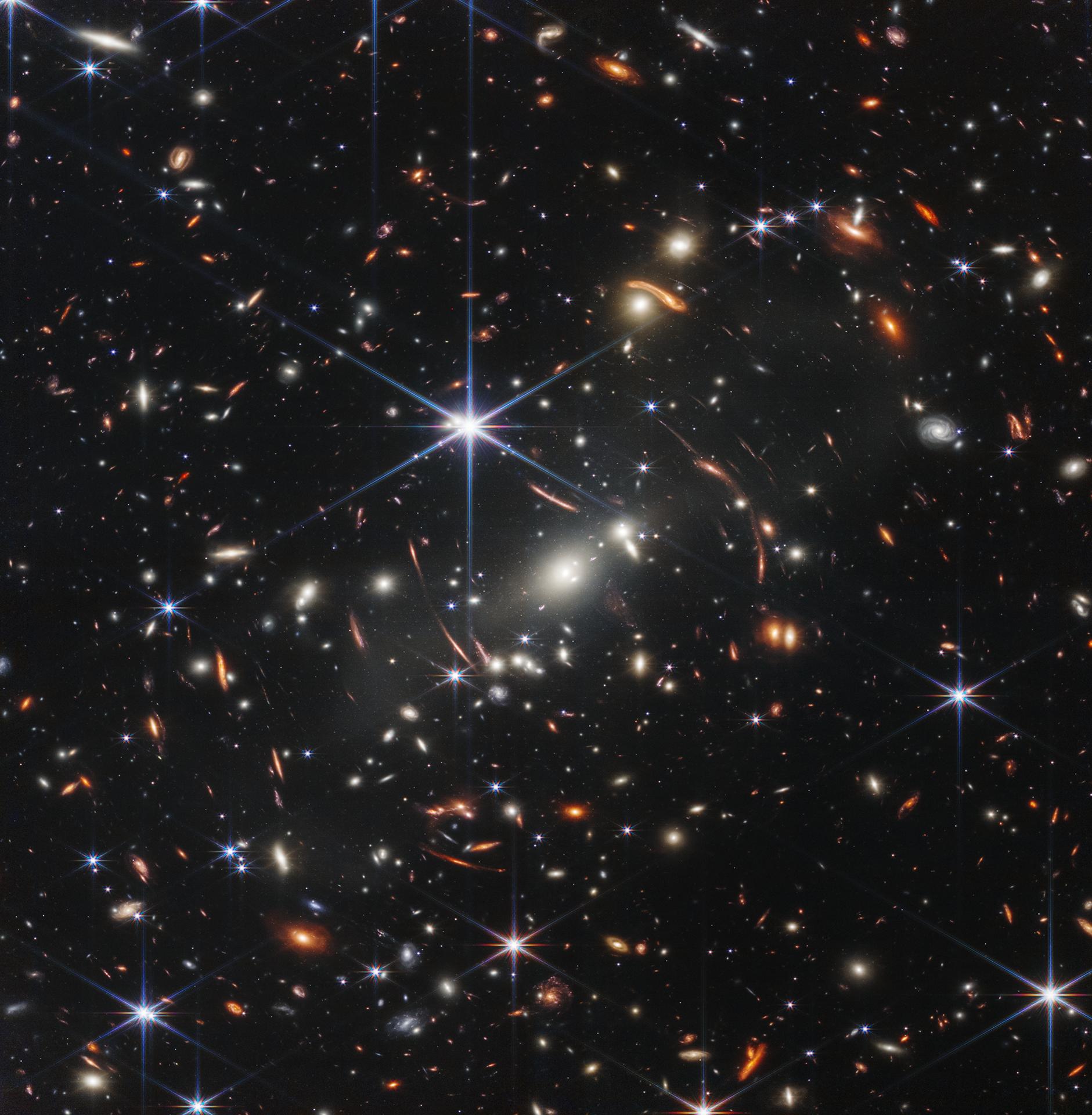
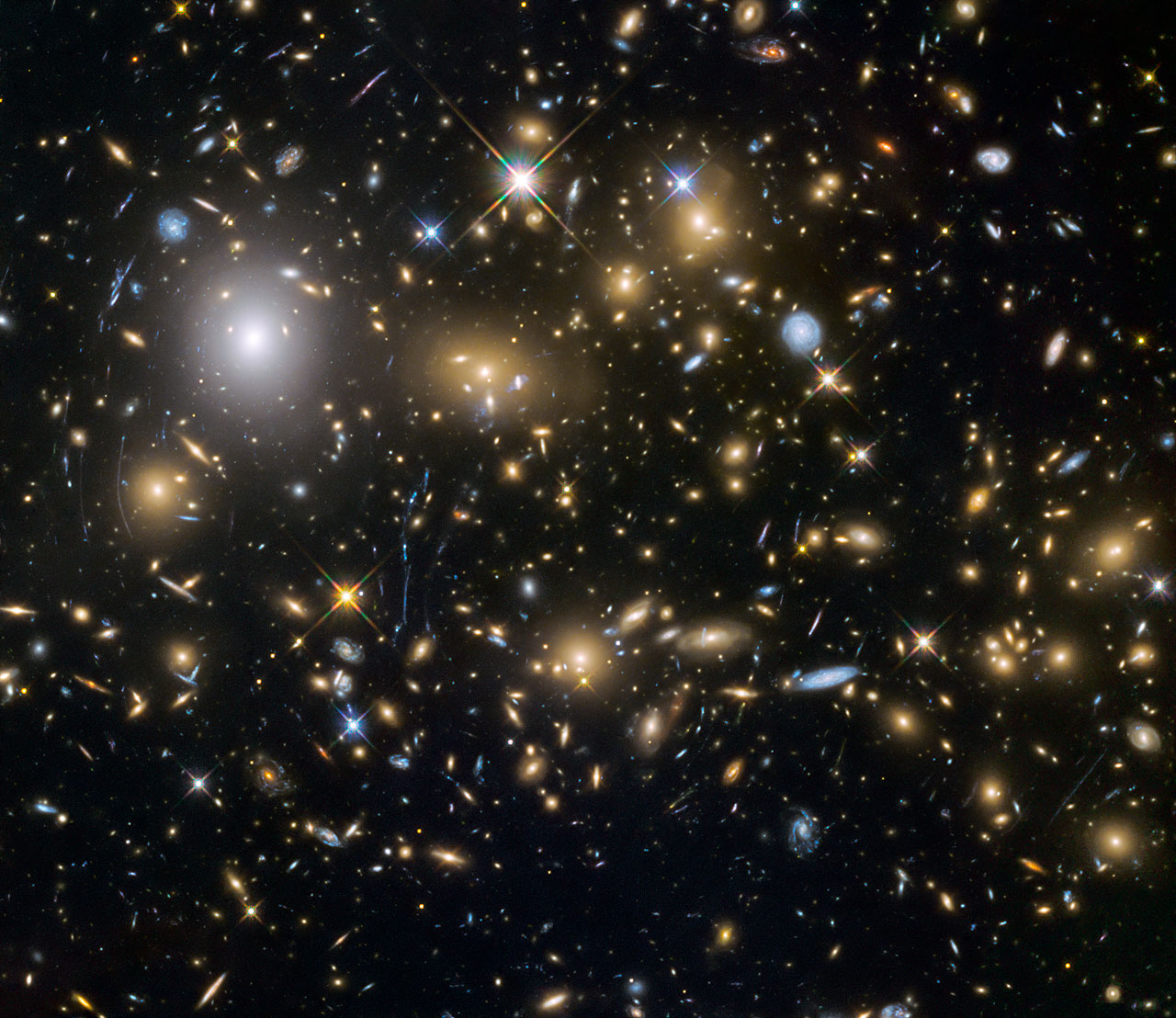
Webb's 'Cosmic House of Mirrors' Catches a Rare Lensing Trick Twice in One Cluster
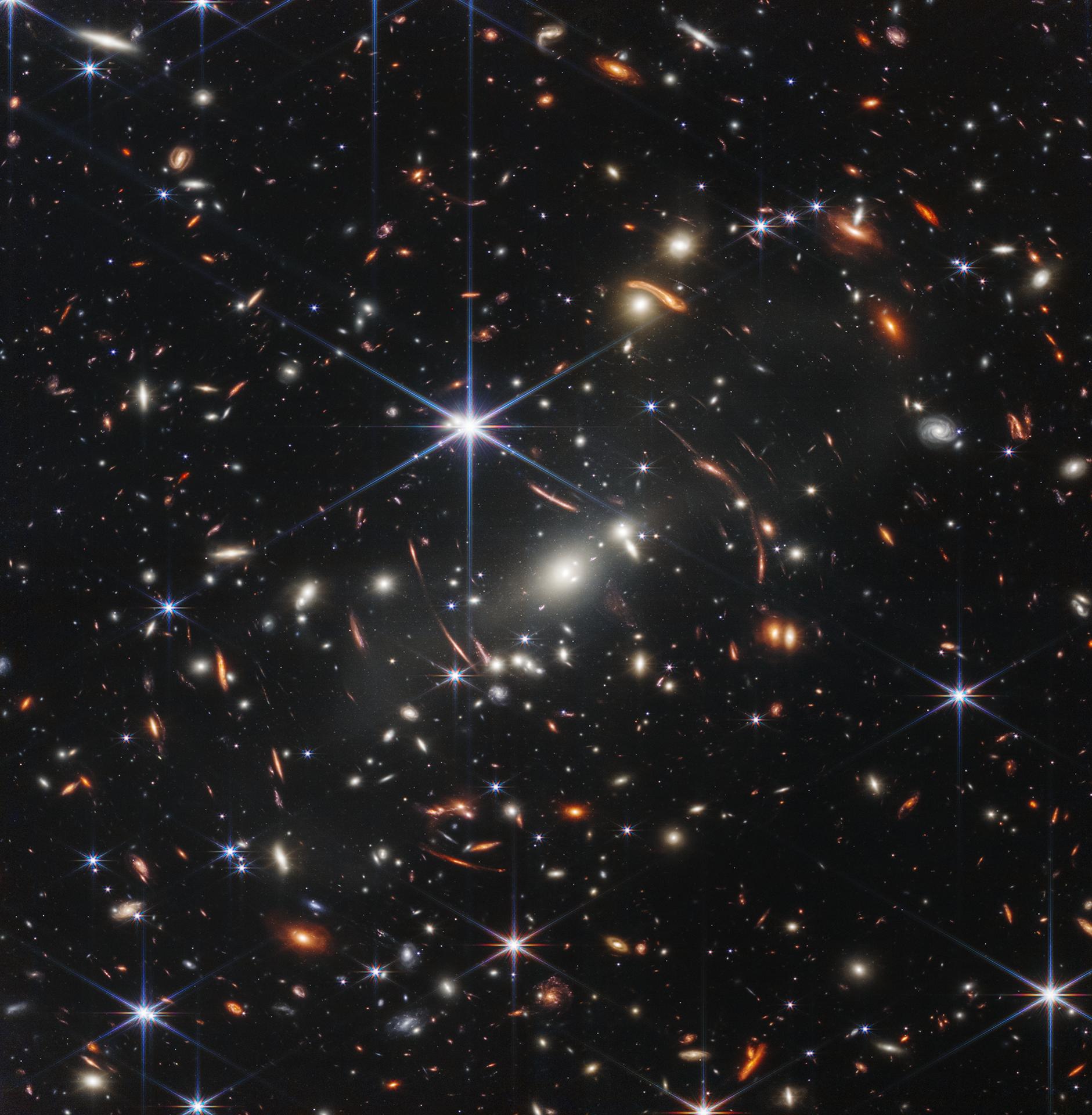
ESA/Webb's September Picture of the Month shows MACS J0454.1-0300, where cluster gravity warps and multiplies distant galaxies. The rare four-plus-image arrangement appears twice, a first, with clumps magnified more than 300 times.
-
Astronomy
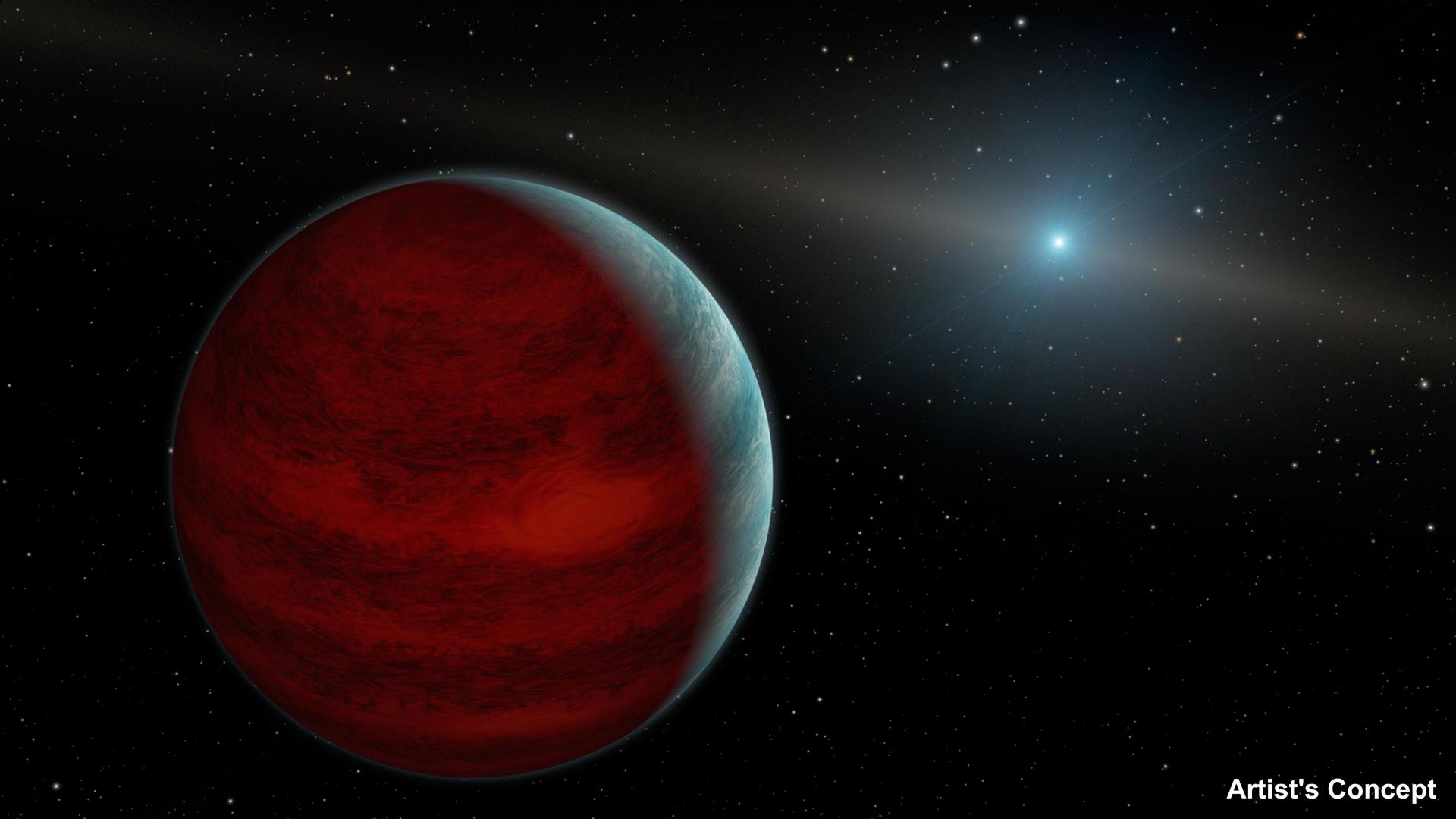
Webb Finds Ammonia — and an Unexpected Chill — in the Atmosphere of a Saturn-Mass Planet Circling a Red Dwarf
JWST spectroscopy of HATS-6 b reveals water, methane, CO2 and rare ammonia — plus early temperature estimates far colder than expected — challenging models of how giant planets form around small stars.