European Space Agency
Every Cosmic Herald story on European Space Agency — missions, launches, discoveries, and the business of space, newest first.
-
Astronomy
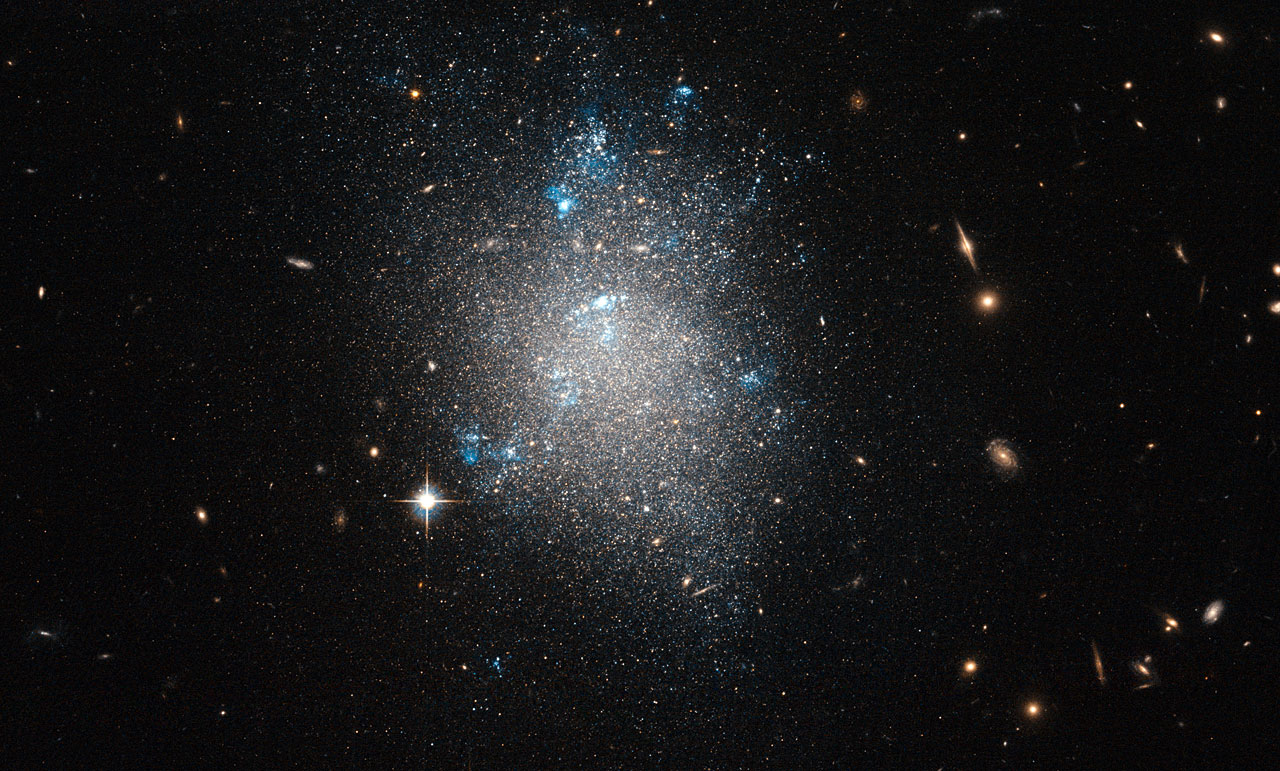
Gaia Data Just Killed the 'Universal' Stellar Initial Mass Function
A Gaia-based survey of 110 Milky Way star clusters finds the stellar initial mass function's 'break mass' shifts with cluster age, undermining decades of assuming one universal recipe for how stars of different sizes form.
-
Astronomy
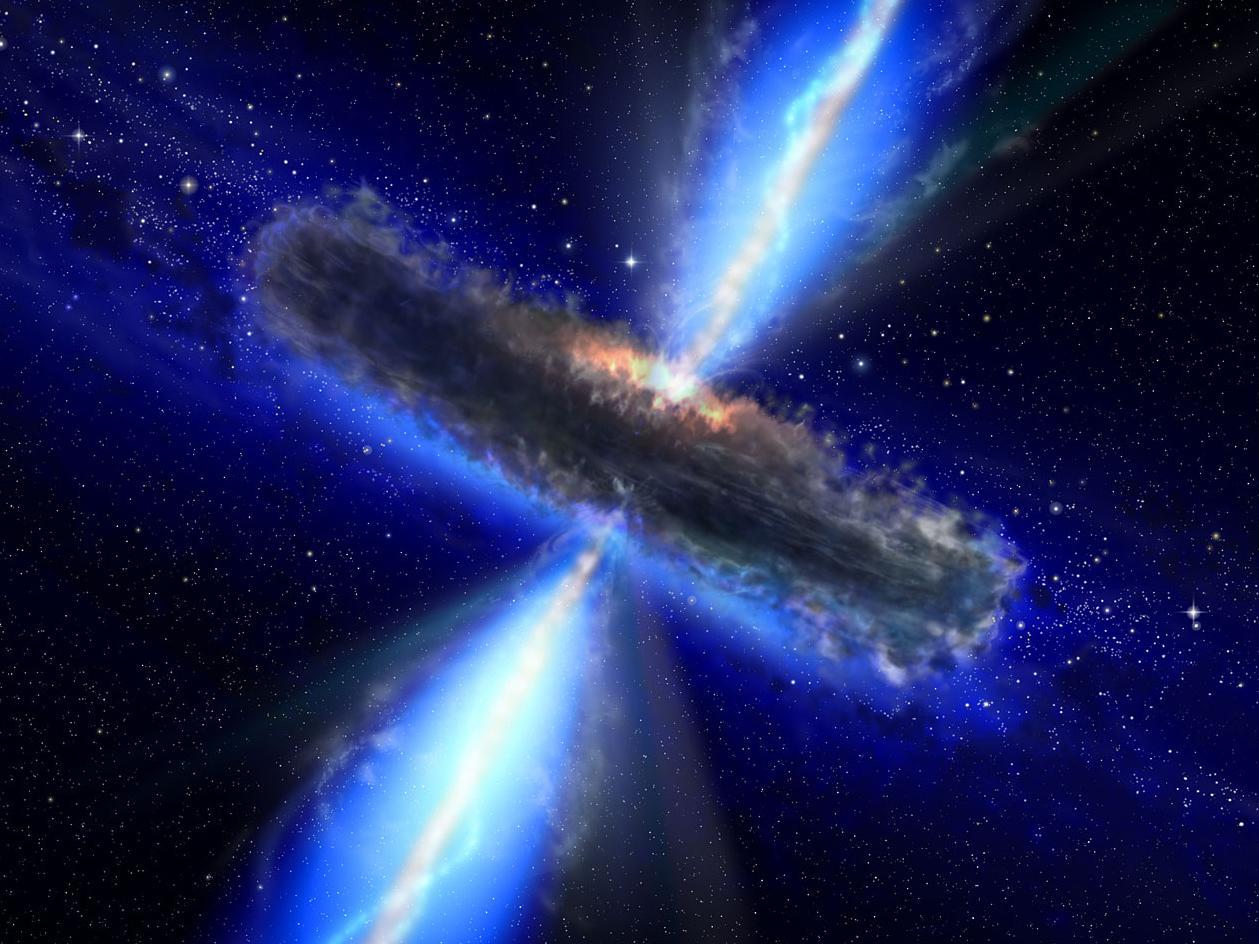
Euclid Space Telescope Uncovers the Universe's Most Ancient Quasars
ESA's Euclid mission has spotted 31 quasars from the universe's first billion years, including two record-holders shining with a trillion Suns' worth of light just 670 million years after the Big Bang.
-
Astronomy
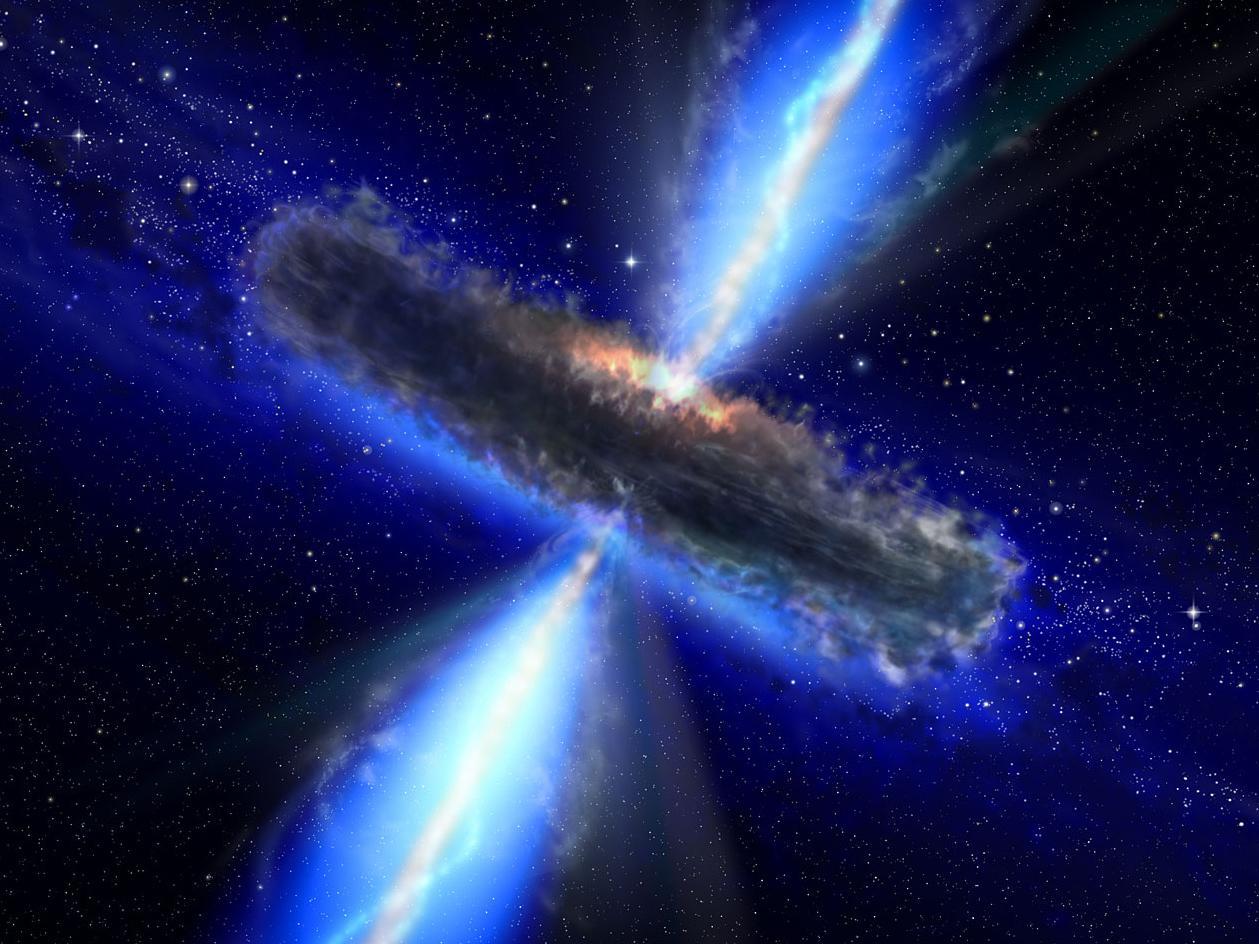
Euclid Space Telescope Uncovers 31 Ancient Quasars, Two From the Universe's First 5 Percent
ESA's Euclid telescope has spotted 31 quasars from the early universe, including two dating to just 670 million years after the Big Bang, deepening a puzzle over how supermassive black holes grew so fast.
-
NASA & Agencies
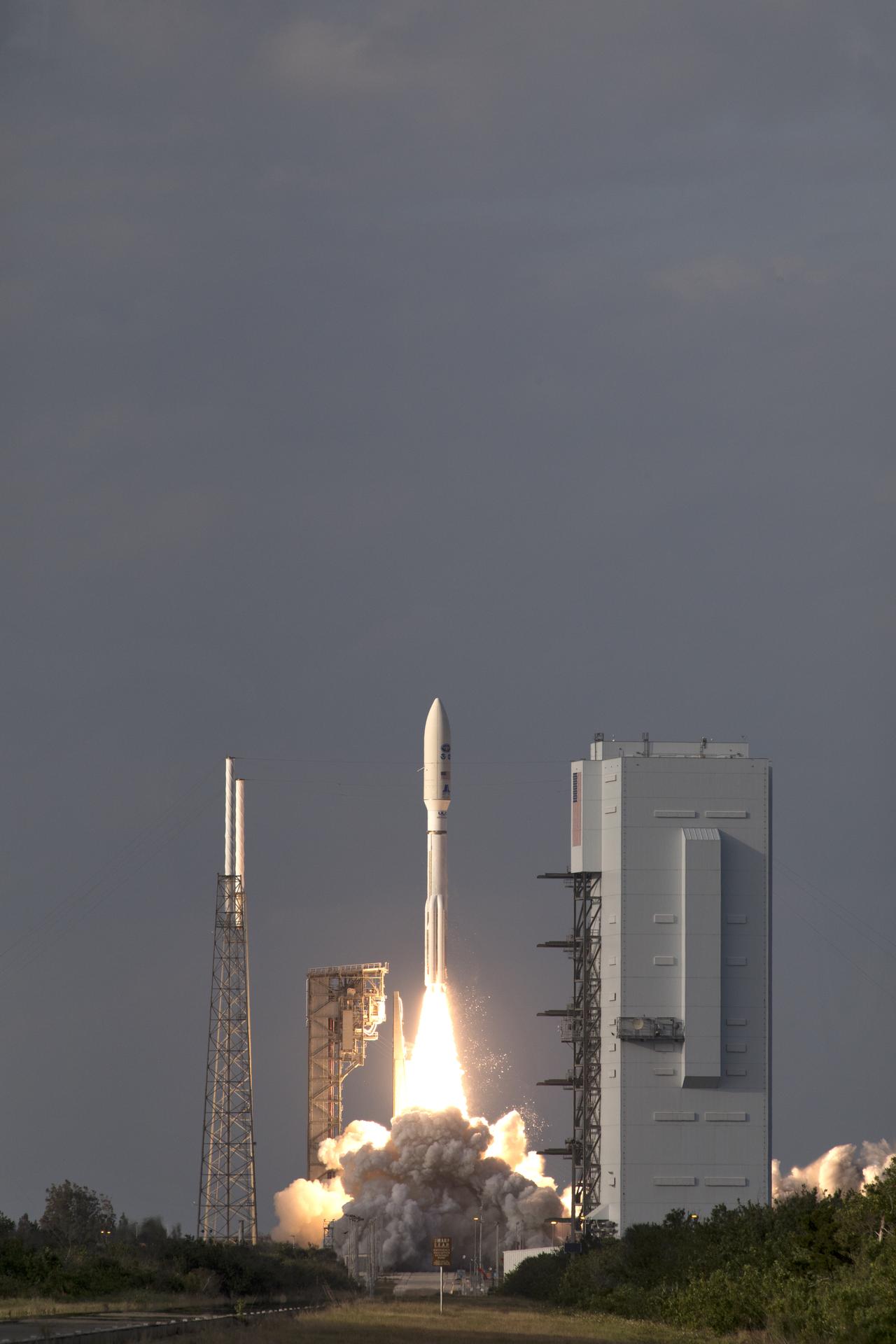
Europe Sets the Media Call for MTG-I2: The Satellite That Will Watch 80% of Earth for Lightning
ESA and EUMETSAT have opened media accreditation for the late-August 2026 Ariane 6 launch of MTG-I2, a geostationary weather satellite whose Lightning Imager will watch storms form across 80% of the planet in real time.
-
Commercial
Germany Bets on an Unproven Rocket: Planet and Isar Aerospace Sign All-German Launch Deal
Planet Labs Germany will fly a Pelican imaging satellite on Isar Aerospace's Spectrum rocket within a year — a milestone all-German mission riding on a launcher that has yet to reach orbit.
-
Astronomy
X-ray Echoes of Dead Stars Nudge the Milky Way's Outer Arms Farther Out
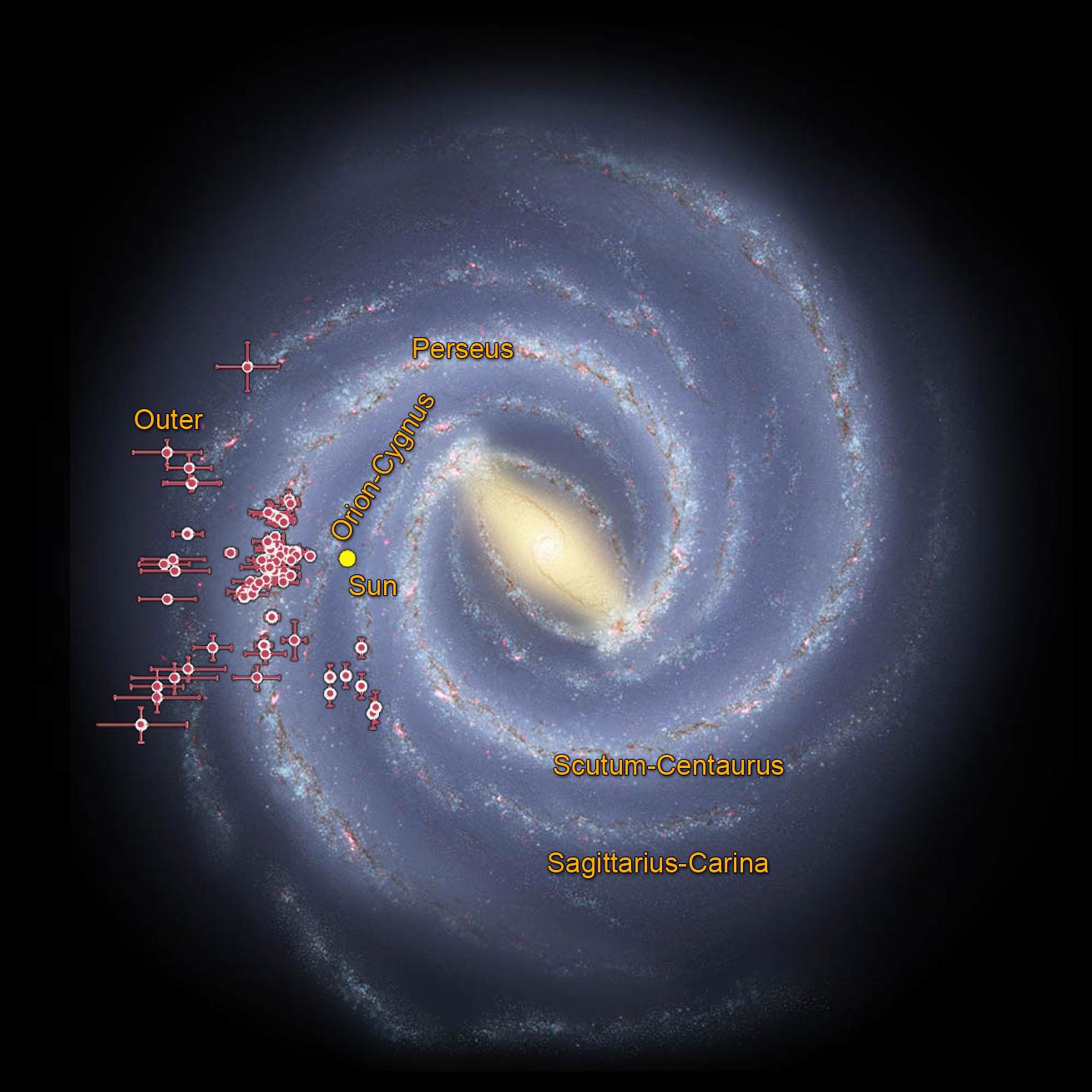
Using dust-scattered X-ray light echoes from three gamma-ray bursts, astronomers re-measured two of the Milky Way's outer spiral arms and found them up to 10% farther from the galactic center than assumed.
-
NASA & Agencies
Asteroid Day 2026: As Hera Closes In on Dimorphos, Planetary Defense Gets Its Moment
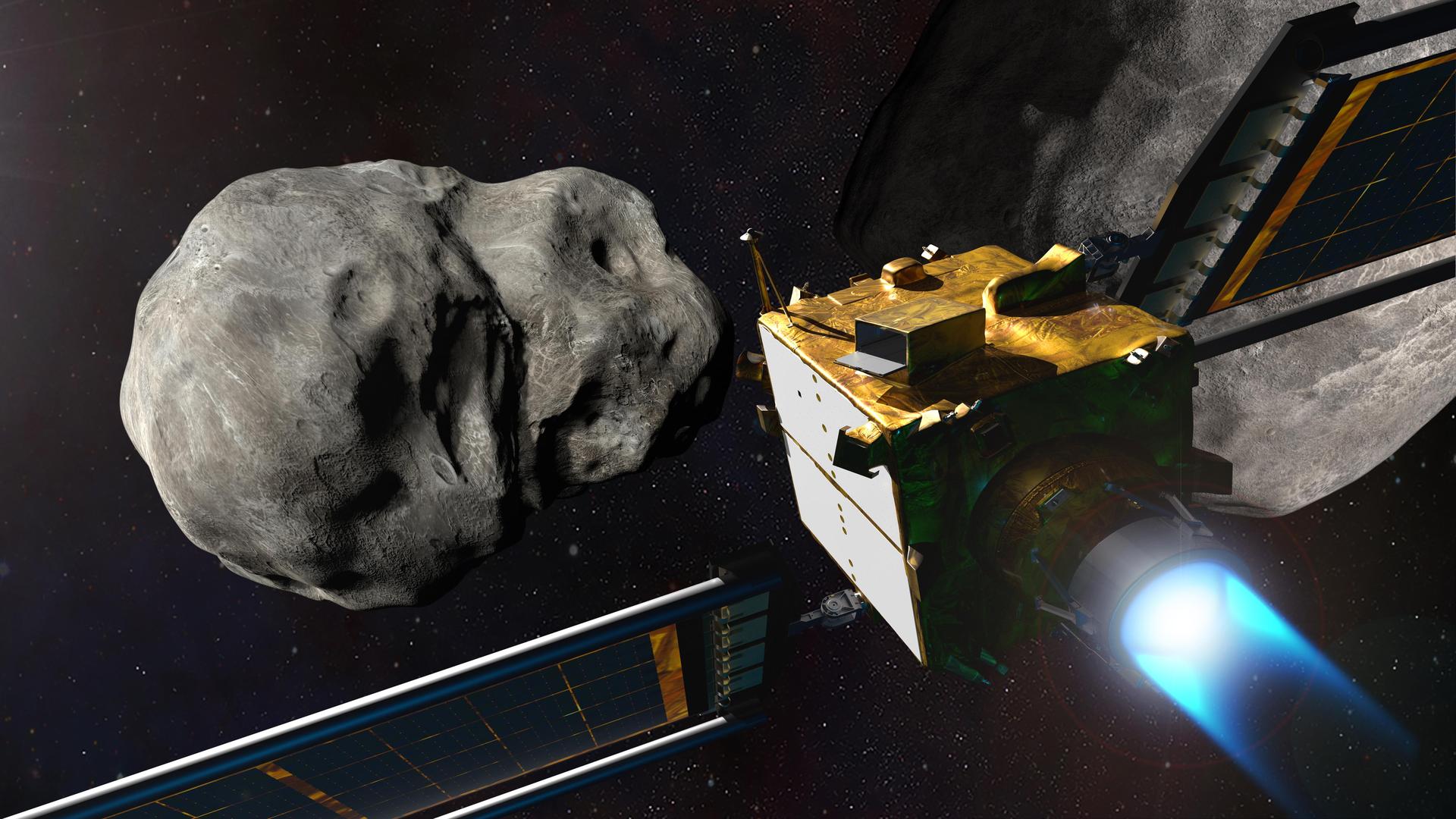
On June 30, 2026, the UN-sanctioned Asteroid Day arrives at a hinge point: DART proved we can nudge an asteroid, and ESA's Hera spacecraft is due at Didymos-Dimorphos by year's end to inspect the wreckage.
-
Astronomy
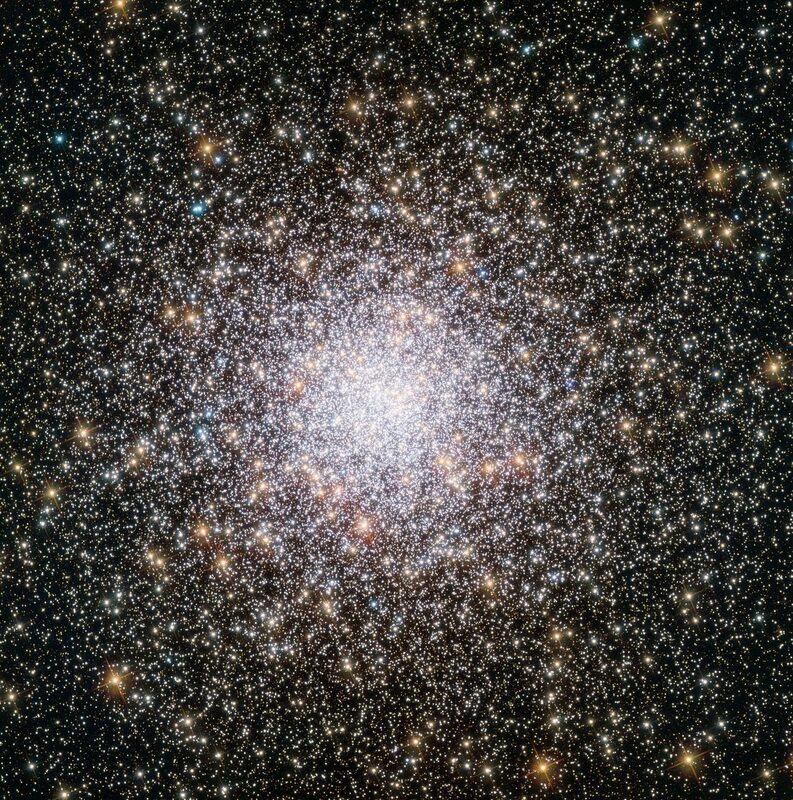
Hubble's 'Chandelier Cluster' Reveals Its Ancient Stars Formed in Two Separate Bursts
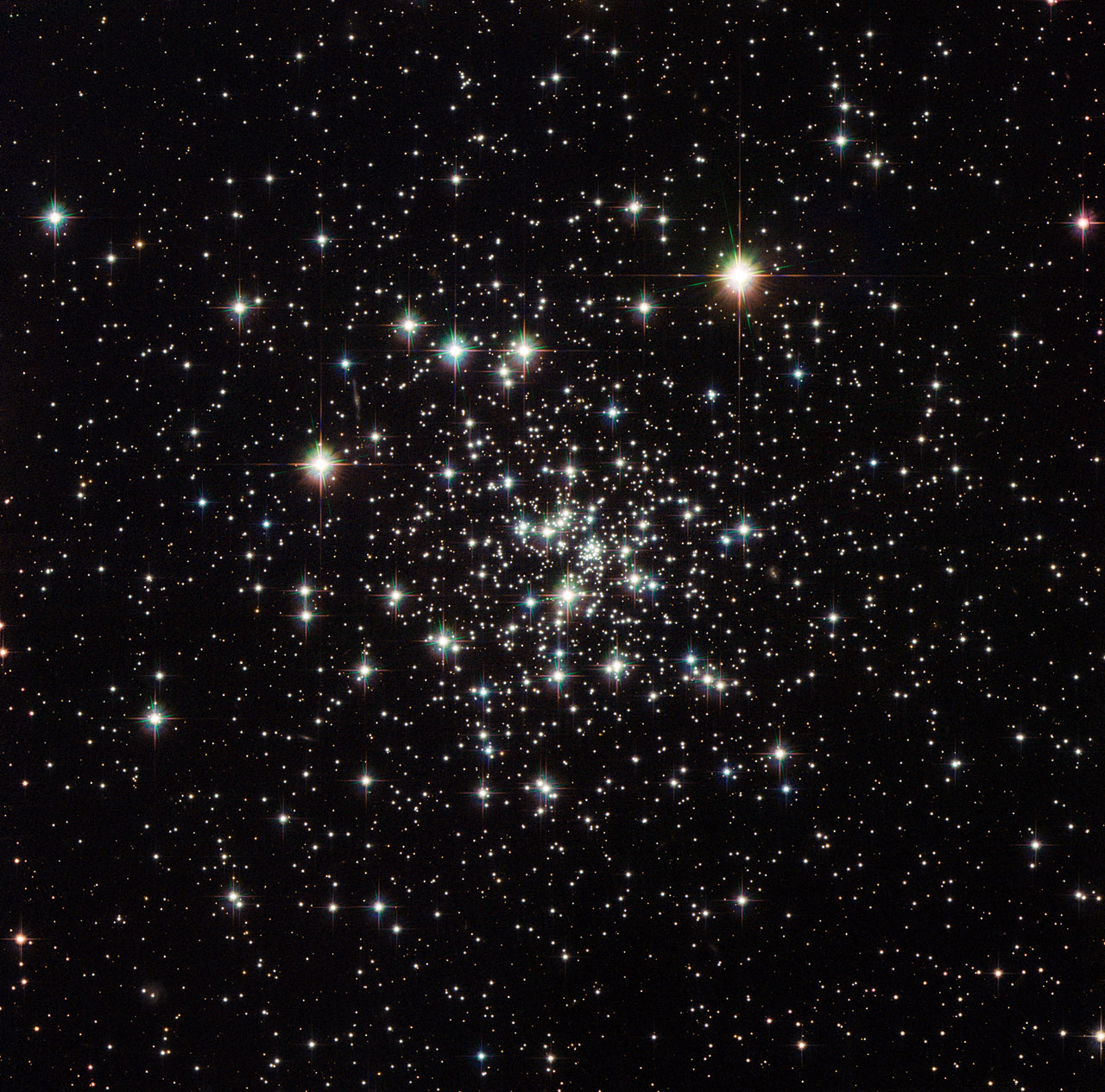
Hubble's June 2026 image of NGC 6723, the 'Chandelier Cluster,' shows its 10-billion-year-old stars formed in two closely spaced bursts — the second within 634 million years of the first — undercutting the old idea that globular clusters are single-age populations.
-
Military Space
China Is Filling Low Orbit With Derelict Rocket Bodies — and Three Have Already Exploded
A LeoLabs analysis finds China abandoned 51 spent rocket bodies above 650 km from 2021-2025 — 86% of the global total — and three have already fragmented, seeding debris clouds that will outlast everyone reading this.
-
Astronomy
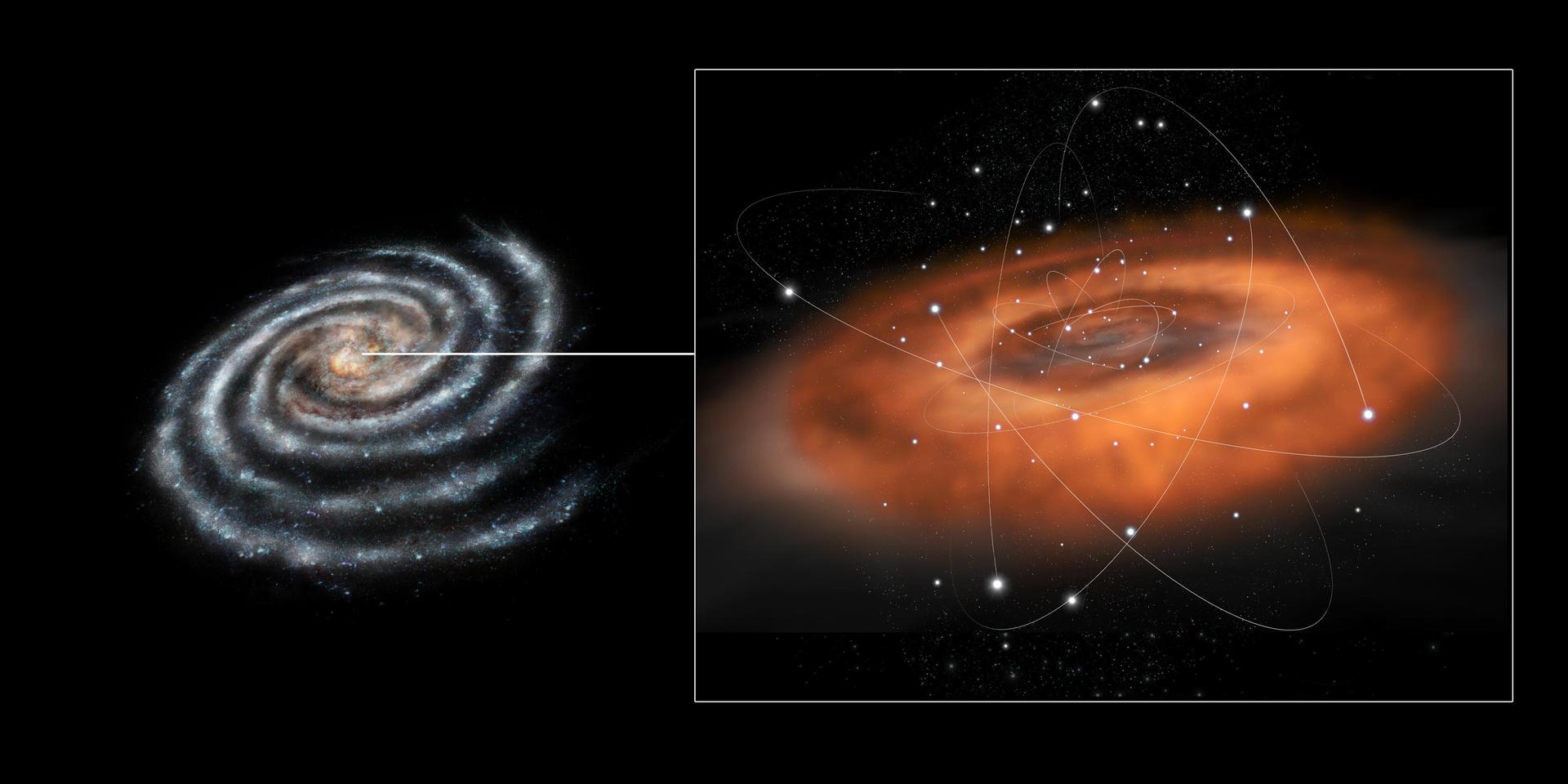
Euclid's 60-Million-Star Portrait of the Galactic Bulge Lays Groundwork for Roman
Euclid's new visible-light mosaic of the Milky Way's crowded center packs 60 million stars across 22 Moons of sky — and quietly hands NASA's Roman telescope a two-year head start on its planet hunt.
-
Science & Discovery
Hubble Catches a Tiny Galaxy Burning Off the Cosmic Fog, 1.4 Billion Years After the Big Bang
Astronomers used Hubble to catch ionizing UV light escaping a small, furiously star-forming galaxy in the reionization epoch — the first such detection, and direct evidence for how the early universe became transparent.
-
NASA & Agencies
Behind Closed Doors: ESA's 347th Council Sets the Table for Europe's 2026 Ministerial
ESA's governing Council wrapped its 347th meeting on 16-17 June 2026 with decisions on agency governance, programmes and international partnerships, feeding directly into preparations for the CM26 ministerial later this year.