European Space Agency
Every Cosmic Herald story on European Space Agency — missions, launches, discoveries, and the business of space, newest first.
-
Missions
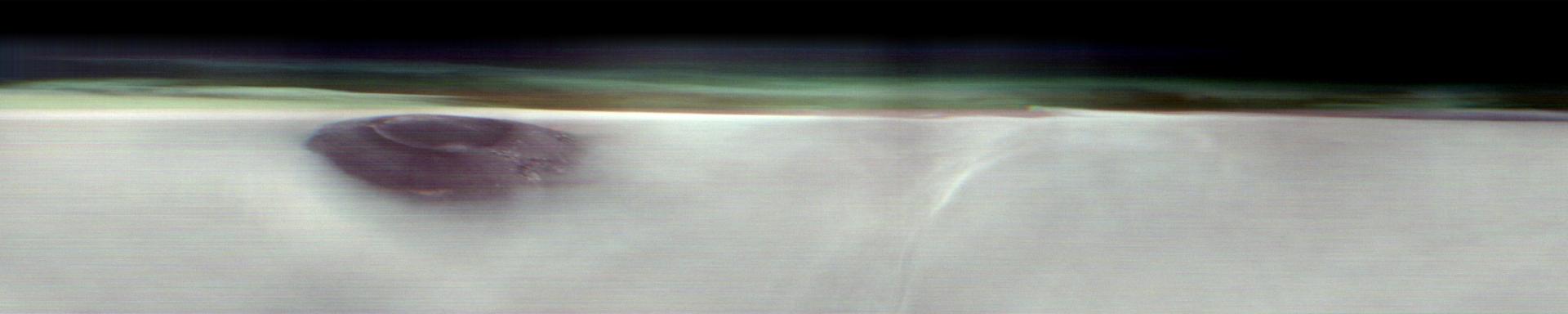
Mars's 1,800-km Cloud May Form Without Dust, Through Physics Never Before Seen in a Planetary Atmosphere
Modelling built on Mars Express images can reproduce the 1,800-km Arsia Mons Elongated Cloud only if water vapour freezes straight into ice without dust seeds. If the result holds, it is the first evidence of homogeneous nucleation in any planetary atmosphere.
-
Missions
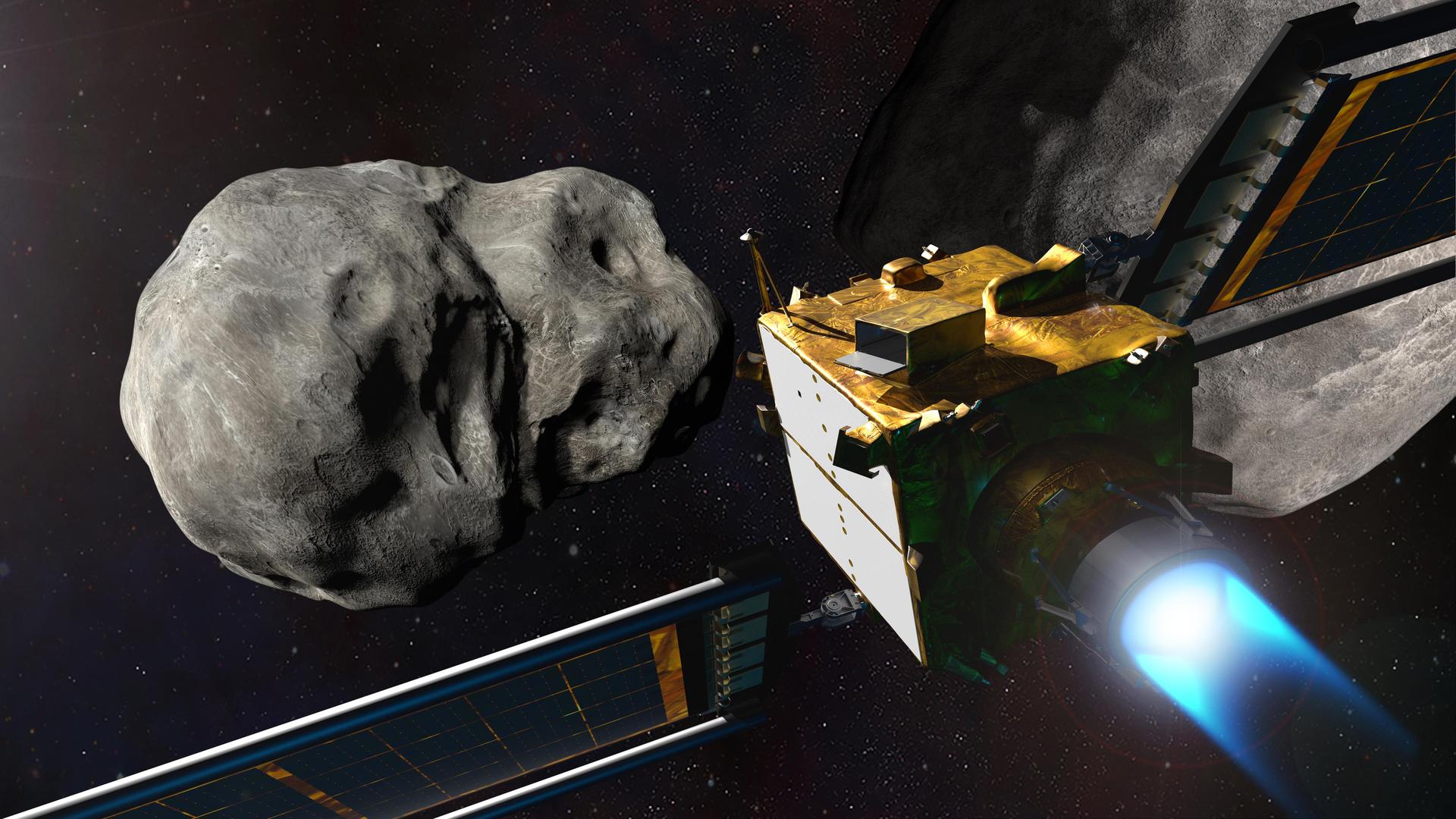
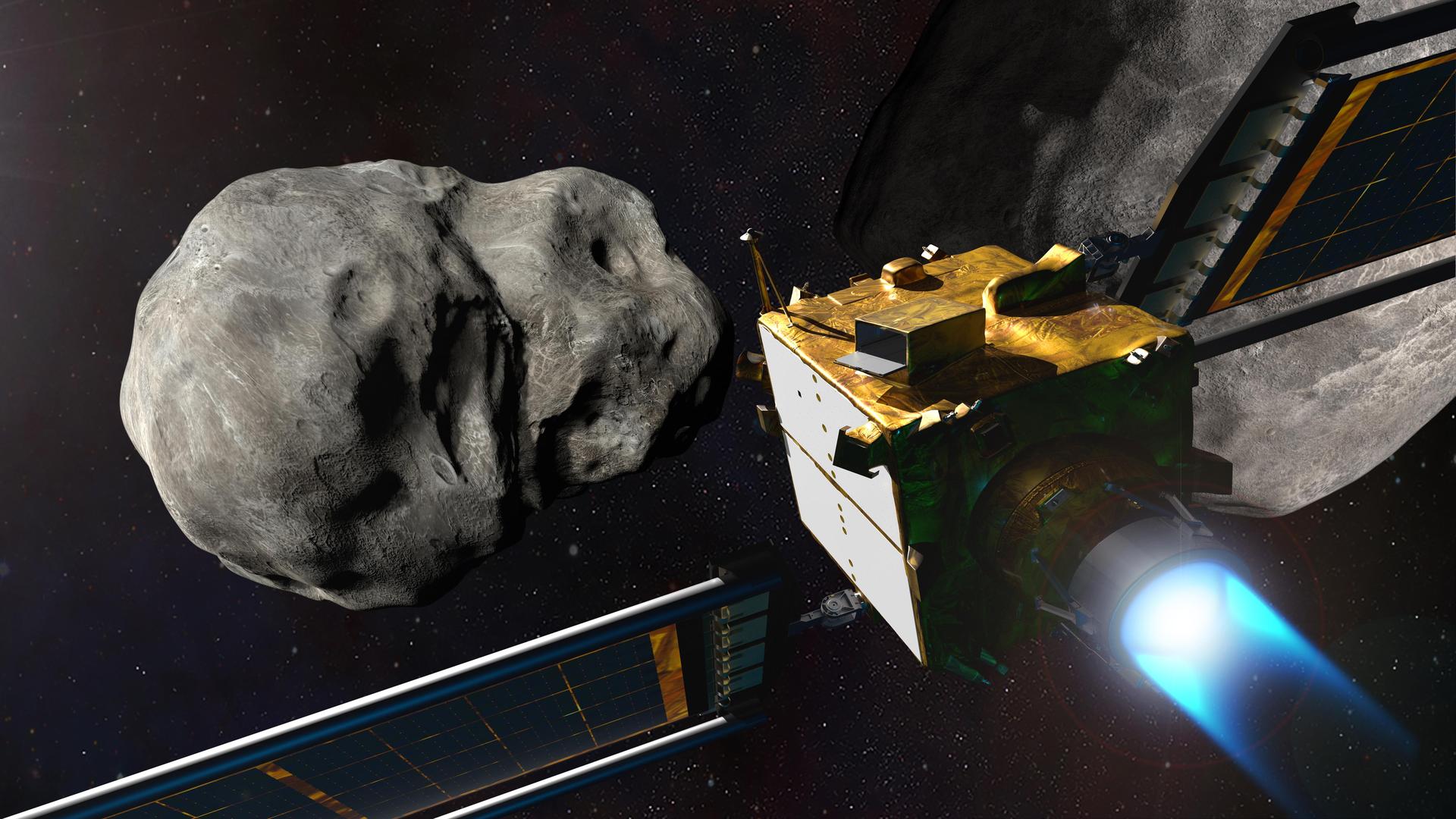
Hera Spots Didymos as a Speck of Light and Gets Ready to Hit the Brakes
Two years after launch, ESA's Hera has picked out the Didymos binary from about 236,500 km away and is about to fire its thrusters for 93 minutes, the first of the braking burns that should bring it alongside the asteroid DART struck.
-
Missions
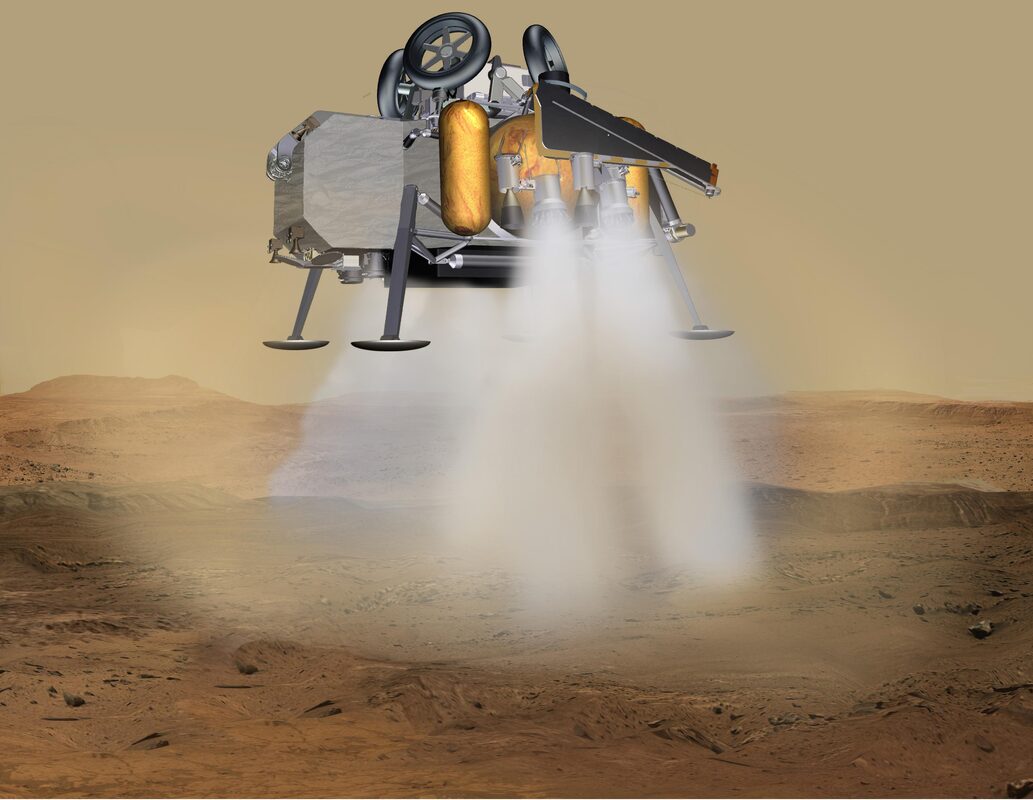
China Narrows Tianwen-3 Mars Sample-Return Landing Zone to Eight Candidates in Hunt for Ancient Life
China's Tianwen-3 team has cut its Mars landing-site shortlist to eight candidates rich in ancient standing-water evidence, with three finalists due by the end of 2026 ahead of a roughly 2028 launch aimed at returning samples by 2031.
-
Missions
Smile Is Cleared for Science, but Its X-Ray Camera Still Has a Stray-Light Problem
The joint ESA-CAS Smile mission was approved for science operations on Sept. 23; its UV imager already films the full auroral oval for 45 hours at a stretch, while the X-ray camera waits for stray light to fade in mid-October.
-
Missions
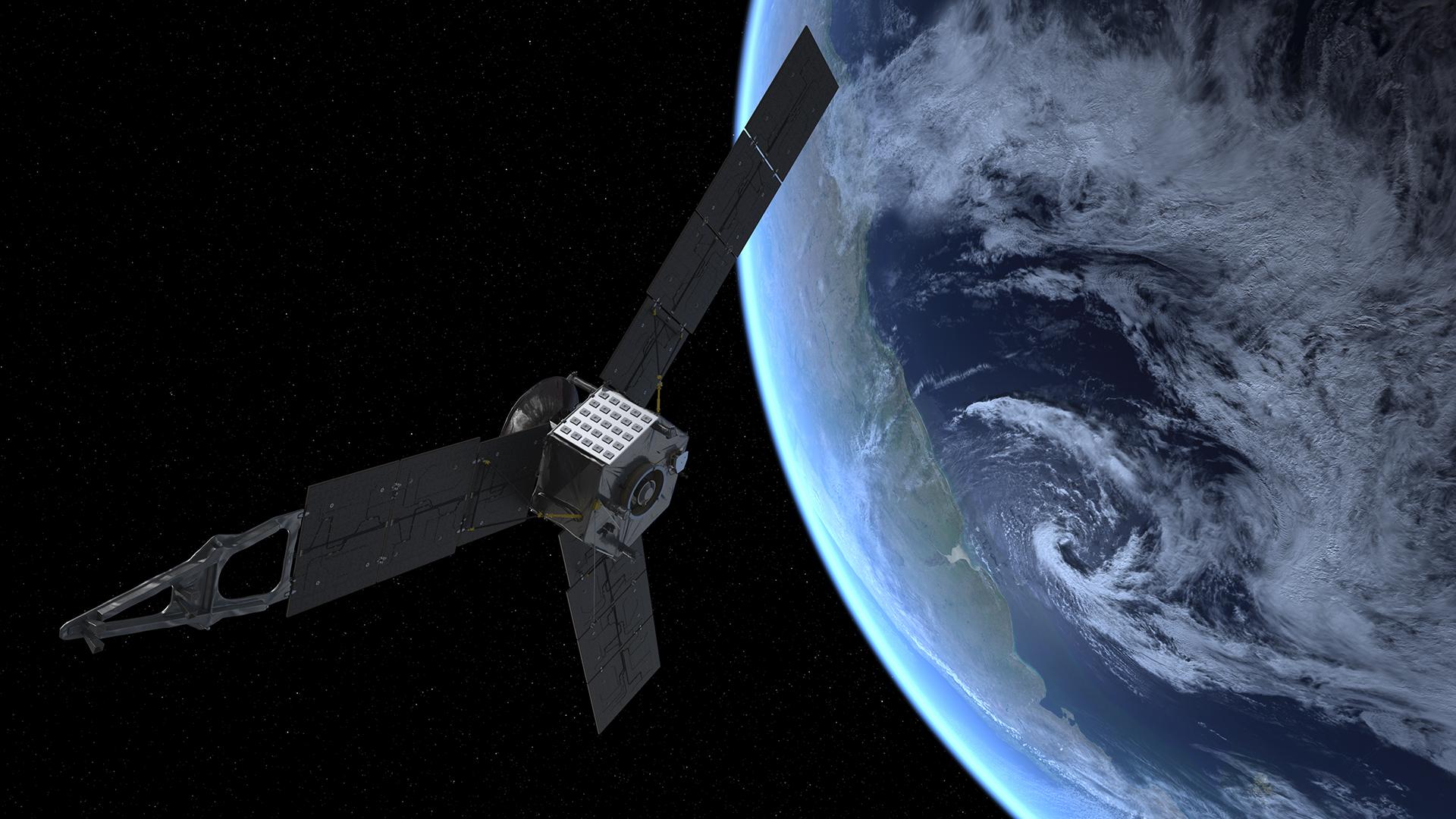
Juice Skims Earth's Atmosphere Region and Bends Its Path Toward Jupiter
ESA's Juice swept 8,640 km above the Indian Ocean on Sept 28, 2026, turning 20 degrees and gaining 3.5 km/s with almost no propellant, and is now better aimed for its July 2031 arrival at Jupiter.
-
Missions
Ramses Wakes Up: ESA-JAXA Apophis Spacecraft Powers On in Milan
ESA's Ramses spacecraft, built with JAXA, has had its Core Module computer and subsystems switched on for the first time in Milan, a milestone in a compressed schedule to launch by spring 2028 for Apophis' April 13, 2029 flyby.
-
Missions
ESA's Juice Swings Back Past Earth for a Second Gravity Boost Toward Jupiter
Juice, ESA's Jupiter Icy Moons Explorer, makes its second Earth flyby this month — one more gravity assist in a chain that will finally deliver the spacecraft to Jupiter in 2031, eight years after launch.
-
Missions
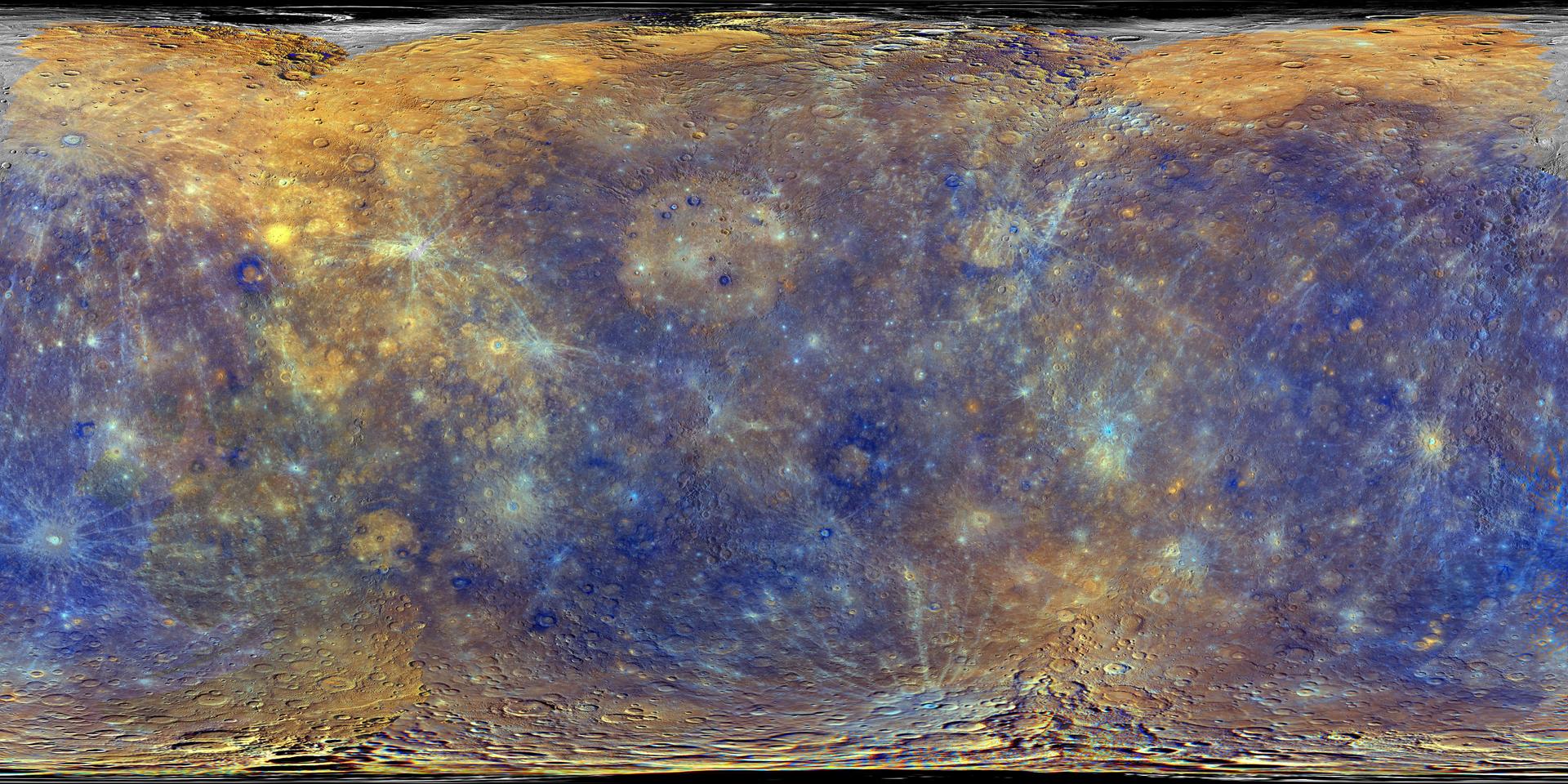
BepiColombo Sheds Its Ferry and Begins the Final Descent to Mercury
After an eight-year, 9.9-billion-kilometer journey and nine planetary flybys, BepiColombo jettisoned its transfer module on Sept. 3, 2026, starting the final approach to a Nov. 21 Mercury orbit insertion.
-
Missions
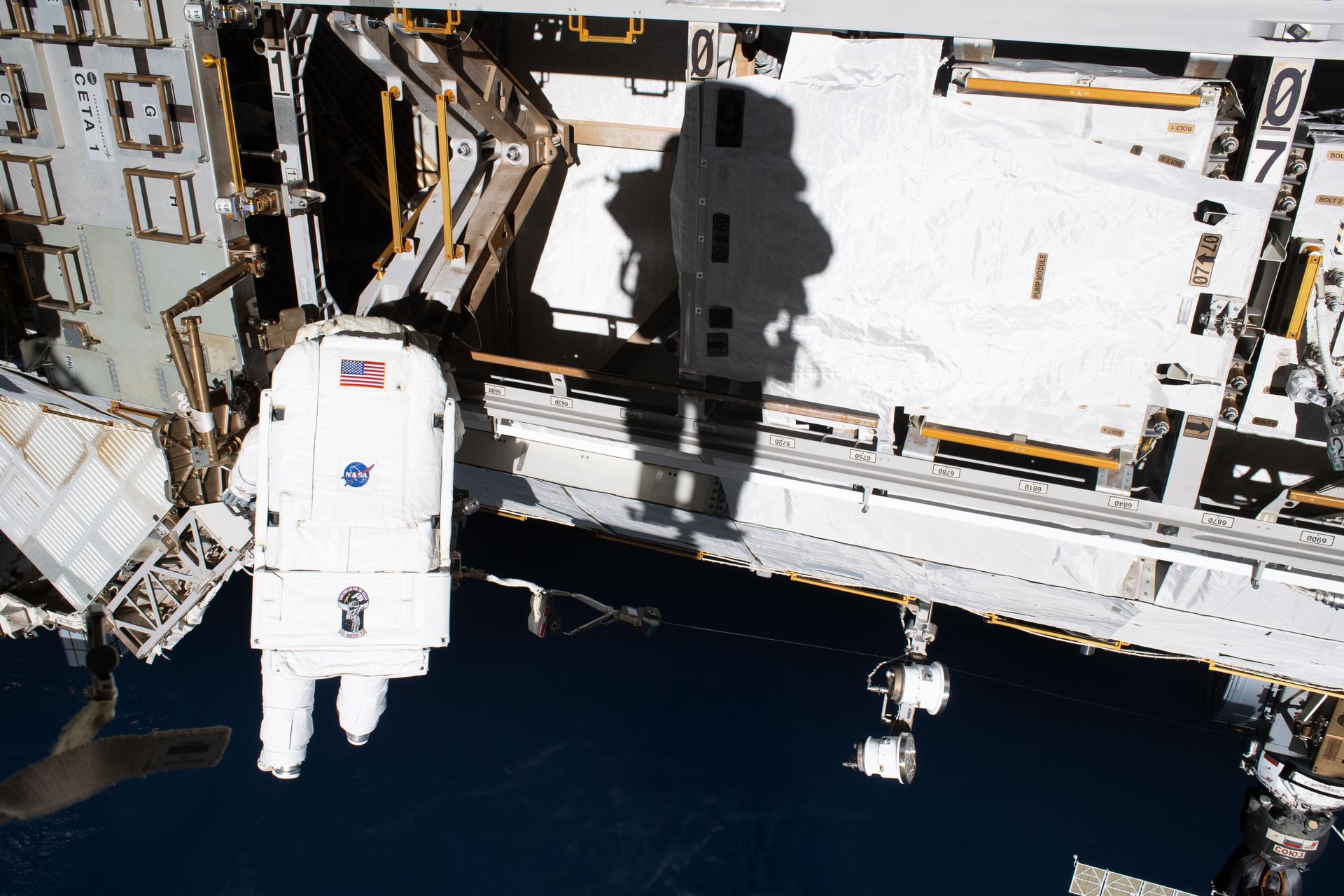
Station Boosts Orbit and Repairs Its Comm Link as ISS Preps for a September Spacewalk
NASA and ESA astronauts finished a two-part antenna repair spacewalk while Cygnus XL fired its engine for 21 minutes to reboost the ISS ahead of a Progress 96 docking and a third EVA in September.
-
Missions
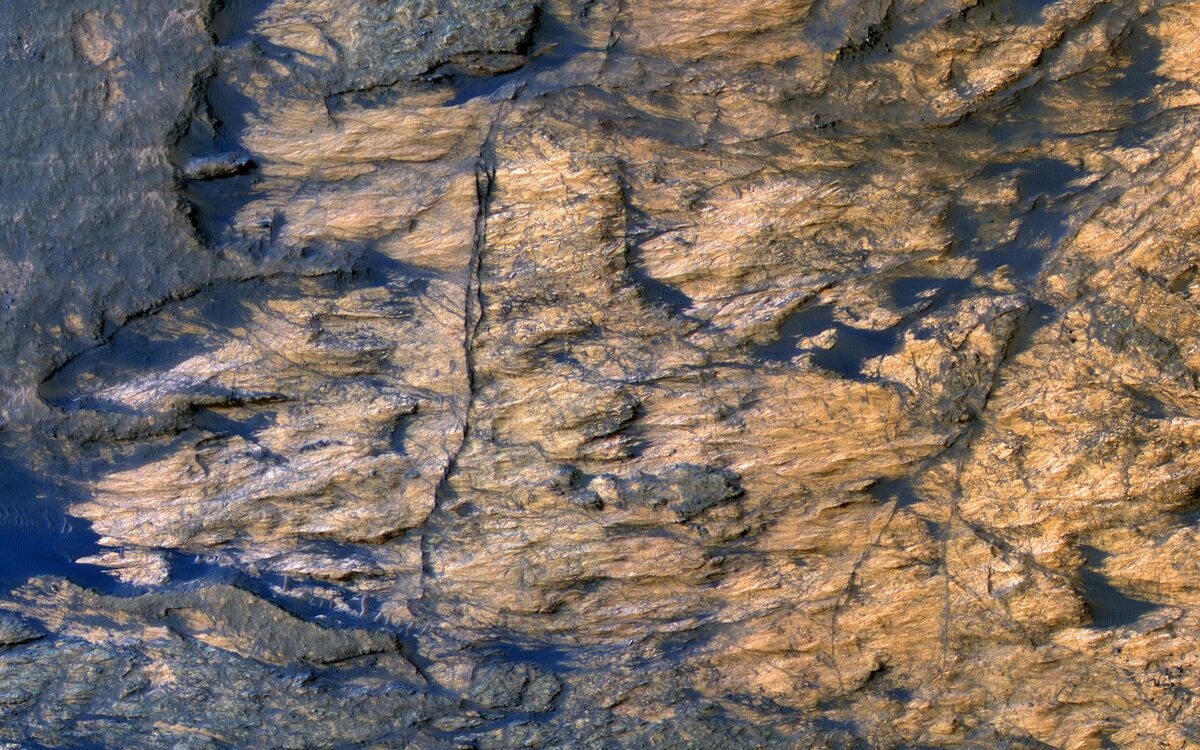
The 'Metallic Waves' of Kaiser Crater Are an Optical Trick — Here's the Geology Underneath
Mars Express imaged a shimmering, metallic-looking dune field on the floor of Kaiser Crater. It's an illusion: bright winter hoarfrost draped over 100-meter dark basaltic dunes, with clays and gullies hinting at a wetter past.
-
Missions
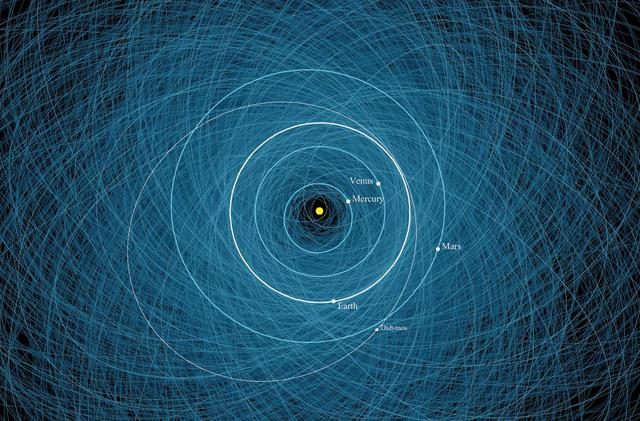
ESA's Hera Mission Is About to Rewrite What We Know About Asteroid Deflection
NASA's DART proved we can move an asteroid. Now ESA's Hera spacecraft is arriving at Didymos to find out exactly what happened — and whether planetary defense is ready for a real threat.
-
Missions
NASA's DAVINCI mission will drop a probe through Venus's atmosphere. Here's what it's looking for.
DAVINCI is a spherical probe designed to fall through Venus's corrosive atmosphere for about an hour, sampling the air at every altitude. It's looking for evidence that Venus once had oceans — and why it lost them.