European Space Agency
Every Cosmic Herald story on European Space Agency — missions, launches, discoveries, and the business of space, newest first.
-
Science & Discovery
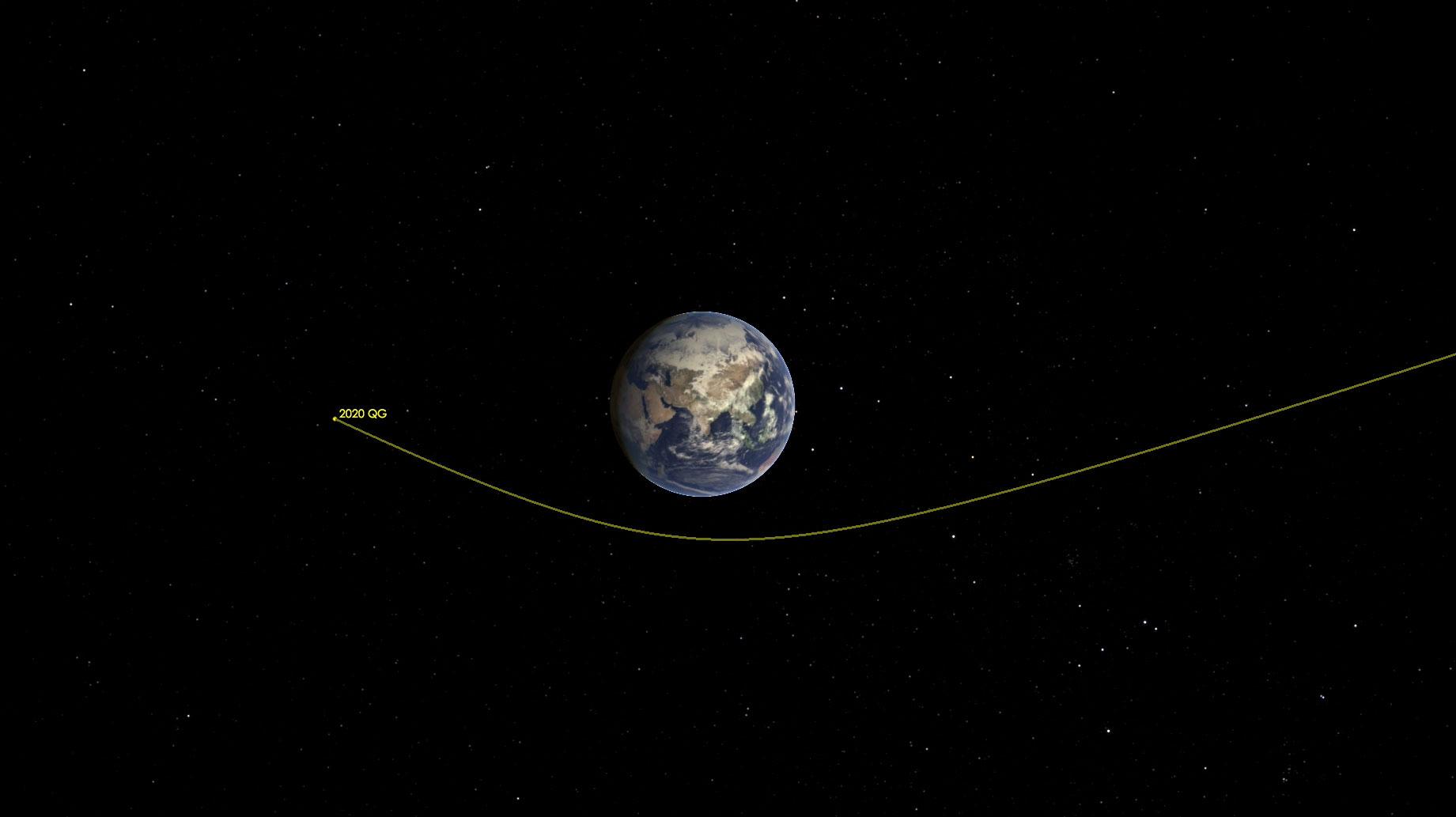
A Meter-Wide Asteroid Was Found, Tracked, and Burned Up — All Within Seven Hours
Asteroid 2026 RW1 was discovered by Arizona's Mount Lemmon Survey and struck the atmosphere over the Indian Ocean just 7 hours 22 minutes later, becoming the 13th asteroid ever caught before impact.
-
Commercial
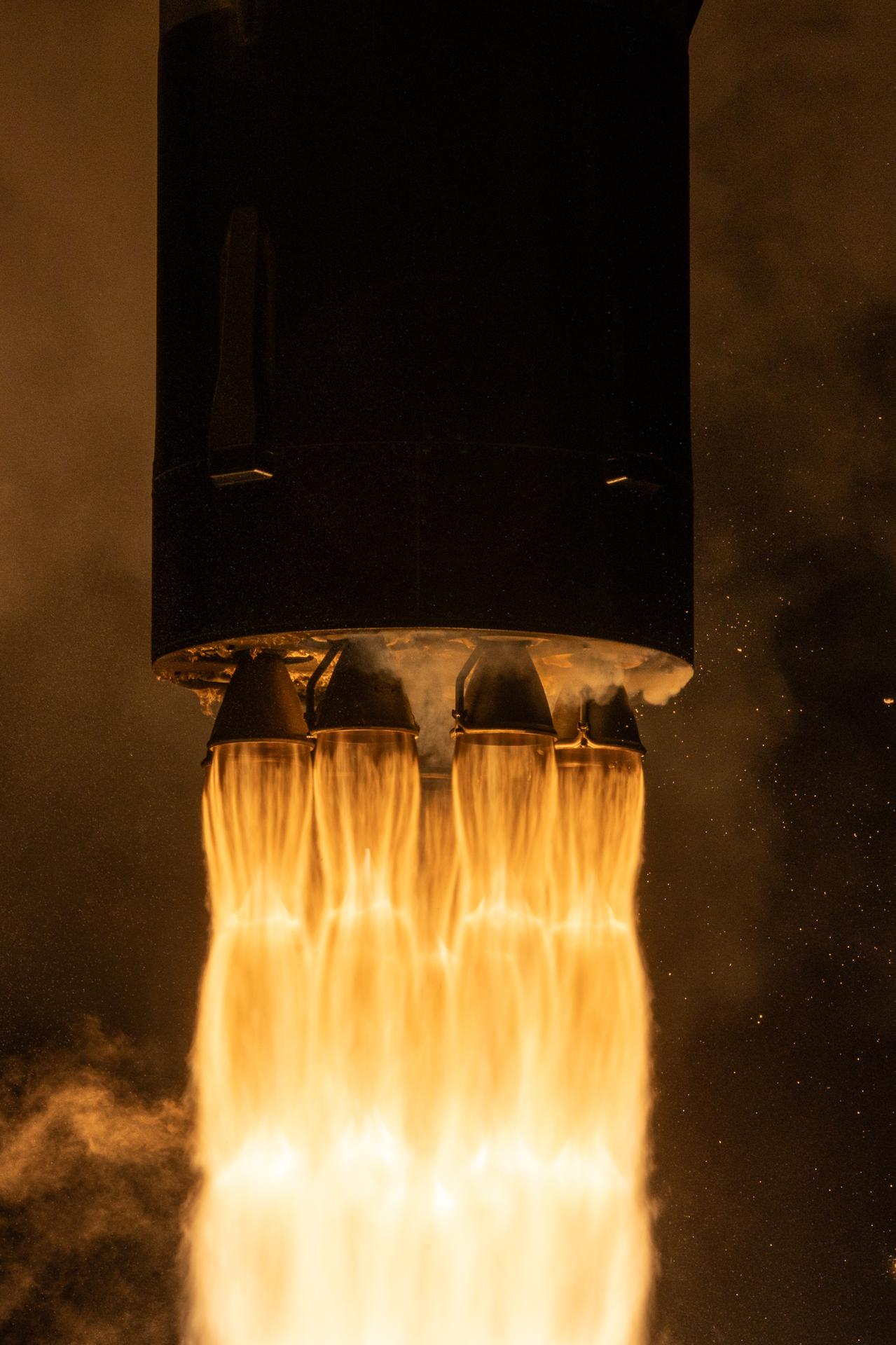
Isar Aerospace's Spectrum Rocket Finally Reaches Orbit on Second Try
German startup Isar Aerospace put its Spectrum rocket into orbit on its second attempt, 18 months after a vent-valve glitch ended flight one after 30 seconds, delivering five CubeSats for the first orbital payload from a European commercial launcher.
-
Astronomy
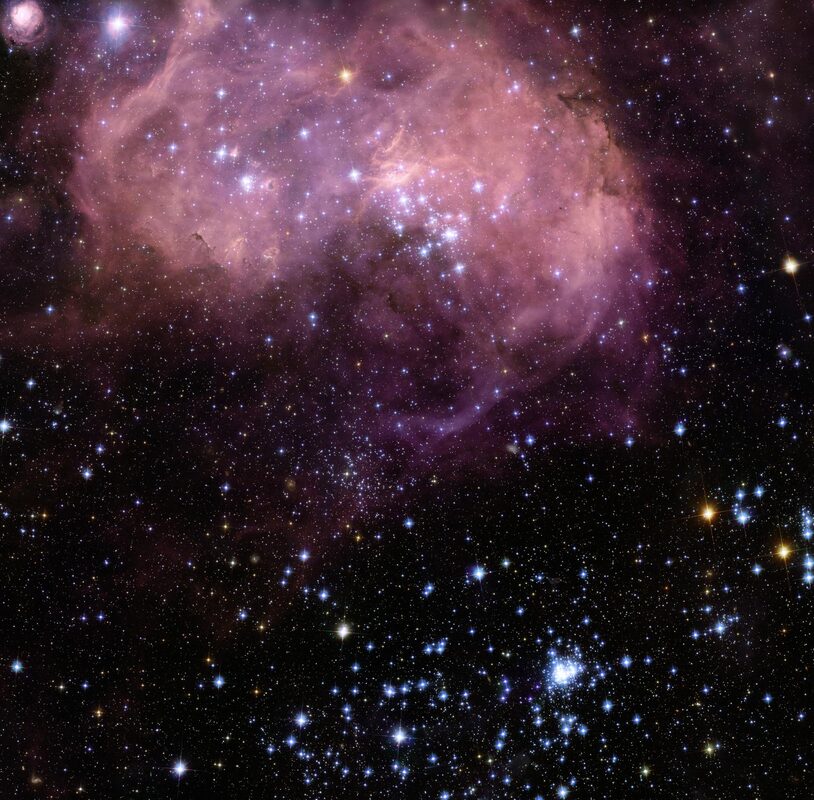
Hubble Spots a 210-Light-Year Superbubble Carved Into a Star Nursery in the Large Magellanic Cloud
A new Hubble image reveals a 210-by-140-light-year cavity blown into the N44 nebula by massive stars, with nearly 30,000 still-forming stars catalogued in the surrounding shell.
-
Commercial
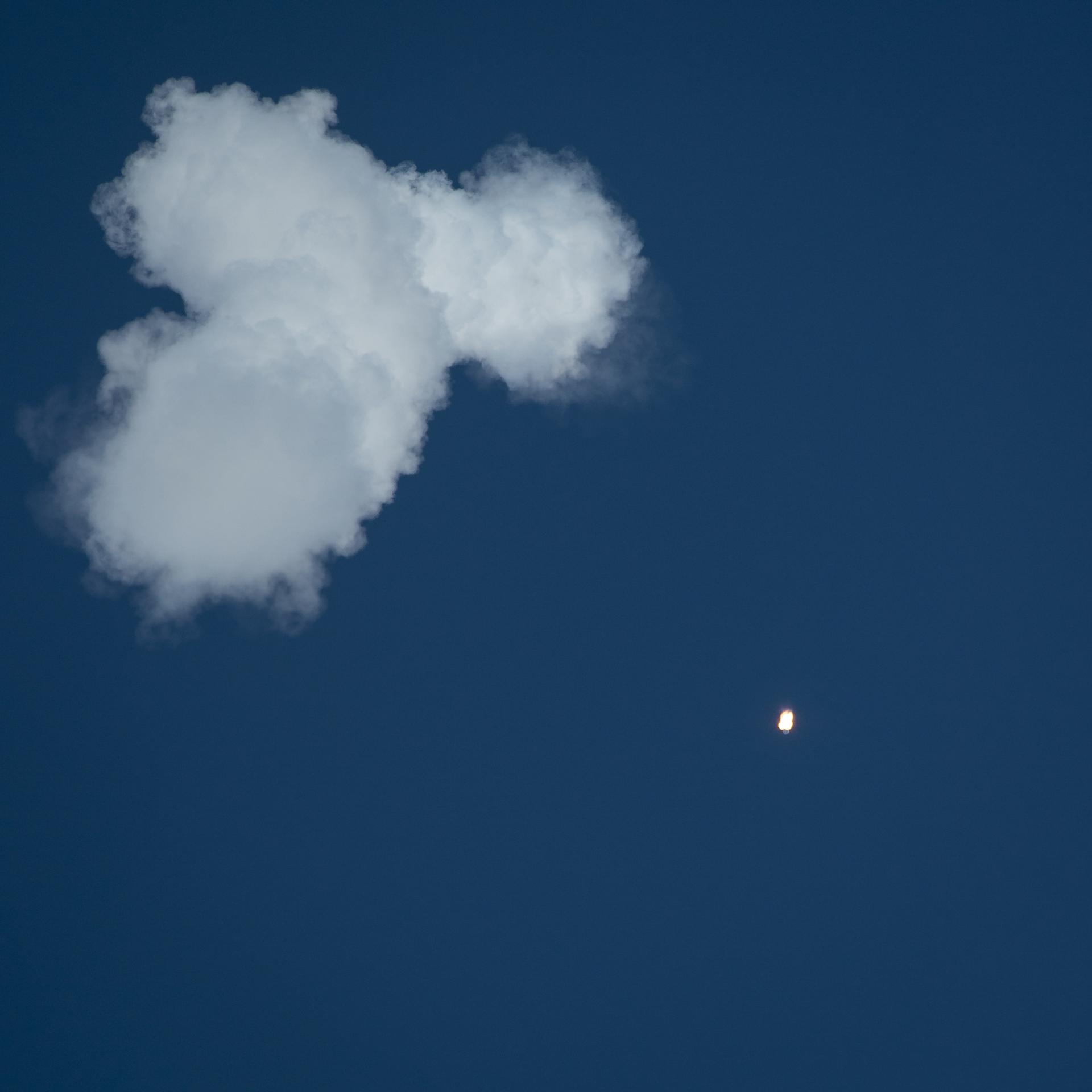
Isar Aerospace's Spectrum Becomes First Rocket to Reach Orbit From Western European Soil
Germany's Isar Aerospace flew its Spectrum rocket to orbit from Norway's Andøya Spaceport on September 5, the first orbital launch ever from mainland Western Europe, 18 months after its debut ended in a pad-side crash.
-
Science & Discovery
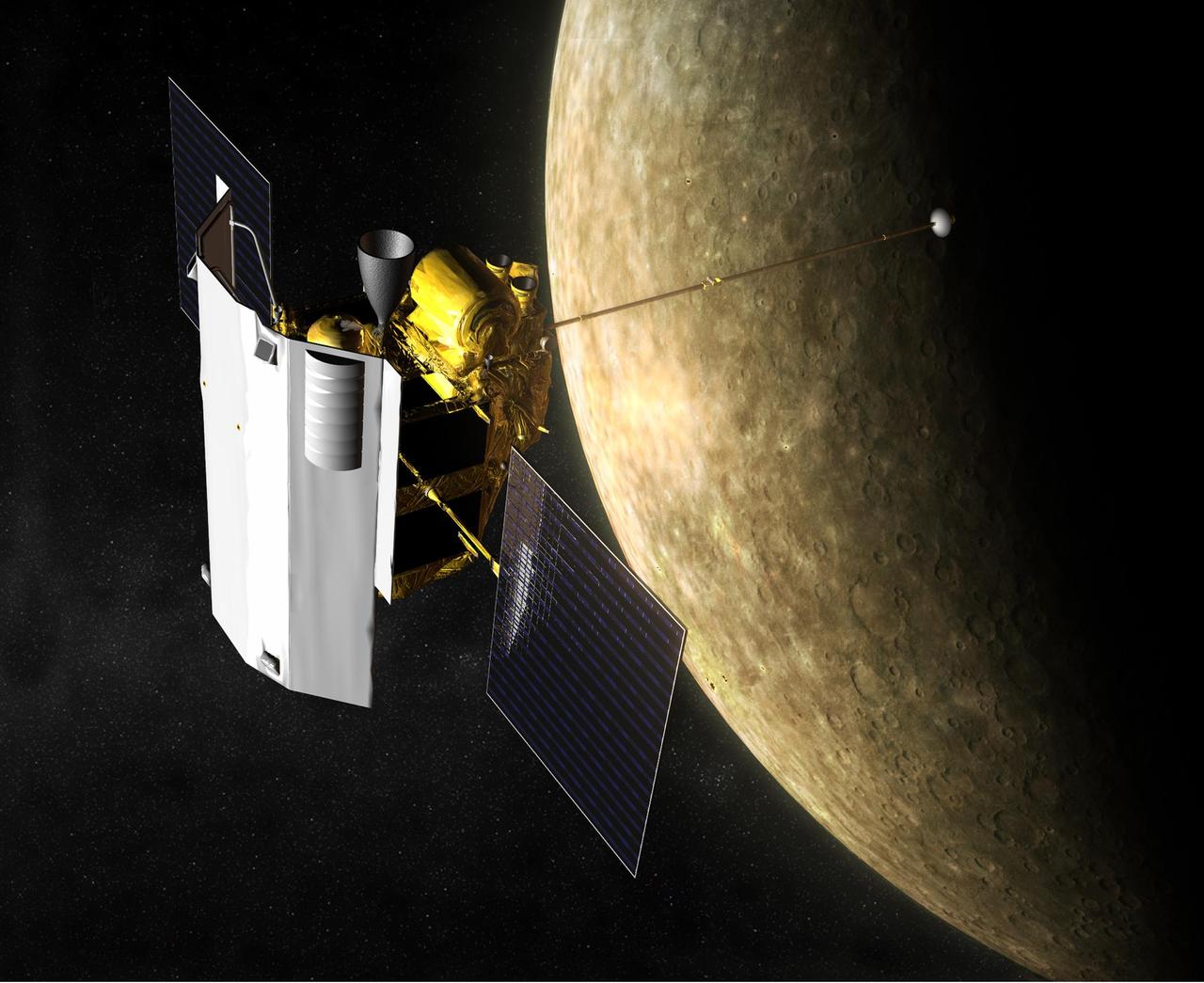
BepiColombo Sheds Its Transfer Module, Opening the Riskiest Phase of the Mercury Mission
On Sept. 3, ESA's Mercury Transfer Module separates from BepiColombo's two science orbiters, opening a sequence ESA calls among the most demanding it has ever run before November's orbit insertion.
-
NASA & Agencies
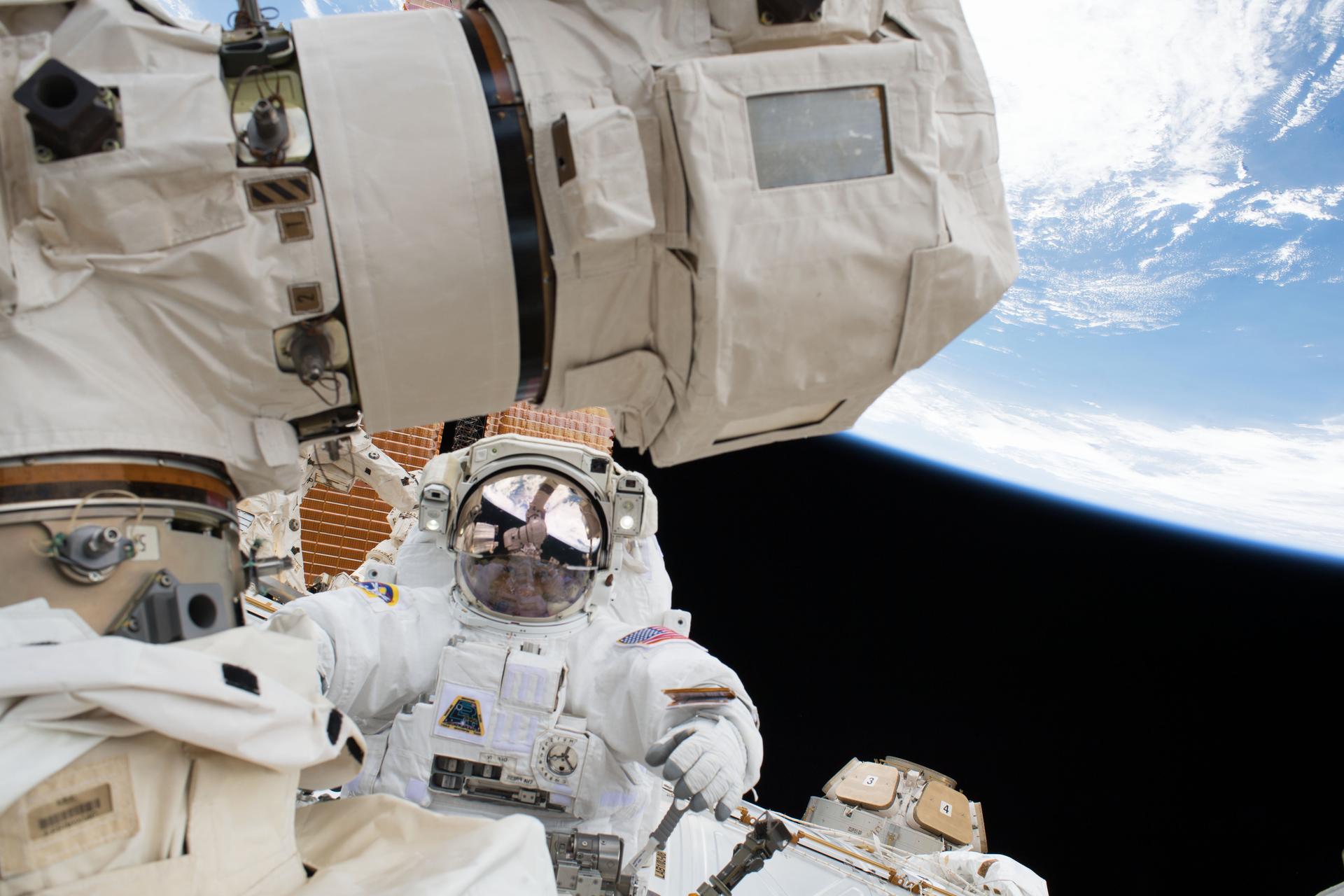
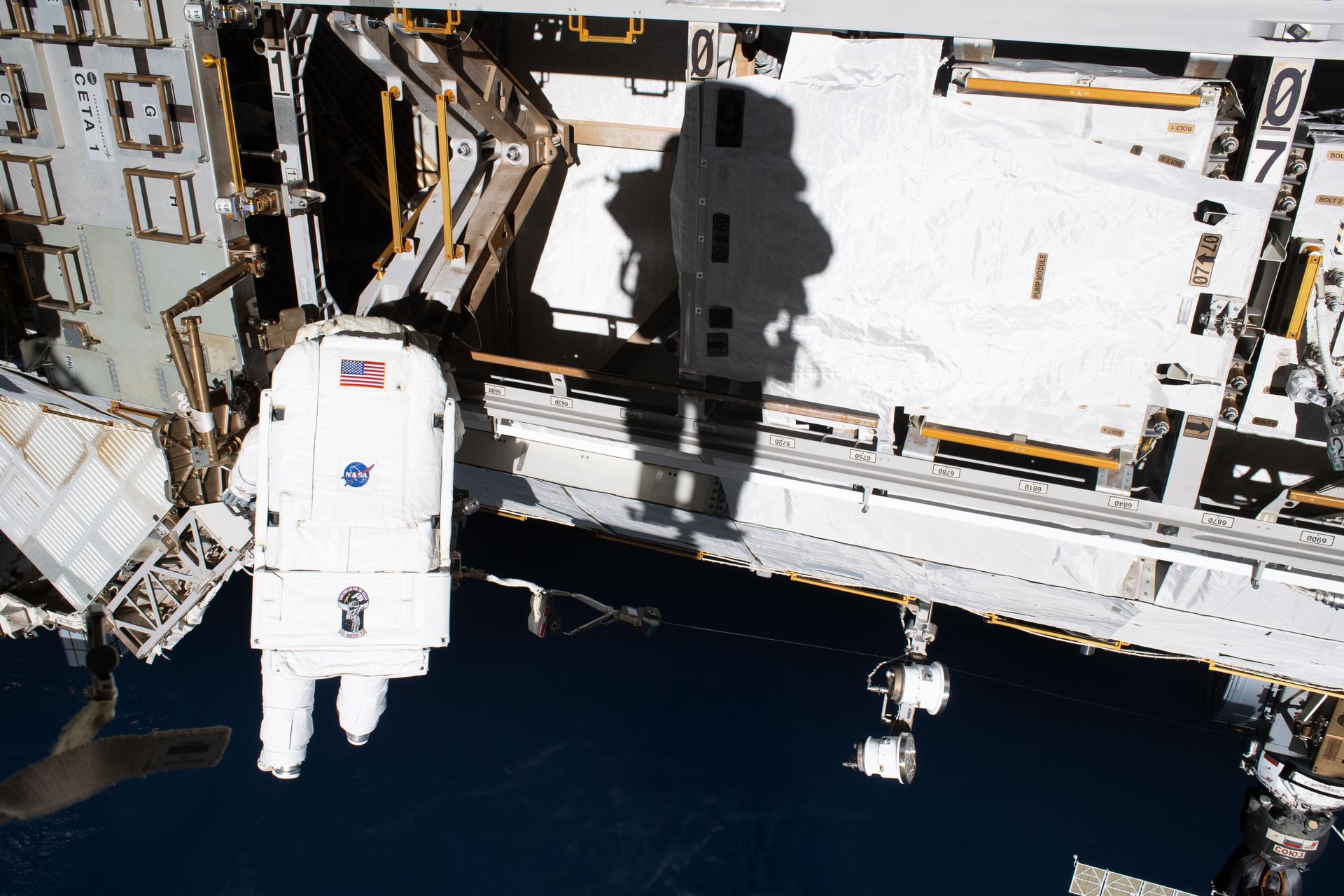
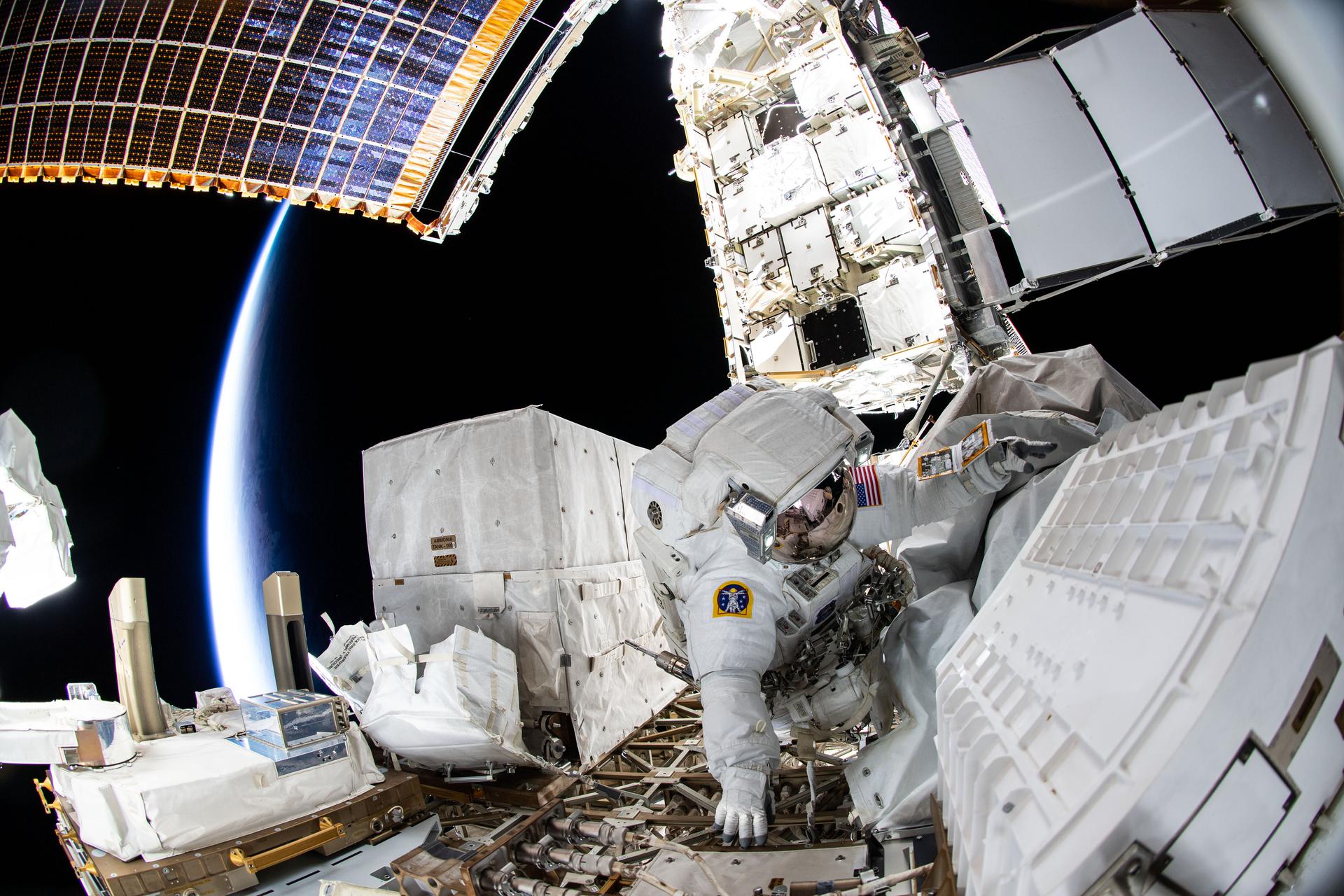
Meir and Adenot Step Outside for U.S. Spacewalk 99, the Sixth All-Female EVA in History
NASA's Jessica Meir and ESA's Sophie Adenot spent 6.5 hours outside the ISS on Sept. 1, 2026, swapping hardware on Harmony and the truss in the sixth all-female spacewalk ever flown.
-
Commercial
OHB Wins Nearly €1 Billion to Build IRIS²'s First 18 Satellites as Europe's Sovereign Network Moves to Hardware
Germany's OHB landed a nearly €1 billion SES contract to build all 18 IRIS² medium-Earth-orbit satellites, the first hardware award since the EU's sovereign connectivity program signed its implementation agreement in early August.
-
Missions
Station Boosts Orbit and Repairs Its Comm Link as ISS Preps for a September Spacewalk
NASA and ESA astronauts finished a two-part antenna repair spacewalk while Cygnus XL fired its engine for 21 minutes to reboost the ISS ahead of a Progress 96 docking and a third EVA in September.
-
NASA & Agencies
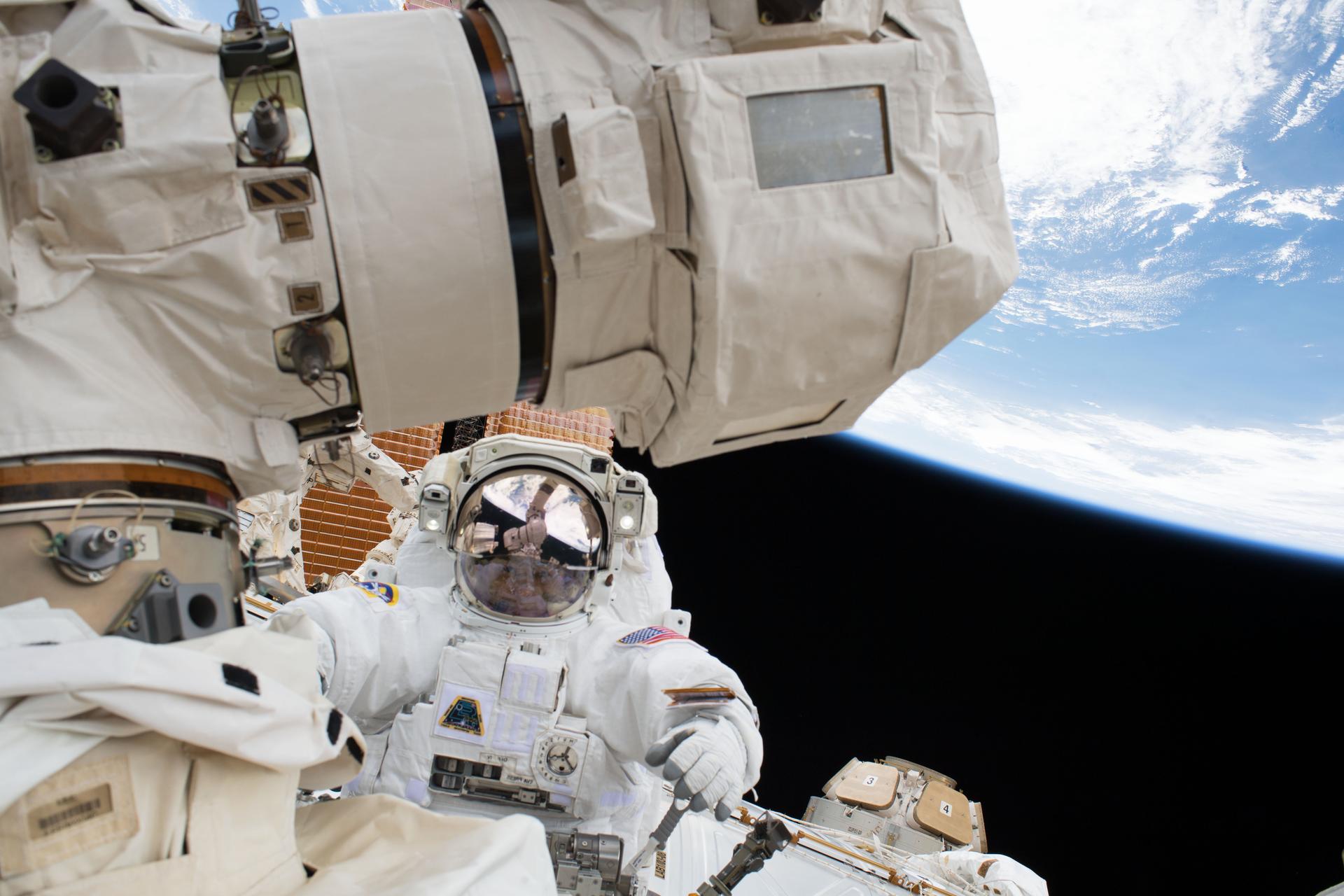
Astronauts Pull a Dead Antenna Off the ISS — But the Spare Will Have to Wait
NASA's Anil Menon and ESA's Sophie Adenot, the first French woman to spacewalk, spent over six hours removing a failed ISS antenna on August 18 but ran out of time to bolt in its replacement.
-
NASA & Agencies
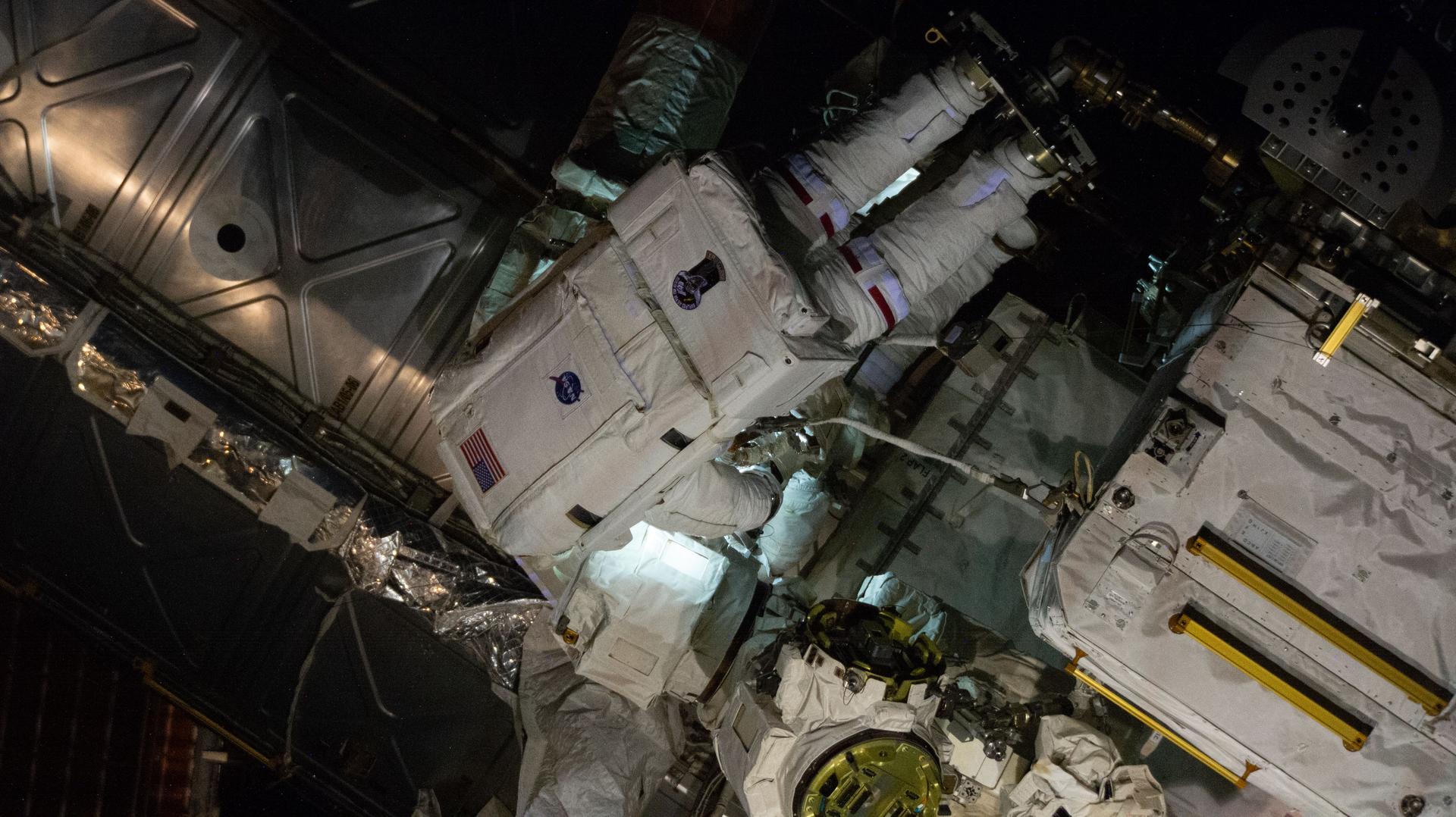
ISS Crew Preps for Aug. 18 Spacewalk to Replace Station's High-Speed Antenna
NASA's Anil Menon and ESA's Sophie Adenot are set for Aug. 18's U.S. Spacewalk 97 to swap a Z1 truss antenna that carries the station's high-speed link to Mission Control — Adenot's first EVA and a first for a French woman.
-
Science & Discovery
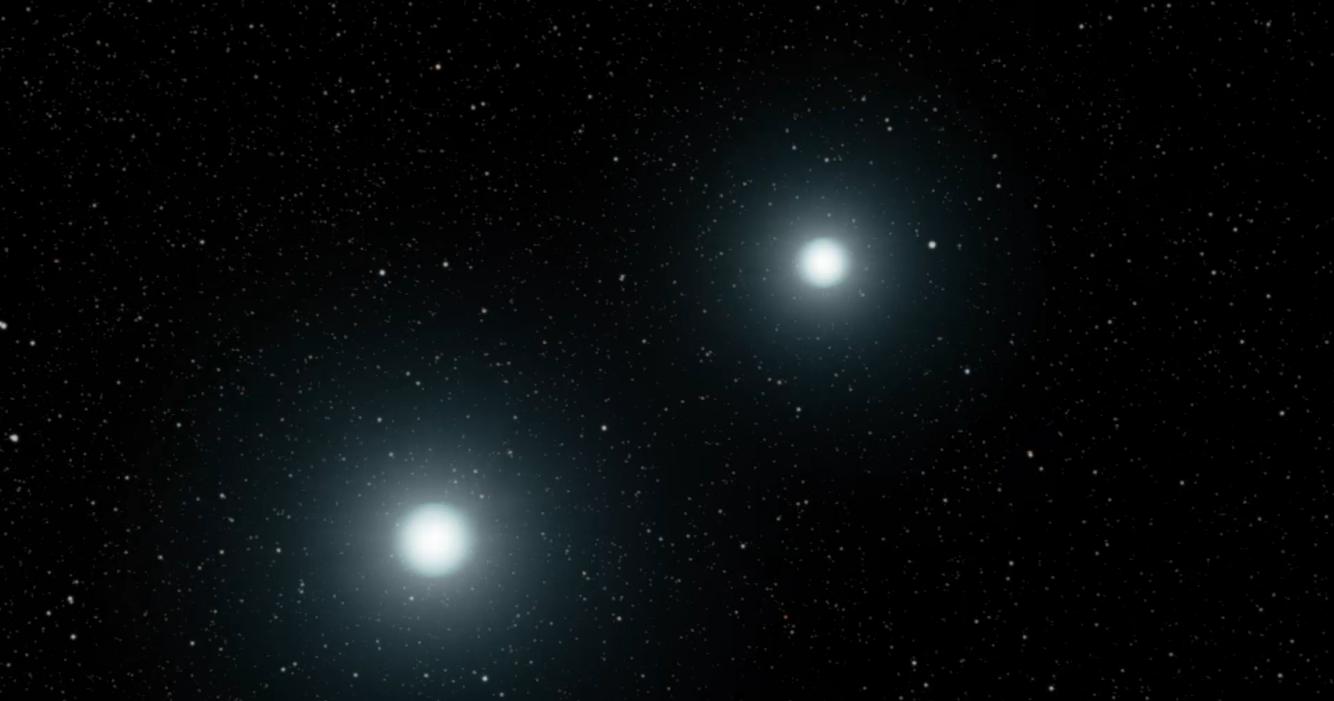
This 374-Second Binary Is Losing Energy Faster Than Any White Dwarf Pair We Know
A newly timed ultracompact white dwarf binary toward the Large Magellanic Cloud is spiraling inward faster than any comparable system on record, making it a leading calibration target for the future LISA gravitational-wave observatory.
-
NASA & Agencies
Station Crew Preps for Three-Agency Spacewalk to Swap Out a Balky Antenna
NASA says Expedition 75's Anil Menon and ESA's Sophie Adenot will step outside the ISS on August 18 for a 6.5-hour spacewalk to replace a space-to-ground antenna on the Z1 truss.