European Space Agency
Every Cosmic Herald story on European Space Agency — missions, launches, discoveries, and the business of space, newest first.
-
NASA & Agencies
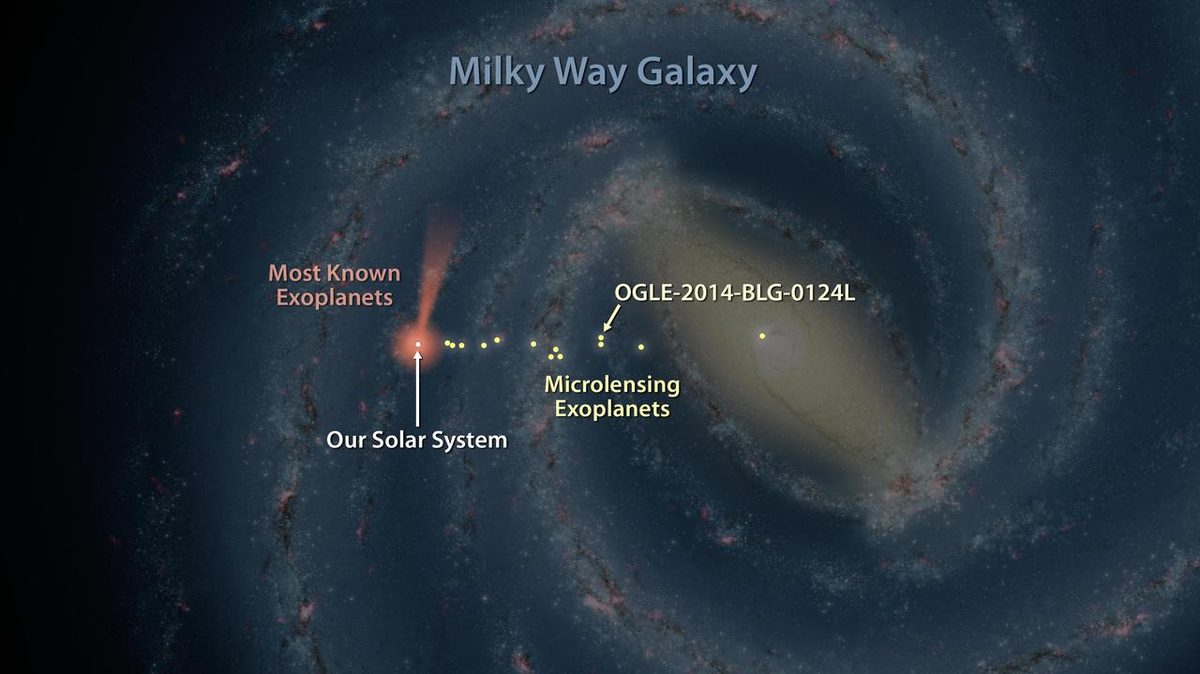
ESA is building a telescope just for exoplanet atmospheres. Ariel will change what we know.
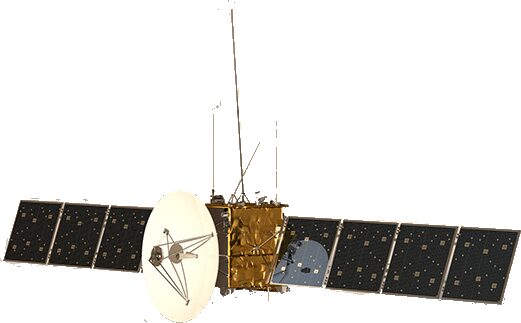
The European Space Agency's Ariel mission — the Atmospheric Remote-sensing Infrared Exoplanet Large-survey — is designed to systematically characterize the atmospheres of hundreds of exoplanets in a single mission. It's the first telescope built specifically to answer the question: what are other planets made of?
-
Astronomy
Astronomers can't agree on how old the universe is. That's actually exciting.
Two different methods of measuring the expansion rate of the universe give two different answers — and the gap between them is too large to be a measurement error. Known as the Hubble tension, this disagreement might be pointing toward new physics that nobody has found yet.
-
Missions
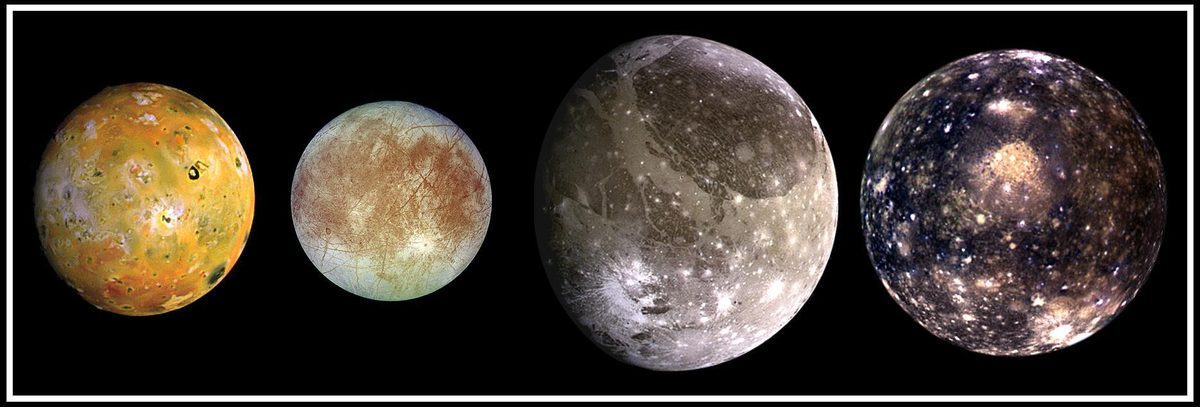
ESA's JUICE mission is on its way to Jupiter. The science starts long before arrival.
The Jupiter Icy Moons Explorer — JUICE — is now on a seven-year trajectory to the Jovian system. Its mission is ambitious: orbit Jupiter, make close flybys of Callisto and Europa, then slip into orbit around Ganymede, the first spacecraft ever to orbit a moon other than our own.
-
Science & Discovery
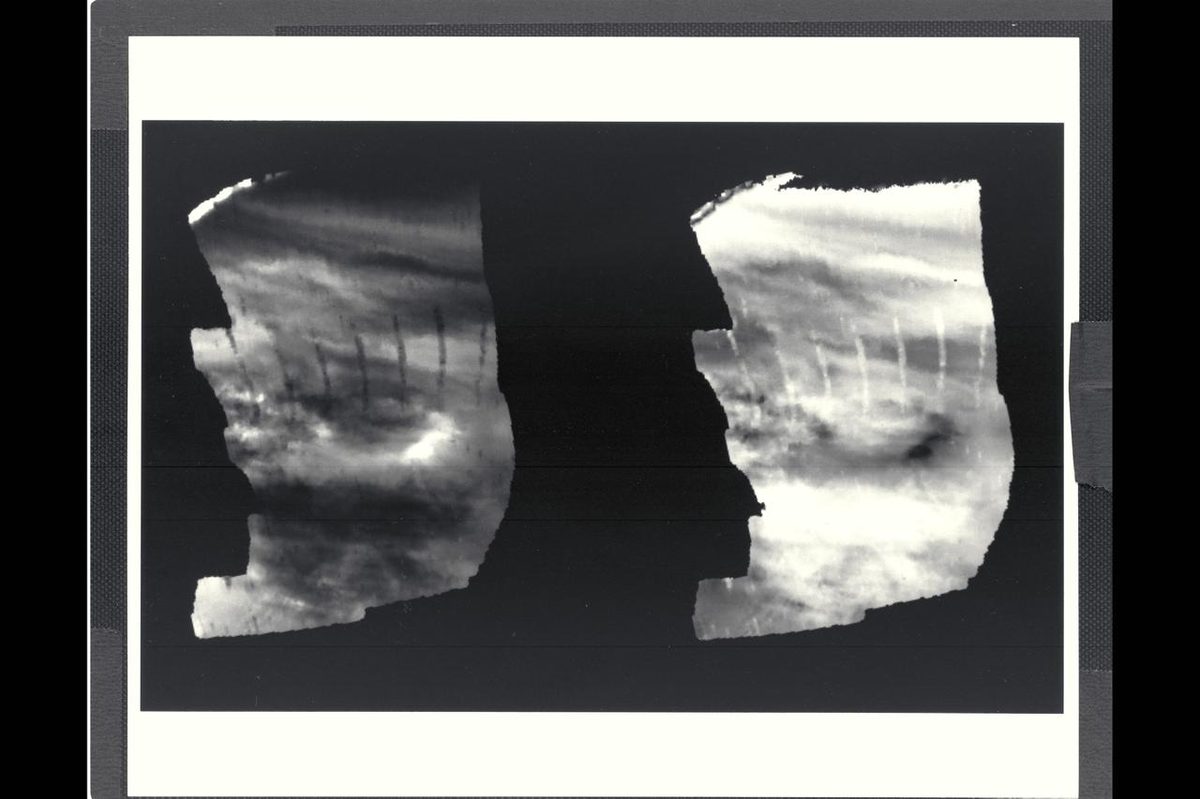
Phosphine on Venus: four years later, what the research actually says
The 2020 claim that phosphine — a potential biosignature gas — had been detected in Venus's atmosphere sparked one of the most contentious debates in recent planetary science. Years of follow-up observations and analysis have clarified the picture, though not fully resolved it.
-
Science & Discovery
The Sun is at its most active in two decades. What solar maximum actually means.
Solar Cycle 25 has been more active than forecasters predicted, delivering some of the strongest geomagnetic storms in years and producing aurora visible at unusually low latitudes. What solar maximum means for technology, satellites, and power grids — and how we prepare — is more relevant now than it has been in a generation.
-
Science & Discovery
How black holes actually grow: new X-ray observations are filling in the picture
Black holes grow by consuming nearby gas and dust — but the details of how that accretion works, and how it produces the relativistic jets that extend for millions of light-years, are still being worked out. A new generation of X-ray telescopes is catching the process in action.
-
Stargazing
Saturn's rings are nearly edge-on. Here's why that's worth watching.
Saturn's rings appear to open and close as the planet orbits the Sun, presenting a full face every fifteen years or so — and then nearly vanishing as they tilt edge-on. We are approaching one of those disappearing acts. Understanding the geometry, and how to watch it unfold, makes an ordinary telescope into a front-row seat for orbital mechanics.
-
Missions
Solar Orbiter flew closer to the Sun than any imaging spacecraft before it. What it saw was unexpected.
ESA's Solar Orbiter has returned the closest images ever taken of the Sun, revealing thousands of tiny flares — dubbed 'campfires' — across the solar surface. It is also the first spacecraft designed to image the Sun's poles, solving a geometry problem that has frustrated solar physicists for decades.
-
NASA & Agencies
ESA's next decade in space: gravitational wave detectors, exoplanet atmospheres, and Venus.
The European Space Agency's science program for the 2030s includes LISA (a space-based gravitational wave observatory), Ariel (systematic exoplanet atmosphere survey), and EnVision (a Venus orbiter). Together they address three of the biggest open questions in astrophysics.
-
Missions
After seven years of flying past planets, BepiColombo has finally reached Mercury
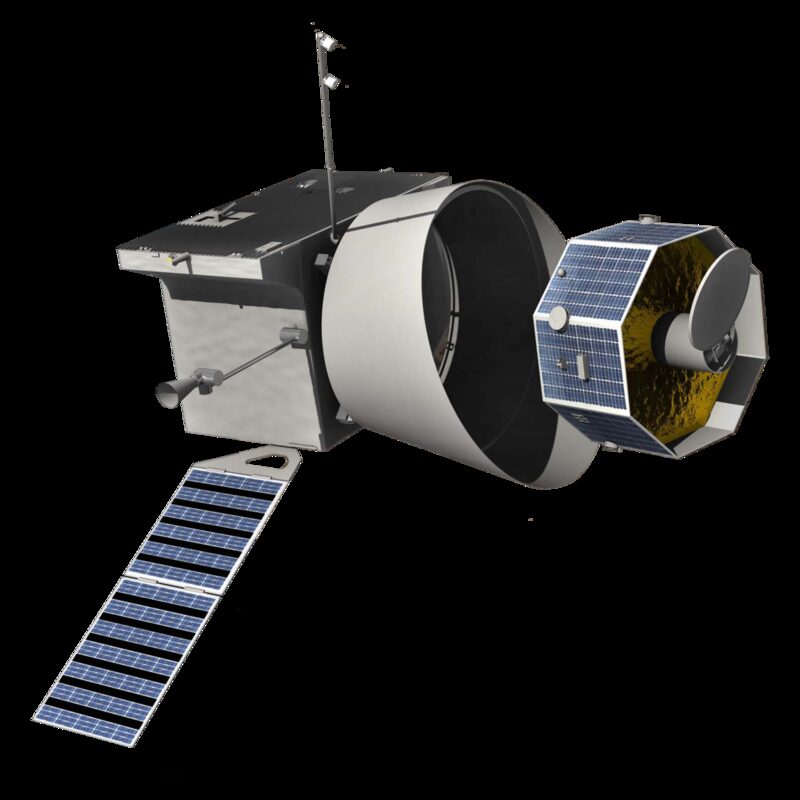
ESA and JAXA's BepiColombo mission spent seven years threading gravity assists around Earth, Venus, and Mercury before finally entering Mercury orbit in late 2025. Now its two orbiters are mapping the innermost planet's magnetic field, geology, and interior with unprecedented precision.
-
NASA & Agencies
ESA's JUICE is threading five planetary flybys to reach the most interesting moons in the solar system
Launched in April 2023, JUICE — Jupiter Icy Moons Explorer — will arrive at Jupiter in 2031 after a gravity-assist marathon. Its destination is Ganymede, where it will become the first spacecraft ever to orbit a moon other than our own.
-
Astronomy
The Milky Way's skeleton is made of ghost stars — and Gaia is mapping every one
Gaia has revealed dozens of stellar streams threading through the galaxy — thin ribbons of stars from ancient satellite galaxies and globular clusters torn apart over billions of years. Astronomers are now reading them for evidence of dark matter and the Milky Way's violent past.