European Space Agency
Every Cosmic Herald story on European Space Agency — missions, launches, discoveries, and the business of space, newest first.
-
Missions
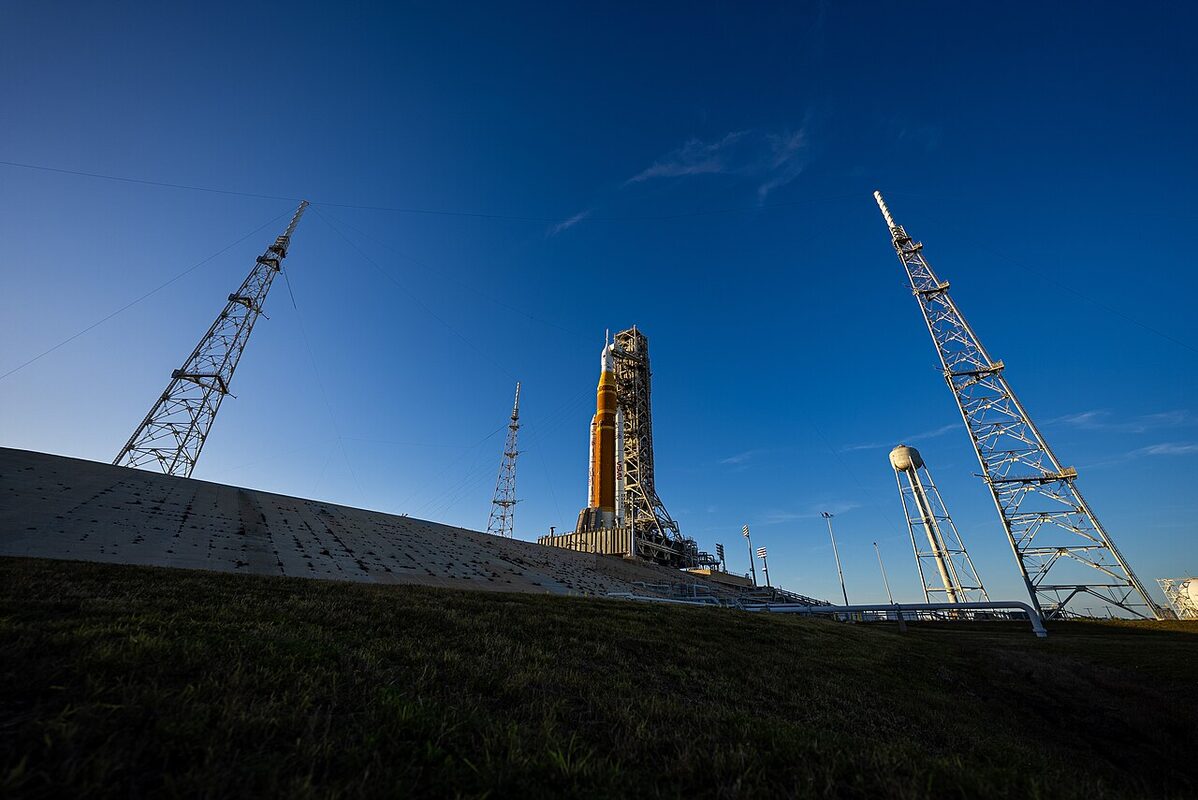
Still to Fly in 2026: Roman, a Moon-Lander Wave, India's Crew Capsule Test, and Japan's Phobos Grab
Artemis II is done — but 2026's manifest isn't. NASA's Roman Space Telescope launches August 30, four lunar landers chase year-end windows, Gaganyaan-1 rehearses India's first crewed flight, and JAXA's MMX departs for Phobos. What's still scheduled, what slipped, and which dates to believe.
-
Missions
In 2029 an asteroid will pass closer than our satellites — and two spacecraft will be waiting
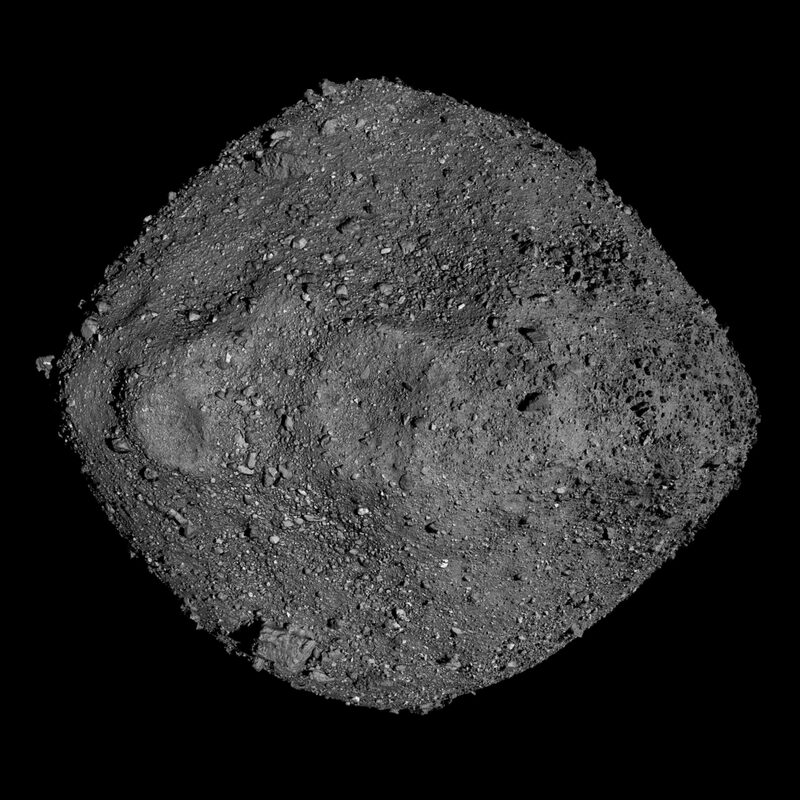
On April 13, 2029, the asteroid Apophis will skim just 32,000 kilometres above Earth, visible to the naked eye for billions of people. It will miss us — but NASA and ESA are sending spacecraft to watch what Earth's gravity does to it, a free experiment in planetary defense.
-
Astronomy
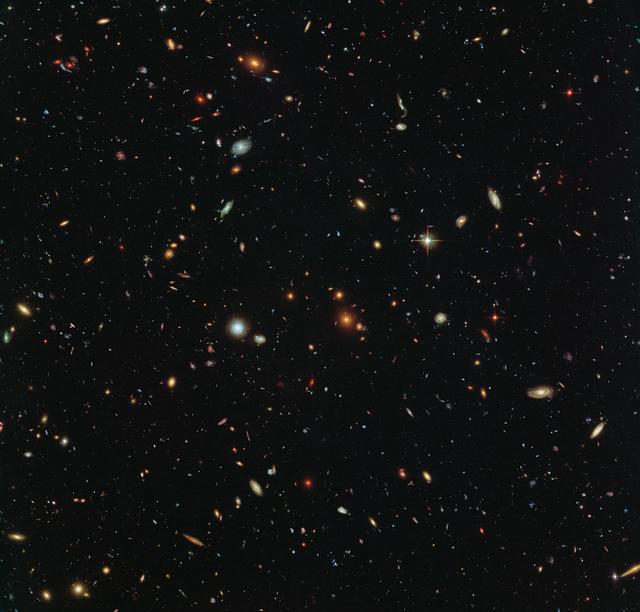
Europe's 'dark universe detective' is building a 3D map of the invisible cosmos
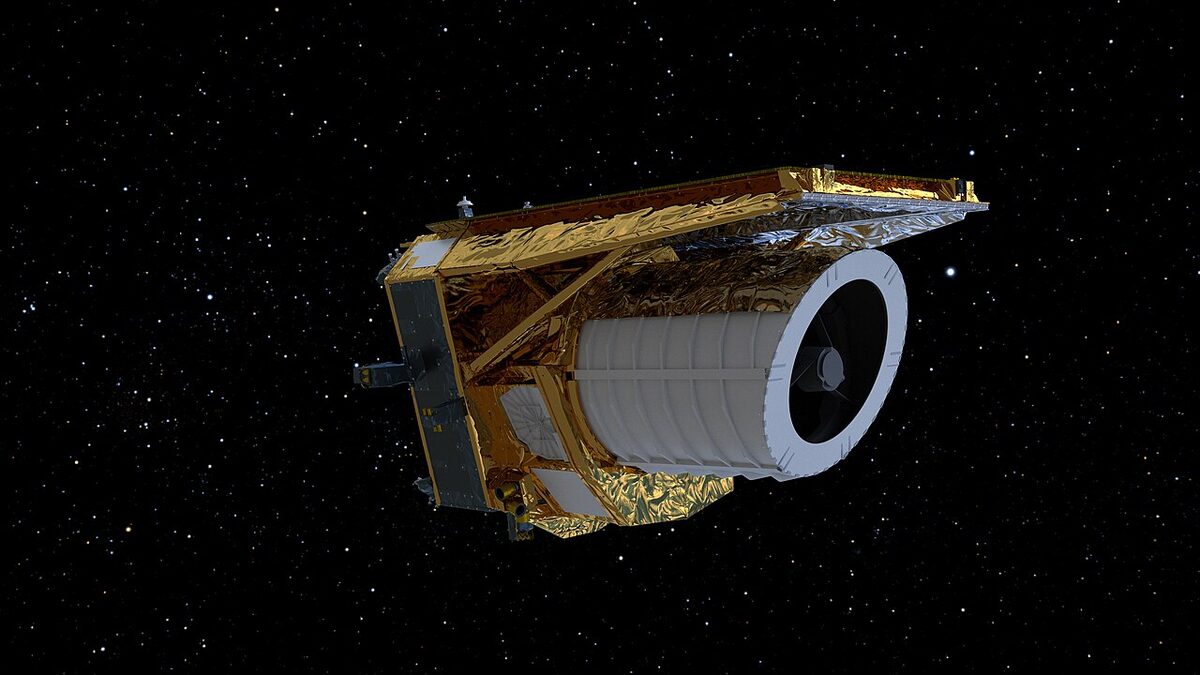
Most of the universe is made of things we cannot see — dark matter and dark energy. ESA's Euclid telescope is surveying billions of galaxies across ten billion years of history to map that invisible scaffolding, with its first major cosmology data release due this October.
-
NASA & Agencies
The orbital junkyard is getting dangerous — and the first cleanup missions are flying
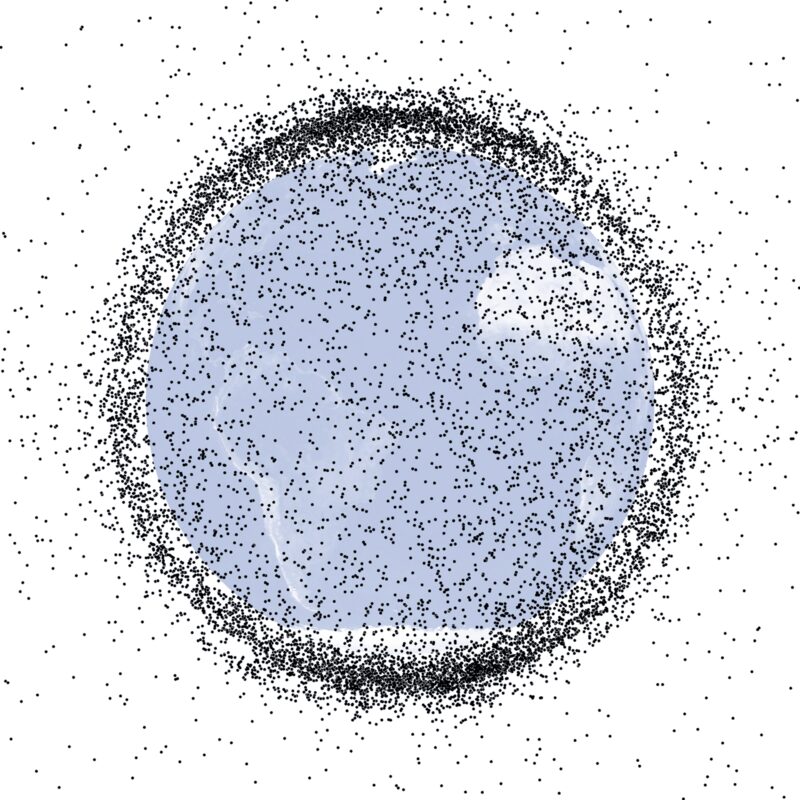
Low Earth orbit is filling with dead satellites and shattered debris moving at bullet speeds. After years of warnings, the first missions designed to grab and de-orbit junk are now reaching space, led by Europe's ClearSpace and Japan's Astroscale.
-
Missions
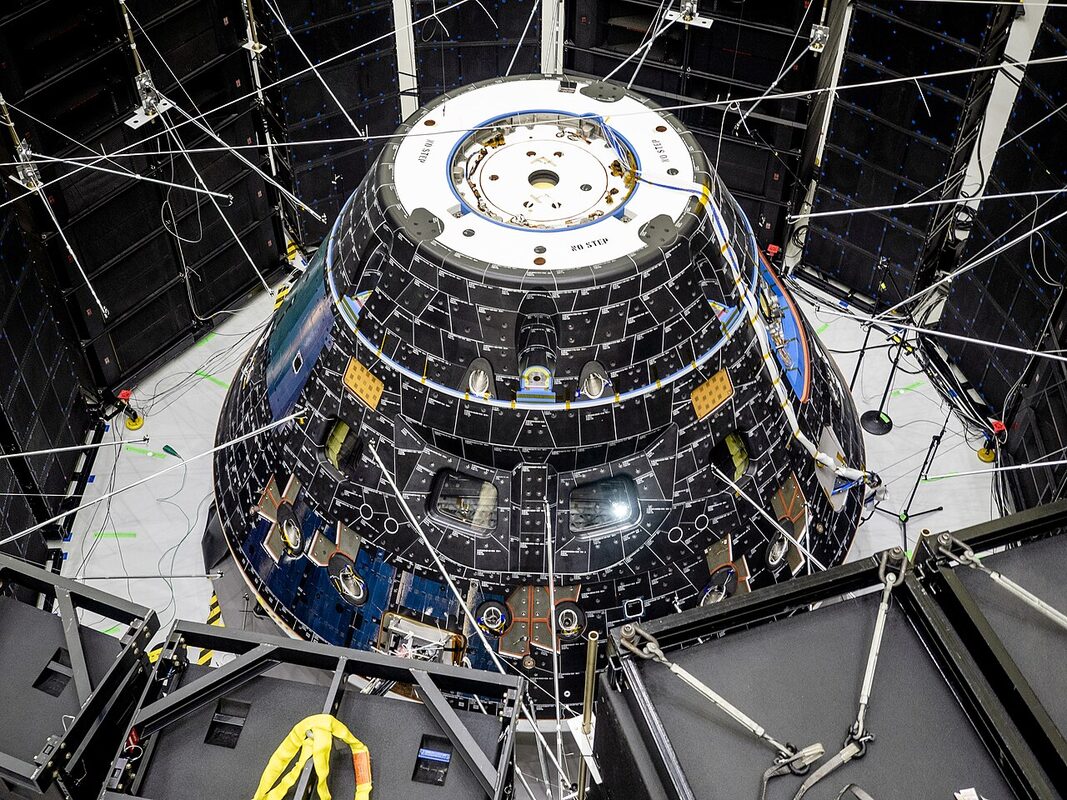
Meet the Artemis III crew: a record-holder, a European pilot, and a mission that isn't a landing
NASA has named the four astronauts assigned to Artemis III — Randy Bresnik, Luca Parmitano, Andre Douglas, and Frank Rubio. The roster is heavy on experience and, for the first time on an Artemis crew, includes a European Space Agency astronaut.
-
Missions
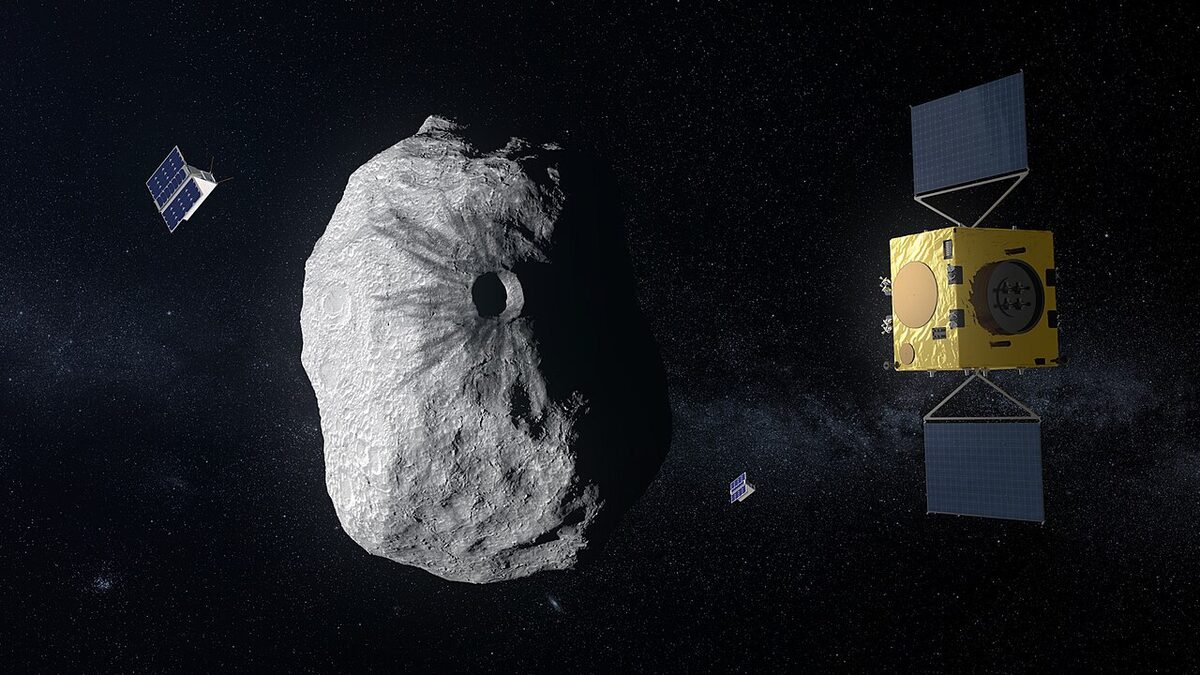
Four years after we punched an asteroid, a spacecraft is arriving to read the bruise
In 2022, NASA's DART probe slammed into the asteroid moonlet Dimorphos and changed its orbit. We know it worked — but not precisely why. ESA's Hera reaches the scene in November to turn a one-off stunt into a measured, repeatable technique.
-
Missions
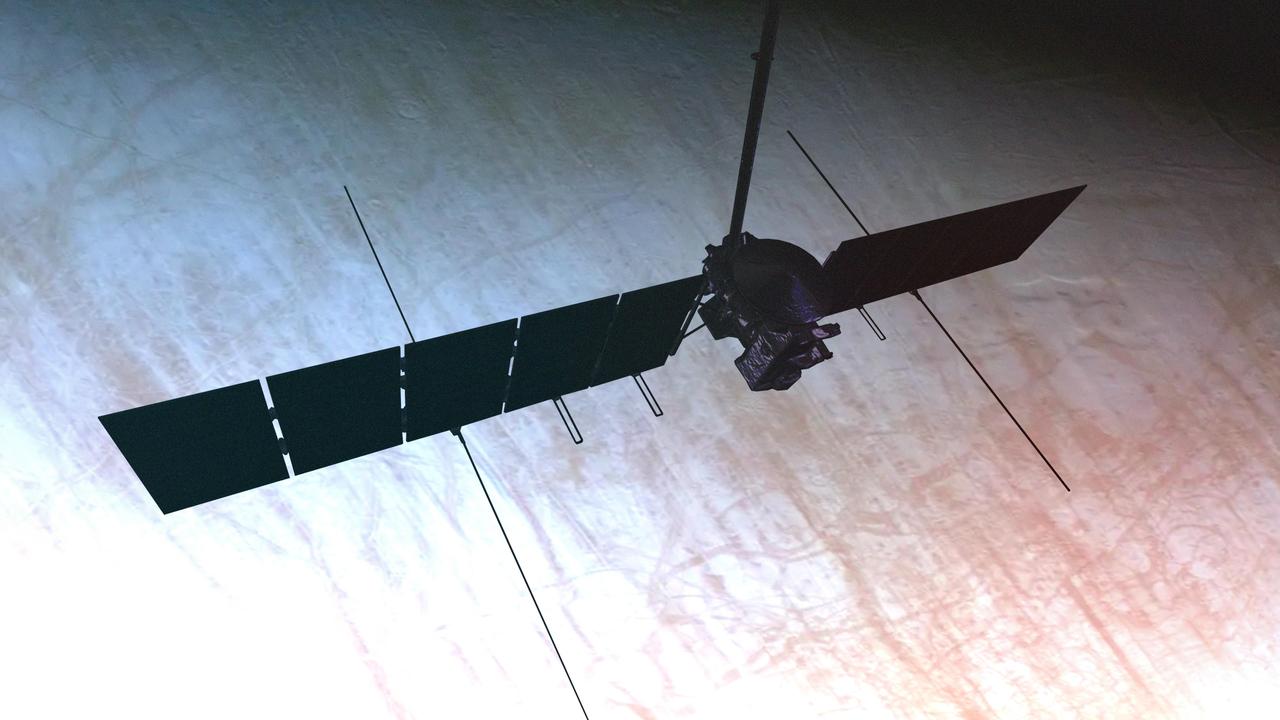
The largest planetary spacecraft NASA ever built is bound for an ocean world
Europa Clipper, launched in 2024, is cruising toward a 2030 arrival at Jupiter, where it will make nearly 50 flybys of the icy moon Europa to judge whether its hidden ocean could support life.
-
Astronomy
Webb finds a black hole that grew too big, too fast, too early
Inside a 'little red dot' just 570 million years after the Big Bang, Webb has caught a supermassive black hole feeding voraciously — and far too large for its host galaxy, deepening a puzzle about early cosmic growth.
-
NASA & Agencies
Mars Sample Return: the architecture, and the reckoning
Bringing Perseverance's cached samples to Earth would be the most complex robotic campaign ever flown. Its cost and schedule have forced NASA into a hard rethink — and, as of 2026, the agency is weighing competing architectures rather than committing to one.
-
Astronomy
Measuring a strain of 10⁻²¹: how gravitational-wave detectors work
LIGO detects spacetime distortions a thousandth the width of a proton across a four-kilometre arm. The instrument is an exercise in suppressing every other effect on Earth — and it has opened a genuinely new way of observing the universe.
-
NASA & Agencies
Who actually runs space? A field guide to the agencies
Spaceflight is now a multipolar, increasingly commercial enterprise, structured as much by alliances as by rockets. A guide to the major agencies — their specialities, their constraints, and the strategic fault lines forming between them.