SpaceX
Every Cosmic Herald story on SpaceX — missions, launches, discoveries, and the business of space, newest first.
-
Commercial
Vast's Haven-1 in 2026: a 3D-printed space station preparing to host orbital manufacturing
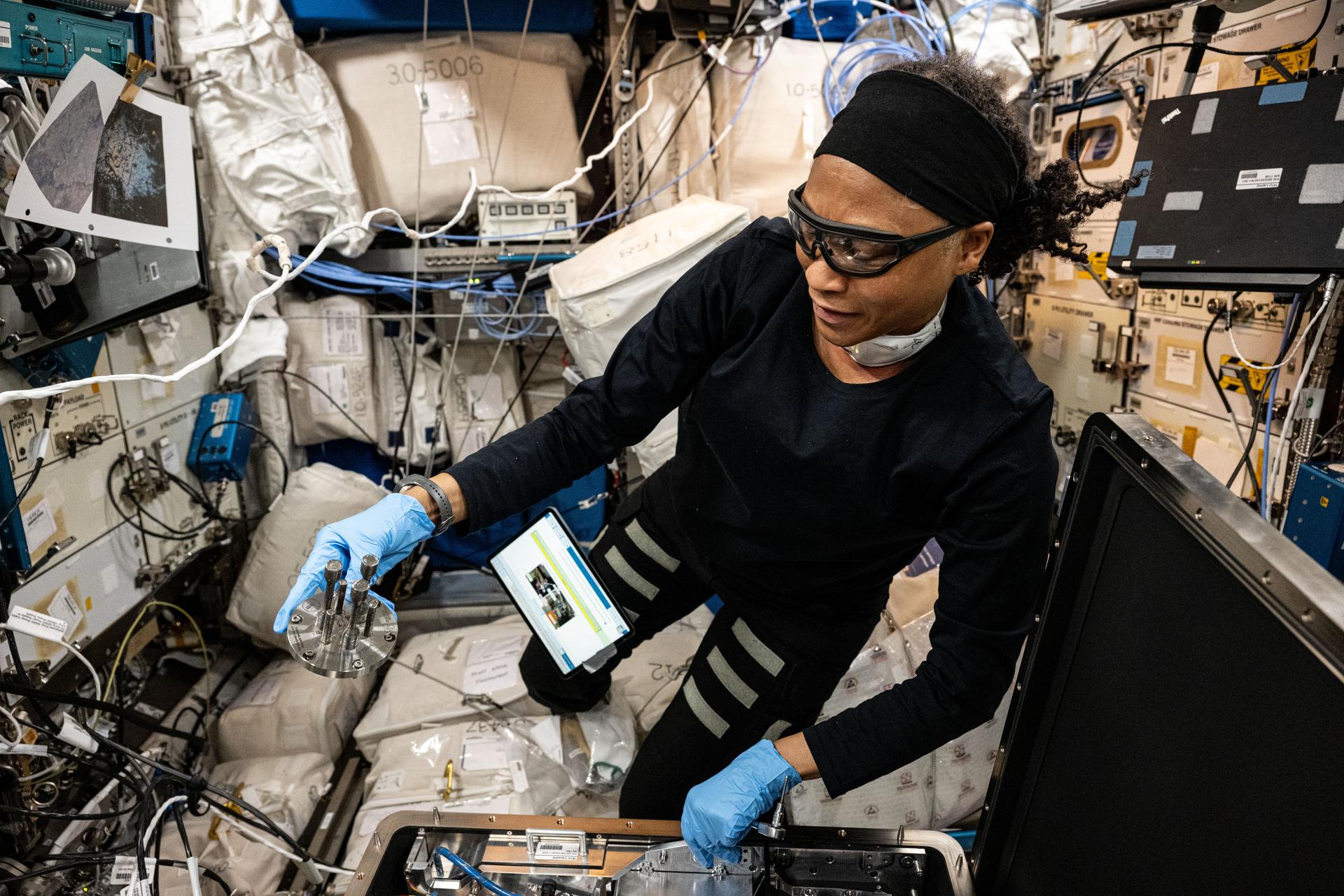
Vast's Haven-1 station is now targeting Q1 2027 after its Haven Demo pathfinder flew 49 test objectives. The single-module outpost carries metal 3D-printed hardware — and its manufacturing network now spans orbital bioprinting, drug crystallization, and pharma production partners.
-
Commercial
Rocket Launch Vehicles Compared: Payload, Cost, and Reusability in 2026
Falcon 9, Falcon Heavy, Starship, New Glenn, Vulcan Centaur, Neutron, Ariane 6, and six more launch vehicles compared on payload, cost per launch, and reusability, including China's Long March 10B, which on July 10 became just the third rocket in history to catch its own booster.
-
Military Space
Space Force Adds Relativity Space and Impulse Space to Its National Security Launch Roster
Space Systems Command has admitted Relativity Space and Impulse Space to the NSSL Phase 3 Lane 1 contract pool, giving the two commercial newcomers a shot at up to $5.6 billion in military launch task orders.
-
Missions
Three Months After Circling the Moon, the Artemis II Crew Comes Home to Kennedy
Reid Wiseman, Victor Glover, Christina Koch, and Jeremy Hansen returned to Kennedy Space Center on July 8 for the first time since their record-breaking lunar flyby, and used the visit to start handing off lessons to the Artemis III crew.
-
NASA & Agencies
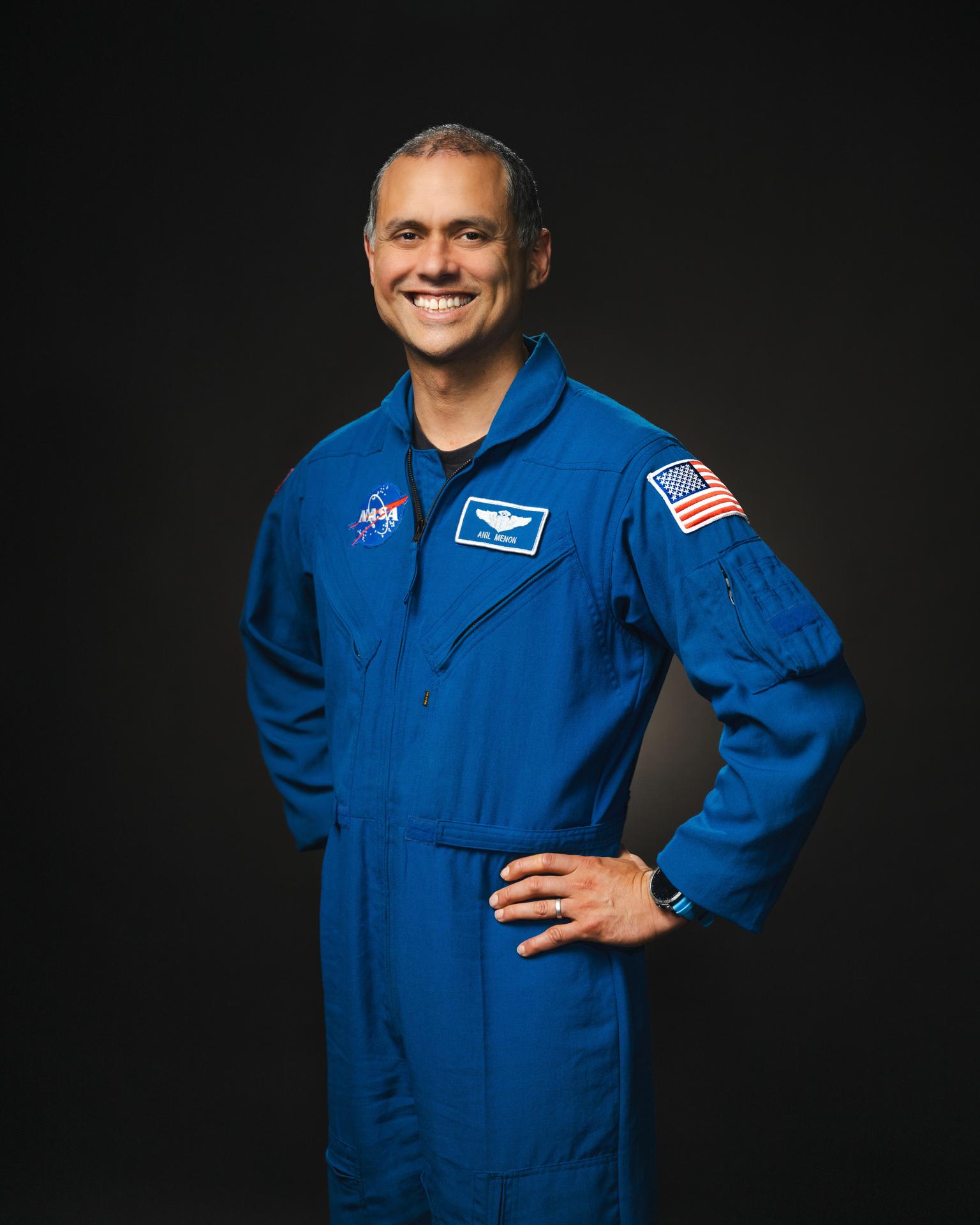
Former SpaceX Flight Surgeon Anil Menon Set for First Launch — on a Russian Soyuz
NASA confirms astronaut Anil Menon, a former SpaceX flight surgeon and Space Force colonel, will make his first spaceflight July 14 aboard Soyuz MS-29, pending a critical spacewalk to fix the ISS robotic arm.
-
Commercial
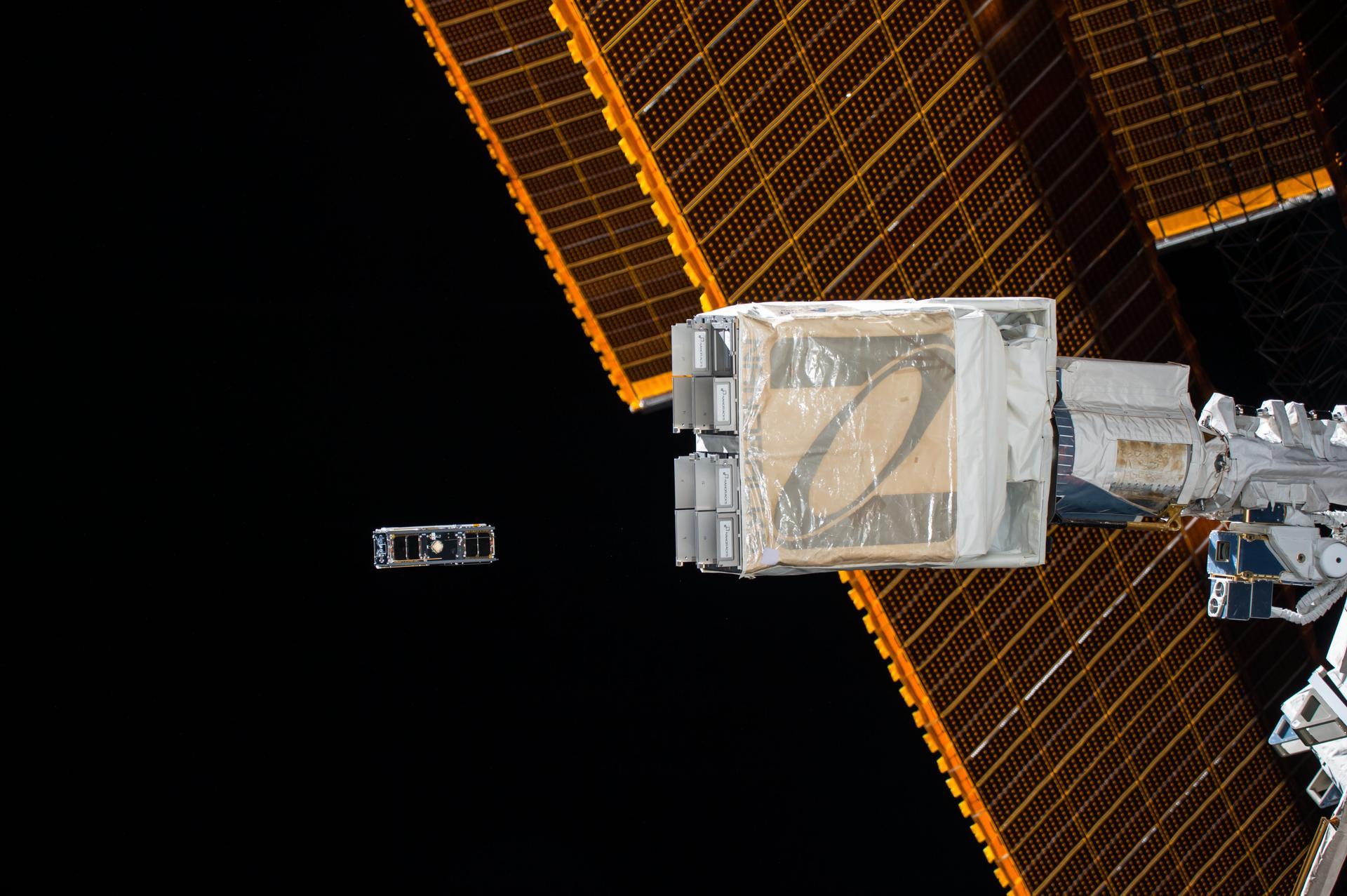
Transporter-17: How Two Student-Built CubeSats Hitched a Ride Among 81 Satellites
SpaceX's Transporter-17 rideshare launched 81 satellites from Vandenberg on July 7, including two NASA-linked CubeSats — GRITSS and MAVERIC — built to sharpen ground-station geodesy and test magnetic navigation.
-
Commercial
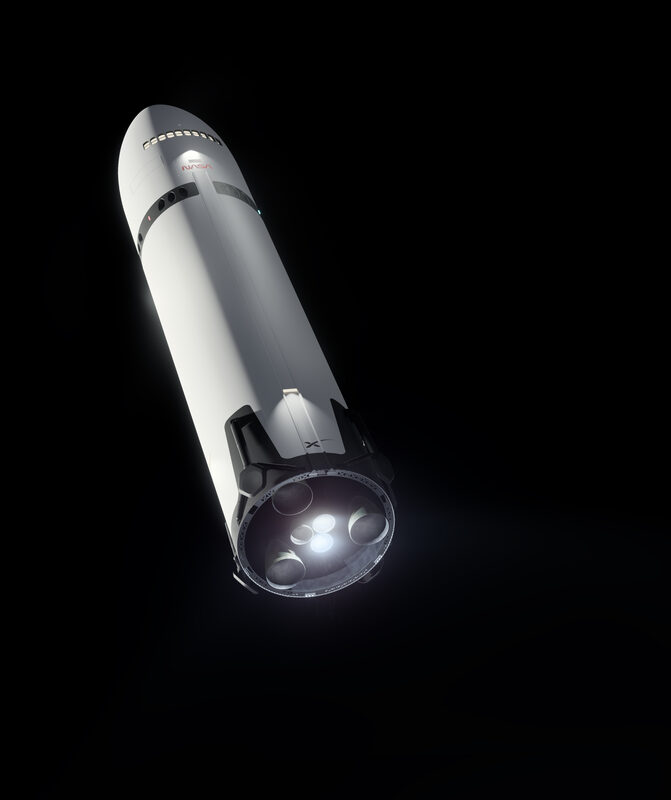
ispace Buys a Ride on Starship, Betting on SpaceX to Cut the Cost of Reaching the Moon
Japan's ispace has purchased 500 kg of Starship cargo capacity for $50 million, launching a new shared-ride lunar delivery service alongside its own Ultra lander program.
-
Military Space
Space Force Adds Impulse Space and Relativity Federal to Its $5.6 Billion Launch Roster
Space Systems Command admitted Impulse Space and Relativity's Relativity Federal to NSSL Phase 3 Lane 1 on July 7, growing the qualified-provider pool to seven and handing each a $5 million task order.
-
Commercial
The World's First Commercial Nuclear-Powered Satellite Just Reached Orbit
Miami-based City Labs flew its tritium-powered BOHR CubeSat on SpaceX's Transporter-17, becoming the first commercial mission to clear the FAA's NSPM-20 nuclear-launch pathway with Sandia's safety sign-off.
-
Commercial
SpaceX's Transporter-17 Sends 81 Satellites—Including Three Wildfire-Spotting FireSats—Into Orbit
A midnight Falcon 9 launch from Vandenberg deployed 81 satellites for five nations, headlined by three FireSat wildfire detectors, a Navy tech demo, an in-space 3D printer, and the UAE's first navigation satellite.
-
Commercial
The Ultimate Egg-Drop Challenge: A Startup Rides SpaceX's Falcon 9 Boosters to Test Manufacturing Chips in Space
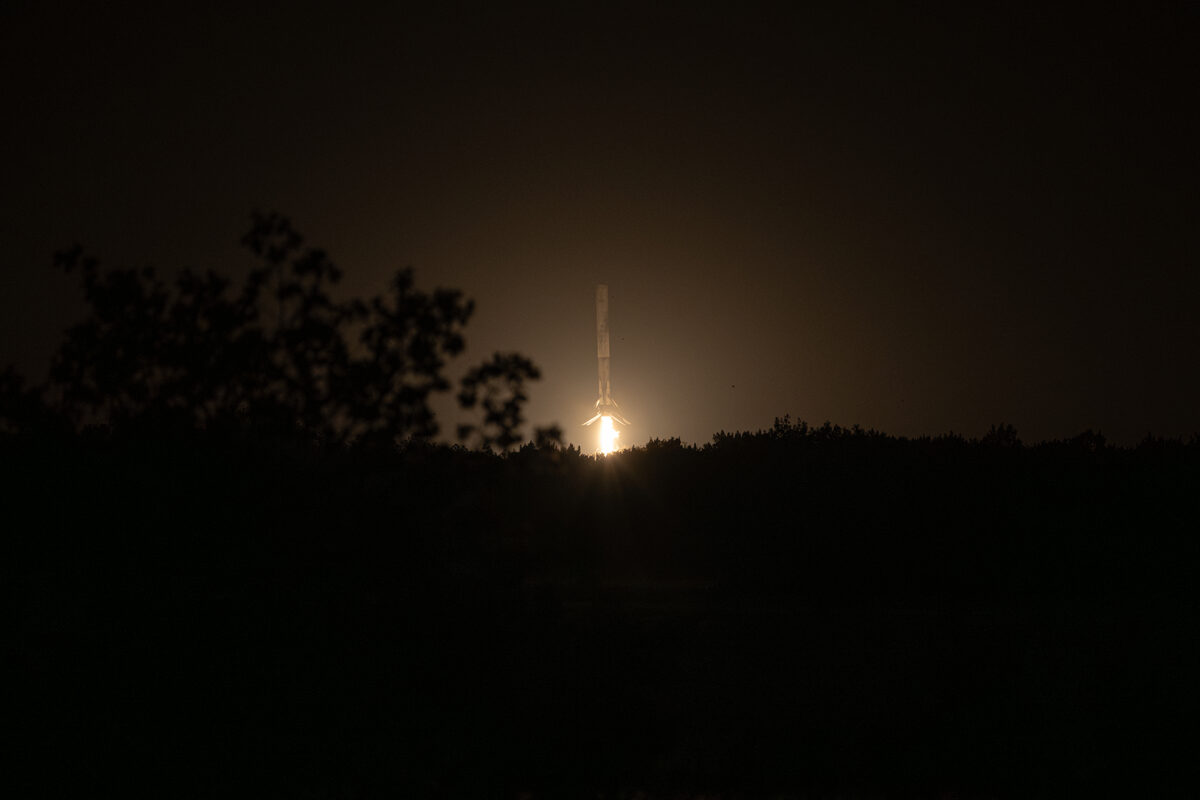
Besxar Space Industries flew two reusable test pods on a Falcon 9 booster's suborbital round trip on July 5, betting that surviving launch vibration and reentry heat is the first step toward manufacturing semiconductors in orbit.
-
Missions
CRS-34 Dragon Heads Home With Bioprinted Tissue and Cancer-Research Cargo
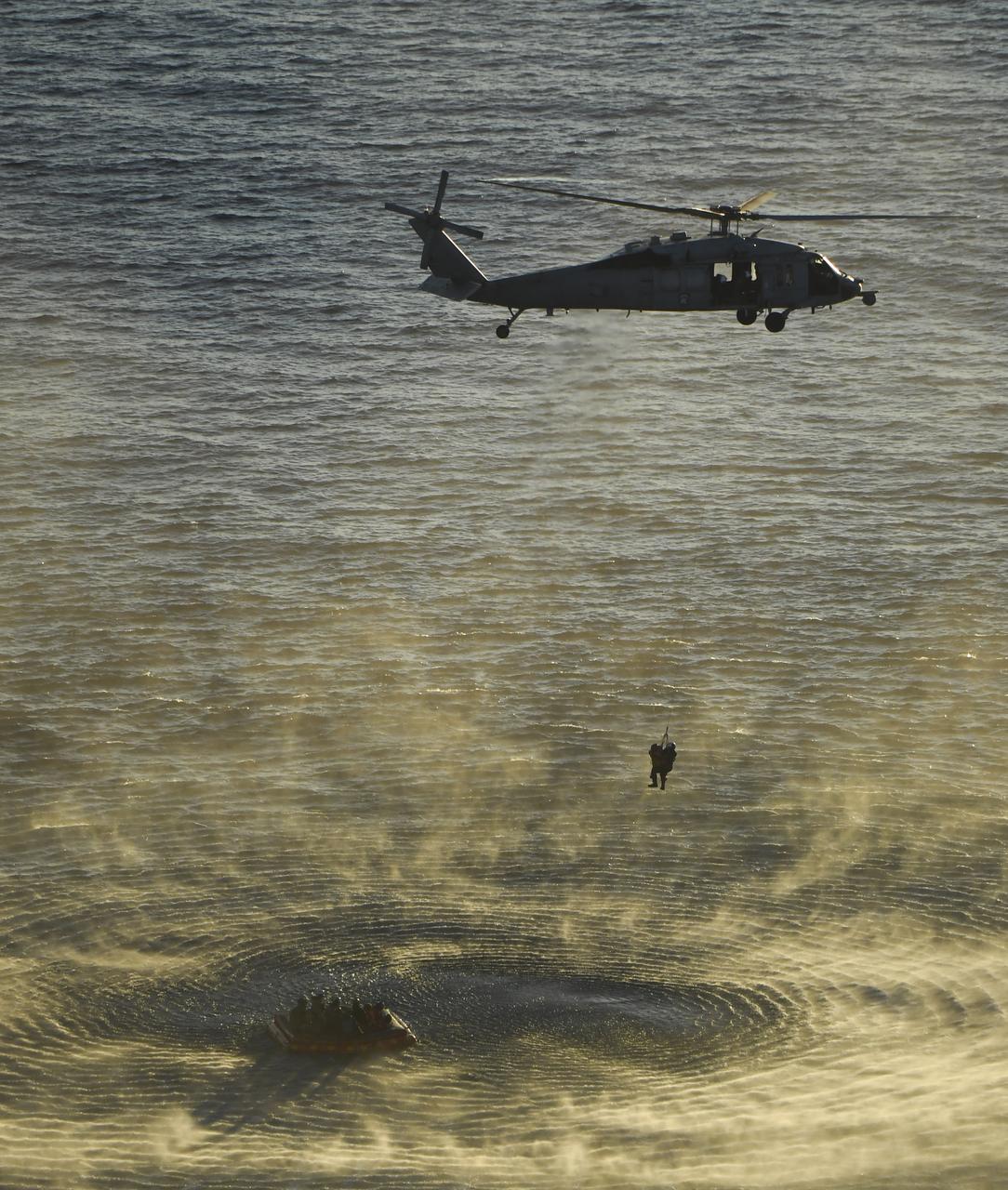
SpaceX's CRS-34 Dragon undocked from the ISS on June 16 and splashed down off California early June 17, carrying thousands of pounds of finished experiments — bioprinted organ tissue, DNA-inspired cancer materials, cryogenic fuel data and more.