SpaceX
Every Cosmic Herald story on SpaceX — missions, launches, discoveries, and the business of space, newest first.
-
Missions
Two Spacewalks to Finish the Station's Power Upgrade With the Last Roll-Out Solar Arrays
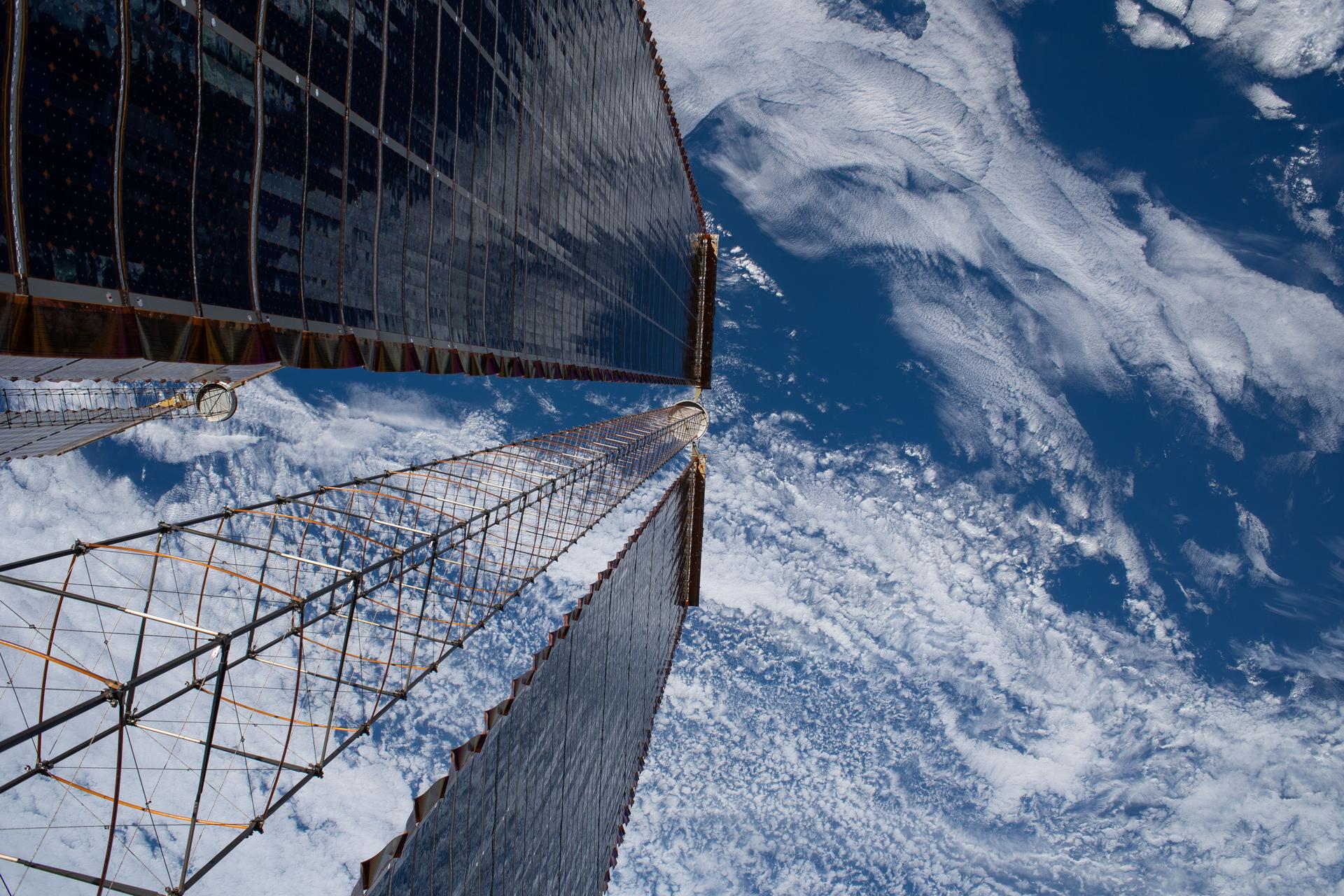
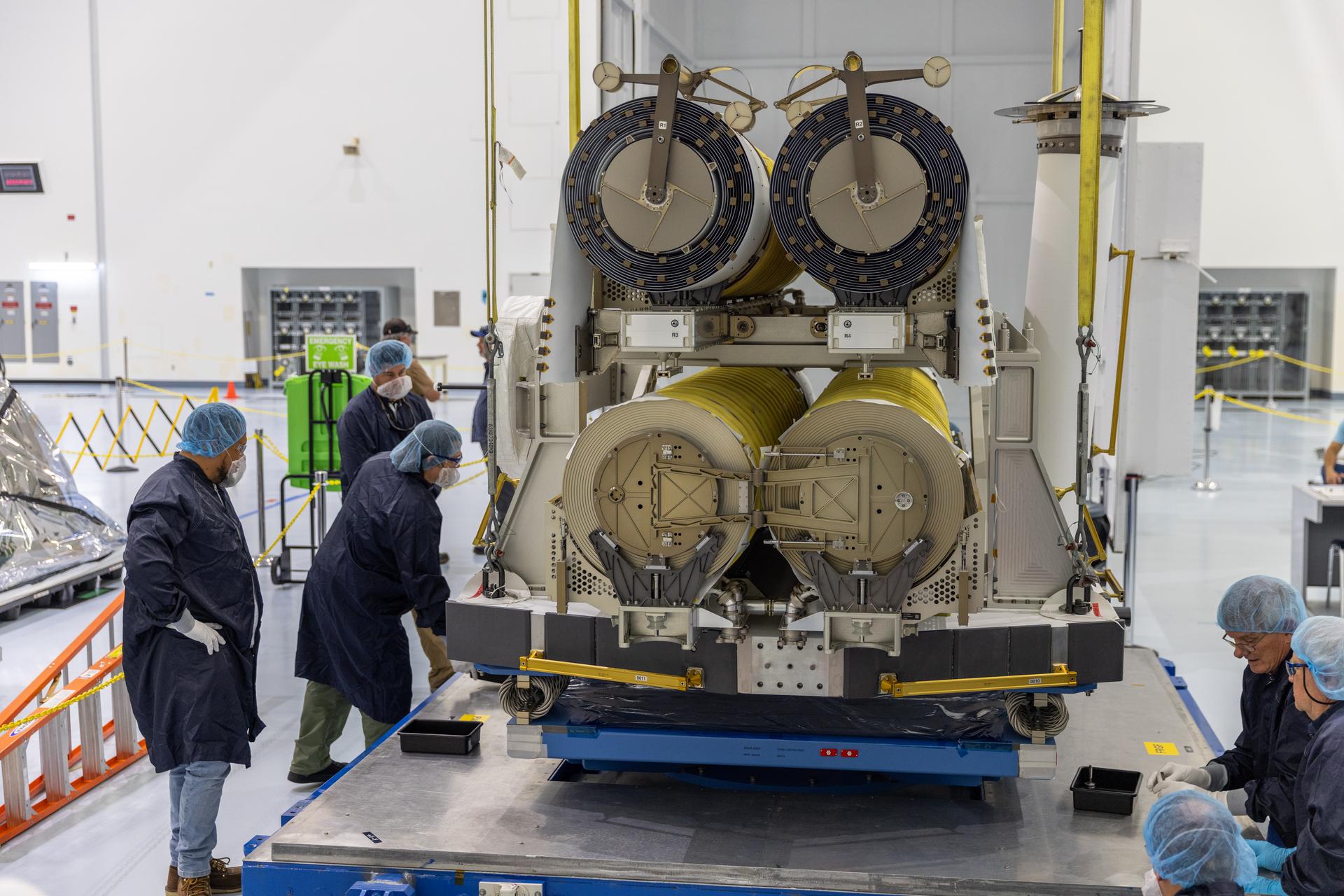
With CRS-35 carrying the final pair of roll-out solar arrays, NASA will preview spacewalks 100 and 101 on Oct. 20, when Anil Menon and Joshua Kutryk are set to install arrays seven and eight and lift ISS power from 160 kW to about 215 kW.
-
Missions
Dragon's 35th Cargo Run Brings the Last ISS Roll-Out Solar Arrays, Targeting an Oct. 13 Launch
NASA and SpaceX are targeting 6:33 a.m. EDT Oct. 13 for CRS-35, a Cargo Dragon carrying more than 6,300 pounds to the ISS, including the last pair of roll-out solar arrays meant to keep the station powered through its controlled deorbit.
-
Missions
Crew-13 Heads to the Space Station: A Second Flight for Watkins and Three Rookies
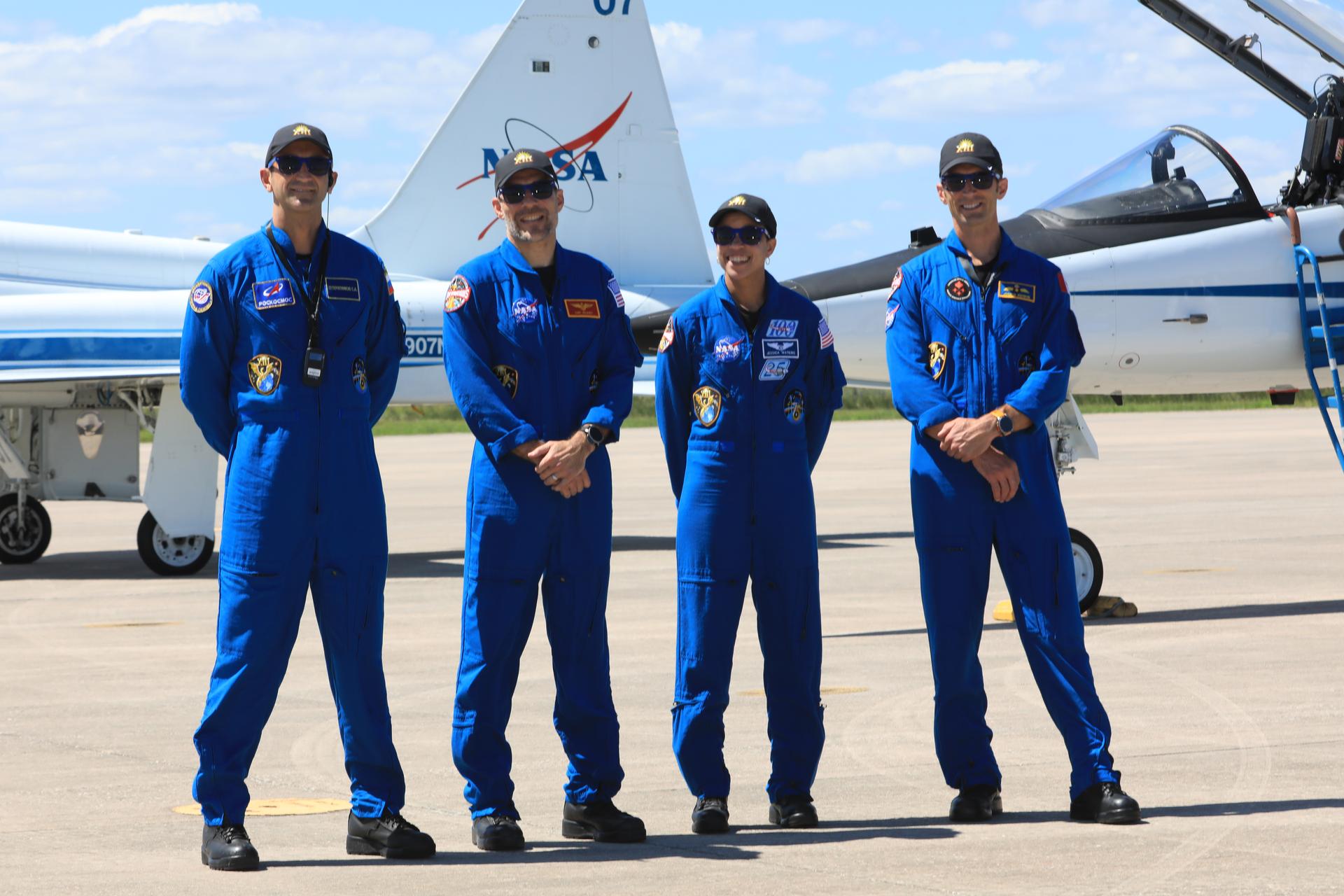
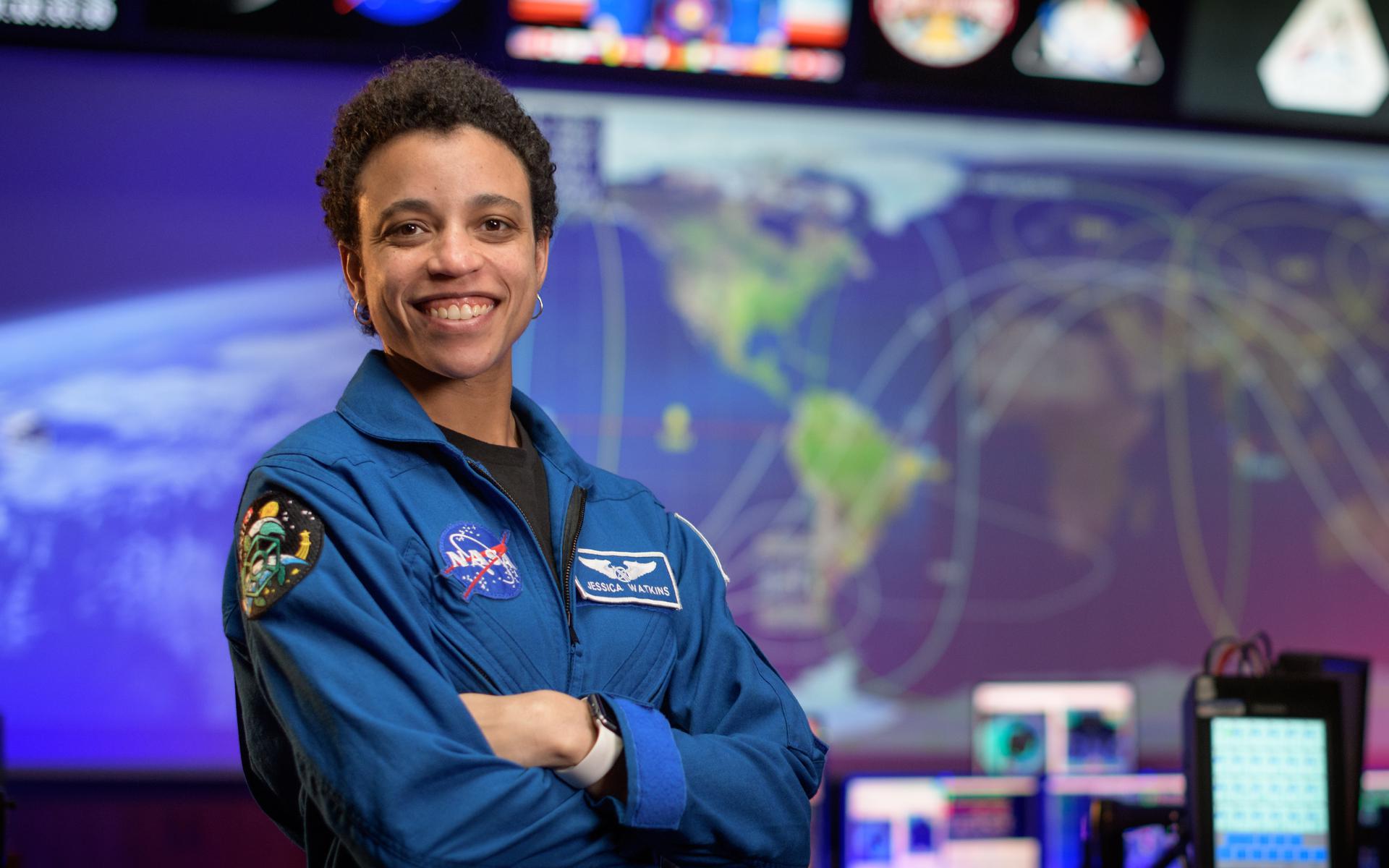
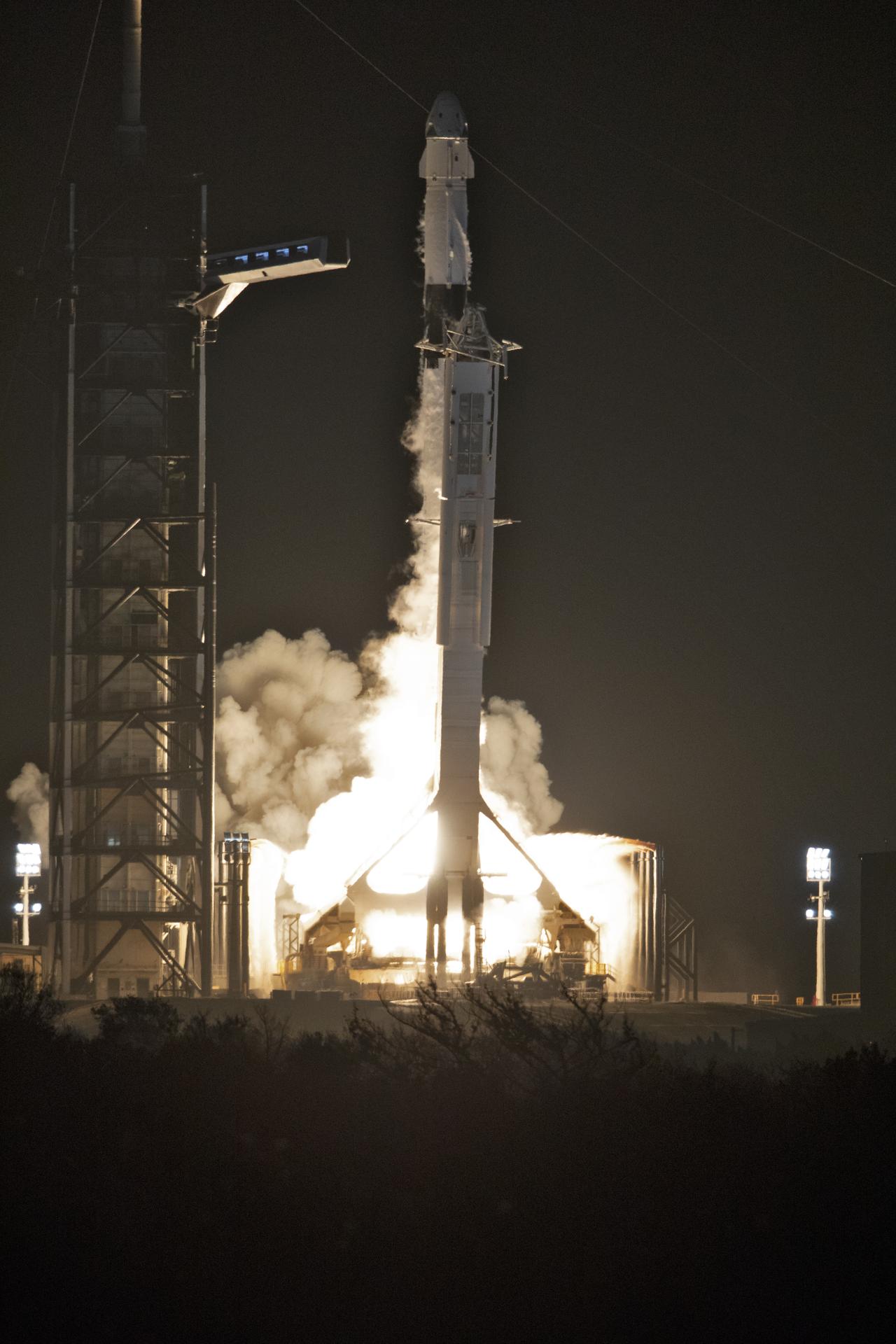
SpaceX Crew-13 launches at 11:10 a.m. EDT Oct. 1 from SLC-40 with Jessica Watkins, Luke Delaney, Joshua Kutryk and Sergey Teteryatnikov for about six months on Expedition 75, after an oxidizer-leak delay from Sept. 12.
-
Missions
Crew-13's Jessica Watkins, Luke Delaney and Crewmates Enter Quarantine Ahead of Oct. 1 ISS Launch
NASA and SpaceX have locked in Oct. 1 at 11:10 a.m. EDT for Crew-13's Falcon 9/Dragon launch to the ISS, after an oxidizer-valve leak pushed the flight past its original Sept. 12 target.
-
Missions
StarBurst Gets a Ride: NASA Books a Falcon 9 Rideshare for Its Neutron-Star-Merger Detector
NASA has booked SpaceX to fly StarBurst, a roughly 300 kg gamma-ray satellite built to catch the first flash of merging neutron stars, on a Falcon 9 Bandwagon rideshare no earlier than 2028.
-
Missions
NASA, SpaceX Push Back Crew-13 Launch After Oxidizer Leak Found on Dragon
A propulsion-system oxidizer leak found during routine prelaunch processing has pushed Crew-13's ISS launch off its Sept. 12 target, with no new date set as NASA and SpaceX run tests and review data.
-
Missions
Roman Space Telescope Launches Toward L2, Kicking Off a Dark-Universe Survey 1,000 Times Faster Than Hubble
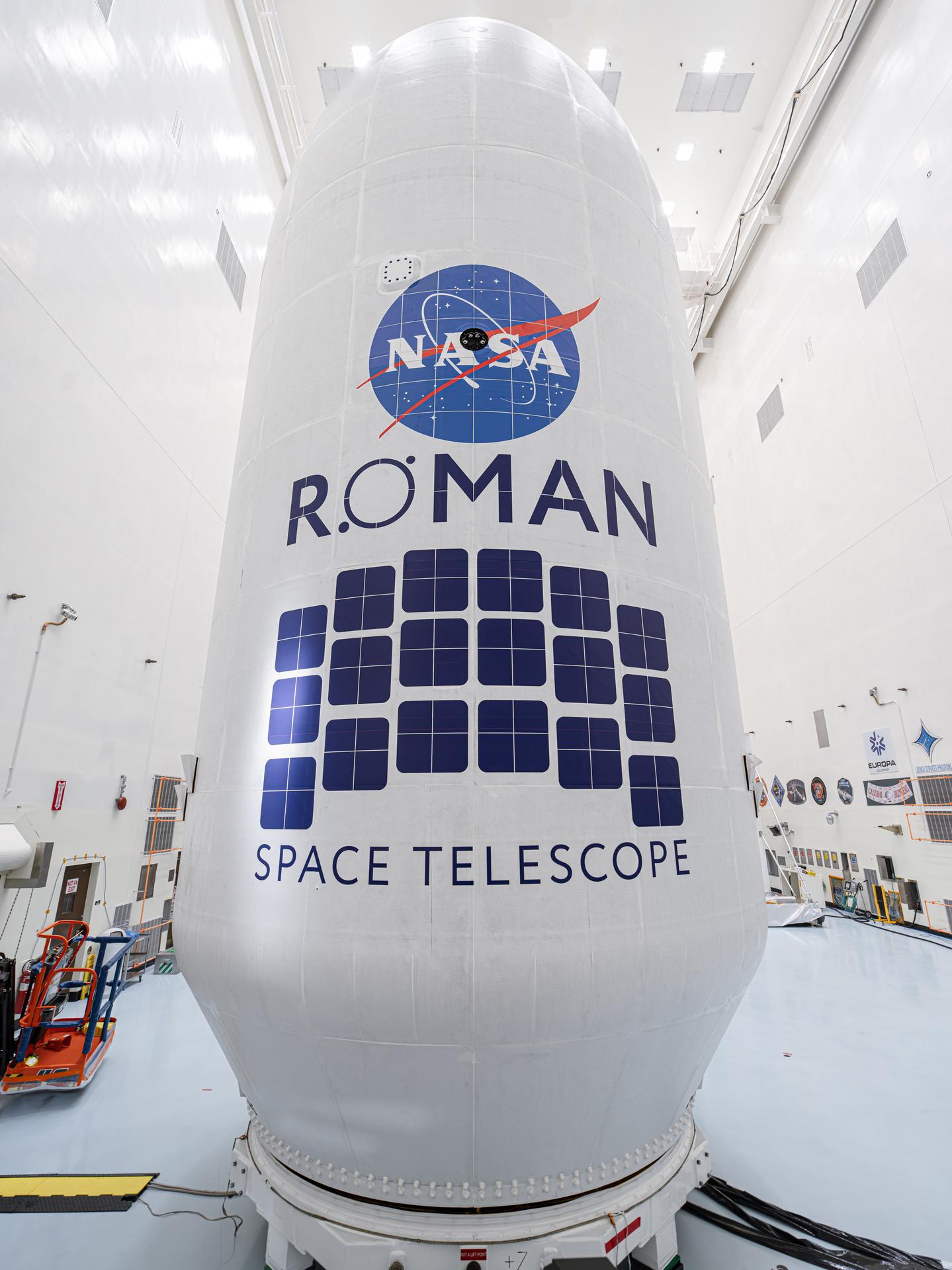
NASA's Nancy Grace Roman Space Telescope launched on a Falcon Heavy Aug. 30, 2026, beginning a three-month cruise to L2 where its 300-megapixel camera will survey the sky 1,000x faster than Hubble in search of dark matter, dark energy, and exoplanets.
-
Missions
A Dead SpaceX Rocket Stage Just Struck the Moon Near Einstein Crater — and the VLT Watched It Happen
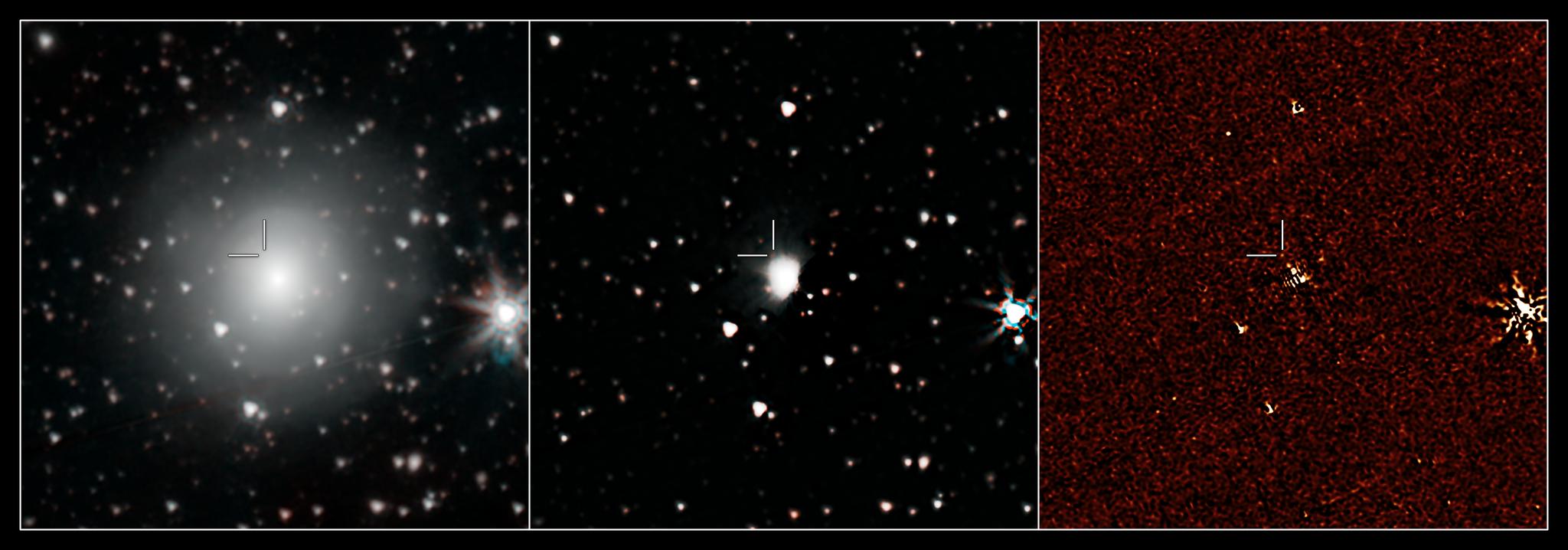
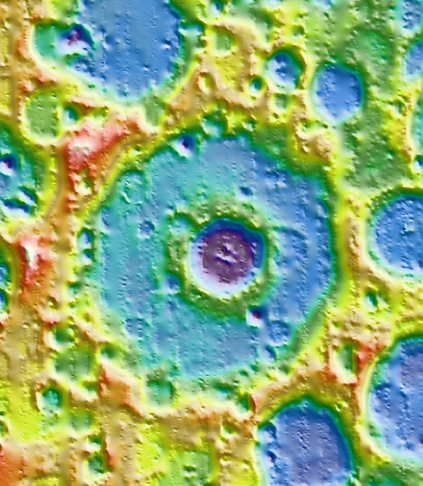
A spent Falcon 9 upper stage from January 2025's Blue Ghost/Hakuto-R launch slammed into the Moon's far side near Einstein crater on August 5, 2026, and ESO's VLT caught sodium and lithium flashing in the debris plume.
-
Missions
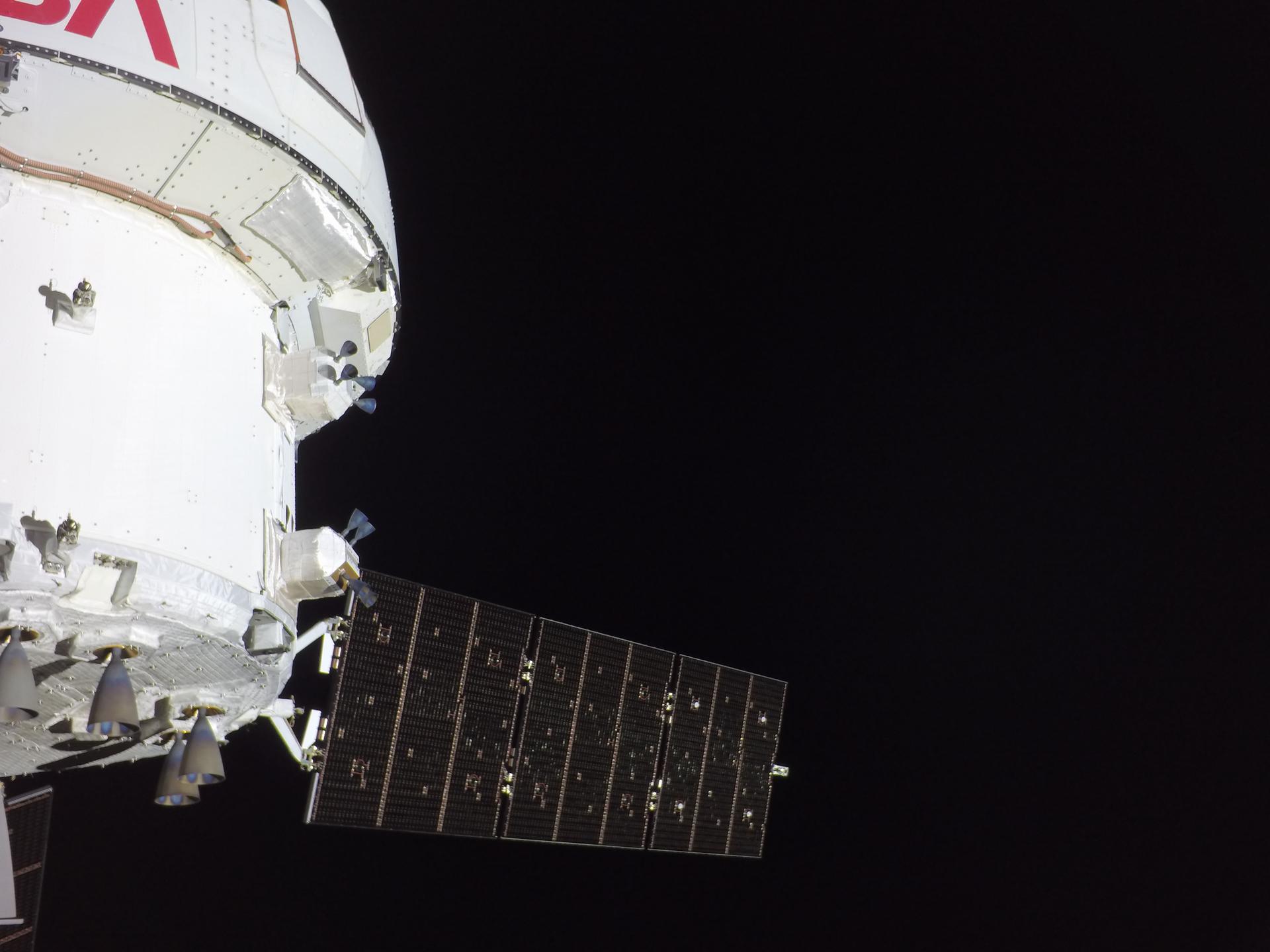
NASA Bolts Starlink Lasers to Orion as Artemis III Becomes a Docking Rehearsal
NASA has tapped SpaceX to mount two Starlink mini laser terminals on Orion for Artemis III, beaming 4K docking-test footage to Houston over infrared light as the mission is reframed into a 2027 low-Earth-orbit rehearsal of crewed lander rendezvous ahead of a 2028 Moon landing.
-
Missions
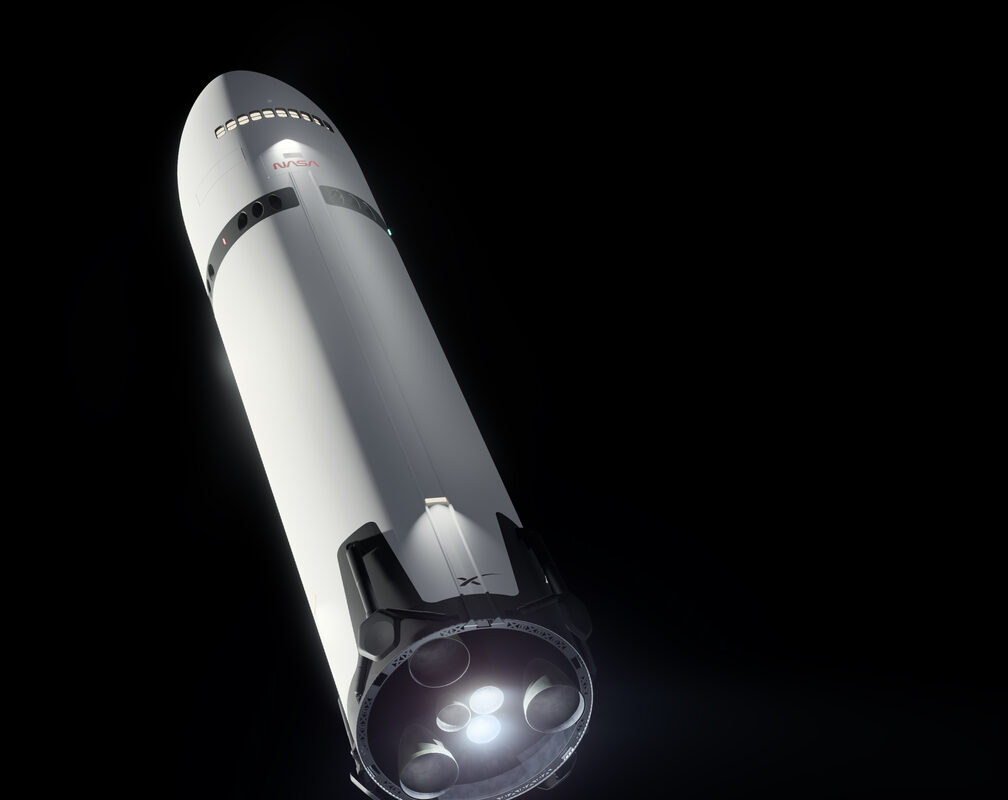
Two Landers, Two Philosophies: Inside the Artemis III Rehearsal's Engineering Split
NASA's July 15 breakdown of the 2027 Artemis III demo reveals how far apart SpaceX and Blue Origin's test articles are: astronauts will open the hatch on Blue Moon Mark 2, but never set foot inside a 171-foot Starship that docks nose-first with a bolted-on docking system and no crew cabin.
-
Missions
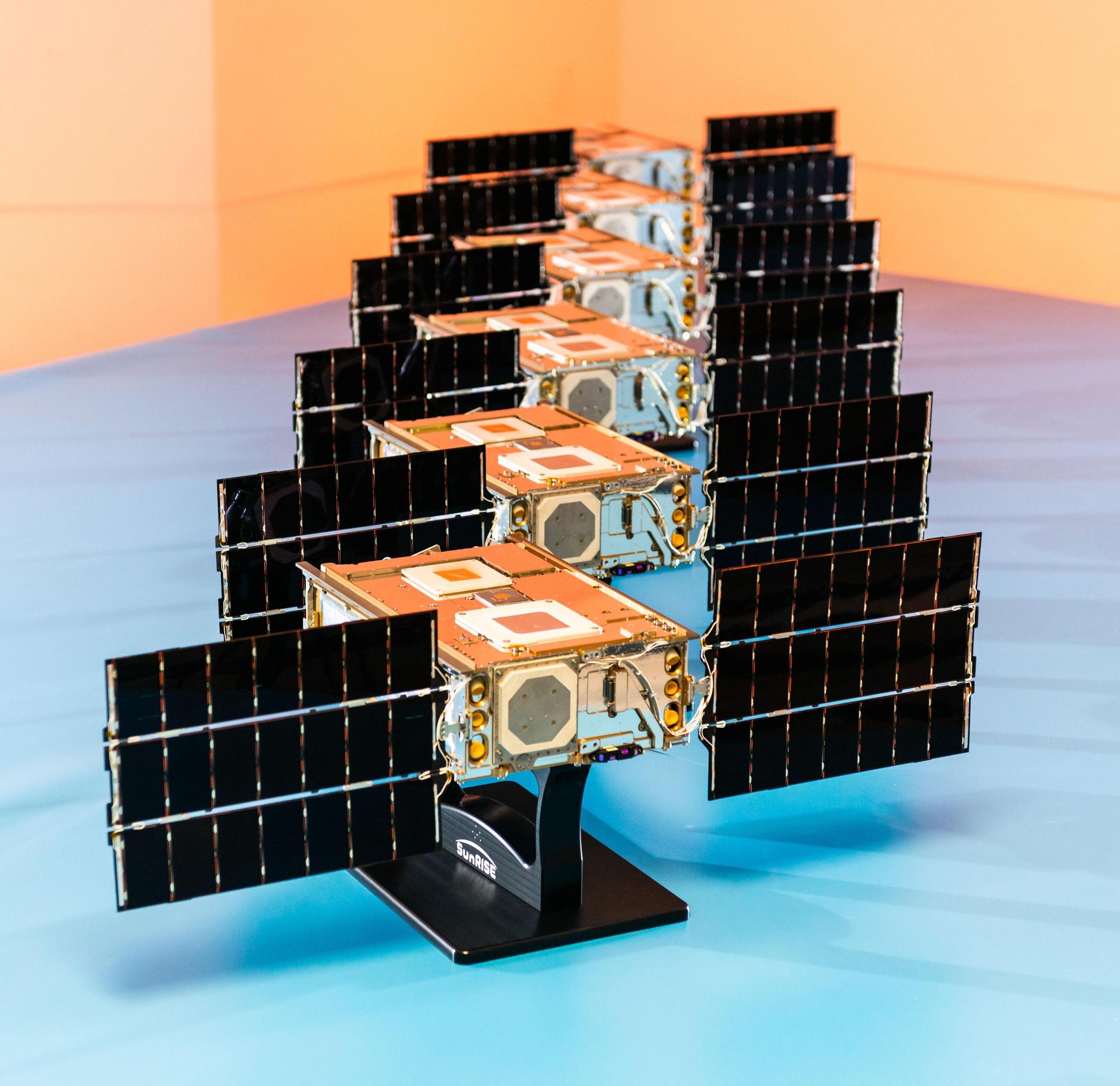
NASA Moves Its Sun-Watching SmallSat Swarm From Vulcan Centaur to Falcon Heavy
NASA has rebooked its six-satellite SunRISE solar radio observatory from a ULA Vulcan Centaur onto a SpaceX Falcon Heavy, a Space Force-sponsored rideshare that will fly the toaster-oven-size CubeSats to just above geosynchronous orbit.
-
Missions
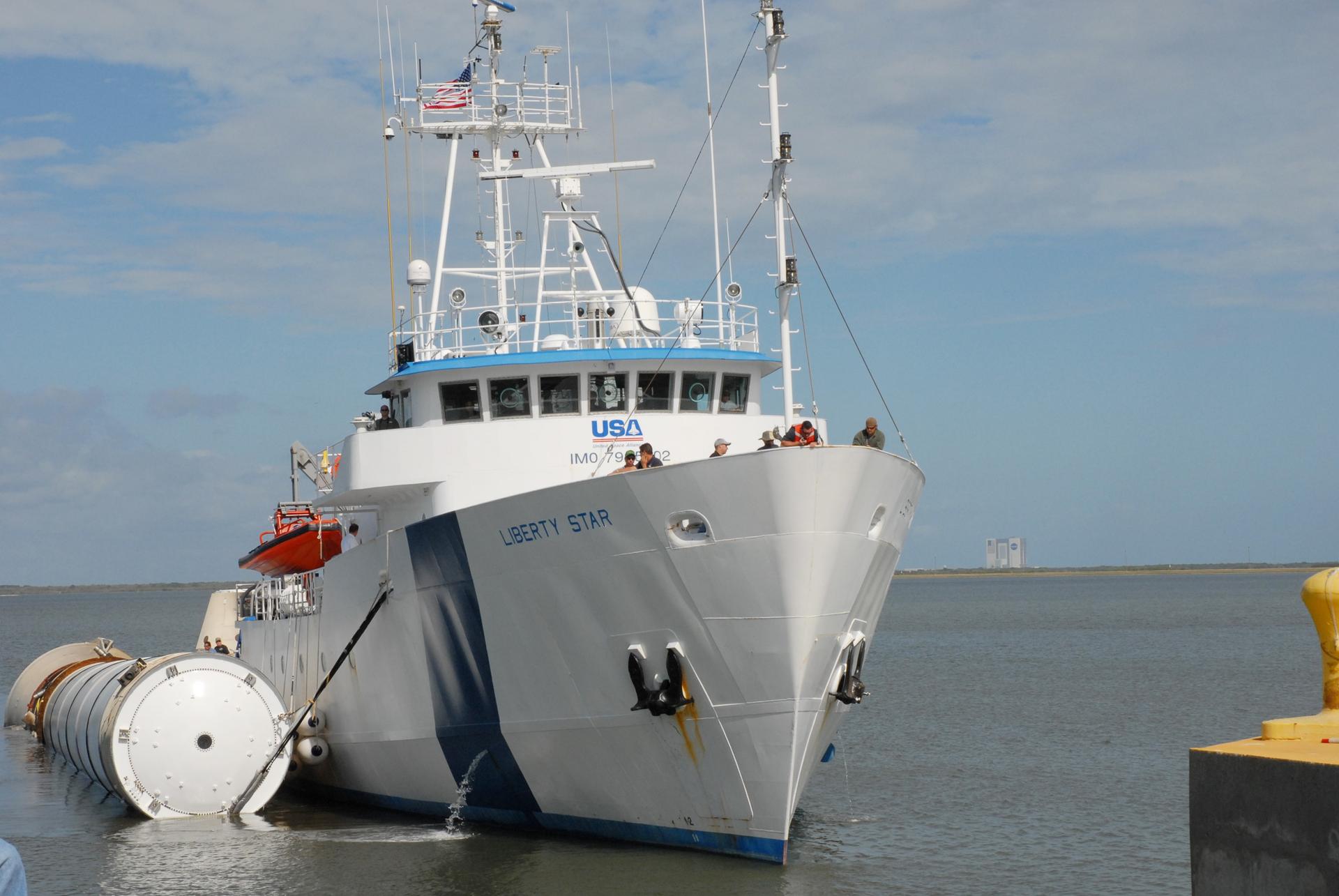
China Nets a Falling Rocket at Sea: Long March 10B Pulls Off the First Successful Net-Capture Booster Recovery
On its maiden flight, China's Long March 10B had its spent first stage snagged mid-fall by a net rig on the recovery ship Linghang Zhe, making China the second nation to recover an orbital booster intact — via a method nobody else has pulled off.