NOAA
Every Cosmic Herald story on NOAA — missions, launches, discoveries, and the business of space, newest first.
-
Stargazing
Monster Sunspot AR4551 Loads Up for Possible M- and X-Class Flares
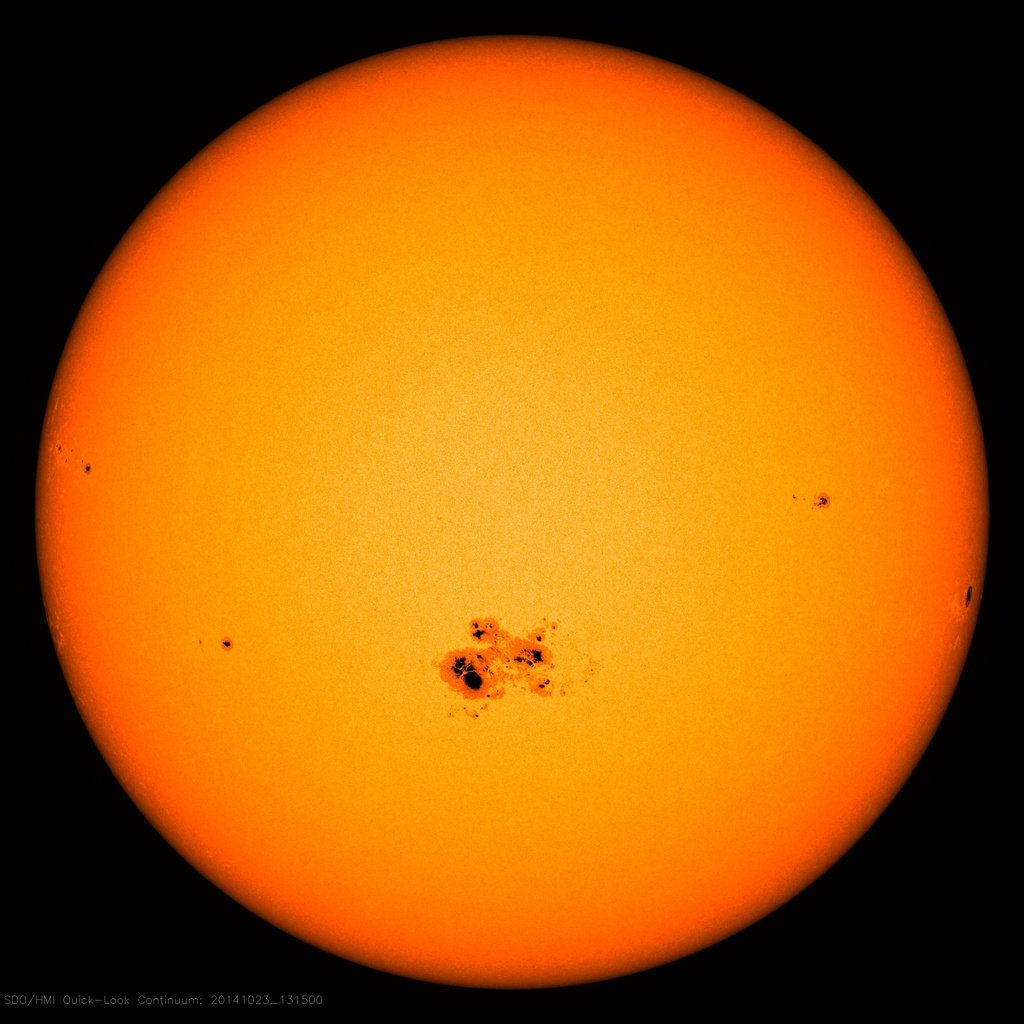
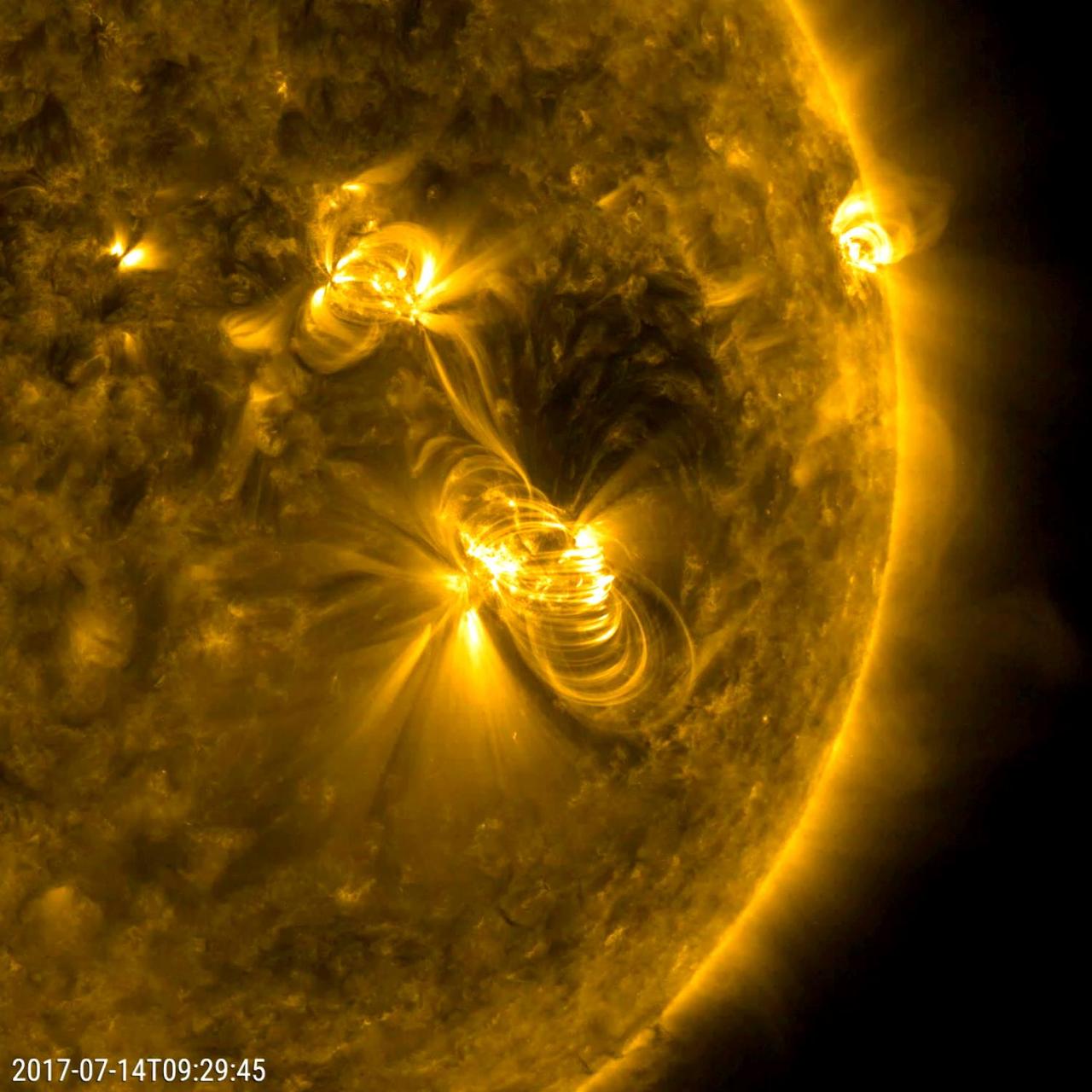
Earth-facing sunspot region AR4551 has spent days in a beta-gamma-delta configuration and has produced most of the Sun's flares, all C-class so far. NOAA puts the chance of an M-class flare at 25% through Oct 18 and says an X-class flare is possible.
-
Stargazing
After the G3 Storm: A Fast Solar Wind Stream Keeps Aurora Hopes Alive, but the Forecasts Don't Agree
Four days after an M6.4 flare and a G3 storm, a coronal-hole stream topping 600 km/s is buffeting Earth. EarthSky says G1, maybe G2. NOAA's newest outlook peaks at Kp 3.67, below storm level. High latitudes have the best shot.
-
Stargazing
CME From AR4549 Aims at Earth: G1-G2 Aurora Watch for Oct. 9 Under a Near-New Moon
Two M-class flares from sunspot region AR4549 launched CMEs on Oct. 6, and NOAA expects one to arrive early Oct. 9 with G1-G2 storming (Kp up to 5.67). Skies will be dark, with the Moon nearly new.
-
Stargazing
A Filament Let Go on the Sun, and a Glancing CME Is Headed for Earth
A filament eruption on Sept. 28 launched a two-part partial halo CME, and NOAA has posted a G1 (minor) geomagnetic storm watch for Oct. 2, with a flanking blow that could bring aurora to high latitudes.
-
Stargazing
Equinox Coronal-Hole Stream Triggers G1 Geomagnetic Storm and Aurora Watch
A canyon-shaped coronal hole's high-speed solar wind is hitting Earth just after the equinox, and NOAA forecasts a G1 storm with Kp near 5 that could paint auroras across Alaska, Canada, Scotland and southern New Zealand through Sept. 26.
-
Stargazing
NOAA Issues G1 Storm Watch as Solar Wind Meets the September Equinox
NOAA forecasts a G1 geomagnetic storm for Sept. 24 as a coronal-hole solar wind stream arrives right after the equinox, a seasonal alignment that historically boosts aurora odds.
-
Stargazing
Equinox Sets Up Aurora Window as Forecasters Flag a G1 Storm for Sept. 24
The September equinox and an incoming coronal-hole solar wind stream are stacking the odds toward a minor G1 geomagnetic storm and aurora sightings on Sept. 23–24, 2026.
-
Stargazing
Dueling Solar Wind Streams Set Up Weekend Aurora Chances
Two CMEs and a filament eruption from an active sunspot region are due to strike Earth's magnetic field September 16-17, and NOAA's storm watch means the aurora could sneak into mid-latitude skies this weekend.
-
Stargazing
Twin Coronal Holes Take Aim at Earth, Raising Odds of Equinox Auroras
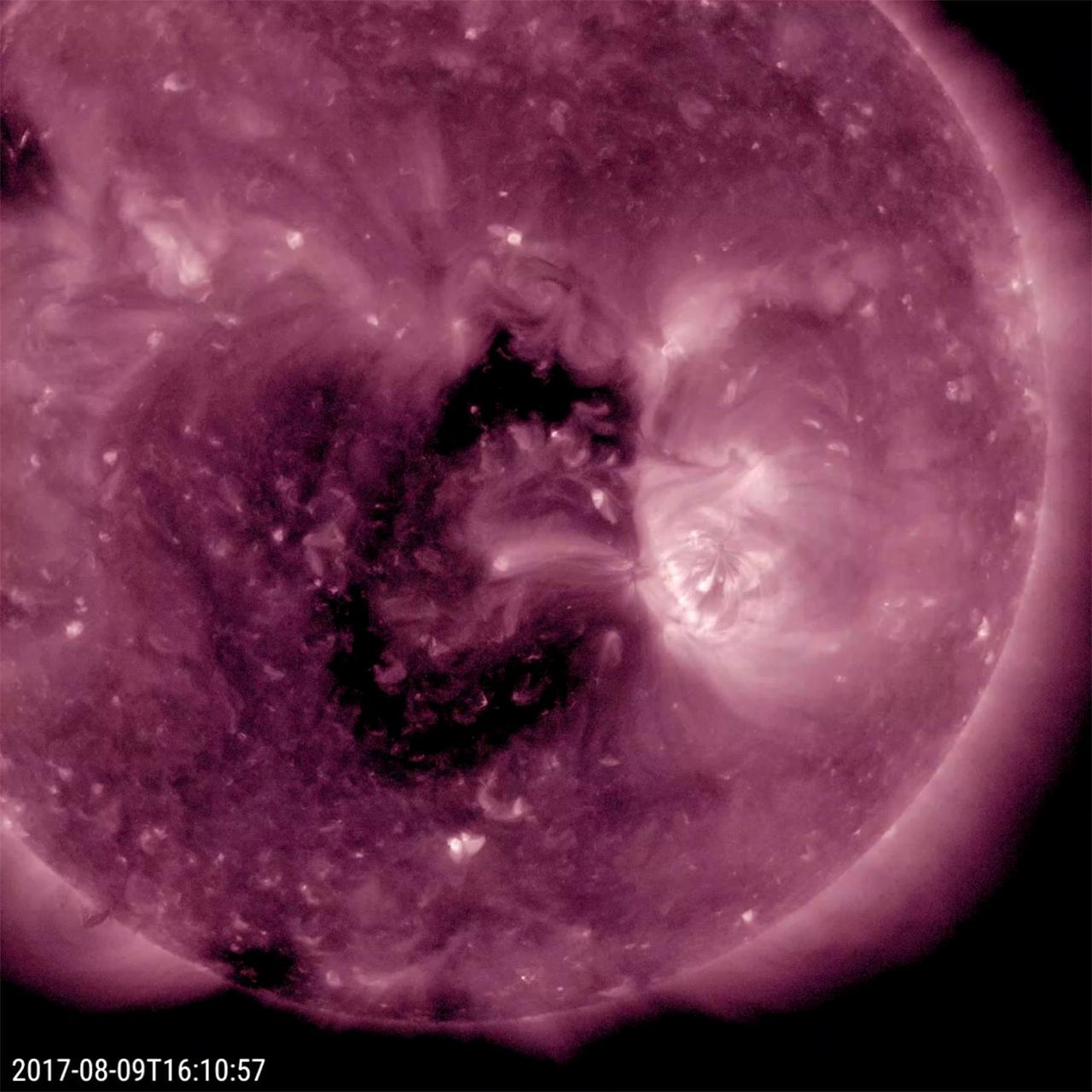
Two coronal holes, one in each solar hemisphere, are rotating into Earth-facing position, and forecasters say the resulting solar wind streams could spark G1-level auroras around the equinox.
-
Stargazing
A Convoy of Solar Storms Is Pushing Auroras Deep Into Mid-Latitudes This Week
NOAA issued a G1-G2 geomagnetic storm watch after sunspot AR4524 fired off four CMEs in two days, and skywatchers from Chicago to Edinburgh — and possibly New York and London — could catch aurora through September 9.
-
Stargazing
NOAA Issues G1 Storm Watch as a Queue of CMEs Bears Down on Earth
NOAA's Space Weather Prediction Center issued a G1-Minor geomagnetic storm watch for September 8-9 as multiple CMEs and a coronal-hole stream converge on Earth, with aurora possible across the northern U.S. and forecast confidence still low.
-
Stargazing
This Week's Dawn Sky: The Crescent Moon Walks From Mars to Jupiter as a CME Nudges the Aurora
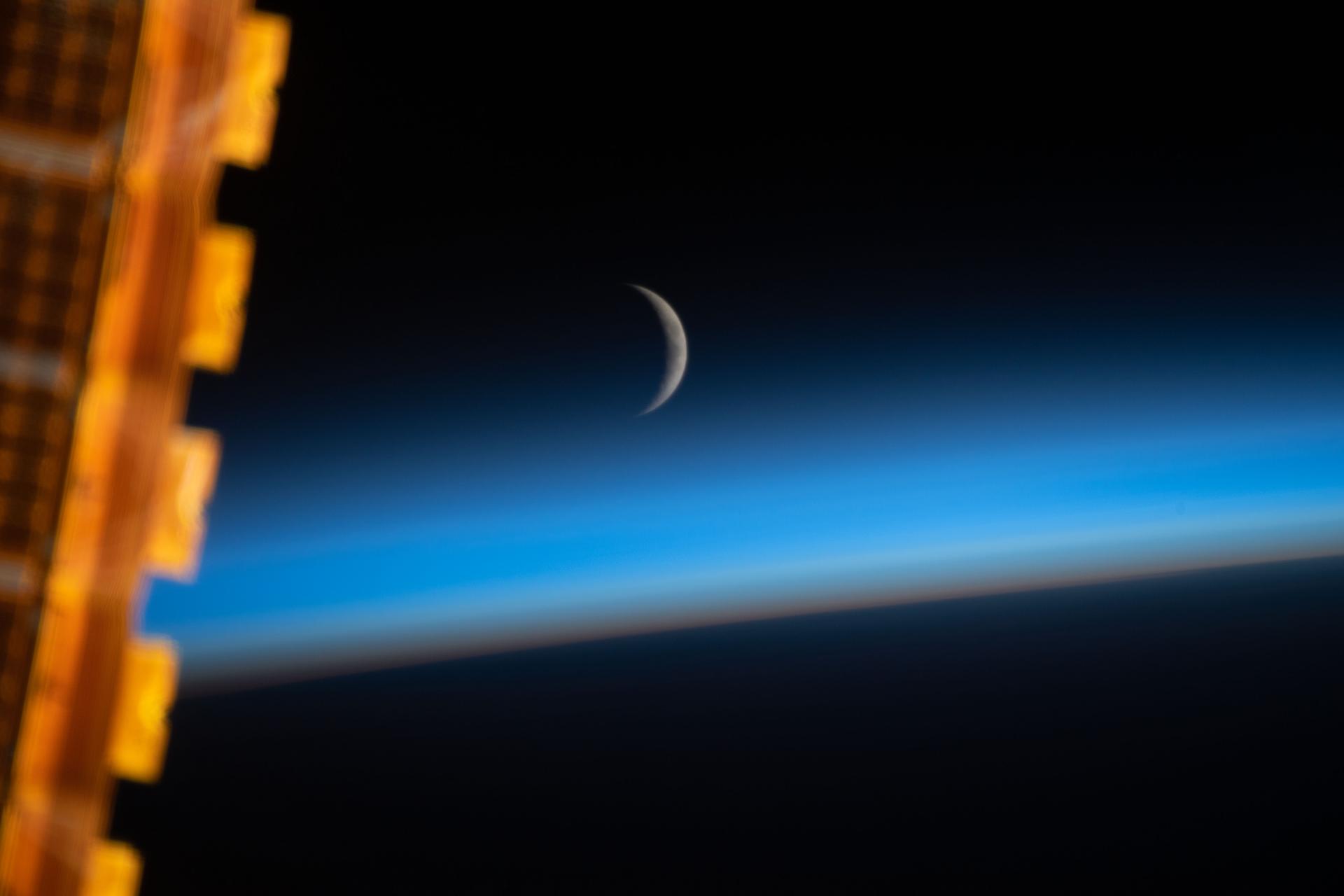
Four mornings, Sept. 6-9: a thinning crescent Moon slides past Mars in Gemini, then Jupiter in Cancer, while a C9-flare CME due Sept. 8 puts a "maybe" on high-latitude aurora ahead of the Sept. 11 new Moon.