NOAA
Every Cosmic Herald story on NOAA — missions, launches, discoveries, and the business of space, newest first.
-
Science & Discovery
Sunspot AR4549 erupts out of nowhere as three M-class flares break the Sun's lull
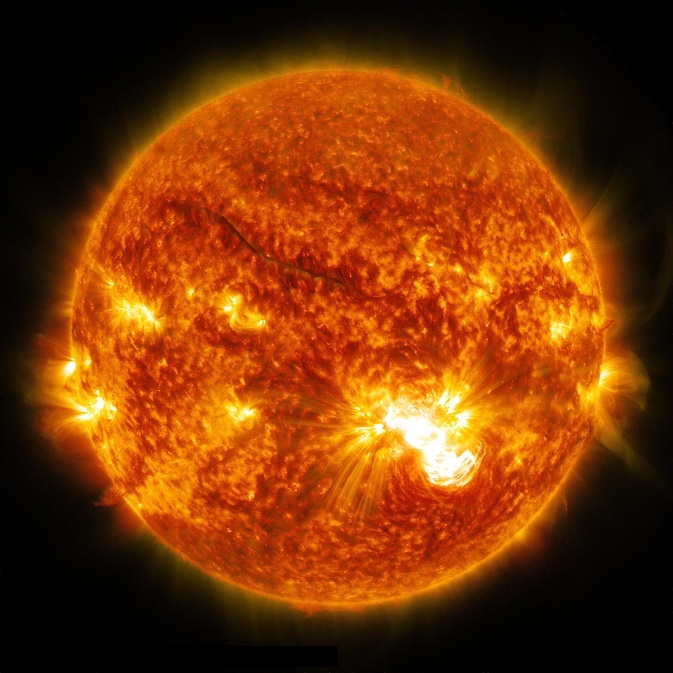
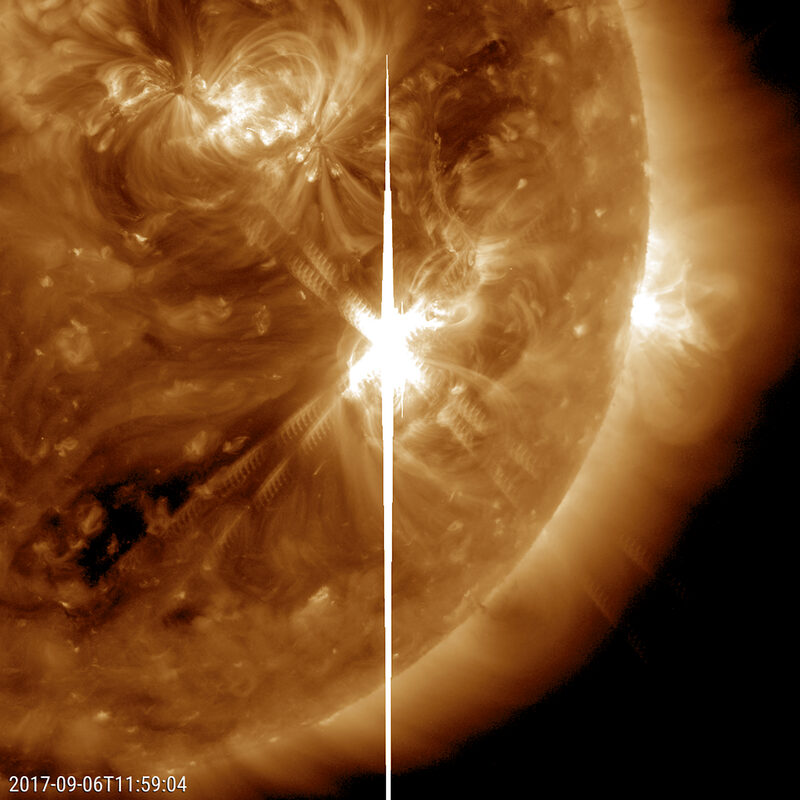
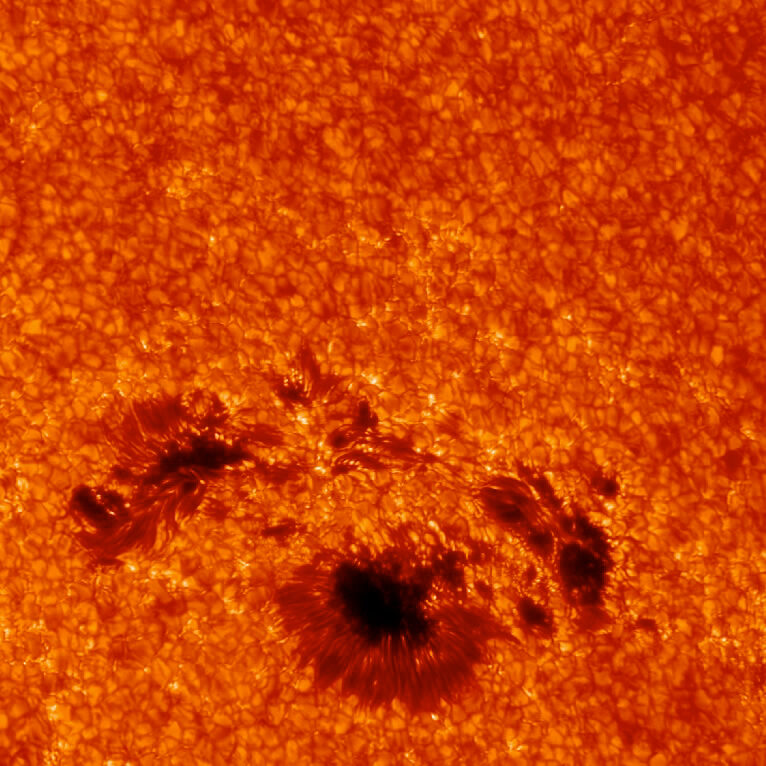
After a quiet stretch, the Sun fired three M-class flares in about 13 hours. Most of the action came from AR4549, a fast-growing sunspot that didn't exist a day earlier and now has the magnetic tangle that can produce bigger flares.
-
Science & Discovery
A Fresh Sunspot and an Incoming Coronal-Hole Wind Set Up a G1 Aurora Window for July 21-22
New sunspot AR4493 fired an M3.4 flare and 17 others in 24 hours as a fast coronal-hole wind stream heads for Earth, setting up a G1 geomagnetic storm and aurora chances July 21-22.
-
Science & Discovery
Quiet Sun, Restless Field: Inside NOAA's Latest Space Weather Snapshot
Weeks after an X-class flare sparked aurora across 30 US states, NOAA's July 15 snapshot shows 36 tame sunspots, a mild C3 flare, and just quiet-to-minor storm odds — a reminder that solar weather swings fast.
-
Science & Discovery
Sunspot AR4479 Fires an X1 Flare and Ten M-Flares, and NOAA Posts a G2 Watch for the Fourth of July Weekend
Active Region 4479 threw an X1.1 flare and roughly ten M-class flares in a single day, launching a staggered train of Earth-directed CMEs. NOAA issued G1-G2 storm watches for July 3-4, opening a holiday-weekend aurora window that could reach the northern-tier United States.
-
Science & Discovery
The Sun is at its most active in two decades. What solar maximum actually means.
Solar Cycle 25 has been more active than forecasters predicted, delivering some of the strongest geomagnetic storms in years and producing aurora visible at unusually low latitudes. What solar maximum means for technology, satellites, and power grids — and how we prepare — is more relevant now than it has been in a generation.
-
Science & Discovery
The Sun occasionally fires plasma clouds at Earth that can knock out power grids. We're not prepared.
Coronal mass ejections — billion-ton clouds of magnetized plasma from the Sun — can trigger geomagnetic storms that damage transformers, disable satellites, and disrupt GPS. The 1859 Carrington Event caused telegraph fires; a comparable storm today would have catastrophic infrastructure consequences.