NASA
Every Cosmic Herald story on NASA — missions, launches, discoveries, and the business of space, newest first.
-
Astronomy
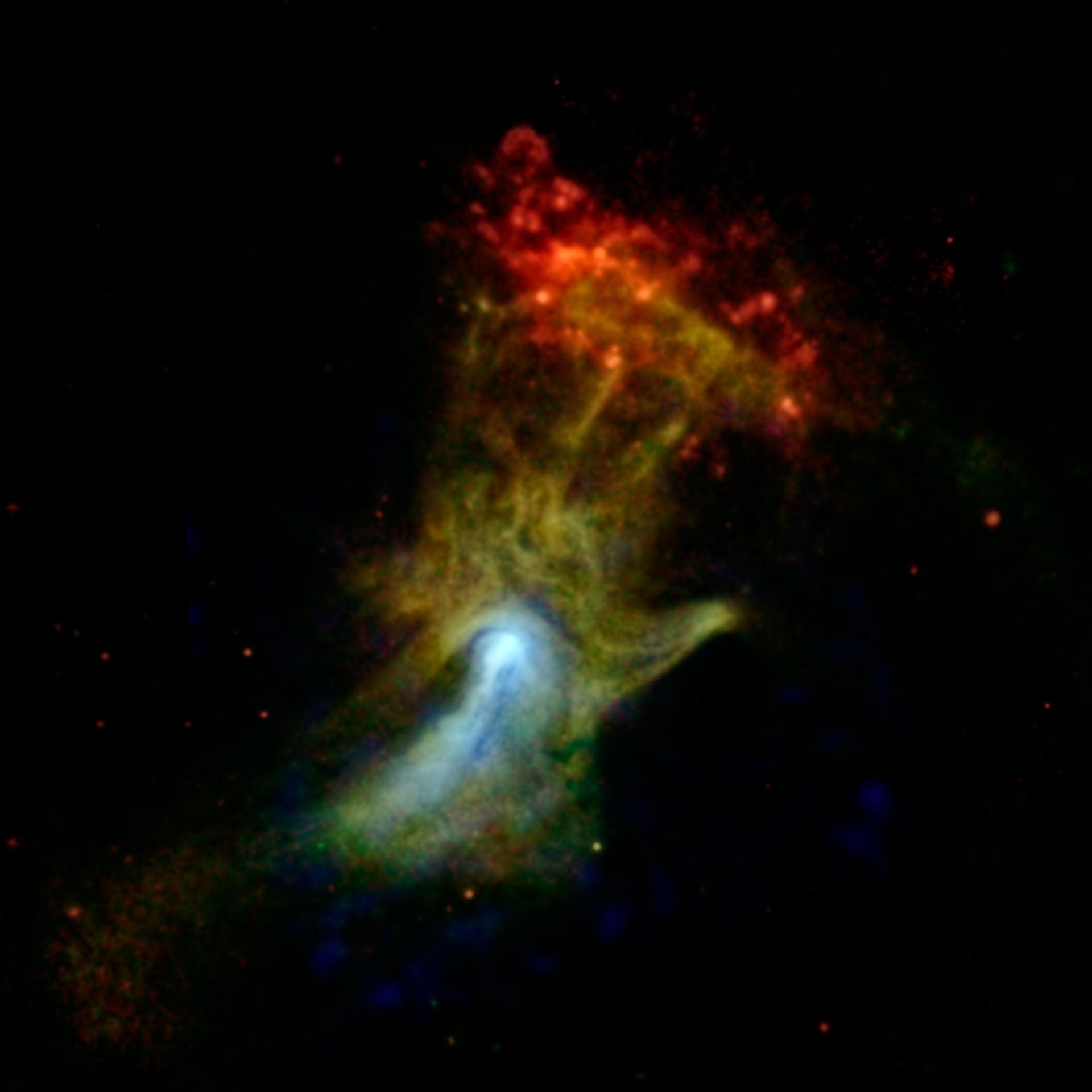
A Whisper of Radio Waves Pins Down the Distance to a Mysterious Gamma-Ray Halo
China's FAST telescope caught a microjansky-faint radio pulse from a gamma-ray pulsar, finally giving astronomers a distance estimate that helps explain the puzzling TeV source it may be powering.
-
Astronomy
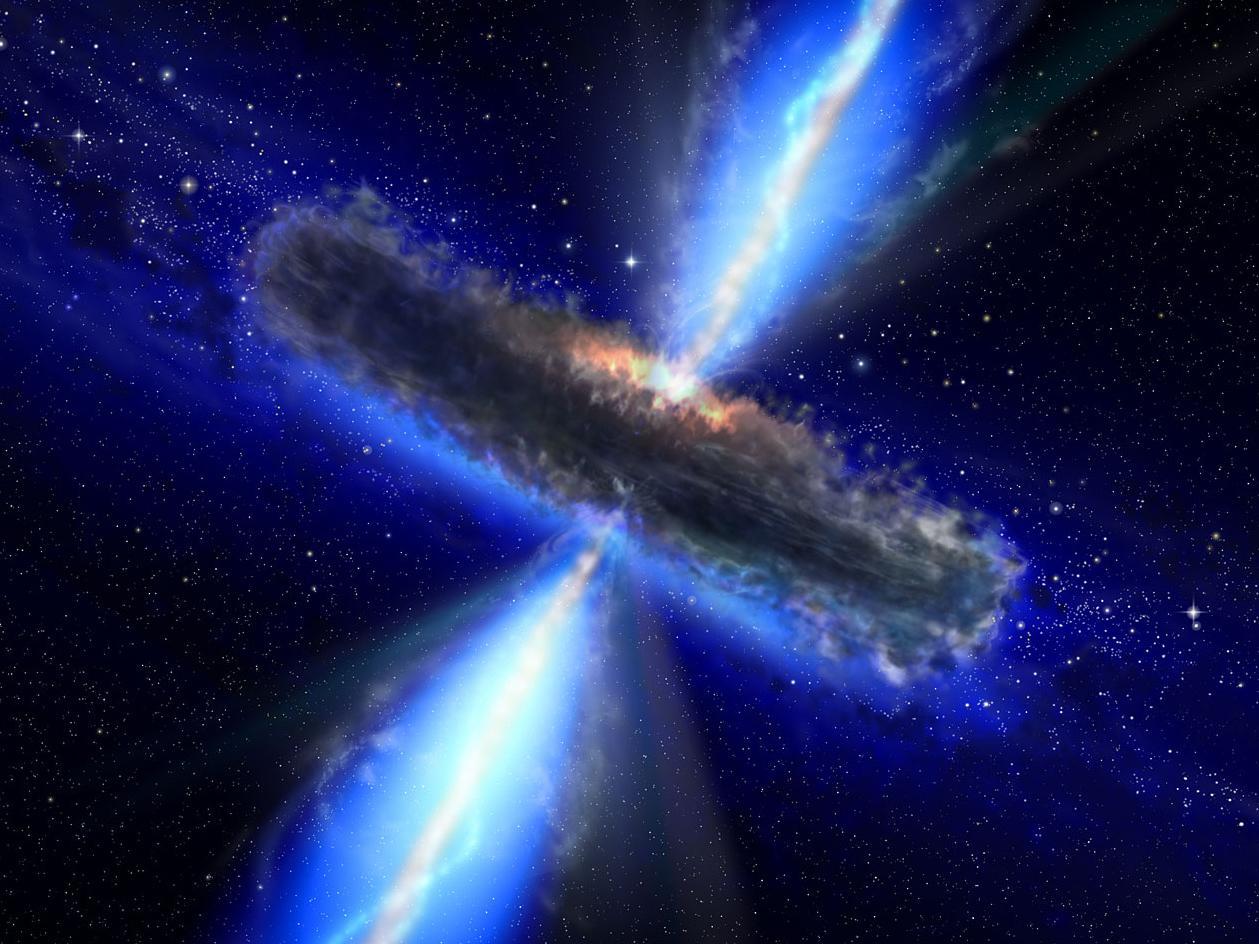
Euclid Space Telescope Uncovers 31 Ancient Quasars, Two From the Universe's First 5 Percent
ESA's Euclid telescope has spotted 31 quasars from the early universe, including two dating to just 670 million years after the Big Bang, deepening a puzzle over how supermassive black holes grew so fast.
-
Astronomy
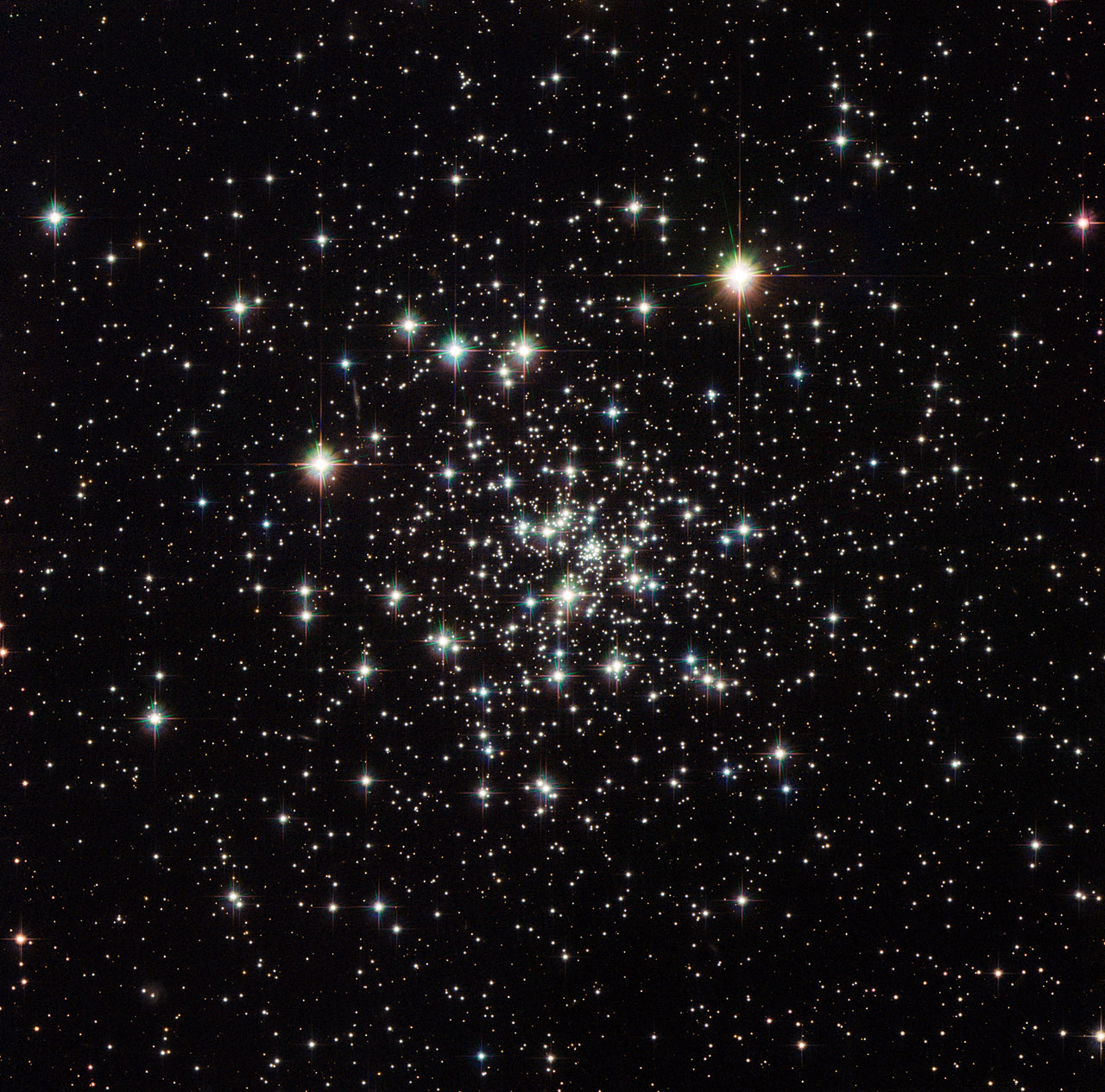
Hubble, Chandra, and Webb Team Up for a Red-White-and-Blue Portrait of an Ancient Star Cluster
For America's 250th, NASA colored the cosmos red, white, and blue — spotlighting a 13-billion-year-old star cluster whose hues betray its violent, chemically layered past.
-
Astronomy
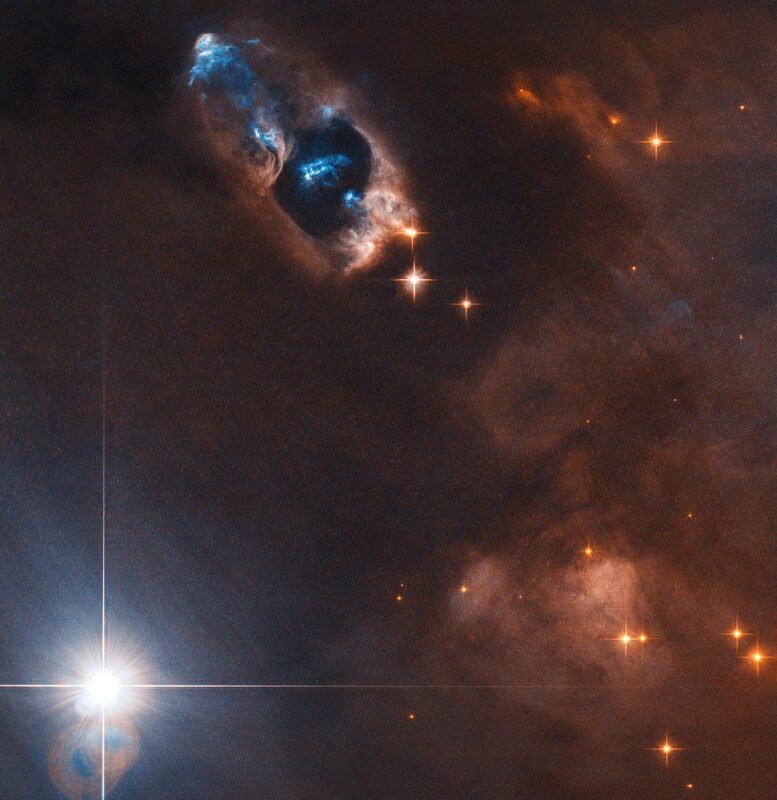
Webb Catches Baby Stars Feeding in Fits and Starts: New Evidence for Episodic Accretion in FS Tau
A new Webb infrared image of the FS Tau protostar system reveals gaps in its gas outflows — evidence that young stars gain mass in sudden bursts rather than a steady stream.
-
Astronomy
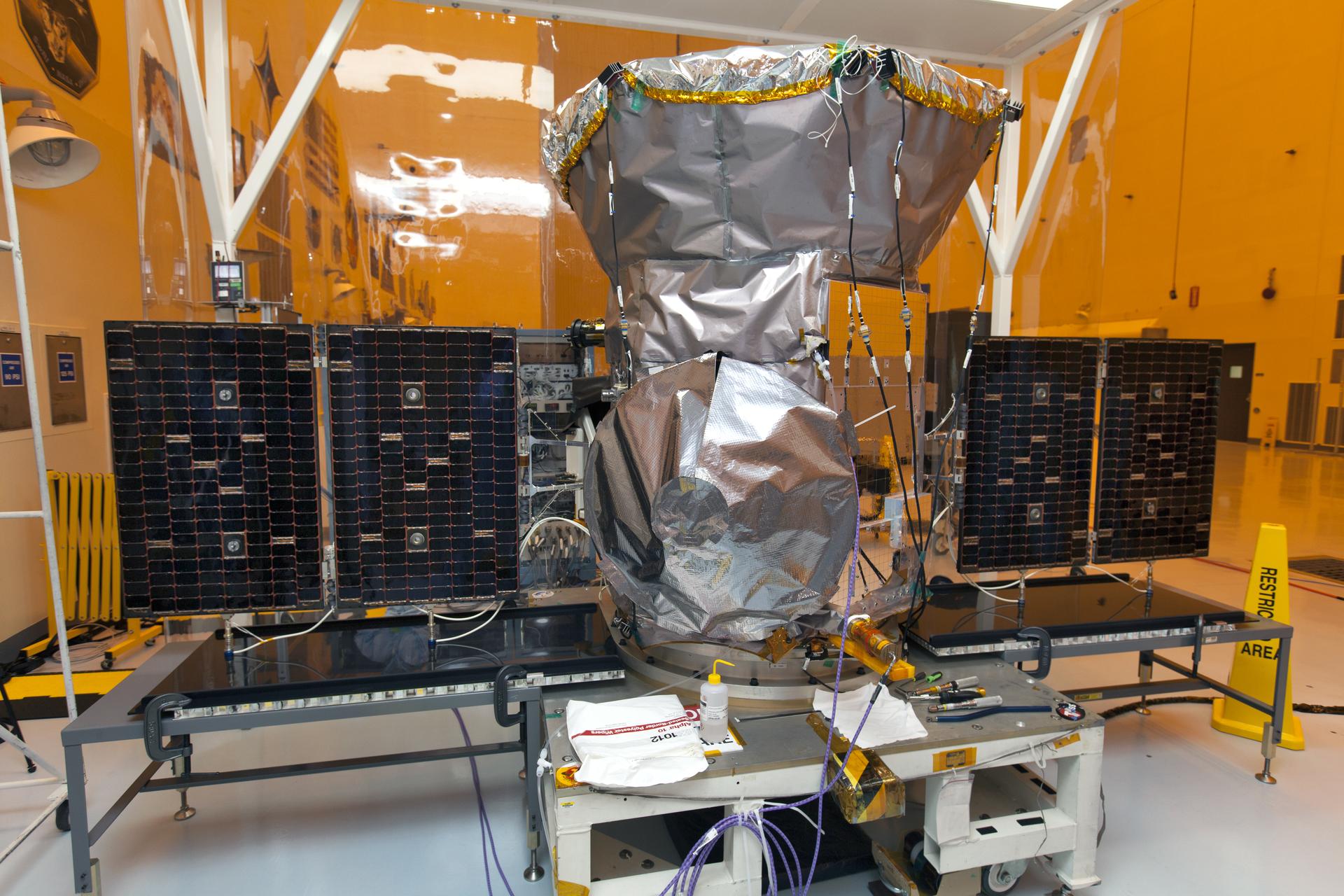
TESS Just Mapped Rotation Periods for a Million Nearby Stars
A new TESS-based catalog measures rotation periods for over a million stars within 1,600 light-years, quadrupling the known sample and sharpening the map of young stellar associations.
-
Astronomy
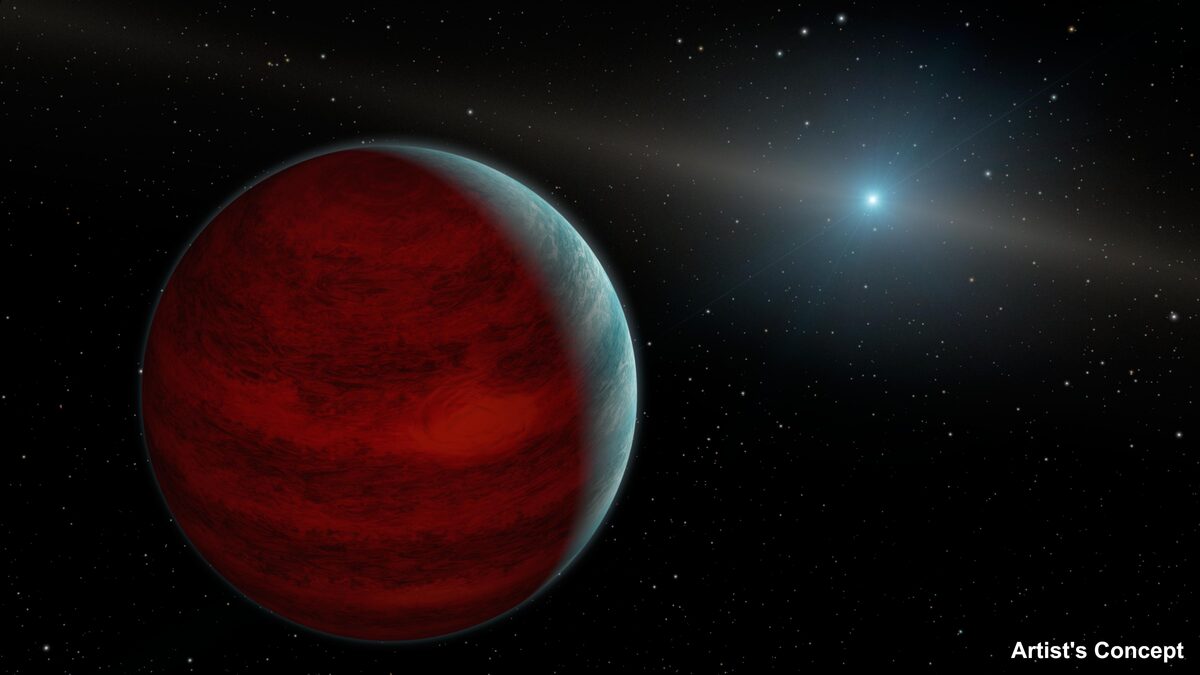
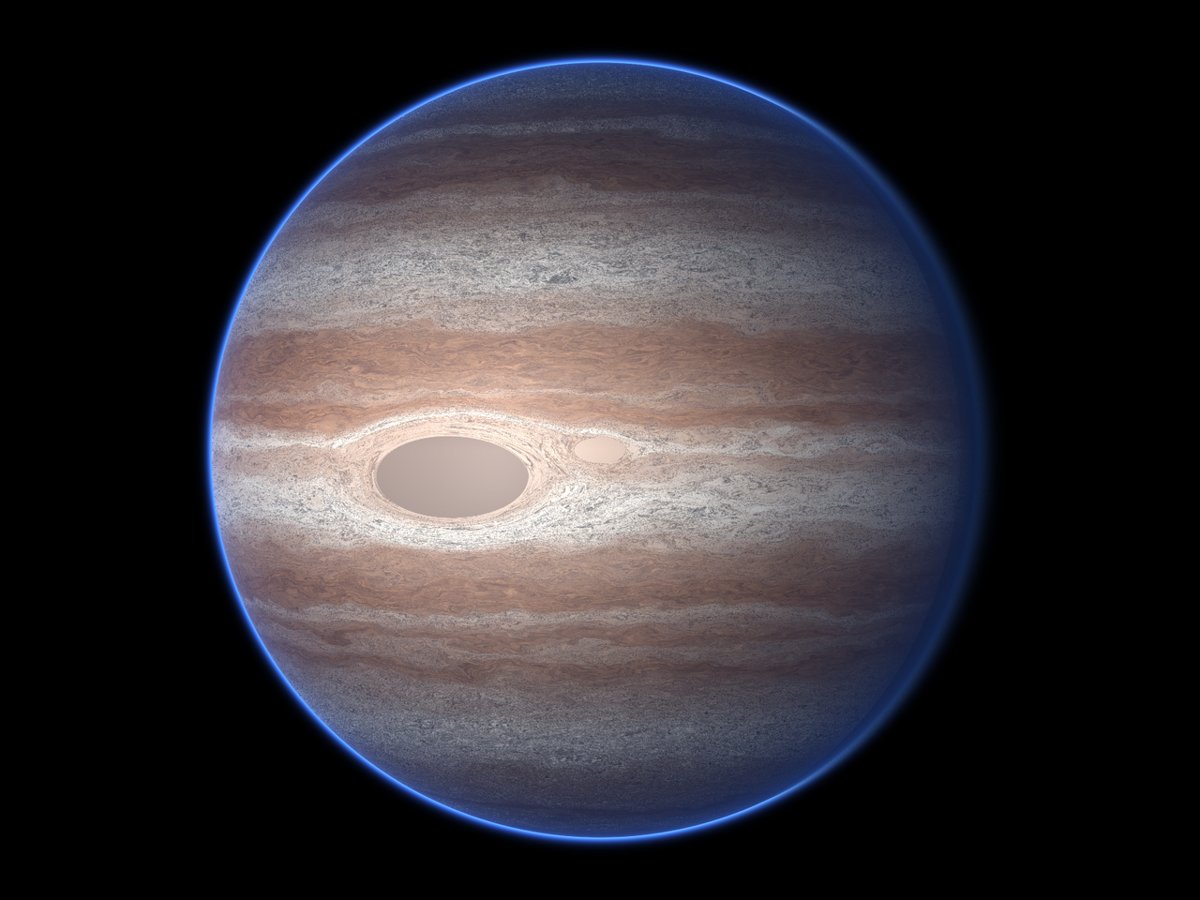
JWST Spots Methane on a Planet Orbiting a Dead Star — And It's a Preview of Our Own Solar System's Future
JWST has detected methane, haze, and heat in the atmosphere of a Jupiter-sized planet orbiting a white dwarf — the first atmosphere ever confirmed around a planet circling a dead star.
-
Astronomy
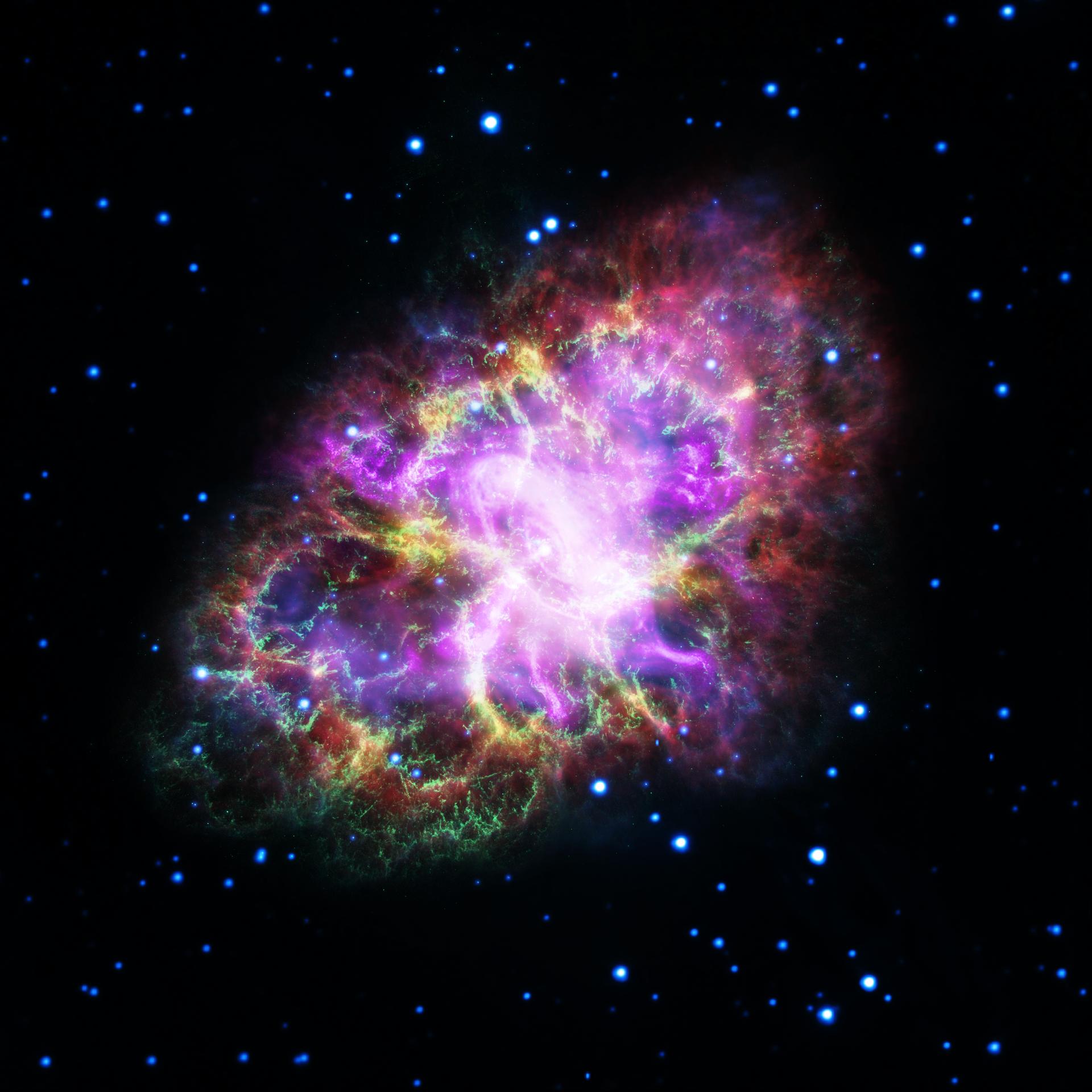
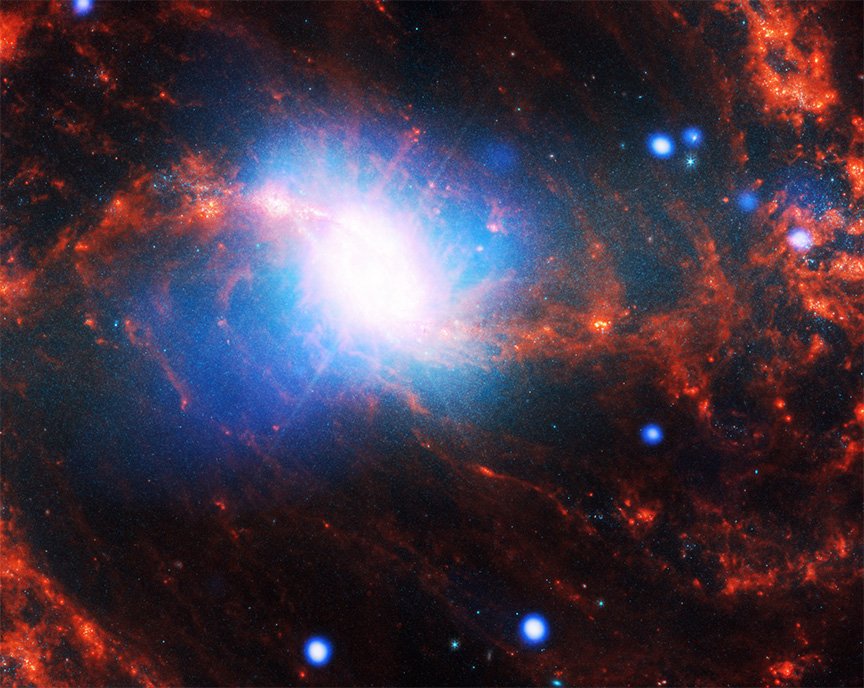
Chandra, Hubble and Webb Team Up for a 'Red, White and Blue' Universe on America's 250th
To mark America's 250th, NASA fused X-ray, infrared and optical data from Chandra, Webb and Hubble into four patriotic-toned composites — plus sound versions of the cosmos — released June 30 through July 4.
-
Astronomy
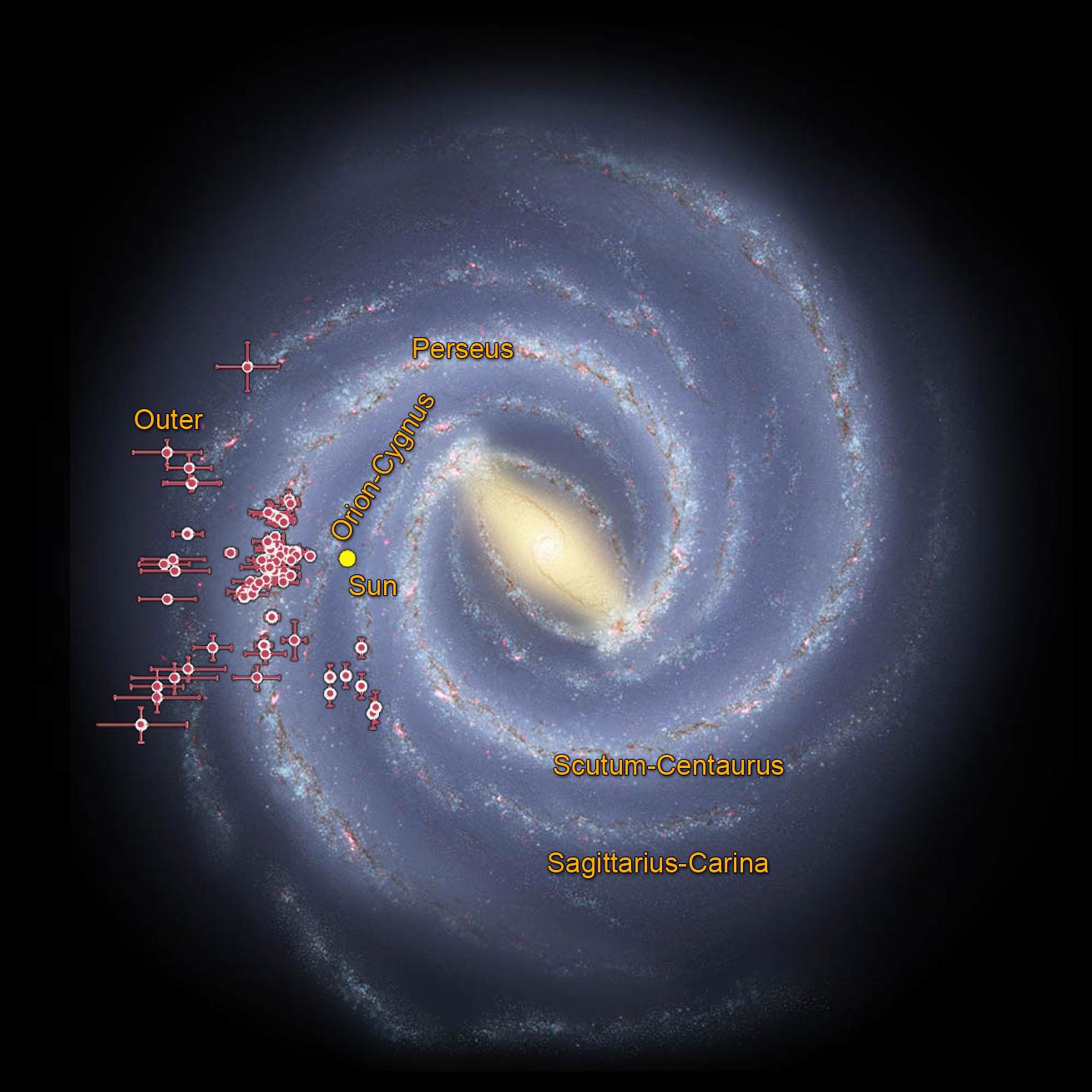
X-ray Echoes of Dead Stars Nudge the Milky Way's Outer Arms Farther Out
Using dust-scattered X-ray light echoes from three gamma-ray bursts, astronomers re-measured two of the Milky Way's outer spiral arms and found them up to 10% farther from the galactic center than assumed.
-
Astronomy
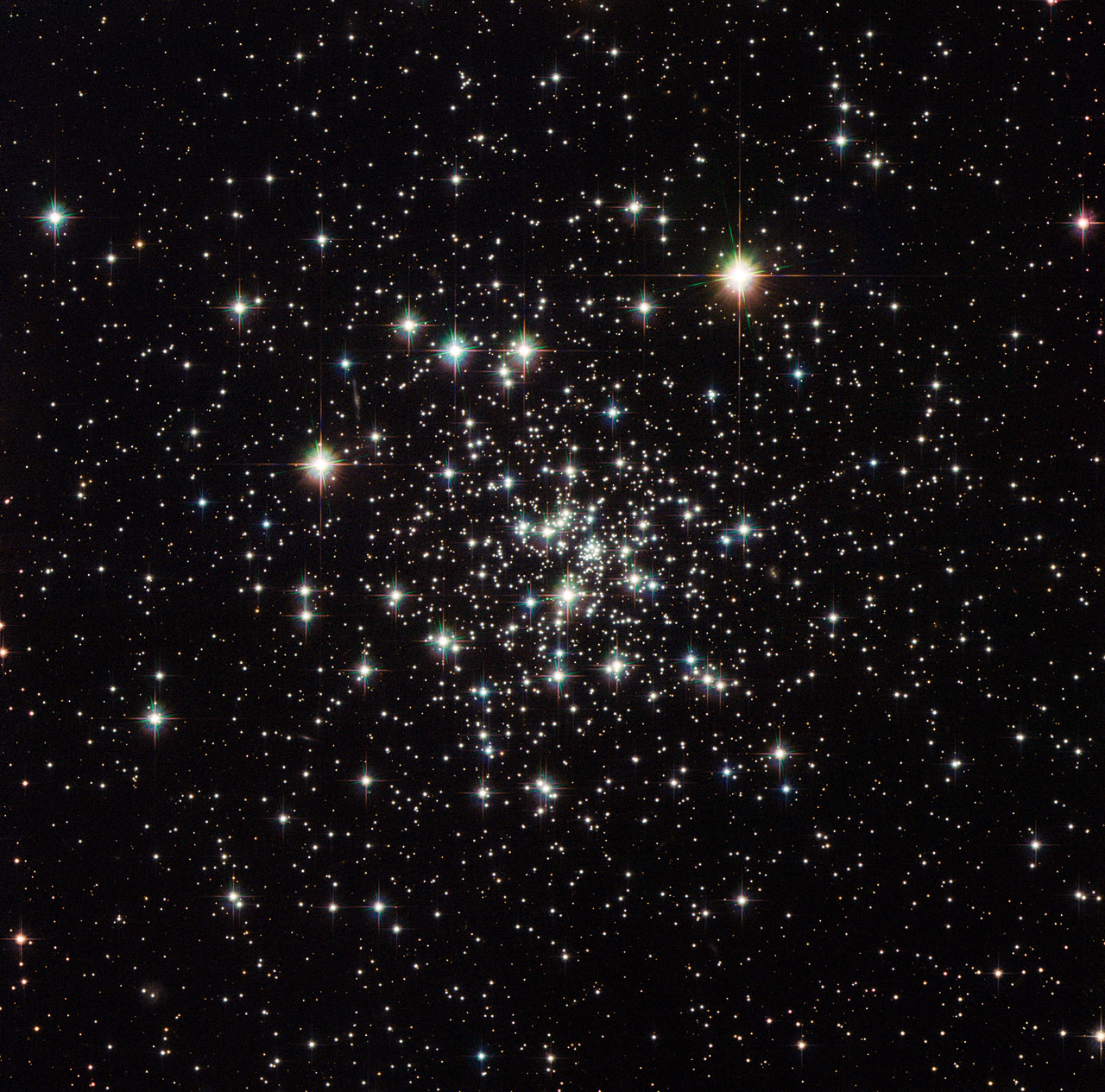
Hubble's 'Chandelier Cluster' Reveals Its Ancient Stars Formed in Two Separate Bursts
Hubble's June 2026 image of NGC 6723, the 'Chandelier Cluster,' shows its 10-billion-year-old stars formed in two closely spaced bursts — the second within 634 million years of the first — undercutting the old idea that globular clusters are single-age populations.
-
Astronomy
Euclid's 60-Million-Star Portrait of the Galactic Bulge Lays Groundwork for Roman
Euclid's new visible-light mosaic of the Milky Way's crowded center packs 60 million stars across 22 Moons of sky — and quietly hands NASA's Roman telescope a two-year head start on its planet hunt.
-
Astronomy
TESS Discovers the Puffiest Planets on Record—and They Challenge Everything We Know About Gas Giants
NASA's TESS mission has catalogued TOI-791 b and c, two gas giants orbiting a Sun-like star 1,113 light-years away so inflated relative to their mass that one has the density of cotton candy—shattering records and straining planet-formation theory.
-
Astronomy
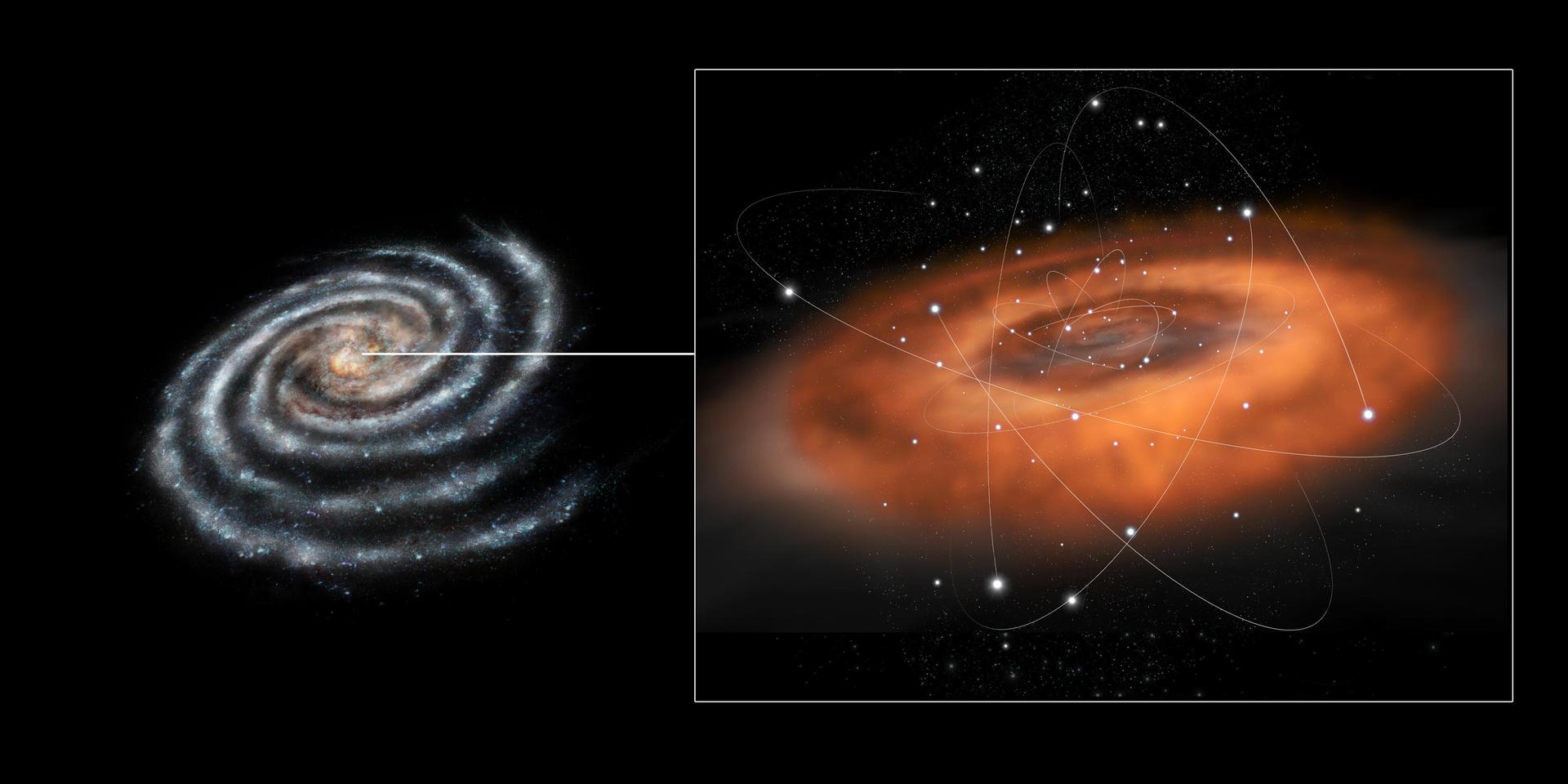
Chandra Spots What May Be a Hidden Supernova Remnant Lurking Near the Galaxy's Heart
A multi-wavelength campaign led by UCLA astronomers has turned up a candidate supernova remnant startlingly close to the Milky Way's central supermassive black hole — one of the nearest ever found to that extreme environment.