Science & Discovery
Space science and discovery from Cosmic Herald — planetary science, cosmology, astrobiology, and the search for life beyond Earth.
-
Science & Discovery
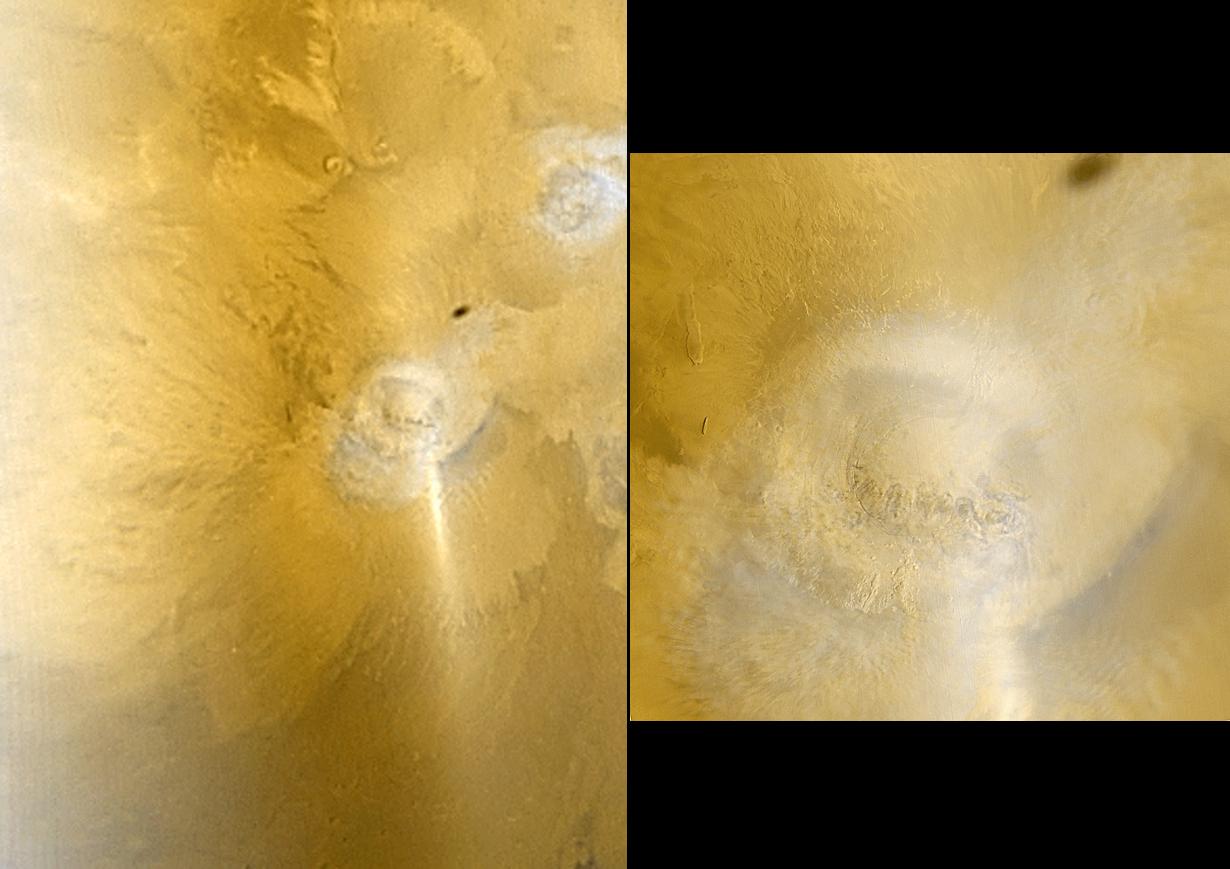
Mars's Strangest Cloud Needed 'Impossible' Physics: Homogeneous Ice Nucleation Seen on the Red Planet
A cloud up to 1,800 km long that trails Mars's Arsia Mons volcano only forms in models if water vapour freezes straight into ice with no dust seed, a process predicted for planetary atmospheres but never before seen in nature.
-
Science & Discovery
A Narrowband Signal From K2-155 d's Direction: FAST's Wavelet Search Finds an Intriguing, Probably Earthly Candidate
A machine-learning SETI pipeline run on China's FAST data cut 139,127 detections from 33 exoplanet systems to two, and one of them, a narrow, drifting signal at 1148.4167 MHz toward the red dwarf K2-155, has passed several tests. The researchers still think it is most likely interference from Earth.
-
Science & Discovery
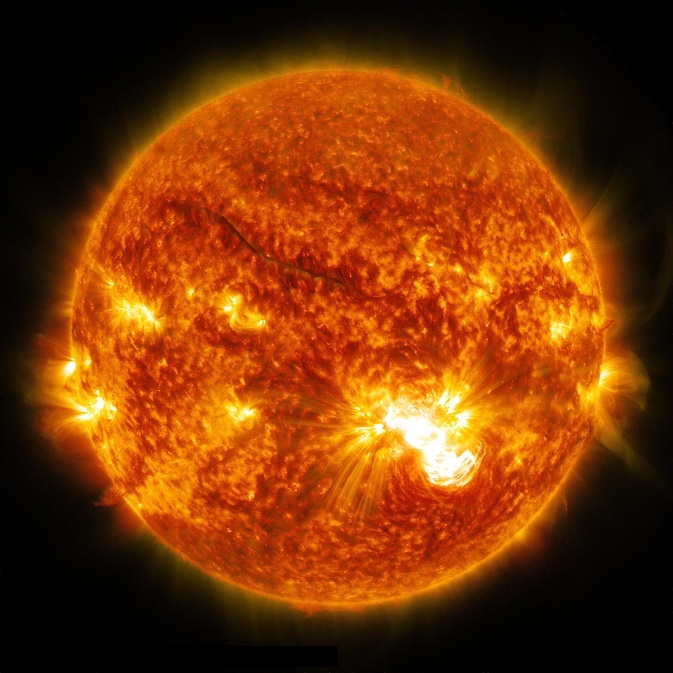
Sunspot AR4549 erupts out of nowhere as three M-class flares break the Sun's lull
After a quiet stretch, the Sun fired three M-class flares in about 13 hours. Most of the action came from AR4549, a fast-growing sunspot that didn't exist a day earlier and now has the magnetic tangle that can produce bigger flares.
-
Science & Discovery
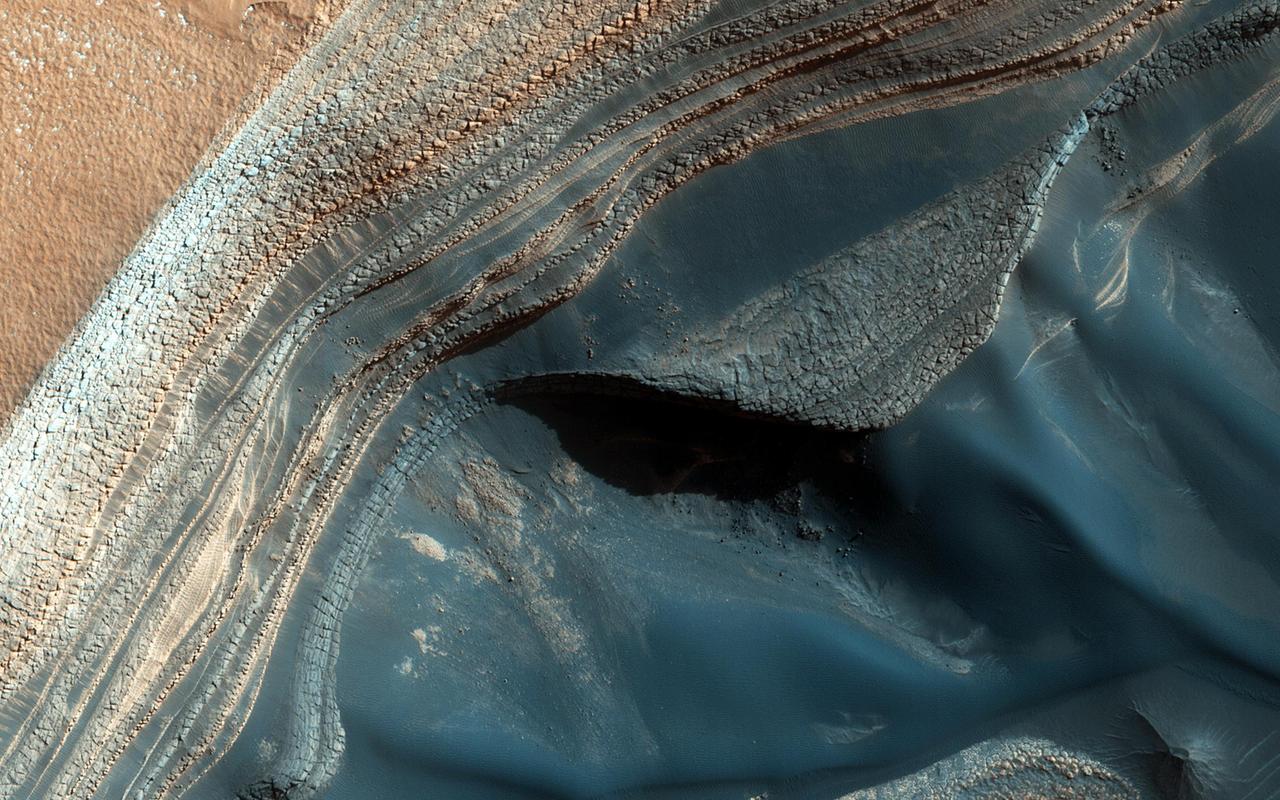
Mars' North Pole Ice Is Far Cleaner Than Models Assumed
A reanalysis in npj Space Exploration finds Mars' exposed north-polar ice is under 3% dust by mass, not the roughly 25% earlier estimates allowed. The ice is layered like an ice-cream sandwich, and thin seasonal dusty frost accounts for the changes in brightness.
-
Science & Discovery
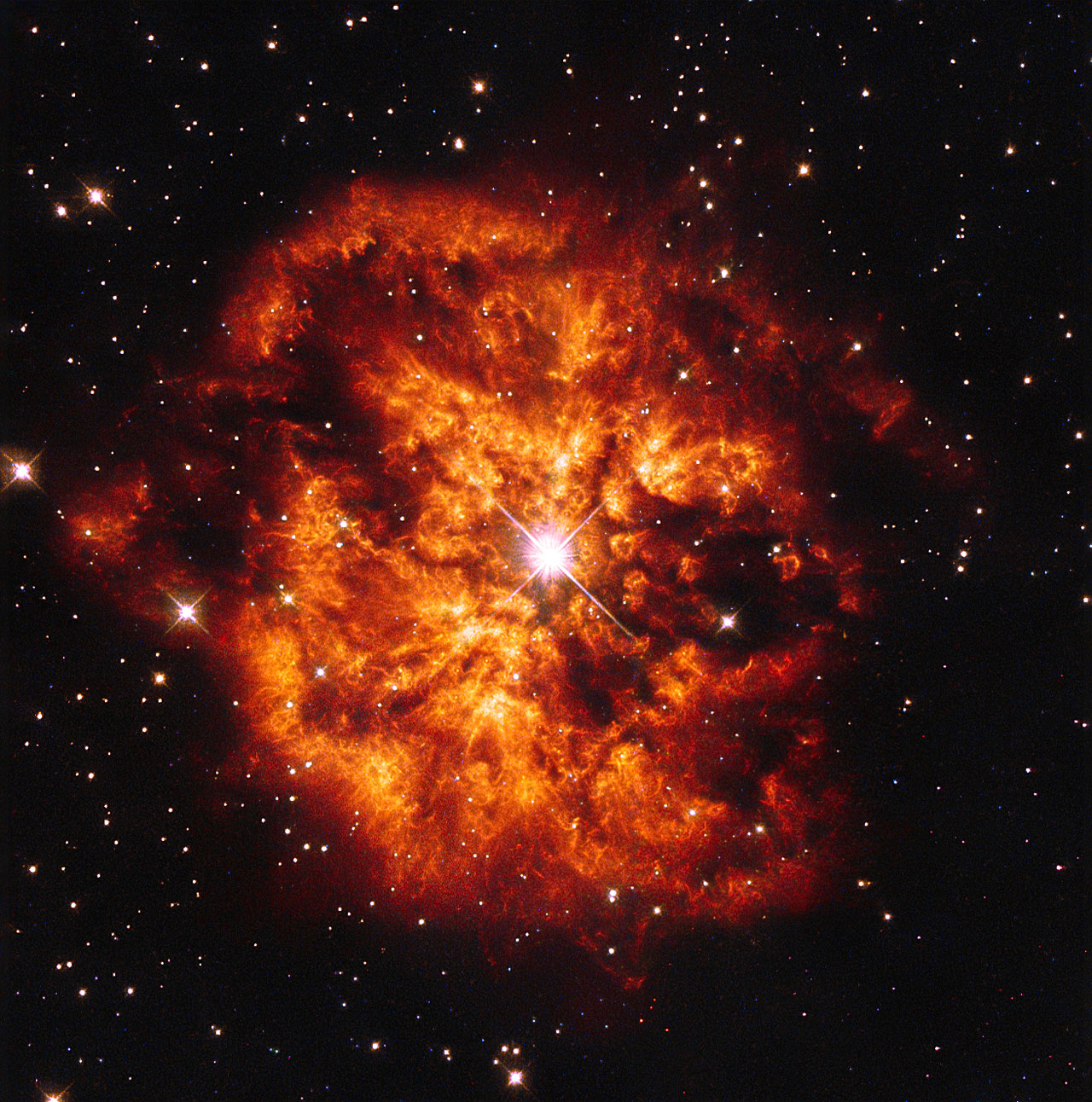
A Star Reborn: Sakurai's Object Shows a Wolf-Rayet-Type Spectrum and Reheats More Slowly Than Models Predicted
New VLT spectra show Sakurai's Object, the "born-again" star that erupted in 1996, now looks like a [WC] star at about 30,500 K, reheating more slowly than some models predicted and giving theorists a way to test them.
-
Science & Discovery
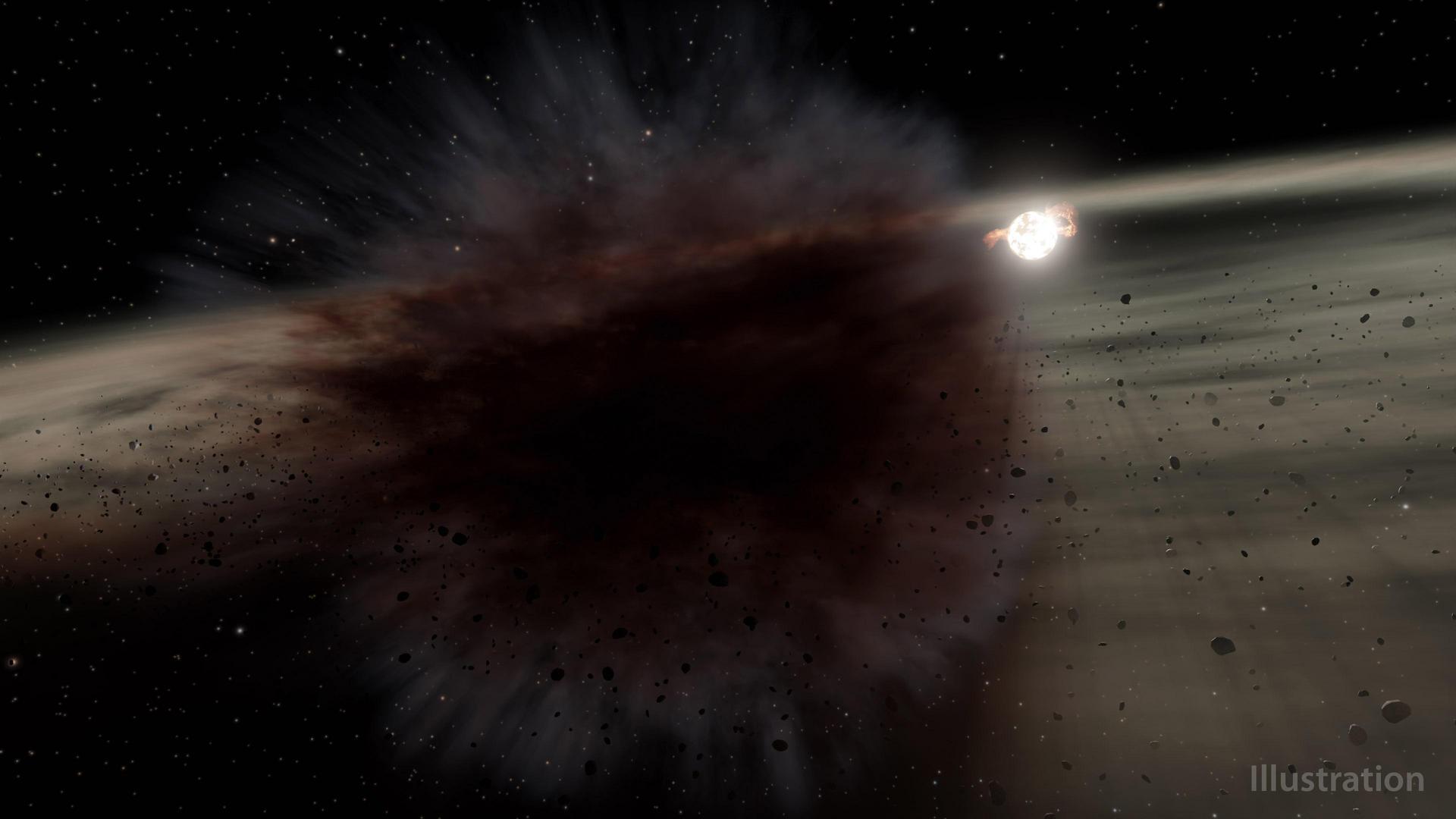
Webb Counts the Wreckage: 21 'Extreme Debris Disks' Show Two Kinds of Planet-Smashing Collisions
Webb and Spitzer spectra of 21 extreme debris disks split into two camps: silica-rich Mars-scale impacts around stars under 300 million years old, and silica-poor Moon-scale grazing collisions at any age.
-
Science & Discovery
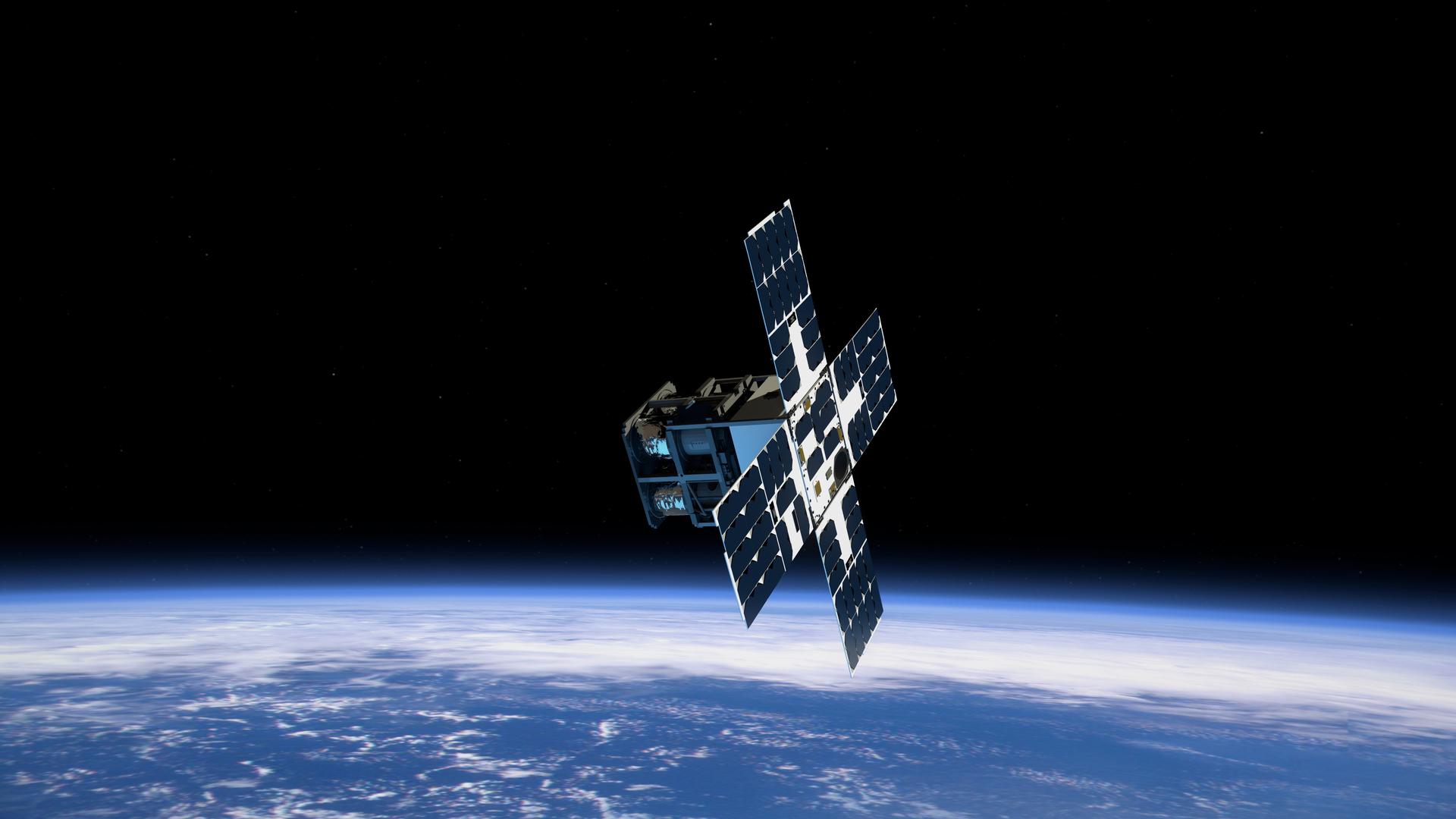
Cornell's Free-Flying Lightsail Worked: Gram-Scale ChipSats Fly Solo in Orbit
Cornell's Alpha CubeSat released a 57.5 cm lightsail carrying four ChipSats that detached from the host and sent complete data packets to the ground, a first for a spacecraft this small and a step toward Breakthrough Starshot-style concepts.
-
Science & Discovery
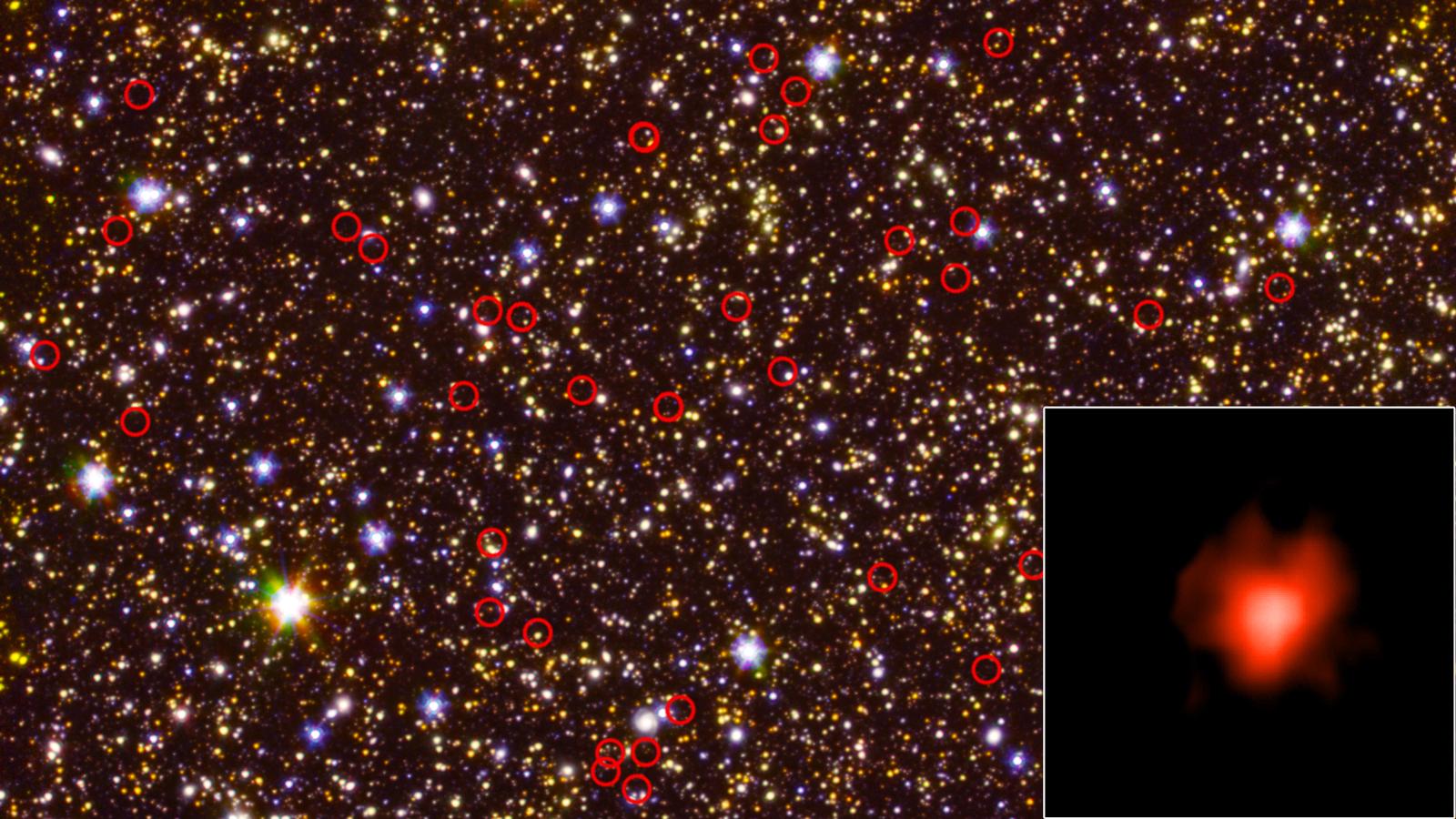
CHIME Detects Hydrogen's Faint Glow From 5 Billion Years Ago Using Only Its Own Data
The Canadian Hydrogen Intensity Mapping Experiment has made its first standalone detection of the cosmological 21 cm signal at z~1 (12.5 sigma, 94 nights of 2019 data), a step toward cheaper dark energy studies without galaxy-survey cross-correlation.
-
Science & Discovery
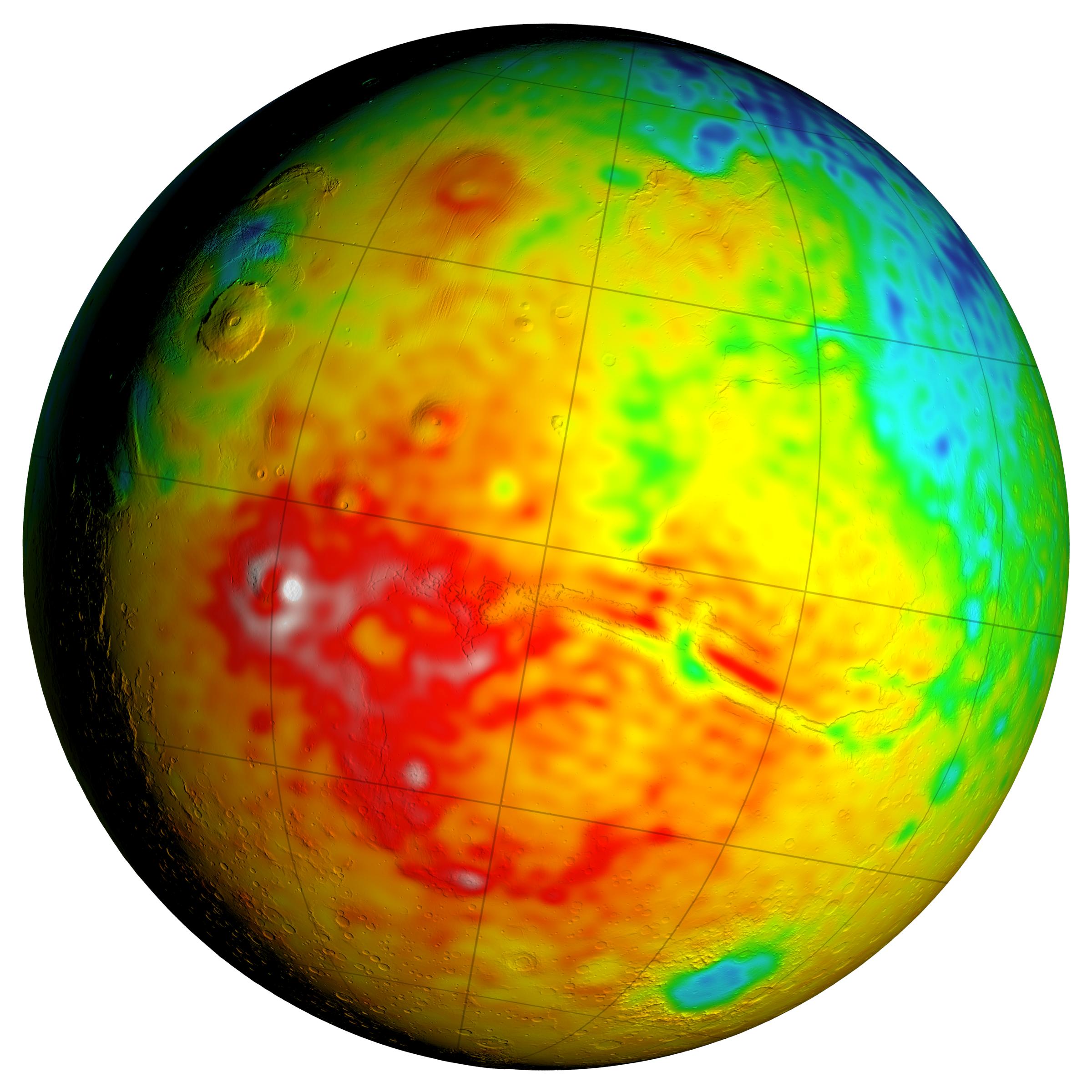
Mars Has a Hot Spot Under Its Southern Highlands, and Orbiter Tracking Data Found It
Sixteen years of tracking data from three Mars orbiters, analyzed with tidal tomography, point to a 200-400 C warm region in the mantle beneath the southern highlands, lining up with the planet's crustal dichotomy.
-
Science & Discovery
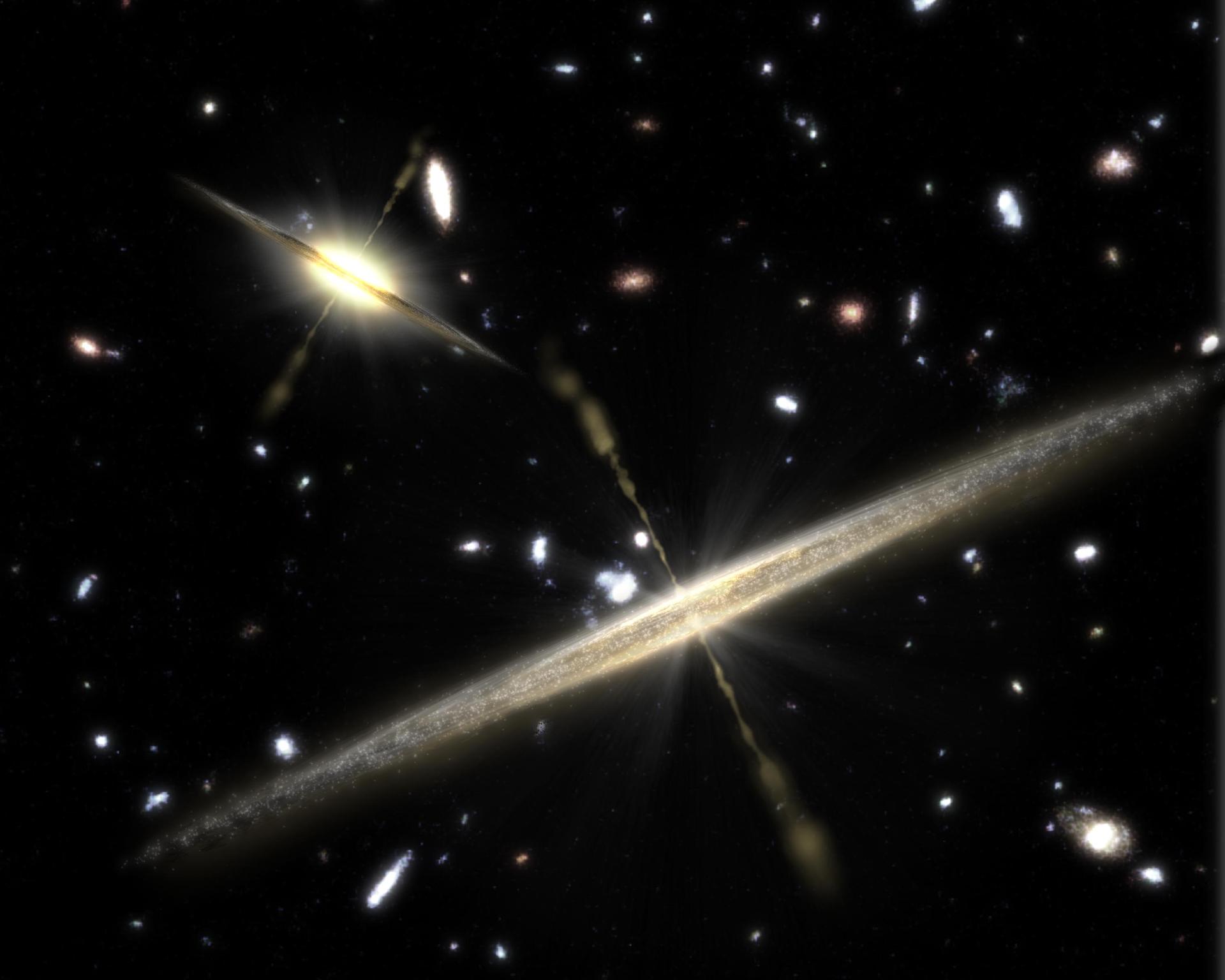
Roaming Black Holes May Carry the Hidden History of Their Galaxies
Yale simulations suggest black holes knocked loose by galaxy mergers can wander for billions of years, especially in small galaxies, and where they end up may record how their galaxies were seeded and assembled.
-
Science & Discovery
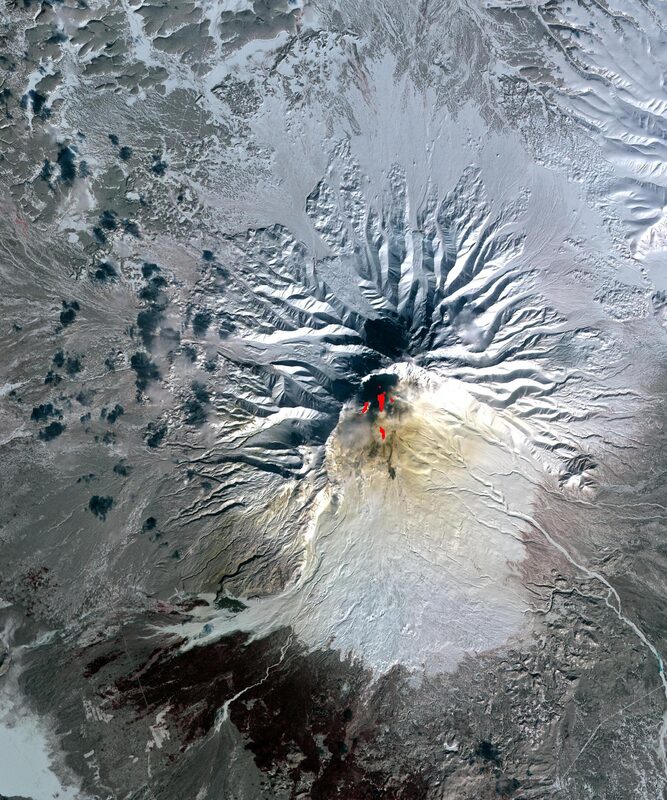
NISAR's Radar Eyes Track a Kamchatka Volcano Erupting After 475 Years
A NASA-ISRO radar satellite stitched passes from December 2025 through August 2026 into a 17-frame time-lapse of lava spilling from Kamchatka's Krasheninnikov volcano, which erupted for the first time since roughly 1550, days after a magnitude-8.8 earthquake.
-
Science & Discovery
NASA Picks PRIMA, a $1.2 Billion Far-Infrared Observatory, to Lead a New Mission Class
NASA confirmed PRIMA, a cryogenically cooled 1.8-meter far-infrared telescope capped at $1.2 billion, as the first mission in its new Probe Explorers class, targeting a 2033 launch.