Science & Discovery
Space science and discovery from Cosmic Herald — planetary science, cosmology, astrobiology, and the search for life beyond Earth.
-
Science & Discovery
Is Our Galaxy's Black Hole Flinging Particles to PeV Energies? A New Study Says Maybe
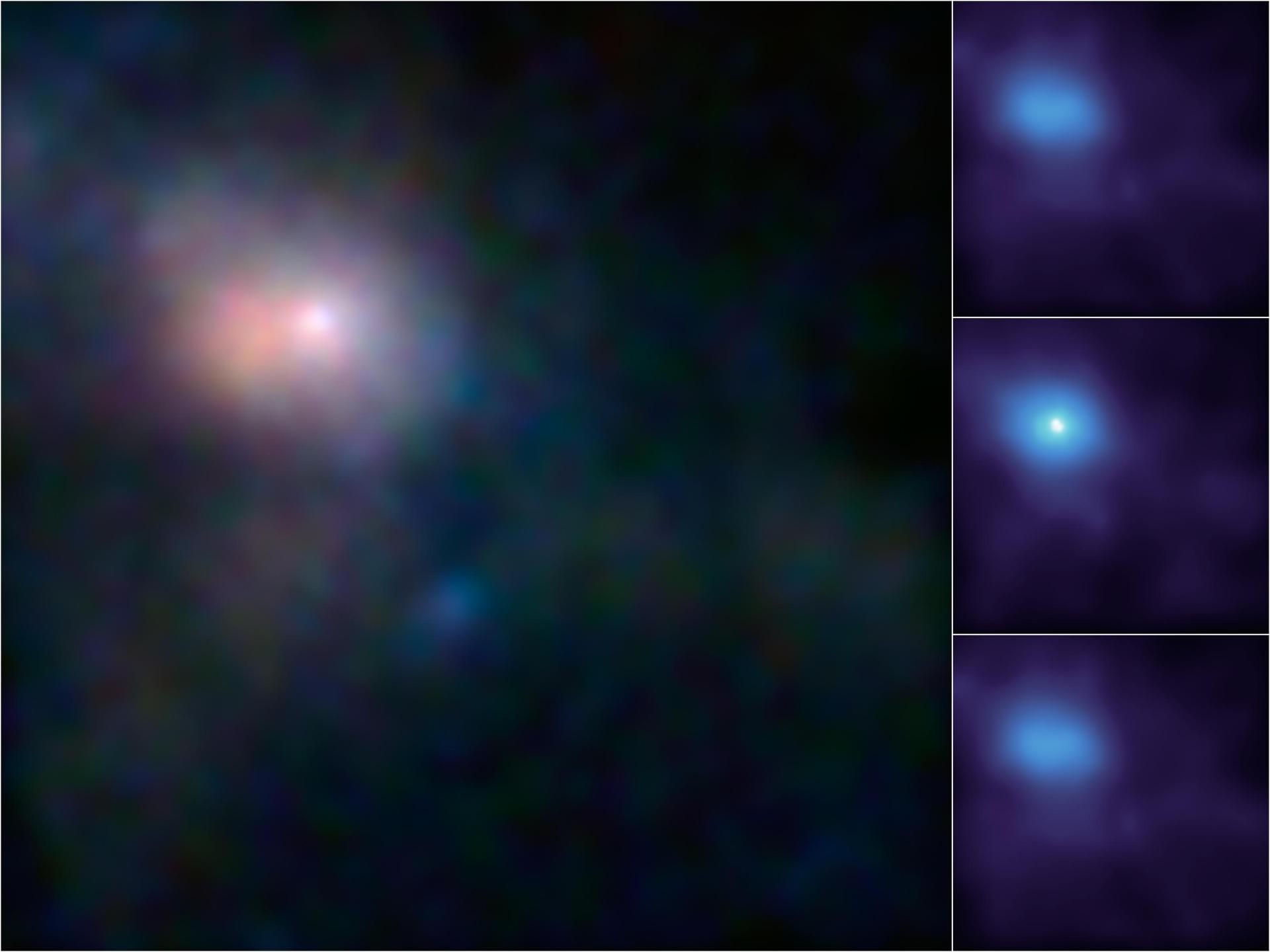
A new theoretical model suggests Sagittarius A* accelerates neutrons to PeV energies via the magnetic Penrose process, while a companion UCLA astrometry paper pins down the black hole's motion and rules out a hidden intermediate-mass companion.
-
Science & Discovery
Without Jupiter's Gravity Assist, NASA Engineers Turn to Solar Electric Propulsion to Reach Uranus
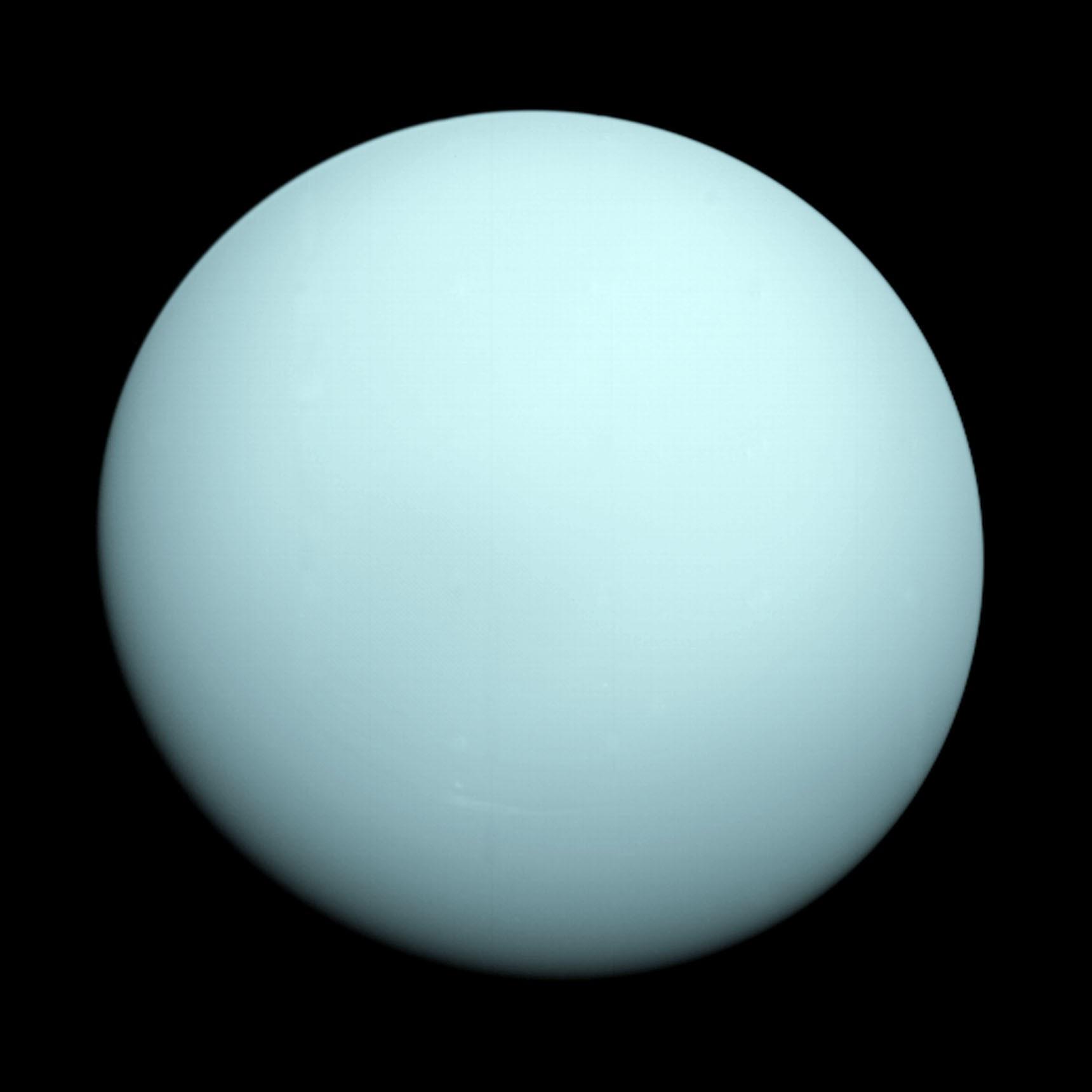
A slipped launch window cost NASA's flagship Uranus mission its Jupiter gravity assist, so a new Planetary Science Journal paper swaps in solar electric propulsion to still reach the ice giant in about 13 years.
-
Science & Discovery
Roman Space Telescope Powers On Its Planet-Imaging Coronagraph
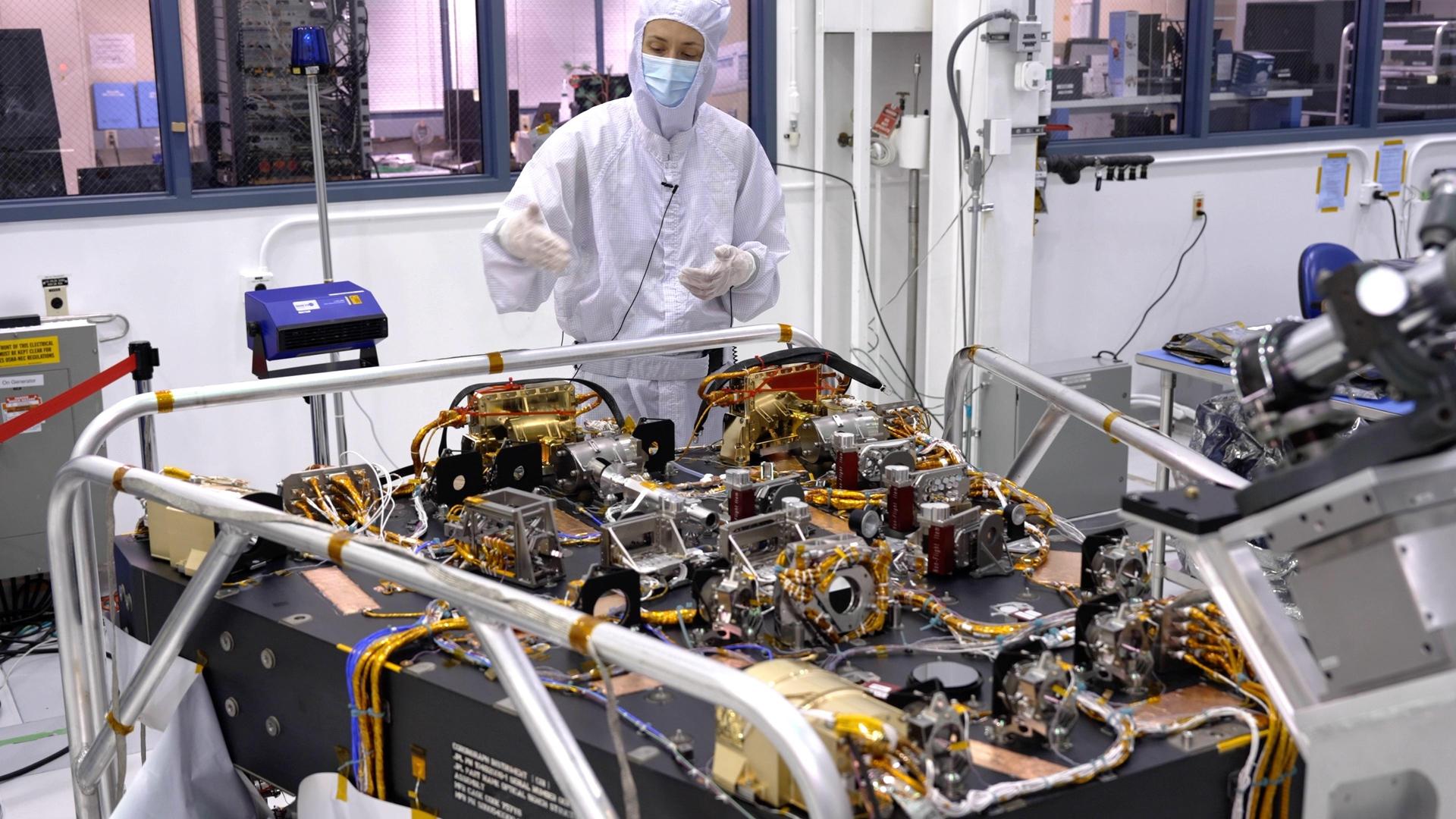
Days after launching on a Falcon Heavy, NASA's Roman Space Telescope switched on its Coronagraph Instrument on September 1, kicking off months of calibration before it attempts to directly image planets around nearby stars.
-
Science & Discovery
A Single Flicker Underground: LUX-ZEPLIN's Tantalizing Brush With Dark Matter
Nearly a mile beneath South Dakota, the LZ detector caught one particle recoil it can't explain — a 2.6-sigma whisper of dark matter that's exciting physicists without convincing them.
-
Science & Discovery
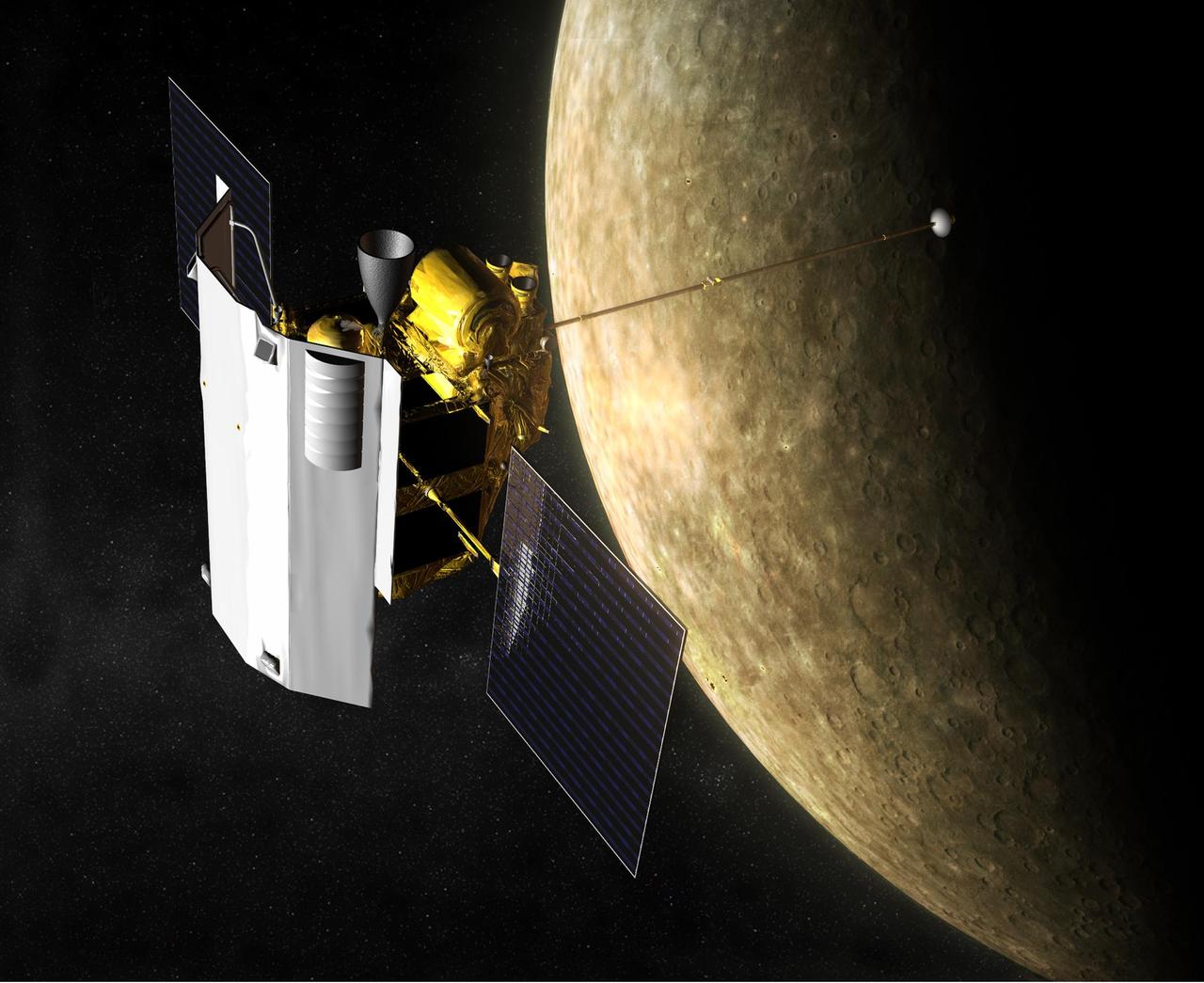
BepiColombo Sheds Its Transfer Module, Opening the Riskiest Phase of the Mercury Mission
On Sept. 3, ESA's Mercury Transfer Module separates from BepiColombo's two science orbiters, opening a sequence ESA calls among the most demanding it has ever run before November's orbit insertion.
-
Science & Discovery
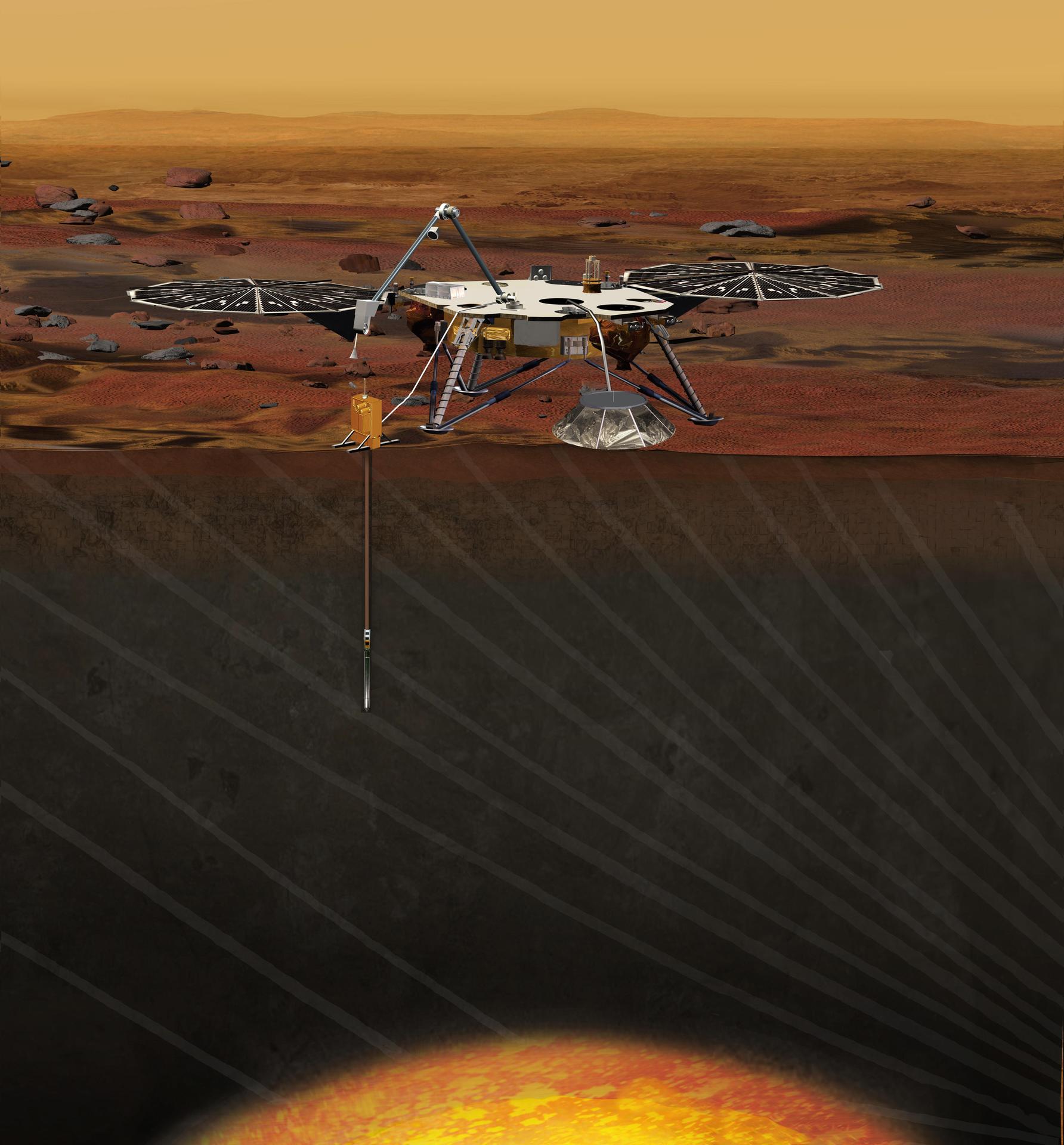
Mars May Be Hiding a Molten Hot Spot Beneath Its South Pole
A gravity-based "tidal tomography" study in Nature finds the interior under Mars's south finds runs 200–400°C hotter than the north and may be partly molten, reshaping ideas about the planet's lopsided magnetism and ancient water.
-
Science & Discovery
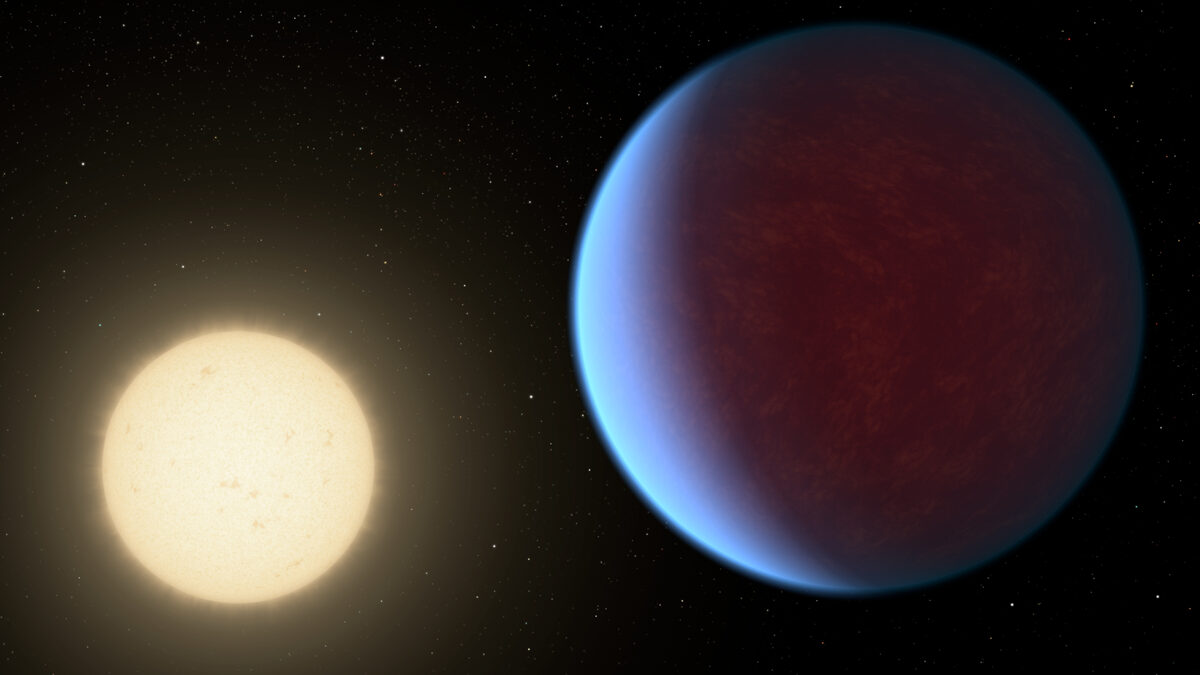
Stanford's 'Cosmic Sandbar' Model Explains Why Some Lava Worlds Keep Their Atmospheres
A Stanford model shows sloshing molten rock on scorched, close-in super-Earths can outgas fast enough to replenish atmospheres that stellar radiation is simultaneously stripping away.
-
Science & Discovery
A Galaxy's Beating Heart: Simulation Shows Its Central Star Cluster and Stellar Disk Grow Up Together
A new hydrodynamical simulation called SMUGGLE-Ring finds that a Milky Way-mass galaxy's nuclear star cluster and surrounding nuclear stellar disk are built by the same bar-driven gas inflow, not by separate, unrelated processes.
-
Science & Discovery
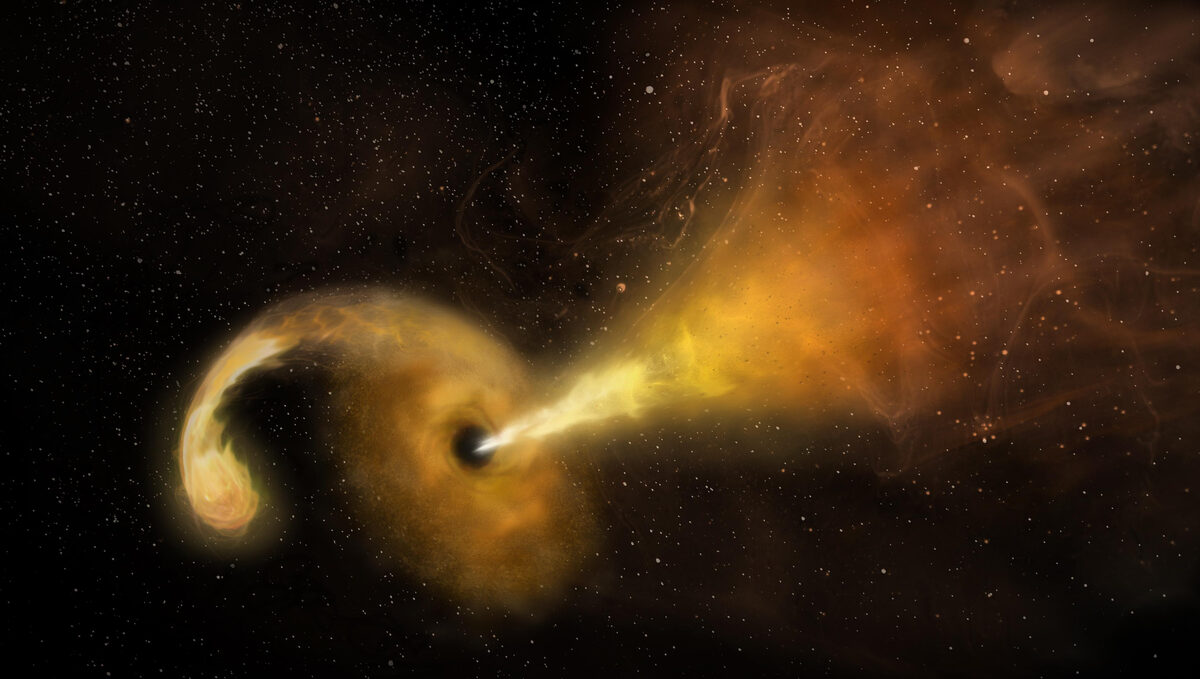
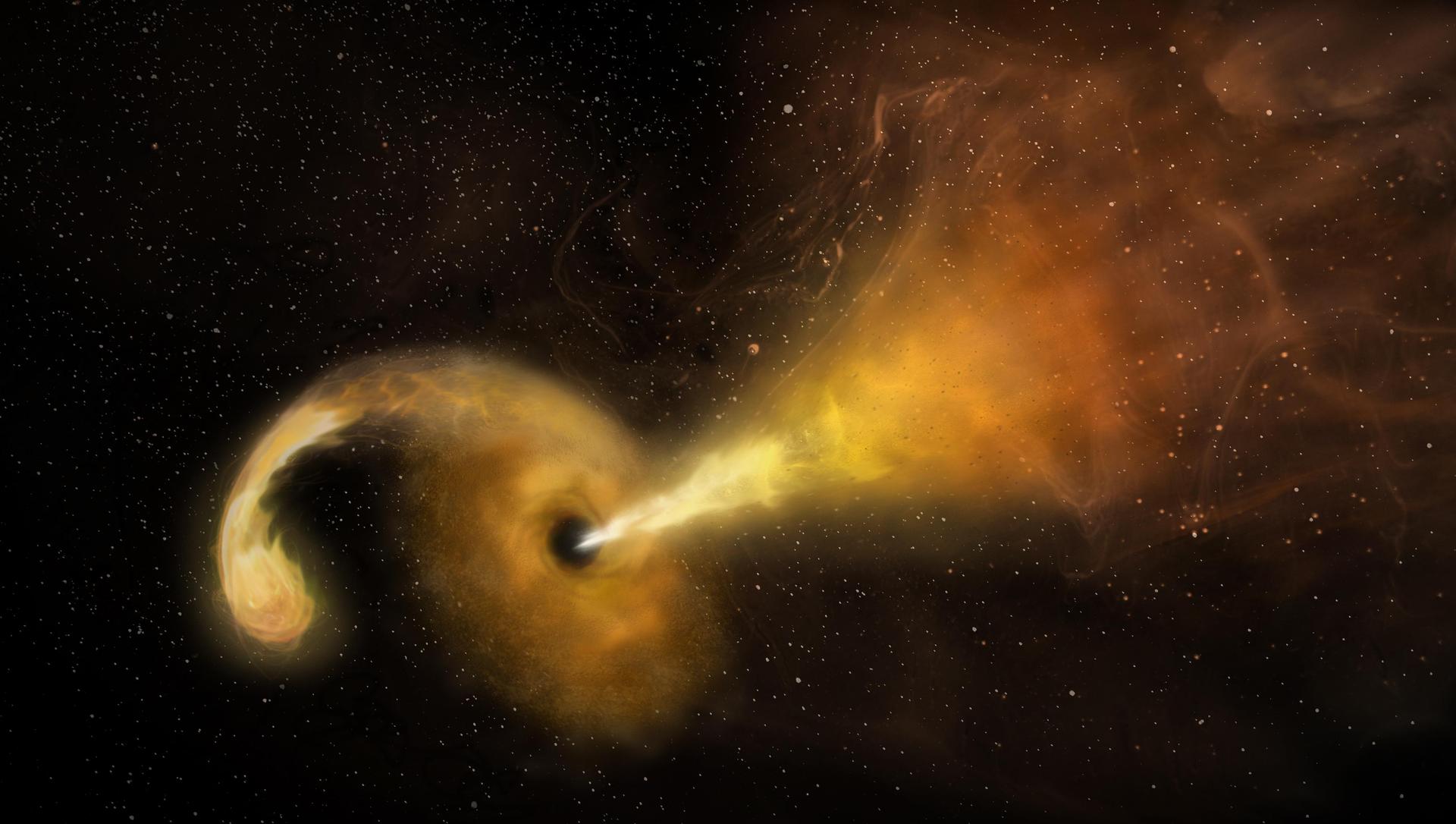
Why Black Holes Keep Shredding the Same Stars — and Why the Flares Keep Fading
A Syracuse-led study explains why some stars survive repeated brushes with a supermassive black hole while their flares dim each time: they were already spinning fast before capture.
-
Science & Discovery
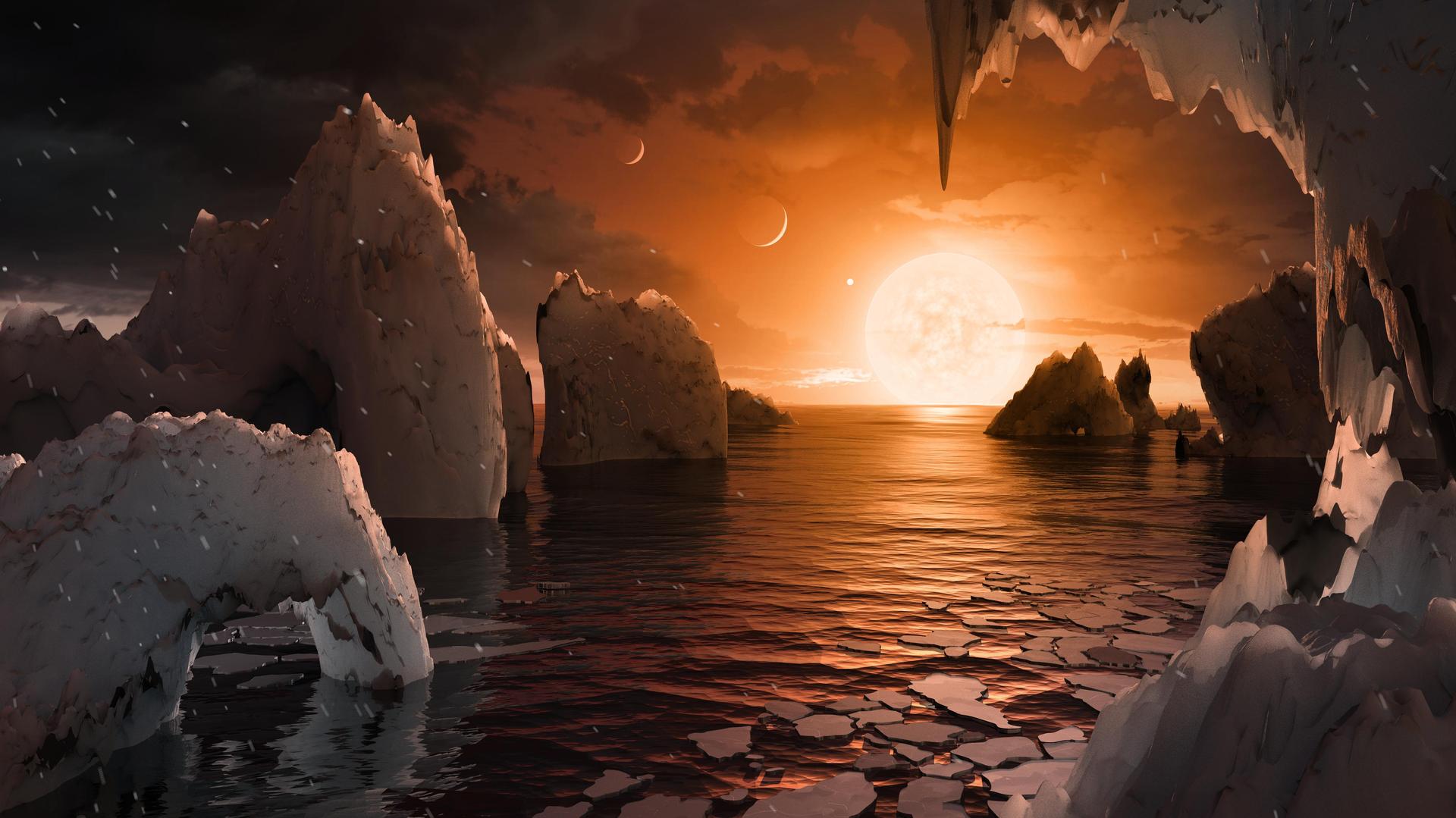
JWST Rules Out a Thick Atmosphere on Habitable-Zone World TRAPPIST-1 f
Five clean JWST transits of TRAPPIST-1 f show no starspot contamination and rule out a thick hydrogen/helium atmosphere, sharpening the hunt for air on the seven-planet system's outer habitable-zone world.
-
Science & Discovery
Something May Have Survived the 'Whippet' — the Most Powerful Star-Shredding Explosion Ever Seen
New spectra from AT2024wpp, a black hole's 400-billion-Sun star-shredding flare, show helium gas racing away at over 6,000 km/s months later — hinting a dense clump of the star, or a companion object, made it out alive.
-
Science & Discovery
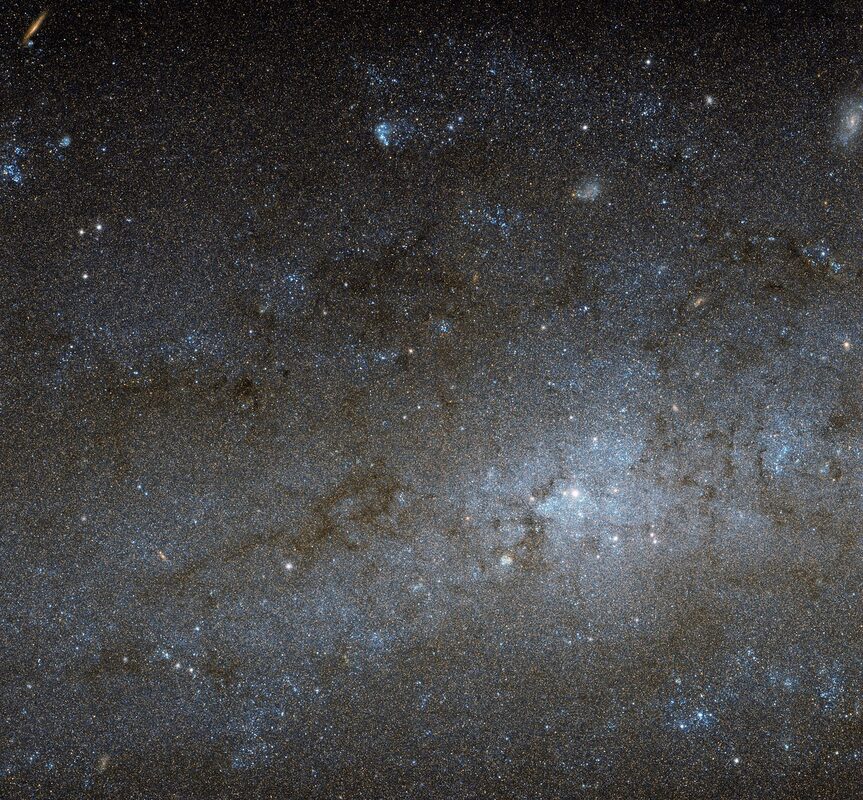
A Cosmic Breadcrumb Trail: First Stellar Stream Found Outside the Milky Way Offers New Way to Weigh Dark Matter
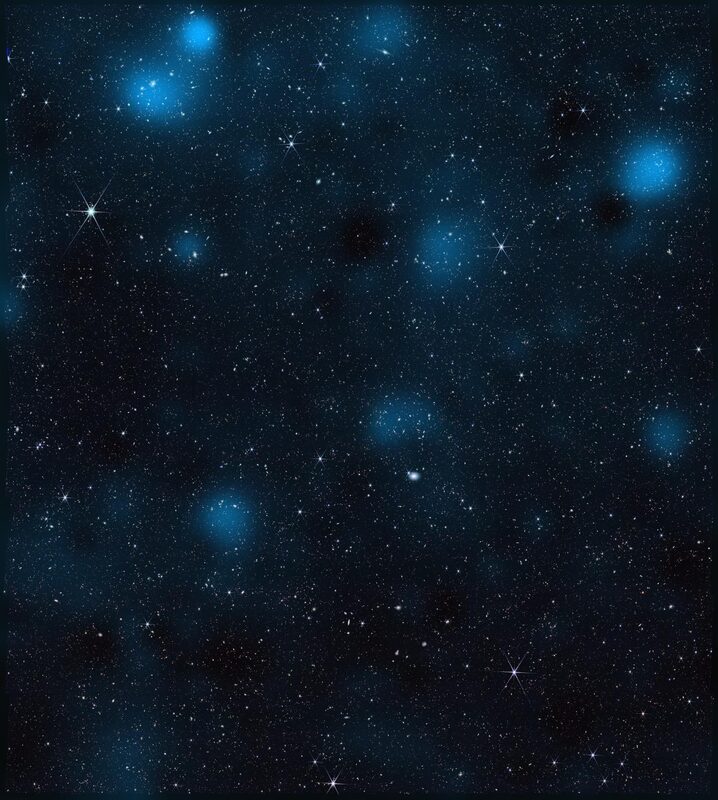
Astronomers combing archival Hubble images spotted the first confirmed globular-cluster stellar stream beyond our galaxy, in a faint dwarf 115 million light-years away — and the technique could finally let us map dark matter in galaxies other than our own.