Science & Discovery
Space science and discovery from Cosmic Herald — planetary science, cosmology, astrobiology, and the search for life beyond Earth.
-
Science & Discovery
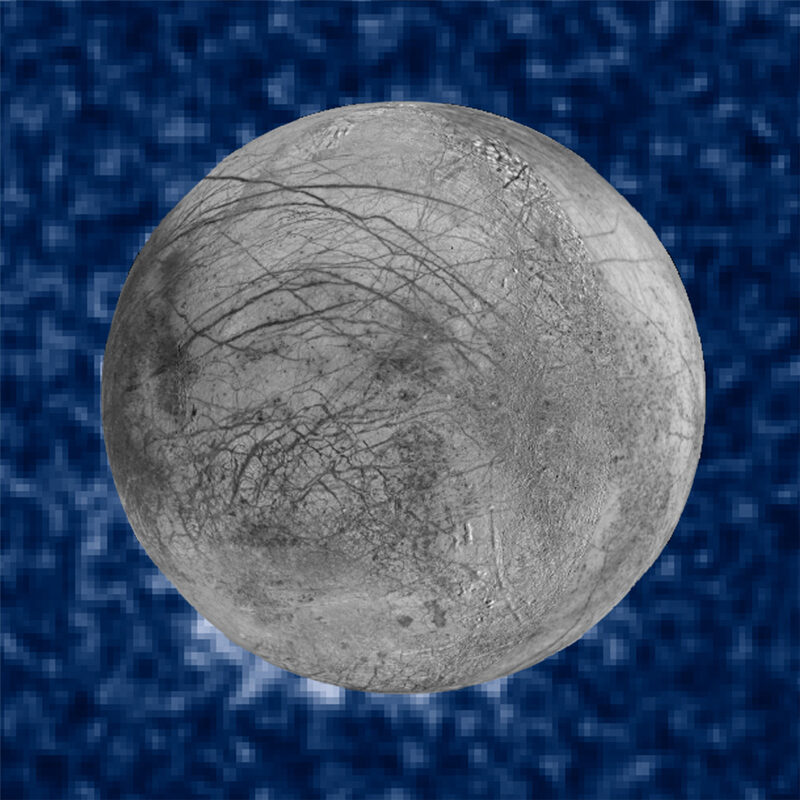
Europa's Ocean May Be Sealed Off: New Model Shows Cracks Freeze Shut Before Water Reaches the Surface
A Nature Astronomy study led by Rutgers' Lujendra Ojha finds that water rising through Europa's ice-shell fractures supercools and clogs with frazil ice, freezing narrow cracks shut within hours - reshaping where Europa Clipper and JUICE should hunt for habitable niches.
-
Science & Discovery
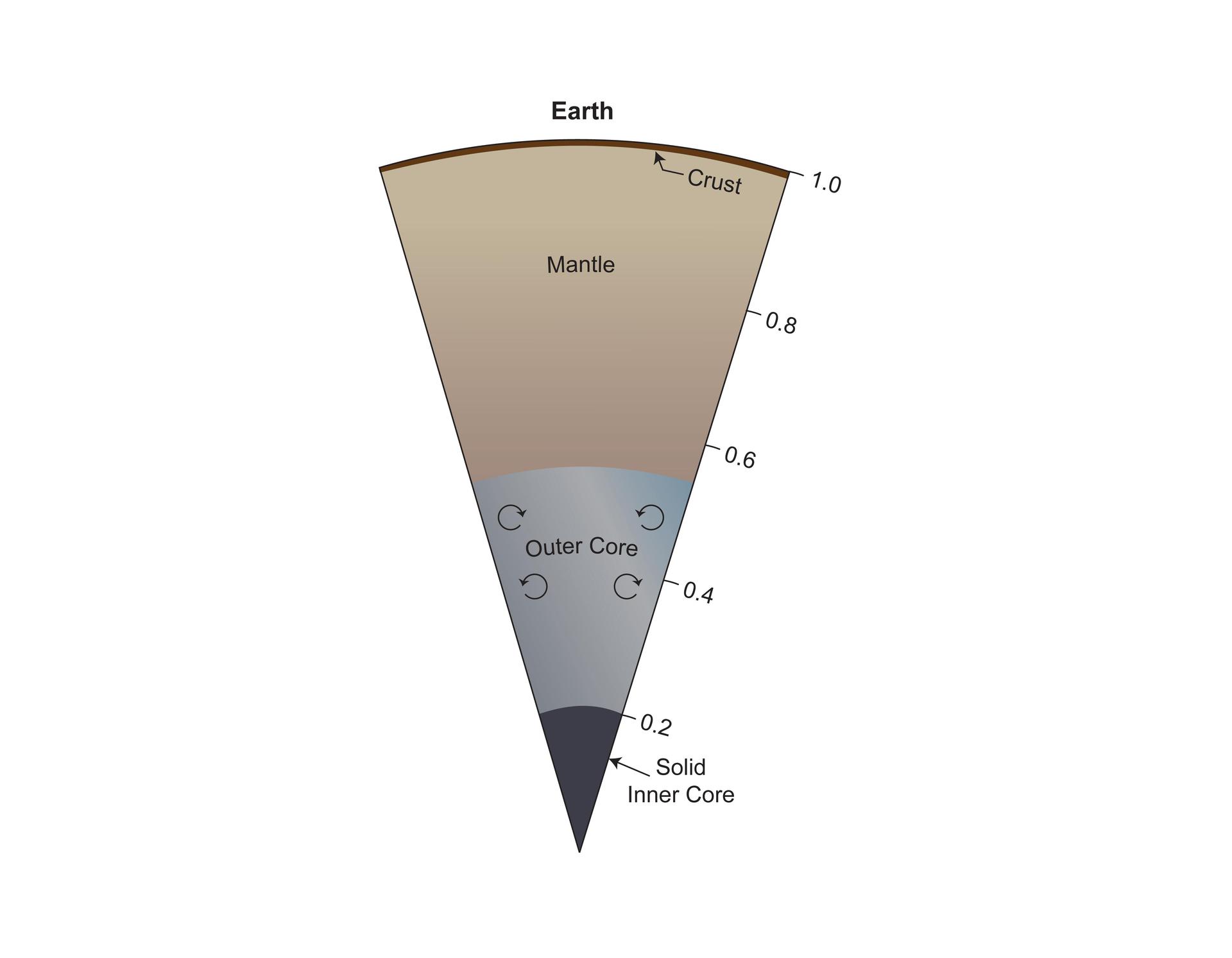
Earth's Deep Mantle Is Still Leaking Solar Nebula Gas — and It Says Proto-Earth Was About a Third of Today's Planet
Neon bubbling out of mid-ocean-ridge basalts can only have come from the solar nebula, and a new Planetary Science Journal paper uses it to pin the young Earth's mass at roughly 0.3 Earth masses — captured from a disk already depleted at least 100-fold.
-
Science & Discovery
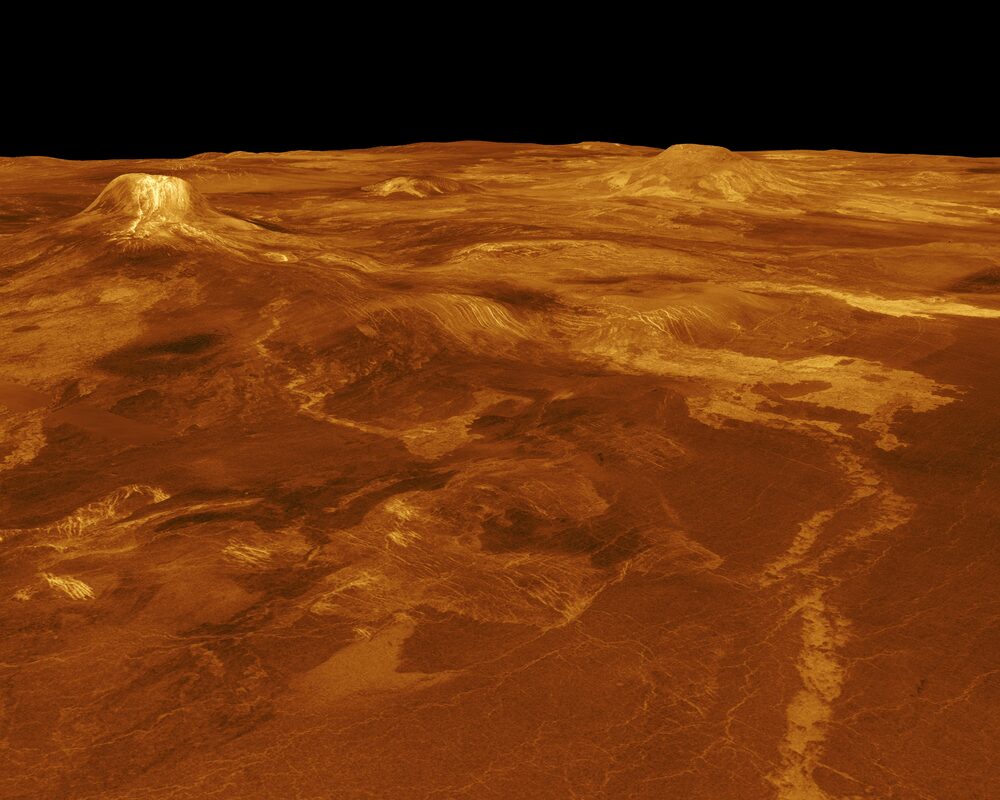
Venus Is Not Dead: New 3D Rift Models Say the Planet Is Still Pulling Itself Apart
ETH Zurich's first high-resolution 3D simulations of Venusian rifting, published in Nature Geoscience, use the broad ridges flanking Venus's 10,000-km rift valleys as a geological clock — and conclude some rifts are still spreading at 3-10 cm per year.
-
Science & Discovery
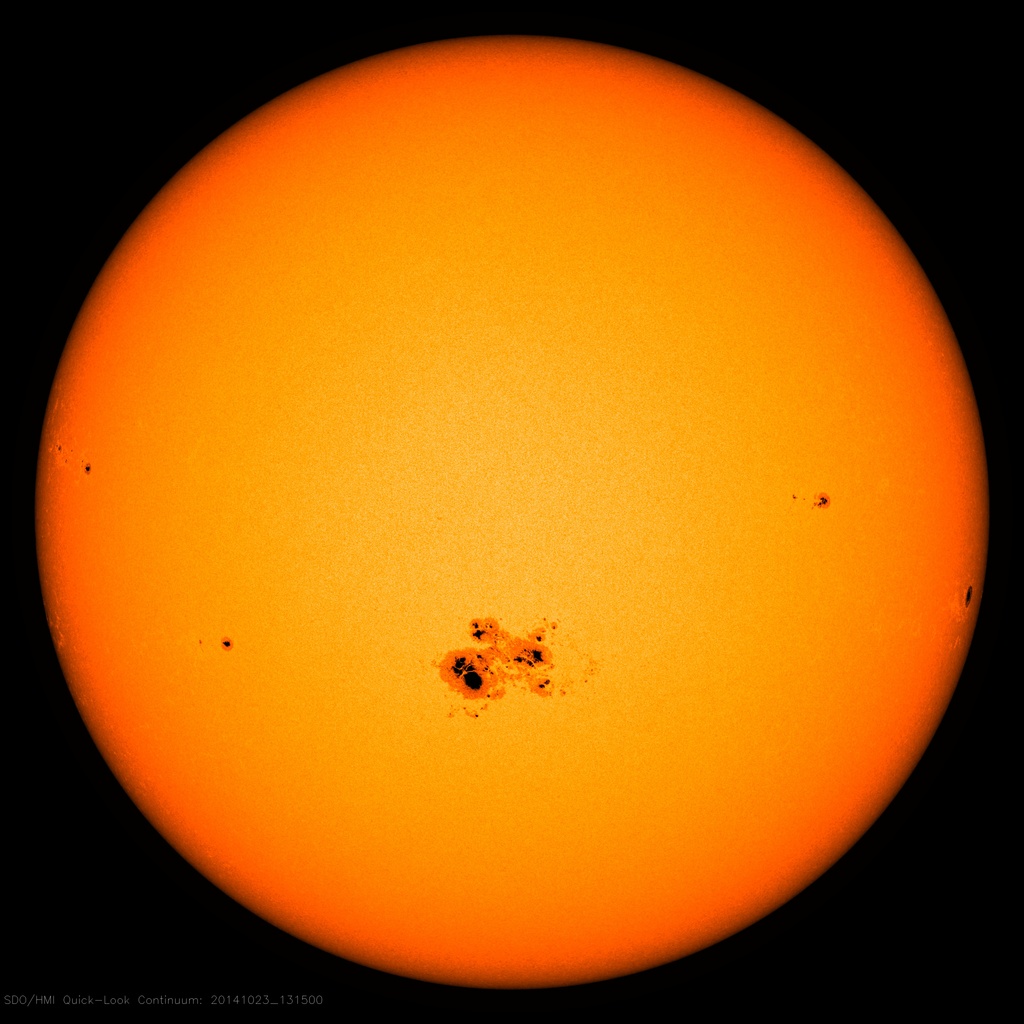
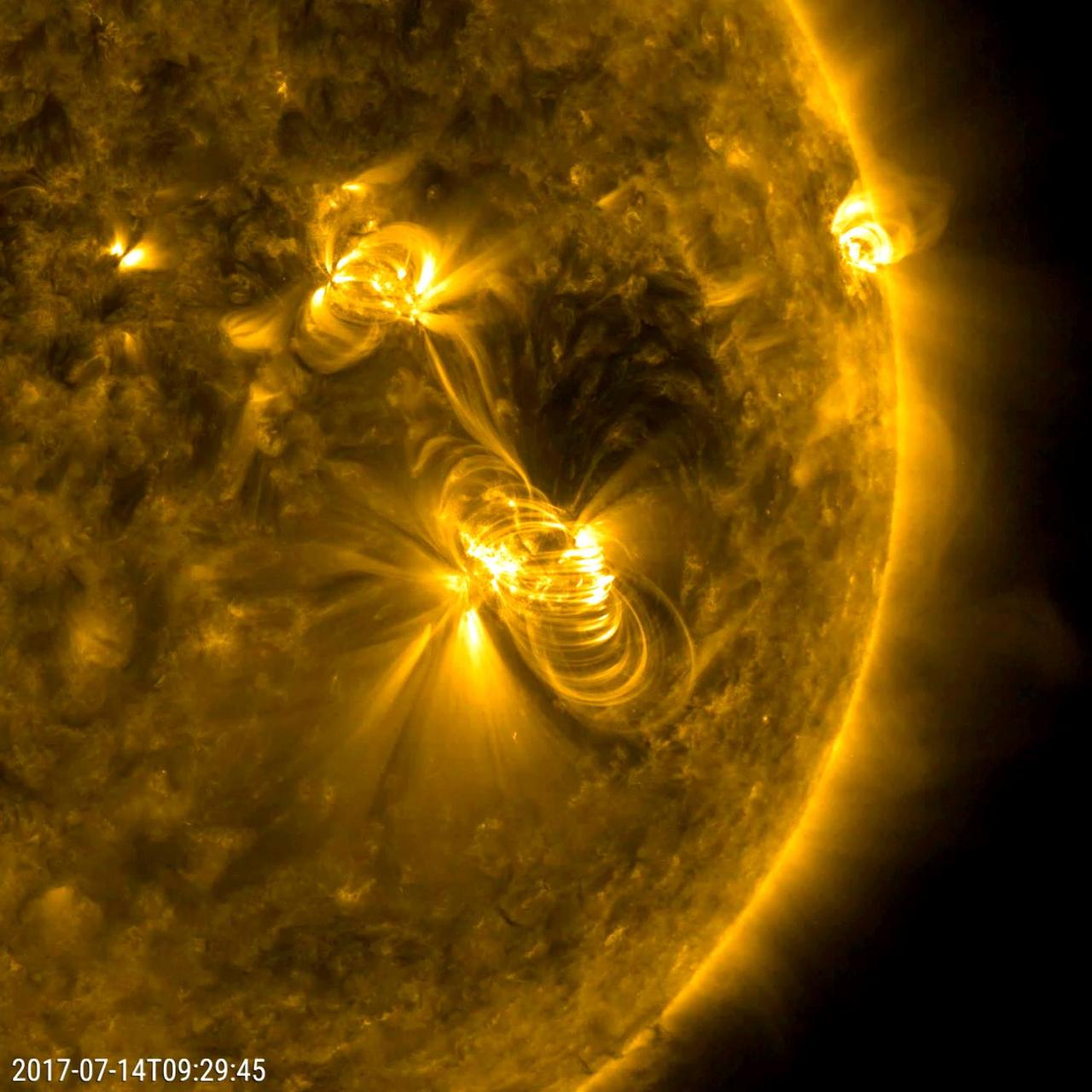
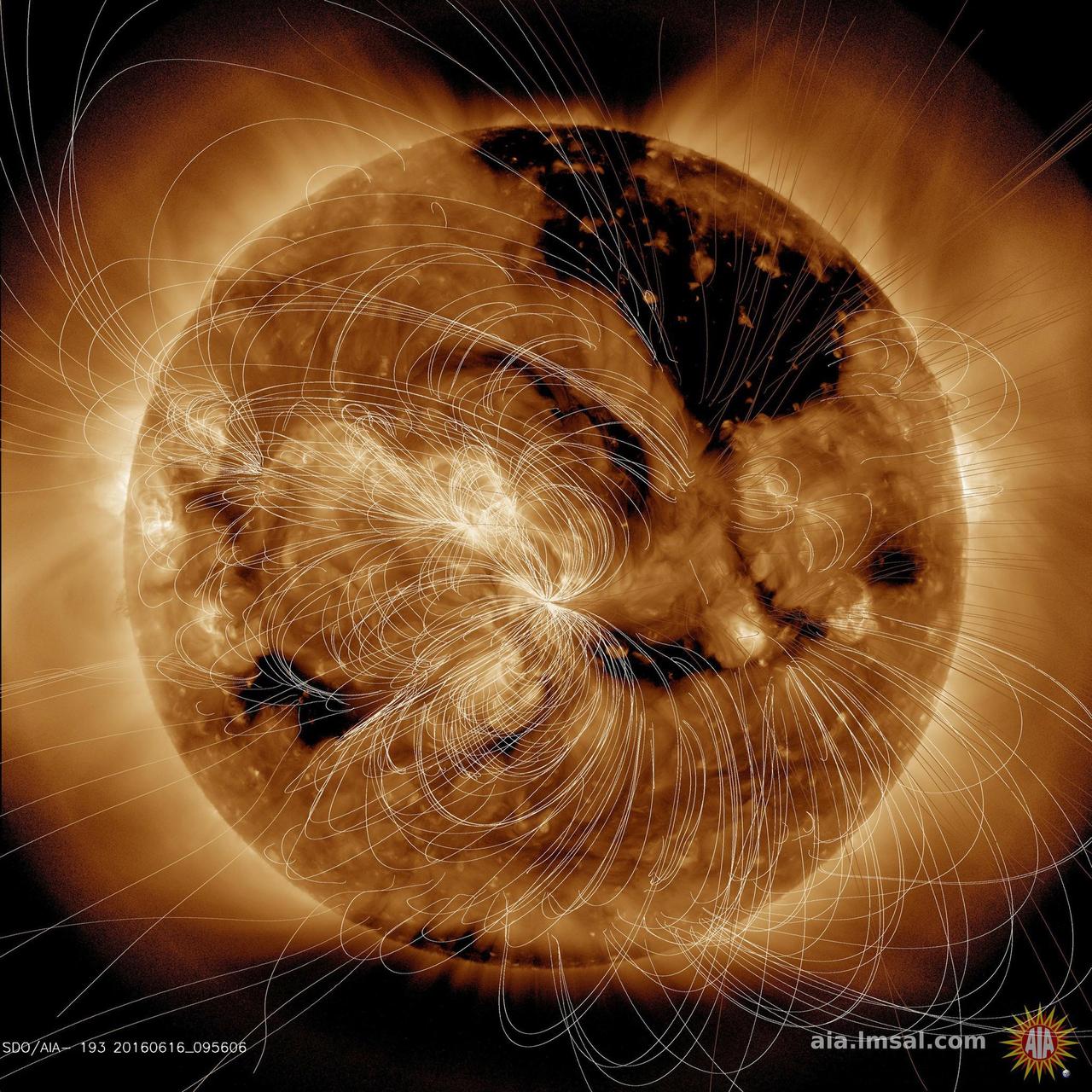
The Sun's Sudden 'Switch-Off': A Hidden Signal That Forecasts the Next Solar Cycle Years in Advance
University of Warwick physicist Sandra Chapman told NAM 2026 that the Sun's fiercest space weather ends not with a whimper but a sudden 'switch-off' - and the sunspots left behind at that moment forecast the next cycle six to seven years early.
-
Science & Discovery
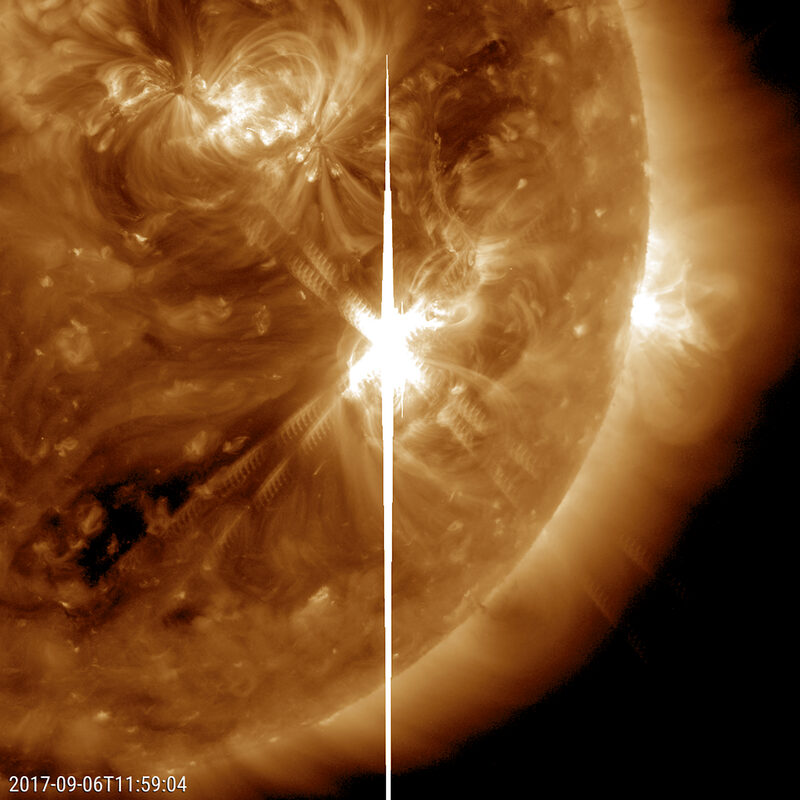
A Fresh Sunspot and an Incoming Coronal-Hole Wind Set Up a G1 Aurora Window for July 21-22
New sunspot AR4493 fired an M3.4 flare and 17 others in 24 hours as a fast coronal-hole wind stream heads for Earth, setting up a G1 geomagnetic storm and aurora chances July 21-22.
-
Science & Discovery
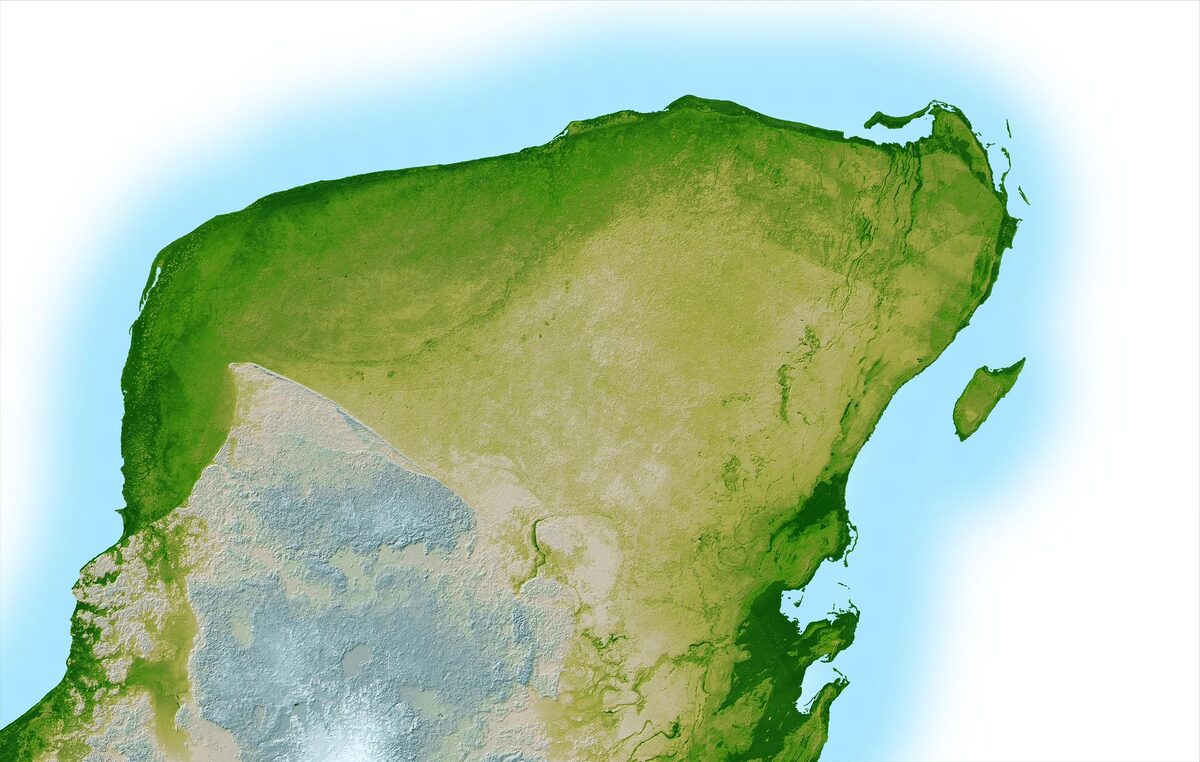
Nickel Isotopes Finally Name the Rock That Killed the Dinosaurs — and It's an Oddball
Nickel isotopes in K–Pg boundary clay identify the Chicxulub impactor as a rare CO chondrite — so poor in sulfur, carbon and water that atmospheric debris, not impactor sulfur, likely drove the extinction.
-
Science & Discovery
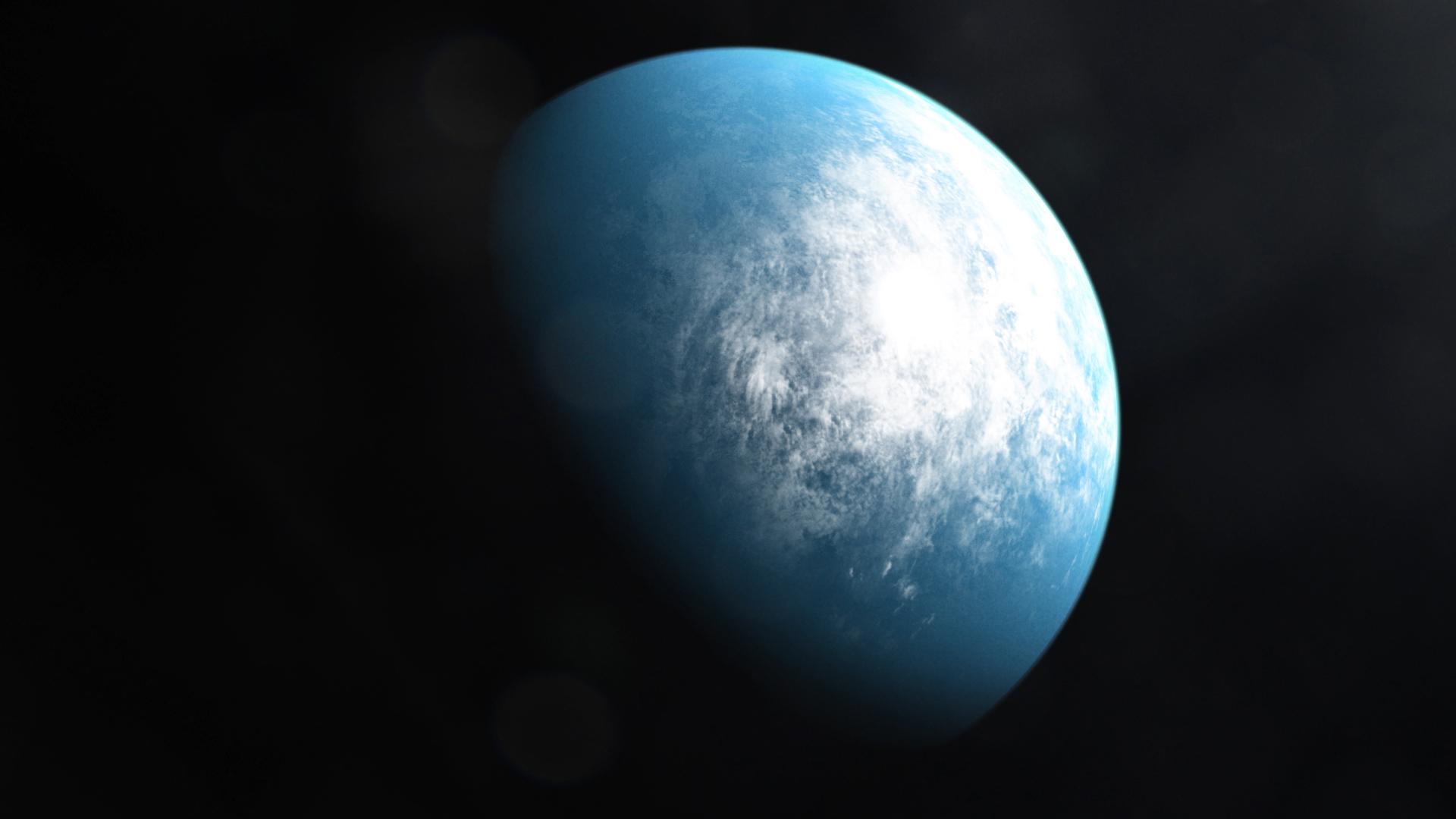
Webb's Next Target Just Got Interesting: A Rocky Habitable-Zone World Is Leaking Helium
A Science paper reports the first atmosphere detected on a rocky, habitable-zone exoplanet: helium is escaping the super-Earth LHS 1140b. The signal was time-variable — seen in 2024, gone in 2025 — hinting at an active, replenishing atmosphere.
-
Science & Discovery
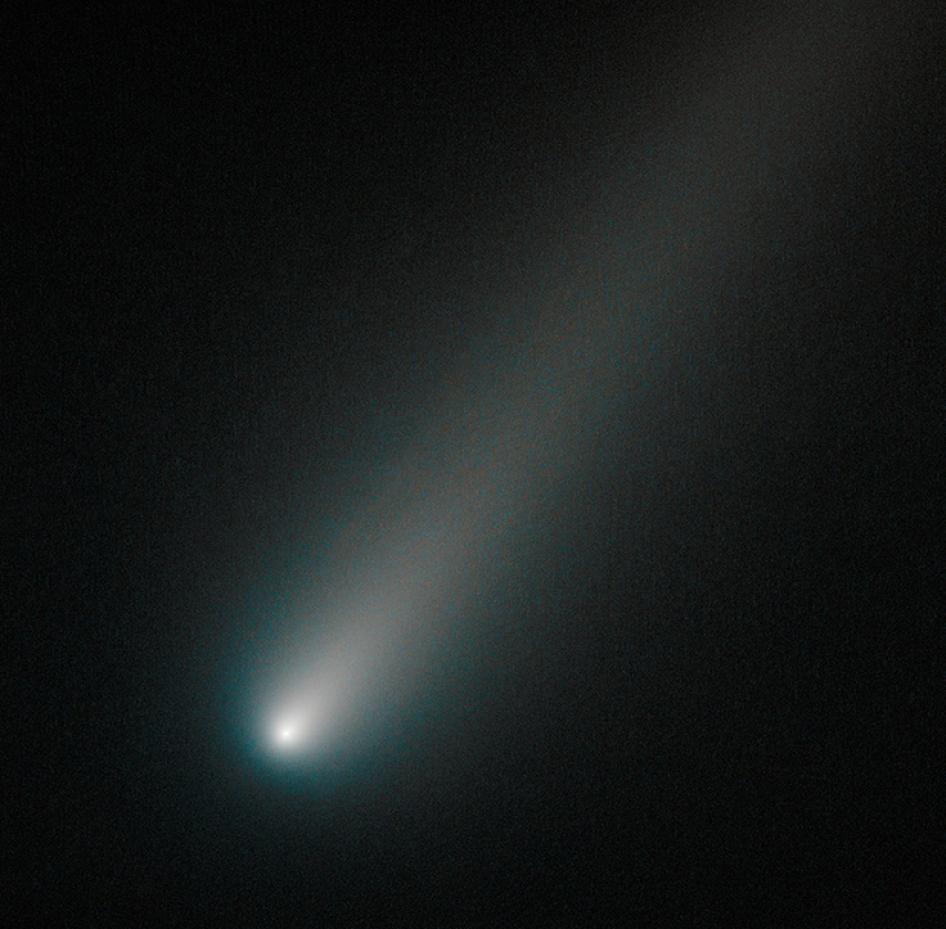
The asteroid that wasn't: 1998 SH2 outed as an active comet
A NASA/JPL-led study in Nature Astronomy has reclassified near-Earth object 1998 SH2 as an active comet — now P/1998 SH2 — after tiny outgassing-driven accelerations and a faint tail gave it away during a 2025 close pass.
-
Science & Discovery
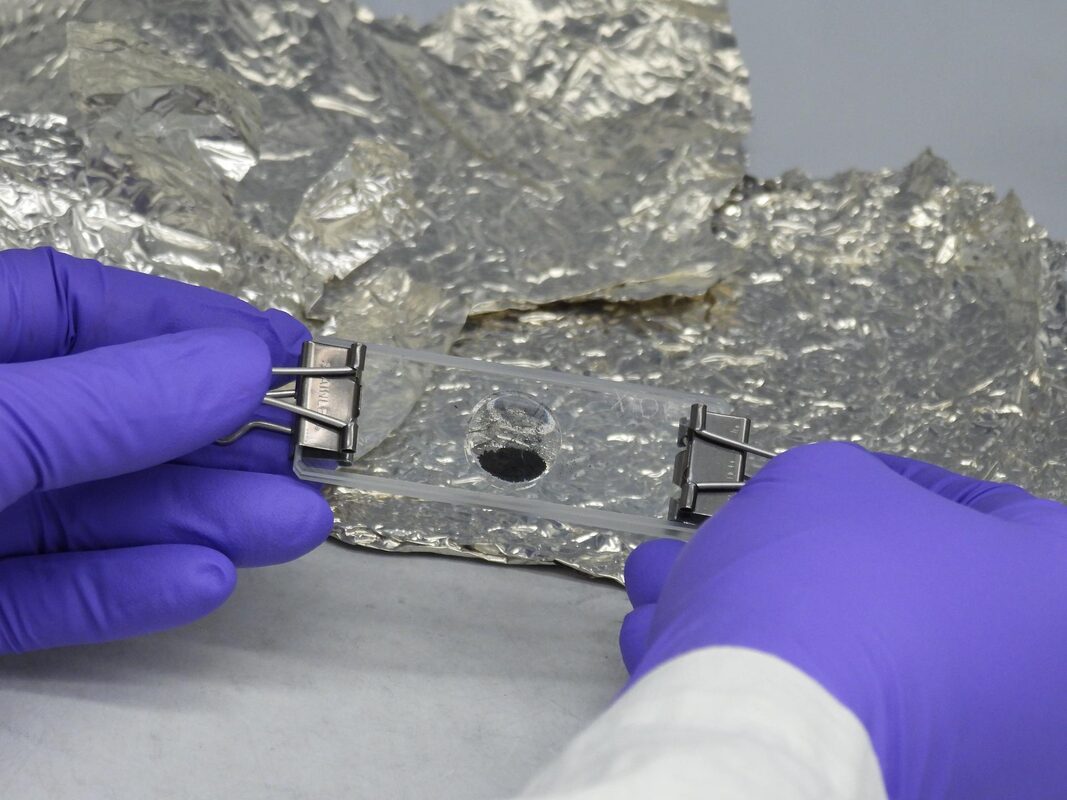
The Meteorite That Crashed Through a New Jersey Roof Was Carrying Alien Amino Acids
Two years to the day after a fireball rattled New York City and a two-pound rock punched through a Hillsborough, NJ roof, scientists report the meteorite preserves sodium-carbonate salts and extraterrestrial amino acids brewed in briny fluids on a 4.5-billion-year-old asteroid.
-
Science & Discovery
The Ceiling Was an Illusion: NASA-Led Study Says Solar Storms Could Hit Earth Harder Than We Thought
A NASA-led analysis of over a million solar wind measurements finds the long-assumed "saturation" limit on geomagnetic storm intensity is a statistical artifact, not a real ceiling — meaning the worst space weather could still be ahead of us.
-
Science & Discovery
Quiet Sun, Restless Field: Inside NOAA's Latest Space Weather Snapshot
Weeks after an X-class flare sparked aurora across 30 US states, NOAA's July 15 snapshot shows 36 tame sunspots, a mild C3 flare, and just quiet-to-minor storm odds — a reminder that solar weather swings fast.
-
Science & Discovery
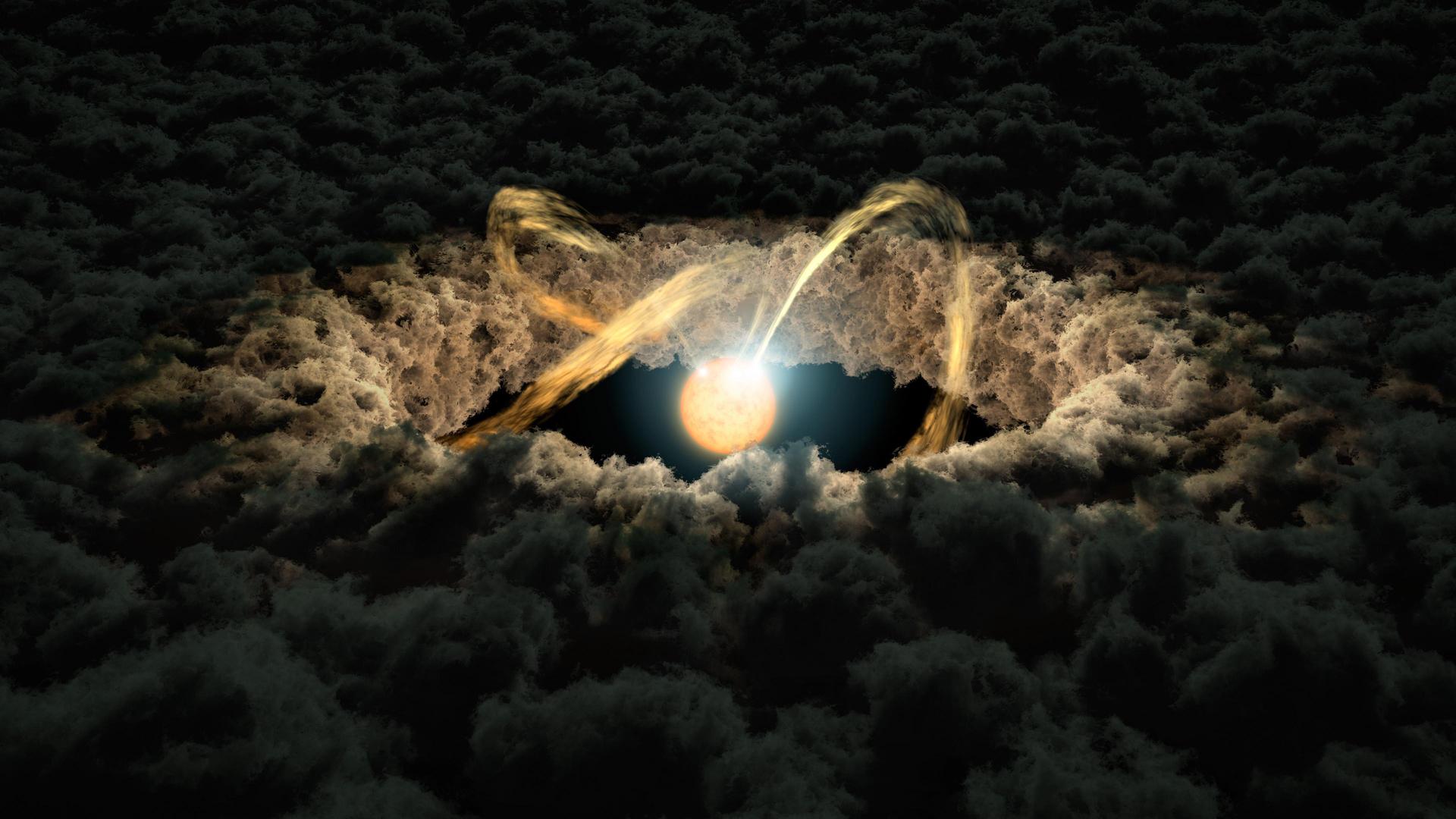
JWST Finds a "Hot but Cold" Hydrogen Glow Far Out in an Edge-On Planet-Forming Disk
A new JWST study of the edge-on disk Oph 163131 finds hydrogen gas glowing from vibrational excitation without the rotational heat that normally comes with it, pointing to UV and cosmic rays stirring the far reaches of a planet-forming disk.