NASA & Agencies
Space agency and policy news from Cosmic Herald — NASA, ESA, ISRO, China's CNSA, budgets, and the politics of spaceflight.
-
NASA & Agencies
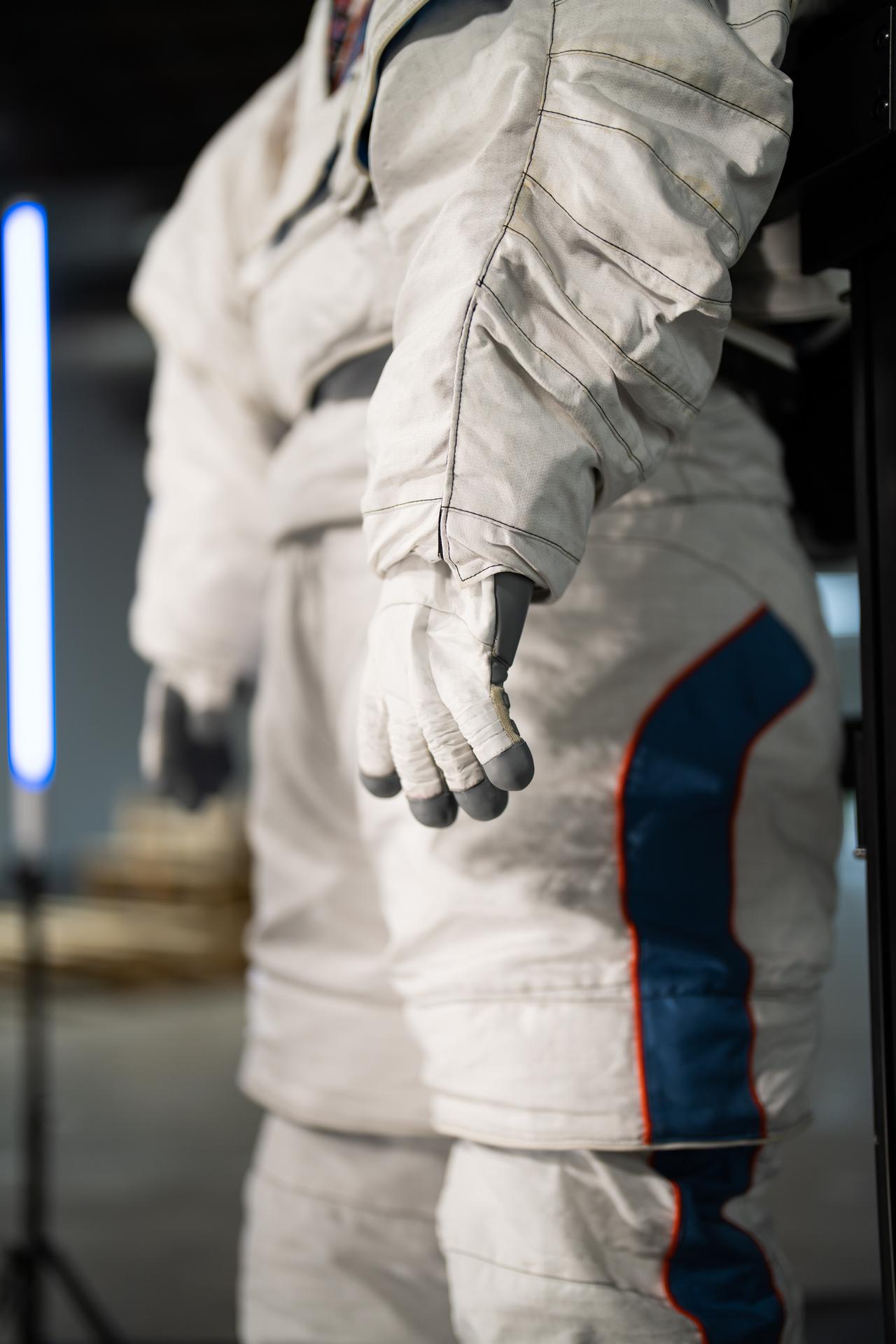
NASA Orders Axiom to Build a Lighter 'Sortie Suit' to Save the 2028 Moon Landing Timeline
NASA has directed Axiom Space to build a stripped-down 'Sortie Suit' after safety and oversight reviews warned the original lunar suit was too heavy and too complex to meet a 2028 landing.
-
NASA & Agencies
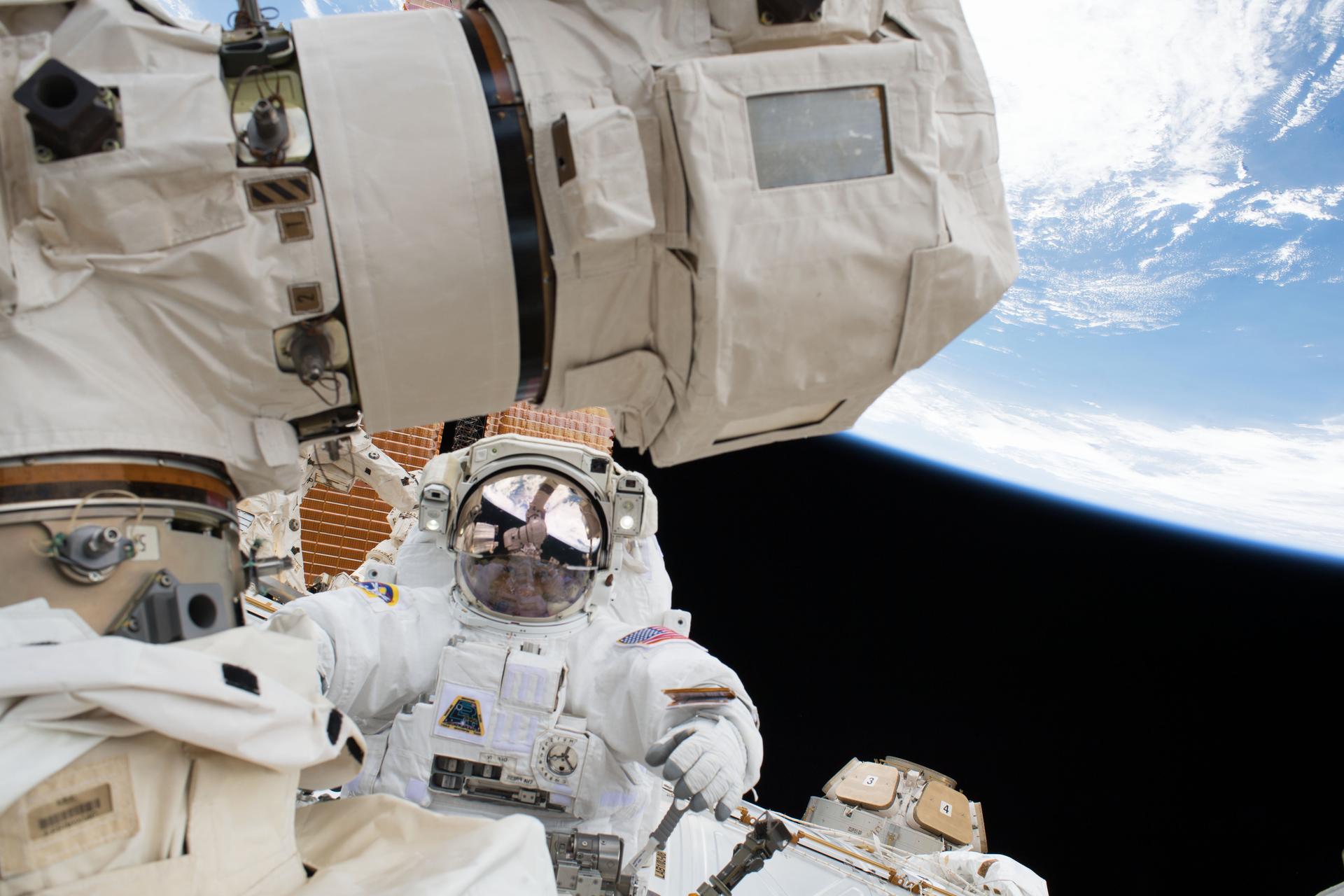
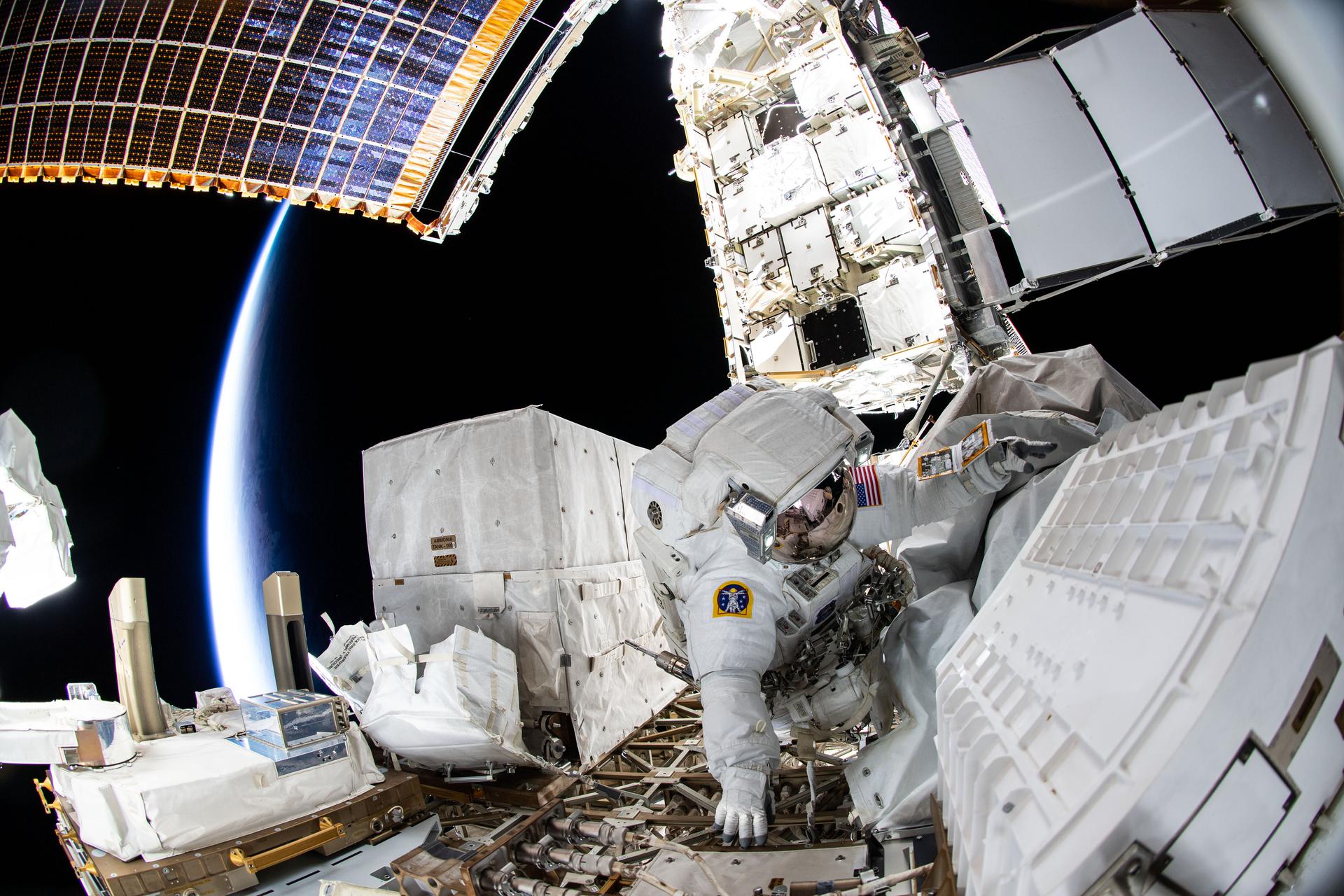
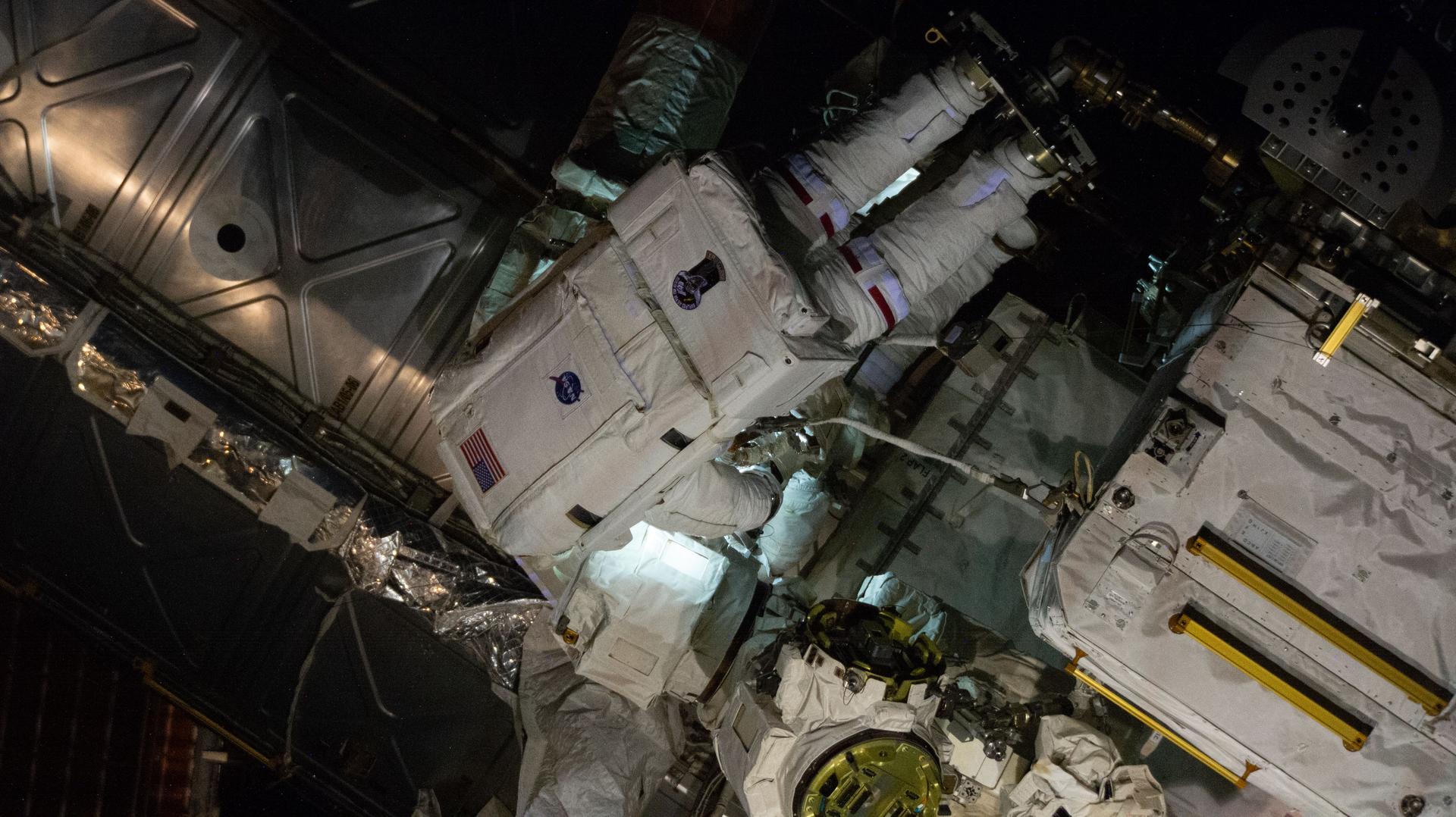
Meir and Adenot Step Outside for U.S. Spacewalk 99, the Sixth All-Female EVA in History
NASA's Jessica Meir and ESA's Sophie Adenot spent 6.5 hours outside the ISS on Sept. 1, 2026, swapping hardware on Harmony and the truss in the sixth all-female spacewalk ever flown.
-
NASA & Agencies
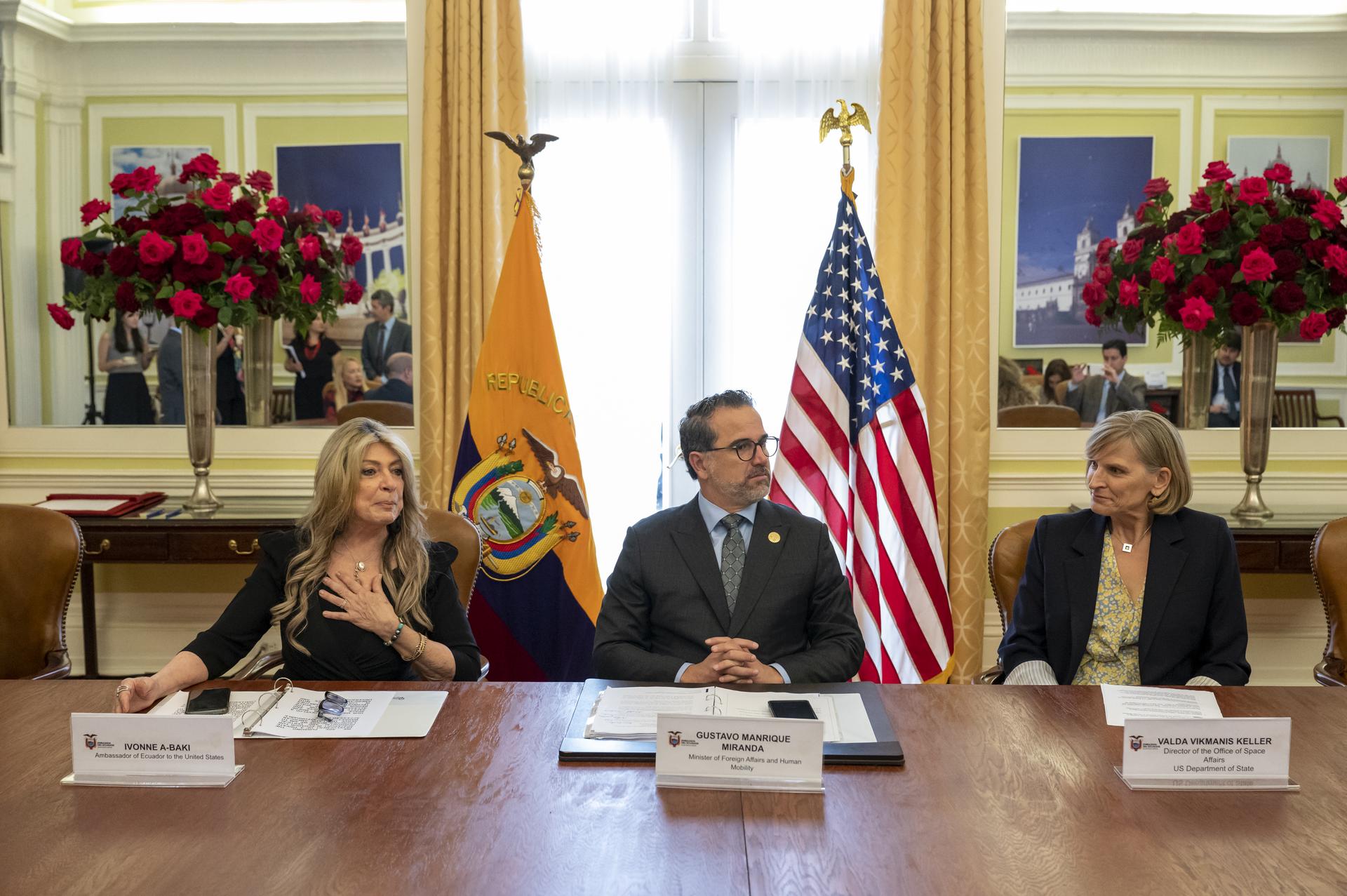
Turkey Becomes 71st Nation to Sign the Artemis Accords
Turkey signed the Artemis Accords at NASA Headquarters on August 31, 2026, becoming the 71st nation to join the U.S.-led framework for norms in civil space exploration.
-
NASA & Agencies
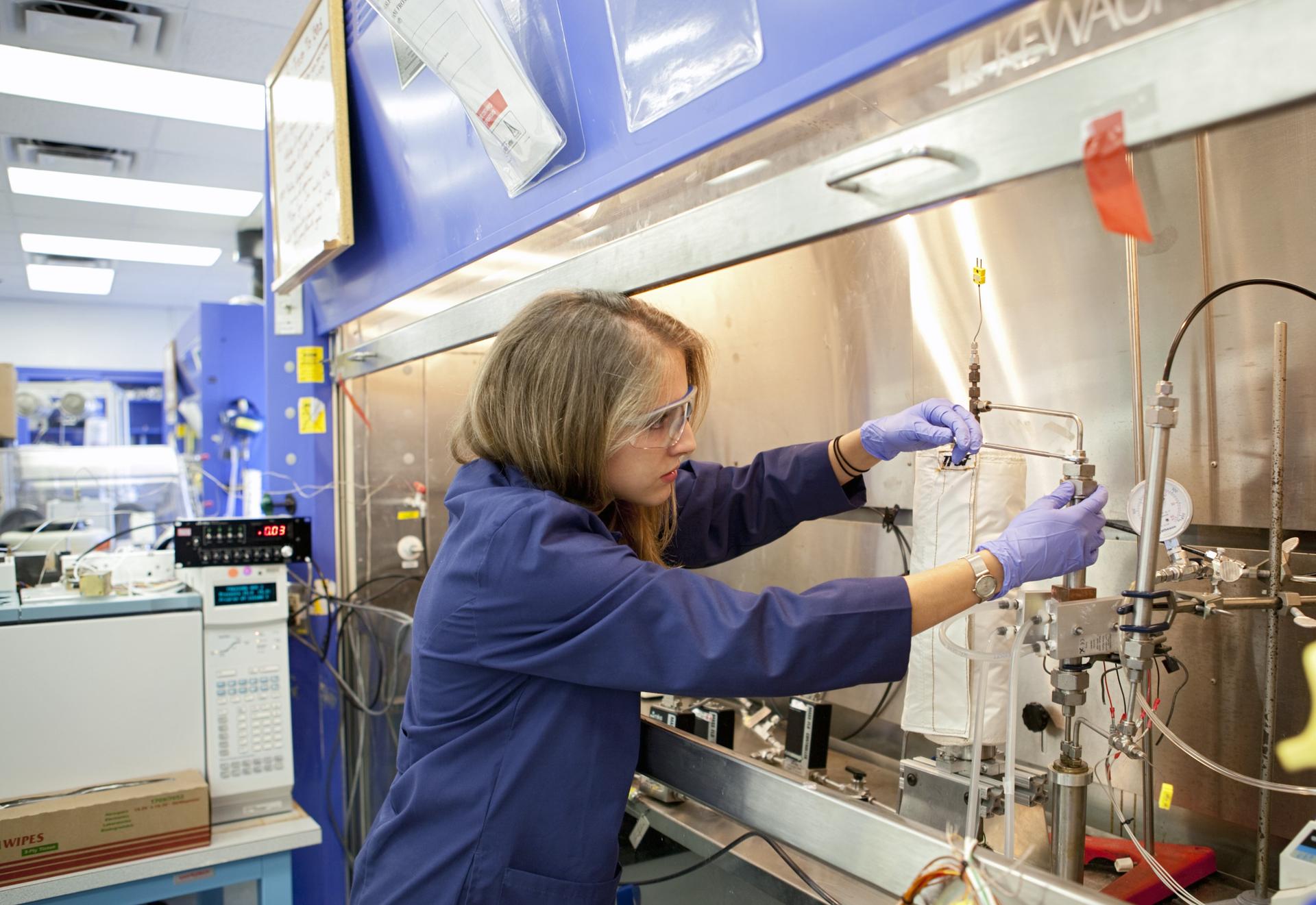
NASA's LunaRecycle Challenge Crowns Winners of Its $3 Million Lunar Trash Contest
At a Tuscaloosa finale on Aug. 28, 2026, NASA and the University of Alabama handed out $1.325 million to teams that turned foam, plastic, and textile waste into materials astronauts could actually use on the Moon.
-
NASA & Agencies
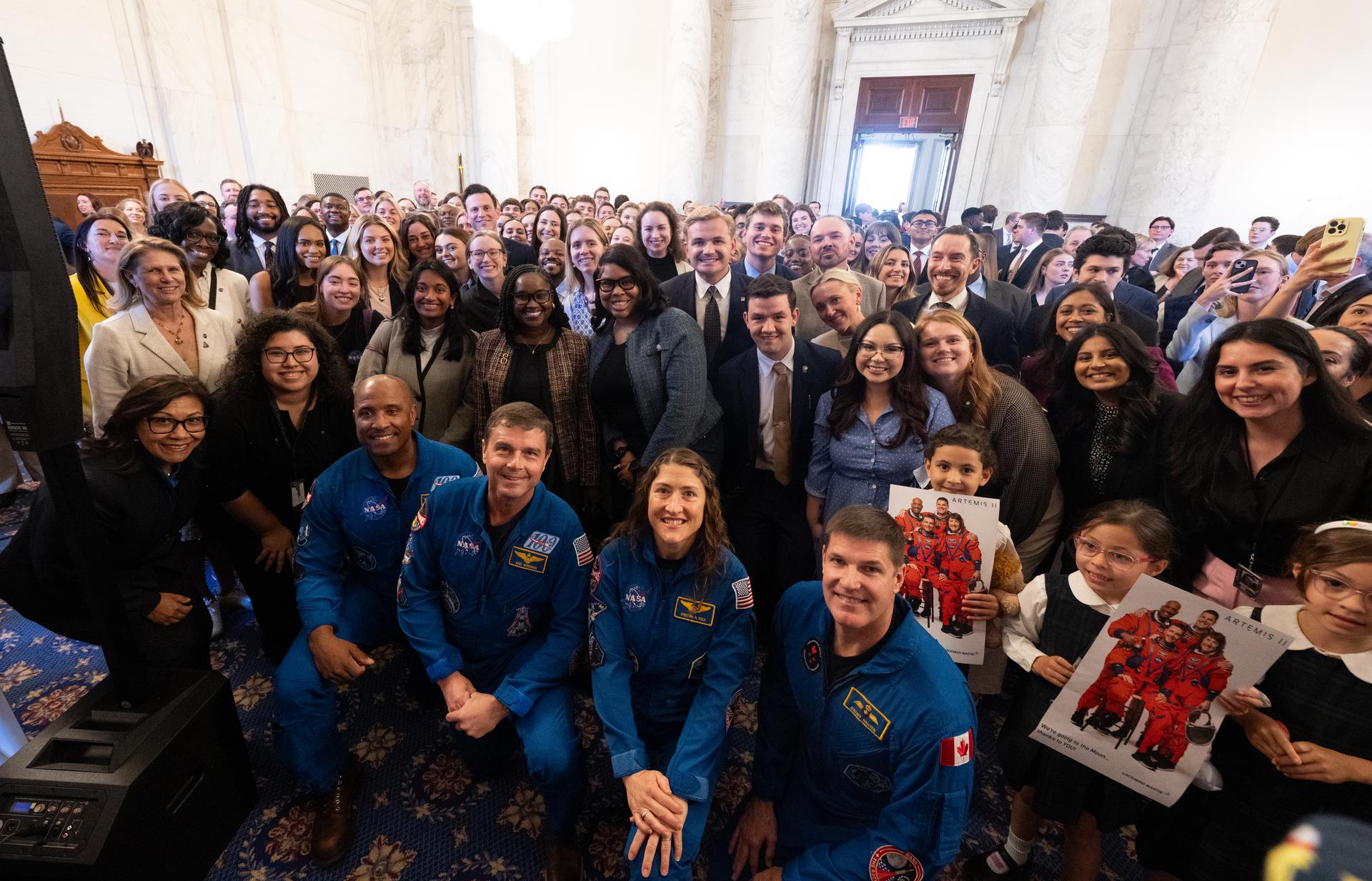
Trump to Award Artemis II Crew the Congressional Space Medal of Honor
Four astronauts who flew farther from Earth than any humans since Apollo will join a list of roughly 30 recipients that includes Neil Armstrong and Alan Shepard.
-
NASA & Agencies
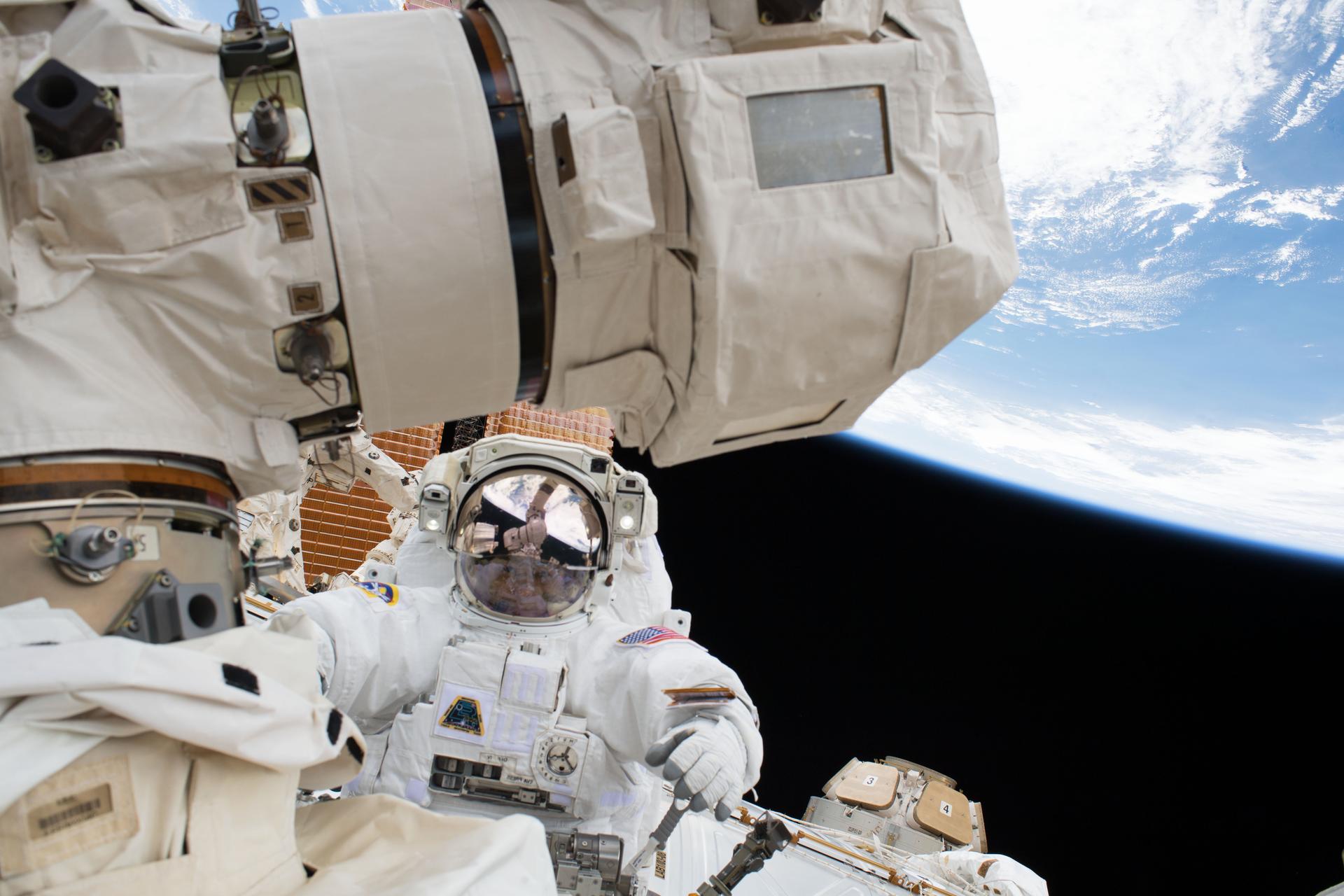
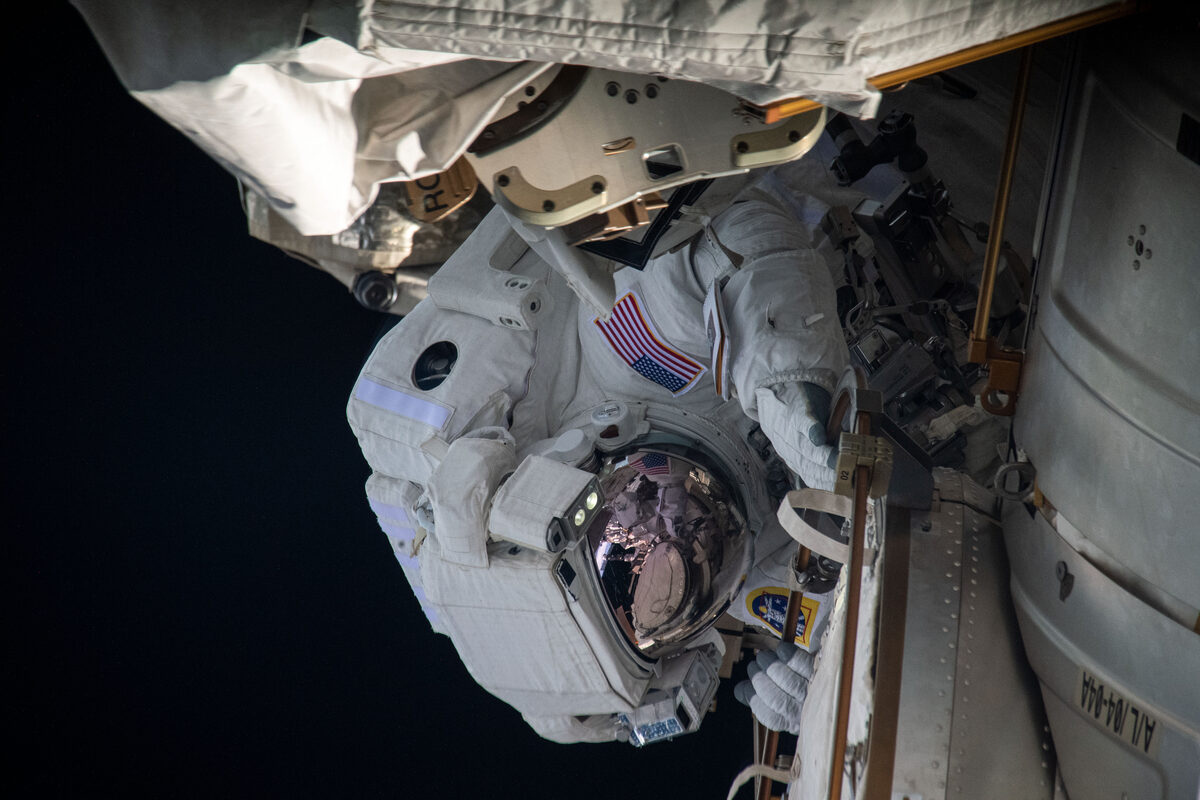
Astronauts Pull a Dead Antenna Off the ISS — But the Spare Will Have to Wait
NASA's Anil Menon and ESA's Sophie Adenot, the first French woman to spacewalk, spent over six hours removing a failed ISS antenna on August 18 but ran out of time to bolt in its replacement.
-
NASA & Agencies
ISS Crew Preps for Aug. 18 Spacewalk to Replace Station's High-Speed Antenna
NASA's Anil Menon and ESA's Sophie Adenot are set for Aug. 18's U.S. Spacewalk 97 to swap a Z1 truss antenna that carries the station's high-speed link to Mission Control — Adenot's first EVA and a first for a French woman.
-
NASA & Agencies
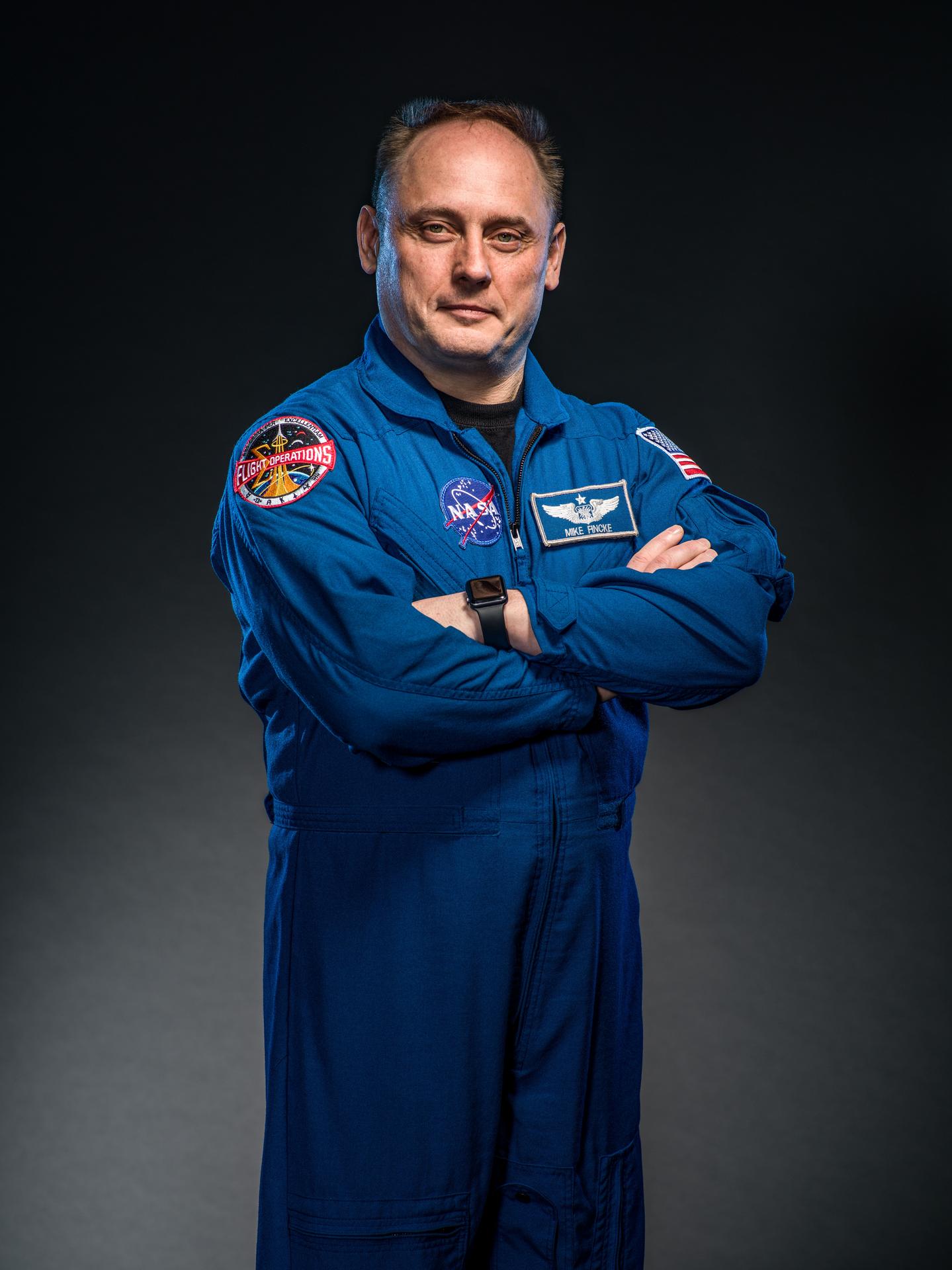
Veteran Astronaut Mike Fincke Retires From NASA After 30 Years and a January Health Scare in Orbit
NASA confirmed Aug. 12 that four-flight veteran Mike Fincke is retiring after 30 years with the agency, seven months after losing his voice for 20 minutes aboard the ISS forced an early end to his Crew-11 mission.
-
NASA & Agencies
Station Crew Preps for Three-Agency Spacewalk to Swap Out a Balky Antenna
NASA says Expedition 75's Anil Menon and ESA's Sophie Adenot will step outside the ISS on August 18 for a 6.5-hour spacewalk to replace a space-to-ground antenna on the Z1 truss.
-
NASA & Agencies
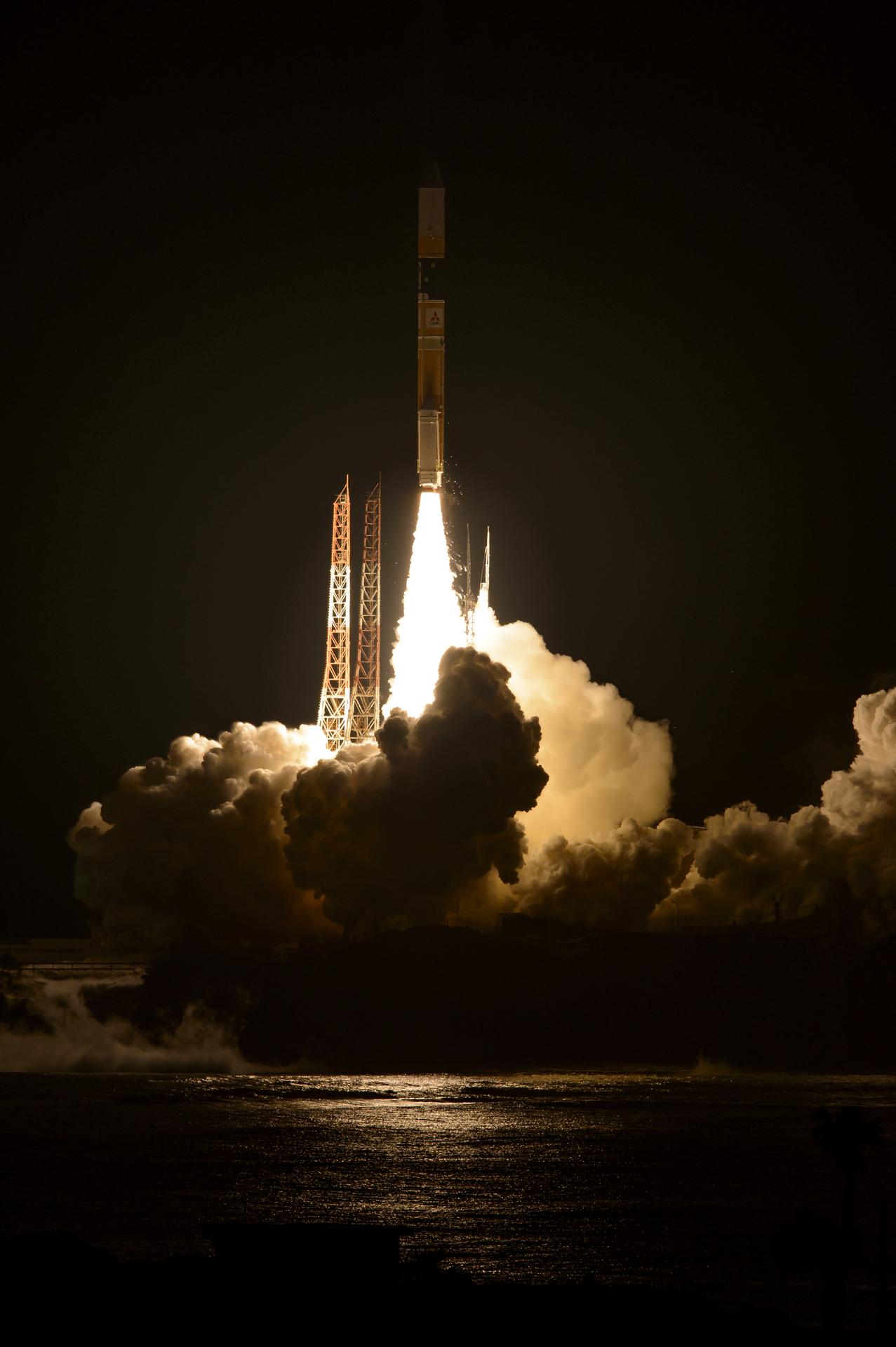
Typhoon-Delayed Michibiki-7 Set to Complete Japan's GPS Backup Constellation — and It's Carrying a U.S. Space-Surveillance Payload
After Typhoon Dolphin scrubbed one date and weather killed another, JAXA's H3 Flight 9 is now set to loft QZS-7 from Tanegashima on August 11 — completing Japan's seven-satellite GPS-augmentation system while hosting a second MIT Lincoln Laboratory surveillance payload for the U.S. Space Force.
-
NASA & Agencies
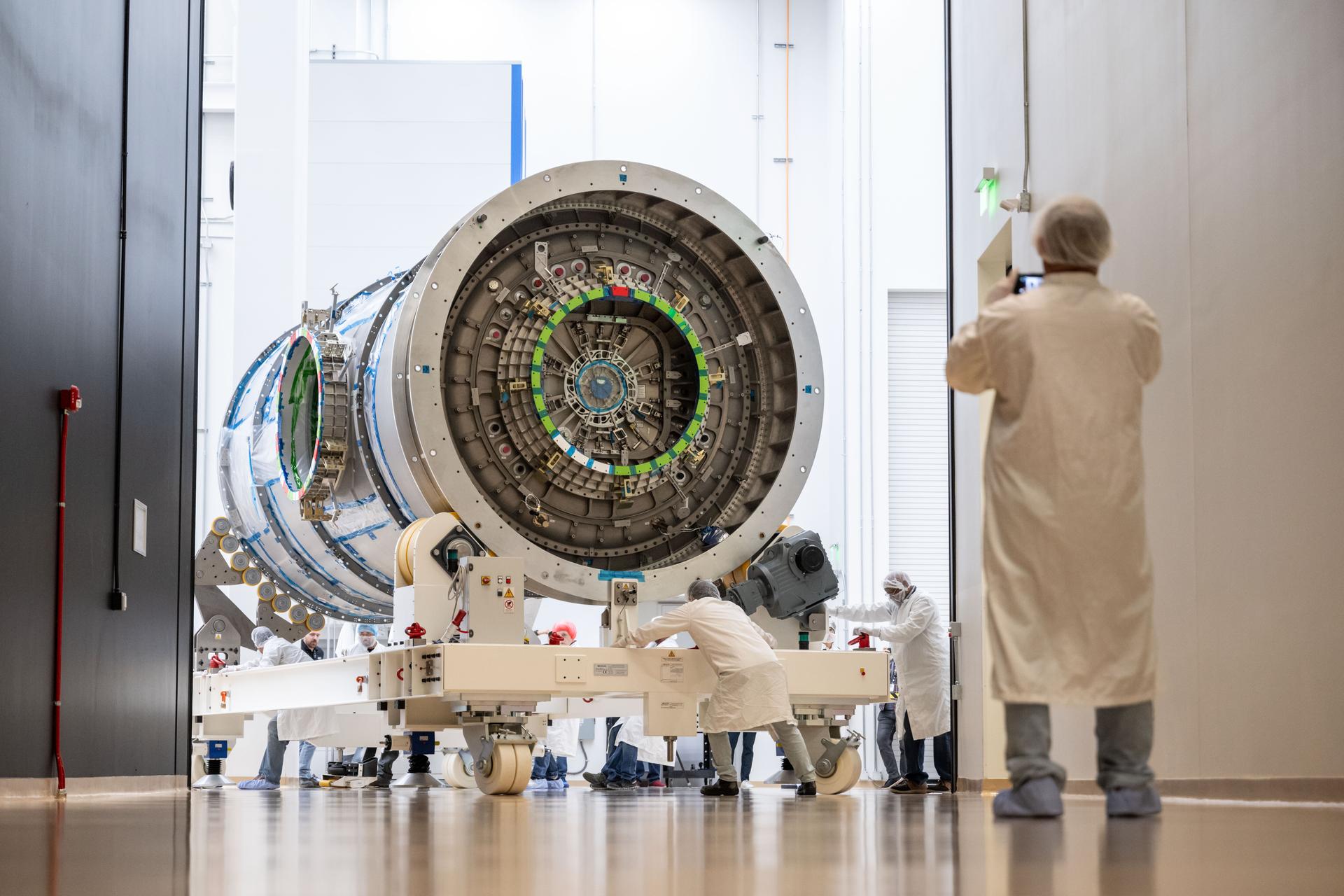
NASA and Northrop Grumman Repurpose Gateway's HALO Tech for Lunar South Pole Demo Missions
Facing scrutiny over Gateway's ballooning costs, NASA and Northrop Grumman are redirecting HALO module technology into three South Pole demo missions meant to prove out Moon Base hardware years before Gateway itself flies.
-
NASA & Agencies
Meir and Menon Head Outside to Rewire the Station's Power Grid for Its Next Solar Array
NASA astronauts Jessica Meir and Anil Menon spent 6.5 hours outside the ISS on August 6 rewiring a power channel for a future solar array, the first of three spacewalks this month.