NASA & Agencies
Space agency and policy news from Cosmic Herald — NASA, ESA, ISRO, China's CNSA, budgets, and the politics of spaceflight.
-
NASA & Agencies
ISRO Clears Three Critical Gaganyaan Crew Module Safety Tests
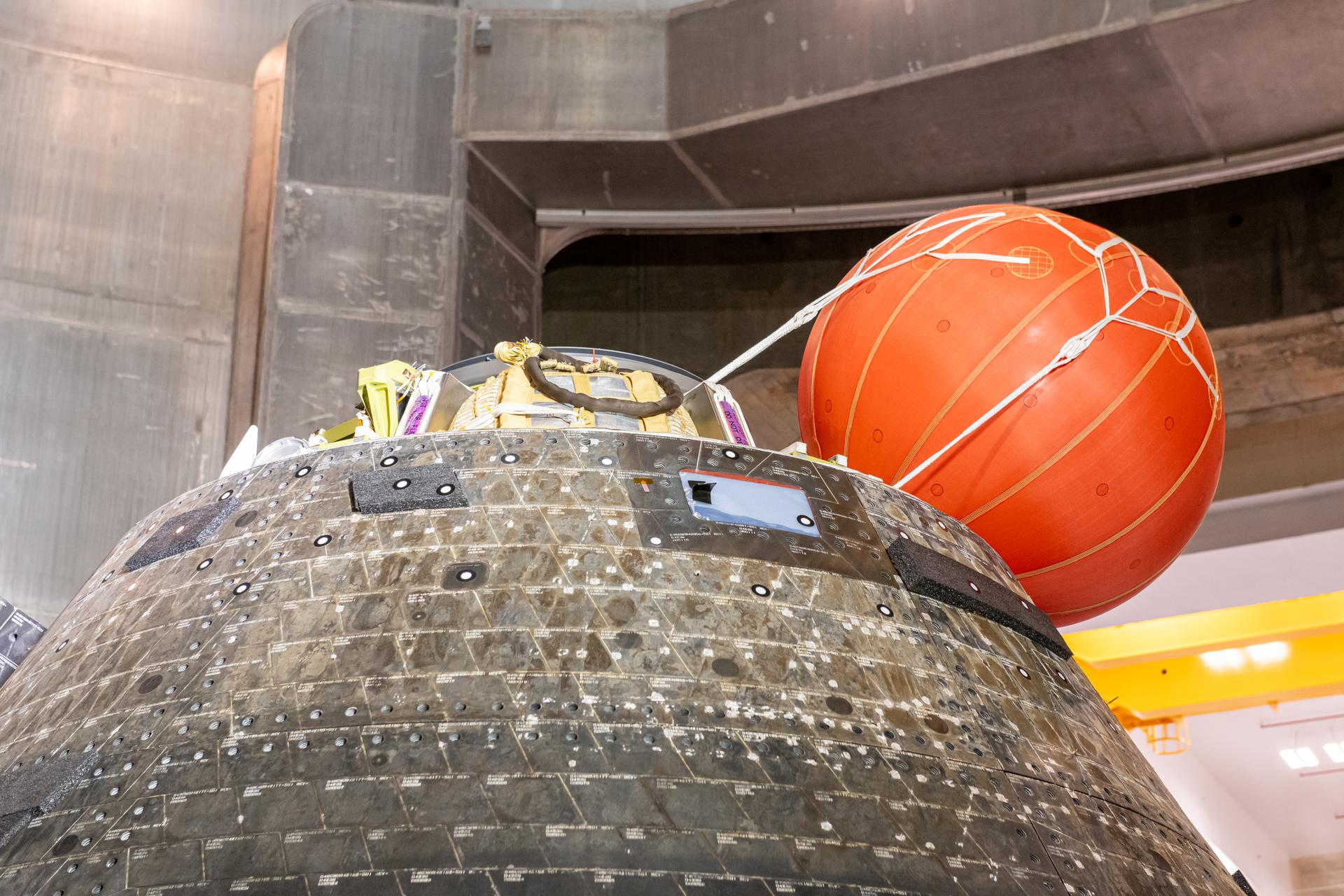
ISRO validated the cold-gas uprighting system, umbilical separation mechanism, and apex cover structure for Gaganyaan's crew module, clearing a key hurdle before India's first crewed spaceflight.
-
NASA & Agencies
Fifty Days Up: Shenzhou-23 Crew Deepens Microgravity Research Aboard Tiangong
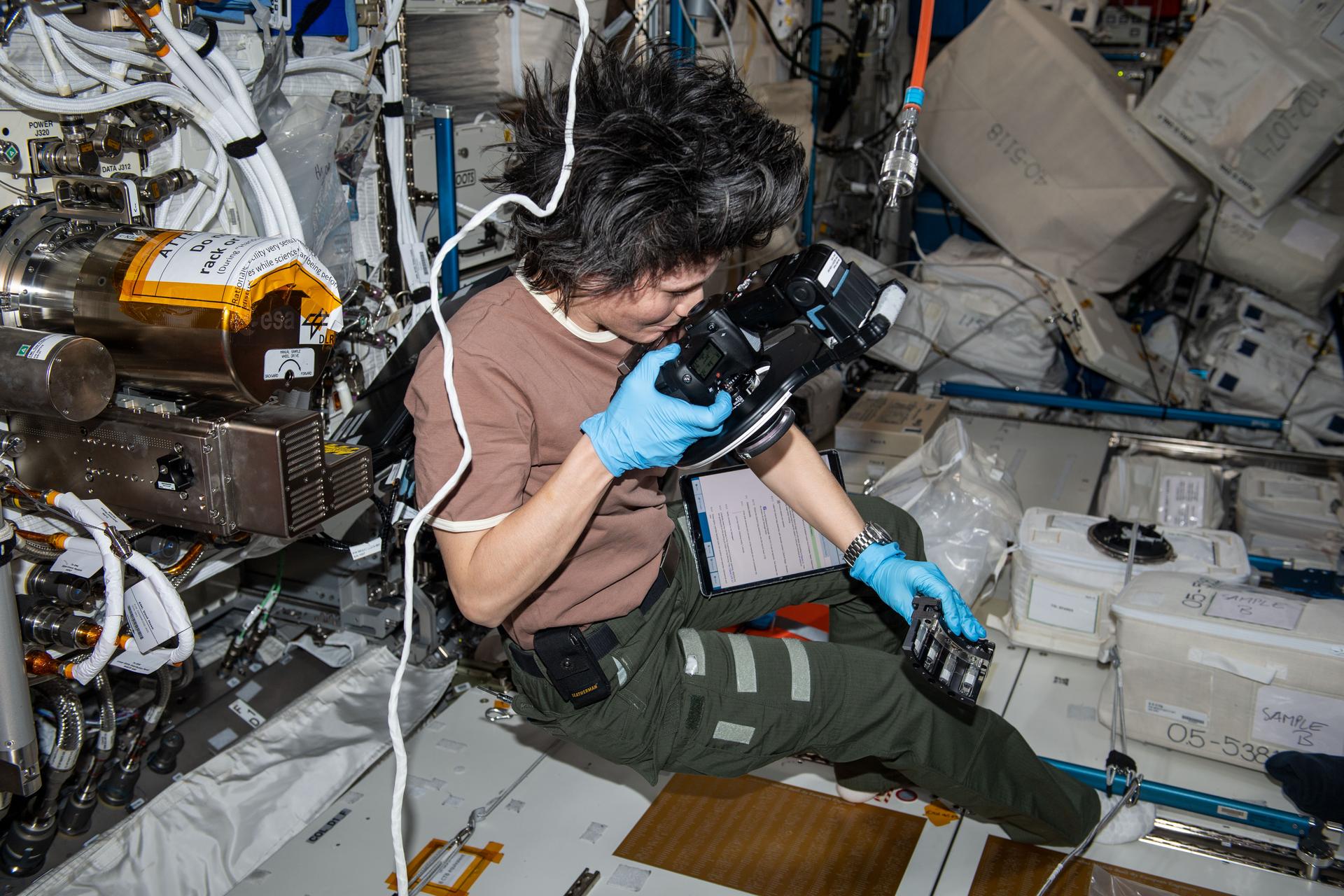
Nearly 50 days into a planned one-year stay, Shenzhou-23's three-person crew — including Hong Kong's first astronaut — is running biomechanics and brain-function studies aboard China's Tiangong space station.
-
NASA & Agencies
India's First Private Orbital Rocket, Skyroot's Vikram-1, Opens Its Launch Window
Skyroot Aerospace's Vikram-1 sits fully stacked at Sriharikota with a July 12–August 4 window to become India's first privately built and launched orbital rocket.
-
NASA & Agencies
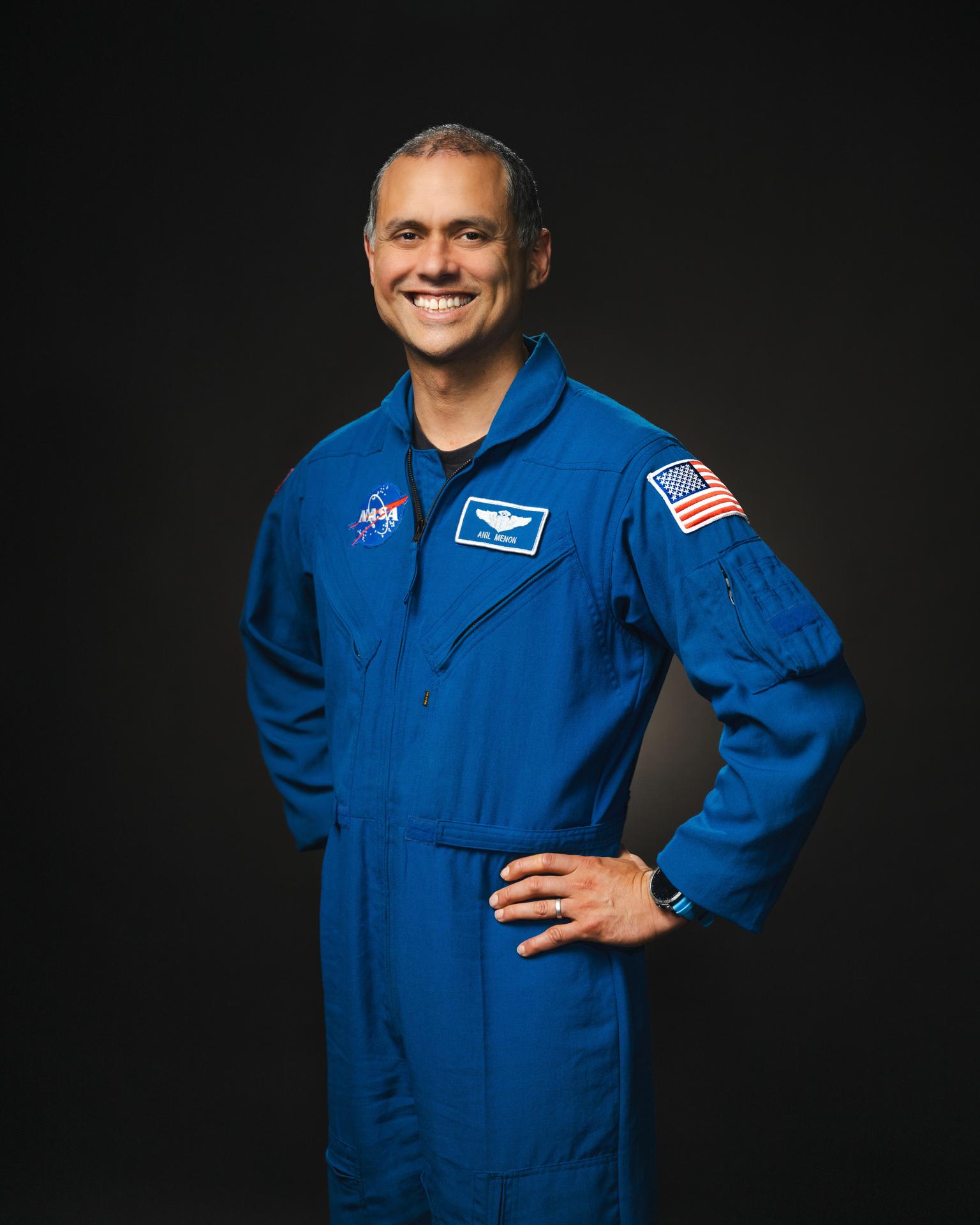
Former SpaceX Flight Surgeon Anil Menon Set for First Launch — on a Russian Soyuz
NASA confirms astronaut Anil Menon, a former SpaceX flight surgeon and Space Force colonel, will make his first spaceflight July 14 aboard Soyuz MS-29, pending a critical spacewalk to fix the ISS robotic arm.
-
NASA & Agencies
ISRO Clears Fifth Parachute Airdrop Test for Gaganyaan's Uncrewed Debut
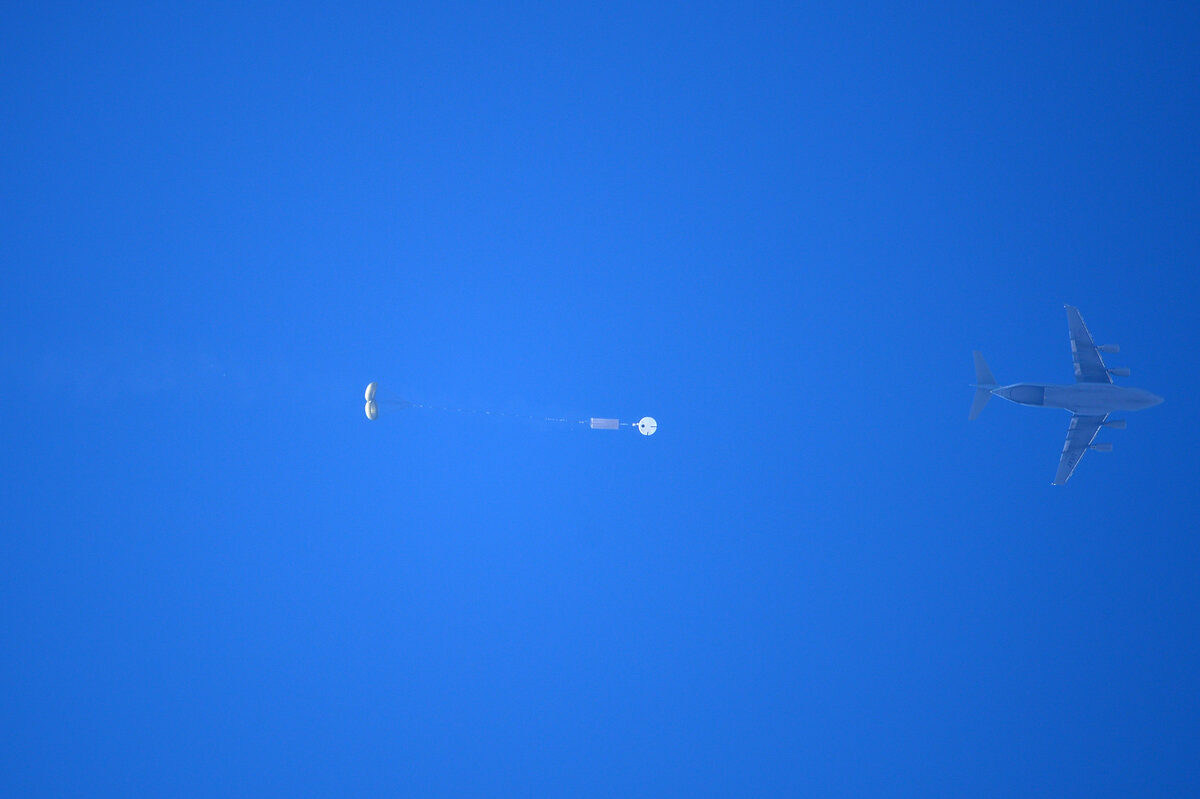
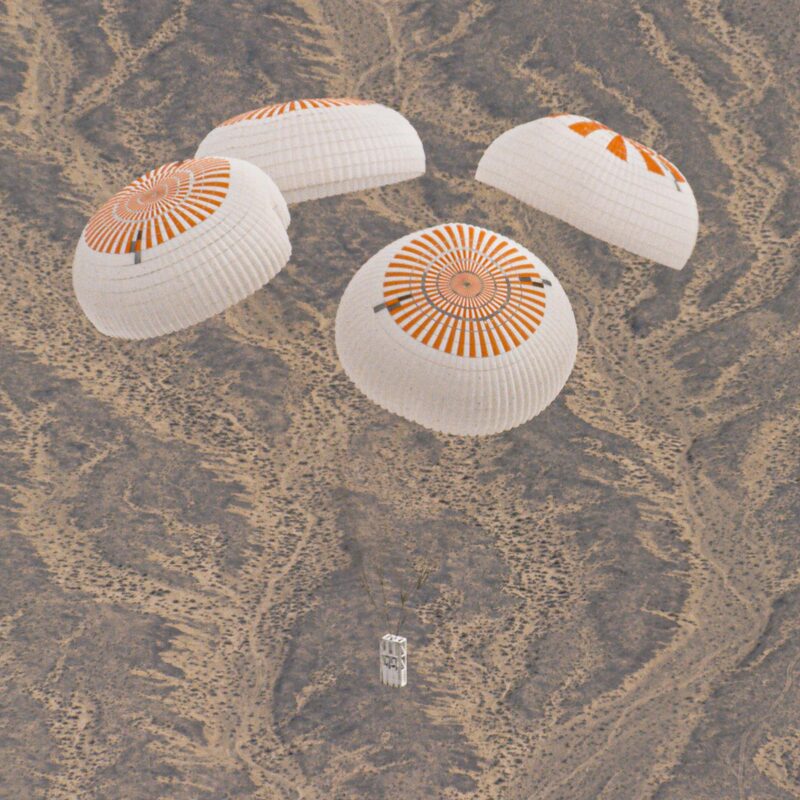
ISRO dropped a dummy-loaded main parachute from 2.5 km over Madhya Pradesh on July 7, the fifth test in a series meant to qualify the ten-parachute system that will bring Gaganyaan's crew module down into the sea.
-
NASA & Agencies
Japan and Singapore Sign Their First-Ever Space Pact — and Singapore's Three-Month-Old Space Agency Gets Its Debut Deal
JAXA and Singapore's brand-new National Space Agency signed a memorandum in Tokyo covering quantum satellite links and industrial cooperation — NSAS's first international agreement, three months after it was founded.
-
NASA & Agencies
Mystery Metal Spheres Wash Up on Queensland Beach — Australian Space Agency Says They're Rocket Debris
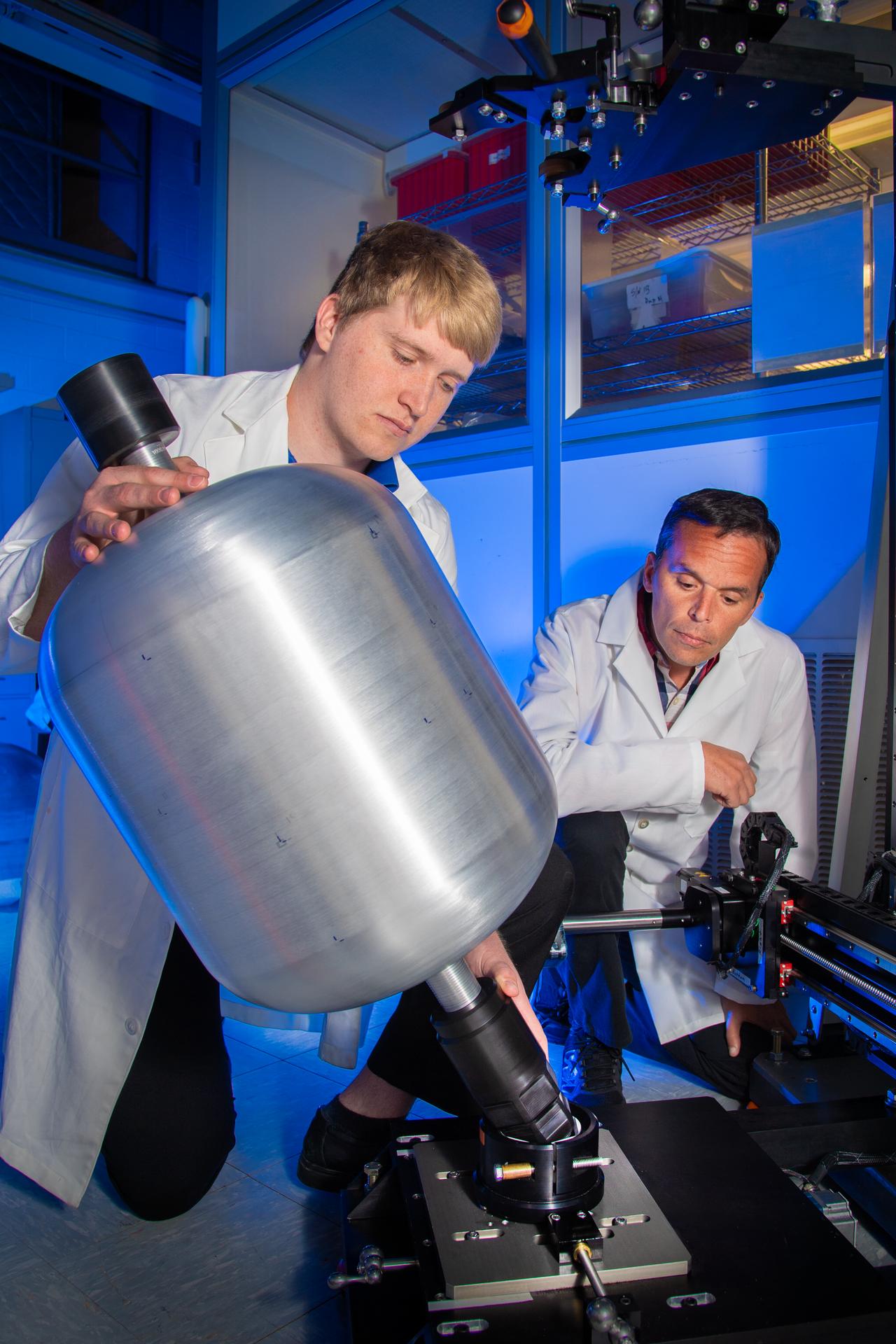
Six silver spheres that washed ashore near Townsville over the weekend are pressure vessels from a foreign rocket body, the Australian Space Agency says, warning residents not to touch any similar debris.
-
NASA & Agencies
How Do You Teach an Astronaut to Fall Safely? ISRO Test-Fires the Rocket Built to Find Out
ISRO ground-fired the SOLVE solid motor for 10 hours at Sriharikota on July 3, 2026, clearing a key checkpoint for the sub-orbital vehicle that will validate Gaganyaan's 10-parachute descent system.
-
NASA & Agencies
Europe Sets the Media Call for MTG-I2: The Satellite That Will Watch 80% of Earth for Lightning
ESA and EUMETSAT have opened media accreditation for the late-August 2026 Ariane 6 launch of MTG-I2, a geostationary weather satellite whose Lightning Imager will watch storms form across 80% of the planet in real time.
-
NASA & Agencies
Congress Presses NASA and NOAA on Space Weather Readiness as Solar Cycle 25 Peaks
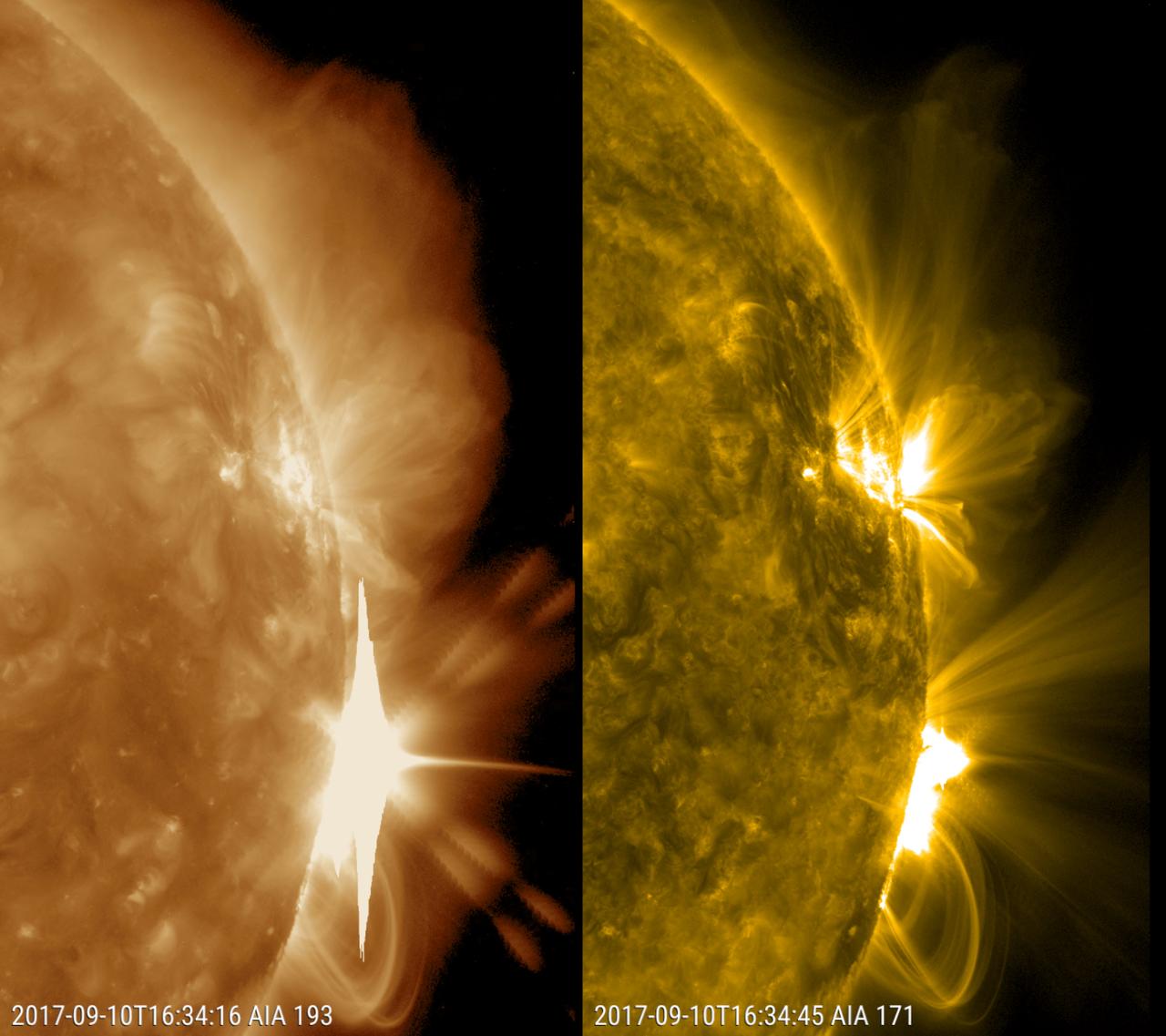
Lawmakers grilled NASA's and NOAA's top space weather officials on grid, GPS, and communications risks the same week an X1.1 flare and G3 storms lit up July 4th skies with aurora.
-
NASA & Agencies
NASA Wants Volunteers to Spend a Year Pretending to Fly to the Moon and Mars
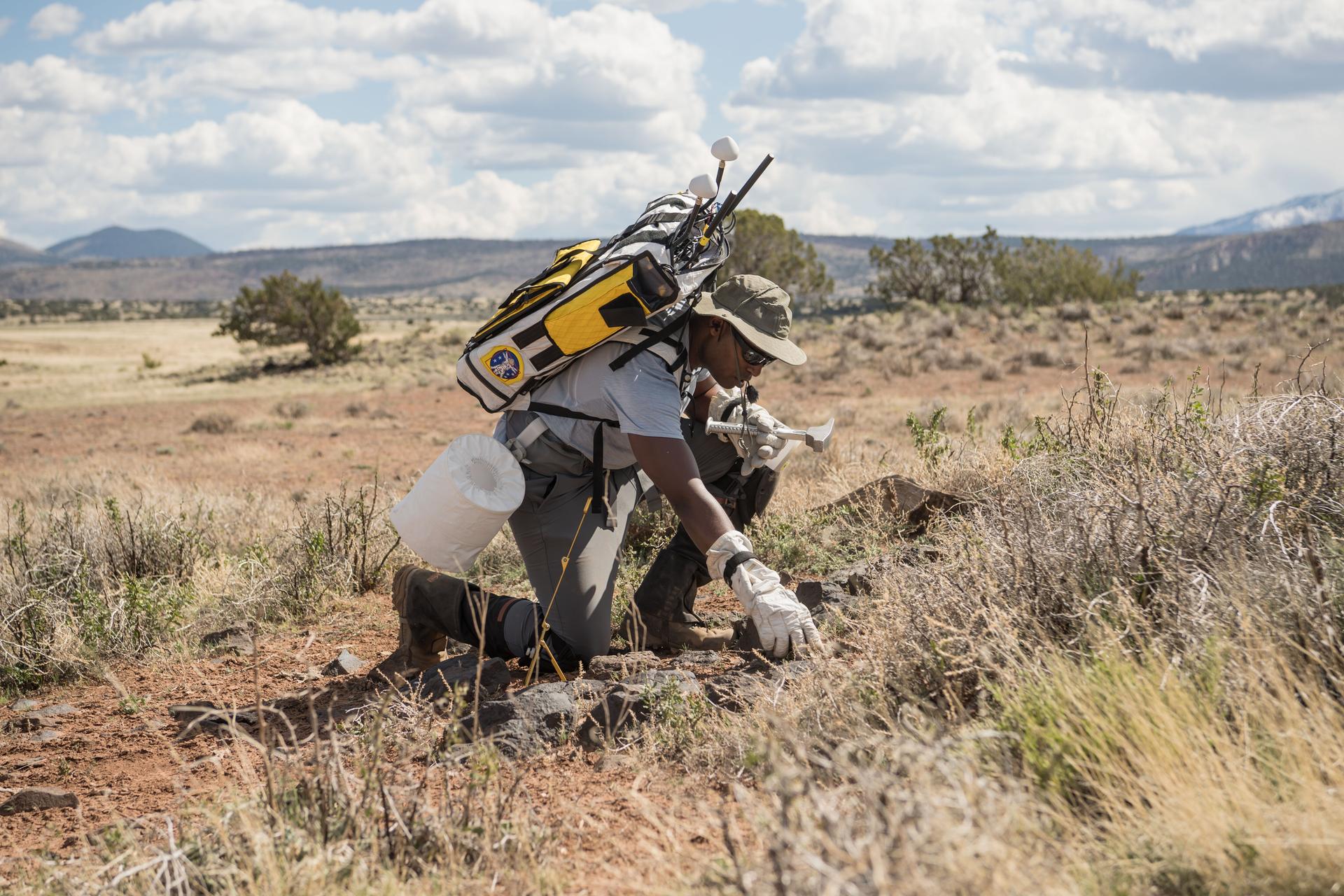
NASA has opened a volunteer call for a roughly yearlong ground analog at Johnson Space Center that, for the first time, fuses its HERA "spacecraft" and CHAPEA "base" into one integrated Moon-and-Mars mission starting no earlier than August 2027.
-
NASA & Agencies
China Refreshes Its Ocean-Watching Fleet: Haiyang-2E Reaches Orbit on the 654th Long March
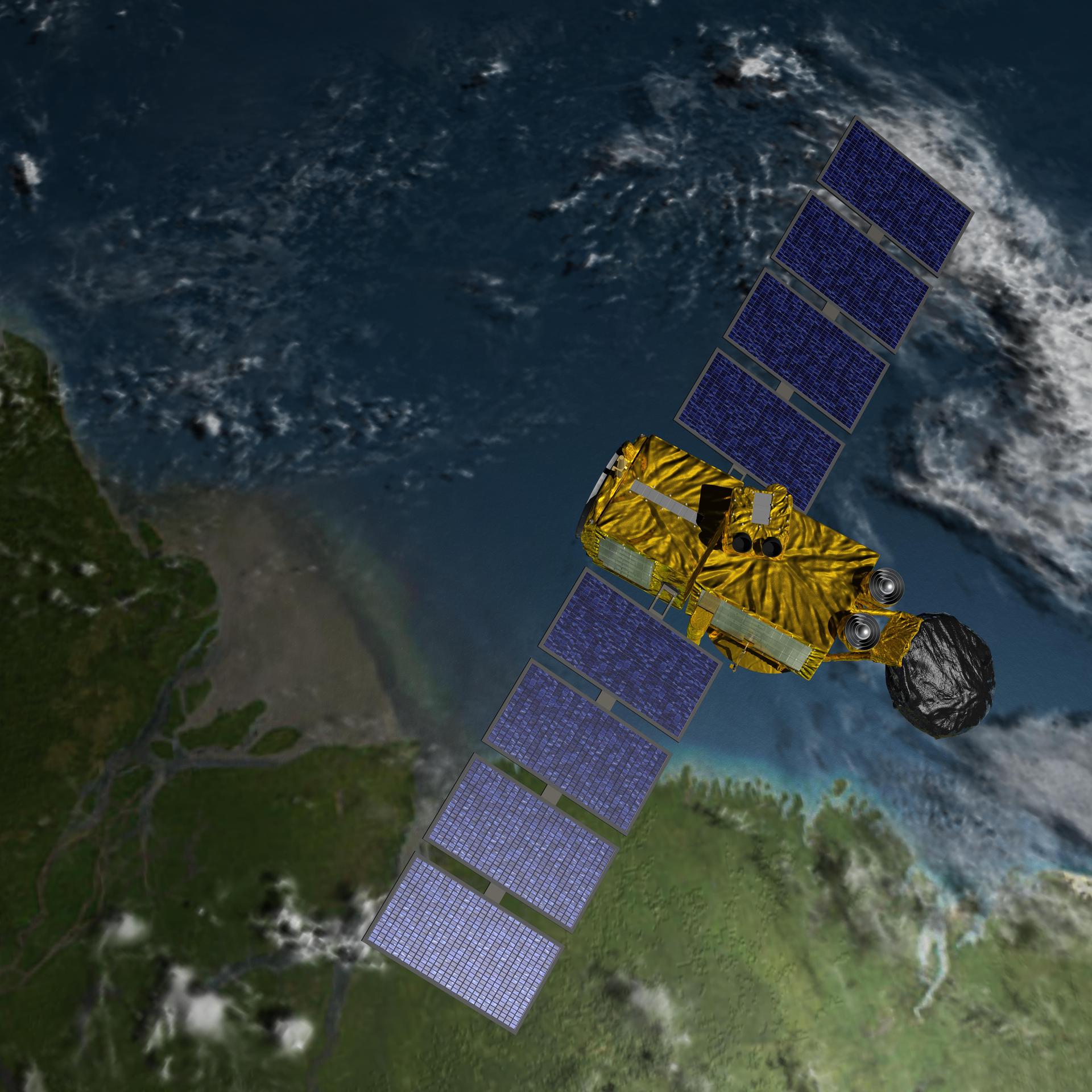
China orbited the 1,500-kg Haiyang-2E marine-monitoring satellite on a Long March 4B from Jiuquan, replacing the aging HY-2B and rounding out an operational ocean-observation constellation on the family's 654th flight.