NASA
Every Cosmic Herald story on NASA — missions, launches, discoveries, and the business of space, newest first.
-
Science & Discovery
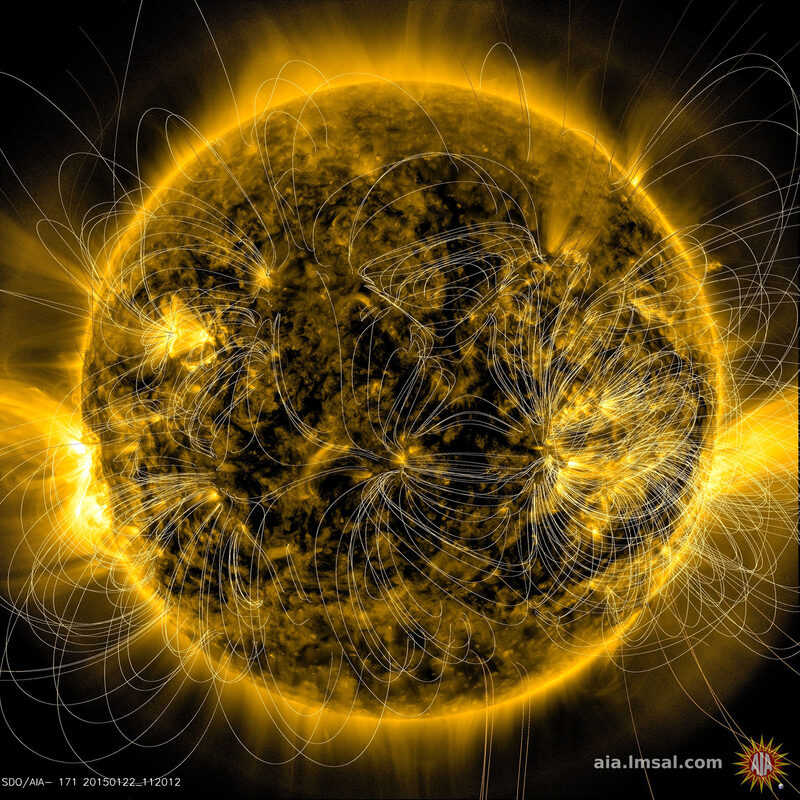
Inside the Sun's 'Impossible' Thin Layer: NASA's COFFIES Center Cracks the Tachocline Mystery
A NASA-funded supercomputer study finds the Sun's razor-thin tachocline stays thin because it and the solar magnetic field are locked in a mutual feedback loop, resolving a decades-old puzzle tied to space weather forecasting.
-
Science & Discovery
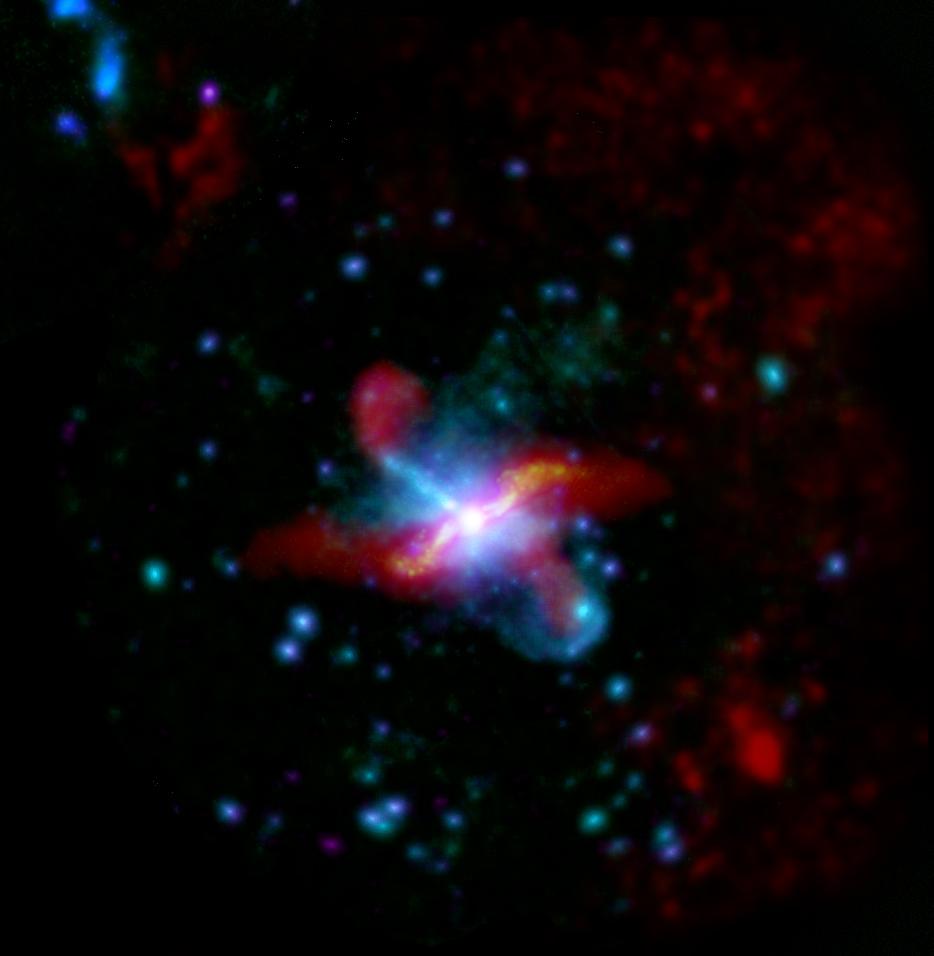
Webb Telescope Marks Fourth Anniversary by Revealing the Hidden Heart of Centaurus A
NASA's new Webb image of Centaurus A cuts through dust to resolve individual stars in a galaxy still reeling from a 2-billion-year-old collision, marking four years of the telescope's public images.
-
Science & Discovery
X-Ray Light Echoes From Old Gamma-Ray Bursts Show the Milky Way's Arms Are Bigger Than We Thought
By timing X-ray rings that three historic gamma-ray bursts scattered off interstellar dust, astronomers measured purely geometric distances showing the Milky Way's outer spiral arms sit about 10% farther out than previously believed.
-
Science & Discovery
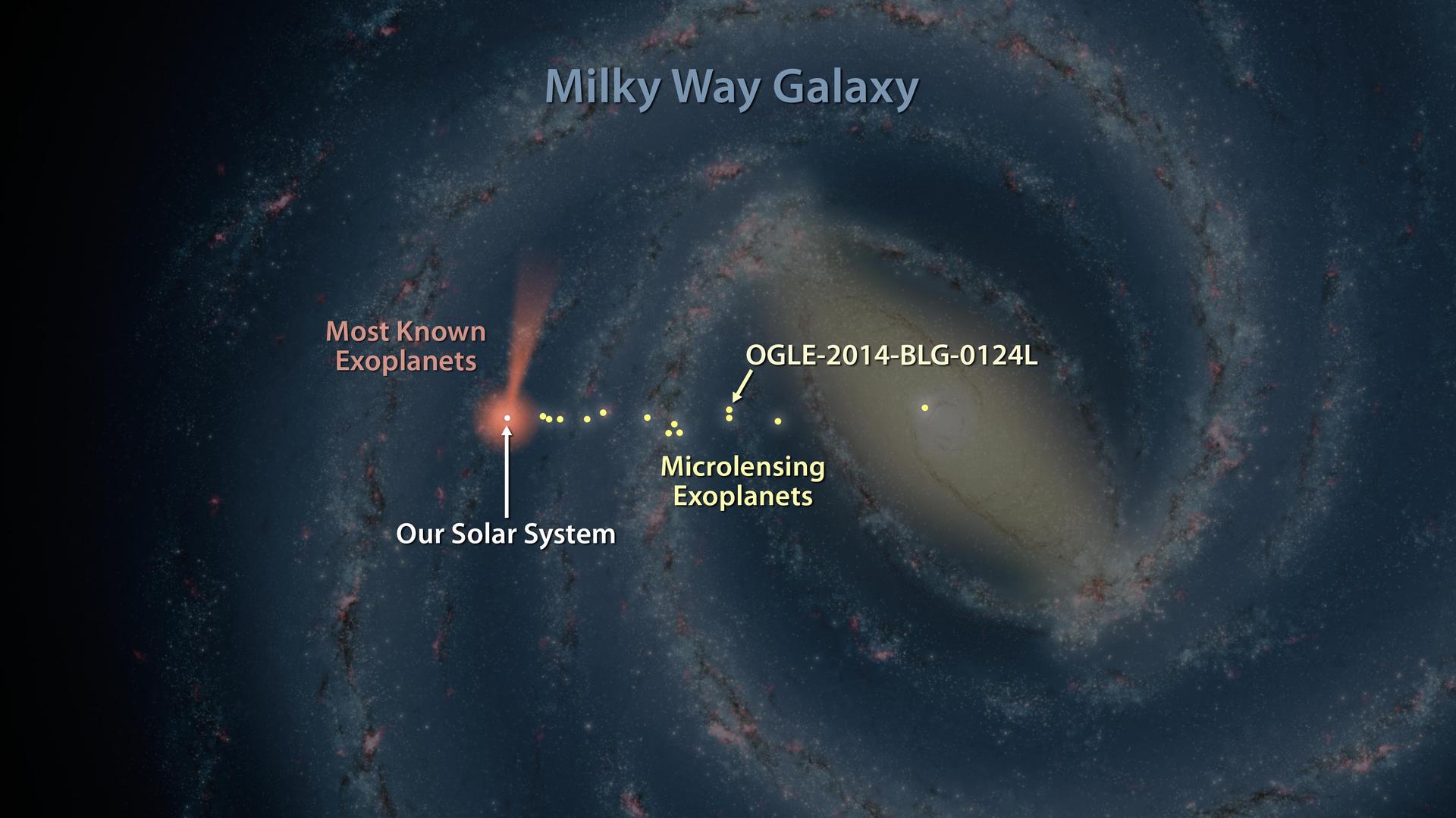
NASA's TESS Spots a Super-Jupiter 40,000 Light-Years Away Using a Trick From Einstein
Astronomers used gravitational microlensing to pull a super-Jupiter called Gaia23bra b out of TESS's archived data — a planet-hunting trick that reaches 260 times farther than the satellite's usual transit method.
-
Science & Discovery
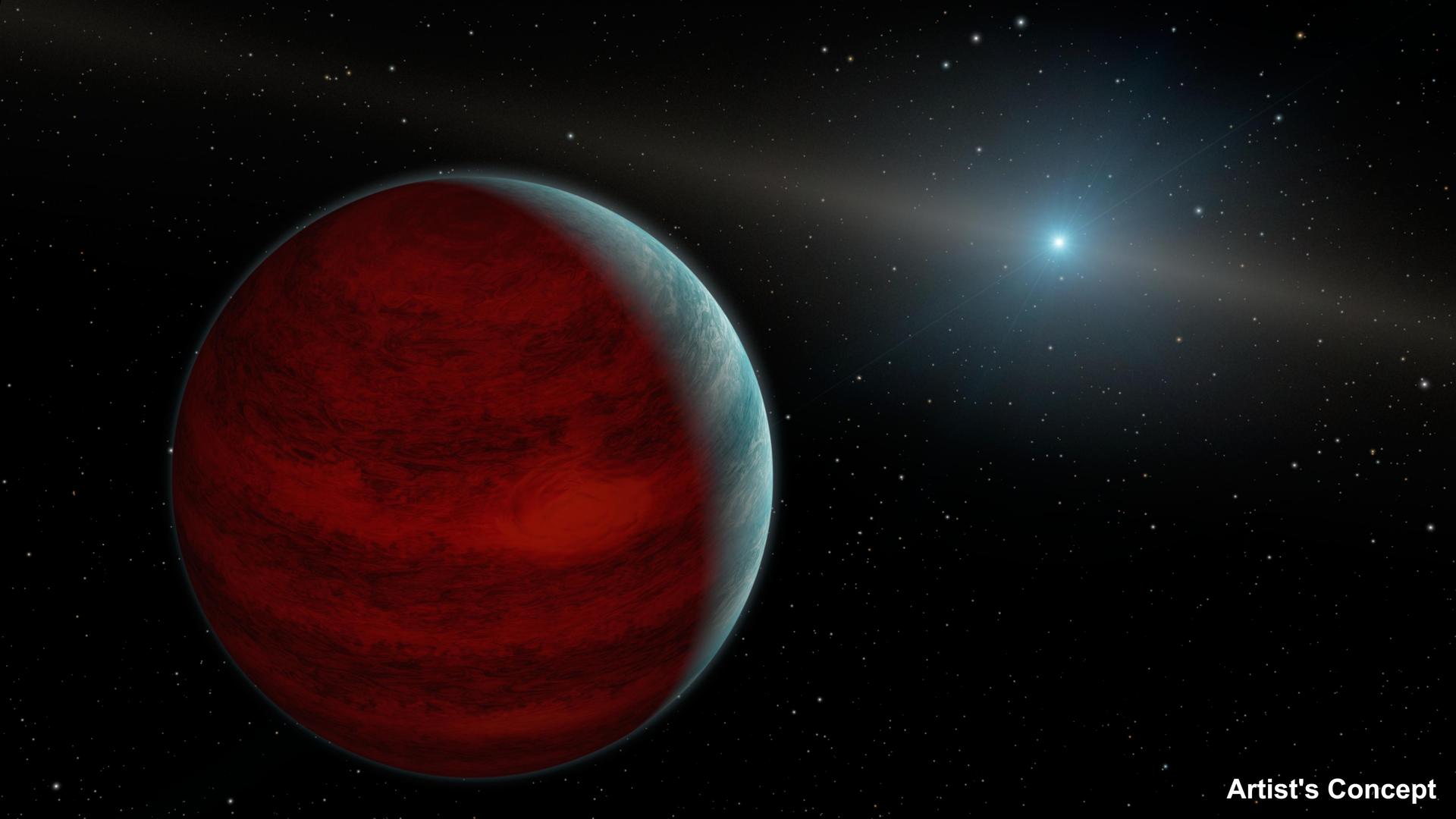
Webb Reads the Atmosphere of a Giant Planet That Outlived Its Star
Webb has detected the first atmosphere ever seen on a planet transiting a white dwarf: WD 1856 b, a 4-to-11-Jupiter-mass giant that survived its star's death and now circles the stellar corpse every 34 hours, carrying clouds and probable methane.
-
Science & Discovery
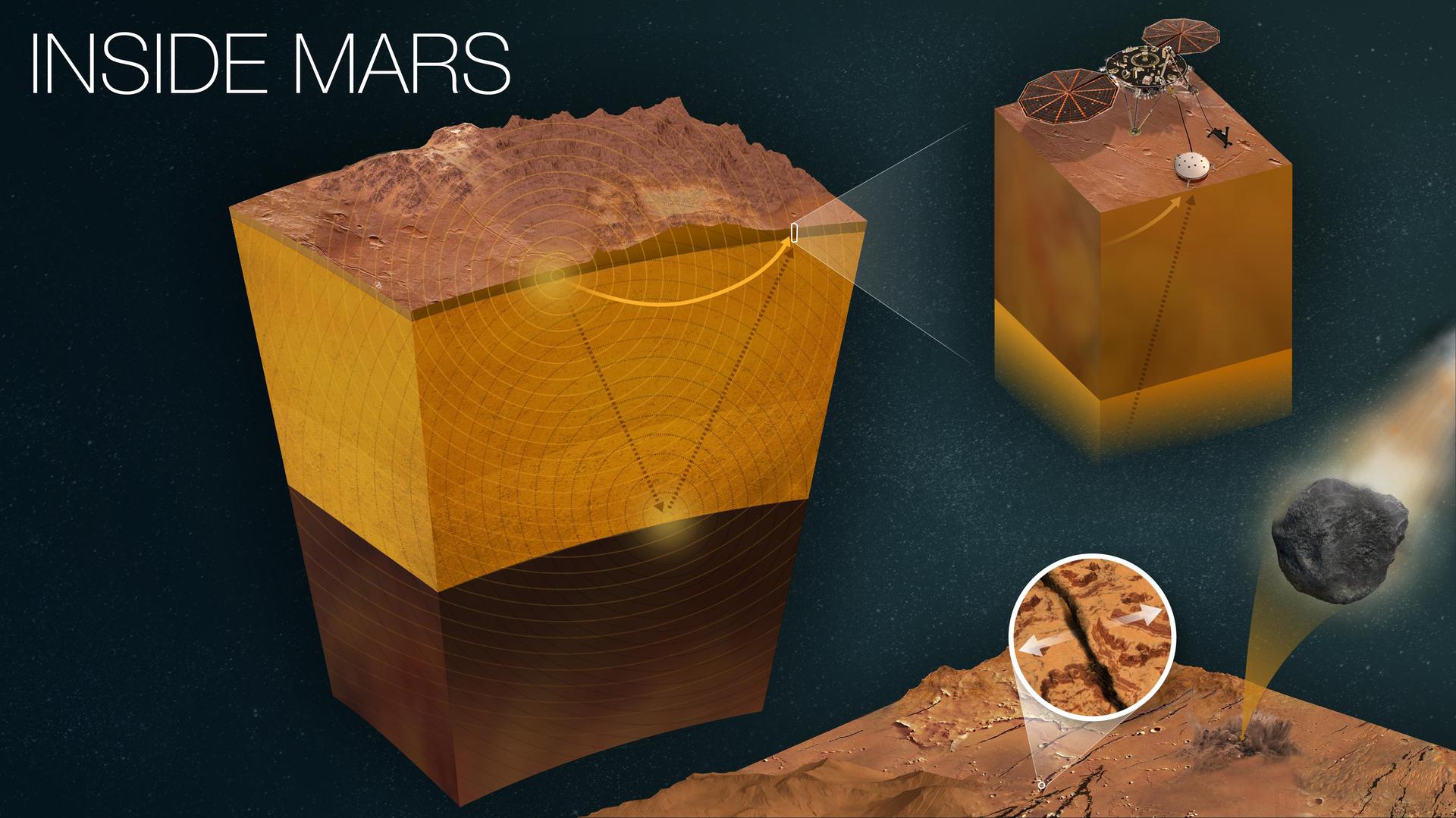
Marsquakes Reveal a Hidden Magma Engine Beneath the Red Planet's Crust
Seismic data from NASA's InSight lander points to vast, Earth-like magma systems deep inside Mars — built without plate tectonics, and possibly still fed by active mantle plumes.
-
Science & Discovery
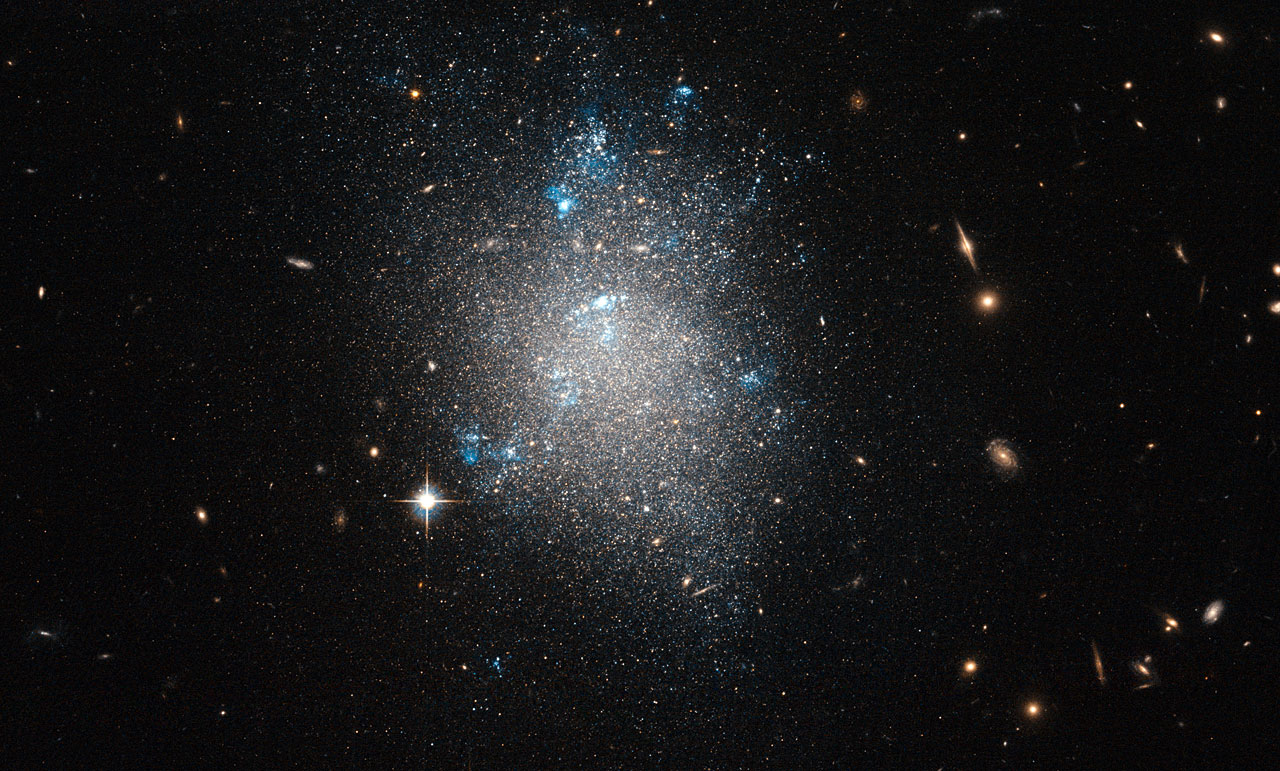
Hubble Catches a Tiny Galaxy Burning Off the Cosmic Fog, 1.4 Billion Years After the Big Bang
Astronomers used Hubble to catch ionizing UV light escaping a small, furiously star-forming galaxy in the reionization epoch — the first such detection, and direct evidence for how the early universe became transparent.
-
Science & Discovery
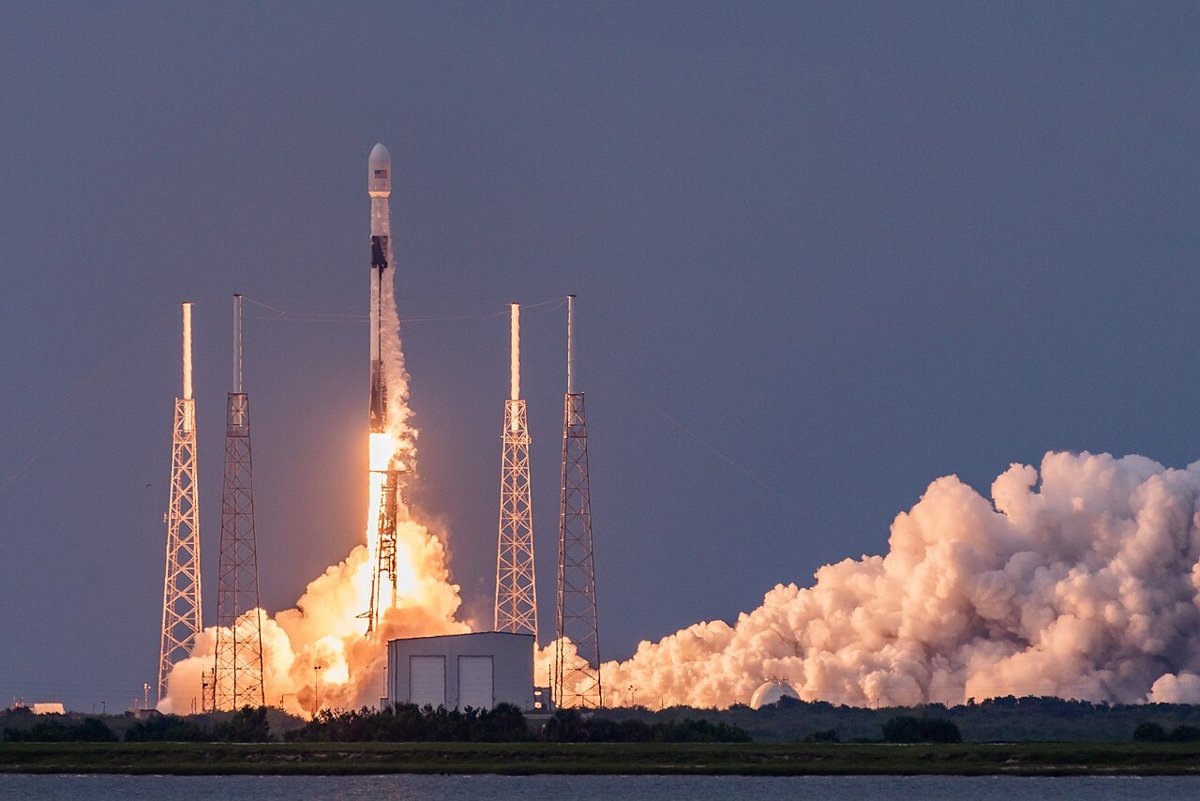
SpaceX Launches Secretive 'Starfall' Reentry Demo — What the Silence Signals
SpaceX flew a Falcon 9 mission called Starfall — described only as a reentry capsule demonstration — and disclosed almost nothing about it. The deliberate operational security around a clearly serious program may signal something significant ahead.
-
Science & Discovery
Trump Executive Order Pushes NASA Toward Quantum-Secured Space Communications
A new executive order directs NASA to plan quantum communication and sensing infrastructure in orbit, accelerating the push toward theoretically unhackable satellite links.
-
Science & Discovery
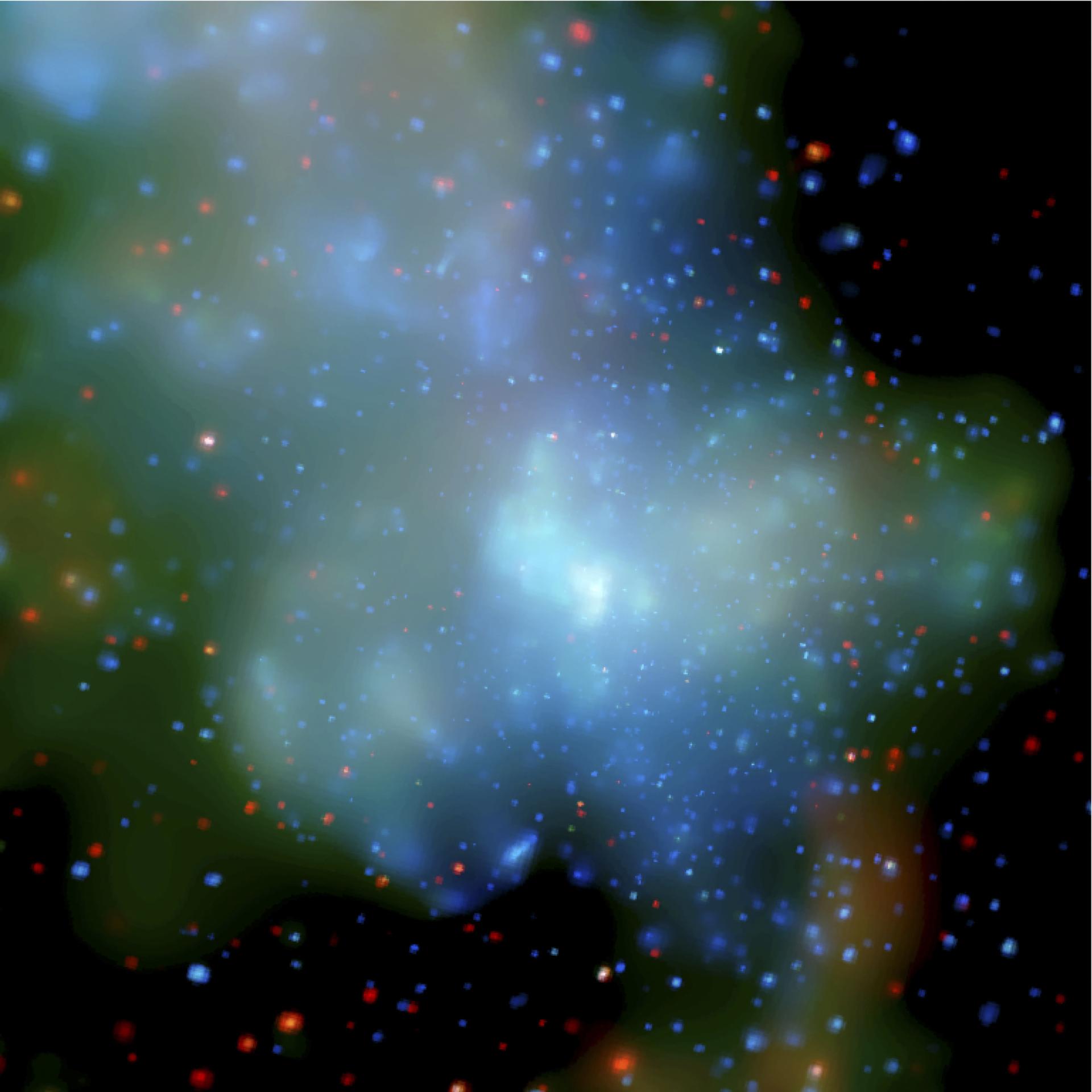
Webb and Hubble Team Up to Reveal an Ancient Relic of the Milky Way's Formation
Terzan 5 isn't a globular cluster after all. Webb and Hubble data reveal four generations of stars spanning 10 billion years, reclassifying it as a rare 'bulge fossil fragment' that survived the Milky Way's chaotic assembly.
-
Science & Discovery
The MEO Durability Crisis: Why LEO-Designed Hardware Will Fail the New Orbital Economy
Satellites built with LEO-grade components face premature failure in medium Earth orbit's punishing radiation belt, threatening the economics of planned MEO constellations and servicing hubs.
-
Science & Discovery
From Cold Gas to Nuclear Fire: NASA Maps Every Step of How Stars Ignite
A new NASA visualization traces star formation from the first gravitational stirrings in a molecular cloud all the way to main-sequence ignition — a single diagram synthesizing decades of multi-mission observations.