NASA
Every Cosmic Herald story on NASA — missions, launches, discoveries, and the business of space, newest first.
-
Stargazing
Mars and Uranus Just Had Their Closest Meeting Until 2053
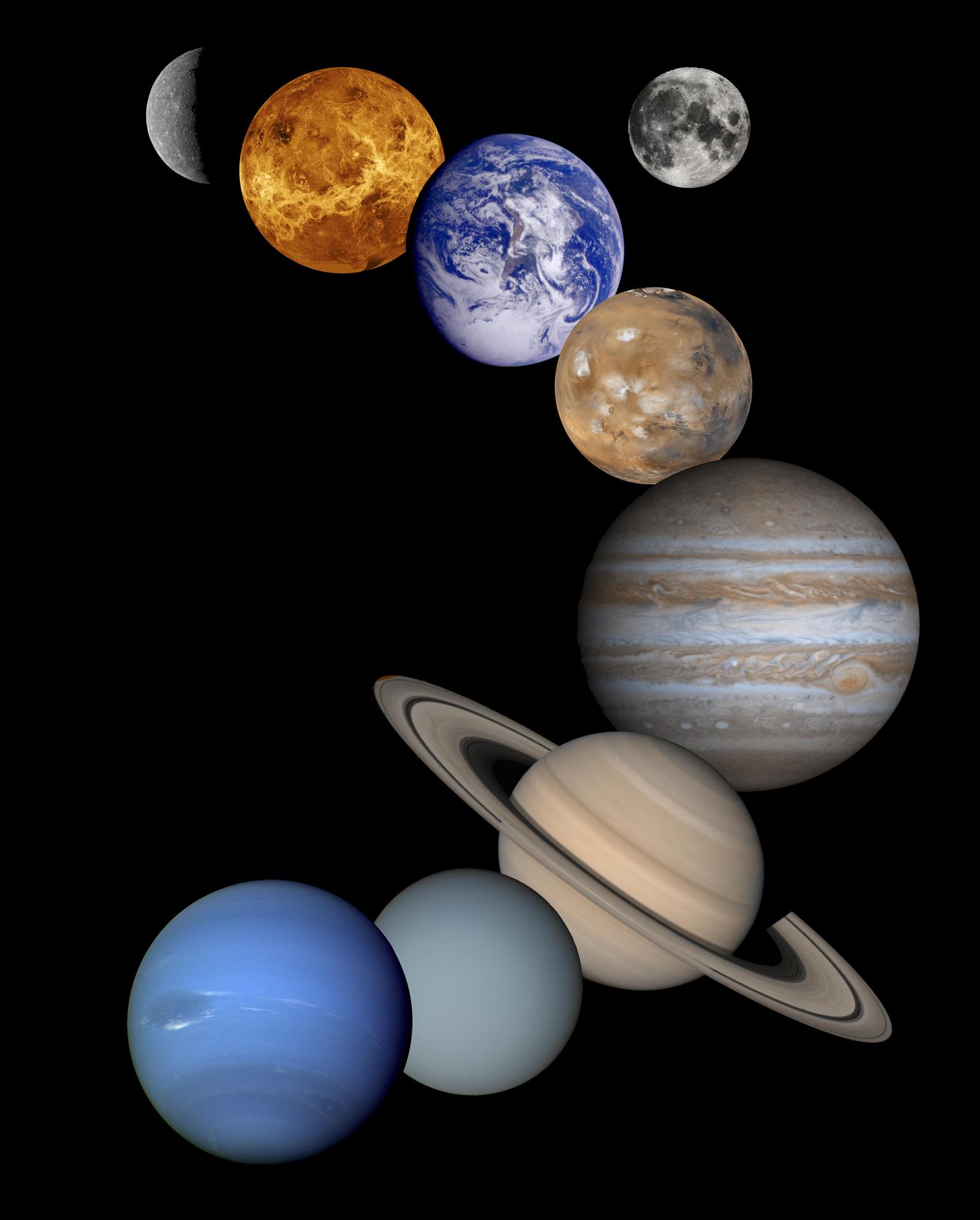
Before dawn on July 4, 2026, Mars and Uranus squeezed to just 0.1° apart in Taurus — their tightest conjunction until 2053 — with bright Mars acting as a signpost to the far dimmer ice giant.
-
Stargazing
Comet 10P/Tempel 2 Brightens to Its Best Since 1967 — What Else to Watch in the July 2026 Sky
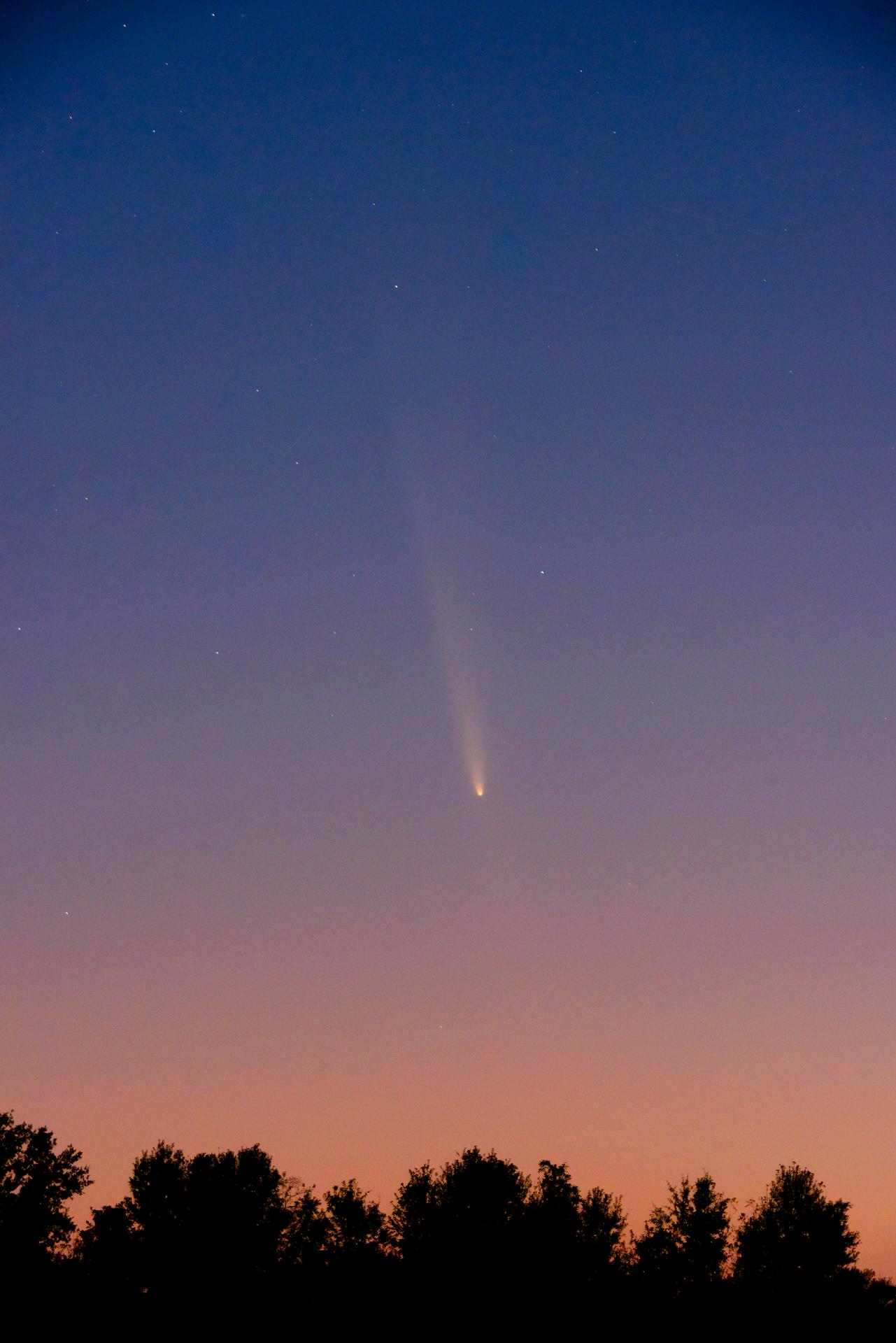
A short-period comet is having its best apparition in nearly 60 years, and NASA's July guide pairs it with thin-tilt Saturn rings, a pre-dawn Moon-Mars-Saturn lineup, and prime Milky Way viewing around the July 14 new moon.
-
Stargazing
The Blaze Star on the Brink: Why Sky-Watchers Are Still Waiting for T Coronae Borealis to Erupt
A recurrent nova 3,000 light-years away should brighten to naked-eye visibility any night now — but T Coronae Borealis blew past its statistically favored June 25 date and still sits at baseline. Here's why the watch continues.
-
Stargazing
A Skyscraper-Sized 'Peanut' Buzzes Earth: Tracking Asteroid 1997 NC1's June 27 Flyby
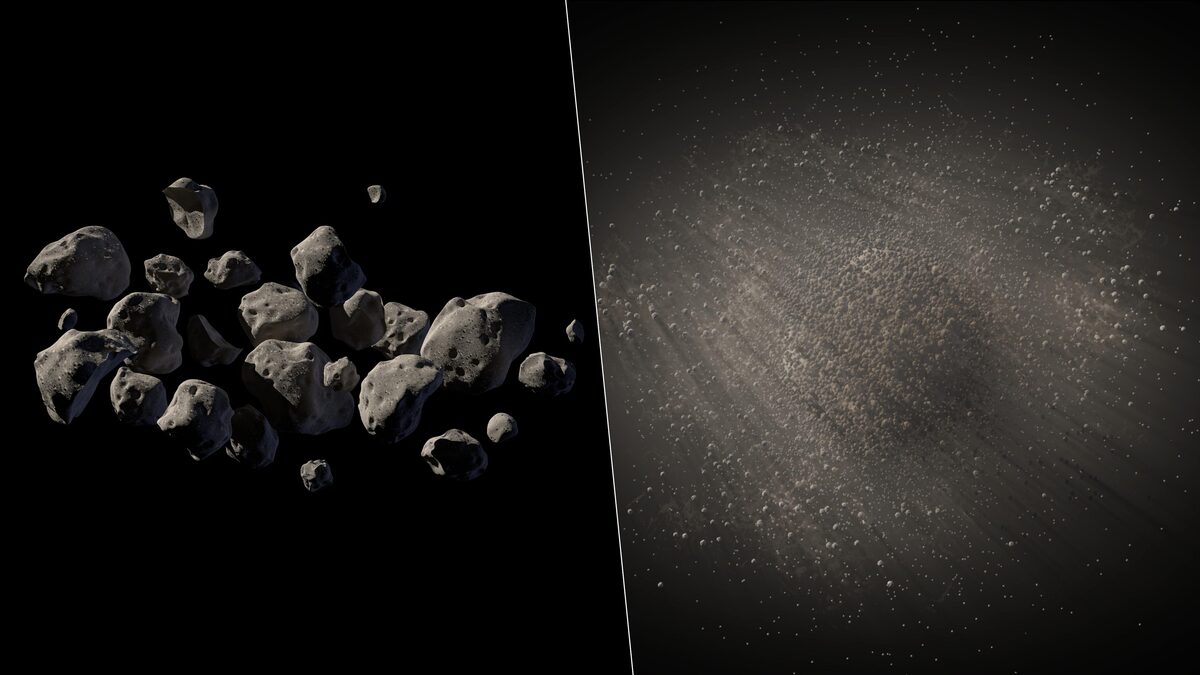
Potentially hazardous asteroid (152637) 1997 NC1 — a slowly spinning, peanut-shaped ~1-km body — passed safely within 6.7 lunar distances on June 27, 2026, doubling as a backyard-telescope target and a planetary-defense radar opportunity.
-
Stargazing
This Week's Sky: Mars Slides Into the Pleiades as the Strawberry Moon Rises
A dated late-June 2026 observing guide: Mars passes the Pleiades June 27-29 in the pre-dawn east, the Full Strawberry Moon rises June 29-30 near Sagittarius' Teapot, Mercury starts retrograde, and the Summer Triangle frames the season's best nebulae.
-
Stargazing
Your July 2026 Night Sky: A Daytime-Bright Venus, the Buck Moon, and a Fireball-Rich Meteor Finale
July 2026 hands naked-eye observers a brilliant magnitude -4 Venus near Regulus, a razor-thin 0.11-degree Mars-Uranus pairing before dawn on July 4, the Full Buck Moon on July 29, and twin meteor showers — including fireball-prone Alpha Capricornids — closing the month.
-
Stargazing
Your First Telescope: What to Buy, What to Skip, and What to Look at First
Aperture matters more than magnification, Dobsonians beat department-store refractors, and the Moon is the best first target. A no-nonsense buying guide for your first serious look at the night sky.
-
Stargazing
Solstice Week 2026: A Daytime Venus Occultation, the Longest Day, and a Strawberry Moon
Late June 2026 packs three marquee events into one stretch of sky: the summer solstice, a rare daytime occultation of Venus by the Moon on June 17, and the June 29 Strawberry Moon — plus a western planet lineup and the rising Milky Way.
-
Stargazing
Mercury Reaches Peak Evening Visibility on June 15: Your Guide to the 2026 Viewing Window
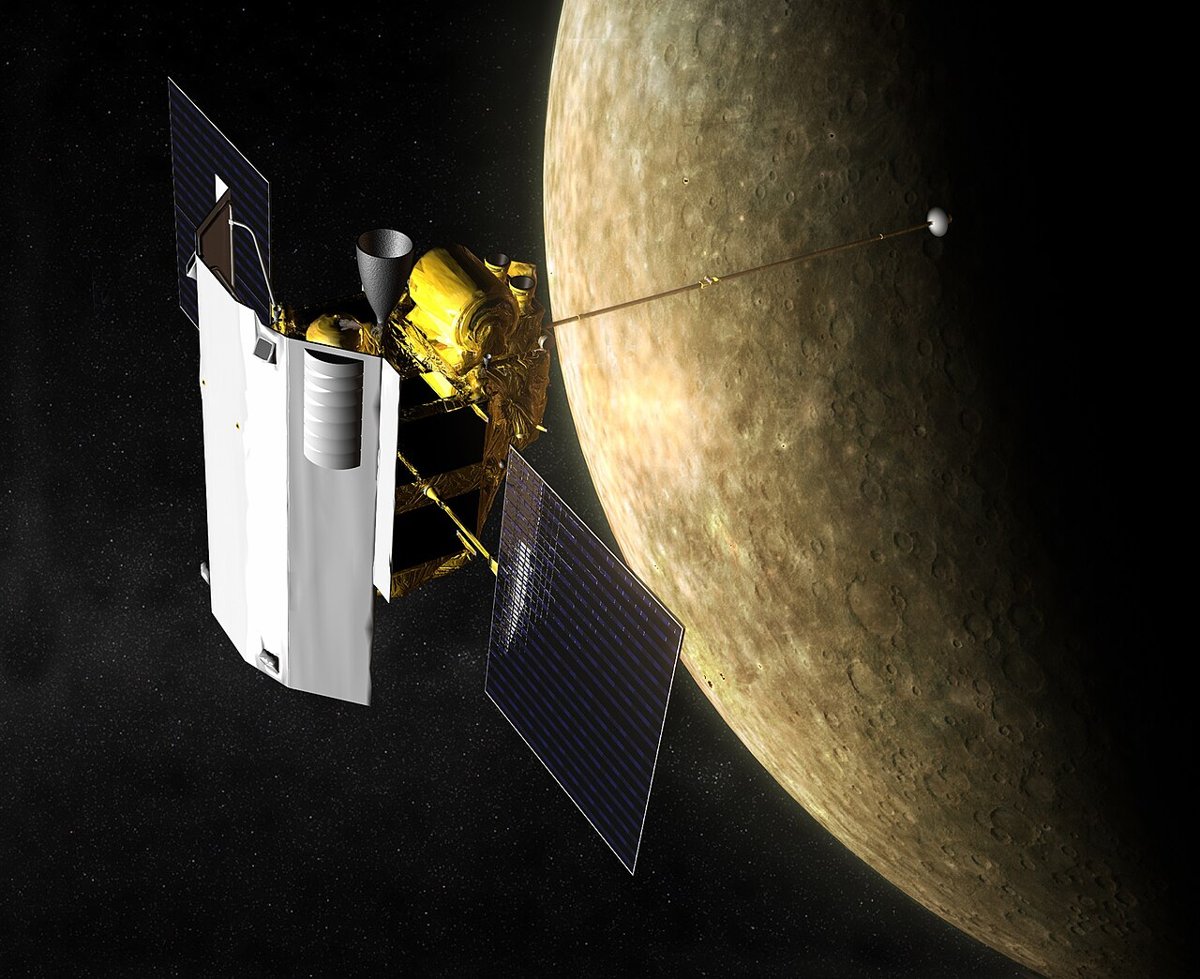
Mercury hits its greatest elongation from the Sun on June 15, 2026, shining at magnitude 0.5 and appearing 25° from the solar disk—the best evening viewing window of the year paired with Venus and Jupiter.
-
Stargazing
Galaxy Season: A Guide to Observing the Local Group This Autumn
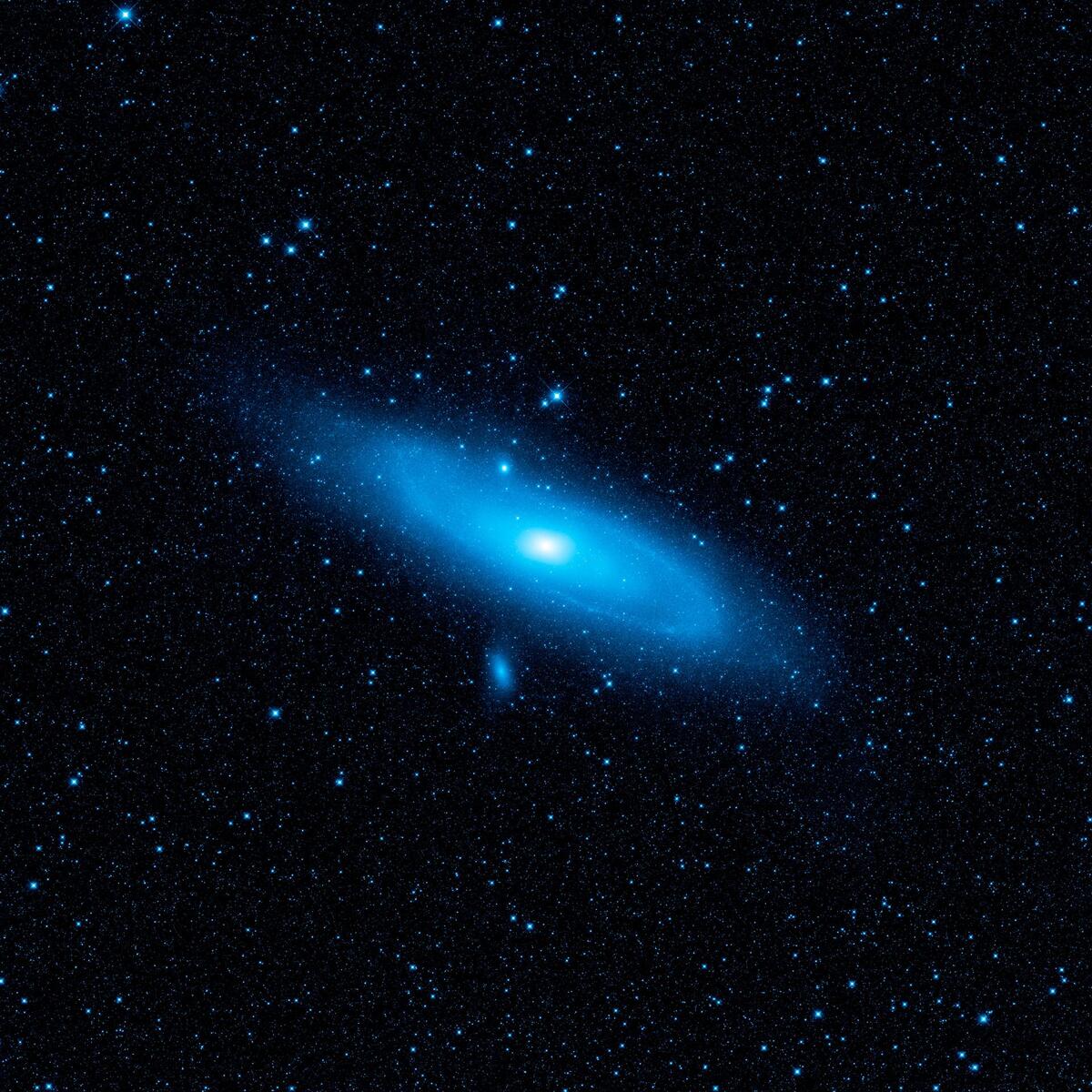
Every autumn the great galaxies of the Local Group rise into prime viewing position. Here's how to find M31, M33, and their satellites — and what you're actually looking at when you do.
-
Stargazing
America's Astronomy Clubs: A State-by-State Guide
From Stellafane in Vermont to the Houston Astronomical Society, 203 amateur astronomy clubs span all 50 U.S. states — and what they offer goes far beyond monthly meetings under the stars.
-
Stargazing
How to see the Milky Way's core — and why it's harder than it used to be
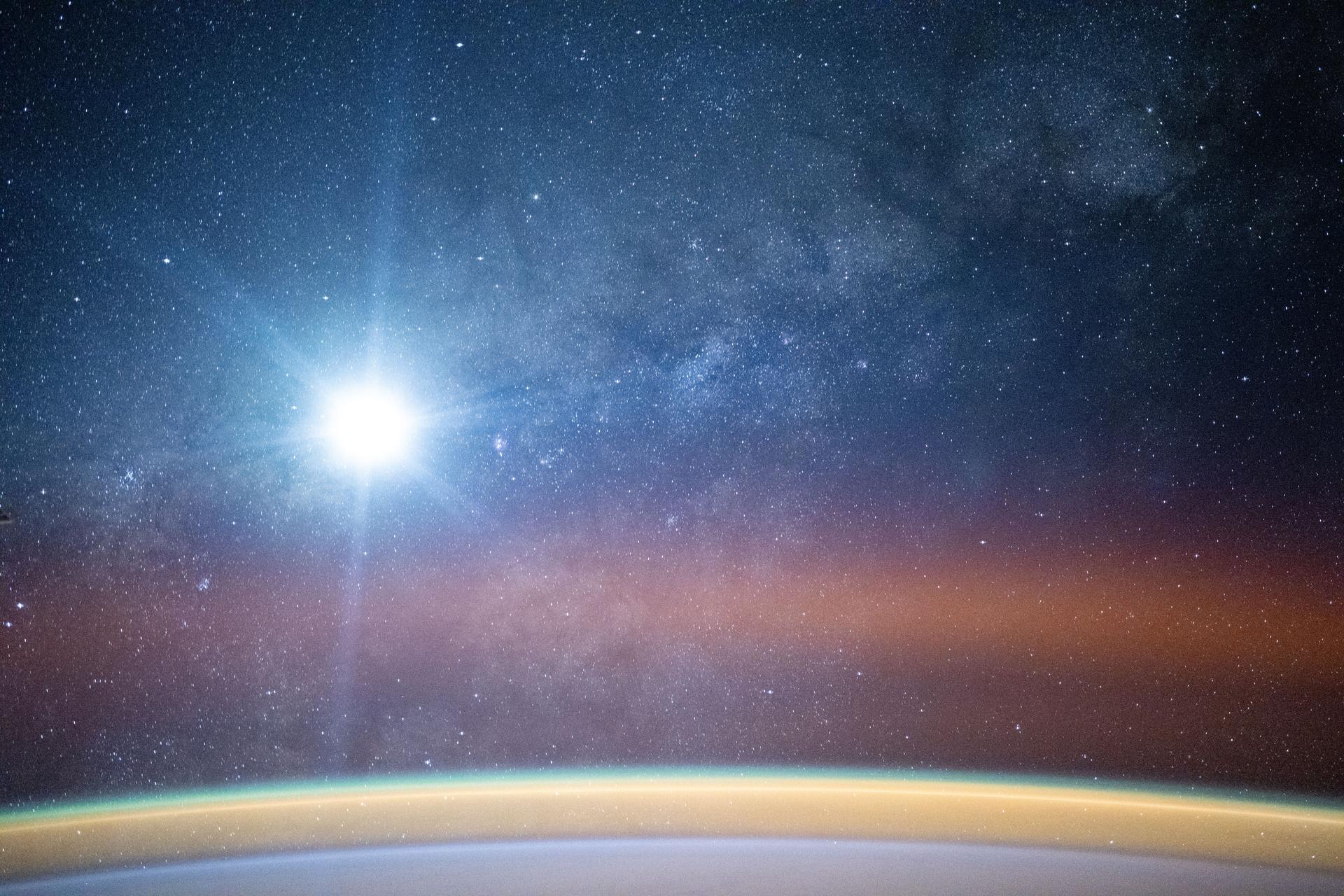
The central bulge of our galaxy rises above the southern horizon in summer, a dense river of light that was once visible to everyone everywhere. Light pollution has made it a journey for most observers now — but this practical guide covers when, where, and how to actually see it.