NASA
Every Cosmic Herald story on NASA — missions, launches, discoveries, and the business of space, newest first.
-
Science & Discovery
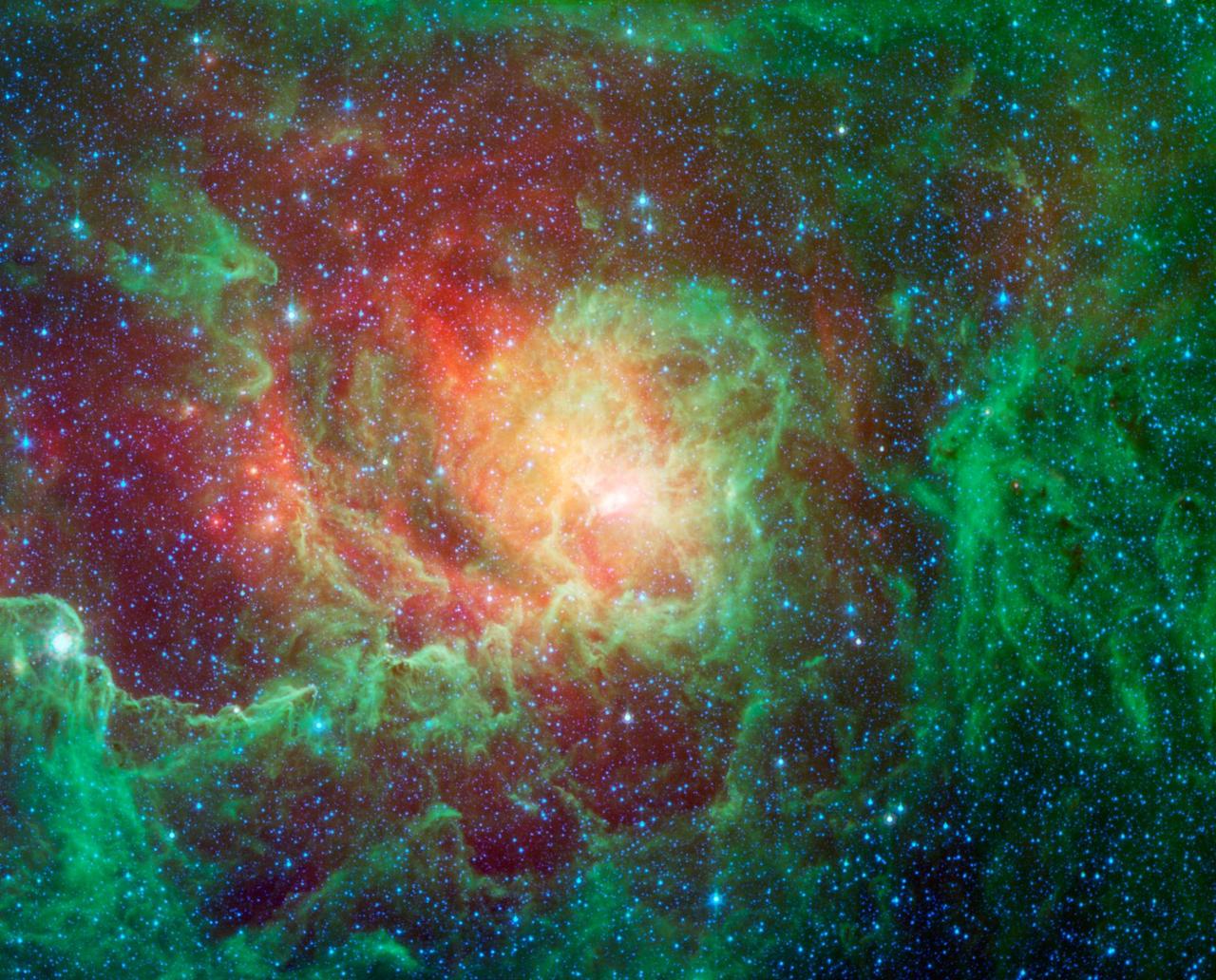
NASA Enlists the Public to Hunt for Faint Objects Hiding in the Sun's Cosmic Backyard
NASA's new citizen science project invites volunteers to search archival data for undiscovered brown dwarfs and dim objects lurking within a few dozen light-years of the Sun.
-
Science & Discovery
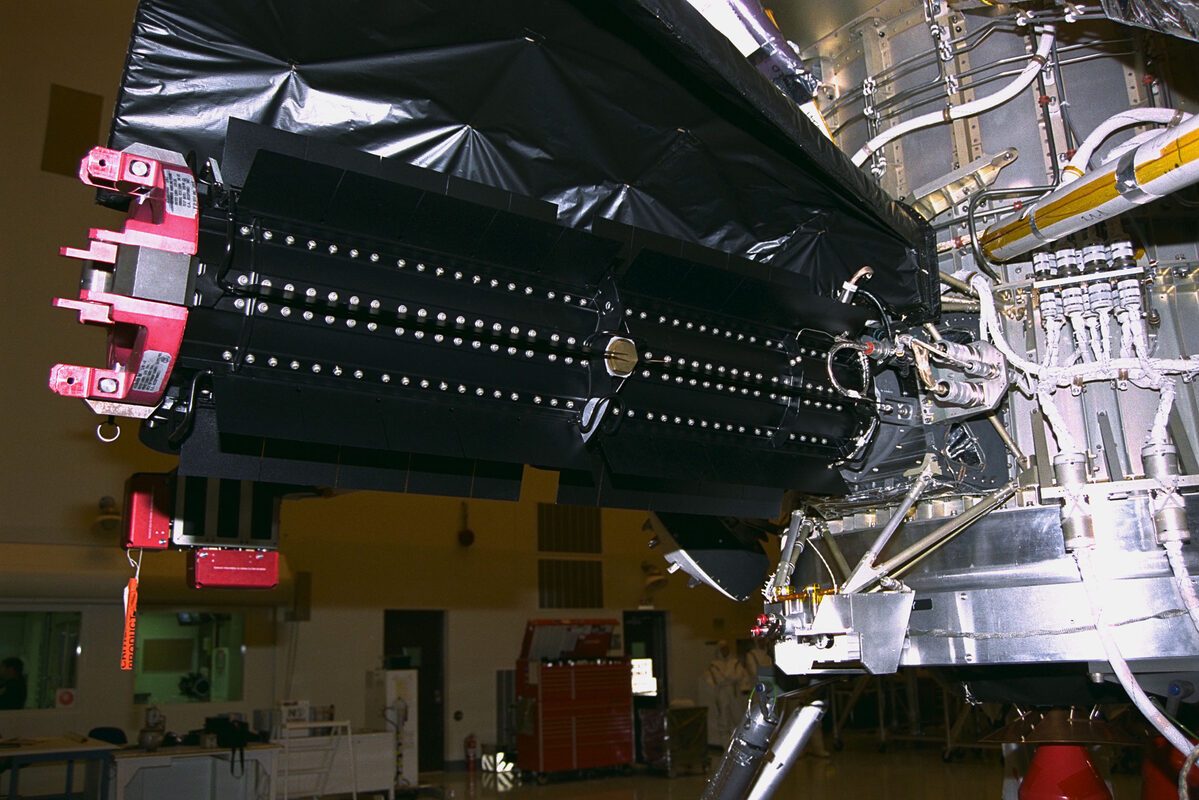
NASA's Cold Atom Lab Gets Its Fourth Major Upgrade to Study Quantum Gases in Space
NASA activated an upgraded Cold Atom Lab aboard the ISS with new magnetic systems and electronics, cooling atoms below -459°F to create Bose-Einstein condensates and test quantum technologies in microgravity.
-
Science & Discovery
The CNO Cycle: How Massive Stars Burn Hydrogen Differently Than the Sun
The Sun fuses hydrogen through the proton-proton chain. Stars more than twice as massive use a completely different nuclear pathway — one that uses carbon, nitrogen, and oxygen as catalysts and burns hotter, faster, and far more violently.
-
Science & Discovery
Life on icy moons: what extremophiles on Earth are teaching us to look for
The search for life beyond Earth is increasingly focused on the subsurface oceans of moons like Europa and Enceladus. Understanding what that search requires means understanding life's extremes here first — and Earth's most extreme environments keep revealing biology that expands the definition of habitable.
-
Science & Discovery
Mars had an ocean. New evidence is filling in how long it lasted.
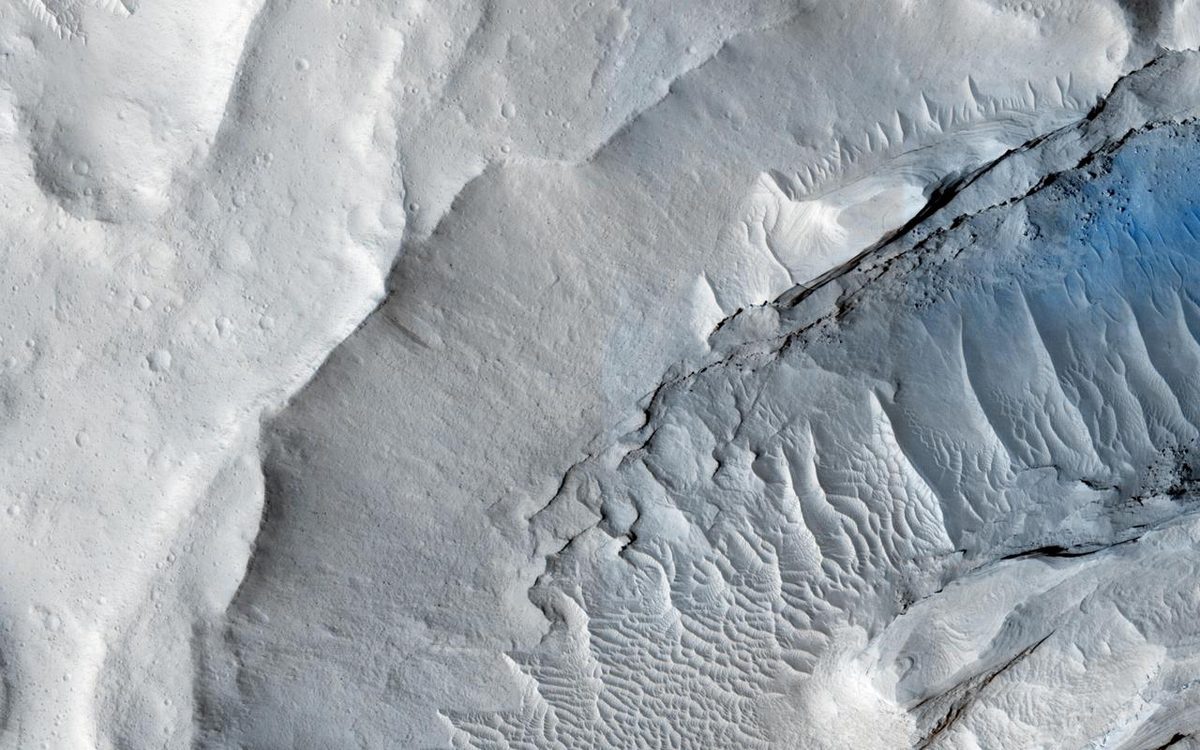
Decades of Mars exploration have assembled strong evidence that the northern lowlands once held a vast ocean of liquid water. New analysis of orbital data and rover measurements is sharpening our picture of when that ocean existed, how deep it ran, and when it disappeared — which narrows the window when life might have been possible.
-
Science & Discovery
Phosphine on Venus: four years later, what the research actually says
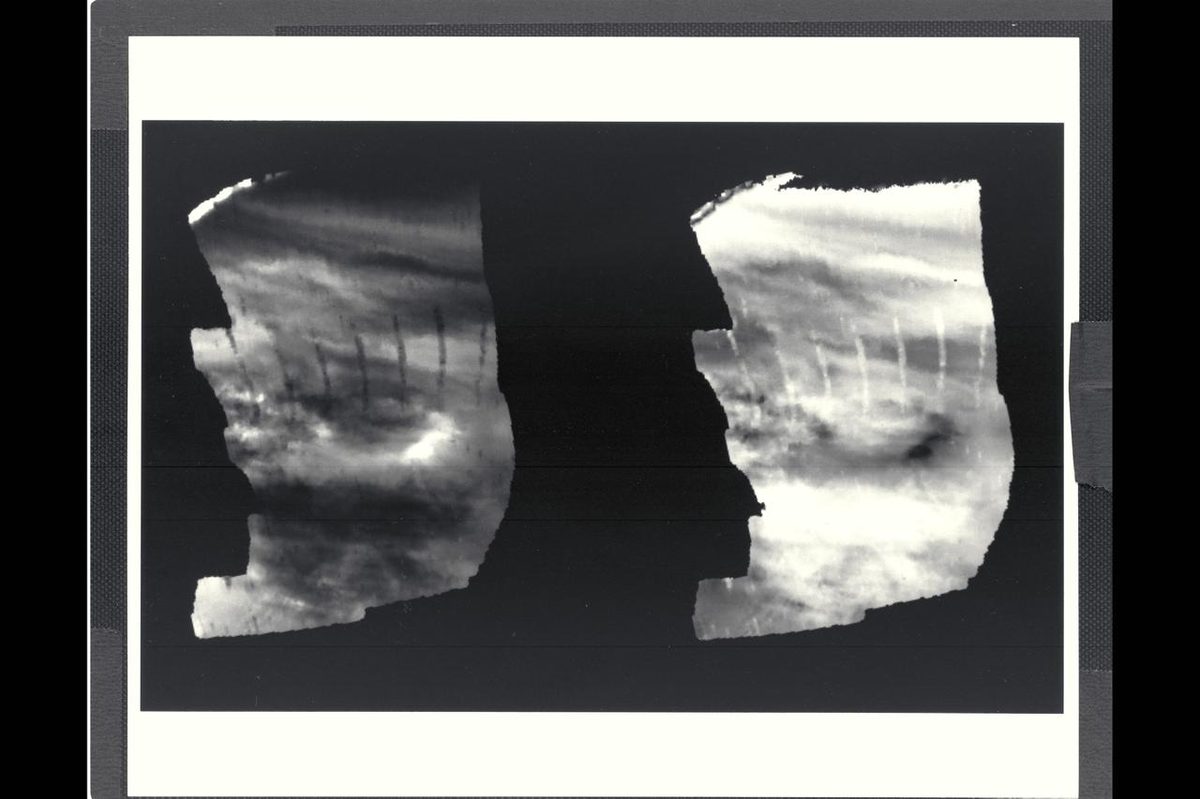
The 2020 claim that phosphine — a potential biosignature gas — had been detected in Venus's atmosphere sparked one of the most contentious debates in recent planetary science. Years of follow-up observations and analysis have clarified the picture, though not fully resolved it.
-
Science & Discovery
The Sun is at its most active in two decades. What solar maximum actually means.
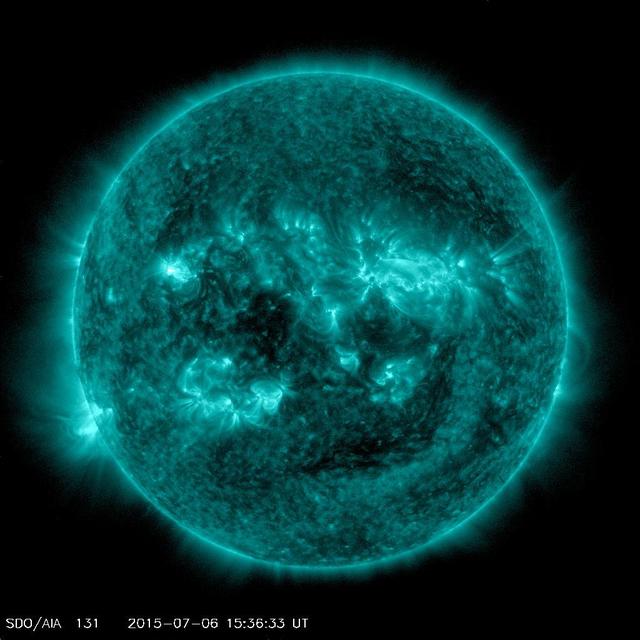
Solar Cycle 25 has been more active than forecasters predicted, delivering some of the strongest geomagnetic storms in years and producing aurora visible at unusually low latitudes. What solar maximum means for technology, satellites, and power grids — and how we prepare — is more relevant now than it has been in a generation.
-
Science & Discovery
How black holes actually grow: new X-ray observations are filling in the picture
Black holes grow by consuming nearby gas and dust — but the details of how that accretion works, and how it produces the relativistic jets that extend for millions of light-years, are still being worked out. A new generation of X-ray telescopes is catching the process in action.
-
Science & Discovery
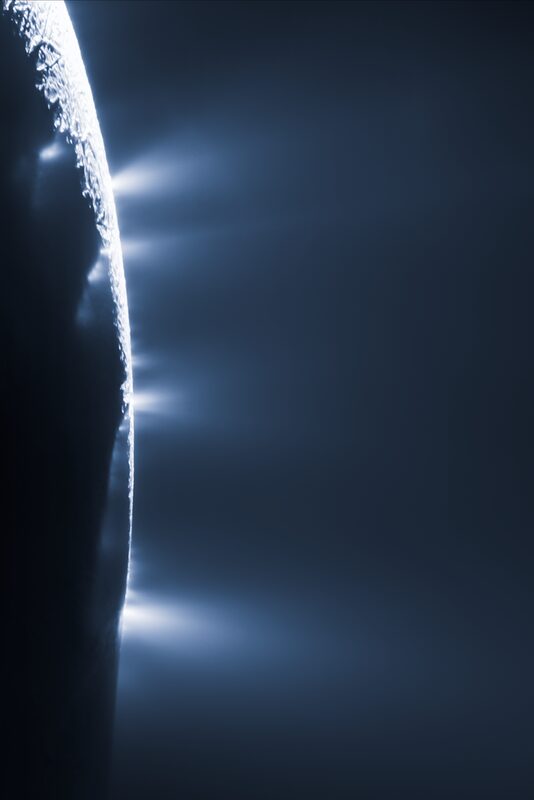
Three moons in the outer solar system have conditions that could support life. We've barely started looking.
Enceladus has a liquid ocean venting organics and hydrogen into space. Europa has a global ocean under an ice shell. Titan has lakes of liquid methane and a complex organic chemistry. All three are active targets for future astrobiology missions.
-
Science & Discovery
Solar panels stop working past Jupiter. Nuclear reactors are the only practical power source for deep space.
Radioisotope thermoelectric generators have powered deep-space probes since the 1960s. A new generation of compact fission reactors — Kilopower and its successors — could power permanent lunar bases, Mars surface missions, and spacecraft to the outer planets and beyond.
-
Science & Discovery
JWST can sniff exoplanet atmospheres. Scientists are debating what a 'biosignature' actually proves.
Biosignatures — atmospheric chemicals whose presence is difficult to explain without biology — are the primary observational strategy for detecting life on exoplanets. JWST has made the first detections of molecules in rocky exoplanet atmospheres. The challenge is interpreting them unambiguously.
-
Science & Discovery
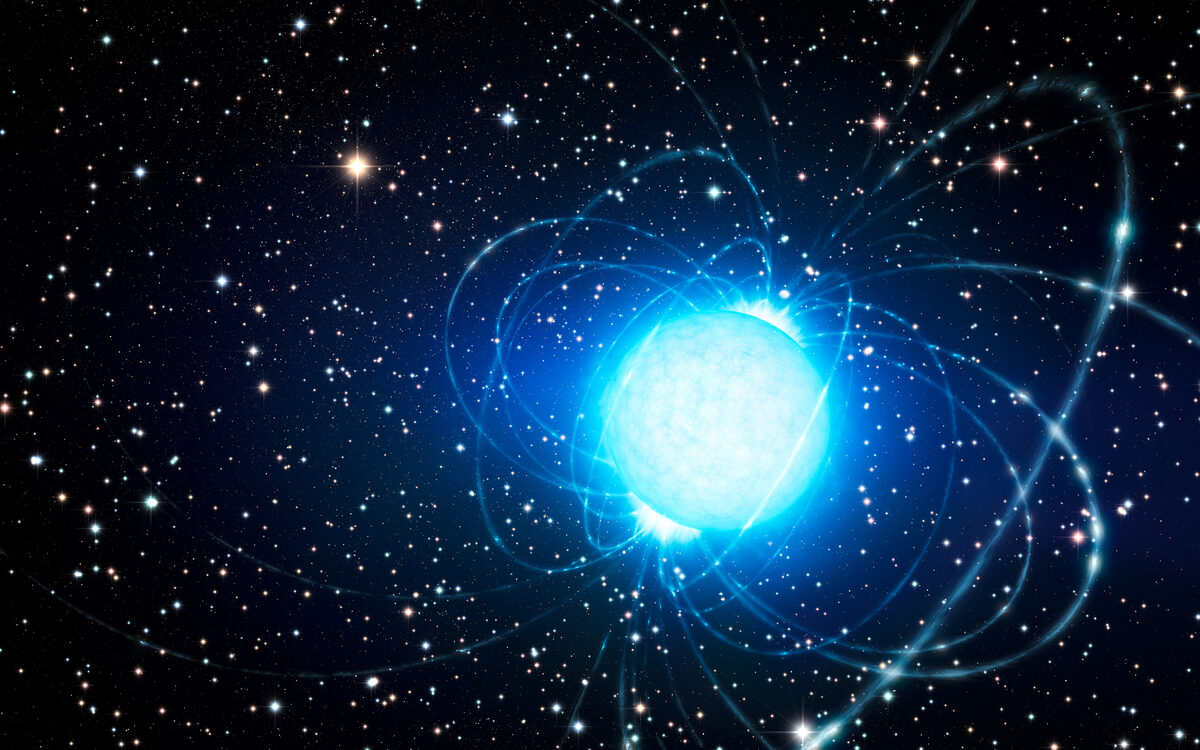
Magnetars are neutron stars with magnetic fields strong enough to restructure atoms — and they are reshaping our understanding of dense matter
A magnetar packs the mass of the Sun into a sphere the size of a city, then generates a magnetic field 10^15 times stronger than Earth's. The physics at work inside them cannot be reproduced in any terrestrial laboratory — which makes their X-ray and radio bursts the only experimental data we have on matter at nuclear density.