Military Space
Military space news from Cosmic Herald — Space Force, satellite warfare, GPS, missile warning, and the growing role of space in national defense.
-
Military Space
Space Force Splits $615 Million Among Rocket Lab and Two Others to Track Airborne Threats From Orbit
Space Systems Command handed Rocket Lab $397 million to build orbital jet-tracking satellites for launch on its still-unflown Neutron rocket, part of a $615 million multi-vendor push to watch the skies from space instead of AWACS planes.
-
Military Space
True Anomaly's Jackal Spacecraft Pulls Off the First In-Space Chase of an Actively Evading Satellite
In a Space Force demo, True Anomaly's autonomous Jackal-0004 tracked, planned, and closed to 10 km of a dodging Rocket Lab satellite in under an hour of decision-to-intercept time.
-
Military Space
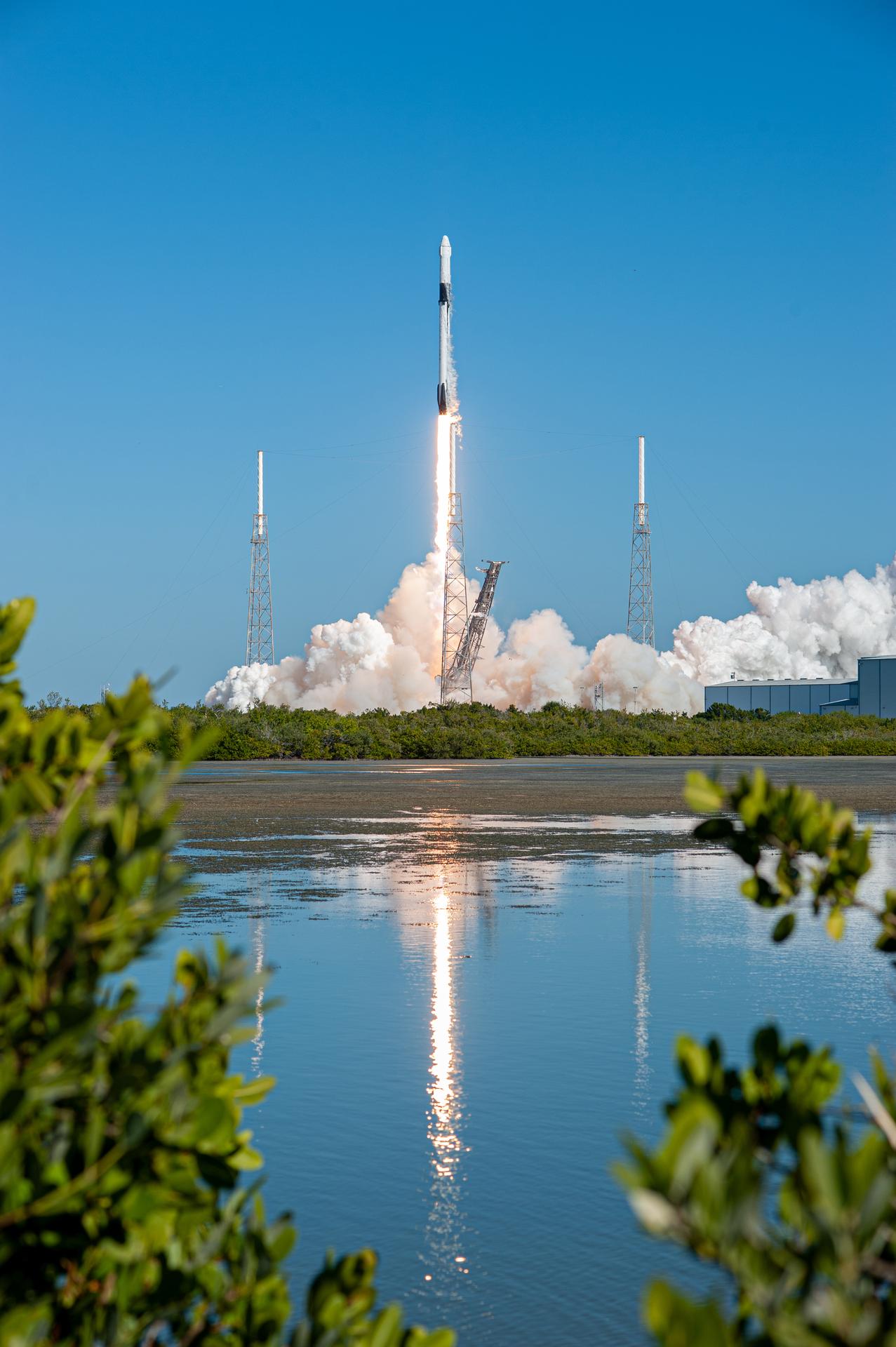
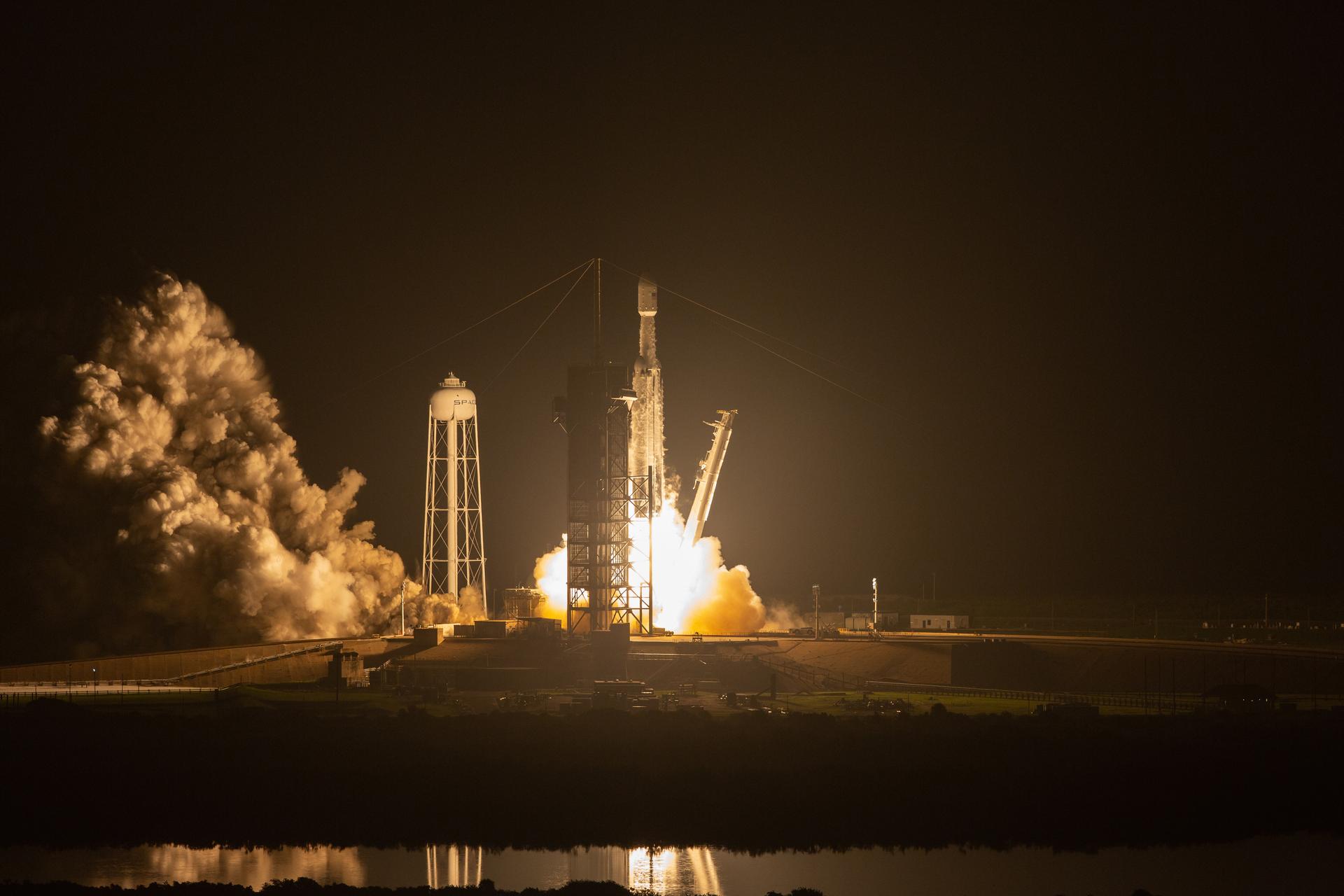
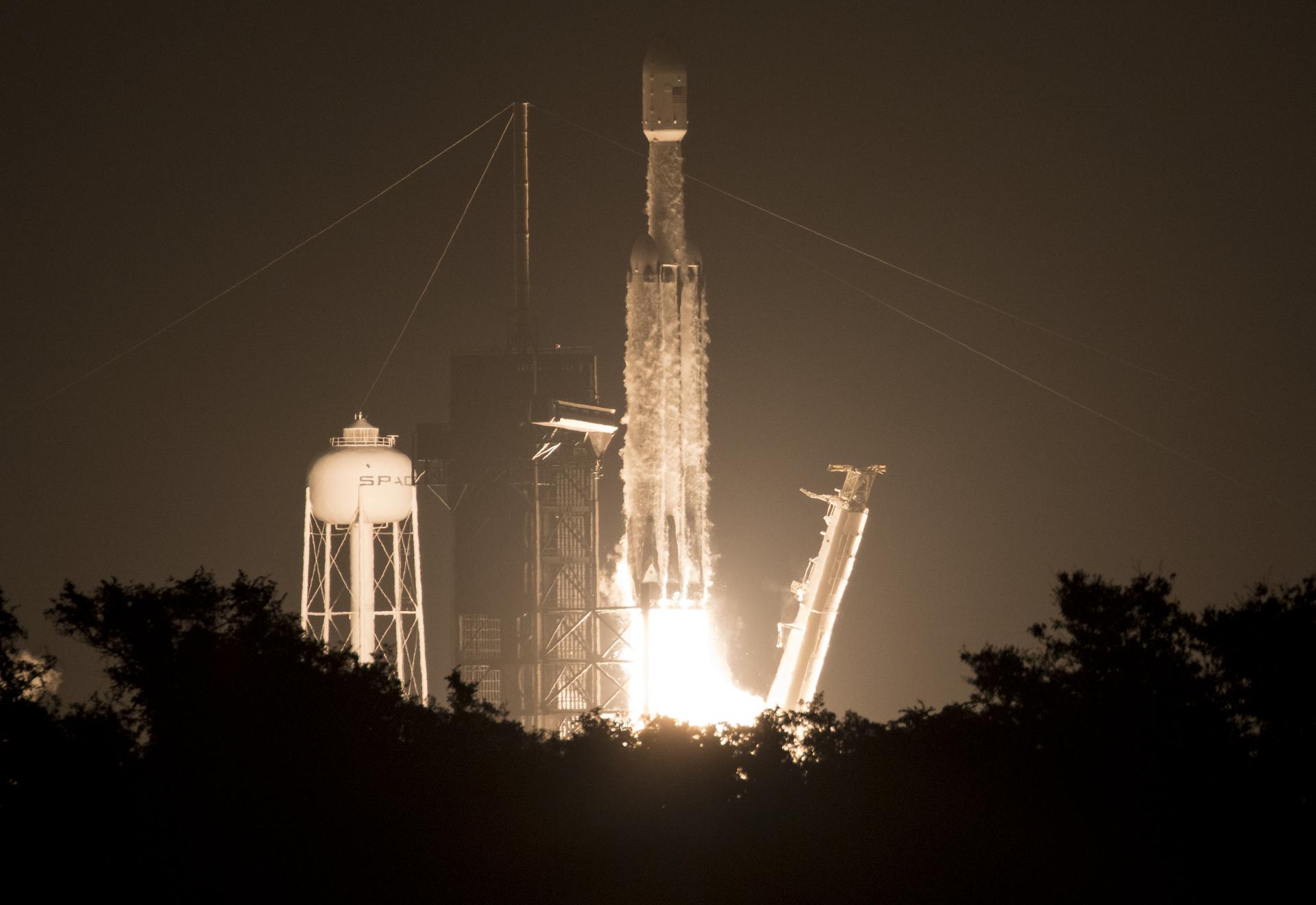
SpaceX Launches Classified NROL-95 Spy Satellite for the NRO
A veteran Falcon 9 booster flying its seventh mission delivered a secret NRO payload to orbit before sticking a pre-dawn landing at Cape Canaveral's Landing Zone 2.
-
Military Space
SpaceX Lands $1.6 Billion Space Force Deal to Launch 18 Rockets for Airborne-Threat Tracking Satellites
Space Systems Command awarded SpaceX two task orders worth $1.6 billion for 18 Falcon 9 launches by end of 2027, carrying satellites meant to track airborne threats and feed targeting data to U.S. forces in near-real time.
-
Military Space
GAO: Space Force Doesn't Know How Many Guardians It Actually Needs
A new GAO report finds the Space Force filled only 75% of its identified FY2025 positions and has no standardized way to calculate how many Guardians it actually requires — a gap opening just as the service plans to roughly double in size.
-
Military Space
Air Force Inherits the Military's Troubled M-Code GPS Receiver Program from Space Force
The Air Force Life Cycle Management Center took over the delay-plagued MGUE program on July 23, 2026, absorbing the jam-resistant M-code receiver effort that the Space Force developed but struggled to field on schedule.
-
Advertisement
-
Military Space
The Nuke Detectors Riding Shotgun on GPS: NNSA Ships Its Fifth Next-Gen Global Burst Detector
NNSA has handed the Space Force its fifth next-generation Global Burst Detector, the multi-lab sensor payload that turns GPS satellites into a 24/7 nuclear detonation watch — announced the same day the Space Force offloaded its troubled M-code receiver program to the Air Force.
-
Military Space
China Rotated a Cold War Orbit Sideways — and Shijian-31 Now Sweeps the Entire GEO Belt
Commercial trackers say China's Shijian-31 has rotated the Soviet-era Molniya orbit onto the equator and detuned its period to 12.5 hours, letting one satellite sweep the entire geostationary belt from 2,000 km above it every 23 days.
-
Military Space
SDA's Mesh Grows: Third Tranche 1 Launch Puts 21 York Satellites in Orbit — and All 21 Phone Home
A July 16 Falcon 9 lofted 21 York-built data-transport satellites for the Space Development Agency, resuming Tranche 1 flights after a roughly nine-month pause — and York confirmed contact with all 21 within hours, pushing the on-orbit count to 63.
-
Military Space
The Space Force Just Tripled Its Commercial Launch Contract Ceiling to $17 Billion
The Space Force tripled its NSSL Phase 3 Lane 1 ceiling to $17 billion across seven launch providers on July 17, 2026 — but a GAO report showing commercial launches at federal ranges have more than quadrupled since 2021 suggests the real bottleneck isn't rockets, it's the ground beneath them.
-
Military Space
A Confirmation Hearing So Quiet It Was Called a Compliment: Schiess Set to Become Space Force's Third Chief
Lt. Gen. Douglas A. Schiess faced few questions and even fewer skeptics at his July 16 Senate hearing to lead the Space Force, telling lawmakers that China's rapid military-space buildup justifies a roughly $71 billion budget and a service set to more than double in size.
-
Military Space
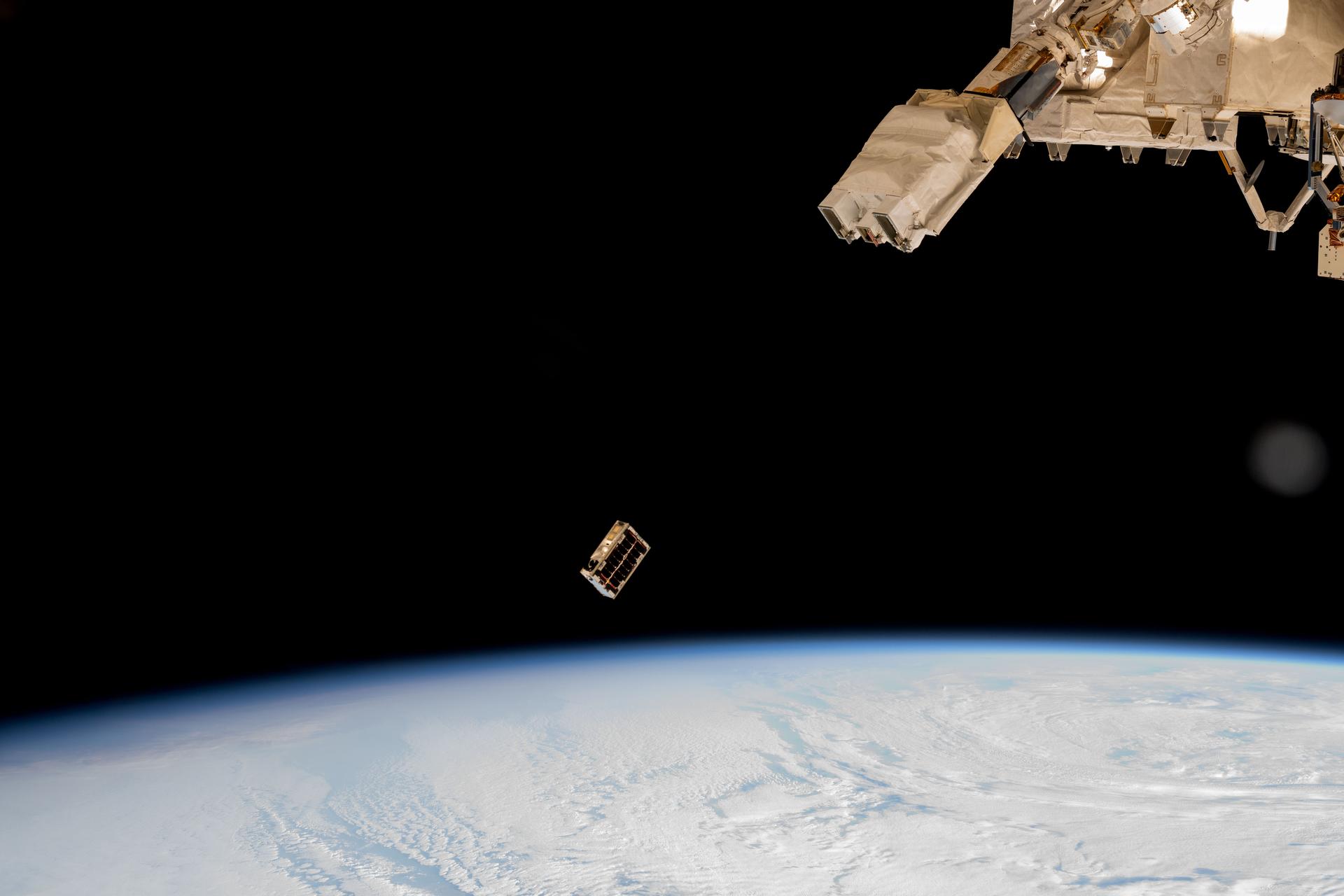
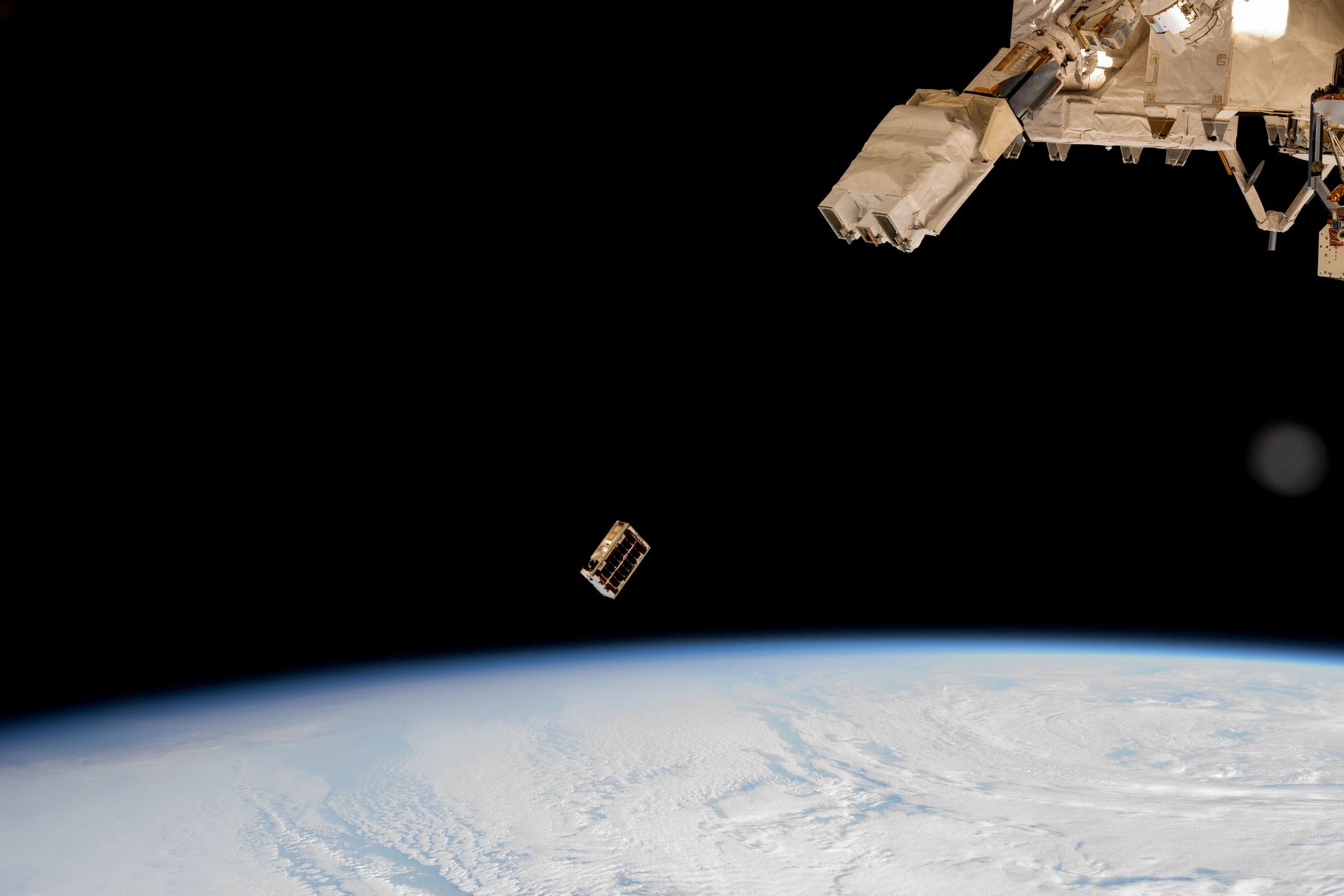
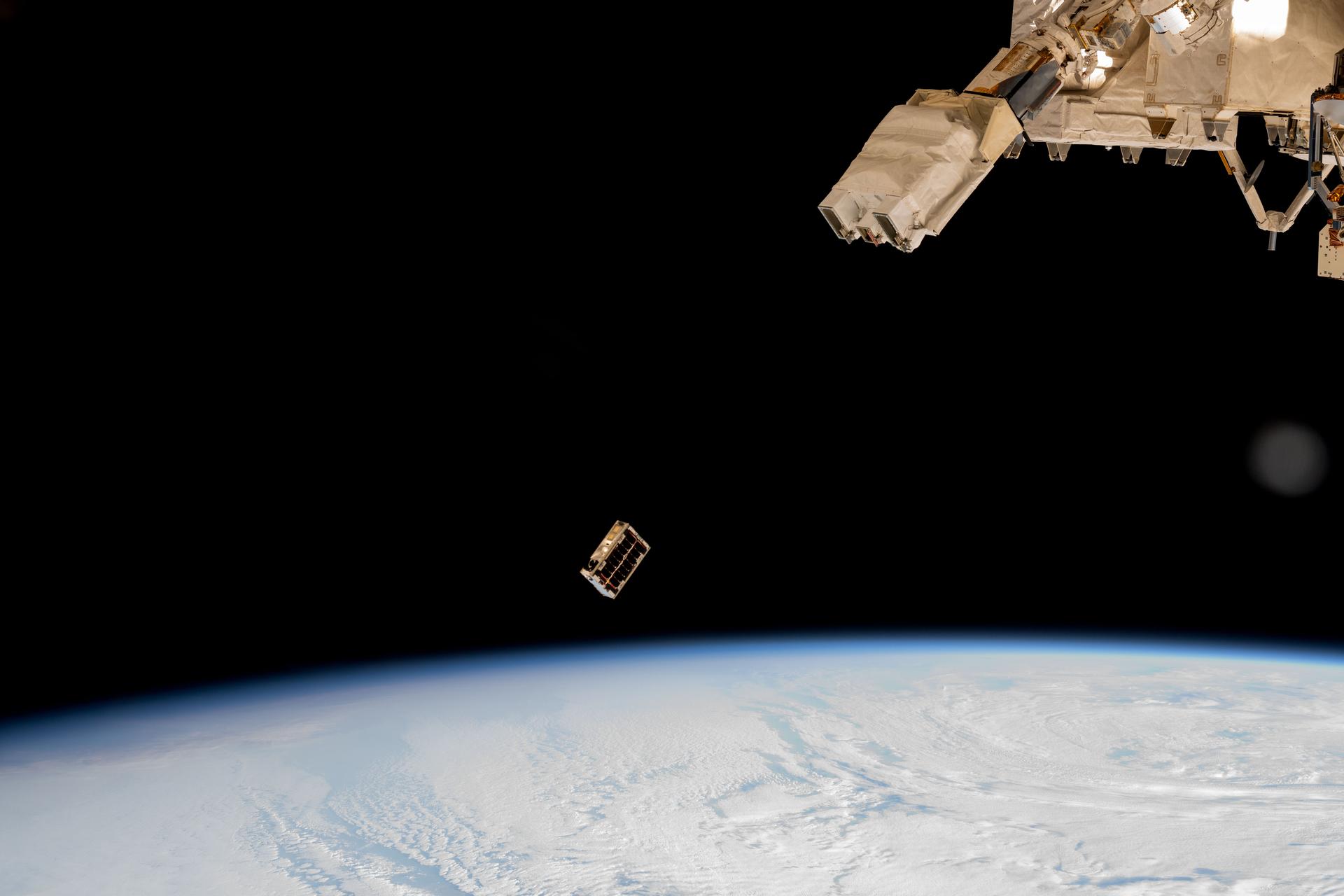
A CubeSat That Sniffs for Neutrons: The First Peer-Reviewed Way to Catch a Nuke Hiding in Orbit
MIT physicist Areg Danagoulian's new Nature paper describes a 9U CubeSat that hunts spallation neutrons from fissile material, offering the first peer-reviewed method to detect thermonuclear warheads secretly parked in Earth orbit.