NASA
Every Cosmic Herald story on NASA — missions, launches, discoveries, and the business of space, newest first.
-
Missions
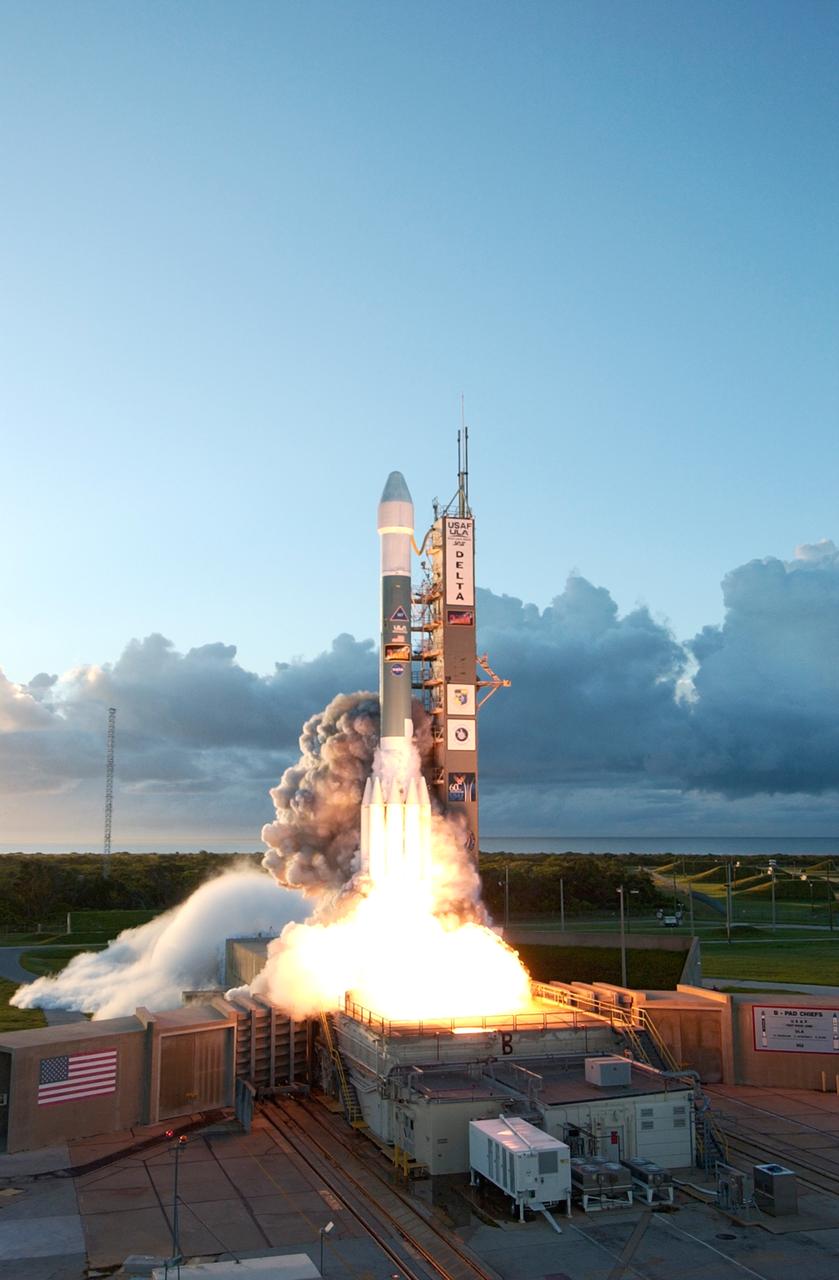
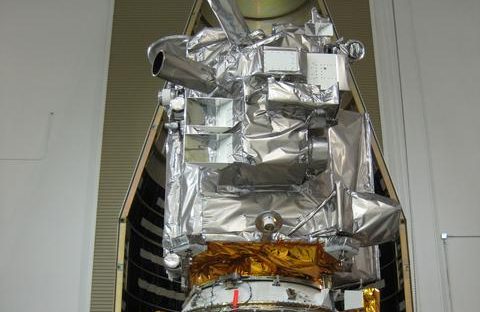
Swift Gets a Second Chance: How Commercial Servicing Is Saving NASA's Gamma-Ray Observatory
After 22 years in orbit, Swift faces imminent reentry from solar-driven decay. Katalyst Space's LINK robotic spacecraft will perform NASA's first commercial orbital rescue, boosting the aging but productive observatory to a stable orbit.
-
Missions
ESA's Hera Mission Is About to Rewrite What We Know About Asteroid Deflection
NASA's DART proved we can move an asteroid. Now ESA's Hera spacecraft is arriving at Didymos to find out exactly what happened — and whether planetary defense is ready for a real threat.
-
Missions
VIPER Is Cancelled. Here's Why NASA's Ice-Hunting Rover Mattered.
NASA cancelled the VIPER rover in 2024 after costs ballooned and schedules slipped. The science it was supposed to do — characterizing water ice at the lunar south pole — still needs to be done before Artemis astronauts go there.
-
Missions
NASA's DAVINCI mission will drop a probe through Venus's atmosphere. Here's what it's looking for.
DAVINCI is a spherical probe designed to fall through Venus's corrosive atmosphere for about an hour, sampling the air at every altitude. It's looking for evidence that Venus once had oceans — and why it lost them.
-
Missions
Five years of Perseverance: what the rover has actually changed about how we think about Mars
NASA's Perseverance rover has spent five years in Jezero Crater, coring ancient lake sediments and producing oxygen from thin Martian air. The science is more nuanced than the headlines suggest — and the sample cache it's building may be the most important thing it does.
-
Missions
China is heading to the Moon's south pole. What Chang'e 7 is actually trying to do.
China's Chang'e 7 mission is targeting the lunar south pole — the same region NASA's Artemis program is aiming for. The mission is more than a flag plant: it's the most technically complex robotic lunar mission ever attempted.
-
Missions
Europa Clipper is on its way, and its first look at an ocean world will be worth the wait
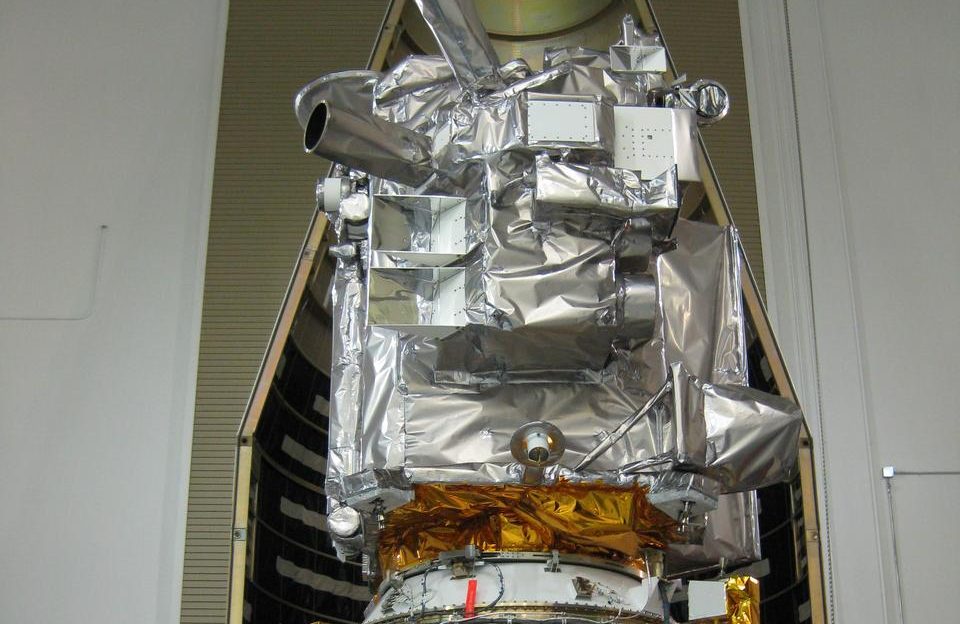
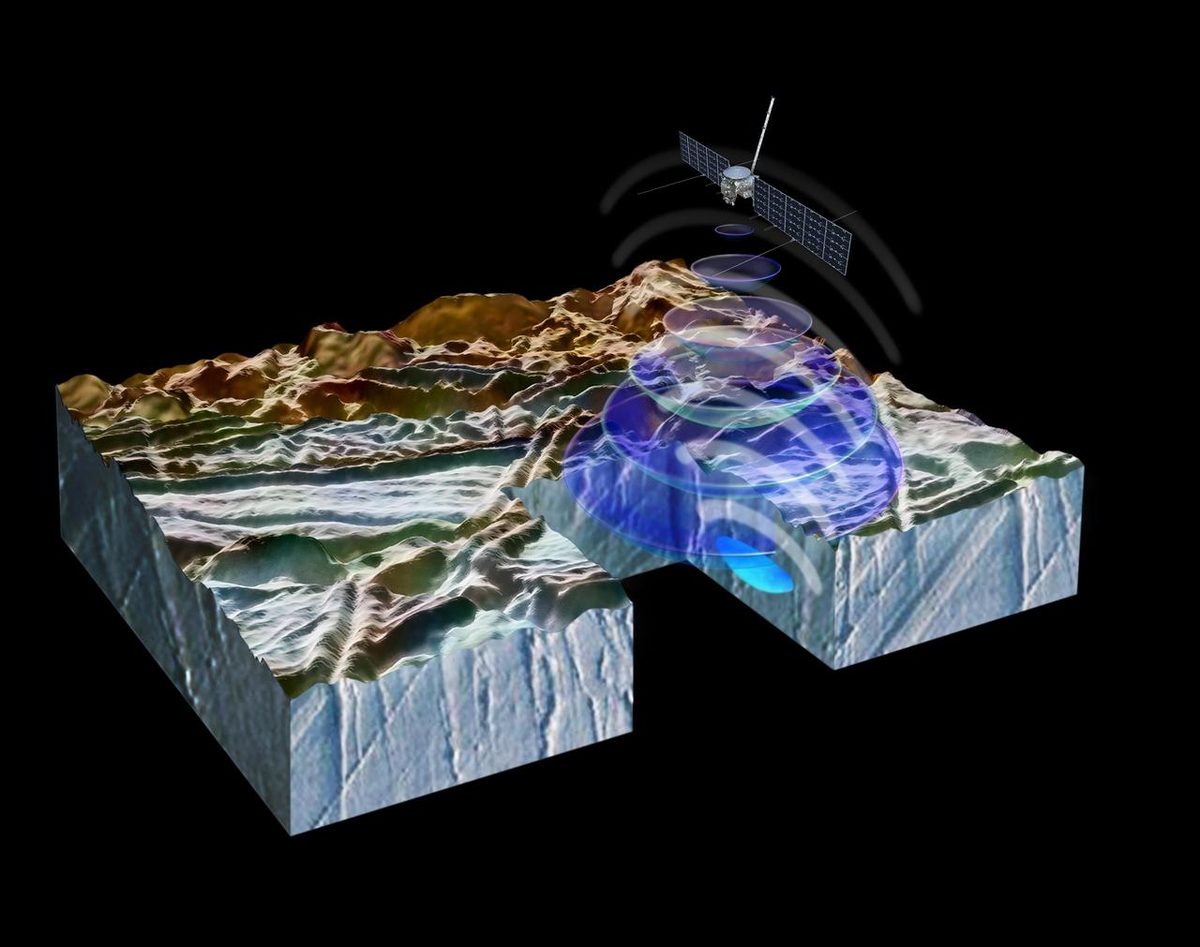
NASA's Europa Clipper is currently in cruise toward Jupiter, its nine science instruments deployed and checked out. When it arrives in 2030 and begins its 49 planned close flybys of Europa, it will deliver the most detailed look scientists have ever had at one of the solar system's most compelling targets.
-
Missions
ESA's JUICE mission is on its way to Jupiter. The science starts long before arrival.
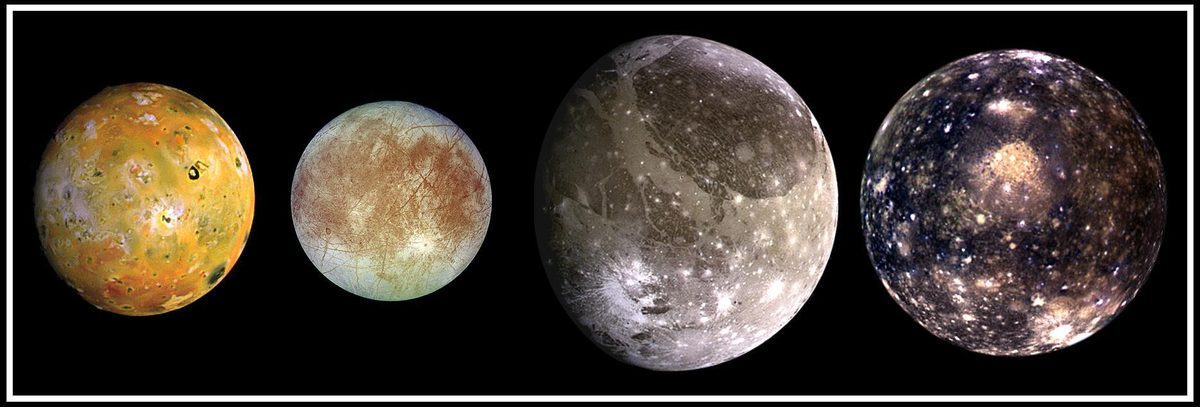
The Jupiter Icy Moons Explorer — JUICE — is now on a seven-year trajectory to the Jovian system. Its mission is ambitious: orbit Jupiter, make close flybys of Callisto and Europa, then slip into orbit around Ganymede, the first spacecraft ever to orbit a moon other than our own.
-
Missions
OSIRIS-APEX is racing toward Apophis, and 2029 is going to be extraordinary
The spacecraft formerly known as OSIRIS-REx is en route to Apophis, the asteroid that will pass closer to Earth than our own satellites in April 2029. After a successful Earth gravity assist in September 2025, OSIRIS-APEX is on track to arrive at Apophis months before the historic close approach — where it will watch how Earth's gravity reshapes the rock in real time.
-
Missions
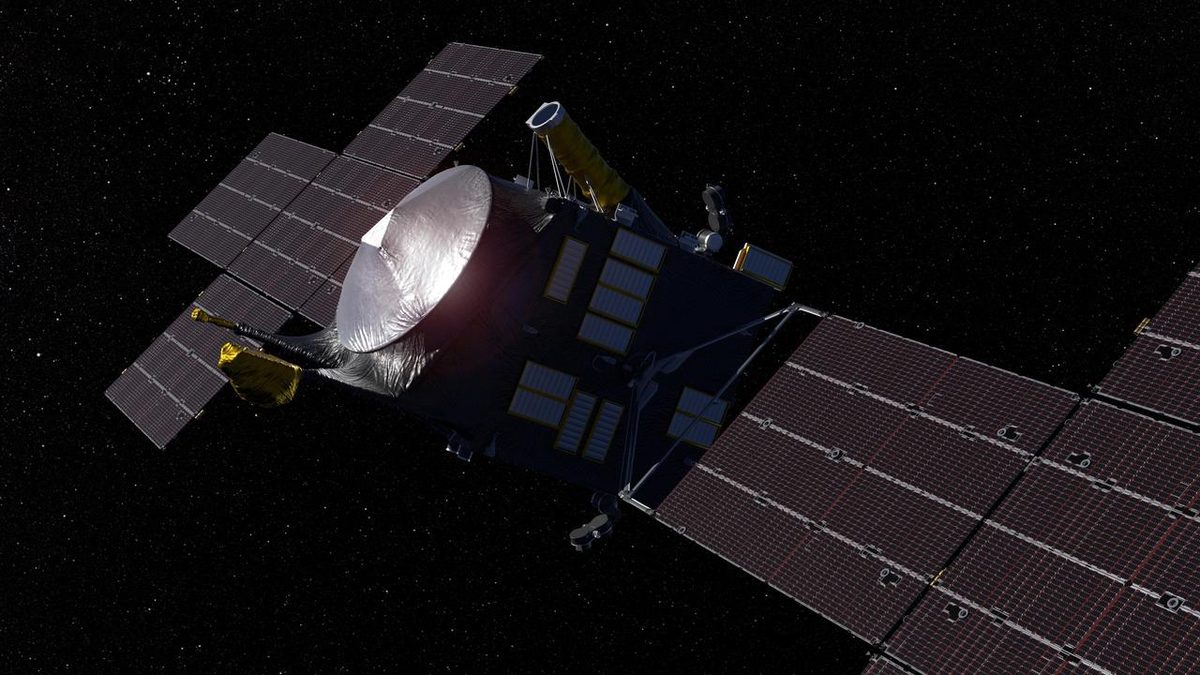
The metal world Psyche is stranger than anyone expected
NASA's Psyche spacecraft has been orbiting the asteroid 16 Psyche — once thought to be the exposed iron core of a broken planet — and the early results are upending assumptions. The asteroid may not be what planetary scientists thought at all.
-
Missions
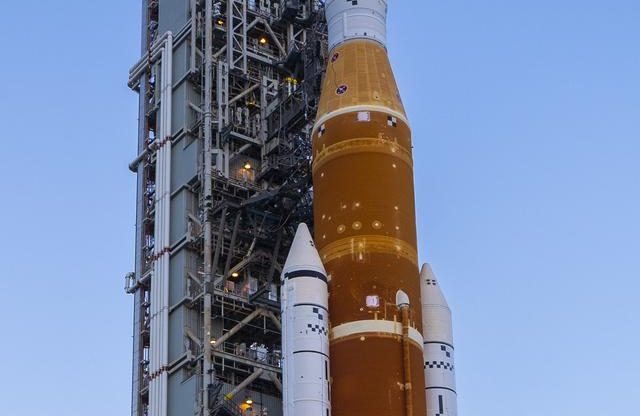
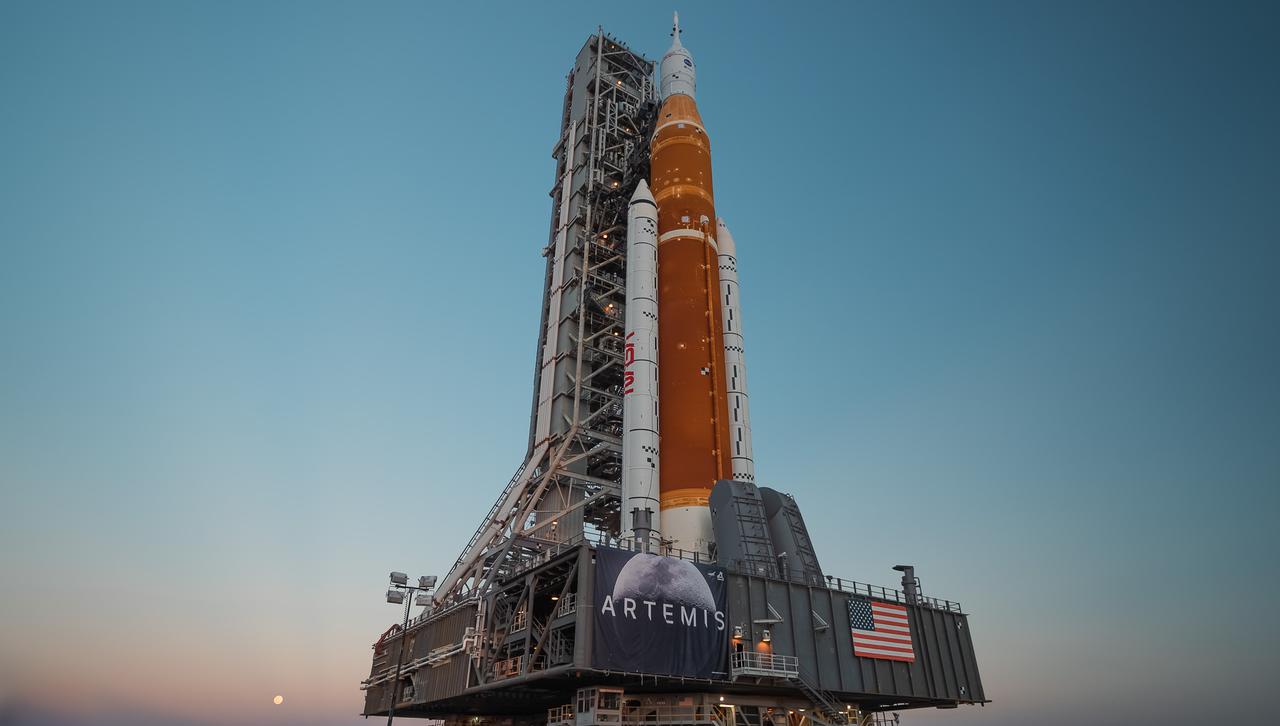
Artemis II keeps slipping. Here's what's actually holding it back.
NASA's crewed lunar flyby mission has been delayed again. The reasons are technical, financial, and organizational — and understanding them reveals how difficult it is to run a government human spaceflight program in 2026.
-
Missions
Dragonfly is going to Titan. Here's why that's one of the boldest planetary missions ever designed.
NASA's Dragonfly mission will send a nuclear-powered rotorcraft to fly across the surface of Saturn's moon Titan — a world with lakes of liquid methane, organic chemistry everywhere, and possibly the ingredients for life. The mission is years away, but it's being built now.