SpaceX
Every Cosmic Herald story on SpaceX — missions, launches, discoveries, and the business of space, newest first.
-
Commercial
Low Earth orbit has a garbage problem. Here's who's trying to clean it up.
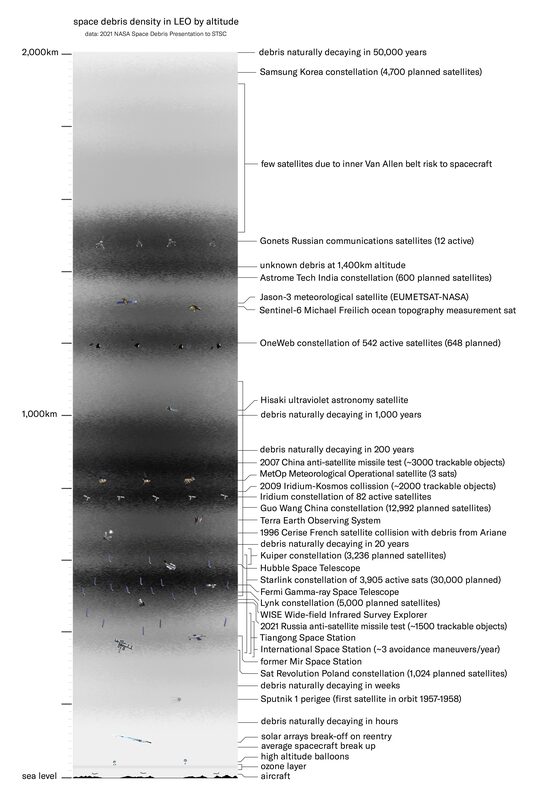
There are roughly 27,000 tracked pieces of debris in orbit, and hundreds of thousands more too small to track. Two companies — Astroscale and ClearSpace — are building the first commercial debris removal spacecraft. The engineering is harder than it sounds.
-
Commercial
Private companies are landing on the Moon. Here's what the scoreboard actually looks like.
NASA's CLPS program has funded multiple private lunar landers with mixed results. Intuitive Machines stuck the landing sideways; Astrobotic's Peregrine did not reach the surface. A clearer picture of commercial lunar capability is forming, and it's more complicated than press releases suggest.
-
Commercial
People keep saying we'll manufacture things in space. Here's what's actually happening.
The promise of manufacturing in microgravity has been discussed for decades — purer crystals, exotic alloys, biological structures that can't be made on Earth. In 2026, that promise is starting to become a real, if small, industry. This is what's actually coming off the production line.
-
Commercial
Rocket Lab is building a reusable rocket. Why Neutron is harder than it looks.
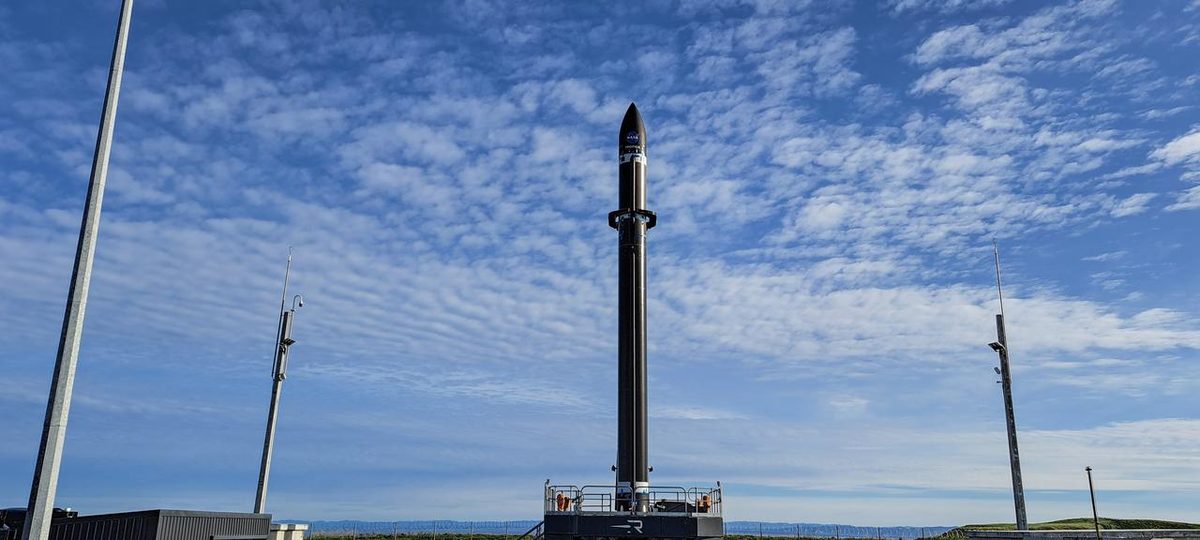
Rocket Lab has built a successful small launch business on the back of its expendable Electron rocket. Now it's attempting something far more difficult: a medium-lift reusable launch vehicle called Neutron, aimed directly at SpaceX's market.
-
Commercial
Space tourism in 2026: who's actually going, and what it costs them
A few years after the first wave of commercial passengers reached space, the market has settled into something more defined. The flights are still rare and the prices are still very high, but the customer base has grown beyond billionaires and the competitive dynamics are shifting.
-
Commercial
Starship made it to orbit. What that actually means for space access.
SpaceX's Starship — the largest rocket ever built — has now completed an orbital test flight with both stages recovered. The implications for what space access could cost over the next decade are difficult to overstate, and the aerospace industry is quietly reorganizing around that possibility.
-
Commercial
ULA's Vulcan rocket is flying. What it means for the launch market.
United Launch Alliance's Vulcan Centaur has completed its certification flights and is entering regular commercial service. The rocket is designed to handle everything ULA's Atlas V and Delta IV carried — and it's arriving at a moment when the launch market is more competitive than it has ever been.
-
Commercial
New Glenn flew. Now Blue Origin has to prove it can do it again.
Blue Origin's New Glenn rocket reached orbit on its first attempt — a significant achievement for a company that spent years being compared unfavorably to SpaceX. But a single successful launch is a beginning, not a business. What comes next will define whether New Glenn becomes a serious player.
-
Commercial
A startup is building a space station. Haven-1 is closer than most people realize.
Vast Space is developing Haven-1, a small commercial space station aimed at hosting private astronauts and eventually science payloads. SpaceX is launching it. The timeline is aggressive and the company is a newcomer, but the hardware is real and the contracts are signed.
-
Commercial
SpaceX has launched more than 6,000 satellites. Astronomers are not happy about it.
Starlink is the largest satellite constellation in history — and the most disruptive to ground-based astronomy. SpaceX has made mitigation efforts, but the fundamental tension between dense LEO constellations and telescope surveys remains unresolved as competitors plan their own systems.
-
Commercial
SpaceX cut the cost of reaching orbit by 90 percent. Here's what that has and hasn't changed.
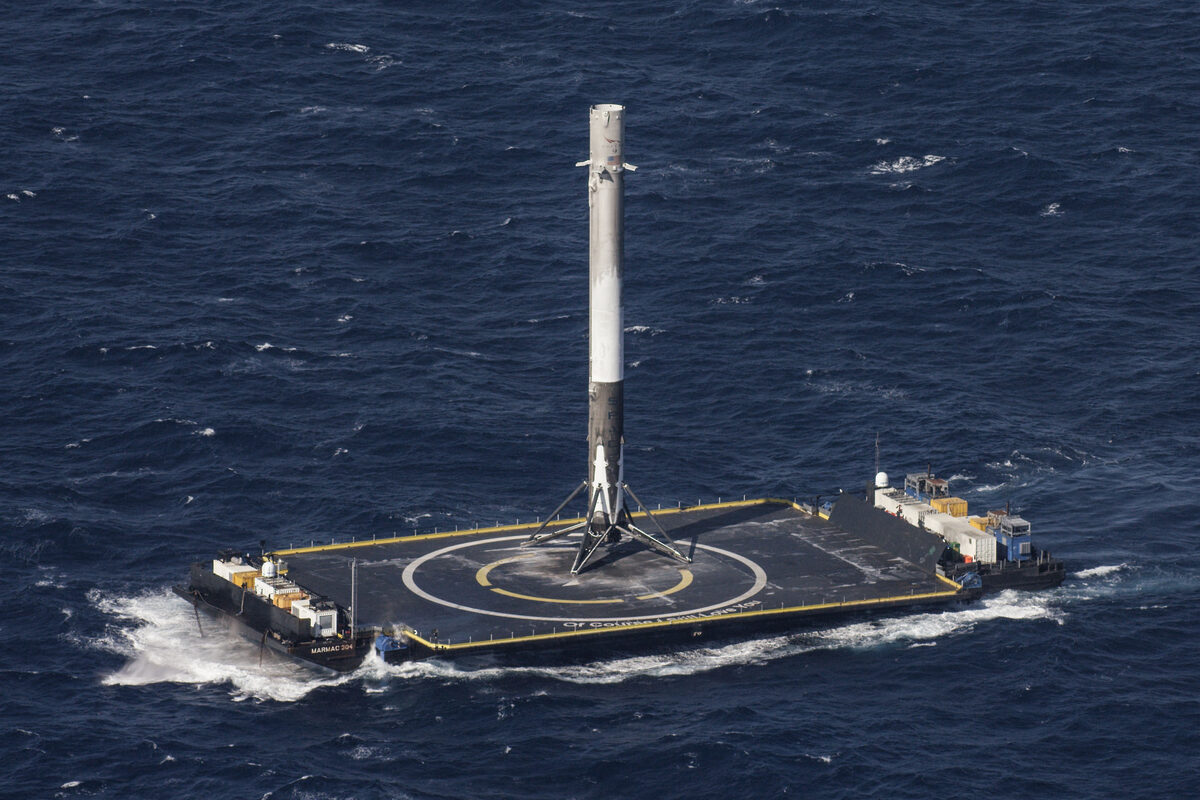
The cost of putting a kilogram in low Earth orbit dropped from roughly $50,000-$70,000 in the Space Shuttle era to under $3,000 on a Falcon 9 rideshare. This 90-percent price reduction has transformed who can access space — but it hasn't yet transformed what they do there.
-
Commercial
The company quietly building the ISS's replacement, one pressurized module at a time
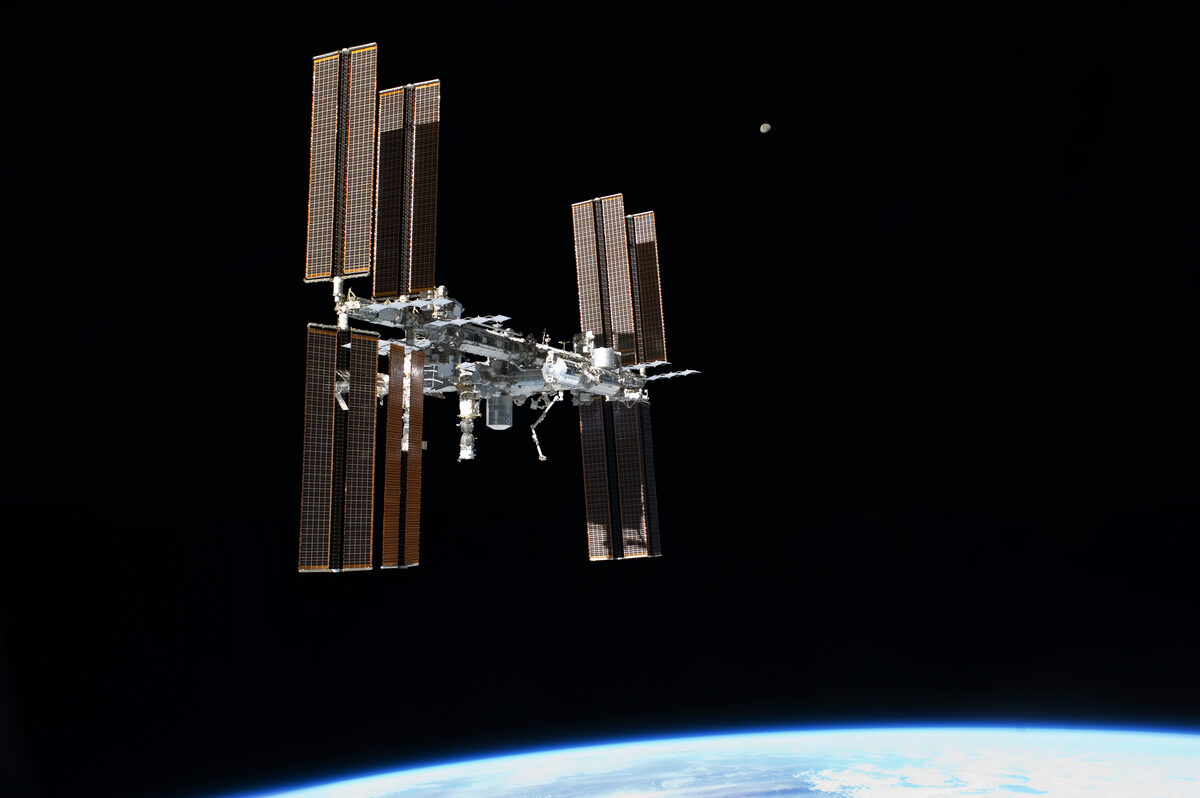
Axiom Space has flown four private astronaut missions to the ISS, is designing the spacesuits for Artemis moon walks, and is under contract to attach its own commercial module to the station before 2030. When the ISS is decommissioned, Axiom's section will detach and operate independently.