
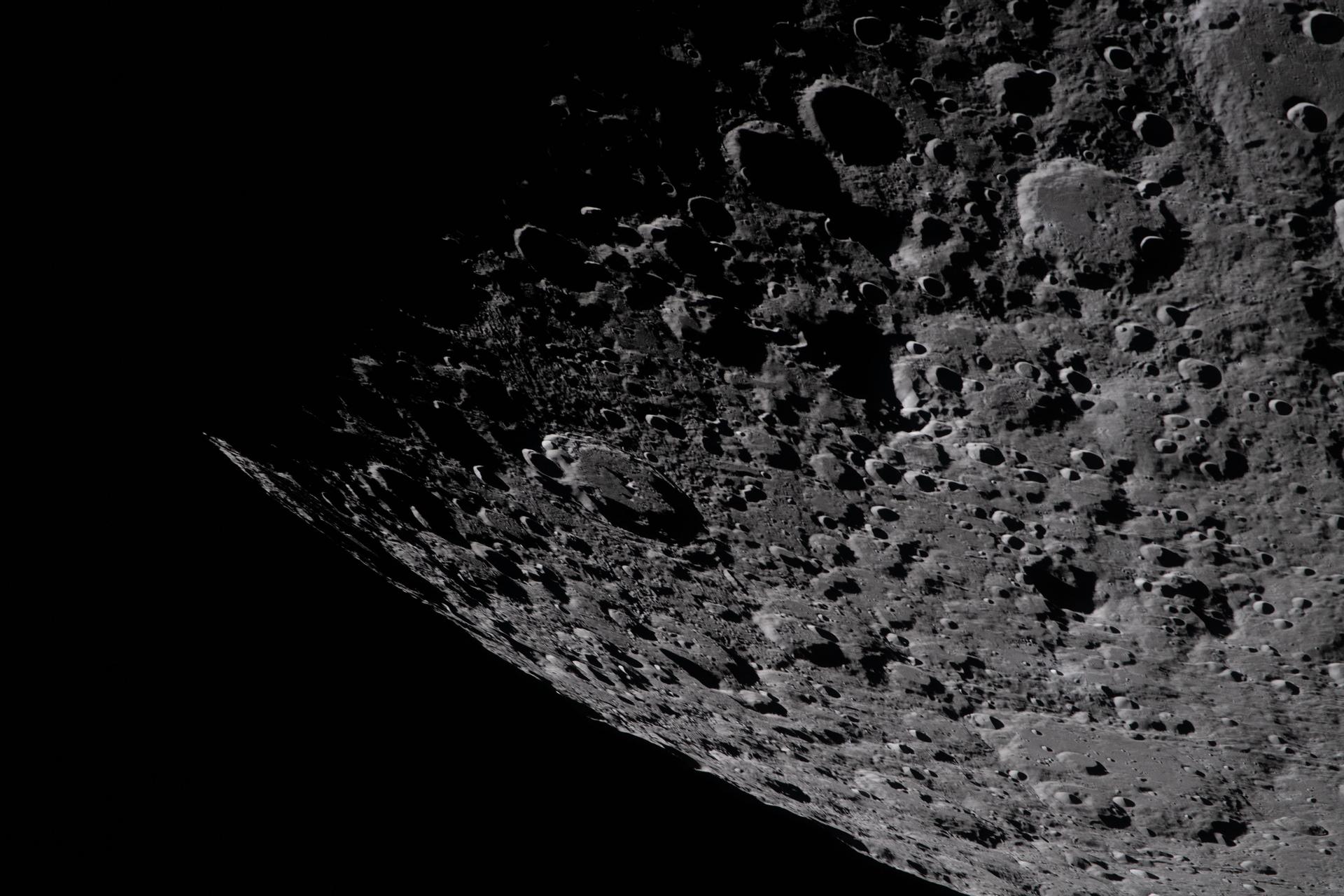
NASA's push to get astronauts back on the lunar surface before the end of the decade ran into its most pointed independent scrutiny yet this week. Reporting on its fourth-quarter 2026 meeting on Oct. 22, the agency's Aerospace Safety Advisory Panel (ASAP) said it will soon open a formal recommendation asking NASA to re-examine Artemis IV, the mission now planned as the first crewed landing near the Moon's South Pole, according to SpacePolicyOnline.
The timing is pointed. On Friday, Oct. 23, NASA was set to hold a 2 p.m. EDT update at Kennedy Space Center on its plans to return astronauts to the Moon's surface by 2028. In other words, the safety panel put its concerns on the record just a day before the agency was due to make its case for speed.
What the panel is worried about
The ASAP's concerns come down to three things that all point at the same mission: two lunar landers of new design, a refueling technique nobody has demonstrated yet, and a schedule with very little slack.
The landers. Artemis depends on Human Landing Systems (HLS) being built by SpaceX and Blue Origin. SpacePolicyOnline reported that both are completely new designs, and the panel voiced a number of concerns about them. It also noted the South Pole is an entirely dissimilar environment from the Apollo sites, with steep slopes, low Sun angles and temperature extremes.
The refueling. The landers require in-space refueling to ferry astronauts between lunar orbit and the surface, and in-space cryogenic propellant transfer has not yet been demonstrated. At a National Academies Space Studies Board meeting on Tuesday, NASA's Kelvin Manning said SpaceX plans an in-space cryogenic transfer demonstration in early 2027, which SpacePolicyOnline called a long-awaited first step, but just a step. Manning also said the uncrewed SpaceX landing test is planned for late 2027.
How many launches that refueling campaign takes is still an open question. ASAP member Charlie Precourt said the panel had been told 22 launches would be needed to deliver the propellant. SpaceX CEO Elon Musk said on X that figure was incorrect and the number would be six to eight. That is not a small difference. Every extra tanker flight adds to the schedule and gives the campaign one more chance to fail before a crew ever climbs aboard.
The demonstration bar. The panel also pointed at how little NASA requires before putting people on a lander. According to SpacePolicyOnline, NASA requires one uncrewed landing test followed by an engine restart. It does not require a demonstration of lifting off from the lunar surface and returning to lunar orbit. So under the current rules, the first time a lander actually carries out the ascent that brings astronauts home could be the crewed mission itself.
A compressed timeline, by design
None of this is happening by accident. NASA overhauled the Artemis architecture in February, and agency leadership has openly prioritized speed. According to SpacePolicyOnline, Precourt said NASA Administrator Jared Isaacman is determined to land astronauts on the Moon before President Trump leaves office in January 2029 and before China does.
The biggest structural change was to Artemis III. It is no longer the first landing mission. It is now an Earth-orbit docking rehearsal. NASA's own announcement describes Artemis III as sending four astronauts to low Earth orbit next year to test critical systems needed for future lunar landings.
Steve Creech, NASA's acting HLS manager, laid out the details at the International Astronautical Congress in Antalya on Oct. 5, Space.com reported. Artemis III is targeted for the third quarter of 2027. Orion will fly to low Earth orbit and dock with test versions of both the SpaceX and Blue Origin landers. What NASA learns from those dockings will help inform its choice of lander for Artemis IV, which is targeted for early 2028. Creech said key demonstrations, including orbital refueling and uncrewed landing tests, will continue through early 2028.
Put those dates side by side and the panel's worry is easy to see. SpaceX's refueling demo is planned for early 2027 and its uncrewed landing test for late 2027. The Artemis III docking rehearsal is set for the third quarter of 2027, and the lander decision follows from it. The crewed South Pole landing is targeted for early 2028. If any one step slips or uncovers a problem, there is little room to absorb it without moving the landing, or without pressure to accept more risk to hold the date.
Not a broadside against NASA leadership
The panel did not frame this as opposition to the agency's direction. According to SpacePolicyOnline, the ASAP praised Isaacman for the many positive changes he is making, and it was very pleased that he restructured Artemis III into an orbital rehearsal with test articles of both landers. The recommendation is about the step after that rehearsal: whether Artemis IV as currently defined asks too much of hardware and techniques that are still unproven.
Precourt said the panel will recommend that NASA re-examine the mission objectives, and potentially the system architecture, for Artemis IV and subsequent missions to establish a more balanced approach to risk. For every test objective, including uncrewed lander demonstrations by the service providers, he said NASA should develop a detailed plan for testing and data collection that combines ground and flight tests.
Why It Matters
Artemis IV is shaping up as the moment the program's biggest bets all come due together. Two new landers, a cryogenic refueling campaign whose launch count is disputed by a factor of roughly three to four, and a qualification standard that stops short of a full ascent demonstration all lead to one crewed mission to the Moon's South Pole, a far harsher setting than the Apollo landing sites.
The ASAP exists to say out loud what schedule pressure can make it hard to say inside a program. Its decision to open a formal recommendation tells us the panel thinks the risk deserves a documented answer, not just a briefing slide. How NASA responds, and whether the timeline shifts once the 2027 refueling and landing demonstrations produce real data, will show whether "by 2028" is a target the hardware can meet or one the hardware will be made to fit.
