U.S. Space Force
Every Cosmic Herald story on U.S. Space Force — missions, launches, discoveries, and the business of space, newest first.
-
Military Space
Space Force Honor Guard Debuts Its First Original Ceremonial Uniform
Seven years after standing up, the Space Force Honor Guard has traded its borrowed Air Force dress for a uniform of its own, unveiled publicly at the Freedom 250 Grand Prix in Washington, D.C.
-
Military Space
Space Force Stands Up Its First Squadron Built to Both Listen and Jam
The newly activated 1st Electromagnetic Warfare Squadron pairs a decades-old signal-detection system with a brand-new mobile jammer, staffed largely by Air National Guard veterans who transferred into the Space Force last fall.
-
Military Space
Space Force and Japan Complete Bilateral Space-Watch Program With QZS-7 Launch
The U.S. Space Force and Japan finished a two-satellite space-surveillance partnership as QZS-7 lifted off August 10 carrying a second American sensor that now watches geosynchronous orbit over the Indo-Pacific.
-
Military Space
Space Force Spreads $60 Million Across Five Companies to Keep Its New Satellite Network From Having a Single Point of Failure
Amazon, Lockheed, Northrop, Rocket Lab, and York each pocket roughly $12M to prove their satellites can talk to a backbone SpaceX is building — and to each other.
-
Commercial
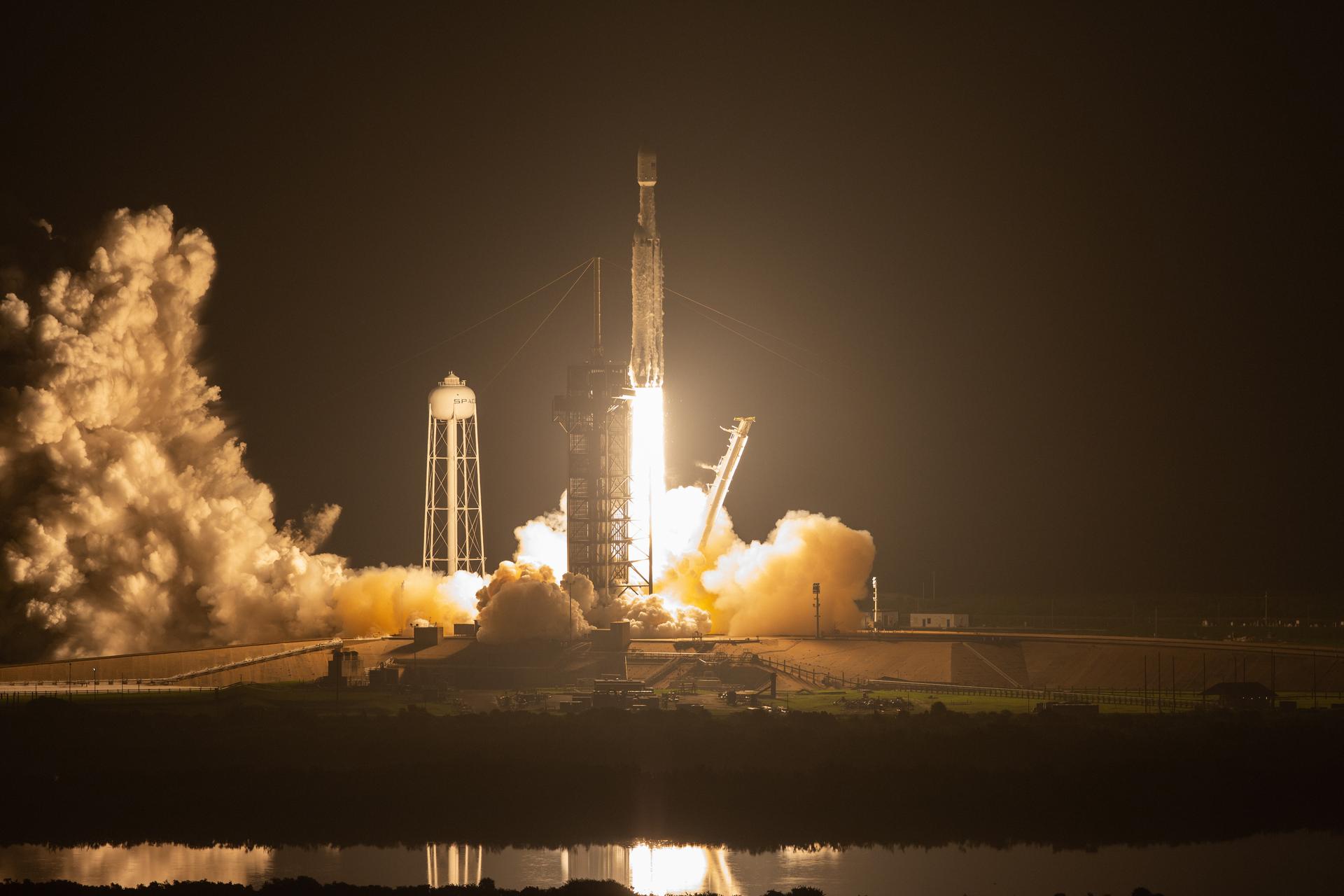
SpaceX Sets Falcon 9 Turnaround Record With Twin Launches 38.5 Minutes Apart
SpaceX launched two Falcon 9 rockets from opposite U.S. coasts just 38.5 minutes apart on Aug. 15, 2026, setting a new back-to-back cadence record with a Globalstar replenishment mission from Florida and the classified USSF-366 flight from California.
-
Military Space
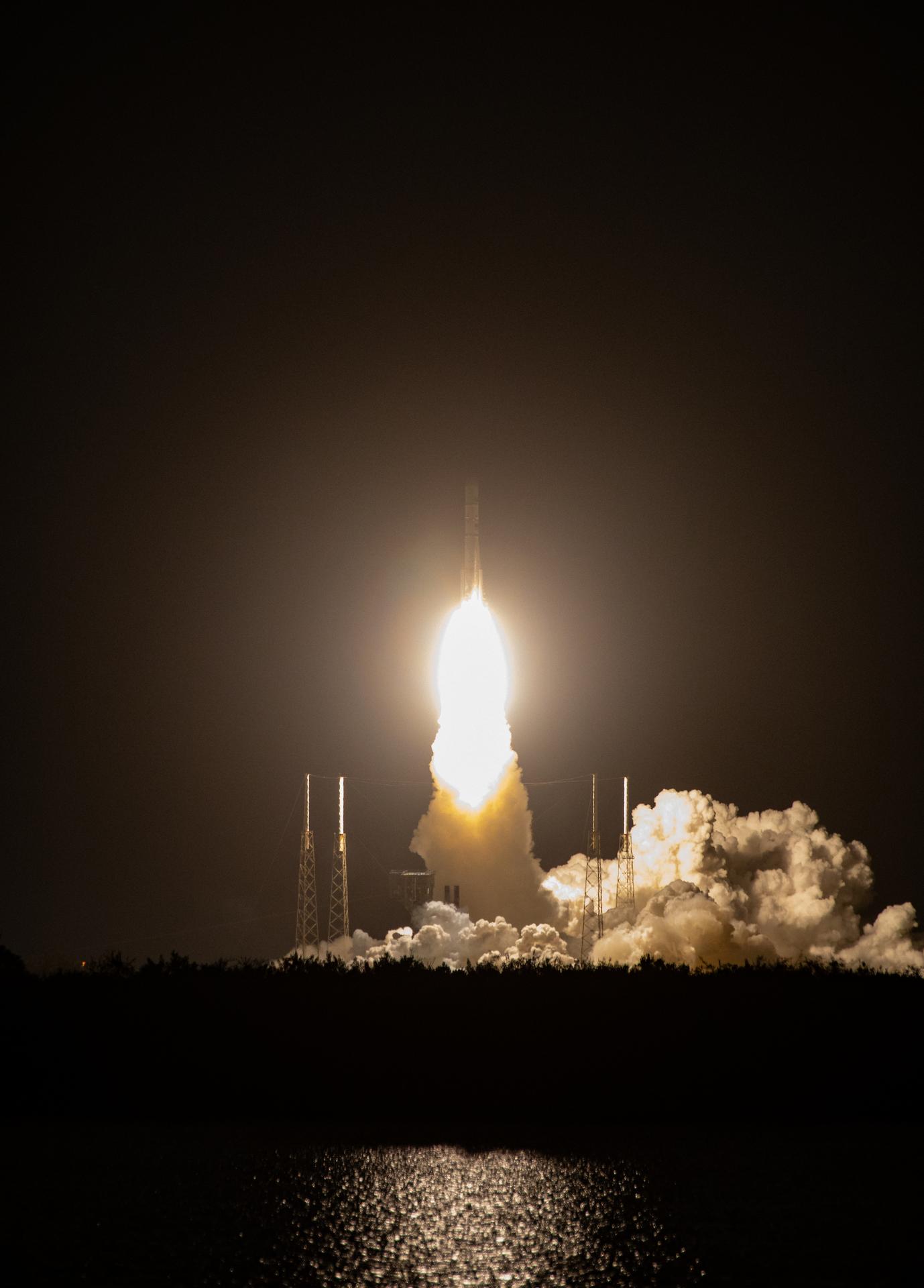
Vulcan Launches First National Security Mission, Carrying Navigation Satellite Meant to Backstop GPS
ULA's Vulcan rocket flew its debut national-security mission on August 12, 2026, delivering the Air Force's experimental NTS-3 satellite toward geosynchronous orbit to test jam-resistant GPS backup technology.
-
Military Space
Golden Dome Gets Real Deadlines: Interceptor Ground Tests by Year-End, Orbital Flight Demos in 2027
The Pentagon has put firm dates on Golden Dome's hardest problem: space-based interceptor ground tests by end of 2026, two orbital flight tests in 2027, and an intercept demo in 2029 — with up to $3.2 billion spread across 12 companies and Gen. Michael Guetlein holding the program to a falsifiable clock.
-
NASA & Agencies
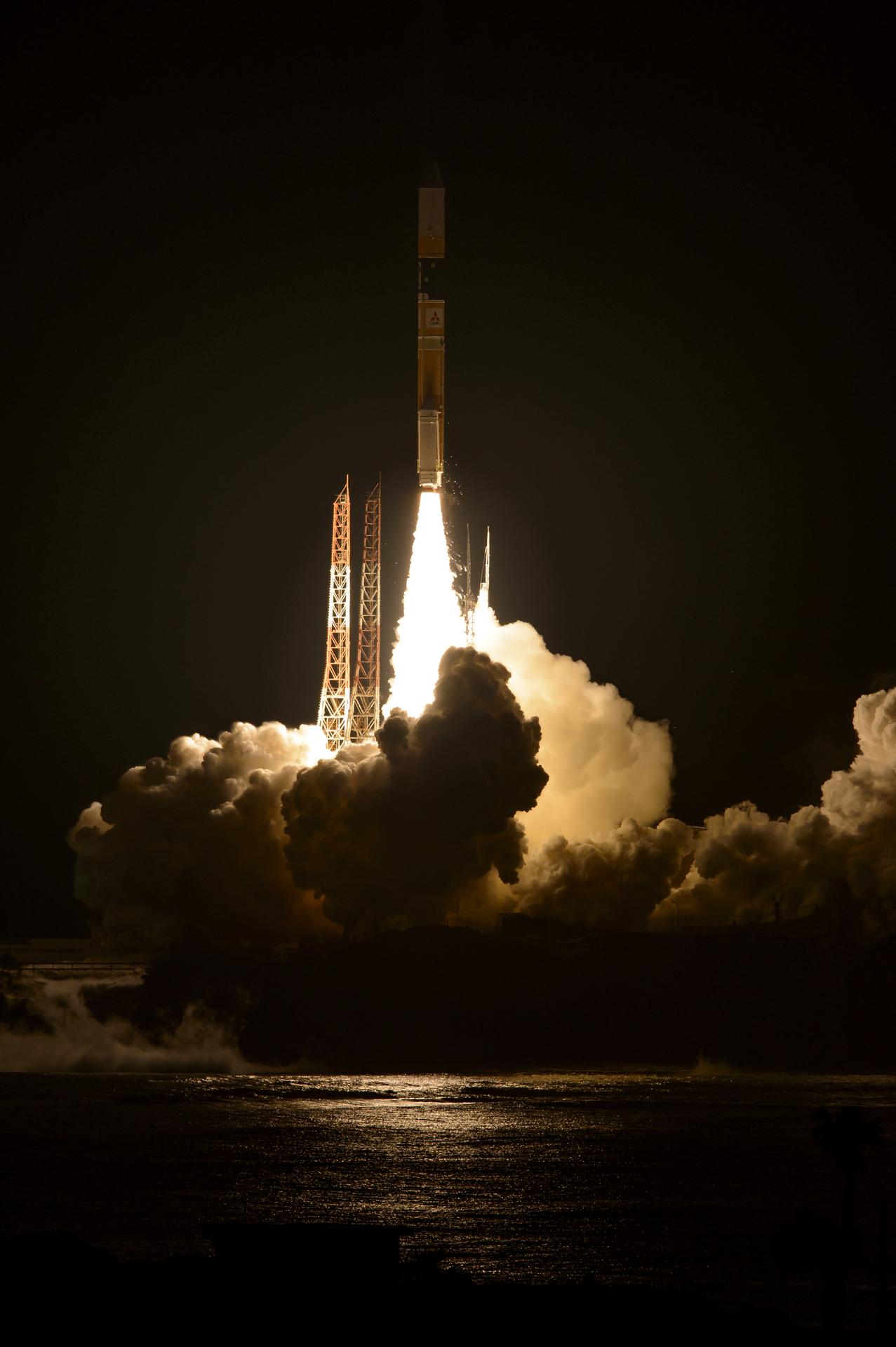
Typhoon-Delayed Michibiki-7 Set to Complete Japan's GPS Backup Constellation — and It's Carrying a U.S. Space-Surveillance Payload
After Typhoon Dolphin scrubbed one date and weather killed another, JAXA's H3 Flight 9 is now set to loft QZS-7 from Tanegashima on August 11 — completing Japan's seven-satellite GPS-augmentation system while hosting a second MIT Lincoln Laboratory surveillance payload for the U.S. Space Force.
-
Military Space
Space Force Splits $615 Million Among Rocket Lab and Two Others to Track Airborne Threats From Orbit
Space Systems Command handed Rocket Lab $397 million to build orbital jet-tracking satellites for launch on its still-unflown Neutron rocket, part of a $615 million multi-vendor push to watch the skies from space instead of AWACS planes.
-
Military Space
True Anomaly's Jackal Spacecraft Pulls Off the First In-Space Chase of an Actively Evading Satellite
In a Space Force demo, True Anomaly's autonomous Jackal-0004 tracked, planned, and closed to 10 km of a dodging Rocket Lab satellite in under an hour of decision-to-intercept time.
-
Military Space
SpaceX Launches Classified NROL-95 Spy Satellite for the NRO
A veteran Falcon 9 booster flying its seventh mission delivered a secret NRO payload to orbit before sticking a pre-dawn landing at Cape Canaveral's Landing Zone 2.
-
Military Space
SpaceX Lands $1.6 Billion Space Force Deal to Launch 18 Rockets for Airborne-Threat Tracking Satellites
Space Systems Command awarded SpaceX two task orders worth $1.6 billion for 18 Falcon 9 launches by end of 2027, carrying satellites meant to track airborne threats and feed targeting data to U.S. forces in near-real time.