NASA
Every Cosmic Herald story on NASA — missions, launches, discoveries, and the business of space, newest first.
-
Commercial
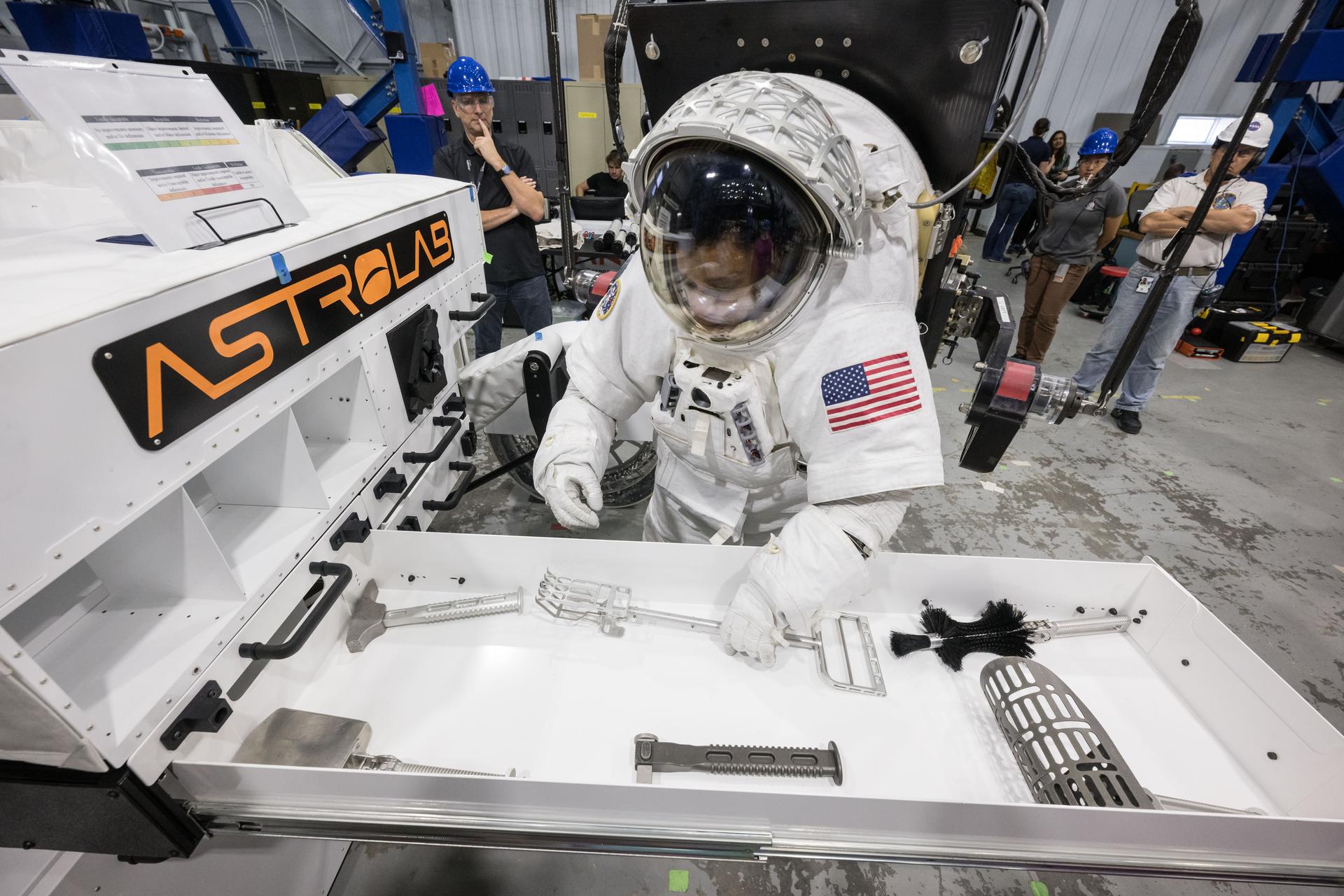
NASA's Moon Base Rovers Get Real: Astrolab and Lunar Outpost Race Toward a 2027 Delivery
NASA wants two commercially built crewed rovers parked near the lunar South Pole by November 2027, ahead of the Artemis 4 landing in early 2028. Here's how Astrolab's CLV-1 and Lunar Outpost's Pegasus aim to survive 150 days of dark at -400°F and still drive 400 km.
-
Commercial
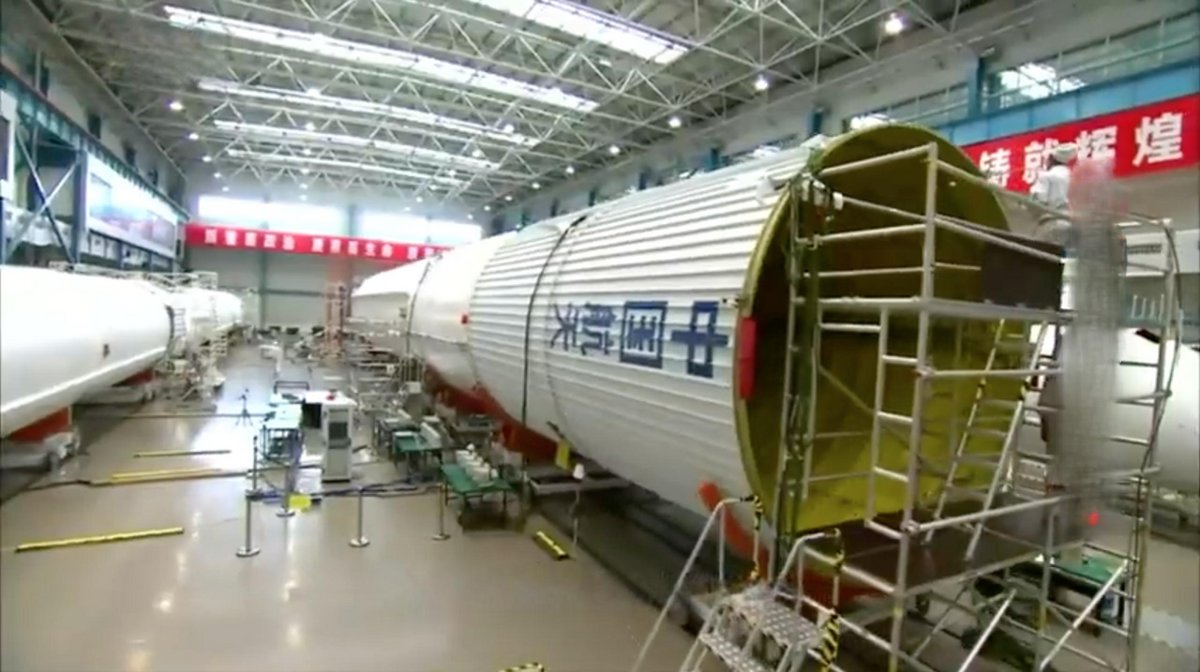
China Schedules Long March 10B Booster Recovery Test in Its Most Direct Challenge to Falcon 9
China has scheduled a Long March 10B launch and booster recovery attempt — Beijing's most ambitious step yet toward domestic reusable launch capability and a structural challenge to SpaceX's Falcon 9.
-
Commercial
Astroscale Raises New Capital as Orbital Debris Removal Becomes Big Business
Japanese-founded Astroscale secures fresh funding to scale its debris removal operations, riding a wave of commercial space investment that signals the orbital sustainability market is finally maturing.
-
Commercial
AST SpaceMobile's Block 2 BlueBirds Are in Orbit — and the Race for Direct-to-Cell Just Got Real
SpaceX lofted three Block 2 BlueBird satellites for AST SpaceMobile, expanding a constellation built on the audacious premise that your existing phone can talk directly to orbit.
-
Commercial
ElevationSpace Banks $40 Million to Chase the Factory-in-Orbit Dream
Japanese startup ElevationSpace closed a $40M Series B, pushing total funding to $63.5M as it builds a reentry-capable platform for manufacturing and research in microgravity.
-
Commercial
EQT to Acquire Exolaunch as Space-Industry Consolidation Picks Up Speed
Swedish investment firm EQT is snapping up rideshare specialist Exolaunch, the latest in a string of acquisitions reshaping the commercial space services landscape.
-
Commercial
An Austrian Propulsion Startup Just Landed €6.3 Million From Europe's Sovereign Space Push
Gate Space, a Vienna-born satellite propulsion firm, secured €6.3M from the European Innovation Council — the only space company in a 38-firm cohort — as Europe doubles down on homegrown launch and in-orbit capabilities.
-
Commercial
MDA Space Moves to Acquire Blue Canyon Technologies, Planting a Flag in the U.S. Smallsat Market
Canadian space firm MDA Space is buying Blue Canyon Technologies, securing a direct foothold in the booming U.S. small satellite bus and components market amid a wave of industry consolidation.
-
Commercial
A Falcon 50 and a Big Bet: Mu-g Technologies Wants to Fill the Gap in Commercial Parabolic Flight
With Zero-G Corp grounded and NASA buying its own 737, a self-funded startup armed with a Dassault Falcon 50 is stepping into the commercial parabolic flight market to serve researchers left without a ride.
-
Commercial
Relativity Space Wants to Build a Mars Orbiter — And It's Not Waiting for NASA to Ask
Relativity Space announces plans to privately develop a Mars orbiter, signaling that commercial ambitions in deep space are no longer theoretical.
-
Commercial
The Upper Stage Problem: Why Reusable Second Stages Are Harder Than They Look
Recovering and reusing first stages was the revolution. But upper stages — which must survive orbital velocities and reentry — are a fundamentally harder problem, and the industry's three main bets are taking very different approaches.
-
Commercial
Low Earth orbit has a garbage problem. Here's who's trying to clean it up.
There are roughly 27,000 tracked pieces of debris in orbit, and hundreds of thousands more too small to track. Two companies — Astroscale and ClearSpace — are building the first commercial debris removal spacecraft. The engineering is harder than it sounds.