
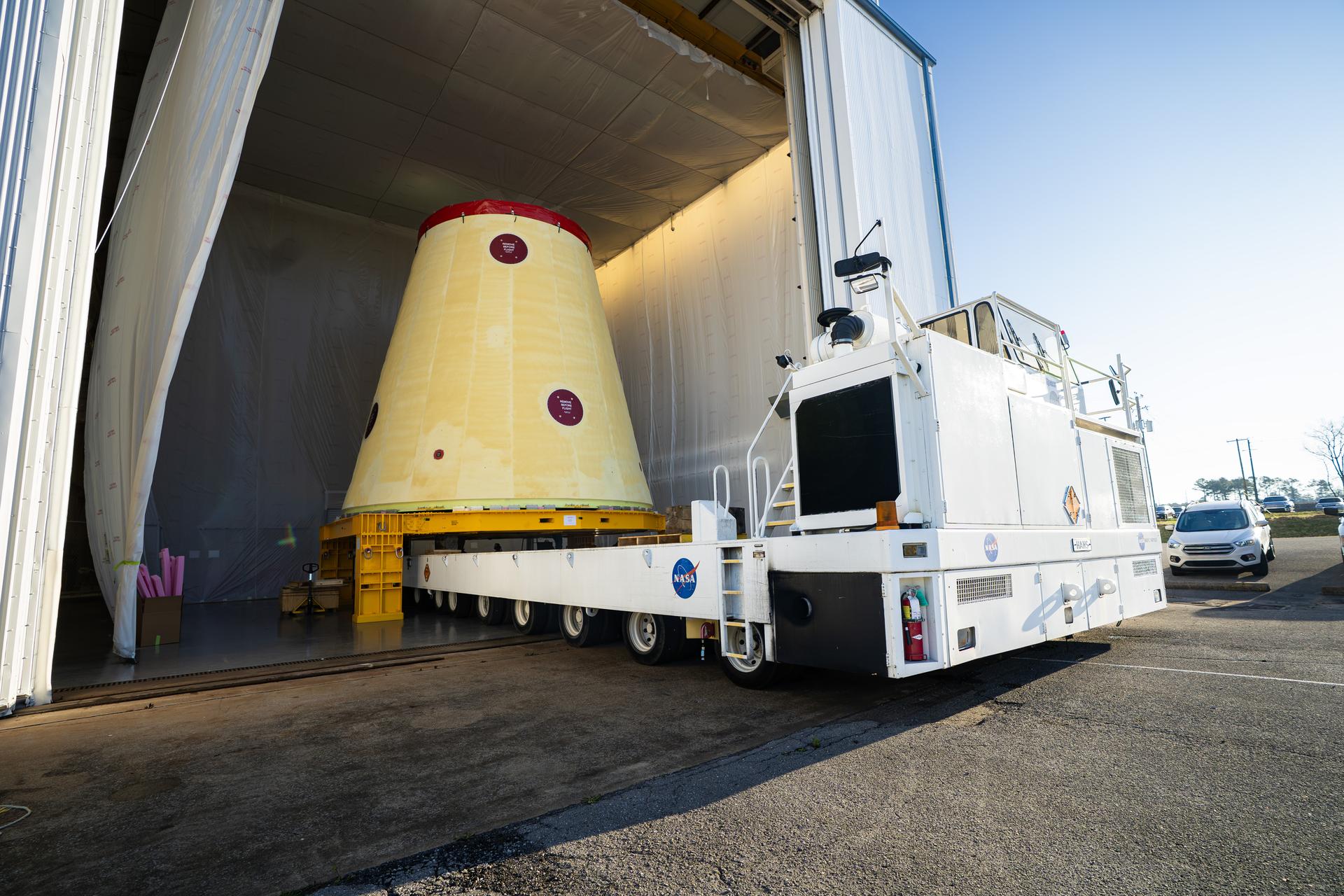
NASA is turning to someone who already knows the building. On Oct. 16, NASA Administrator Jared Isaacman named Stephen Cash director of Marshall Space Flight Center in Huntsville, Alabama. The appointment takes effect Monday, Oct. 19. Cash spent 34 years with the agency, beginning at Marshall in 1982, before he retired in 2016.
"Steve Cash is a Marshall legend," Isaacman said in the agency's announcement. Agency press releases use words like that a lot. In this case the résumé mostly supports it.
Who Is Stephen Cash?
Cash started his NASA career at Marshall in 1982. According to NASA, he managed the Space Shuttle Propulsion Office and later led the center's Safety and Mission Assurance Directorate from 2011 until he retired in 2016. That is two different kinds of authority. One is running the hardware that got the shuttle off the pad. The other is acting as the independent check on whether that hardware, and everything else the center builds, is safe to fly.
After NASA he worked in industry as vice president for advanced space systems at Axient. He was inducted into the Alabama Engineering Hall of Fame in 2024. Huntsville station WAFF 48 reports that he had recently served as president of the Marshall retirees association, so he never fully left the Marshall community.
He also has deep roots in the state. The University of Alabama, as relayed by Patch Tuscaloosa, notes that Cash is a UA alumnus. The university says he is the fourth of Marshall's 16 directors to have graduated from the Capstone. WAFF puts his experience at four decades, and the university at more than four decades.
How the News Came Out
WAFF reports that Isaacman announced the appointment by email on the afternoon of Oct. 16. NASA issued the formal news release the same day. The change happens fast: Cash takes over the following Monday.
He replaces Rae Ann Meyer, who has been acting center director since September 2025. NASA says Meyer will go back to her position as Deputy Center Director, so the center keeps her in its top leadership.
NASA's release also quotes Amit Kshatriya, who highlighted what Cash brings in four areas: the Marshall workforce, manufacturing, structural loads and propulsion. Kshatriya described those as the capabilities underpinning NASA's exploration work.
What Cash Will Be Running
Marshall was established in 1960. Today it employs more than 5,000 civil service and contractor workers, according to NASA. Its portfolio, as NASA describes it, includes three of the agency's most important efforts:
- Space Launch System (SLS). NASA says Marshall develops the rocket as part of its central role in Artemis.
- Human Landing System Program. NASA says Marshall manages the Human Landing System Program.
- Nuclear power and propulsion. Marshall has a role in NASA's work on nuclear systems for power generation and in-space propulsion.
All three are propulsion- and structures-heavy, and two of them involve sending people into space. A director whose career covered both shuttle propulsion management and safety oversight fits that work well.
Why It Matters
A center director shapes how the workforce is organized, which technical problems get priority, and how the center represents itself within the agency. Marshall carries a large share of NASA's human exploration hardware, so its leadership matters well beyond Huntsville.
Picking a retired insider is a deliberate choice. It favors institutional knowledge and quick credibility with the center's engineers over bringing in an outsider to reshape the place. Isaacman's "legend" line, Kshatriya's focus on workforce and manufacturing, and Cash's recent role leading the retiree association all point the same way: NASA wants someone Marshall's people already trust.
The appointment also ends more than a year of acting leadership. Meyer has run the center since September 2025 and will now return to the deputy role. A permanent director gives the center clearer lines of authority while it manages SLS, the lunar lander program and nuclear propulsion work.
There are open questions. Cash left NASA in 2016, and the release does not say what priorities he will set or whether he plans changes to how the center is run. What the record does show is a long career in propulsion and safety assurance at the same center he will now lead, and NASA's leadership is betting that this background suits the job.
