
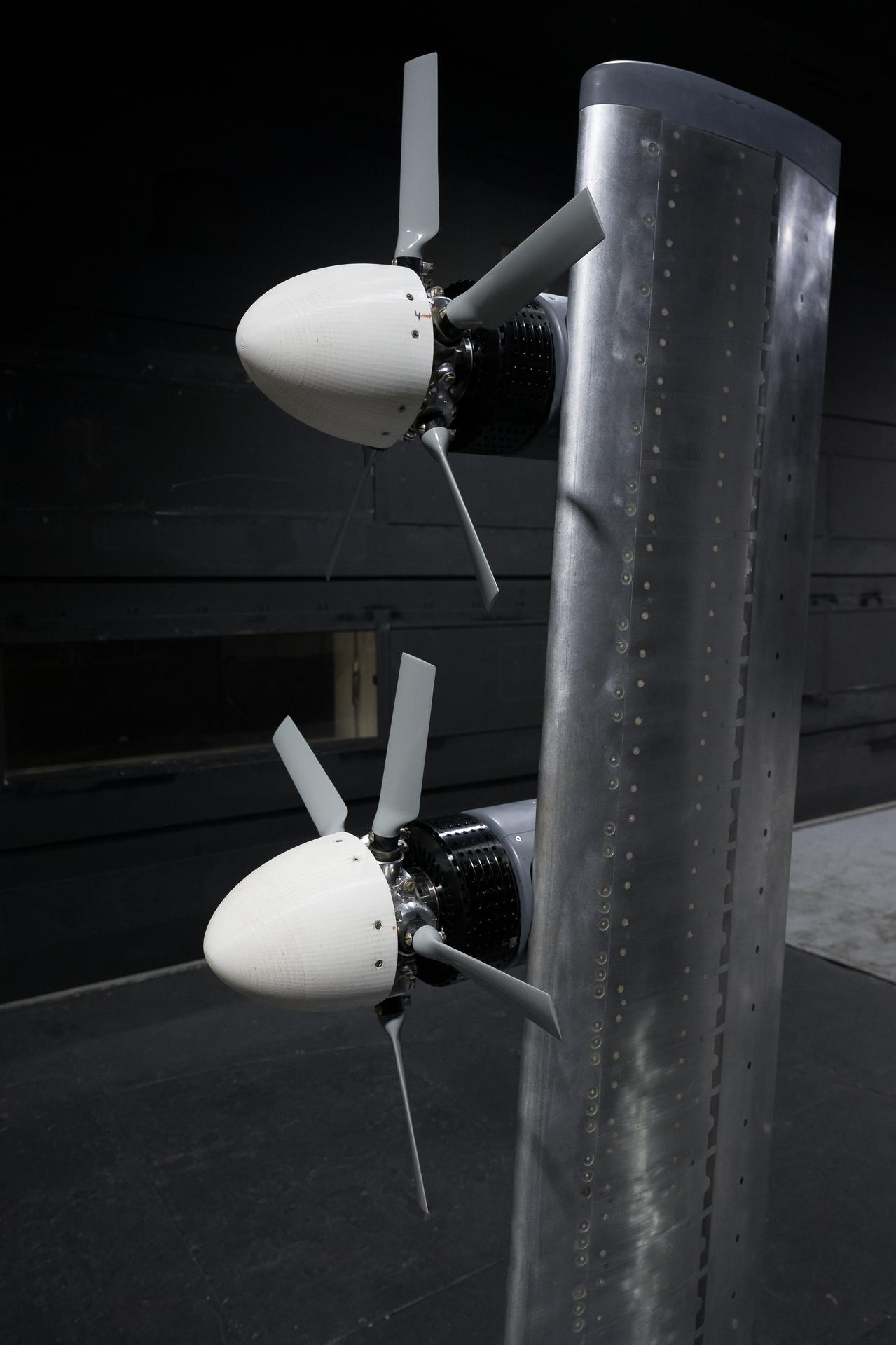
NASA doesn't build wind tunnels very often. The agency's existing fleet largely dates back to the Space Race and the decades immediately after it — steel-and-concrete facilities that have underpinned generations of the agency's aeronautics and spaceflight programs. So when NASA cut the ribbon on a brand-new tunnel at Langley Research Center in Hampton, Virginia, on July 31, 2026, it wasn't just another facility tour. According to NASA, it was the agency's first new wind tunnel in more than 40 years.
The new facility is called the Flight Dynamics Research Facility, and NASA marked its debut with a media tour and ribbon-cutting ceremony. In attendance were NASA Administrator Jared Isaacman, Langley Center Director Dr. Trina Dyal, and General Services Administration Administrator Edward C. Forst — a lineup that signals this wasn't treated as a routine infrastructure opening but as a flagship investment.
What the Facility Is Built to Do
According to NASA's announcement, the state-of-the-art facility "will support research and technology development that will advance NASA's aeronautics, exploration, and science goals, including establishing a sustained human presence on the lunar surface through the Artemis program and the development of a Moon Base." NASA's release does not spell out more granular testing specifications — such as tunnel speed, size, or specific test articles — so the facility's day-to-day research agenda beyond that broad mandate remains to be detailed by the agency.
The explicit tie to Artemis and a future Moon Base is where the facility's relevance stretches beyond conventional aviation. Wind tunnels are typically associated with air-breathing flight, but the aerodynamic and atmospheric-entry problems facing spacecraft — from launch through descent — are exactly the kind of physical testing that ground facilities like this one are generally used to de-risk before hardware ever leaves Earth. NASA's own framing suggests the new facility is well positioned to support that broader exploration and science mission, alongside its aeronautics work.
Why a New Tunnel, and Why Now
Wind tunnels are unglamorous but foundational pieces of aerospace infrastructure. Before a vehicle design reaches flight testing, engineers need physical data on how it behaves in moving air: where drag builds up, how stable it is at different attitudes, and how it responds under conditions that are difficult or dangerous to test in the sky. Computational fluid dynamics has gotten enormously more powerful since NASA's older tunnels were built, but simulation is still generally validated against physical wind-tunnel data, not the other way around.
That's part of why the four-decade gap matters. Neither NASA's release nor the accompanying coverage details exactly what set of research needs drove the decision to build now rather than continue relying on the existing tunnel fleet, but a facility built in 2026 gives NASA a tool that doesn't require retrofitting decades-old equipment to support current research priorities, including the aeronautics, exploration, and science goals the agency cited in its announcement.
Q&A: The Basics
What is the Flight Dynamics Research Facility?
A newly constructed wind tunnel at NASA Langley Research Center in Hampton, Virginia, unveiled July 31, 2026.
Why is it significant?
It's NASA's first newly built wind tunnel in more than 40 years, according to the agency's own announcement.
Who attended the opening?
NASA Administrator Jared Isaacman, Langley Center Director Dr. Trina Dyal, and GSA Administrator Edward C. Forst were present for the ribbon-cutting and media tour.
What will it be used for?
NASA describes the facility as supporting research and technology development that advances the agency's aeronautics, exploration, and science goals — explicitly including work tied to establishing a sustained human presence on the lunar surface through the Artemis program and the development of a Moon Base.
Why It Matters
Wind tunnels rarely make headlines the way rocket launches or crewed missions do, but they underpin nearly everything that eventually does fly. A dedicated new facility signals that NASA sees enough demand to justify capital investment in ground infrastructure rather than relying solely on legacy tunnels or contracted commercial and academic facilities. The explicit tie to Moon Base development also underscores that lunar surface operations research isn't confined to habitat design and life support; NASA's own framing suggests aerodynamic and atmospheric testing has a role to play even for a body with no appreciable atmosphere, plausibly in areas such as descent vehicle behavior, dust dynamics, and vehicle design validation during the Earth-based portions of mission development. For an agency juggling aeronautics, science, and exploration mandates simultaneously, a facility explicitly built to serve all three is a statement about where NASA expects sustained, cross-cutting demand for physical testing capacity over the coming years.
The involvement of GSA Administrator Edward C. Forst alongside NASA leadership is also worth noting: wind tunnels of this scale are major federal construction projects, and GSA's presence at the ceremony reflects the facility's status as significant federal infrastructure, not just a lab upgrade.
