
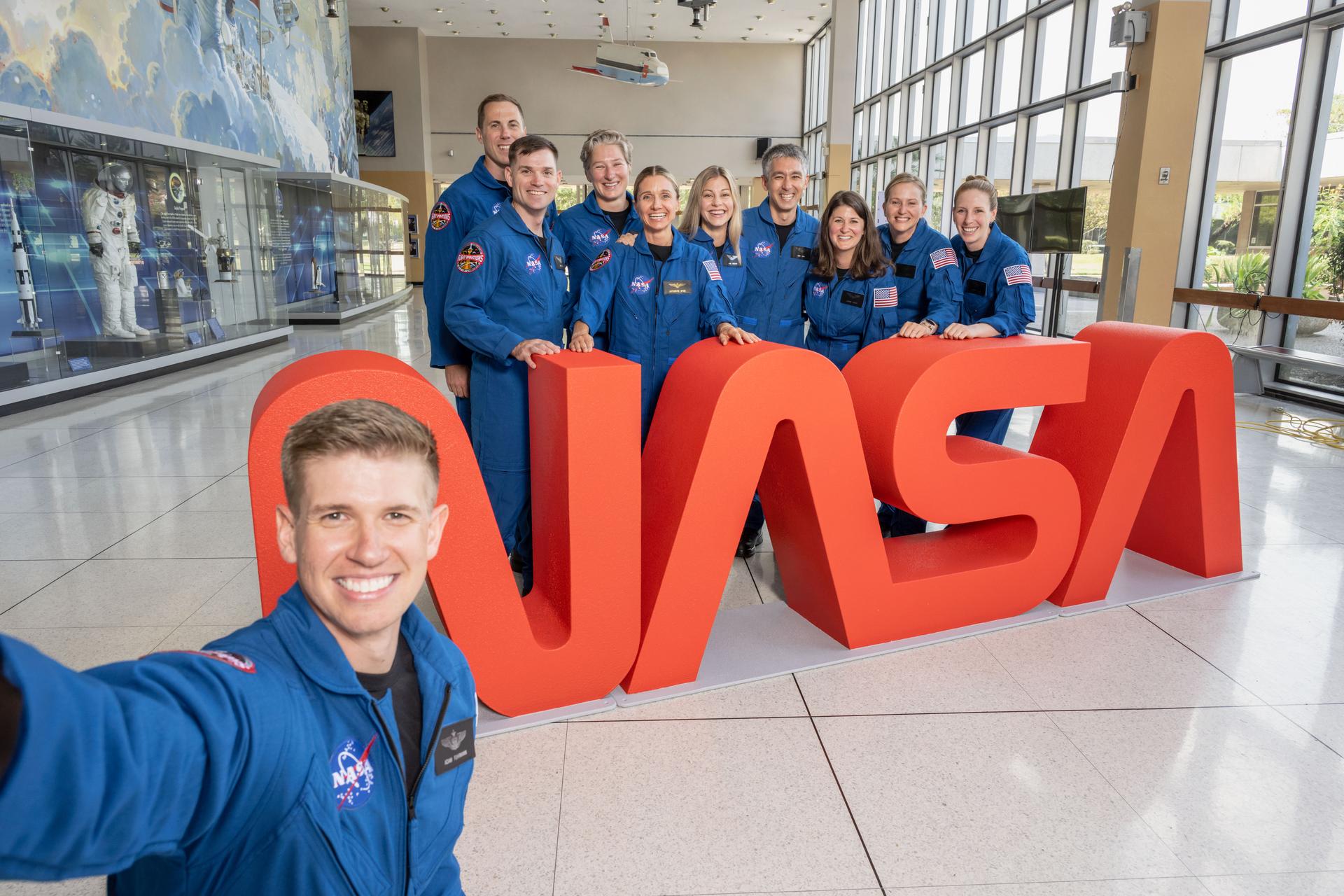
NASA picked an air show at Kennedy Space Center to make its announcement. On Saturday, Nov. 7, during the MAX POWER show at the Florida spaceport, the agency opened applications for its next astronaut class. "We released today an open call for the next astronaut class," NASA Administrator Jared Isaacman said, according to collectSPACE.
The application window is short. Candidates must apply through USAJobs by 11:59 p.m. EST on Thursday, Dec. 3, 2026. That gives them less than four weeks. NASA expects to make its final selection by late 2027. The Associated Press reports that the new recruits should begin training by early 2028, the same year NASA intends to return astronauts to the lunar surface.
This is only the 25th time NASA has recruited astronauts. Since the 1960s the agency has selected 370 people for the corps. Isaacman has an unusually concrete pitch for this group. "The people we select could walk on the Moon, live and work at the Moon Base," he said in the agency's news release.
A thin bench
Behind the inspirational language is a staffing problem. NASA says it has only 32 active astronauts. That pool has to cover International Space Station rotations, Artemis lunar missions and every technical and support job astronauts do on the ground between flights. "We have far more work than we have astronauts," Artemis III commander Randy Bresnik told the AP.
The last recruitment cycle shows how quickly that pipeline moves. NASA last opened applications in 2024, and more than 8,000 people applied. Ten were selected in September 2025. Those candidates are still finishing nearly two years of training, so the agency is opening a new search before the previous class has graduated. The AP framed the call against the backdrop of April's Artemis II lunar flyaround, which it said kicked off the agency's lunar campaign.
In practice, someone who applies this month and makes the cut would be selected by late 2027, would start training by early 2028, and would face about two years of mandatory training. The AP notes it could take several more years before a first spaceflight. collectSPACE reports that the selected candidates are expected to graduate just as the Artemis program gears up to establish a Moon Base at the lunar south pole.
Who can apply
The basic requirements have not changed much, but they are strict. According to NASA and collectSPACE, applicants must:
- Be U.S. citizens.
- Hold a master's degree in a STEM field, or an accepted equivalent. Accepted equivalents are two years of work toward a STEM doctoral program, a medical degree, a physician assistant or nurse practitioner qualification, or graduation from a nationally recognized test pilot school. Test pilot school graduates must finish by July 2027.
- Have at least three years of professional experience after completing their degree.
Those are only the requirements to be considered. The odds after that are steep. In the last round, more than 8,000 people applied for 10 slots, which works out to roughly one selection per 800 or more applicants.
Who decides
Scott Tingle, NASA's chief astronaut at Johnson Space Center, chairs the selection board. Deputy Administrator Matt Anderson also spoke in the agency's announcement. "The window is open. The mission is waiting," he said, according to the NASA release. NASA expects to name the class by late 2027.
Why It Matters
Astronaut selection is usually a pipeline story, and pipelines are slow. The people NASA hires from this call will not fly for years. That makes the call a good indicator of what the agency thinks its human spaceflight program will look like in the second half of the decade.
The language this time is specific. NASA's release says the next generation of astronauts will train to operate on the lunar surface and live and work beyond Earth. It names a destination: a Moon Base at the lunar south pole, where astronauts would "live and work," not just visit. Whether that base is ready on the schedule NASA implies is a separate question, and hardware, budgets and launch cadence will decide it more than recruiting will. Still, the agency is now hiring for that future rather than just describing it.
The numbers also deserve attention. A corps of 32 active astronauts is small for an agency that wants a continuous station presence, repeated crewed lunar landings and an eventual surface outpost all at once. Opening a new call while the 2025 class is still in training suggests NASA knows the bench is thin; the AP says the agency needs more recruits as it looks to expand humanity's presence beyond low Earth orbit. If the Moon Base plans hold, this 25th class could be among the first groups of astronauts whose assignments center on lunar surface operations.
