
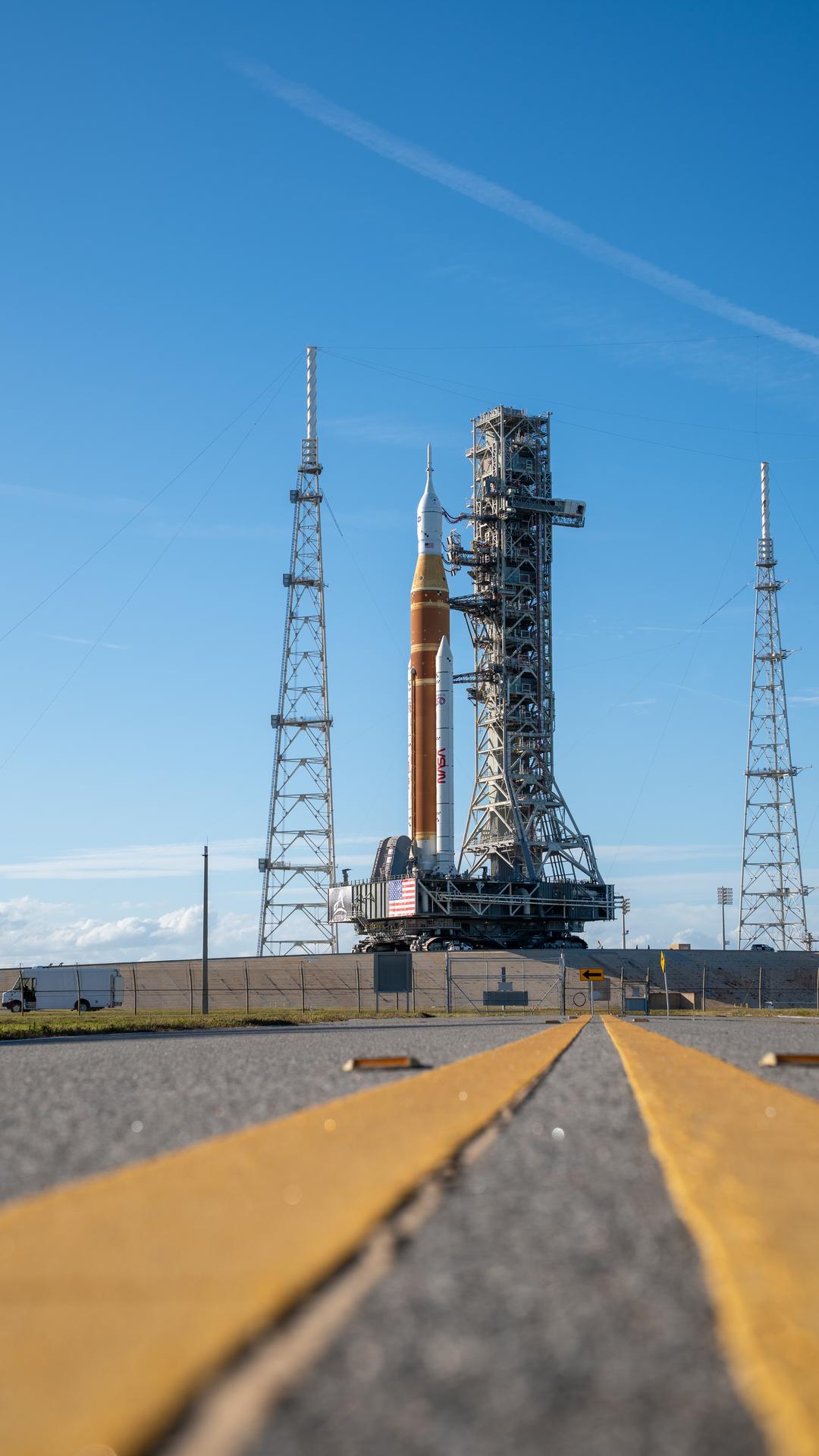
The Federal Aviation Administration wants to make it a lot easier to skip environmental paperwork before a rocket lifts off. On July 28-29, 2026, Transportation Secretary Sean P. Duffy announced a proposed rule that would let the FAA waive requirements drawn from 13 separate federal environmental and historic-preservation statutes — including the National Environmental Policy Act (NEPA) and the Endangered Species Act — when it licenses commercial rocket launches, reentries, and spaceport operations.
The proposal, published under Docket FAA-2026-8614, is now open for public comment for 30 days, a window that runs to roughly August 27, 2026.
What the Rule Actually Does
According to the FAA's own announcement, the proposed rule builds directly on President Trump's "Enabling Competition in the Commercial Space Industry" executive order. It would give the agency discretion to waive requirements tied to a baker's dozen of federal statutes governing environmental review and historic preservation, while — the FAA says — leaving public-safety, national-security, and foreign-policy protections untouched.
Trade outlet E&E News, which reviewed the underlying notice of proposed rulemaking (posted as a PDF titled "2120-AM51-FAA-Commercial-Space-Waiver-NPRM-Final.pdf"), reports that the rule specifically touches NEPA, the Endangered Species Act, and portions of the Clean Air Act and Clean Water Act. Tech Times adds that the Marine Mammal Protection Act is also among the 13 statutes the FAA could waive on a case-by-case basis. A Department of Transportation spokesperson told E&E News the changes are meant to let the FAA "waive unnecessary environmental laws and regulations that are slowing American innovation."
Tech Times frames the move as the most significant restructuring of commercial launch environmental oversight since Part 450 — the FAA's current streamlined licensing framework for commercial launch and reentry — took effect in 2021.
Why Now: The Numbers Behind the Push
The FAA's justification leans heavily on projected growth. Per data cited by AVweb, the agency authorized 204 commercial space operations in fiscal year 2025, expects 214 in 2026, and forecasts that figure climbing to as many as 507 by 2036 — a cumulative total of up to 4,288 licensed operations over the coming decade. That's the trajectory the FAA is pointing to when it argues current environmental-review processes can't keep pace with launch cadence.
Secretary Duffy framed the proposal in explicitly competitive terms. "America won the first Space Race, and we can do it again — but only if we get government red tape out of the way," he said, according to AVweb's report on the announcement.
What Stays, What Goes
The FAA has been careful to emphasize what the rule does not touch. Both the agency's own newsroom release and the DOT's comments to E&E News stress that public-safety requirements, national-security review, and foreign-policy considerations remain fully intact under the proposal — the waiver authority applies only to environmental and historic-preservation statutes, not to the safety case a launch operator has to make before the FAA issues a license.
What's less clear from the available materials is exactly how the FAA would decide, launch by launch or site by site, which of the 13 statutes to waive and under what criteria. That's precisely the kind of detail public comments are likely to probe over the next month.
Why It Matters
NEPA reviews and Endangered Species Act consultations have been persistent friction points for the commercial launch industry — E&E News's coverage of the rulemaking points to SpaceX's Starship program as an example of the kind of operation these reviews touch. A rule that lets the FAA waive those requirements outright — rather than simply streamline how they're conducted — would mark a categorical shift, not just a procedural one, in how the U.S. balances launch-industry growth against environmental and historic-preservation law.
The stakes scale with the FAA's own numbers: if licensed operations really do grow from roughly 200 a year to 500 a year within a decade, the cumulative environmental footprint of a much busier launch and reentry cadence — sonic booms, habitat disruption near launch sites, air and water quality effects near spaceports — will be shaped in large part by whatever review requirements survive this rulemaking. Tech Times' comparison to the 2021 Part 450 overhaul is a useful yardstick: that rule reshaped how licenses get processed, but this one reshapes what has to be reviewed at all. Environmental and wildlife advocacy groups, coastal communities near spaceports, and competing launch providers all have reason to weigh in before the comment window closes.
Sources
- LIFTOFF: Trump's Transportation Secretary Sean P. Duffy Announces Major Move to Streamline Commercial Space Licensing — FAA Newsroom
- FAA seeks to ease environmental reviews for commercial space launches — E&E News
- FAA Proposes Streamlining Commercial Space Licensing — AVweb
- FAA Rule Would Bypass Endangered Species Act for Every Rocket Launch License — Tech Times
