European Space Agency
Every Cosmic Herald story on European Space Agency — missions, launches, discoveries, and the business of space, newest first.
-
Astronomy
Euclid's 60-Million-Star Portrait of the Galactic Bulge Lays Groundwork for Roman
Euclid's new visible-light mosaic of the Milky Way's crowded center packs 60 million stars across 22 Moons of sky — and quietly hands NASA's Roman telescope a two-year head start on its planet hunt.
-
Astronomy
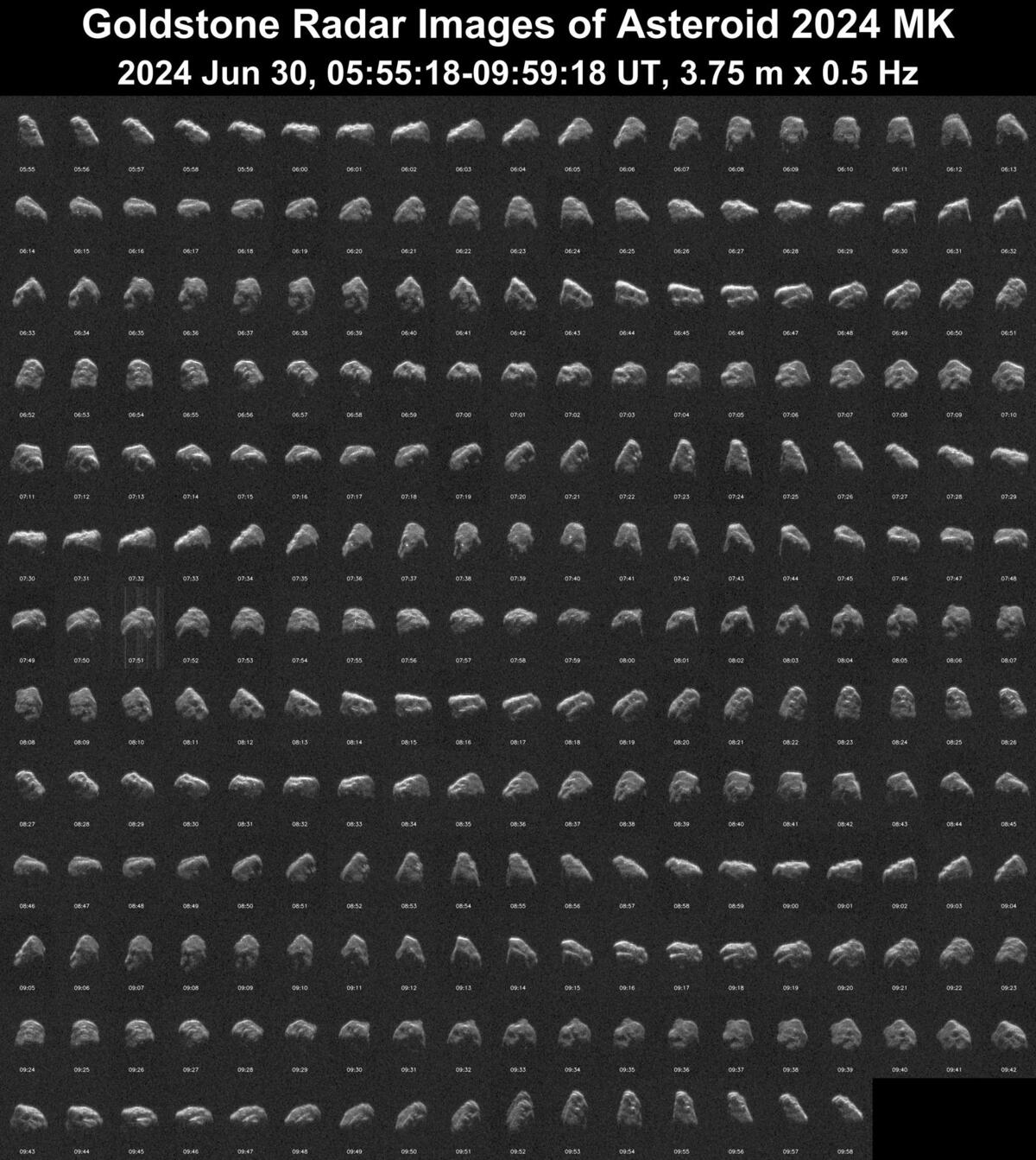
Asteroid 2026 JH2's Surprise Close Approach Exposes Detection Gaps in Planetary Defense
A 62-foot asteroid discovered just days before its closest approach demonstrates how near-Earth objects can slip past detection systems—and why autonomous surveys matter for planetary safety.
-
Astronomy
Astronomers can't agree on how old the universe is. That's actually exciting.
Two different methods of measuring the expansion rate of the universe give two different answers — and the gap between them is too large to be a measurement error. Known as the Hubble tension, this disagreement might be pointing toward new physics that nobody has found yet.
-
Astronomy
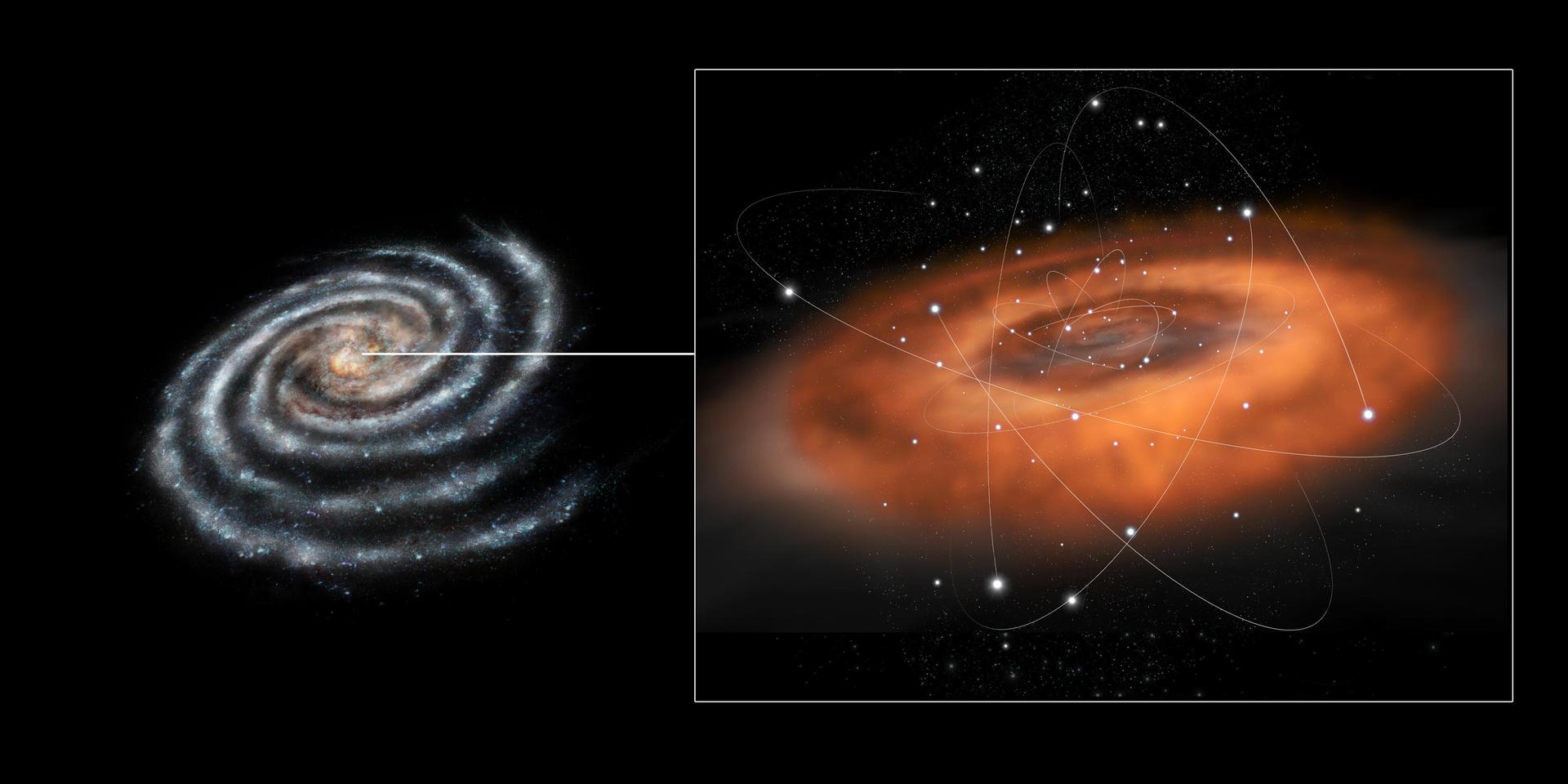
The Milky Way's skeleton is made of ghost stars — and Gaia is mapping every one
Gaia has revealed dozens of stellar streams threading through the galaxy — thin ribbons of stars from ancient satellite galaxies and globular clusters torn apart over billions of years. Astronomers are now reading them for evidence of dark matter and the Milky Way's violent past.
-
Astronomy
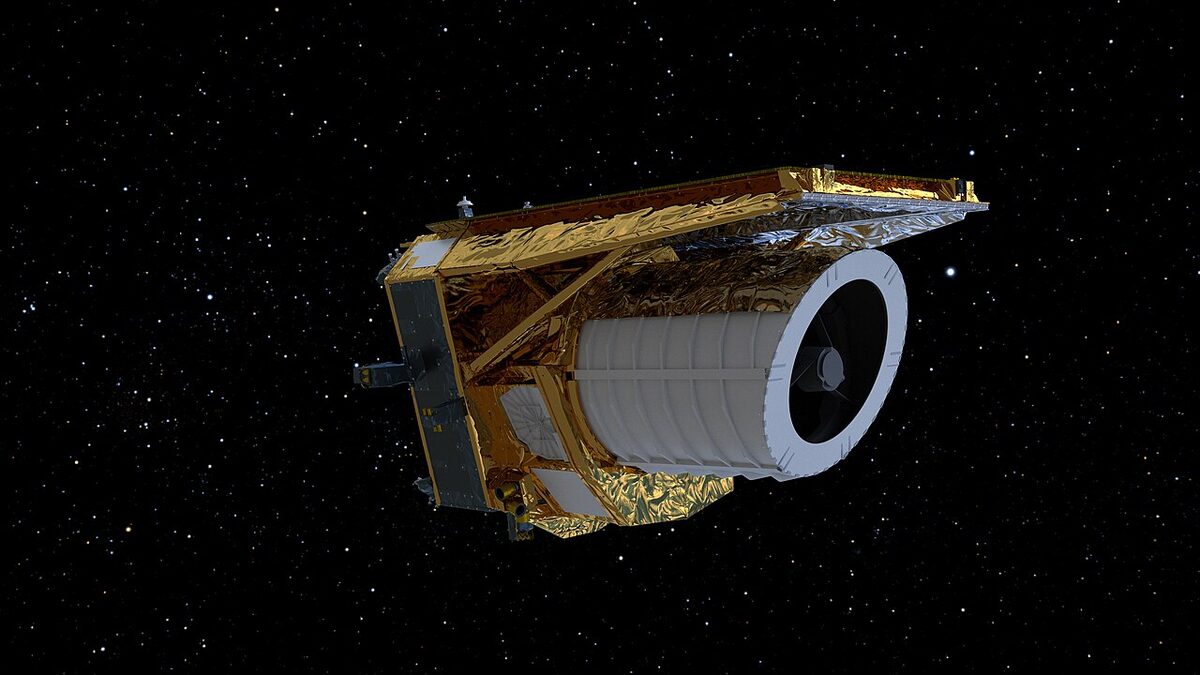
Europe's 'dark universe detective' is building a 3D map of the invisible cosmos
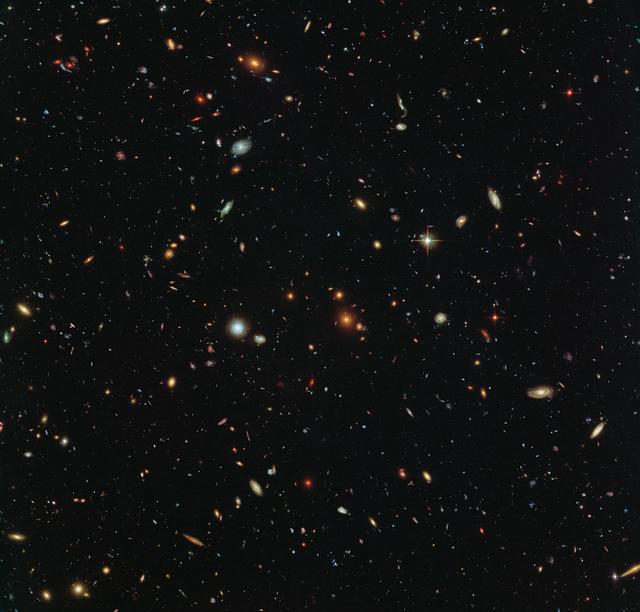
Most of the universe is made of things we cannot see — dark matter and dark energy. ESA's Euclid telescope is surveying billions of galaxies across ten billion years of history to map that invisible scaffolding, with its first major cosmology data release due this October.
-
Astronomy
Webb finds a black hole that grew too big, too fast, too early
Inside a 'little red dot' just 570 million years after the Big Bang, Webb has caught a supermassive black hole feeding voraciously — and far too large for its host galaxy, deepening a puzzle about early cosmic growth.
-
Astronomy
Measuring a strain of 10⁻²¹: how gravitational-wave detectors work
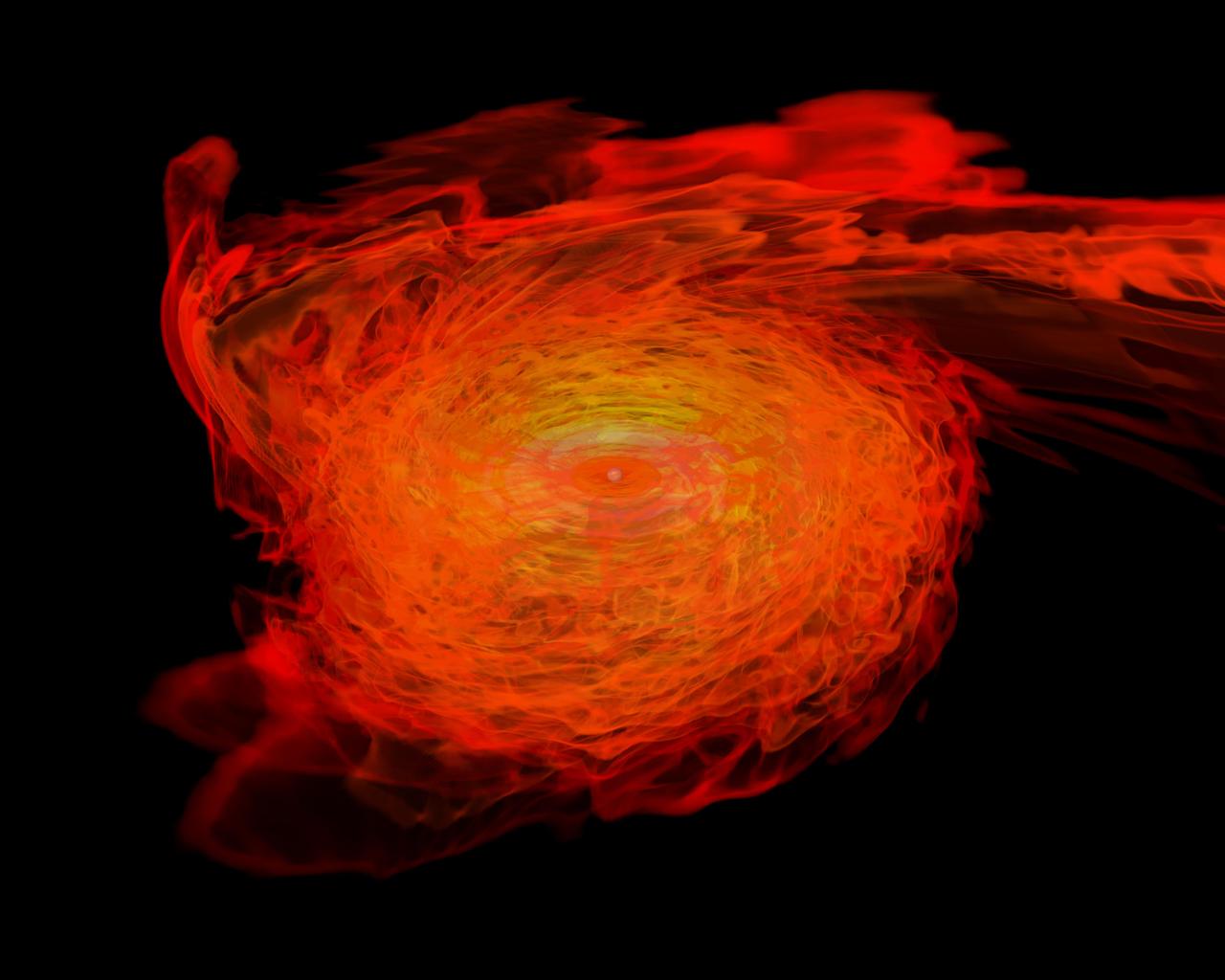
LIGO detects spacetime distortions a thousandth the width of a proton across a four-kilometre arm. The instrument is an exercise in suppressing every other effect on Earth — and it has opened a genuinely new way of observing the universe.