
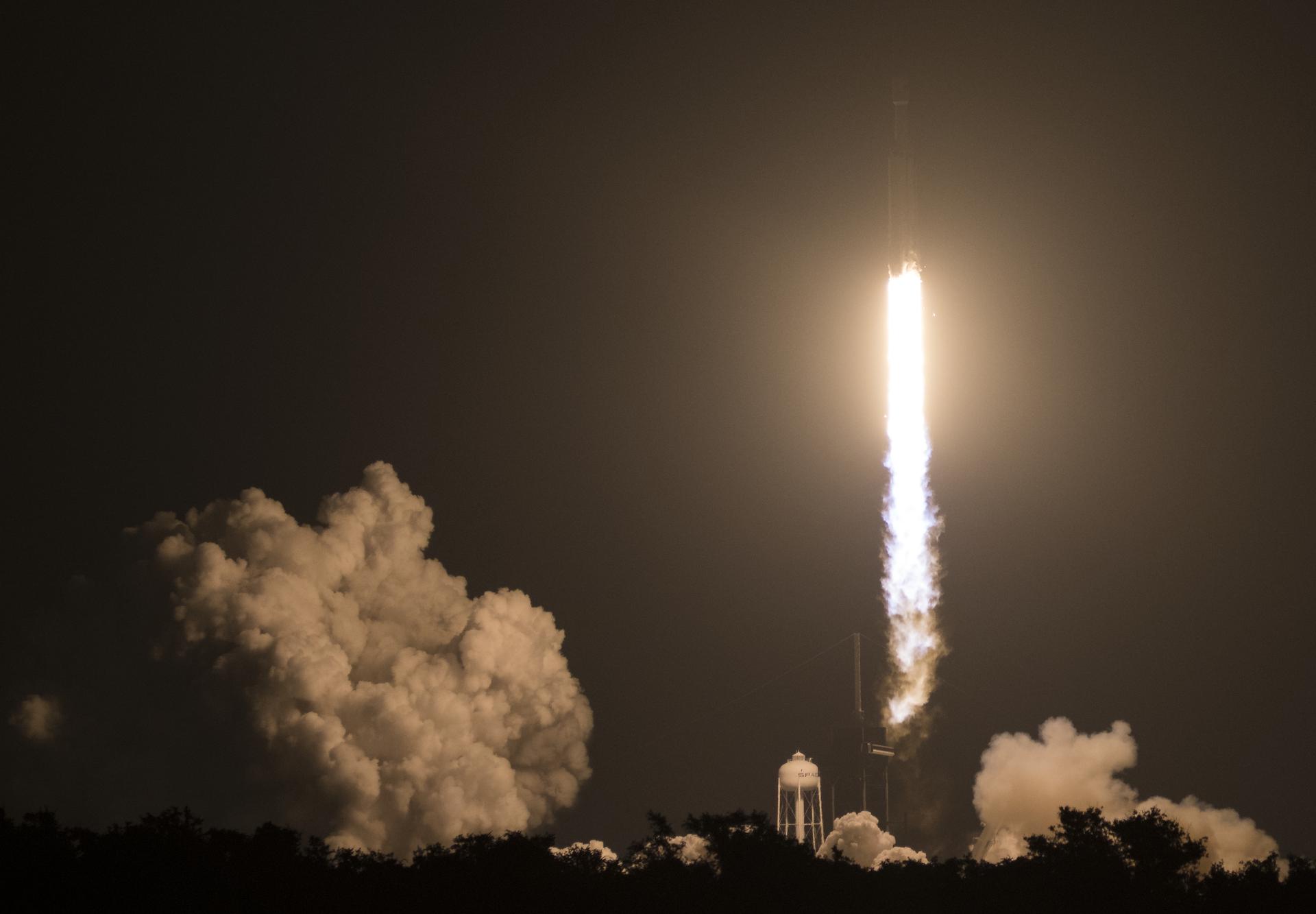
SpaceX is leaving the Texas coast for company. On August 25, 2026, the company and the Louisiana Economic Development office announced a new $100 billion Starship spaceport on a former Exxon property at Pecan Island, in Vermilion Parish along Louisiana's Gulf Coast. The site has already been given a name that matches its ambition: Starbase Louisiana.
The scale of the announcement outstrips anything SpaceX has built to date, including its existing Starbase in Boca Chica, Texas. At full buildout, the Louisiana campus is planned to include five separate launch complexes, each with two pads, for a total of ten launch pads on one site. Elon Musk, in comments accompanying the announcement, said the finished facility would include more than a dozen launch towers and could support more than 30 Starship flights a day — a cadence he framed as making it "the biggest launch site on Earth."
Construction is slated to begin in 2027, with SpaceX targeting a first launch from the site in 2029.
Why It Matters
Launch cadence has been the bottleneck constraining SpaceX's Starship ambitions — Mars transport, Artemis lunar landings, and the company's own Starlink expansion all depend on flying the vehicle far more often than any rocket in history. A single site designed around 30-plus flights per day, if realized, would represent an operations tempo more typical of a commercial airport than a rocket range. Even a fraction of that cadence would mark a qualitative shift in how often heavy-lift orbital rockets fly.
The project also signals SpaceX's continued push to diversify its Gulf Coast infrastructure beyond Boca Chica, spreading Starship operations — and the associated economic and regulatory footprint — across multiple states. For Louisiana, the deal is being pitched as a generational economic development win, not just an aerospace story.
The Deal, By the Numbers
According to the Louisiana Economic Development office's official announcement, the incentive package includes:
- 3,000 direct jobs over 10 years, at an average annual salary of $92,600 — 192% above the parish average.
- 8,100 indirect jobs projected to follow from the direct hiring.
- $25 million per year in PILOT (payment in lieu of taxes) payments for 25 years, plus a $20 million upfront payment from SpaceX to the state.
Louisiana Gov. Jeff Landry and LED Secretary Susan Bourgeois both offered supportive statements in the release, framing the project as a transformative investment for a rural parish economy.
What Gets Built, and When
The published buildout plan calls for five launch complexes, each hosting two pads, for ten total pads once the site is complete, according to the Louisiana Economic Development announcement. Teslarati's coverage frames the operational target behind that infrastructure as "thousands" of Starship launches annually — its own extrapolation from Musk's separate description of a site with over a dozen towers supporting more than 30 flights per day at peak cadence. That is a design target, not a near-term operating schedule. The public timeline so far has only two fixed points: groundbreaking in 2027 and a first launch targeted for 2029. Nothing in the announcement specifies how quickly the site would ramp from that first launch toward the eventual multi-pad, multi-tower cadence Musk described.
Reading the Fine Print
The PILOT arrangement — $25 million annually for 25 years plus the $20 million upfront payment — is a common structure for large industrial incentive deals: it lets a company make negotiated payments in place of standard property taxes, typically in exchange for committed jobs and investment. Vermilion Parish, a rural coastal parish, stands to see a significant jump in local economic activity if the job and wage figures play out as projected, with average salaries pitched at nearly triple the parish average. As with any project on this scale and with a three-year runway to first launch, the announcement itself represents a plan and a signed economic development agreement — not yet a built facility. Construction, environmental and regulatory processes, and the multi-year path from a single first launch to a ten-pad, dozen-tower operation all remain ahead.
