
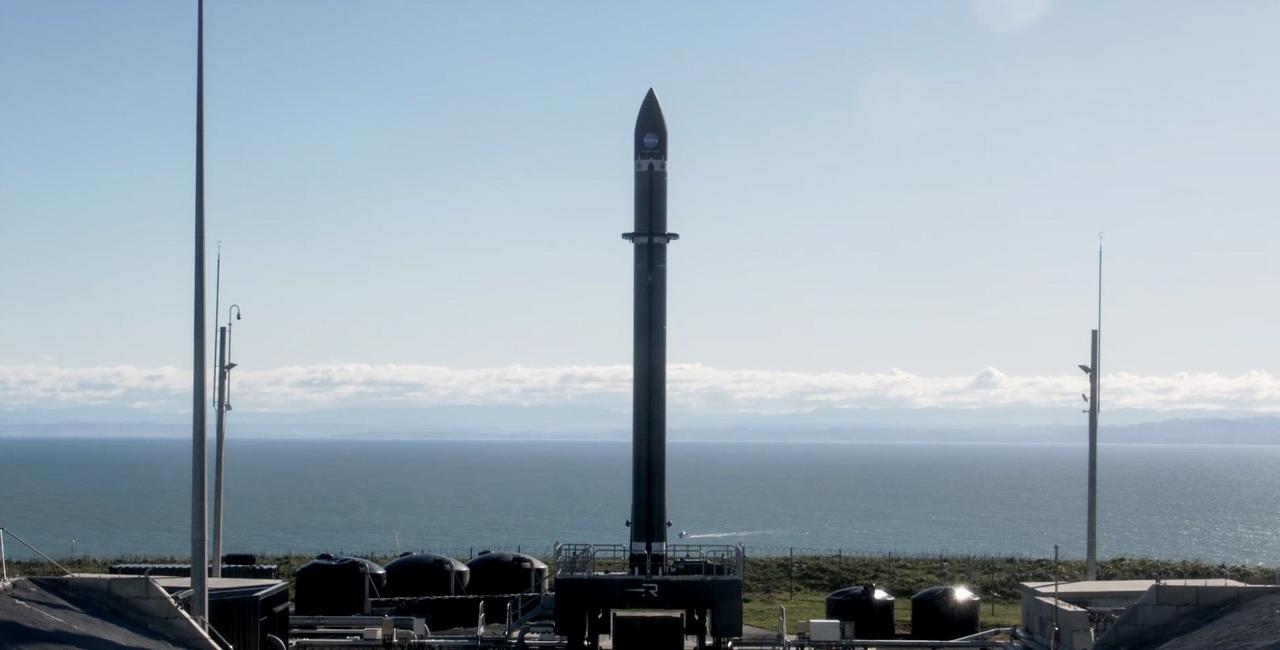
On June 1, 2026, China flew the Long March 12B for the first time, adding another vehicle to a national push toward the reusable rockets that have reshaped the global launch market. The flight is a modest milestone on its own, but it fits a clear and accelerating trajectory: China is methodically working toward the booster recovery that made SpaceX dominant, and it is doing so through a growing roster of both state and commercial entrants.
Building on the Long March 12 line
The new rocket descends from the Long March 12, which first flew on November 30, 2024, from the Wenchang Commercial Space Launch Site in Hainan — China's dedicated commercial spaceport. Built by the Shanghai Academy of Spaceflight Technology under the state aerospace giant CASC, the baseline Long March 12 is a two-stage kerosene-and-liquid-oxygen vehicle capable of lofting at least 12 tonnes to low Earth orbit, or about 6 tonnes to a 700-kilometre Sun-synchronous orbit. The 12B variant is a more powerful development, with a wider 4.37-metre diameter compared with the standard 3.8 metres, and is being developed by a commercial joint venture operating under CASC.
The reusability campaign
The 12B is one piece of a broader, incremental effort. Just months earlier, on December 23, 2025, the reusable-focused Long March 12A variant successfully reached orbit but failed in its attempt to recover the first stage — the kind of partial result that has characterised early reusable development the world over, where reaching orbit and sticking the landing are separate and unequal challenges. China's approach mirrors the path SpaceX walked a decade ago: fly, attempt recovery, learn, and iterate, across multiple vehicles and several competing teams.
A more crowded sky
What makes the steady cadence notable is the company it keeps. Reusable or reusable-intended vehicles are now in development on several continents — alongside established players, a wave of newer launchers is being designed around recovery because an expendable rocket increasingly struggles to compete on price. China's commercial spaceflight sector, operating under the state umbrella but with growing private participation, is racing to claim a share of that market and to support the country's own ambitions, including large satellite constellations that demand cheap, high-cadence launch. The Long March 12B's debut will not, by itself, change the competitive balance. But it is one more sign that the contest to make orbital rockets reusable — and launch cheap — has become genuinely global.
Constellations are driving the urgency
Behind China's push toward reusability sits a concrete demand: satellite mega-constellations. The country is building out large networked satellite systems intended to rival Western broadband constellations, and deploying thousands of spacecraft requires exactly the cheap, high-cadence launch that only reusable rockets make economical. Just as Starlink's appetite for launches helped justify SpaceX's investment in reusability, China's constellation ambitions are creating the internal market that makes recovering and reflying boosters worth the engineering effort. The Long March 12B and its siblings are, in part, infrastructure for those networks.
A state programme with commercial edges
What is notable about the current phase is the structure. The 12B is being developed by a commercial joint venture operating under the state aerospace giant CASC, and it launches from a dedicated commercial spaceport in Hainan — signs of a deliberate effort to cultivate a more agile, business-like layer within China's traditionally centralised space establishment. A growing field of Chinese commercial launch firms is pursuing reusable vehicles in parallel, echoing, in a different political context, the way commercial competition reshaped the American launch industry. Whether that produces a Falcon 9-style breakthrough remains to be seen, but the direction is unmistakable, and the global launch market is becoming more crowded — and more competitive — as a result. For the rest of the world, the practical takeaway is that the downward pressure on launch prices that reusability unleashed is no longer a single company's advantage but an international race, with American, European, and Chinese vehicles all converging on the same hard problem of flying a booster, recovering it, and flying it again.
