
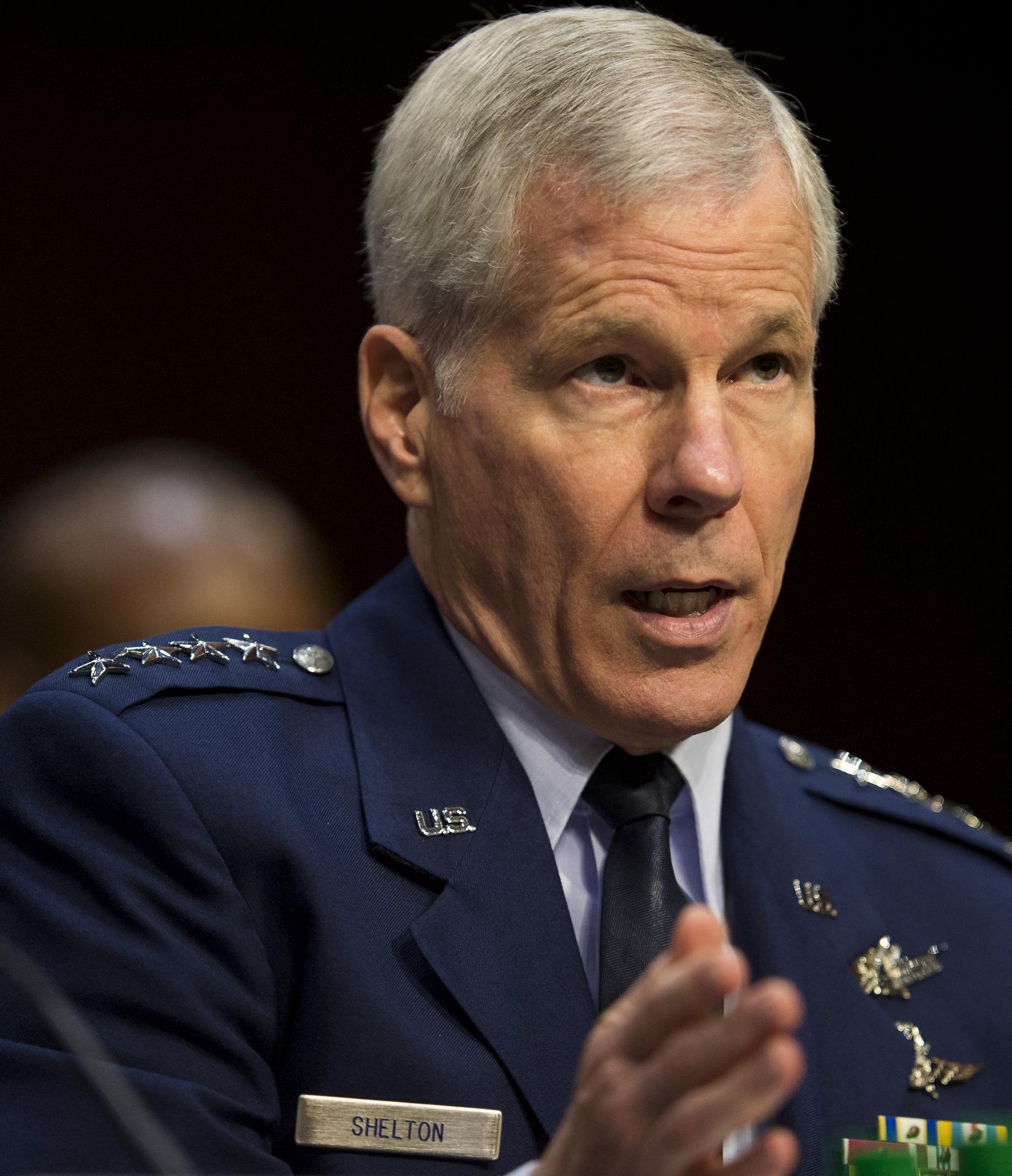
The Space Force is about to get a new top officer — or at least take the first formal step toward one. The Senate Armed Services Committee has scheduled a confirmation hearing for July 16, 2026, at 9:30 a.m. ET in Room SD-G50 of the Dirksen Senate Office Building, where senators will question Lt. Gen. Douglas A. Schiess about his nomination to become the service's next Chief of Space Operations.
The hearing appears on the committee's official calendar as a Full Committee proceeding on "the nomination of Lt. Gen. Douglas A. Schiess, USSF, to be General and Chief of Space Operations." If confirmed, Schiess would succeed Gen. B. Chance Saltzman, who has led the Space Force as its second Chief of Space Operations, and would become just the third officer to hold the post in the service's history.
Who Is Douglas Schiess?
Schiess currently holds the rank of Lieutenant General, a three-star grade. The Senate Armed Services Committee's own hearing notice frames his nomination as one "to be General and Chief of Space Operations" — meaning confirmation would both promote him to the Space Force's four-star rank and install him as the service's third Chief of Space Operations, succeeding Gen. B. Chance Saltzman.
The nomination proceeds under Title 10 of the U.S. Code, Sections 601 and 9082, the statutory provisions governing appointments to general officer grades and the position of Chief of Space Operations specifically. That's the standard legal pathway for a service chief nomination, and it places Schiess in the same procedural lane as his predecessors.
What Happens at the Hearing
The July 16 session will be chaired by Sen. Roger Wicker (R-MS), with Sen. Jack Reed (D-RI) serving as ranking member. Reed's presence on the dais is worth watching: he has been described as showing particular vigilance toward military leadership nominations during his time on the committee. Whether that scrutiny extends to Schiess's nomination — a uniformed, apolitical service chief position rather than a political appointee post — remains to be seen, but Reed's questioning at confirmation hearings has often set the tone for how contentious a session becomes.
Confirmation hearings for service chiefs typically follow a familiar format: an opening statement from the nominee, followed by rounds of questions from committee members on operational priorities, personnel issues, budget requests, and strategic posture. For a Space Force nominee, expect questions to center on the service's relatively young institutional footing, its relationship with the other armed services, and the broader push to expand U.S. space capabilities amid competition with China and Russia.
Why It Matters
The Chief of Space Operations is the Space Force's senior uniformed officer — the officer who sets doctrine, advocates for budget and personnel, and represents the service on the Joint Chiefs of Staff, comparable in stature to the Chief of Staff of the Air Force or the Chief of Naval Operations. Because the Space Force is still one of the youngest branches of the U.S. military, every transition at the top carries outsized institutional weight: each Chief of Space Operations has effectively been building the service's playbook in real time, from how it recruits and trains "Guardians" to how it postures against adversary satellite and counterspace capabilities.
A smooth, uncontested hearing would signal continuity in space policy at a moment when the Pentagon is leaning harder on space-based sensing, missile warning, and communications architectures. A rockier one — given Reed's reputation for close scrutiny of military leadership nominations — could turn into a broader referendum on Pentagon leadership decisions rather than a narrow assessment of Schiess's qualifications. Either way, the outcome will shape who steers the Space Force's growth through the back half of the decade.
What's Next
Following the hearing, the committee would need to vote to advance Schiess's nomination to the full Senate for a confirmation vote. That step, standard for any general-officer nomination, requires only a committee majority to send the nomination to the floor; final confirmation then requires a vote of the full Senate. No timeline for either vote has been set. Until then, Gen. Saltzman remains the Space Force's Chief of Space Operations, and the July 16 hearing stands as the first public step in the process.
