
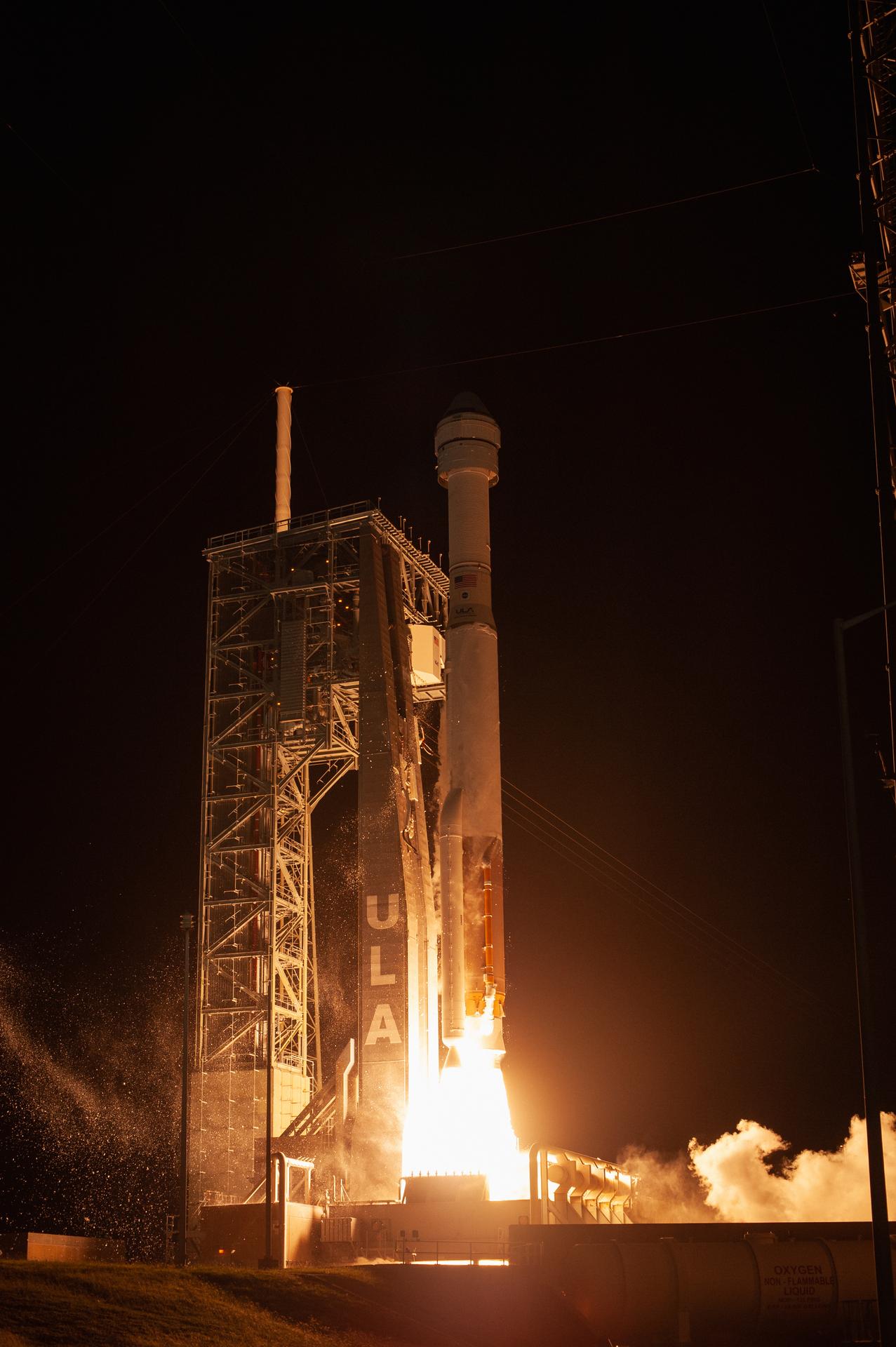
The U.S. Space Force just widened the pool of companies it trusts to fly national security payloads to orbit — and for the first time, one of the new entrants isn't building a rocket at all.
On July 7, 2026, Space Systems Command's Space Access program office on-ramped Relativity Space and Impulse Space into the National Security Space Launch (NSSL) Phase 3 Lane 1 contract vehicle, according to a Space Systems Command newsroom release and independent reporting from SpaceNews, AIAA, and Via Satellite published July 8. The move brings the total field of Lane 1 providers to seven, joining SpaceX, United Launch Alliance, Blue Origin, Rocket Lab, and Stoke Space.
Each new entrant received $5 million to fund preparatory work, after which they become eligible to bid for individual task orders drawn from a Lane 1 ceiling of up to $5.6 billion, per Via Satellite's reporting. Nothing is guaranteed — admission to the pool is a ticket to compete, not a launch contract.
What Lane 1 Actually Is
NSSL Phase 3 splits national security launches into two tracks. Lane 2 is reserved for the Pentagon's most demanding, fully certified missions — the kind that require a rocket with an extensive flight-proven pedigree and rigorous government oversight of every phase of development. Lane 1, by contrast, is built for lower-risk missions that can tolerate more schedule and technical uncertainty in exchange for tapping into the faster-moving commercial launch market. It's the track the Space Force created specifically to let newer entrants compete before they've accumulated the flight history Lane 2 demands.
That distinction explains why Relativity and Impulse were admitted now rather than to the more exclusive Lane 2 roster. Relativity Space is still developing its Terran R medium-lift rocket, which according to SpaceNews has not yet flown. AIAA's report notes the company has been running Aeon engine test firings at NASA's Stennis Space Center — a sign of active hardware progress, but still short of an orbital debut.
The Space Tug in the Room
Impulse Space's inclusion is the more unusual data point. As Via Satellite's report details, Impulse isn't a launch vehicle company at all — it builds the Helios orbital transfer vehicle, a space tug designed to move payloads from an initial drop-off orbit to their final destination. Its admission to a launch-services contract vehicle signals that Space Systems Command is treating in-space transportation as part of the launch equation, not just the rocket that gets a payload off the pad.
That's a meaningful shift in how the Pentagon frames "launch." A satellite bound for a specific orbital slot doesn't just need lift to space — it often needs a maneuverable stage to finish the job efficiently, especially on rideshare missions where a single rocket drops off multiple customers at different altitudes or inclinations. By folding a tug operator into the same contract vehicle as rocket builders, the Space Force is acknowledging that mission flexibility increasingly depends on what happens after main engine cutoff, not just before it.
Why It Matters
The NSSL program is how the Pentagon buys its way to orbit for GPS satellites, missile-warning constellations, and classified reconnaissance payloads — missions where a launch failure or schedule slip carries real strategic cost. For years, that business was effectively a two-player market between ULA and SpaceX. Phase 3's Lane 1 structure was explicitly designed to break that bottleneck by giving newer, less-proven providers a formal path into the competition without forcing the government to bet a flagship mission on an unflown rocket.
Adding Relativity and Impulse Space continues that expansion, and it does so in two different directions at once. Relativity represents the traditional bet: a new heavy-metal rocket company racing to prove out hardware that, per SpaceNews, hasn't flown yet. Impulse represents something newer — a recognition that resilience in orbit isn't only about who can build a bigger rocket, but who can move a payload precisely once it gets there. For a military increasingly worried about satellites that need to maneuver, refuel, or reposition on short notice, an in-space mobility provider sitting inside the same contract vehicle as launch providers is a small but telling signal about where planners think the real leverage is headed.
It's also a vote of confidence with strings attached. The $5 million on-ramp payments are seed money for readiness work, not a guarantee of task orders — Relativity and Impulse now have to actually win competitive bids against five already-established Lane 1 competitors, including SpaceX and Rocket Lab, both of which have long operational track records. Getting into the pool was the easy part.
Sources
- Space Access Awards 2 Contracts to On-Ramp New Providers to National Security Space Launch Phase 3 Lane 1 — Space Systems Command
- Space Force adds Relativity, Impulse Space to national security launch program — SpaceNews
- Space Force Broadens National Security Launch Pool with Relativity, Impulse — AIAA
- Impulse Space and Relativity Space Join the Field for Space Force NSSL Phase 3, Lane 1 — Via Satellite
